Browsed by
Category: Tips Hints and Ideas

Help for the new and not so new gardener

Container Gardeners Tips
Container Gardeners Tips

container-gardening

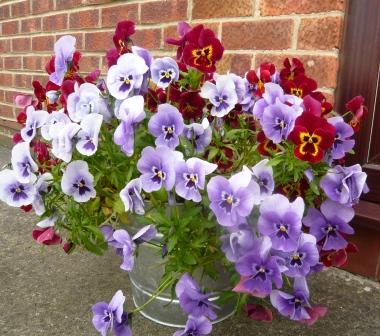
Silver champagne buckets or plain galvanised steel, there is a container for every purpose. These Pansies contrast with the brick wall and almost cover the container.

Gardeners Container Tips

  • Wether using a pot, tub, bowl, trough or urn make sure there is a drainage hole to allow rain and water to escape. Plants can drown far too easily.
  • Select the material for the container to complement the garden design and chosen plants. Stone, wood, plastic and metal containers are freely available.
  • For a conservation garden ‘found materials’ can be made into a container. A  hollowed out log, old barrel or any container coated in a slurry of concrete and yogurt or peat can look and do good.
  • You may plan to use a containers for one season or several years. Use compost that will suit the conditions eg John Innes no 3 for trees and shrubs or peat substitute for annuals.
  • Plan the planting to soften the edges of the container with plants spilling over. Do not leave a lot of soil showing as it will look sparse.
  • When planting from a pot use the current pot to make a suitable sized hole shape in the container so you can drop the plant straight in and firm it easily.
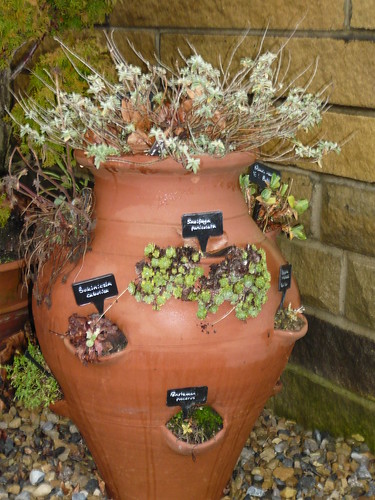
Alpine Strawberries

Outdoor containers made from terracotta or pottery need to be frost proof to avoid cracking. It is also advisable to lift them off the ground so they do not freeze to the path. A hard frost can see the base left behind when the pot is moved. To prevent this you can buy small pot feet, put the container up on bricks or stand it on some gravel or bubble wrap.

Winter Container Care Tips
Keep winter containers out of cold drying wind for the best results. Any shelter will be appreciated by plants that have to do battle with winter conditions.
Winter can often have dry spells so keep an eye on pots that may need some watering. This is also true of pots under roofs and eaves.
I like to use a woooden tub or half barrel and start by lining the container with a few bits of broken flowerpot or polystyrene for drainage.
Plant pre-grown bulbs before adding the other plants with trailing plants at the edge of the container. You can bury small pots in a larger container and change them as necessary.
Plants grow more slowly in winter so pack them in fairly close together to get a quick effect.
If you have special plants that do not like their crowns to get wet put a glass cover over the pot.
More Space for More Crops

More Space for More Crops

new-picture-2

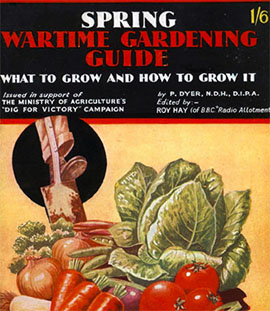
Gardening will help in the war against economic recession. These tips give you some ideas how to increase the area you cultivate and the number of crops you can grow even if your garden space is restricted.

More Growing Area for a Small Garden

Grow Bags and Containers

  • Grow bags can be stood on paths or waste land and can be used for many crops like onions, salads, tomatoes or courgettes.
  • Make your own grow bag, if they are too expensive, with ordinary soil in a plastic bag. To help water retention I have used those packets of silica they use to keep electrical products dry.
  • To get a deep grow bag I cut them in two and stand them on there ends for crops I want to cosset.
  • There are a wide range of baskets and boxes that can be fixed to a wall or fence to increase your growing area.
  • You can make a raised bed on hard standing. I have put 10 inches of soil over an old tarmac drive and it is fine for leafy crops.

Read More Read More

Spring Spraying Fruit Trees Against Pest and Disease

Spring Spraying Fruit Trees Against Pest and Disease

Spring spraying of apple and pear trees is essential to avoid various troubles. Leaf, blossom and fruit problems need tackling with controlled spraying at the right time. It is a mistake to wait until you see signs of attack because it will be too late to remedy the problem, prevention is better than cure.
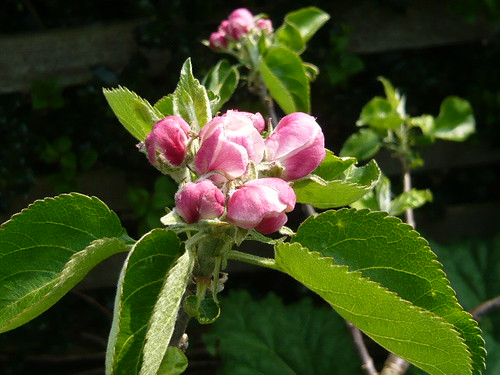
apple blossom
The first spray against scab and fungal problems should be made around mid-April. Traditionally Lime sulphur was used to control fungi, bacteria and insects living or dormant on the surface of the bark. That tends to burns leaves so it is not used on evergreen plants. Modern methods spray with Copper Sulphate, Bordeaux mixture or a fruit tree recommended systemic fungicide such as Dithane.Start spraying in April, again after petal fall and at the end of June, failing that read the instructions on the bottle.

Read More Read More

Tips for Growing Aubergines in the UK

Tips for Growing Aubergines in the UK

Aubergine

Grow Eggplants from Seed

  • Fill a pot with seed compost then firm lightly.
  • Scatter a few seeds across the surface – not too thickly
  • Cover with a thin layer of soil or vermiculite, water and label.
  • Place in a propagator or warm spot or on a windowsill with a plastic bag over the top to help germination. Remove bag when seeds have germinated in about 7-10 days.
  • When seedlings are 3cm tall give each their own 7.5cm pot.
  • Pot into a larger pot with general purpose compost when roots show through drainage holes.
  • When plants are 25cm tall, stake with a cane and pinch out the top to make new branches.
  • Plant into large pots for a sunny sheltered spot or grow in a greenhouse
  • Pinch out the growing tip when 18″ high and the side shoots when 3/4 fruit are set
  • Feed, using a high potash feed, when the fruit has set .
  • Aubergines can suffer from blossom end rot, so ensure that plants do not dry out.

Watering
Aubergines are incredibly thirsty and dry compost will quickly lead to a check in growth.
Ensure that the plants never dry or the fruit will be poor and tough.

Feeding
The first flowers will appear when the plants are quite small.
Give high potash feed when first flowers show.
When this happens feed weekly with a liquid feed tomato fertiliser.

Cropping
Fruits can be harvested with scissors or a sharp knife about August-September
Each aubergine or eggplant will produce up to 3 or 4 fruits, depending on variety and the weather.
Pick when skin is shiny and fruit is a good size.

Aubergines from Thompson Morgan

Aubergine and Varieties to Grow

  • Egg-plants or Aubergines are related to potato, tomato and deadly-nightshade.
  • Aubergines may survive outside in mild areas but they like warmth.
  • Old varieties had bitter flesh that needed salting but modern varieties are now much more palatable.
  • Outdoor fruits will be smaller.
  • For the small fruited cultivars it might be six inside and three out of doors
  • Aubergine Baby Rosanna F1 produces an abundance of golf ball sized, bitter free baby fruits throughout the summer on dwarf plants.
  • Spineless plants of Aubergine Calliope produce a heavy crop of oval, baby fruits that mature to a cream streaked purple colour.
  • Traditionally coloured black varieties include Florida High Bush and Moneymaker F1.

Seed varieties from Thompson Morgan

Read More Read More

Easy and Easier Dahlias

Easy and Easier Dahlias

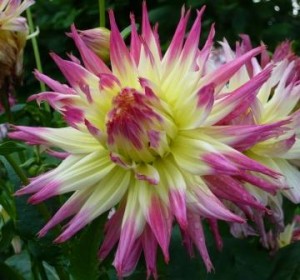
A cactus with a dinner-plate sized flower.

harrog-059
Cactus Dahlia

Easy Dahlias
Dahlias are the showiest of flowers with a wide range of flower types. If you want neighbours to stop in amazement to gaze at your garden give dahlias a chance. The colours available are brilliant and clean with a showy appearance. If kept deadheaded they will flower strongly until the first frost.

How to Grow Easy Dahlias

• The biggest and widest range of dahlias are grown from tubers (the thick finger like roots often sold in plastic bags at garden centres)
• Select your varieties via the pack picture and read the label to see what sort of flower to expect. There are good value mixed packs available
• Plant in the garden from early April about 6 inches deep or per the instructions on the pack. Give the plant space to grow, big varieties need 24 inch spacing.
• Growth comes from where the stem meets the tuber so take care not to damage that part. A tuber finger on its own will not grow.

Read More Read More

10 Quick Gardening Tips

10 Quick Gardening Tips

Some plants ward off insects from more delicate plants.

Menston taggets

  1. It pays to think ahead for the garden. Wallflower seeds should be sown in June or July for the next spring –
  2. Deadhead plants that have flowered
  3. Occasionally water your plants with a solution of seaweed extract as a plant tonic and water newly sown seeds with a dilute solution as it helps germination
  4. After a prolonged rainy spell mulch your plants leaving a saucer effect to collect more water
  5. Water African violets and cape primroses from the bottom by placing pots in a shallow bowl to take up the water they need.
  6. With the increase in cost of all fuel plan what heat you need in the greenhouse this winter. hardier plants may survive in a cold greenhouse whilst tender plants may be over wintered in the house.
  7. If you have an unsightly boundary fence turn it into a ‘Fedge’. Weave Forsythia, Winter Jasmin and or Variagated Ivy (hedera canariensis) between the fence posts and palisades and get your cross between a hedge and a fence.
  8. For an aromatic low hedge try Rosemary the scent from which also confuses the carrot root fly
  9. Grow horseradish in drainpipes inserted vertically into the ground to get straight roots
  10. Your salads can be perked up with the thinning from salad crops and onions or leaves of other plants like the peppery taste of Nasturtium leaves

London  jan 13

feed the birds by all means but draw the line at Geese.

Use Shrubs for Lower Maintenance

Use Shrubs for Lower Maintenance

It is no surprise that annuals need replacing every year. Shrubs are great for lowering the amount of maintenance needed in your garden. Big shrubs can cover larger areas and need very little care and maintenance.
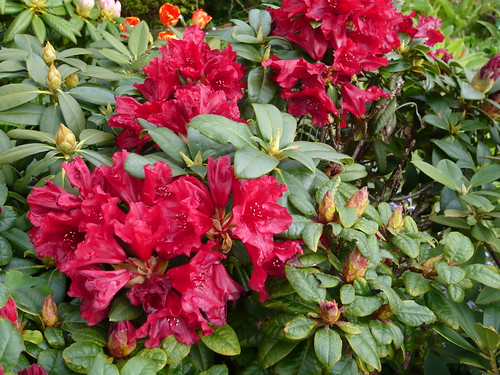
Rhododendron
Rhododendrons can have a wide spreading habit over may yards or the smaller varieties will suppress other plants in a smaller bed.

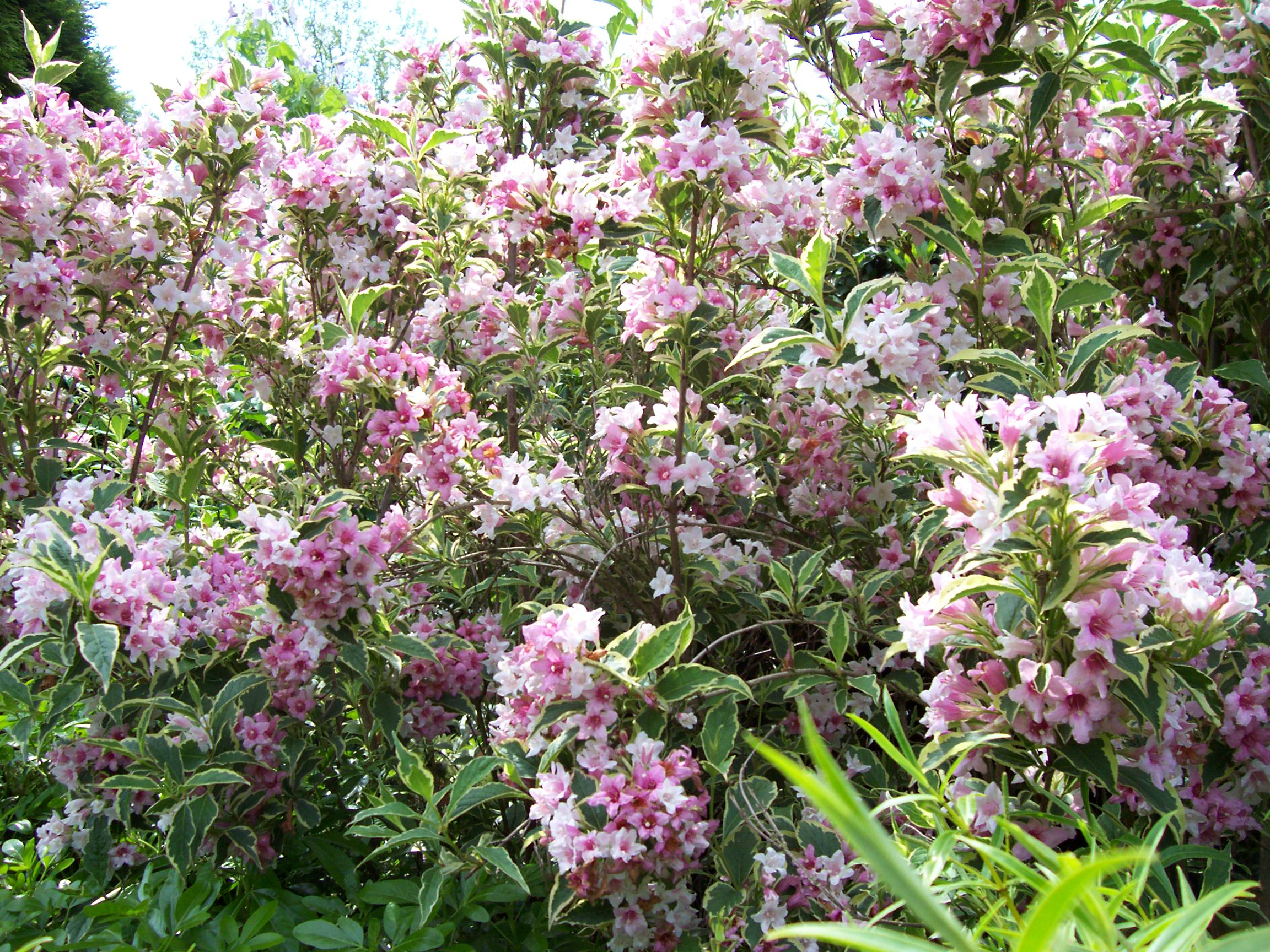
Weigelia Varigata

This shrub grows over six feet high and covers a four foot circumference. When in full flower it is very striking and the variegated leaves have interest through summer. It is easy to propagate from 12 inch long cuttings of semi ripe wood and it is a rapid grower reaching good proportions in two years. Other varieties like Bristol Ruby forsake variegated leaves for very strong coloured flowers in June and July with a late show if you cut off the old flowers but for low maintenance don’t bother.

Varigated Weigelia in the sun

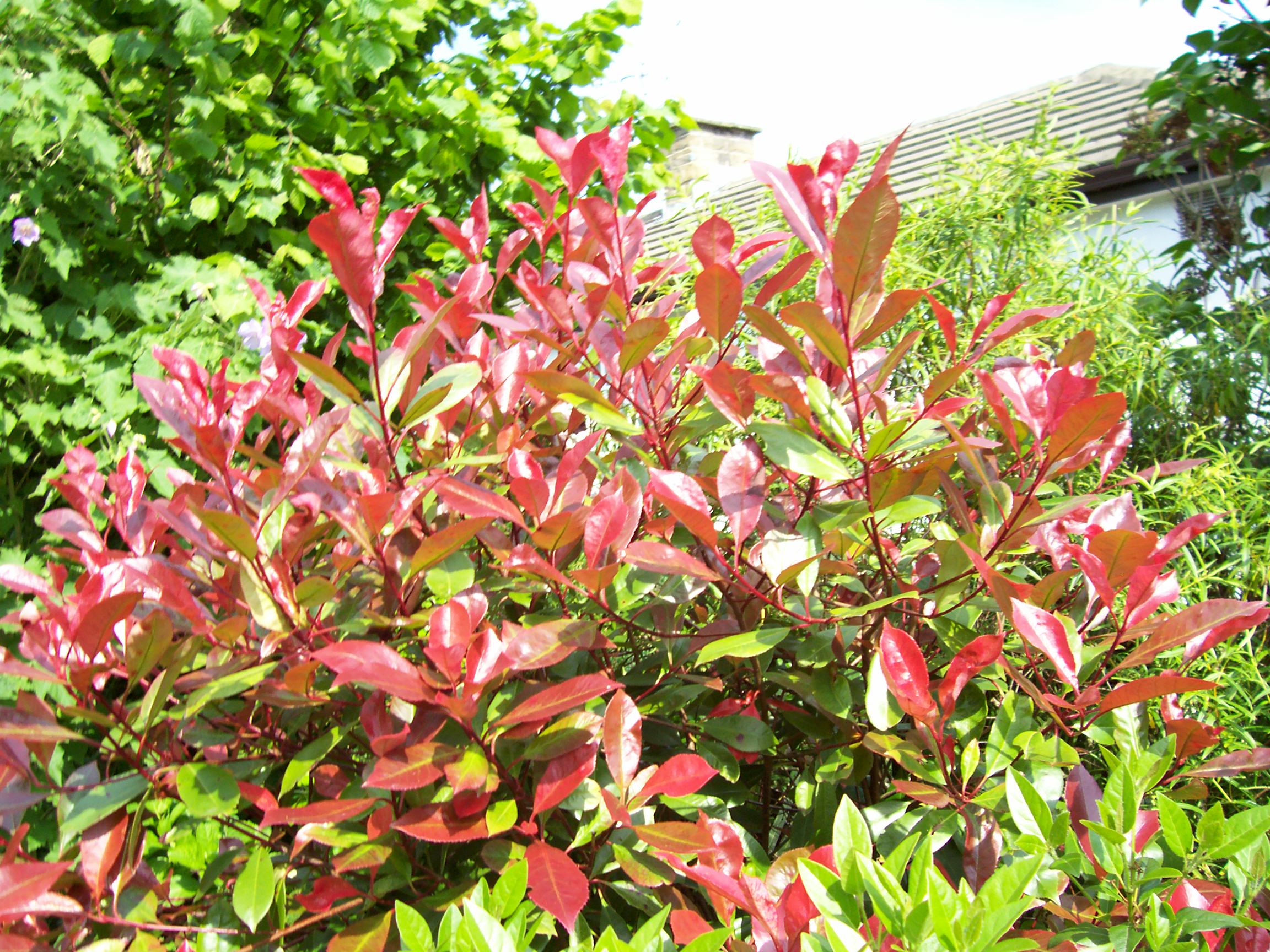
Photinia Red Robin

This is a shrub that can be left to develop or trained up a single stem. It is part of a family of Photinias that include small trees. For this variety of Photinia fraseri five feet is a reasonable size but it will continue to grow to a hight and spread to 10 feet. The shiny evergreen leaves are bright red in spring and apart from the danger of a bit of frost to the new leaves the shrubs are hardy. Again I don’t prune my photinia but when it gets to large i will cut it back which will encourage more red leaves at the expense of flowers

Two year old Photinia

Bring Back Gardeners Buttonholes

Bring Back Gardeners Buttonholes

Many proper gardeners wore shirt and tie but few wore the button hole flowers they grew. We are starting a campaign to bring back button holes!

Buttonholes are ‘not just for weddings’ but they have dropped down the fashion stakes as gardeners have concentrated on garden design rather than sartorial elegance. How many gardeners now wear a suit and tie to work but pre war that was a different matter.
I am thinking of starting a campaign to bring back the regular wearing of a floral buttonhole but first I intend growing more buttonhole flowers.
National buttonhole day could be on your particular anniversary, April Fools day or my choice would be 30th June to offer a good selection of flowers.

Flowers For Buttonholes

  • I was torn between a Rose bud and several other species for the top of the list but Roses won. There are numerous varieties and colours now available and you can cut many buttonhole flowers from one plant.
  • Read More Read More

Lawns in Winter

Lawns in Winter

Don’t smoke your grass but cultivate it as a lawn.
January Lawn

You might get sent to the Tower of London if you damage your Lawn during winter. One gardener must be there as the picture of their lawn in January after the snow is shown above. You can start your own business with the book and tips below.

Winter Lawn Care

Do not walk on frozen grass the leaves and stems will snap and damaged patches will show when the frost has gone.
Do not walk on very soggy grass or when covered in snow as this will also damage turf and soil structure.
Do not be afraid to smarten up your lawn on a fine dry day. Trimming the edges and removing any dead leaves or debris always gives a lawn a lift.
If you want to cut the lawn set the blades on the mower at the highest level and give it a light trim not a short back and sides.

Preparation for a Summer Lawn

Read More Read More