Browsed by
Category: Fruit, Vegetables & Herbs

Tips on growing good Fruit, Vegetables and Herbs

Blackcurrant Cultivation Tips

Blackcurrant Cultivation Tips

Recommended AGM Varieties

  • Ebony’s large berries can be ready as early as June. Branches may need support.
  • Big Ben crops well and a good all rounder.
  • Ben Connan compact bushes with easy to pick fruit. My choice for my small garden
  • Ben Sareksaid to acidic and have short strings.
  • Ben Hope Not a strong currant flavour
  • Ben Tirran easy to manage with late fruiting and good flavour – I have just picked a good crop

Quick Tips

  • Plant new bare rooted blackcurrants 2-5 inches lower than they were grown in the nursery to encourage branching from the bottom. This helps to create a strong shrub.
  • Best fruit yields are obtained from wood grown in the previous year so one third of the older wood can be pruned out to an inch from the ground each year.
  • Read More Read More

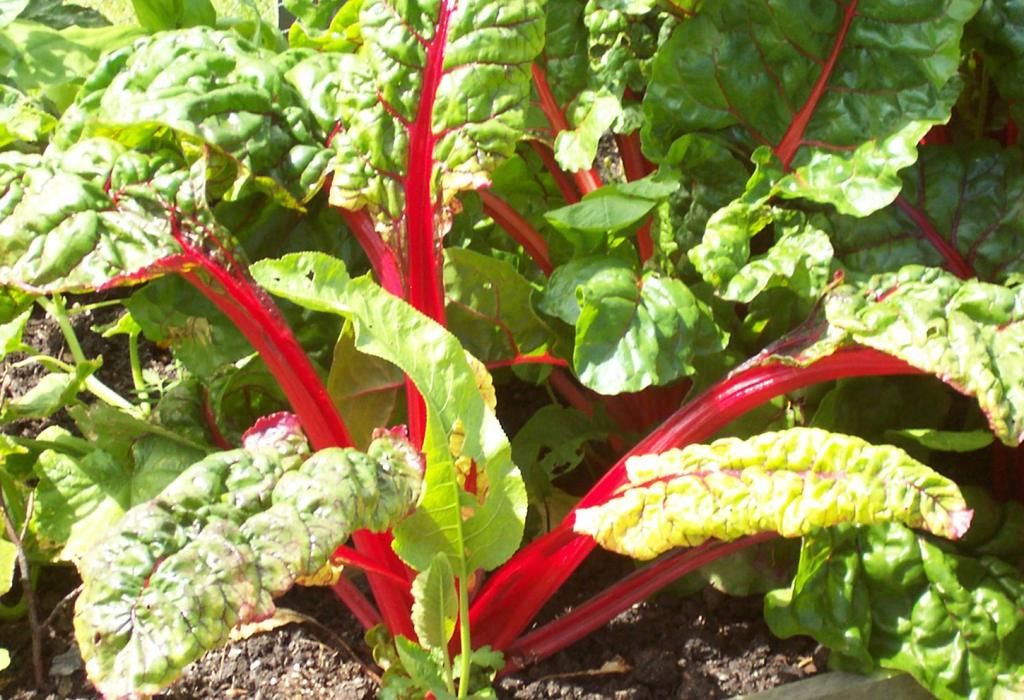
Swiss Chard as Coloured Spinach

Swiss Chard as Coloured Spinach

swiss Chard HC

Similar to spinach with a slightly bitter flavour Swiss Chard is pungent and slightly salty. It contains an exceptionally impressive list of health promoting nutrients. Although Swiss Chard is available throughout the year, its season runs from June through August when it is at its best.

  • Swiss Chard is a tall leafy green vegetable with a thick, crunchy stalk that comes in white, red or yellow with wide fan-like green leaves.
  • It is ornamental enough to grow in the border.
  • Chard is easy to grow from seed and grows upto 18 inches tall and spread.
  • Eat and cook Chards like spinach. Both the leaves and stalk of chard are edible, although the stems vary in texture with the white ones being the most tender.
  • ‘Ruby Red’ has stunning deep veins and can be picked young.
  • ‘Bright Lights’ is a seed mixture ready within a month
  • Organic seed is available and if growing it organically watch out for slugs

Book Cover

Growing and Pruning Peach Trees

Growing and Pruning Peach Trees

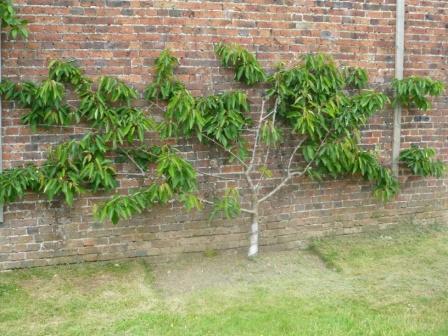
espallierPlanting peaches

  • If planting against a wall remember at least a foot from the wall will be extremely dry
  • The soil may also be very poor and contain builders rubble.
  • Dig a deep pit and fill with good rotted compost
  • After planting water well to settle the soil and add a mulch of manure
  • Peaches like a lightopen well drained soil that still retains some moisture

Training Peach trees

  • Horizontal wires secured with vine eyes are a traditional support mechanism.
  • Train side shoots to form a fan shape by tying to the wire
  • A neater method may be to select 2 side opposing shoots to grow parallel to the wall. Remove the leading branch and tie each shoot to a cane at 45degree angle.

Pruning Peach Trees

Blackberry Growing and Care

Blackberry Growing and Care

The Blackberry was my first choice in a new garden makeover project. Now three years on my crop is destined to be enormous.
I am rejuvenating and increasing the space dedicated to soft fruit.
My badminton partner has long espoused the success of the thornless varieties and I fancy a rest from foraging in the hedge rows that may have been chemically treated by well meaning farmers.

Blackberry 'Waldo'

Blackberry Waldo

  • Waldo is a completely thornless and early fruiting variety.
  • It should grow in a compact form with moderately vigorous growth making it ideal for a smaller space than some brambles.
  • I was seduced by the claim of ‘extremely large, attractive, glossy fruit. The berries are firm with exceptional flavour.’ Who ever checks back against these sales descriptions.

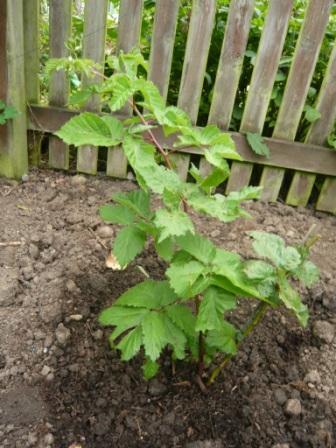
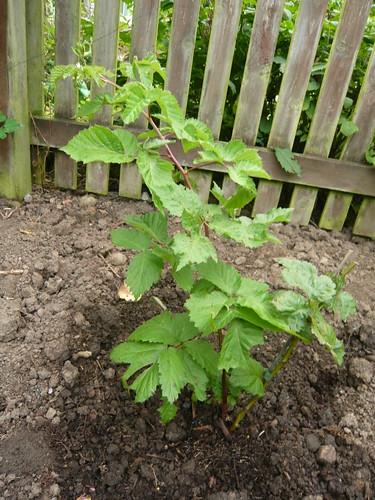
Planting my Blackberry Waldo

Read More Read More

Gooseberry Growing & Care

Gooseberry Growing & Care

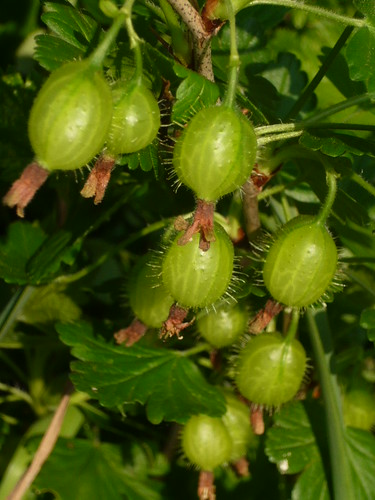
Gob stopper gooseberries are the order of the day. Mega crops this year are going to be a culinary delight fresh and from the freezer.
gooseberry

How To Plant New Gooseberries

Space bushes 5 feet apart.
Dig in lots of manure or well rotted compost
If planting container grown plants tease out the roots before planting firmly in a large hole.
Mulch to retain moisture and suppress weeds.
In late November I planted several new varieties of gooseberry bush as I am looking for more fruit (and fruit pies). These plants do not need any pruning until next year and then only very light pruning. Never the less I have had a good look to make sure that there are no damaged branches to trim and I will check again if we get some heavy snow.

Gooseberry 'Lancashire Lad'

Read More Read More

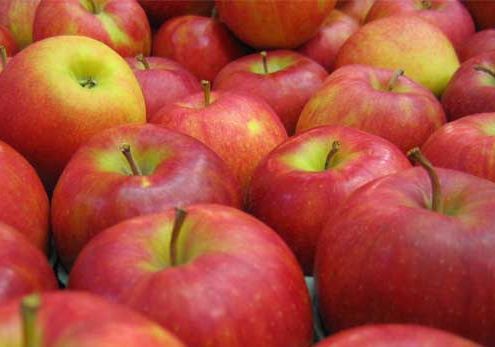
How to Store and Keep Apples

How to Store and Keep Apples

After a great crop you want to keep all that apple flavour in storage to use as and when.

My father stored his apples for up to six months in a cool, dark, humid old outhouse. The problems are the same but now a days the methods are more varied. Still one rotten apple in the barrel…….

Conditions for Storing

  • You need to prevent frost damage. Apple cells rupture and go too brown pulp if frozen.
  • Some gases encourage or speed up deterioration and rotting.
  • Some humid air is needed, not drying drafts which make apples shrivel and go mealy.
  • Some varieties store better and last longer.  Tart, firm skinned, late varieties store best – Cox, Sunset and Blenheim Orange are good keepers.
  • Avoid apples touching one another

Tips on Storing

  • Small quantities can be stored at the bottom of a fridge in the crisper
  • Only store sound, unblemished apples. Leave the stalk in the apple.
  • A large clear plastic bag can be used making inspection easy. Punch half a dozen holes in the bag to limit air ingress.
  • Wrap apples in paper to avoid rot passing from one apple to another and store in cool dark conditions as my Father did. You can use boxes or racks as available.
  • Make apple pies, fillings and apple sauce with damaged or wind fall apples. Puree with a bit of sugar can be frozen, which is good news for my apple pies.
  • Do not store near onions or the apples pick up the smell.
  • My favourite apple store is in the form of cider. hic!

Freezing Apples

For the best results select good sound apples for freezing
Wipe or wash them and then core them
Halve or quarter them according to size then drop cut pieces into water with a little salt or lemon juice to prevent them turning brown
Pack them into freezer bags and then pop them into the freezer. Great for future crumbles and pies
Amazon traditional apple storage
Book Cover

Secrets of Success Growing Marjoram

Secrets of Success Growing Marjoram

Get sweet success from the perennial herb Marjoram, the Oregano relative with the nectar that tops bees and butterflies gourmet guide. Marjoram flowers are rich in sugars and the nectar is a great attractor for insects.
We grow Marjoram for the leaves to use in cooking and the flowers can be dried and then used for flavouring during winter.

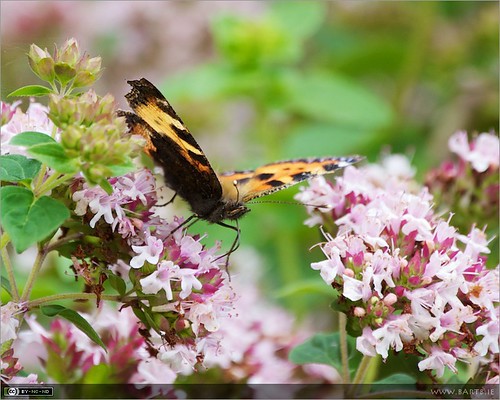
Small Tortoiseshell on Marjoram

Marjoram is hardy perennial herb that has sweet smelling, aromatic foliage which is commonly used in Mediterranean cuisine.
Sprinkle Marjoram or Oregano on lamb, pizzas or pork before cooking. Marjoram makes a useful and low maintenance addition to the herb garden growing 18inches high and wide.

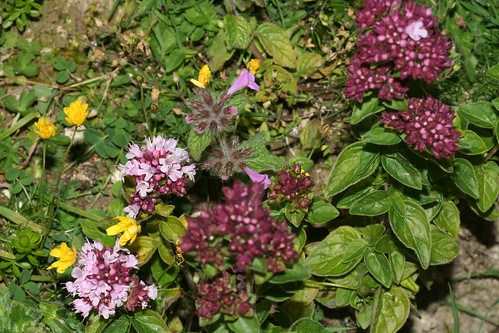
Marjoram

Marjoram from Seed

  • Seeds at Thompson & Morgan
  • The best growing location for Marjoram are in a warm sunny spot.
  • Marjoram likes a dry, lime-rich, chalky soil.

Varieties of Marjoram

  • Marjoram is also known as Oregano in America. They are from the same family.
  • There are three main species including Wild marjoram that is often found on seaside cliffs.
  • Sweet marjoram (Oreganum majorana) tastes the best and is great for cooking.
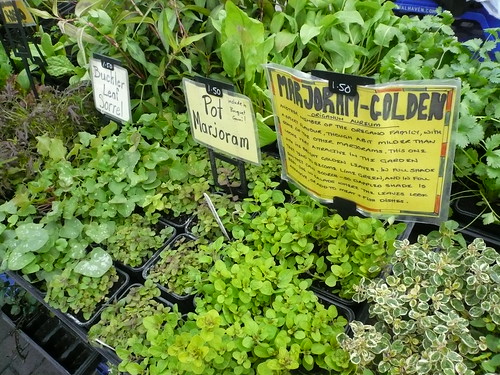
  • Pot marjoram (Oreganum onites).

Marjoram

Photo Credits
Marjoram by Barry Cornelius CC BY-NC-SA 2.0
Small Tortoiseshell on Marjoram by bbusschots CC BY-NC-ND 2.0
Marjoram by boxman (CC BY-NC 2.0
Wild Marjoram, Der Gewöhnliche Dost, Origanum vulgare by Dandelion And Burdock CC BY-NC-SA 2.0


Wild Marjoram, Der Gewöhnliche Dost, Origanum vulgare

Tips for Growing Runner Beans

Tips for Growing Runner Beans

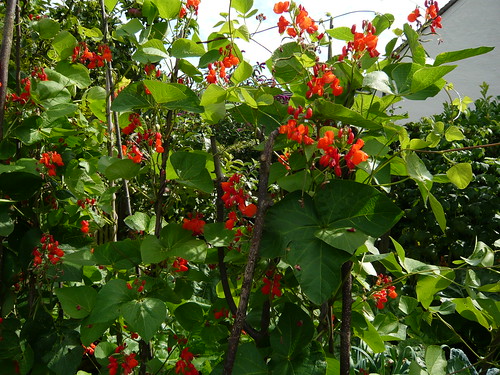
Runner bean

Runner Beans are an excellent vegetable to grow. Homegrown varieties are often more succulent and tasty than supermarket varieties. Runner Beans also provide an attractive focal point for any kitchen garden. In fact you could easily grow Runner Beans within a cottage garden. Once established they can grow very rapidly and are mainly resilient to pests and dieseases.

  1. Choose a site in full sun.
  2. Prepare the soil well with organic matter which will help retain moisture and feed the fast growing plants.
  3. The plants will need good support, preferably using 6 feet canes. They are best grown together – either in a wigwam effect or in a horizontal line.
  4. Once in flower keep well watered. If they are not watered sufficiently they will not pollintate and grow the bean.
  5. They will benefit from tomato feed when the beans are forming and growing.

    Read More Read More

Forcing Strawberries the Old Fashioned Way

Forcing Strawberries the Old Fashioned Way

starwberries

The old ways of forcing Strawberries do not cost the airmiles that our imported fruit now consume. Nor do they sacrifice flavour for an early crop. Old gardeners fashioned different ways to get Strawberries 4-8 weeks early than your normal summer crops.

Way to Force Strawberries in the Greenhouse

  • One and two year old strawberry plants are likely to produce better fruit. Current plants and three years and older are unlikely to have the vigour.
  • Lift at the end of January or February and pot up in John Innes No 2. Water well.
  • Bring potted up plants into the greenhouse, water regularly and do not allow them to dry out.
  • Strawberries hate to be too hot so keep well ventilated. But, if frost is forecast cover plants with newspaper.
  • When flowers start to appear fertilise with potash rich tomato feed.
  • Pollinate by gently rubbing the flowers to move the pollen.
  • The less foliage a plant makes the better the crop.

Way to Force Strawberries Under Cloches

  • Cover healthy vigorous plants in February with plastic or glass cloches for an early crop. You can also use old fashioned Dutch lights.
  • As the weather warms up pay attention to watering ventilation and allow pollinating insects access to flowers.
  • Botrytis fungus loves cold damp still air and large old plants may be prone to attack.
  • Protect from hard frost with horticultural fleece. if flowers turn black in the centre rather than lime green they have been frosted off.

California Strawberries

Pick your strawberries by hand in the old fashioned way but with care you will be several weeks earlier than your neighbors.

Old Fashioned Varieties for Forcing

  • Under glass you want a strawberry with a compact habit and mildew resistance. Try one or more of the Cambridge varieties Favourite, Regent, Rival, or Vigour.
  • Royal Sovereign is still a top forcer
  • Gorella and Aurora
  • Regina, Wandenswill 4, and Reine des Precoces

Tips for Forcing Strawberries

  • Try the early maturing varieties named above. Build up young plants first by heavy mulching with compost.
  • Before plants are covered give them a through watering especially after a period of frost.
  • Increase watering after mid march but allow time for surplus to dry off before evening.
  • Use Glass or cloches to protect from wind and cold not to force by heat.
  • Set plants in rows north to south to get even ripening

strawberry fields forever

Credits
starwberries by saraicat CC BY-NC-SA 2.0
California Strawberries by pixieclipx CC BY-NC-ND 2.0
strawberry fields forever by Niels van Eck CC BY-NC-SA 2.0

Dwarf ‘Patio’ Fruit Trees

Dwarf ‘Patio’ Fruit Trees

Dwarf fruit trees of apple, pear, cherry and plum varieties are extremely easy to grow even on your patio.
Quick Tips
Healthy plants will produce an abundance of fruit from next summer.
Choose a large, deepish plant pot or container.
Keep them well watered when young to help them get established.
They require very little training or pruning and will be laden with delicious fruit on a single stem.
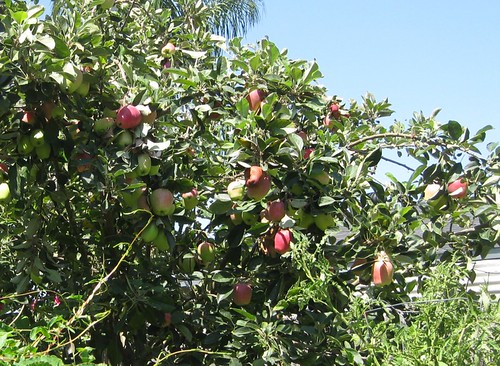
Dwarf Anna Apple tree
Dwarf Anna Apple tree by John A. Chartier ‘Anna apple is an Israeli cultivar, a cross between a Red Hadasa from Lebanon and a Golden Delicious apple ….it is a real tasty apple, makes great pies.’ CC BY-NC-ND 2.0

Due to their upright nature and the fact that they can be grown approx 40-70cm apart, these fruit trees are ideal for the patio or as a centre piece in a small garden. There is quite a range of fruit trees available with prices start at about £15.

Pot grown apple trees can be planted all year round. Enjoy the crunchy, mouth-watering sweet, and tart flavours of your fresh picked Gala and Golden Delicious apples.
Gala apples are praised for their shiny red skin and crisp, sweet flesh. Golden delicious prove to be the more common choice because of their beautiful colour and sweet taste – perfect for salads, apple sauce and apple butter. Both Gala and Golden Delicious apples should be harvested in October.

Jersey Plants Direct offer a pair of pears Conference and Doyenne du Comice Pear trees. Conference pear trees produce a juicy narrow fruit with firm flesh and are extremely popular because they are reliable under less than desirable conditions, which makes them perfect for the English climate. Doyenne du Comice are known for their brilliant texture and outstanding taste. Conference pears should be harvested in late September and Doyenne du Comice pears in mid October, both will produce a fantastic crop year after year.

If you are looking for something a little more unusual, take a look at our Plum and Cherry tree combination.

The varieties are the sweet tasting Cherry Helena and Plum Black Amber. Cherry Helena should be harvested in July and Plum Black Amber in August.


Saving money is just one of the fantastic benefits to growing your own fruit. Don’t forget that by growing your own you are in complete control of how you grow your fruit so know exactly what you’re getting. No chemicals or sprays, you can enjoy your healthy fruit for years to come. Growing your own fruit is also extremely beneficial for the environment; fruit filters the air, conditions the soil and attracts pollinators into your garden.

Snow White and the seven dwarfs - Hessen - Germany -   Bergfreiheit  - Schneewittchen und die sieben Zwerge
Snow White and the seven dwarfs – Hessen – Germany – Bergfreiheit – Schneewittchen und die sieben Zwerge by Ela2007 CC BY-NC-ND 2.0