Browsed by
Category: Flowers and Plants

Annual, perennial and interesting flowers with advice on culture, information, tips and recommended varieties

Tree Close Ups

Tree Close Ups

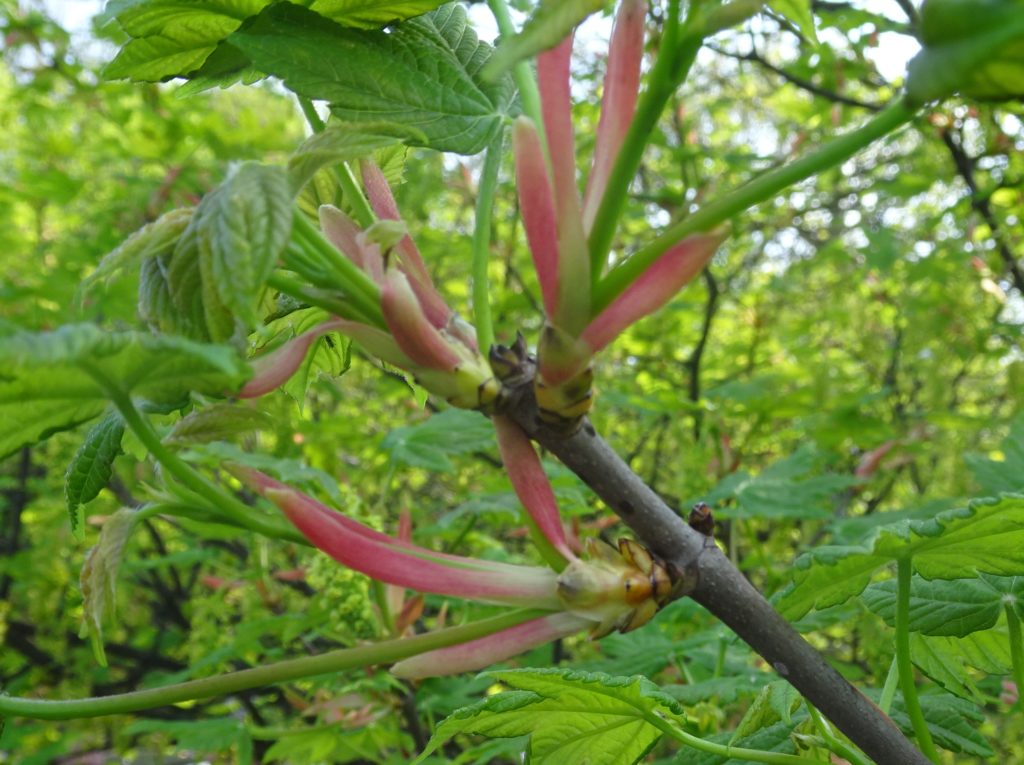
Spring buds bursting into life.

Barking up the wrong tree


Patterns from nature inspire painters – is this natural or an artists impression?
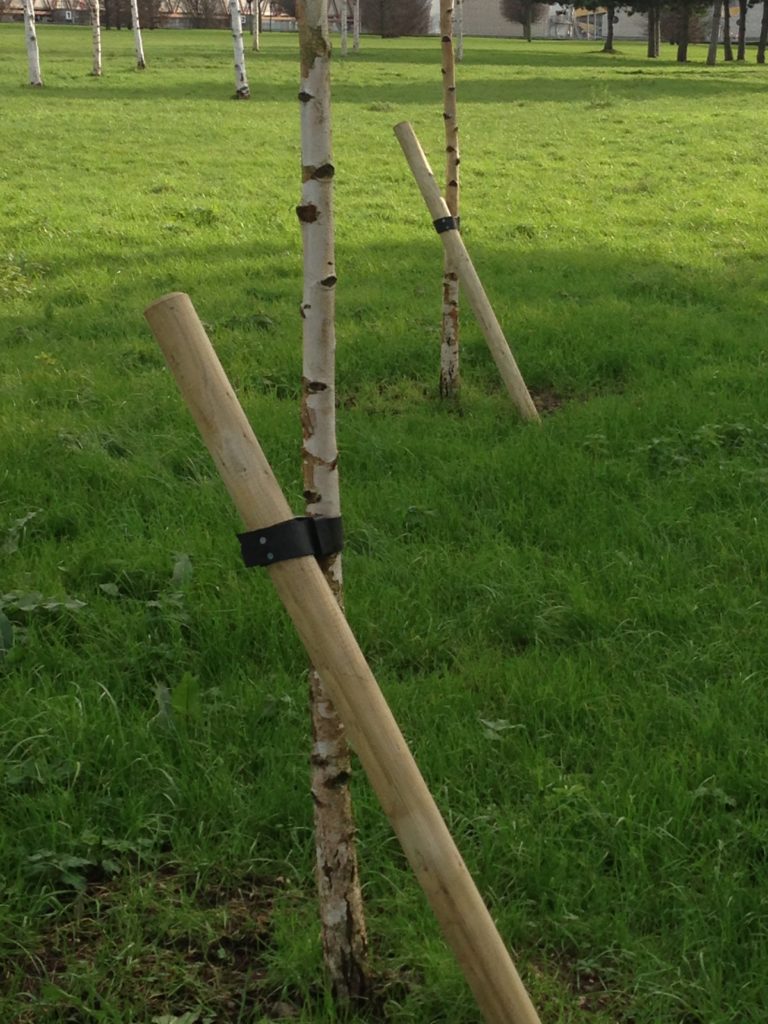
Stake out your support for  trees
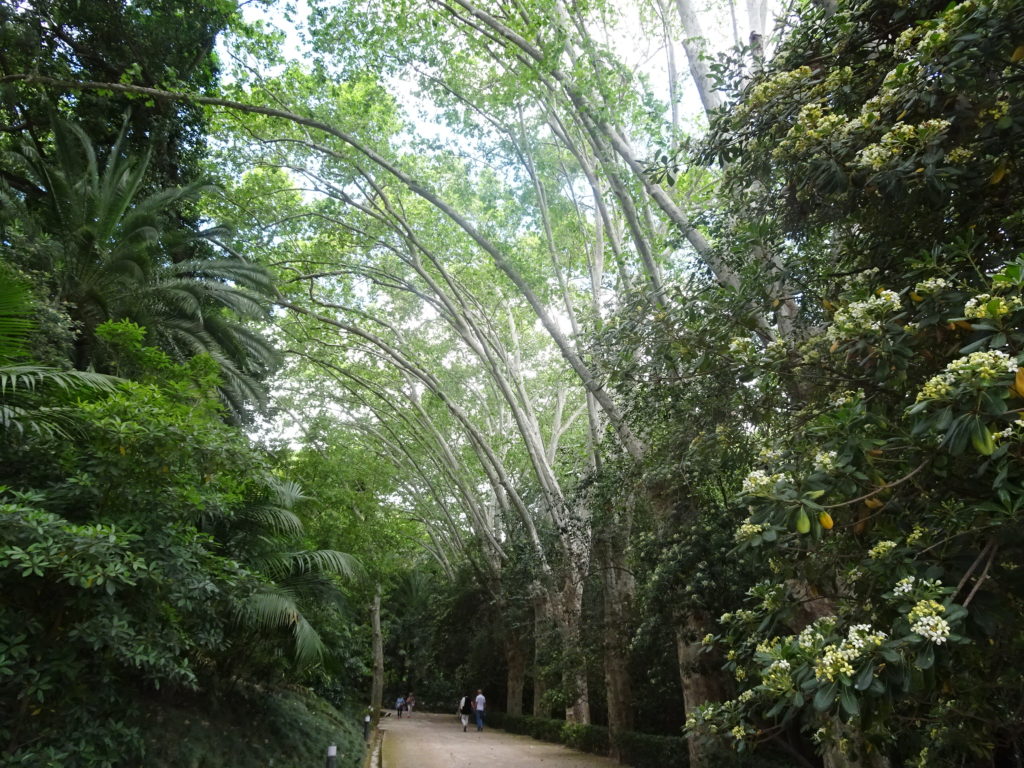
Limes in Malaga botanic garden lead to a interesting garden
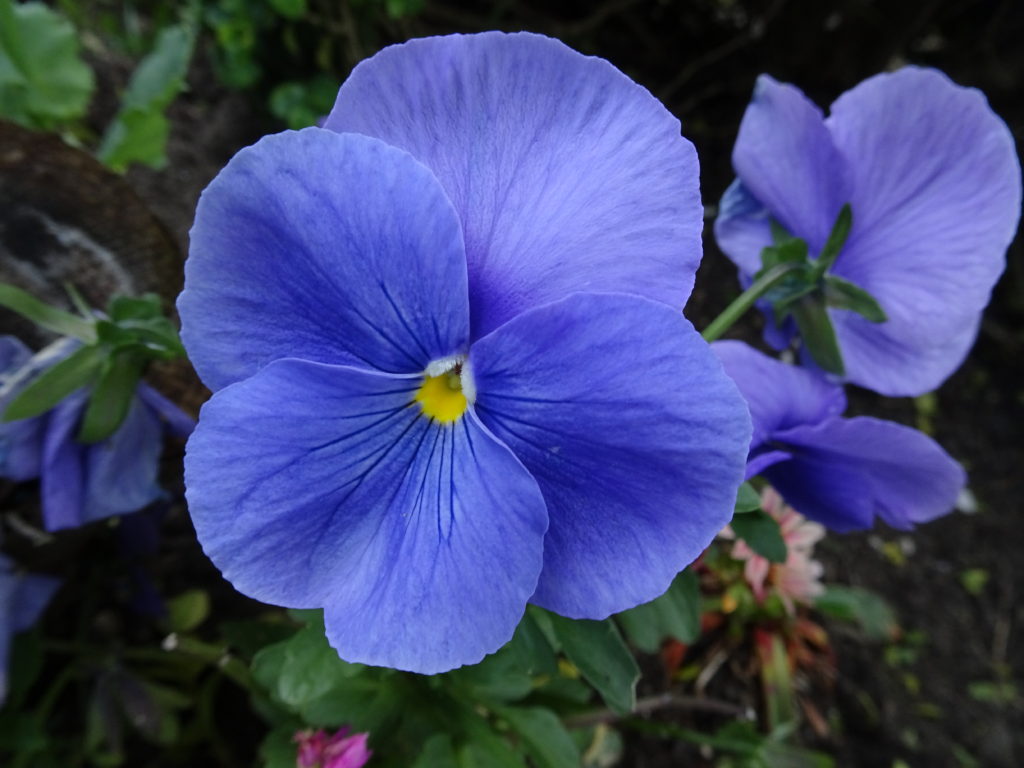
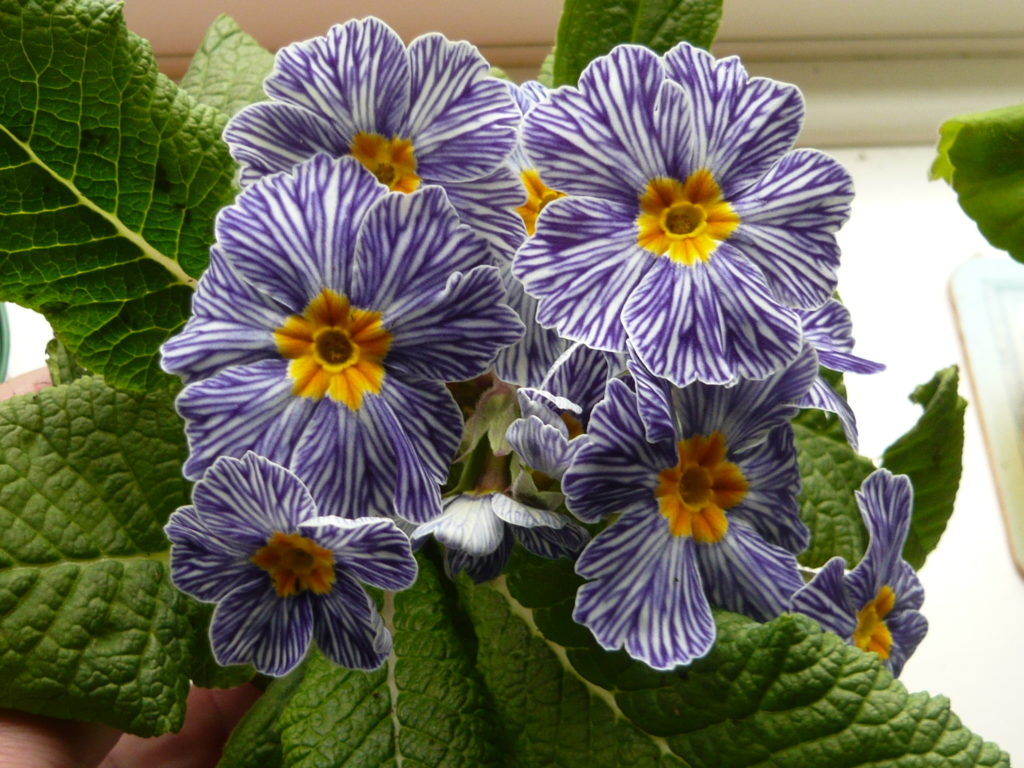
Veins and a Varicose Pansy

Veins and a Varicose Pansy

Roses are red Pansies are blue -They’re available in other colours – but what can you do?

Blue Vein Pansy is a character in the Greenskeeper Gathering andgarden dragon game of ‘Flight Rising’ where ‘These flowers fend for themselves, uprooting to seek sunlight, shade, and water as required.’
Would that all plants were so accommodating.

Plants can be segregated into two groups Monocots with parallel veins that begin at the base of the leaf and end at the tip without any branching. The Dicots that includes Pansy have veins that start at the bottom and branch out in an ordered network all over the leaf.

Unlucky Gardeners

  1. The amorous corpuscle loved in vein but gardeners are not vane about the weather and this is a vain attempt at humour!
  2. I had a rock garden but the rocks died
  3. I crossed Poison Ivy with Clover and got a rash of good luck
  4. The CO2 emissions and new weather has led to Global Worming
  5. The forecast for tonight  – Dark

Thanks to pin interest there are lots of Pansy pictures in the same vein.


Bamboo Care and Maintenance

Bamboo Care and Maintenance

Lawns are cut regularly to encourage side shoots, prevent flowers and to keep the grass tidy. Some attention should also be given to other grasses and bamboos to encourage production of fresher growth at the beginning of the growing season.

bamboo ice

Pruning Bamboo

  • All bamboos look better when scruffy, broken or damaged shoots are removed.
  • Thin out dense thickets to create space for the flexing stems of new shoots.
  • Cut out old canes with sharp loppers or a pruning saw flush to the ground.
  • Thin out other shoots to create a balanced, airy clump.
  • Prune above a node to prevent die back.
  • Weak side shoots and branches often look unattractive and a judicious pruning improves appearance.

Bamboo Care

  • The best time to thin and prune is late spring just before new culms emerge.
  • Don’t be afraid to remove 30% of the culms leaving the freshest one-two year olds.
  • For more growth from dwarf bamboos cut down to soil level in early spring and treat like a hardy perennial to get fresh clean foliage.
  • Instead of under planting you can decorate with stones or round pebbles.
  • Some bamboos are invasive and the tough, springy roots need to be removed or root pruned annually. Plant a barrier at least 18 inches deep around invasive types.
  • Bamboo can be turned into Topiary as the leaves grow more abundantly after pruning and the culm won’t grow
  • Bamboos need to be replaced every 10-15 years
  • Water plants in late spring during a dry spell to help new shoots to develop.

Bamboo

Bamboo in Pots

  • Potted bamboos should never be allowed to dry out even in winter.
  • Because bamboo is tall, it may be susceptible to being blown over so weight the pot accordingly.
  • Bamboos make good subjects for growing in pots. I use terracotta pots as the colour seems to go well with the green leaves.
  • Pots restrict the root run of the plants and they should be trimmed every year.
  • Arundinaria viridistriata ‘Pleioblastus’ or Phyllostachys nigra ‘Black Bambo’o are decorative dwarf bamboos suitable for pot culture.
  • Feed with a high nitrogen feed as bamboos are hungry plants and you are their only source of nourishment.

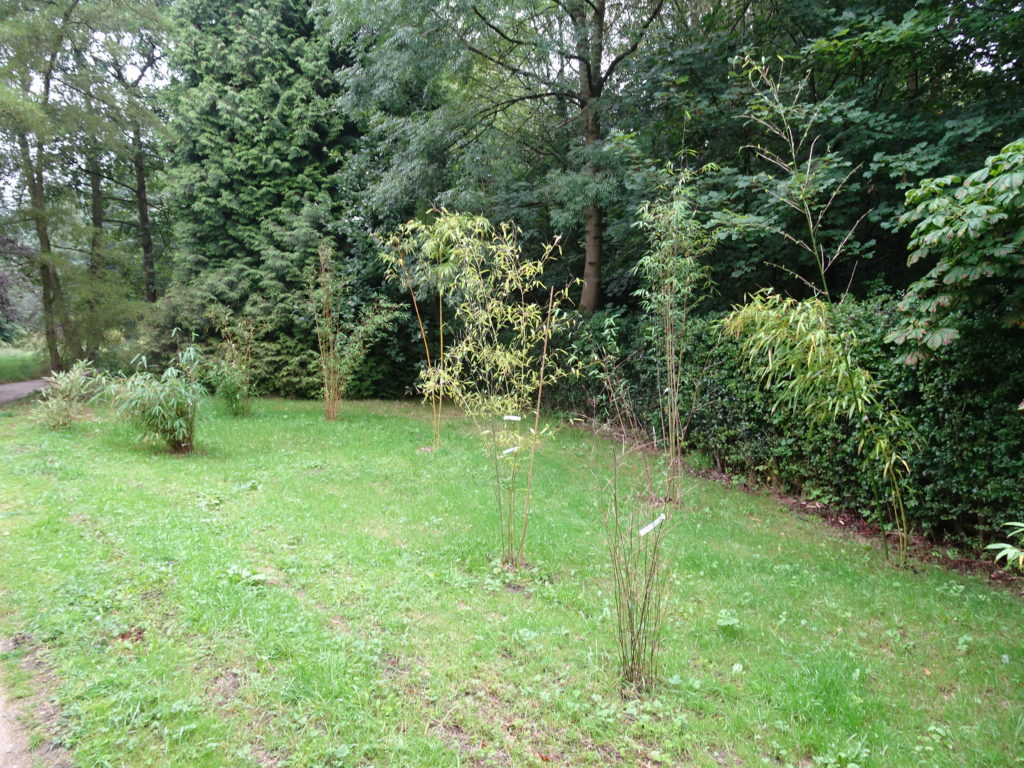
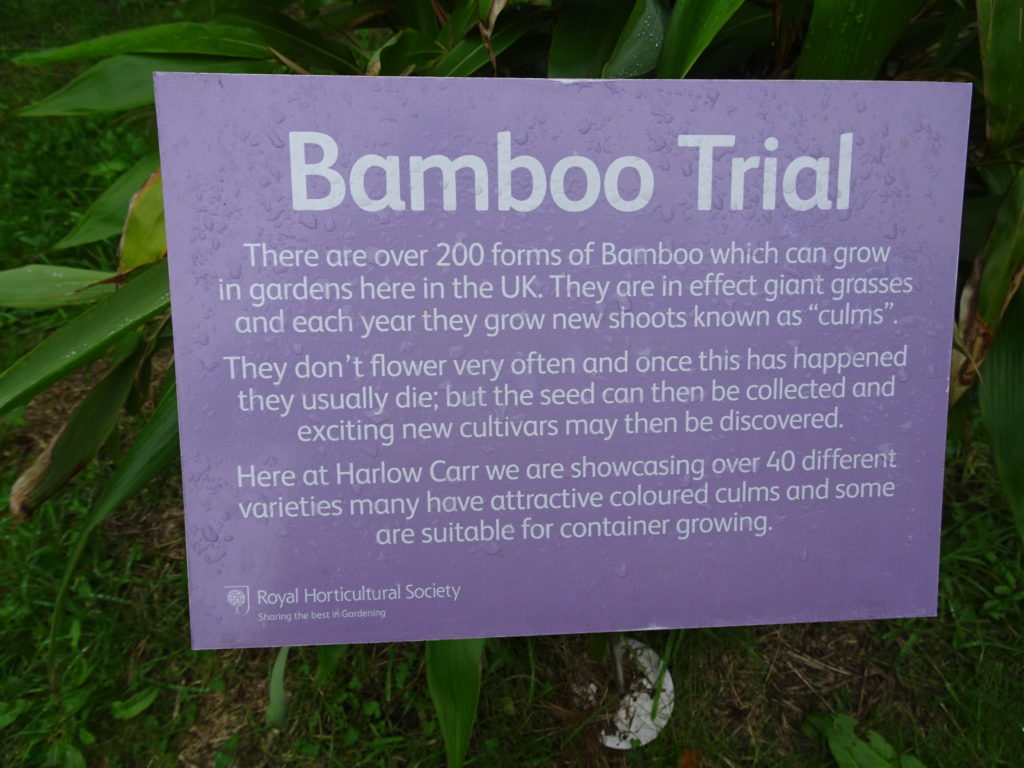
New Bamboo Boulevard at RHS Harlow Carr
Brussels Sprouts Difficulties

Brussels Sprouts Difficulties

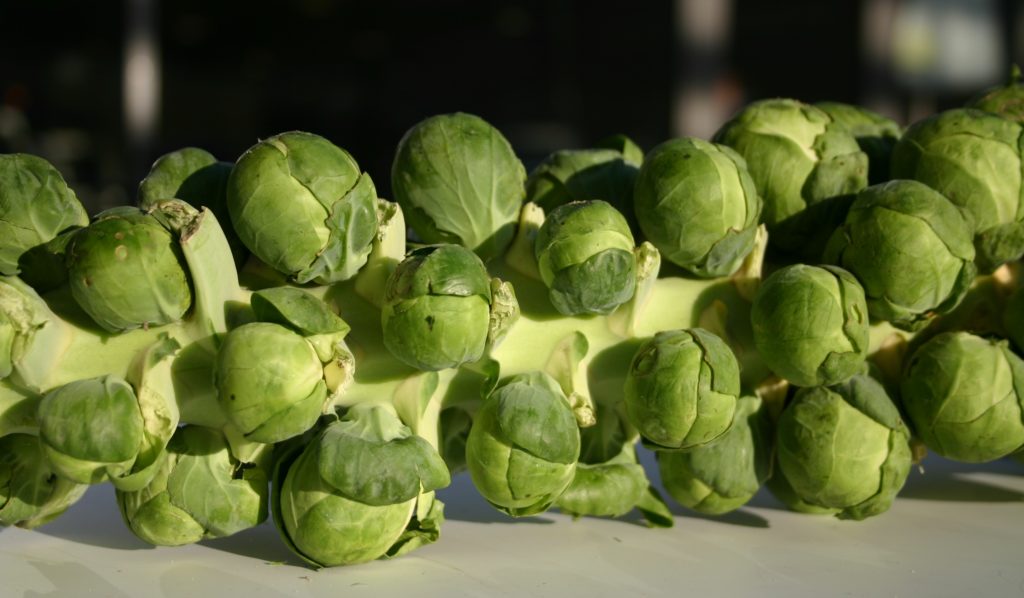
Good, firm, mild flavoured Brussels Sprouts are a heavy yielding crop that only need a bit of care and consideration. Here are our top tips.
Correct Growing Techniques

  • F1 seeds will give the best results. It is a case of you get what you pay for. Cheap Brussels Sprouts seeds often lead to open pollinated varieties that fail to justify the time and space utilised.
  • Firm almost packed soil is appreciated by Brussels Sprouts. Draw some soil up around 10″ of the stem in late summer to prevent wind rock or tie plants to a firm stake. Open loose soil encourages blown. ‘fluffy’ sprouts.
  • Wet seasons can lead to foliage loss and leaf disease. Plant 12-18″ apart or wider on an open site to reduce the severity of infection. Water in summer if there is a drought.
  • Where white blister and ringspot diseases are severe choose resistant varieties like Dimitri, Cronus,  & Bosworth.
  • This year I am trying Burbane and Rudolph from Kings seeds.

Pests and Other Problems

  • Whitefly, caterpillars and aphids can be a problem mid season. It is no fun if they get into the buttons. Cold weather cures these problems but failing that I treat plants with a mild insecticide.
  • Yellow fungus infected rotting leaves can’t be treated with any garden approved fungicide. Pull off any affected leaves and bin them.
  • As with other brassicas their is a danger of club root that is best solved by crop rotation into fresh soil improving drainage and adding lime. I have heard of planting the sprouts with a rhubarb leaf as a prophylactic.
  • Frost can be both good and bad. Young plants need to be planted mid summer well after any frost but stalks can stand into winter and are sweeter if frosted first.
  • Old sprouts can have an odor caused by compounds containing sulfur. This may be the cause of sprouts falling out of favour in some kitchens until new varieties were discovered.

Varieties & Variations of Brussels Sprouts

  • Top Eight F1 varieties include  Brendan, Trafalgar, Crispus. Nautic, Bridget, Brodie, Maximus F1 and Hastings.
  • Flower sprouts are the result of crossing a Brussels Sprout and curly Kale resulting in tasty small green and purple sprouts with curly leaves ideal for adding to stir fries.
  • Older varieties of Brussels Sprouts have the best flavour, but it is the modern hybrids which have the ability to hold the small tight buttons for a long time on the stem.
  • Red Brussels Sprouts  deepen in colour as the weather gets colder. Red Bull produces medium sized buttons with an unusual nutty flavour. The colour reverts to green when cooking. Red Ball is hardy and has a long cropping season.

Harvesting Brussels Sprouts

  • Take the buttons from the bottom of the stalk first.
  • Take off blown or flowering sprouts and any yellowing leaves as you go.
  • Cut off the whole stalk and use the sprouts indoors as you need them. They keep better on the stalk.
  • The top of the stalk can be eaten like a small cabbage
What Makes a Good Cut Flower

What Makes a Good Cut Flower

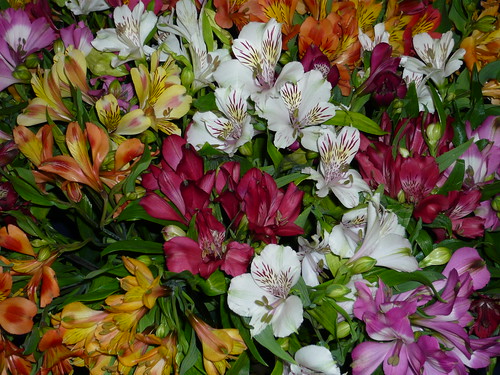
Alstromeria

A Gardener’s Perspective of ‘What makes a good cut flower’

  1. A flower that need little specialist care or treatment and is easy to harvest.
  2. Reblooming often and for a long season so it looks good even when left uncut.
  3. Grows quickly and true from seed.
  4. Can be forced, so it flowers when required.
  5. Satisfies the recipient for the least consumption of resources in time and space.

Tips to Help a Bouquet Last

  1. Choose flowers with firm petals or buds that sho colour that means they have developed enough feed to flower properly
  2. Fill your clean vase with lukewarm water, that will have less oxygen, to prevent air bubbles blocking the stem.
  3. Strip off leaves below the waterline
  4. Use flower food but not aspirin, bleach sugar or lemonade that encourage bacteria to breed
  5. Treat the flowers with respect, I changed after I stopped calling them a bunch of flowers

A Customer View Point of ‘What makes a good cut flower’

  1. Fragrance that is evocative, strong and distinctive.
  2. Colour or colour combinations that are appropriate. Rich and saturated or soft, contrasting or blendable
  3. Texture and proportion that can provide contrast of shape and form.Suitable length and flower aesthetics to match a display vessel.
  4. How long will it last in a vase or foam and will it need any special treatment or conditioning.
  5. Personal appeal or favourite reflecting a special association, event or season

To grow a generic mix of flowers for arrangements and bouquets check out Thompson & Morgan
A Retailers View of ‘What makes a good cut flower’

  1. Availability for a long period from a variety of suppliers.
  2. Lots of colour and sales Pizzaz
  3. Long life in Florists pre-sale and then in the home
  4. Profitable and able to generate repeat custom

According to Linda Beutler in ‘Garden to Vase’ the answer is not just ‘Mums’ ‘Glads’ and ‘Carns’

Book Cover

Gardeners Tips to Condition and Extend Life by Plant

Dahlia
Euphorbia
Pittosporum
Alstroemeria
Fatsia Japonica
Corkscrew hazel
Phormium
Glove Plants – Puppet or Muppet?

Glove Plants – Puppet or Muppet?

037

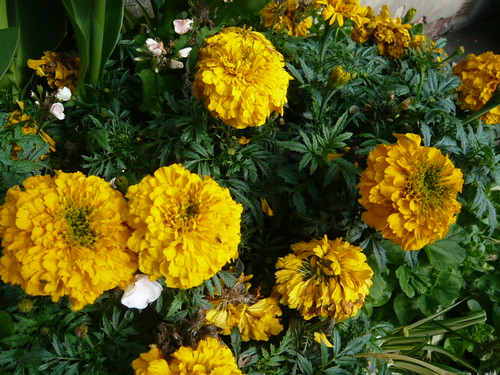
Some fun photos that appeal to my sense of humour. These are the famous ‘Glove Flowers’ yes you guessed it they are Marigolds. African Marigolds to be accurate with flower heads 4″ across.

If you were thinking of prickly plants that need gloves I am sorry no one Rose to the occasion.
Foxglove

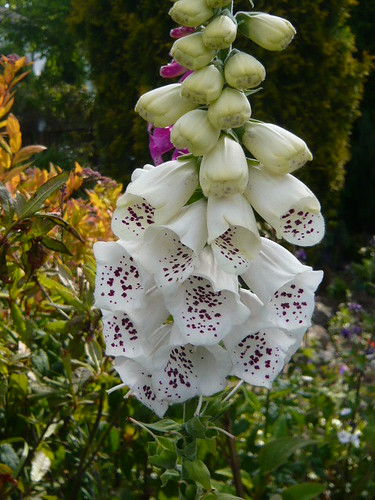
Foxes do not were gloves and I do not know how they got their name but this healthy Foxglove has distinctive spots on the white tubular flowers.
Yellow Foxglove

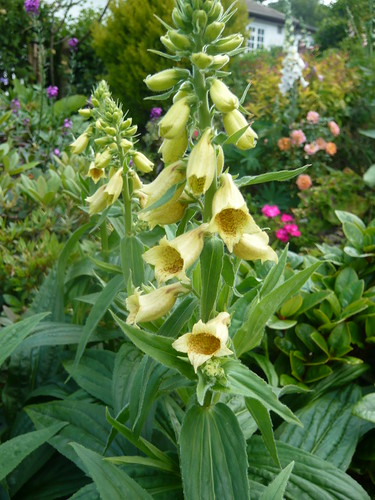
I am trying to remember the name of this perennial Foxglove species. The flowers are smaller than other foxgloves but the plant has been a reliable ‘doer’ for me for many years.
They are not called ladies Fingers that is the vegetable Okra.
That gave me time to remember that Digitalis lutea is the 3 feet high foxglove that flowers creamy yellow on one side of the stem.

Marsh Marigold Caltha palustris

Back to the rubber gloves of Marigold fame. This time they are Marsh Marigolds but as tempest fugit and time marshes on that is all for today (thank goodness ed). As the name implies these little rascals love water but try to do it without unzipping your pants.
Rhubarb All the Talk at a Local Society

Rhubarb All the Talk at a Local Society

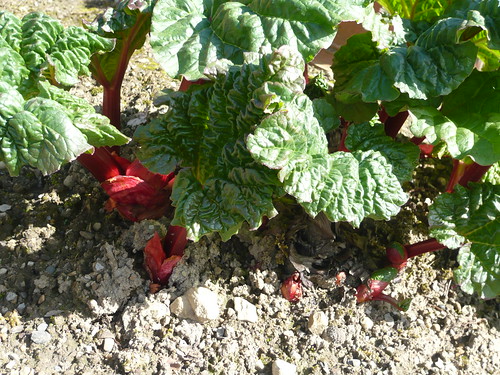
RhubarbEarly Spring Rhubarb breaking Through

What Does Rhubarb Mean to You

  • Rhubarb is a vegetable that thinks it is a fruit and has royal pretensions with top varieties called Victoria and Early Albert
  • Rhubarb Rhubarb Rhubarb is an indistinct chant  or none sense word shouted out in an unsynchronised manner at a public event.
  • ‘A rhubarb’ is baseball slang for a fight or argument among players.
  •   “Stop talking rhubarb”. Complete and utter balderdash and b*****s.
  • Stewed or in a pie it is the food of gods. Even raw with the stick end just dipped in a little sugar – gear nosh.
  • Already his year I have had Rhubarb flavoured gin and a special cider flavoured as Rhubarb and custard.
  • According to some ‘Its very name means “food of the barbarians” the people who live beyond the Rha, now the river Volga’.
  • To some less fortunate Rhubarb is a strong purgative.

In Praise of Growing Rhubarb

  • It is one of the earliest crops in the garden.
  • It can be forced into even earlier cropping if kept in the dark with a bit of warmth eg from a straw wrapper in an upturned bucket. The stems will then be thin, blanched pink and juicy.
  • Rhubarb is hardy and if fed and watered will produce for many years.
  • The big leaves are easy to compost. Even though they contain Oxalic acid they do no harm in the compost heap.

Young Stems


Chelsea Blue

Chelsea Blue

I like a good strong blue in the garden and not because Chelsea FC play in a blue soccer strip. With the 2018 Chelsea flower show on the RHS calendar I have selected a few photographs to highlight my favourite colour.
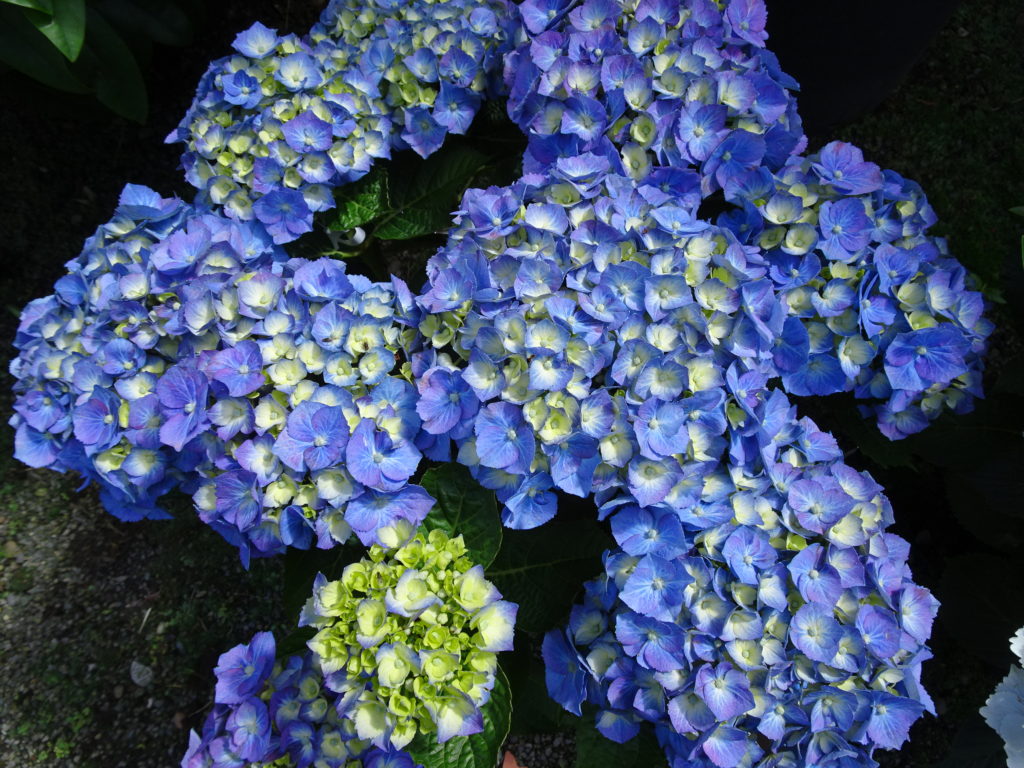
Hydrangea Macrophylla

The faceless pansy can be a substitute for a viola it plays well as a center forward or in midfield.

In goal we must have the African with the furry edged petals in Violet
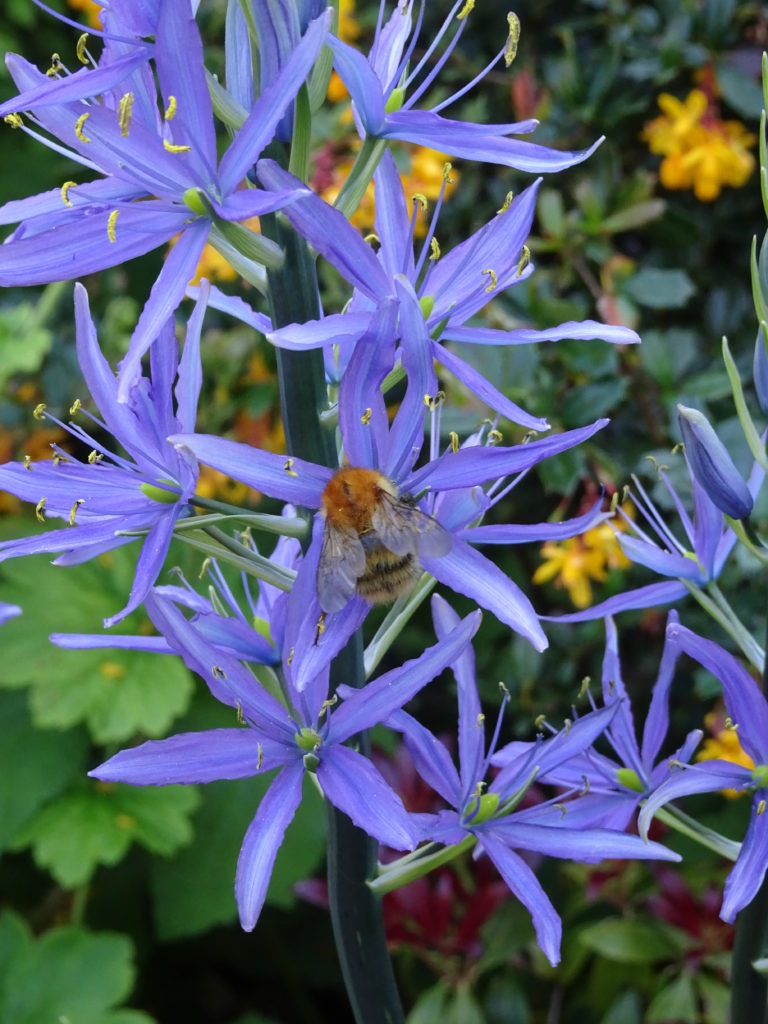
The B team Allium is just getting back into form after a long layoff. A mid season injury saw a 4 week metatarsal break disrupt his training.
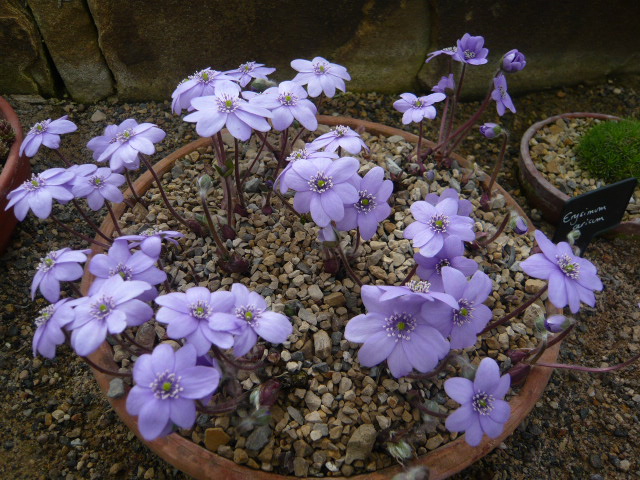
Anemone and Ranunculus in defense occasionally charging down the wings
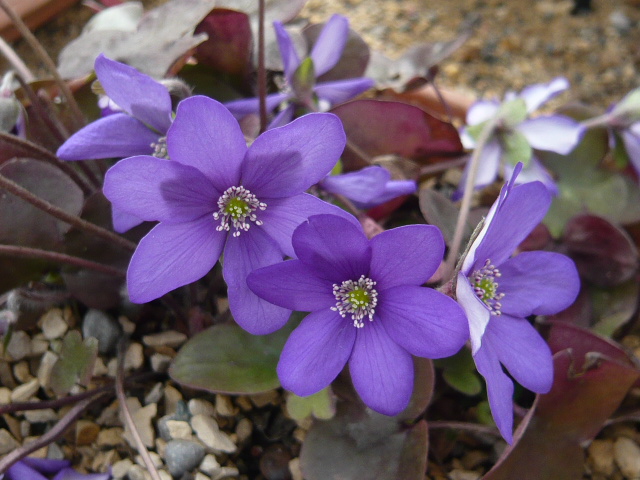
Pentas – Urge to Grow Five Annuals

Pentas – Urge to Grow Five Annuals

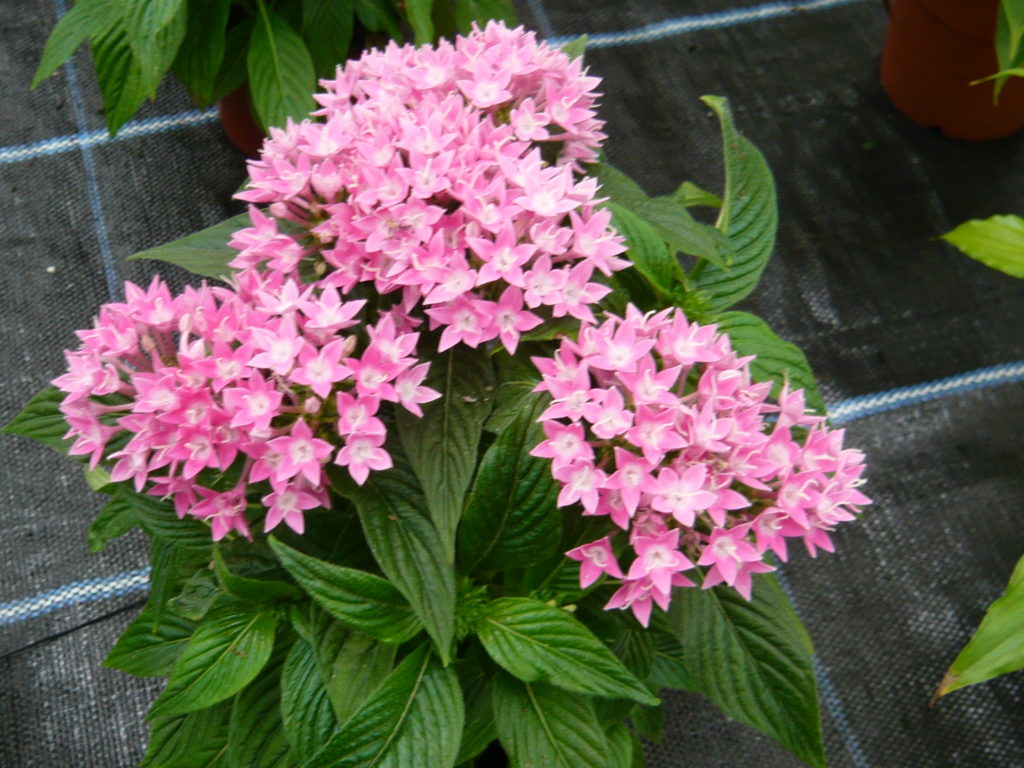
Pentas are semi-tropical shrubs grown as annuals that will be ideal if we have a long warm summer. (What is one of those I hear you ask?) They may last through a mild winter and gradually become a woody a 3 foot high shrub .
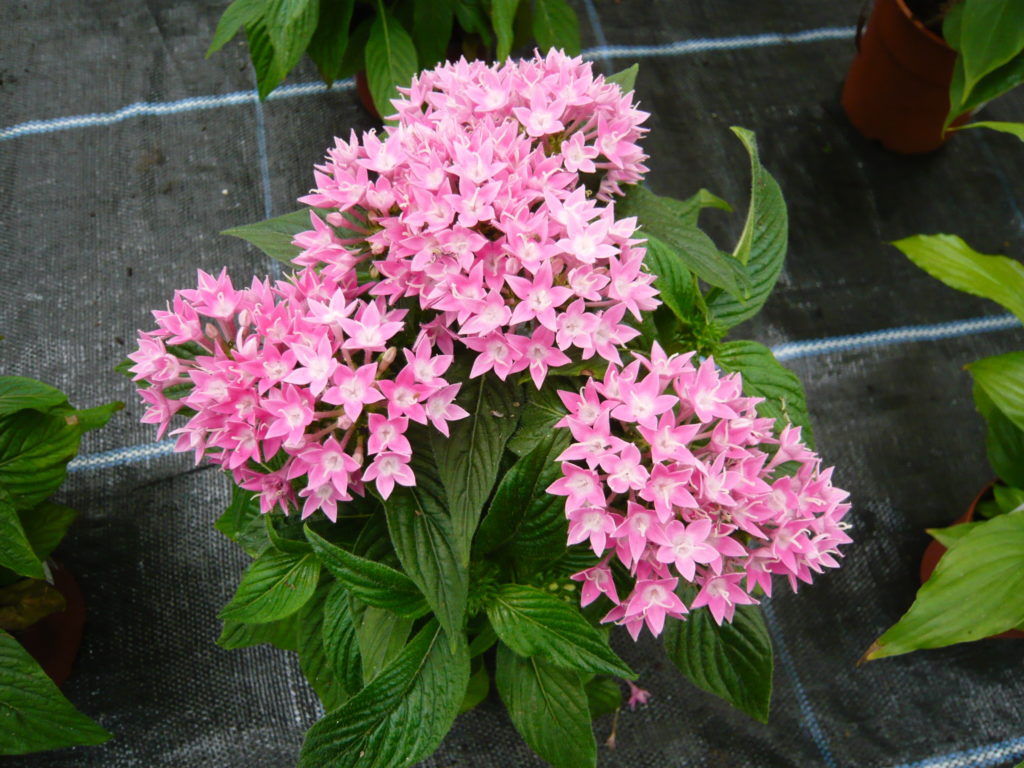
How to Grow Pentas

  • The nectar-rich blossoms grow in 3” clusters over a long blooming season in vibrant red, white, pink, and purple shades.
  • Bees and butterflies are attracted to them due to the open flowers and high insect food content.
  • Pentas will tolerate some shade but perform best in full sun that is also attractive to the butterflies.
  • Pentas appreciate a mildly acidic soil above pH 5.5
  • Grow from fresh saved or purchased seed providing light for germination. Don’t cover them with soil when sowing.
  • Soft wood cuttings may be grown in a greenhouse.
  • To avoid leggy growth keep in the sun and provide moisture rich soil.

Pentas Varieties to Try

  • Penta lanceolata belongs to the Rubiaceae family are often called “Egyptian Star Flower” due to the flower’s shape.They are very popular in the USA where the following varieties may be acquired.
  • ‘Butterfly’ series: Easy to grow from seed
  • ‘Graffiti’ series: Compact mounding plants
  • ‘Kaleidoscope Appleblossom’: Pale pink and rose on the same flower; an early bloomer
  • ‘New Look’ series: Upright plants that don’t flop
  • ‘Northern Lights’: Continues to produce pale lavender flowers in cool temperatures
  • Other common names for Pentas include star flower  or star cluster.

Another view of the same plant