Browsed by
Category: Flowers and Plants

Annual, perennial and interesting flowers with advice on culture, information, tips and recommended varieties

Growing Sunflowers With Children
Growing Sunflowers With Children

sunflowers

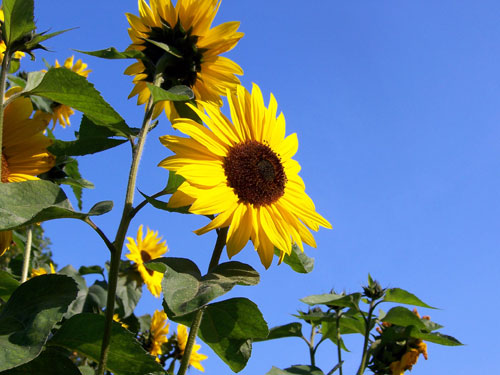
Sunflowers are one of the easiest plants to grow. They are a great way to get children into gardening as they can soon see the fruits of their efforts. During the growing season, children will enjoy watching the daily growth in the size of the plant.

Even if you don’t have a garden, you can try growing sunflowers in pots. All you need is a decent size pot, and just take extra care with watering and feeding.

Choose a tall variety such as Russian Giant. Children will get great joy from seeing a sunflower growing taller than themselves.

Sunflowers are generally pest resistance. The most important thing is to protect them against slugs when young.

How Children Can help Grow Sunflowers.

  • Choosing packet of seeds.
  • Sowing seeds in three inch pots.
  • Protect against slugs. Perhaps they could make a beer trap to learn an organic method of dealing with slugs.
  • Taking care of watering, on a daily basis.
  • Feeding with an organic feed.
  • Tieing the sunflower to a stake.

What Children Can learn from Growing Sunflowers

  • The basics of gardening.
  • What a plant needs to grow – light, water, food, heat.
  • The responsibility of looking after their own sunflower
  • How Wildlife can benefit from plants such as sunflowers (leave seeds in autumn to be eaten by birds.

Sunflower Competition.

I will never forget, the time at primary school when we had a sunflower competition to see who could grow the tallest sunflower. In April, we were all given a few sunflower seeds, and we had to bring the sunflower into school during September. My sunflower was not very tall. But, I remember almost daily looking after the sunflower, watering and feeding.

How To Grow the Tallest Sunflower

  1. Choose Tall Varieties like Russian Giant or the smaller but cuddly Teddy Bear
  2. Sow Early in March / April under Glass and keep in warm conditions.
  3. If really keen give extra light during early spring months
  4. Keep well fed and well watered, (but, don’t get carried away). Follow instructions from a regular liquid feed.
  5. Choose a position in full sun.
  6. Keep staked to avoid blowing over.

Related
Growing Corydalis for Colour and Fine Foliage

Growing Corydalis for Colour and Fine Foliage

Cordialis popovii

Corydalis popovii
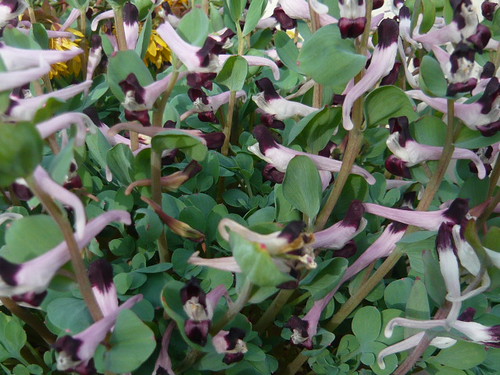
is a small bulbous plant flowering up to 6 inches in height. In spring it assumes a white colouring after the purple flowers. This plant comes from Central Asia and is easy to grow and long-lived in a well-drained compost in a pot.
They can be grown in the open garden in full sun and freely drained soil.
Fertilize with a specific fertilizer for bulbous plants, every 2-3 weeks, from when the first flowers start withering.
Corydalis plants don’t like cold temperatures or wet conditions and need a rest period before being brought back into growth.

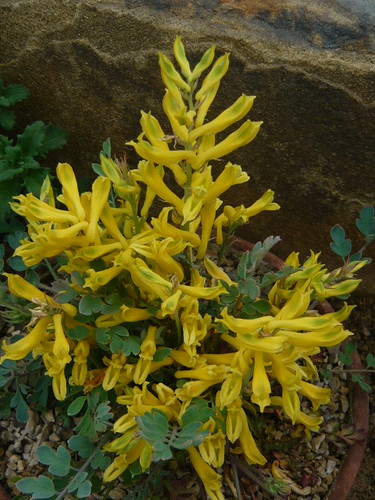
Corydalis wilsonii

Corydalis wilsonii arrived from it’s native china comparatively recently.
It is a compact herbaceous plant with light green leaves.
It flowers on errect spikes, 1″ long, in a deep yellow during late spring.
This variety is suitable for growing in pots.

I have just bought a Corydalis Kingfisher from the local AGS meeting. Kingfisher has blue flowers with a hint of green from March to Aug and is only without flowers when dormant during winter.

Alpine Species

Read More Read More

Growing Different Daisy Flowers “Townsendia”

Growing Different Daisy Flowers “Townsendia”

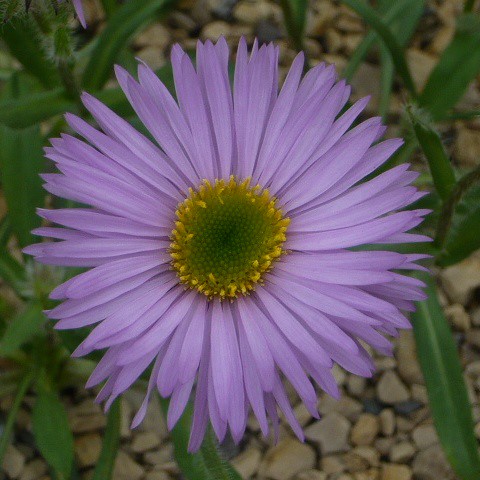
Townsendia formosa

This genus of conspicuous Aster like flowers deserves to be better known.

Growing Habits of Townsendia

  • This perennial genus comes from North America and Mexico.
  • Some Townsendia are tall, erect plants, like typical daisies, others form small, leafy rosettes, or have a sprawling, prostrate appearance.
  • The plants like a sunny well drained spot or they will be short lived.
  • Sow seed in gritty compost and surround plants with grit or gravel.

Some Species of Townsendia.

  • Townsendia formosa shown above has lilac coloured flowers above thin narrow foliage.
  • Townsedia grandiflora has large violet flowers 1-2″ wide on 5-10″ stems in summer.
  • Townsendia exscapa has white or pale pink flowers.
  • Information on the other 20+ species by L M Shultz
Grow Ericaceous Cassiope

Grow Ericaceous Cassiope

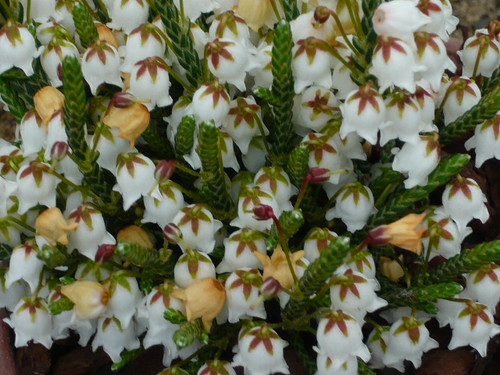
Cassiope Badenoch

Cassiope are a valuable group of small wiry stemmed ericaceous perennials with white bell-like flowers blooming in spring. Leaves are unstalked and densely overlap.

Tips for Growing Cassiope

  • Grow in lime free sandy or mossy soil. Very hardy if given good drainage.
  • The smaller varieties are good alpine house and pot plants growing below 12″ high.
  • Plants are cheap to buy and can be propagated from cuttings or by pegging down.
  • Plants hybridise quite easily.
  • Grow in a cool shady or semi-shady places in the rock garden or shrub border.

Hybrids and Species to Grow

  • Cassiope Randle Cooke is a super little Cassiope with deep green leaves closely clasping the stems.
  • Cassiope Badenoch shown above has a mass of off-white bell shaped flowers
  • Cassiope Edinburgh another wiry stemmed ericaceous perennial with tightly packed deep green leaves and larger white bell-like flowers in spring.
How To Grow Dahlias from Gardeners Tips

How To Grow Dahlias from Gardeners Tips

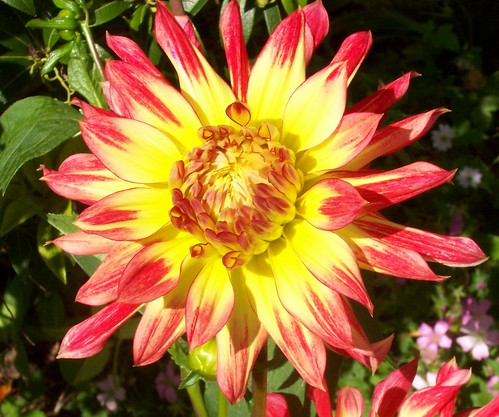
dahlia

Dahlia offer magnificent colour

Tips for Growing Dahlias

  • Dahlias are an excellent plant, great for bold planting schemes. They are quick growing and provide an impressive display of colour late in the season.
  • You can start growing Dahlias by buying tubers from garden centres and specialist mail order.
  • They can be planted from March to April. You could just about try planting a tuber now (early May) for a late season show.
  • Dahlias are tender so need to be kept under glass until all risk of frost has passed. For early season dahlias start in May and gradually harden off before planting out in late May / early June.
  • Dahlias like the warmth, so a heated greenhouse would really speed up their growth.
  • Pinching Out. To encourage bushy growth, pinch out the growing tips. You can also remove small spindly stems.

dahlia

  • For the biggest flowers, you can pinch out secondary blooms and put all attention into the one bloom. This is best for cut flowers, but, for a garden display, you don’t have to do this.
  • Apart from some small low growing varieties, dahlias will need protecting. Stake them securely. it works quite well to have a triangle of stakes around the plant and then tie garden string around the plant.
  • Dahlias are heavy feeders and like to be kept well watered, especially during the flowering season. If your soil is poor, try digging in lots of organic material for them. Also, once established, give a good watering and then a add a layer of mulch to keep water in.

Read More Read More

Garden Tips for May

Garden Tips for May

may

A classic scene from May – a carpet of Bluebells.

Tips for Gardening in May

  • Beware of ground frosts especially in the north and unsheltered parts. Be ready with some fleece or in an emergency some newspaper to cover delicate plants. Have seedlings and pots on convenient trays for moving in and out of safe frost free places.
  • A big job is hardening off plants getting them accustomed to the outside weather. Make use of cold frames and adjust plants gradually to outdoor temperatures.
  • Planting out seedlings is another time consuming but rewarding job. Look at recommended width for planting depth, it is easy to forget how big seedlings can grow. However, if slugs are a problem you could plant out thickly and leave room for natural wastage.
  • As Plants spring into life, unfortunately so do weeds. On dry days scour the garden with a hoe. Deep rooted weeds may need more persistent treatment of digging and weedkiller. See: Dealing with Weeds

may

Red Poppy makes big impact in late May.

Read More Read More

Growing Basil a Sweetherb

Growing Basil a Sweetherb

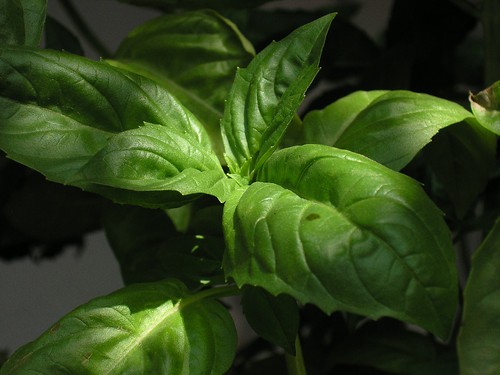
Fragrant and sweet tasting Basil is an easy to grow, popular herb. Aka Sweet Basil, with many other basil types including Sweet Genovese, Thai basil, Lemon basil and Mexican spice basil there is a good range to grow.

Sow From Seed
In May or June fill small pots with moist multi-purpose compost. I use 3″ plastic pots.
Sprinkle seeds thinly on the surface. About 10-12 seeds per pot.
Cover lightly with fine compost or vermiculite.
Keep on a warm windowsill and seedlings will appear in about 2 weeks.

Growing Onward
After 4-6 weeks the seedlings can be planted into individual pots.
Then leave on the windowsill or harden off for outdoor planting
Treat the Basil as an annual.

Outdoor Basil
Plant out in June or July in a sunny sheltered spot.
They make good fragrant container plants.
Feed with a general purpose liquid feed and water little and often.
Pinch out the growing tip to get a bushy plant.

Using Basil
Leave the stems on pick and come again plants taking a few leaves each time.
Grow several plants if you need large quantities for Pesto or other culinary uses.
The seeds can be used to flavour a drink.

Credits
Basil has medicinal and calming properties.
Photo by Marmot on flickr
Seed suppliers

New Places for Growing Cress

New Places for Growing Cress

HC & York 115

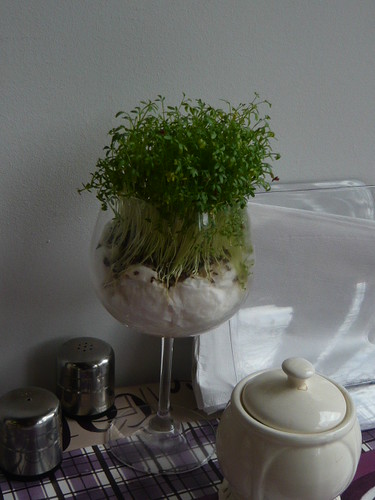
Egg and Cress sandwiches from your own home grown cress – marvelous and so easy.

I liked the Cress growing in this large wine glass at a local cafe so I thought I would grow some as I did as a child.

  • Fill your glass with an absorbent paper towel or blotting paper.
  • Dampen the paper and if necessary add more paper so the Cress will grow above the rim of the glass. This is a bit low to get at the sprouted cress.
  • Sow seeds evenly onto the damp paper.
  • To get good germination, make sure the freshly sown seed is kept in the dark.
  • These will take from ten to fourteen days to mature.
  • Mustard grows 3 days quicker than cress so if growing both sow Mustard later.
  • As there is no drainage do not flood with water keep just damp.
  • Harvest whilst still young and crisp.

Proper cress as in “Mustard and Cress” is Lepidium sativum and the Mustard is Brassica hirta. Beware many supermarkets sell oilseed rape seedlings (Brassica napus) as Cress with little or no flavour.

Beware if you grow on soil the seed husks drag up the soil as the plant grows and can create a gritty feel to your harvest. I like the scent of growing Cress but it may not be to everyones taste.

Other places or receptacles for growing your crop of Cress could include a smart plant pot, broken or chipped china but not grannies best antiques. I put a pot on top of the TV and the water leaked and broke it!

Cress seeds and other ‘sprouters’ from Thompson Morgan

Tips for Growing Cherry Tomatoes

Tips for Growing Cherry Tomatoes

Chris Winters

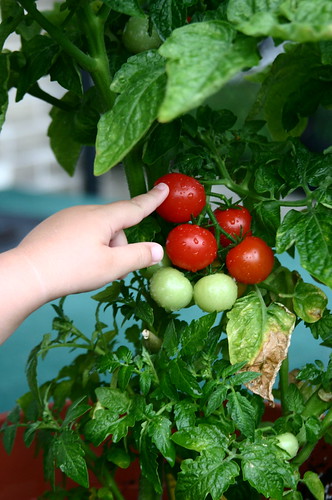
Bush tucker trials could refer to Tomatoes grown on bush varieties because they make great ‘tucker’. I love the sweet sharp taste of some of the new Cherry Tomato varieties.

Quick Tips for Growing Cherry Tomatoes

Buy a variety like Sweet Million or Gardeners Delight.
Garden Pearl has been specially bred by Unwins for growing in containers.
Baby Plum Tomatoes are now available in a variety called Sweet Olive.
The Tumblin’ series can be grown in hanging baskets or containers.

Cultivation of Tomatoes

The surface roots take up the fertilizer and nourishment. Encourage them by building soil around the stem.
The tap roots go deep in search of water. Help by making sure you water well into the soil by sinking a pipe or pot near the plant to fill up & make sure the water gets deep down.
Do not be too greedy with each plant. Stop them growing when you have 5-8 trusses of fruit by pinching out the growing tips. This channels the energy into your fruit.
Feed and water on a regular consistent basis.
I still support my Cherry tomato plants with a cane and string.

Plants and seeds available from Thompson Morgan

More Tomato growing tips

Small is Beautiful Particularly amongst Alpines

Small is Beautiful Particularly amongst Alpines

Saxifraga cranbourne

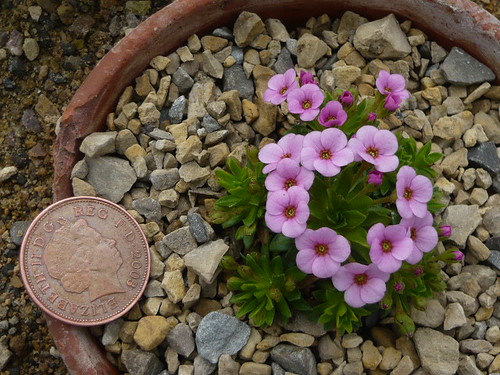
You do not need a large garden to grow a massive range of interesting plants and flowers. The 2p coin gives some impression of scale to this Saxfraga cranbourne which is about the same size as the coin.

Note how it needs the protection of grit plus a sand and grit plunge bed as these small plants can easily be washed away and generally do not like damp roots.
Many alpines dislike wet foliage and would rot so I always water from below.

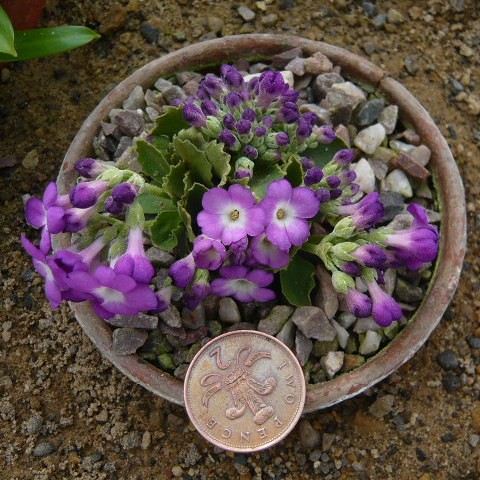
Primula allianii Joan Hughes

There are many species of Primula that could form the basis of an interesting miniature collection. This photo is of Primula allianii Joan Hughes. There is a National Auricula and Primula Society if you get keenly interested.

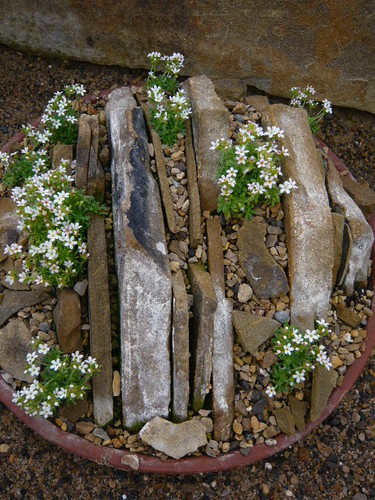
Androsace carnea pyrenaica

Similarly there are many Androsace to collect and experiment with. This display, in a 4 inch pot, requires several plants of Androsace carnea pyrenaica together to make the interesting shoe.
There is a specialist society within AGS for these small plants Androsace.org.
See a range of other pictures here .