Browsed by
Category: Flowers and Plants

Annual, perennial and interesting flowers with advice on culture, information, tips and recommended varieties

Parrot Flower or Bird of Paradise Flower Photos

Parrot Flower or Bird of Paradise Flower Photos

I was convinced my latest photos were of Strelitzia or Bird of Paradise flowers – that was until the horticulturalists at Kew Gardens made me rethink.
I had never come across the Parrot flower until I saw the Kew photo below and now I realise how ornithologically challenged I am.

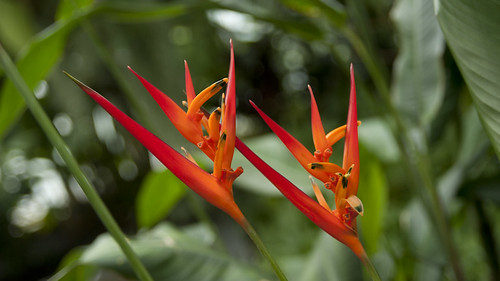
Parrot’s flower in the Palm House
I love going to the Palm house at Kew where this photo was taken by their staff.
The variety of plant life hints at what you could discover in better weather conditions than we experience in the UK.

Eden Project Strelitzia

These Cornish flowers were also under glass in the tropical dome at the Eden project.

Eden Project Strelitzia

Strelitzia – Bird of Paradise Species

Strelitzia alba White bird of paradise
Strelitzia caudata Mountain Strelitzia
Strelitzia nicolai White or Giant bird of paradise;
Wild banana or Blue and white Strelitzia
Strelitzia reginae Bird of paradise, or Crane lily
Strelitzia juncea African desert banana
S. × kewensis hybrid between S. reginae and S. augusta (alba)

Strelitzia
Checking my old holiday photos I found this Strelitzia which threw my identification skills into question.

Eden Project Strelitzia
These leaves look like banana leaves but the flowers fall short of Paradise.

Eden Project Strelitzia
Insects are having a good lunch on this flower photo.

Photo Credits.
Parrot’s flower in the Palm House by Kew on Flickr CC BY-NC-SA 2.0 ‘This parrot’s flower, Heliconia psittacorum, was collected in Brazil in 1974. Find its striking orange flowers in the Palm House.’
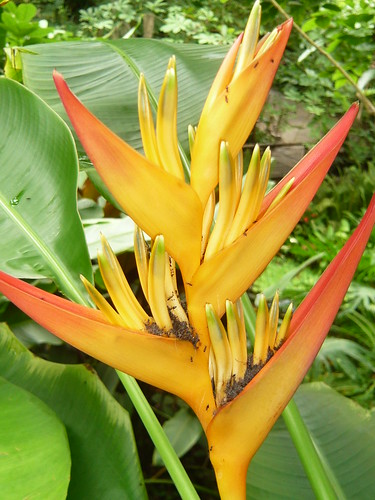
Heliconia platystachys (multiple flowers) CC BY-NC-SA 2.0
Our photos from the Eden Project Cornwall

Heliconia platystachys (multiple flowers)
When you start looking there are Parrots everywhere!
There are over 100 species of Heliconia found in rainforests or tropical wet forests where they are sometimes referred too as False Bird of Paradise flowers.

Bare Rooted Raspberry Canes or Plants

Bare Rooted Raspberry Canes or Plants

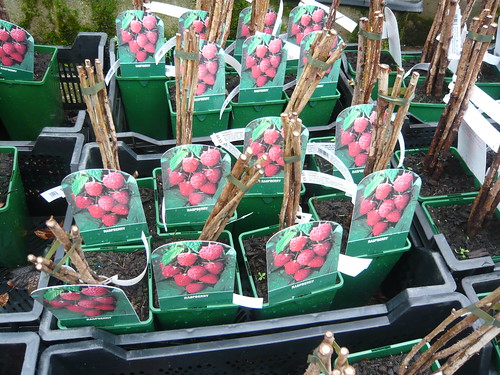
Spring raspberry canes

These raspberry canes were available from my local garden centre March 20th. They look container grown but are bare rooted canes plonked into pots. Container grown plants look like a bunch of healthy canes growing from the same root stock.
If you can’t get to Swincar Nursery in Guiseley and who can, then you can buy the following varieties mail order from Thompson & Morgan

Raspberry ‘Glen Moy’ (Early season summer fruiting) – produces an abundance of firm, medium sized fruits from June to July on virtually spine-free canes, which make harvesting a pleasure.

Raspberry ‘Glen Ample’ (Mid season summer fruiting) – Exceptional high-yielding mid season variety, producing a heavy crop of large, deep red, succulent berries, with superb flavour.

Raspberry ‘Polka’ (Late season autumn fruiting) – This superb Polish bred primocane variety produces up to double the yield of its parent, Raspberry ‘Autumn Bliss’, and crops at least 2 weeks earlier.

Raspberry ‘Autumn Bliss’ ‘is one of the best and most reliable autumn fruiting varieties, producing a heavy crop of large, attractive red berries from late August until mid October. The delicious fruits have an excellent flavour and firm texture making them ideal for eating fresh from the plant or freezing for another day. The short, sturdy canes of Raspberry ‘Autumn Bliss’ makes them perfect for growing in smaller gardens and containers as they don’t require supports for their stems. An excellent British bred variety, with good resistance to raspberry root rot disease. Height: 59”. Spread:20”.’

See also
Coloured and species Raspberries
Growing and maintaining raspberries
Raspberries Spring Summer and Autumn

Bare-root or Pot-Grown Plants

Bare-root plants are only delivered in the winter season for planting from November to March when the ground is not frosty.
Pot grown plants can be delivered all year round but take care as this photo shows barerooted plants have been stuck in a pot for retail purposes!
Bare-root plants cost less for the same size plants and you can carry and plant them easily.

Pot Grown plants can be delivered & planted all year round.
Plants in pots can be kept for months if there is a delay in planting.
If you can’t wait to get planting then buy pot grown plants, otherwise order bare roots.

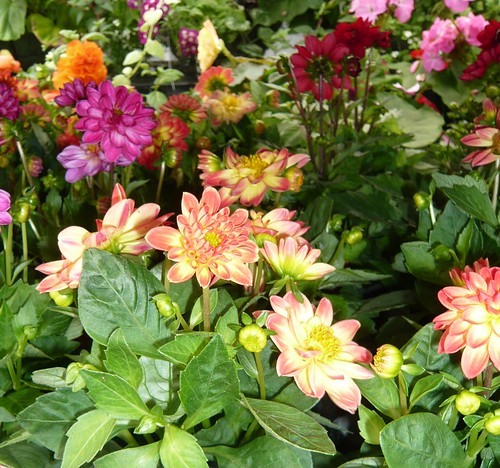
New Mini Dahlia

New Mini Dahlia

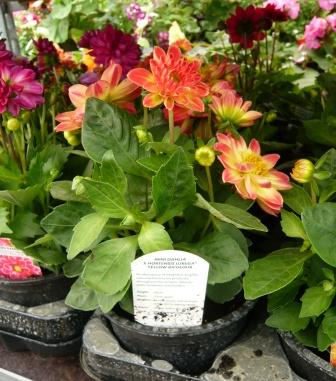
Mini Dahlia X Hortensis Lubega® is the latest addition to my plants acquired due to aggressive marketing. As readers will know I like to test new plants but do not what too much marketing.
In the garden centre it was on a tray marked £1.50 but was really £2.99 when I got to check out. This is another serious whinge of mine, duff pricing and or naff quality at garden centres.

Dahlia X Hortensis Lubega

Small Plan for Mini Dahlia

Despite my reservations I couldn’t resist this ‘mini dahlia’ in yellow and orange. It had over a dozen visible buds of which 5 showed the beginnings of colour. (One other similar plant had fully open flowers that showed a semi double effect).
My plan is to see how many flowers one plant will produce in one summer (assuming we get a summer).
It was in a 4″ pot and I have repotted into a 7″ pot. The recommended distance apart is 10″ which small for a dahlia that generally like their own space.
Current height is 6″ that suits me and the mini stature but I am worried as the label says in will grow to 16″ which is more than mini in my book. I must wait and see and will report back.
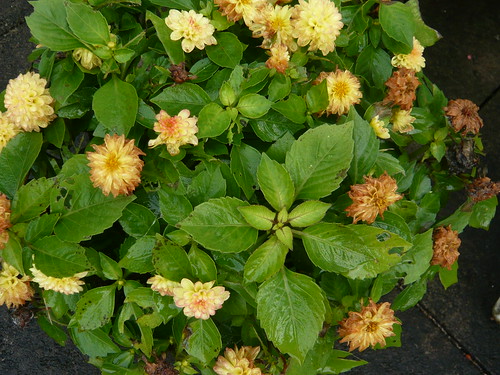
Report back after 10 weeks – bitter disappointment at poor volume of flowers. Plant leaved up but remained 12″ high but negligible new buds. Will September redeem the plant? I have my doubts!

Mini Dahlia Growing Instructions

  • Mini Dahlias are a half hardy perennial that is grown as a half hardy annual.
  • Garden centres are told ‘High light intensity and day lengths from 13 to 15 hours will promote an advanced florescence and a good plant structure’.
  • The label tells gardeners position in fertile, moist, well drained soil in sun or partial shade. (Oh that is so unusual).
  • Water well in dry weather and feed weekly when in flower.
  • Mini Dahlia Yellow Bicolour should ‘produce an abundance of delightful, brightly coloured blooms throughout summer.’
    Ideal for patio containers and borders.

Definition of Mini Dahlia

  • A Mini dahlia is a low growing dahlia normally between 10 and 18 inches tall.
  • Flowers dictate the definition ‘mini’ ranging from 1.5 to 3 inches in diameter.
  • Dahlias with flowers larger than 4 inches are no longer considered minis.

November mini dahlia
5 months Later

What about the Growers of Mini Dahlias

This is a German product by trade supplier Volmary GmbH Munster
Mini Dahlia X Hortensis Lubega® is one of a series or range of varieties that includes:
Dahliettaâ„¢
Dahliettaâ„¢ Surprise
Figaro Mix
Gallery®
Happy Day
Lubega®
Lubega® Mini with a Compact and well-branched habit of the mulitflora type
Lubega® Power
Melody
Mr Fothergill sells seeds of Dahlia Dwarf Double Mixed (Dahlia x hortensis)

Some Other Dahlia Species

Dahlia coccinea, Dahlia variabilis
Dahlia imperialis, Dahlia laciniata
Dahlia rosea’ Dahlia x hortensis

Mandevilla or Sundaville Conservatory & Houseplants

Mandevilla or Sundaville Conservatory & Houseplants

Mandevilla is marketed as a tender conservatory climbing plant.
They flower red or pink in summer on the current year’s growth. Prune in winter and keep at a temperature of at least 60ºF which may help the plant to stay evergreen. Mist in summer and water gently in winter.
Grow in good light in warm humid conditions and feed monthly.

What is in a Name Mandevilla or Sundaville

  • The Mandevilla is a genus of plants from the tropics including Sanderi, Boliviensis and Amoena. They are woody climbing or trailing plants that will not survive frost.
  • Sundaville is the Suntory trade mark for a new collection of red Mandevilla/ Dipladenia hybrids.
  • Australian hybridisers have launched a new Mandevilla series called the Aloha range

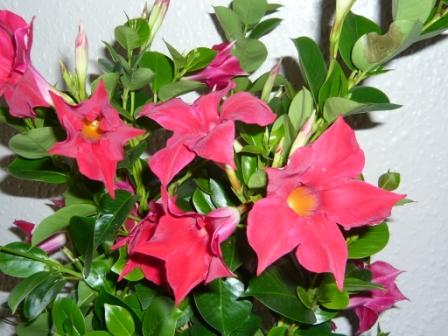
2009-10-08 14-40-24 Mandevilla Aloha Red - IMG_3276

RHS Recommended Varieties

  • Mandevilla × amoena ‘Alice du Pont’ AGM (Syn: Mandevilla × amabilis): is a popular conservatory climber with large numbers of pink flowers in late summer. It reaches a height of up to 7m (22ft) and can tolerate temperatures of 10-15°C (50-59°F).
  • M. laxa AGM (M. suaveolens, M. tweediana; Chilean jasmine): The selling point of this mandevilla is its strongly scented flowers of white or creamy-white. It can reach a height of 3-5m (10-15ft). It can survive short periods of temperatures down to 5°C (41°F).
  • M. boliviensis AGM: At 3-4m (10-13ft), this is the least vigorous of those mentioned here and has white flowers with yellow eyes. Another one for the heated conservatory with minimum temperatures of 10-15°C (50-59°F).
  • Mandevilla laxa – is hardy down to around 5°C

Mandevilla novocapitalis

Photo and RHS Credits

Mandevilla (Dipladenia) by blumenbiene CC BY 2.0
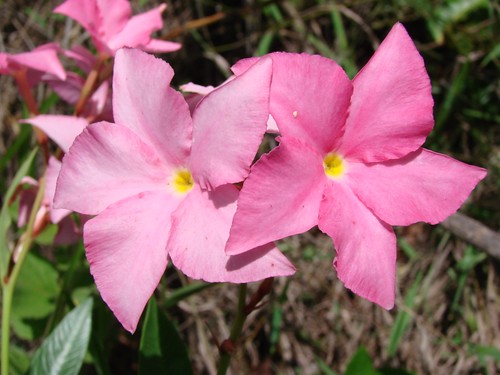
Mandevilla novocapitalis by João de Deus Medeiros CC BY 2.0
Mandevilla Aloha Red – IMG_3276 by Degilbo CC BY-NC-ND 2.0 ‘Mandevilla (formerly Dipladenea) is a genus of climbing plants from Central and South America from subtropical regions. Interspecific breeding by Australian breeding duo Graham Brown and Mal Morgan has created an outstanding new Mandevilla series called the Aloha range which features continuous flowering between spring and autumn. ….’

Mandevilla (Dipladenia)
Last Tips
Provide a trellis to support its vigorous, vine like climbing stems and tie loosely.
Trim or prune very weak stems.

Fresh Winter Herbs and Preserving Herbs

Fresh Winter Herbs and Preserving Herbs

Herbs for winter flavour in your food can be kept fresh or preserved direct from your garden. Most herbs can be dries and Mint can even be pickled so have a go at herb preservation.

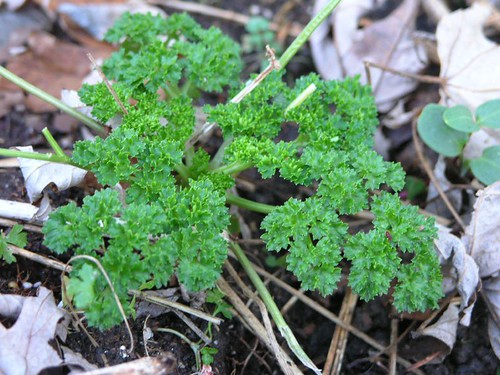
Parsley

Prolong your Fresh Herbs

Many herbs die down in open ground during winter. It is worthwhile digging up and potting up a clump of herbs for the cool greenhouse or kitchen windowsill. Chives, Parsley, Mint, Marjoram, Basil and Thyme are suitable subjects. Winter herbs need plenty of light, cool conditions, occasional ventilation and regular watering. Remove dead and dying leaves and flowers immediately.
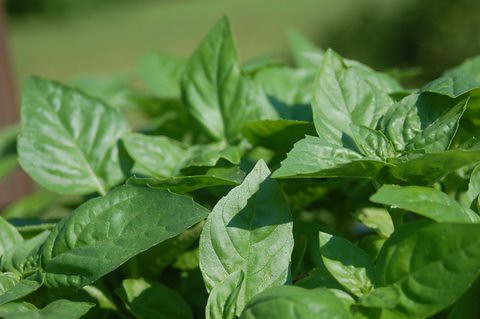
Basil -  Ocimum basilicum
Basil is treated as an annual but leaves can be dried.

Cuttings taken in summer can be used indoors for fresh herbs.

Supermarket herb pots are now a convenient way to enjoy fresh herbs. Look after them as suggested above. Do not subject them to a chill as they will have been grown very tender.

Drying and Preserving Herbs

Sprigs of herbs are easiest to handle when it comes to drying over trays, frames or on paper. Leaves need turning several times in the first couple of days. Microwave ovens are problematic as they can cook rather than dry your herbs (use short settings and test for brittleness as you go). Drying trays can now be bought from good garden centers. For large quantities, artificial heat in a temperature and humidity controlled drying room may be worth the investment.

Stems can be tied and bunches left to hang in a warm airy atmosphere but control is hard and end results are more difficult to predict.

Chamomile can be dried in the plate warming part of your oven (let the moisture escape). Laid sparingly over newspaper, seed heads such as Fennel and Dill can be dried (but fennel itself will flop rather than dry). When dry keep mthe leaves and stems such as Marjoram can be thrown away.

Rubbing down to get the dry leaves should be done with gloves and a smog mask if large quatities are involved. Normally only enough herbs for winter are required so large quantities are not involved. Storing in dark, air-tight containers such as glass jars is best. Dried herbs deteriorate if exposed to light and can easily reabsorb moisture.

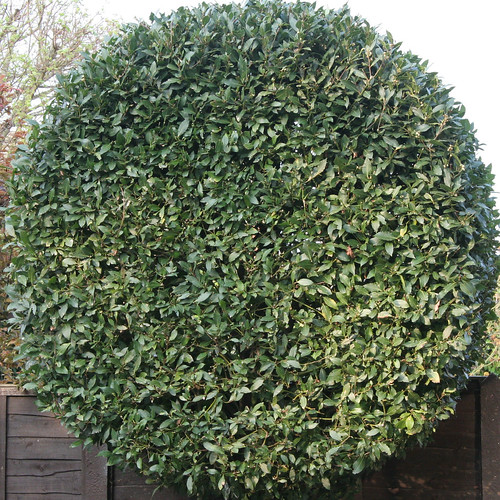
Our trimmed bay tree
Bay is an evergreen plant. The leaves can be used all year round to flavour soups and meat.

Mint can be pickled in vinegar which becomes a popular way to eat the herb.

Photo Credits
Parsley by -Mandie- CC BY-NC-ND 2.0 ‘I picked and dried some of my Parsley this week. This is part of what I’ve left in the front yard, which might make it, considering it’s close to the house, on the south side…..’
Basil – Ocimum basilicum by Jasmine&Roses CC BY-ND 2.0
Our trimmed bay tree by exfordy CC BY 2.0

Courgettes, Gourds, Marrows and Squashes.

Courgettes, Gourds, Marrows and Squashes.

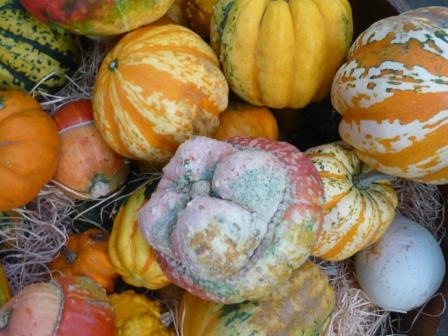
gourds

I have tried several varieties of Curcurbits this year but still haven’t got around to Cucumbers and Melons.

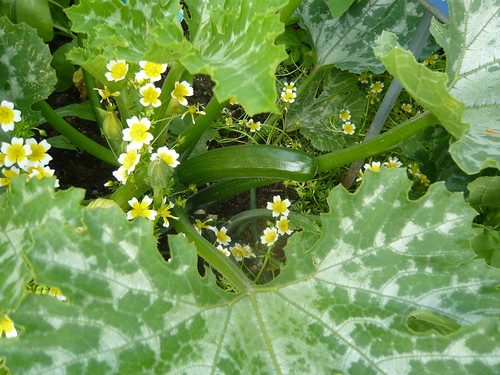
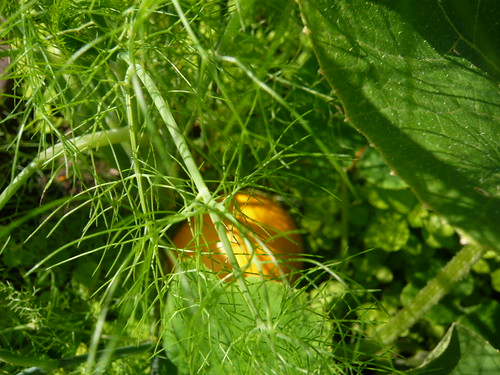
Courgette and Egg plant

Courgettes

  • I have planted one in half a grow bag cut across and stood on its end to keep it free of slugs (I hope) and make it easy to jeep watered.
  • The last bucketful from my old compost heap has gone under another ‘Green Bush’ courgette as they are voracious feeders and need some water retention within the soil.
  • An old trick was to grow courgettes on the top of a mound (of old compost) so the leaves did not become water logged and start rotting.
  • Courgettes are a family favourite vegetable when picked small and fresh and you can even eat the flowers.
  • Courgettes are of course young Marrows and if left to grow they will swell and eventually produce seed. In many varieties the flavour and texture suffers so I pick mine young.
  • Courgette seeds at Thompson & Morgan

Pumpkin

Gourds & Pumpkins

  • As a child I wanted to grow the exotic shapes colours and textures of the gourd family but seldom achieved a good crop.
  • In many cultures the fruit of the Gourd is used as a container or vessel.
  • Plant the seeds on their side so water runs away from the flat centre.
  • Some varieties to try include ‘Autumn Glory’ an attractive climbing/spreading variety, ‘Dinosaur’ a bottle-shaped gourd with wrinkled green skin, ‘Speckled Swans’ Intriguing gourds with lifelike crooked necks that can be dried and painted or  ‘Russian Dolls’ that can be harvested at various sizes, dried and painted.
Can You Gardening Green with Glyphosate?

Can You Gardening Green with Glyphosate?

Book Cover

Can you be a green gardener if you use Glyphosate?
Well I have come across one garden problem that is best tackled by the application of Glyphosate

Creating a New Kitchen Bed from a Turfed Area

  • The top mantle of your soil is the richest in flora and fauna.
  • This top soil is too good to be turned over and buried or sliced off for loam making.
  • An application of Glyphosate is the lesser of many evils and keeps the soils micro-organisms in tact where you need them.
  • Plants love the fibre left by old grass roots as do the earthworms.

Green Alternatives to Glyphosate

  • Black polythene can be laid over the new plot. It must exclude all light and be left down for at least a year.
  • If you must remove the turf, stack it face down and add a layer of manure every 12″. It will make good loam and a base for planting new fruit trees once it rots down.
  • I have had no reports about the flame thrower treatment but if you want to avoid all chemicals this may be the way to go. Initially give a light burn to the leaf surfaces, then follow up several days later with a stronger burn. You may also need subsequent burns for pernicious weeds.

Facts about Glyphosate

  • Glyphosate is a strong, systemic weed killer for stubborn, deep-rooted weeds.
  • It will not damage or leach into the water table
  • Glyphosate kills annual and perennial weeds leaving the area ready for replanting
  • Ground can be replanted 7 days after treatment
  • Children and pets will not be harmed once treated areas are dry
  • Glyphosate is biodegradable and quickly breaks down on contact with soil.

Glyphosate from Amazon“>Book Cover

Can you be a green gardener if you use Glyphosate?
Well I have come across one garden problem that is best tackled by the application of Glyphosate

Creating a New Kitchen Bed from a Turfed Area

  • The top mantle of your soil is the richest in flora and fauna.
  • This top soil is too good to be turned over and buried or sliced off for loam making.
  • An application of Glyphosate is the lesser of many evils and keeps the soils micro-organisms in tact where you need them.
  • Plants love the fibre left by old grass roots as do the earthworms.

Green Alternatives to Glyphosate

  • Black polythene can be laid over the new plot. It must exclude all light and be left down for at least a year.
  • If you must remove the turf, stack it face down and add a layer of manure every 12″. It will make good loam and a base for planting new fruit trees once it rots down.
  • I have had no reports about the flame thrower treatment but if you want to avoid all chemicals this may be the way to go. Initially give a light burn to the leaf surfaces, then follow up several days later with a stronger burn. You may also need subsequent burns for pernicious weeds.

Facts about Glyphosate

  • Glyphosate is a strong, systemic weed killer for stubborn, deep-rooted weeds.
  • It will not damage or leach into the water table
  • Glyphosate kills annual and perennial weeds leaving the area ready for replanting
  • Ground can be replanted 7 days after treatment
  • Children and pets will not be harmed once treated areas are dry
  • Glyphosate is biodegradable and quickly breaks down on contact with soil.

Glyphosate from Amazon0″>Book Cover

Can you be a green gardener if you use Glyphosate?
Well I have come across one garden problem that is best tackled by the application of Glyphosate

Creating a New Kitchen Bed from a Turfed Area

  • The top mantle of your soil is the richest in flora and fauna.
  • This top soil is too good to be turned over and buried or sliced off for loam making.
  • An application of Glyphosate is the lesser of many evils and keeps the soils micro-organisms in tact where you need them.
  • Plants love the fibre left by old grass roots as do the earthworms.

Green Alternatives to Glyphosate

  • Black polythene can be laid over the new plot. It must exclude all light and be left down for at least a year.
  • If you must remove the turf, stack it face down and add a layer of manure every 12″. It will make good loam and a base for planting new fruit trees once it rots down.
  • I have had no reports about the flame thrower treatment but if you want to avoid all chemicals this may be the way to go. Initially give a light burn to the leaf surfaces, then follow up several days later with a stronger burn. You may also need subsequent burns for pernicious weeds.

Facts about Glyphosate

  • Glyphosate is a strong, systemic weed killer for stubborn, deep-rooted weeds.
  • It will not damage or leach into the water table
  • Glyphosate kills annual and perennial weeds leaving the area ready for replanting
  • Ground can be replanted 7 days after treatment
  • Children and pets will not be harmed once treated areas are dry
  • Glyphosate is biodegradable and quickly breaks down on contact with soil.

Glyphosate from Amazon

Growing and Pollinating Sweetcorn

Growing and Pollinating Sweetcorn

Peaches and Cream | 191/365
Sweetcorn is one of my favourite vegetables. Even when it comes out of a tin it is OK but fresh Sweetcorn boiled then smothered in butter is a treat that makes these plants well worth growing.

Planting Sweetcorn (Zea Mays).

  • Each seed is the shape and colour of a pip from a sweetcorn cob. They germinate quickly in warm conditions.
  • Sow seeds in mid spring 4 weeks before the last frost in your area.
  • Plant out 18in apart in blocks rather than rows when all danger of frost has passed,
  • Sweetcorn seed is available from Thompson & Morgan
  • If you try F1 hybrids don’t grow next to standard varieties or the cross pollination may cause the cobs to lose some of its sweetness.

Pollinating Sweetcorn and Growing On

  • Pollen from the male flowers, above, falls or is blown onto the female flowers or tassels, below, which when fertilised will form the cob.
  • To get good pollen distribution it is worth growing plants in square or rectangular blocks not long rows.
  • Hand pollination can be tried, dust female tassels with an open male flower or run your hand down the male flower and transfer the pollen onto the female tassels.
  • Once the silks or tassels start to form on the cobs regular watering is helpful.
  • To check that the cobs are ready to be picked pull back part of leaves covering them and squeeze one of the grains, if the liquid is thin and creamy, not watery, the cob is ready.

Sweetcorn Mini Vegetables

  • Miniature sweetcorn Minor produces tiny corn cobs for Chinese cooking and casseroles and crops in 64 days
  • The baby corn of Sweetcorn Minor are harvested before pollination just as the ‘silk tassels’ begin to show.
  • Sow seeds in mid spring 4 weeks before last expected frost in your area, singly ½in deep in 3in pots of compost.
  • Plant out 4-5in apart in rows 8in apart when all danger of frost has passed in blocks of short rows rather than one long row.
  • A warm sheltered position in fertile, moist yet free draining soil is best.
  • Plants will still grow tall, the only thing miniature is the cobs.
  • Keep free of weeds and water regularly.
  • Harvest the tiny cobs when the silks first show above the husks. What you are harvesting is the immature corn on the cob.
  • Under ideal conditions each plant should bear 4-6 cobs. If you forget to harvest on time a normal sweet corn will be produced.

sweetcorn - mini pop

Eating Sweetcorn

  • Miniature cobs are ideal raw, steamed, stir fried or with dips.
  • Also very tasty cooked, then tossed in parsley butter or served with a cream sauce.
  • Maincrop Sweetcorn are good when barbecued or grilled.
  • Sweetcorn adds starch to chicken or fish soup.

There are ‘mini corn’, ‘super sweet’, ornamental and traditional sweetcorn varieties waiting for you to try.
I don’t recommend more than one variety per season to avoid cross pollination which makes the kernels tough and poor eating.

Tips for Tender Sweetcorn not Green Giant

  • Sowings should be kept warm and dark
  • Plants must be grown on in the warm & allowed to get to 4″ plus before being planted out.
  • Plant out in square blocks of say 7 by 7 plants so they can help pollinate one another
  • Plant with low growing beans or peas to provide nitrogen at the roots.
  • Give a feed of nitrogen when the tassels have formed
  • Test if the cob is ripe by pinching the top of the cob inside the protective leaves. If it is pointed it needs longer but if it is flat it is ripe.
  • The traditional ripeness test is to open and squeeze a kernel to see if it is milky
  • Eat sweetcorn soon after picking whilst the sugars are at there best

Credits
“Peaches and Cream | 191/365 by mfhiatt CC BY-NC-SA 2.0
flickr.com/4074/4850146990_2196ec5d68. and /4120/4850147310_da417ac2b8.
sweetcorn – mini pop by Lucy Crosbie CC BY-NC-ND 2.0

Photographs and Images of Purple Iris

Photographs and Images of Purple Iris

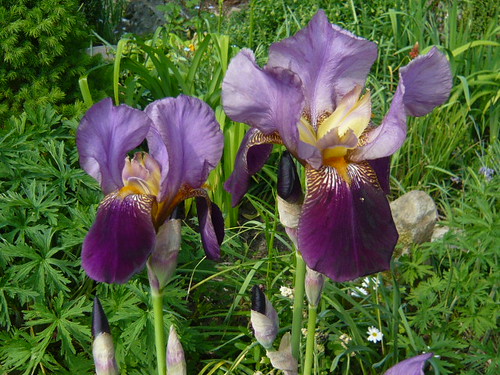
bearded iris

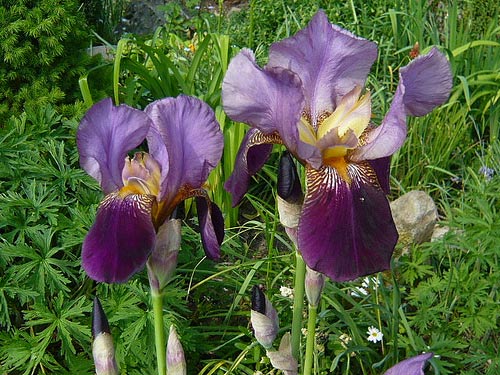
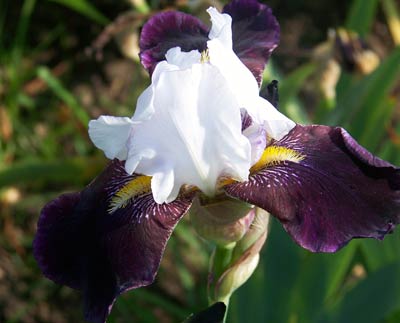
The Bearded Iris offers a huge range of colours. This is a deep purple variety growing in the Oxford Botanic Gardens. The furry hairs on the petal or ‘Fall’ give the plant the bearded image.

Bearded Iris do well in a sunny, well drained soil. They can provide years of spectacular colour in May – July.

Iris

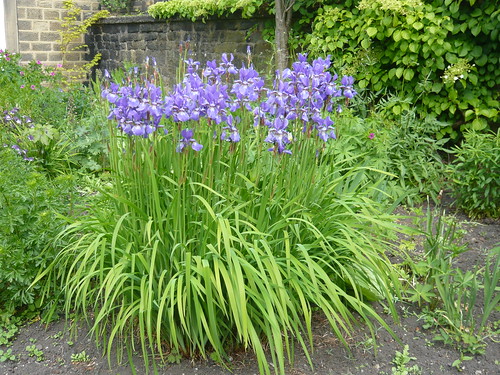
Other Iris are well adapted to grow in damp conditions.

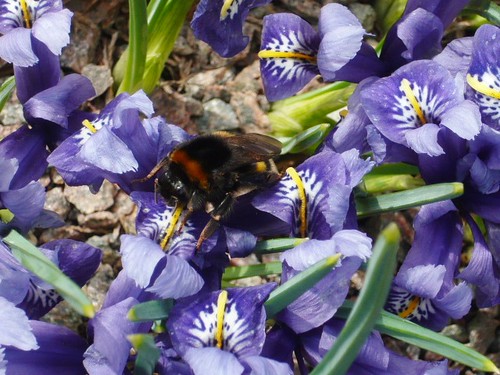
Iris B

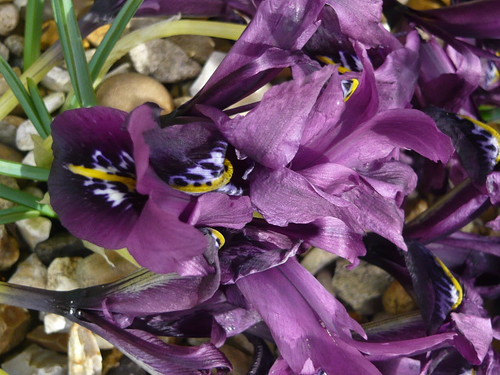
Bulb Iris are useful in rockery and Alpine arrangements and in this case are appreciated by passing Bees..

Iris

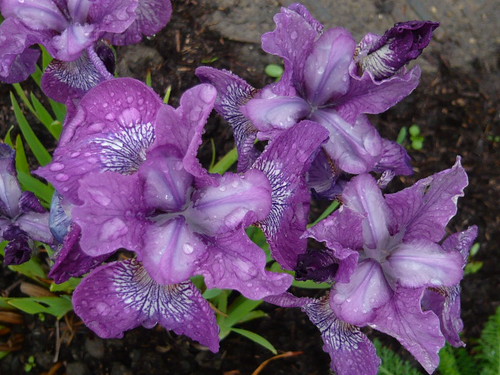
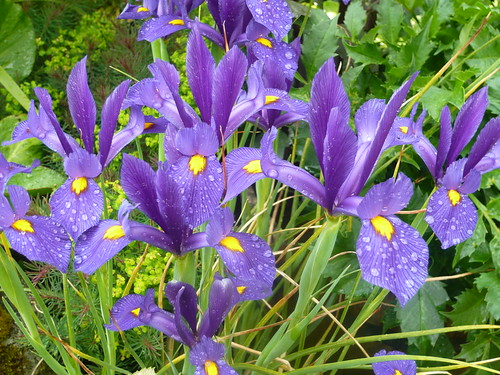
The next two pictures are taken as the rain stopped and the light improved.

Iris

Some flowers veer towards the lilac in shade but just about fit into my purple patch.

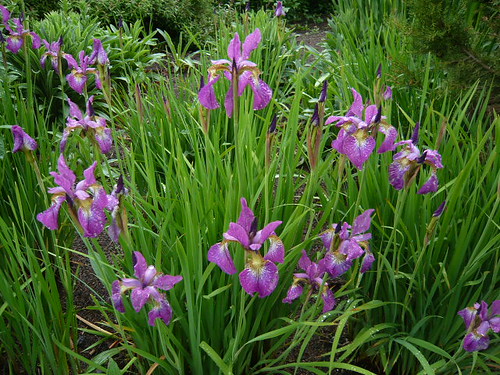
Iris
Iris are able to stand without staking as this large clump demonstrates.

George Iris

Named varieties include George an Iris reticulata.

Iris reticulata

Another Iris Histroides looks similar to a Dutch Iris but smaller.

iris

Growing in the Oxford Botanic Gardens with the other Oxford beardies.
25 Iris bulbs from Amazon (the book people not the river).

Tips for Growing Tasty Tomatoes.

Tips for Growing Tasty Tomatoes.

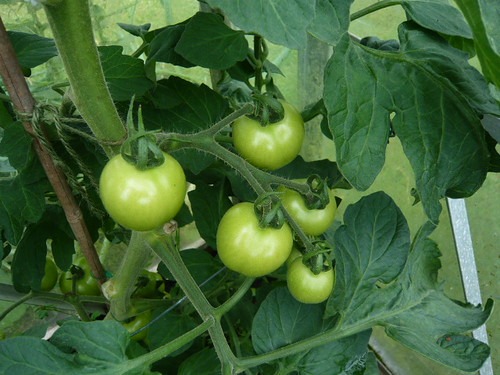
Green Tomatoes

There are few things that can beat the taste of home grown tomatoes. Growing tomatoes is not straightforward, they require constant attention throughout the year. However, they can be one of the most rewarding vegetables to grow. You will have no shortage of friends when you start to distribute home grown tomatoes…

Sowing Tomato Seeds

Sow seeds in Feb through to April. If you start them early they will need more early season protection, but, they will give a longer cropping season, rather than just a cropping season in late September / October.

In the UK, tomatoes will need to be grown under glass for most of the growing season. In the south, you will get some success from growing outside, but, you will gain a bigger crop by growing in a greenhouse.

Preventing Disease.

Tomatoes are susceptible to disease, especially when grown in greenhouses. These tips will help to prevent disease.

  • Avoid waterlogged soil
  • Replace the soil each growing season because many diseases remain in the soil. Use soil rotation techniques.
  • Keep the greenhouse clean and tidy of any dead and diseased leaves.
  • If any part of a tomato becomes effected with fungal rot make sure you remove it immediately to prevent it spreading.
  • Ensure good ventilation, remove lower leaves to give more air around the bottom of the plant
  • Deal with infestation of insects such as greenfly as they will help spread disease.
  • Disinfect the greenhouse at the end of the growing season with Jeyes Fluid

tomatoes

Watering.

  • After planting out your tomato plants do not water for 7-10 days so the roots start to seek nourishment and grow
  • Before fruits start to form, it is advisable to be moderate in watering. If you water and feed, you will just get more growth of the stem and they will be taller; this will not increase yields, but make them more unmanageable. However, once the fruits start to form it is important to ensure a good water supply, as it is essential for the formation of ripe fruits.
  • Tomatoes can need watering twice a day, if grown in growbags.
  • If you rely on a neighbour to water whilst you are away, make sure they are reliable and make sure they water in sufficient quantities.
  • Bury a plant pot alongside your tomato plants so watering is easy and it gets down to the roots
  • Tomatoes feed on roots near the surface and drink from deeper tap roots. Good watering makes for good tomatoes.

Feeding Tomatoes

Tomatoes are hungry feeders and definitely benefit from Tomato food during the formation of fruits once the first truss has set. This is particularly important if grown in grow bags

Support and Pinching Out.

For Cordon varieties of tomatoes, make sure you pinch out side shoots so that the plants focus their energy on a single stem. If you don’t you will get a lot of green growth and not many fruits. Also after about 7 branches develop, pinch out the top of the plant and focus on these 7 branches and their fruit.

This is an important tip, often forgotten by first time tomato growers. If you don’t have time to pinch out sideshoots, grow bush varieties.

Support your tomato plants with strong canes and string. They become very heavy with fruit.

Optimal Heat for Tomatoes

Tomatoes like a warm temperature. However, you should try to avoid temperatures above 85 F. In the height of summer, you will need to whitewash your green house and water down the floor of the greenhouse in the morning. The optimal temperature is around 75 to 80 degrees.

Tomatoes and Marigolds.

It is suggested growing marigolds or poached egg plants in between tomato plants to encourage hover flies who eat greenfly.

Tomatoes in grow bags.

Tomatoes in grow bags can be a good way of changing the soil every year. One tip is to use a double grow bag. cut a hole in the top of one and the bottom of another giving a double layer of growbag. This makes watering easier and gives the soil more reserves.

Popular Varieties of Tomatoes

My Tomatoes 2012

  • I like variety and am growing 5 types of tomato this year.
  • Moneymaker is my main cordon variety that I will keep in the greenhouse and pinch out.
  • Sunbaby yellow cherry tomatoes will go in the greenhouse along with the old favourite Gardeners Delight.
  • Garden Pearl is a new venture for me bred for hanging baskets I will try this cherry tomato in a container.
  • I expect least from an outdoor Marmande a beefsteak variety.

Cherry-Tomato-Plants_Autumn__55843
Cherry-Tomato-Plants_Autumn__55843 by Public Domain Photos CC BY 2.0