Browsed by
Category: Flowers and Plants

Annual, perennial and interesting flowers with advice on culture, information, tips and recommended varieties

Lemon Sunflowers

Lemon Sunflowers


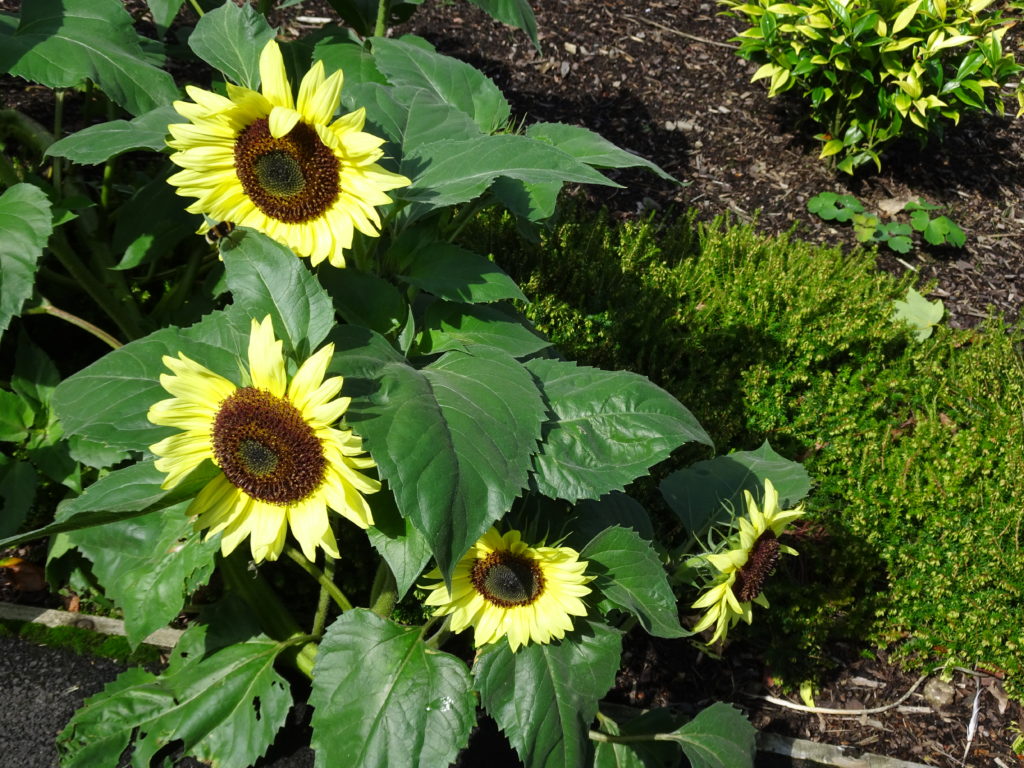
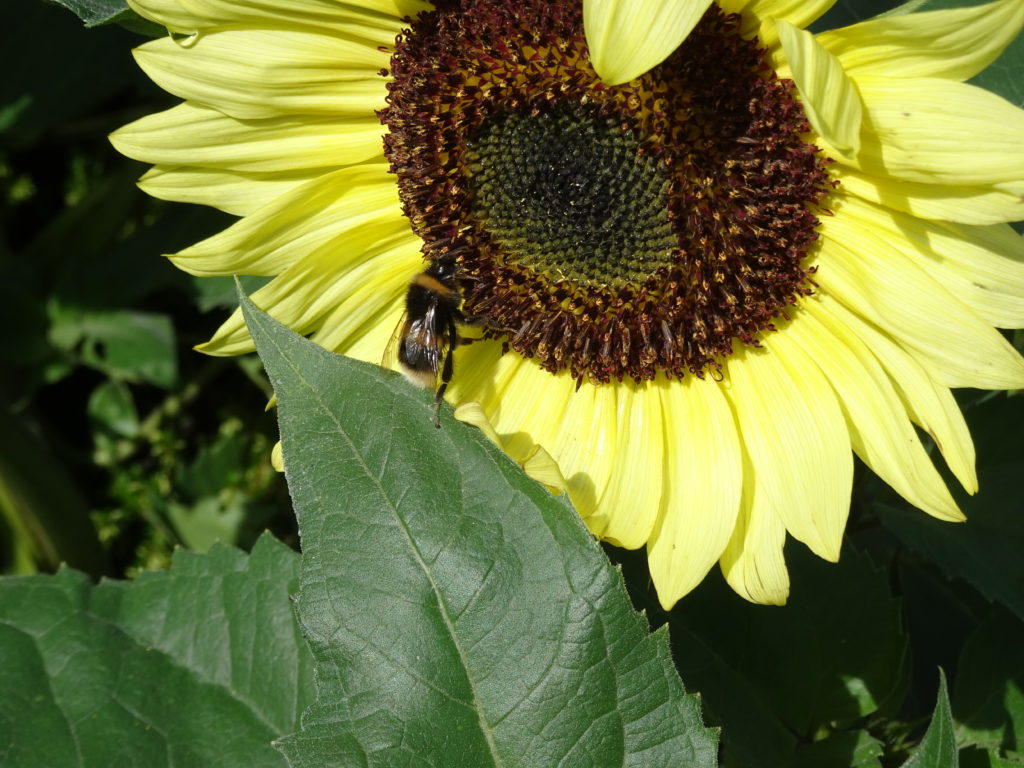
Sunflower seeds are now available in a range of colours and growing habits. These Lemon Queen plants provide several heads on one compact growing plant. Contrast that to the wilder plants I have to weed out as seedlings that grow from my bird feeders.

Tips on growing and displaying Sunflowers for cutting


Gloxinia as Houseplant Gifts

Gloxinia as Houseplant Gifts

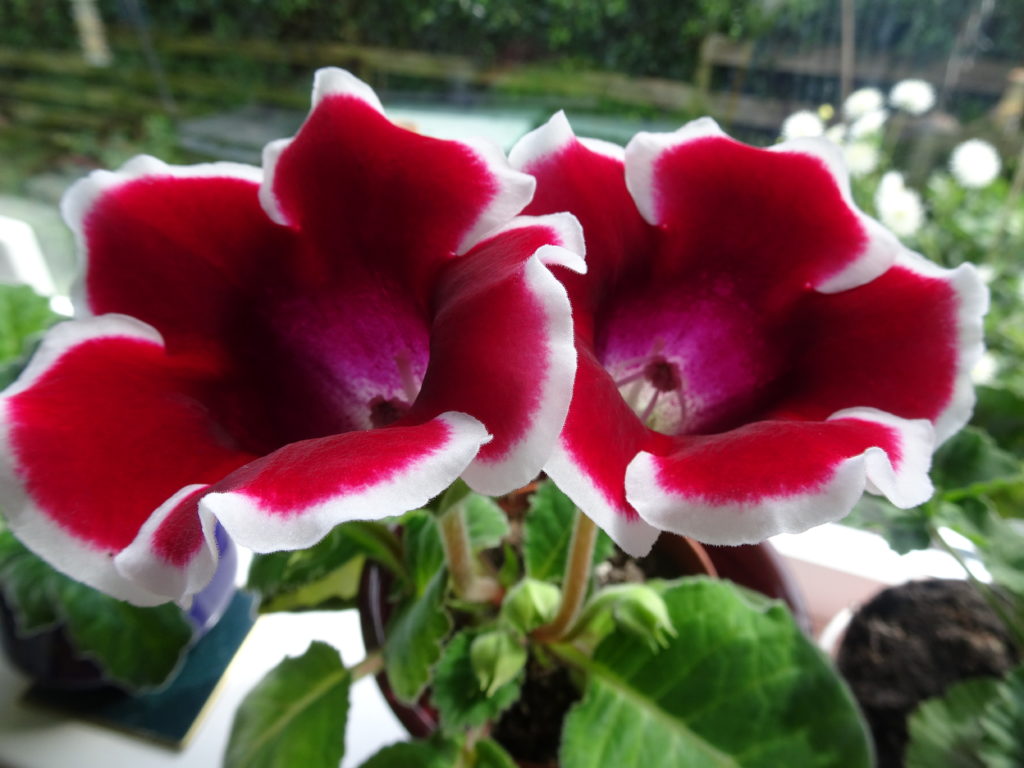
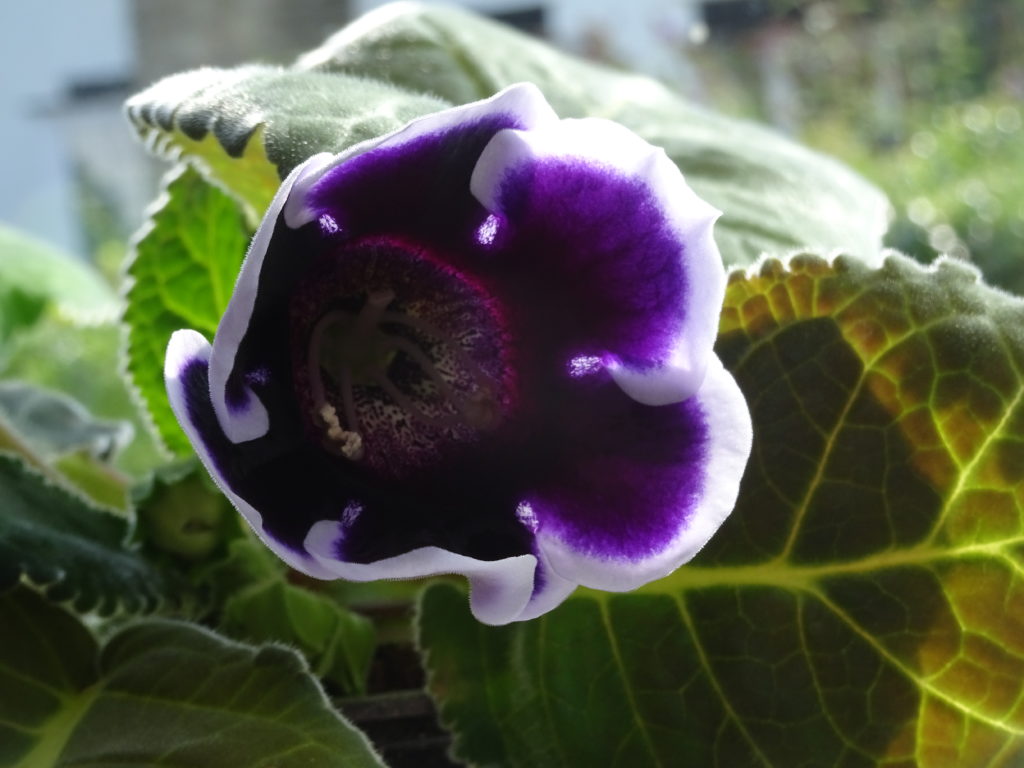
Can you grow too much of a good thing? Yes I think so. There are only so many plants you can accommodate in the garden, house or even through life. So as part of enjoying the growing aspect of gardening I have started to deliberately grow for giving plants away in this case Gloxinia.

Selecting the Gift

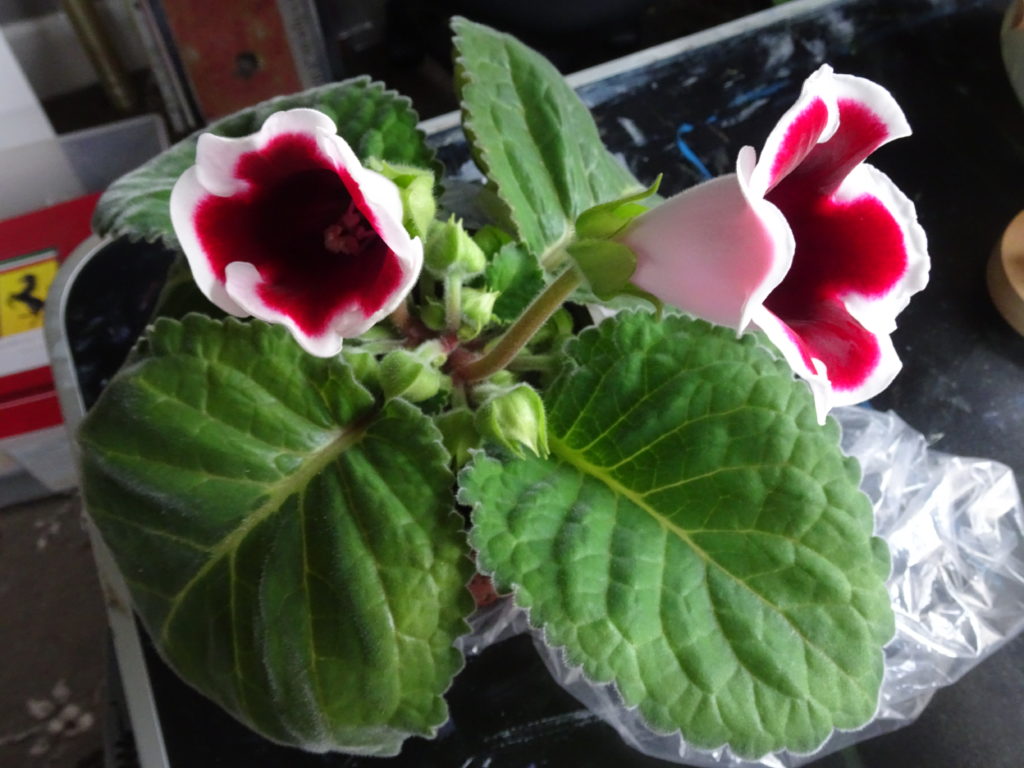
  • A plant in flower is far more attractive than one the recipient has to grow-on or wait to see how it looks.
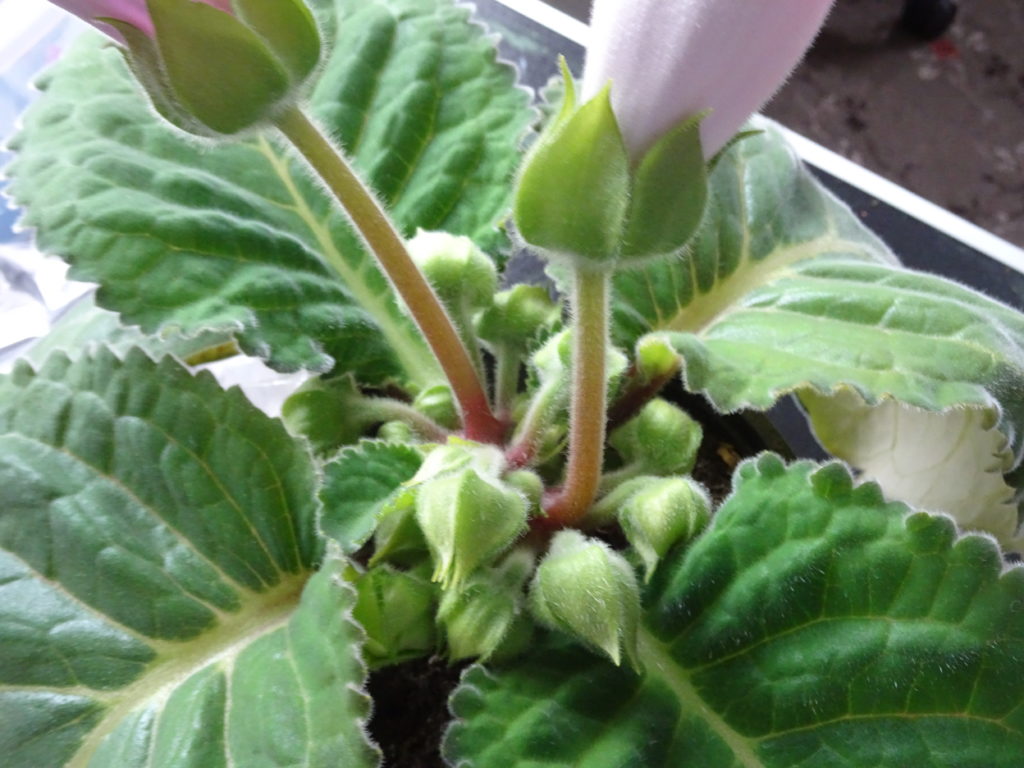
  • A plant that still has lots of buds to open or develop will extend the pleasure. (See the latent buds on the next photo).
  • Presenting the present in an appropriate way is worth a bit of effort. I have been buying a range of bowls and plant pot holders from charity shops to act as containers. In many cases I can colour co-ordinate to match container and plant. Artistically minded may want to add a label or bespoke wrapping.
  • Not everyone believes the Gloxinia I am giving are houseplants so I should consider providing a bit more information.

Simple Advice For Gifted Gloxinia

  • Gloxinia like plenty of bright light without direct burning sun.
  • Turn the pot round so the plant and flowers develop evenly. They love to bend towards the light.
  • Water from the bottom when the compost is dry and the leaves are floppy. Err on the side of too little rather than too much water.
  • After flowering which may last 6-8 weeks, allow the plant to rest and die back.
  • Keep the dry tuber until next spring if you want to try to regrow your gift.

Tips on Growing Gloxinia

Tubers or corms may be found under the name Sinningia speciosa or Gloxinia and are part of the Gesneriaceae family that includes African Violets. They have been grown as florists gloxinia since being discovered in Brazil in 1815.

    • Plant shallowly in good compost with the buds facing upwards, this is usually the concave side like begonias.
    • Water the compost with warm water from the bottom to stop the tuber rotting and keep the atmosphere humid without getting the leaves or flowers wet or they will be stained with brown blotches.
    •  If the furry leaves elongate it is a sign they need more light.
    • Do not expose to direct mid-day sun as the leaves are liable to become scorched.
    • Gloxinia  like a temperature above 60º when in growth.
    • Plastic pots are fine but I add some grit or perlite to help avoid water logging.
    • Feed with half strength liquid fertiliser


2019 Snapdragons (the year not the number)

2019 Snapdragons (the year not the number)

I have previously posted about snapdragons in 2011, 2016 and  2015

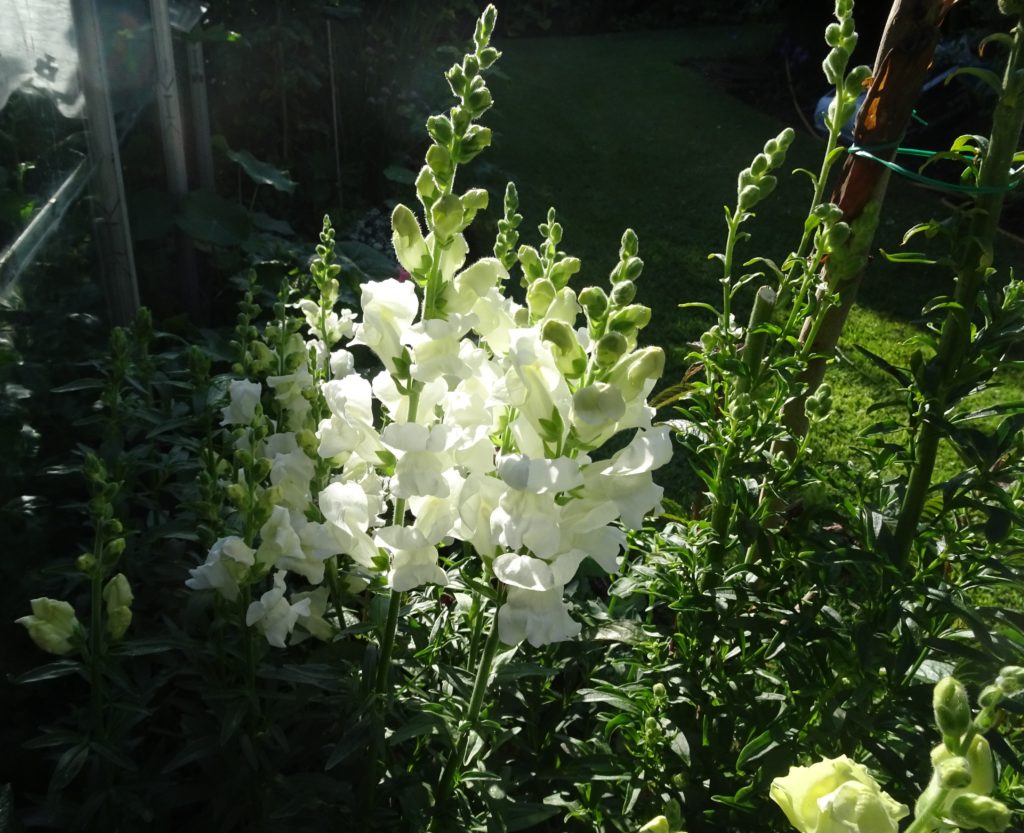
This is just an update on one of my favourite little cottage garden treasures. This years winners have been a 3’6″ tall, white F1 variety and the multi coloured swap shop warm coloured variety shown. Add to this some self-sown plants or last year survivors and a good show has been delivered.

This encouraged me to sow some mixed seeds early to be over wintered. I kept half a packet back to be sown in spring in case I loose all my early sowing. Germination has been fast and furious. As this variety are said to be rust free I hope for more cottage garden blooms next summer.


Hybrid Tea and the Family Tree

Hybrid Tea and the Family Tree

First introduced in the 19th century the lineage of Hybrid Tea roses goes back to crossing or hybridising a tea rose with a hybrid perpetual rose. The first example was supposedly ‘Madame Bravy’ x ‘Madame Victor Verdier’ but many more have followed to great acclaim. One such was a rose called ‘Peace’ which has sold, under several marketing names, over 100 million plants world wide.

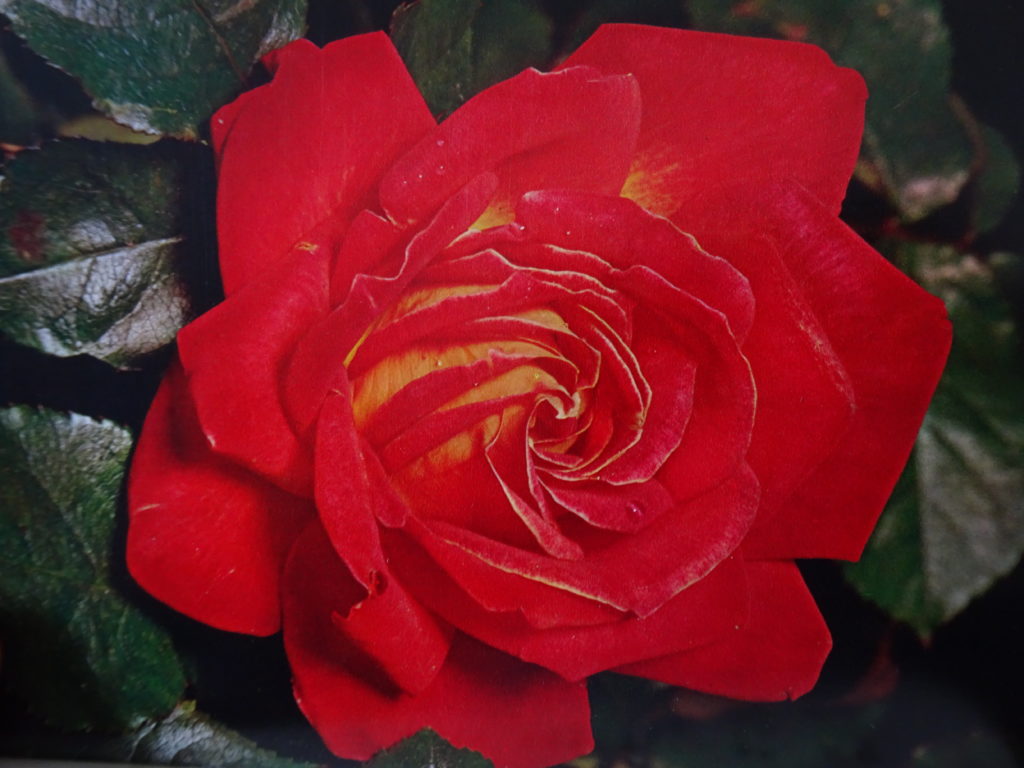
Hybrid Tea roses like this example of Brasilia are a group of roses that are crosses between one rose and another. In this case Piccadilly x Perfecta produced this Brasilia flower with scarlet petals reversed in pale gold.  The grandparents were  McGredy’s Yellow × Karl Herbst and Golden Scepter x Karl Herbst respectively. With 2 grandparents the same it shows how complex cross breeding became during the heyday of new rose introductions.

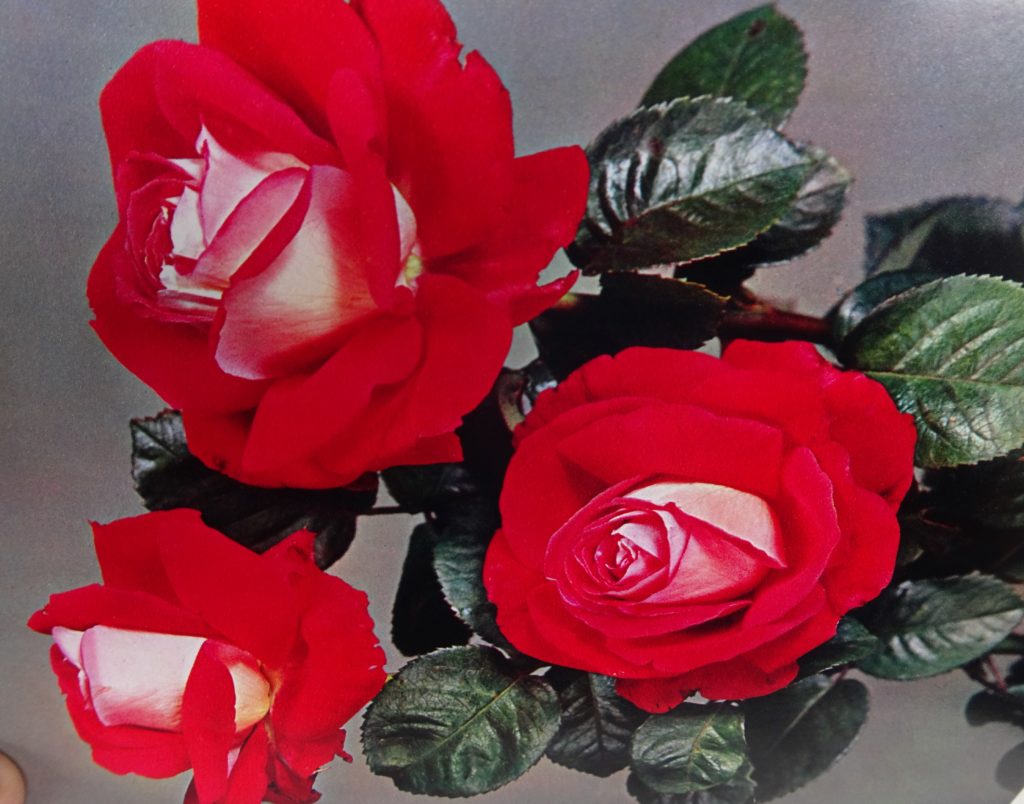
Another flower with reverse colour on the petals was Caramba with cherry red petals reversed with silver. It also has very dark glossy leaves. The parentage of this specimen is unknown! The name has also been sub-sumed by a ground cover rose with far less appeal.

A Raspberry to Virus

A Raspberry to Virus

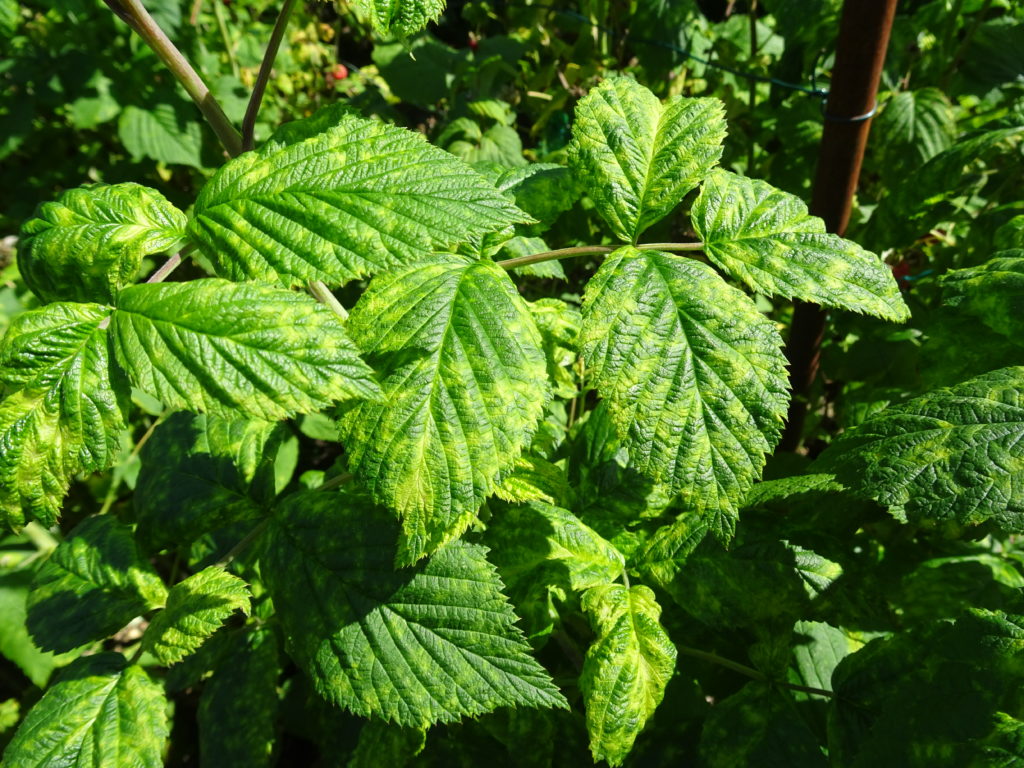
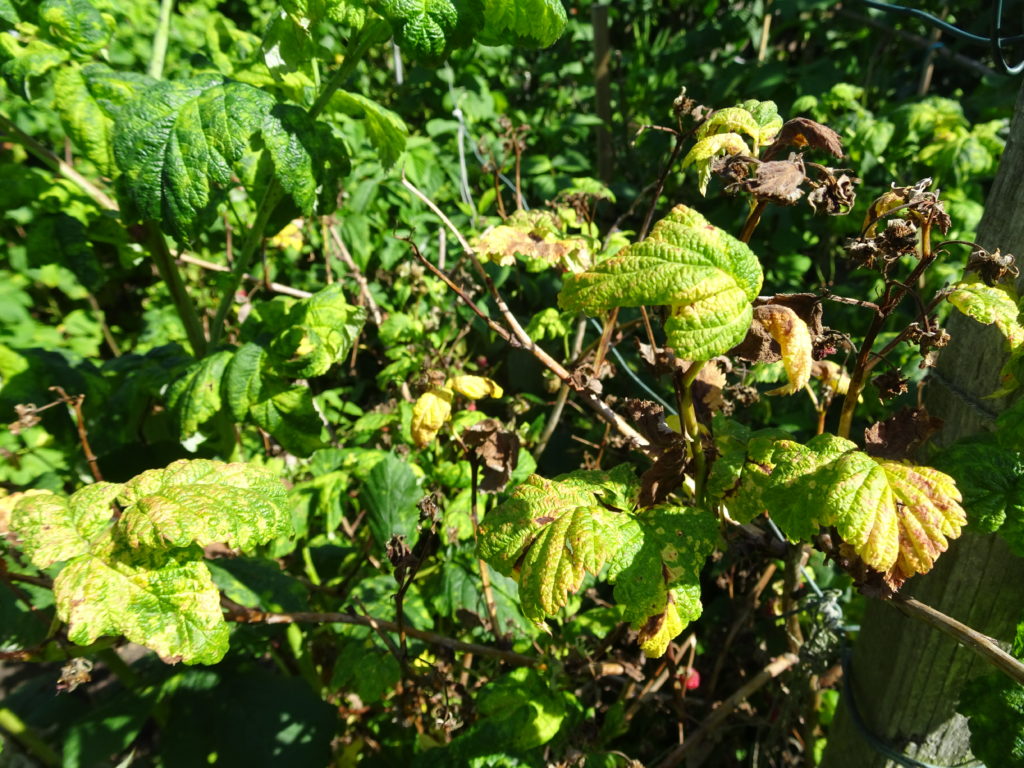
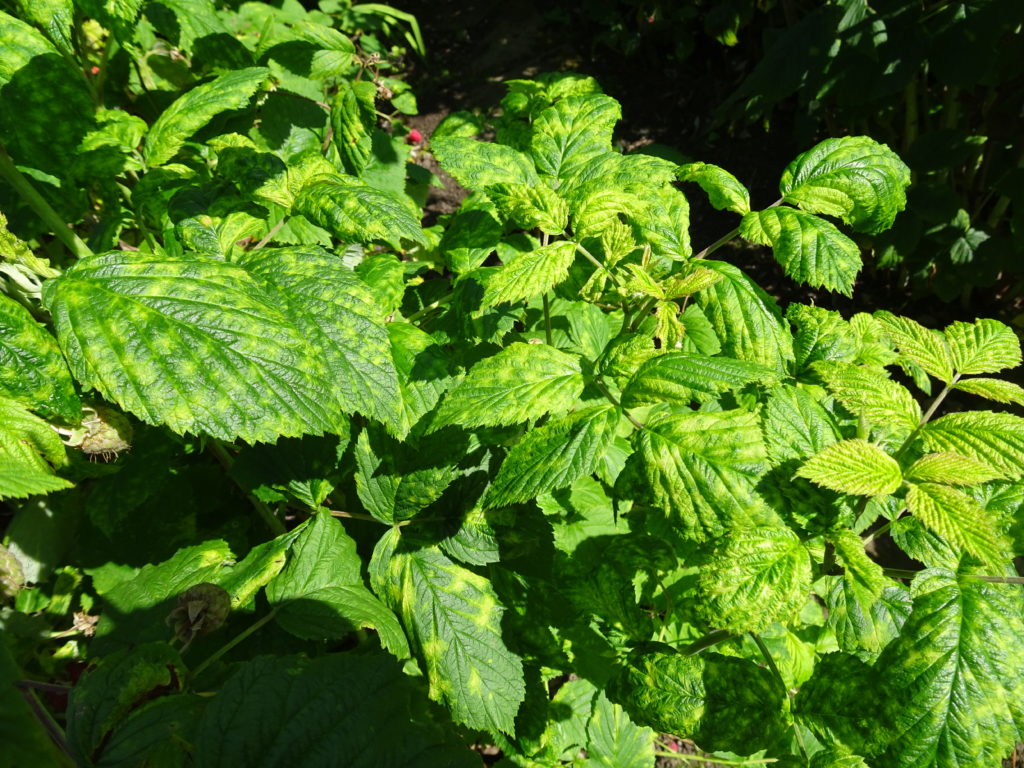
A virus has struck my favourite raspberries and the leaves have gone mottled. The light lemon green could have been a sign of magnesium deficiency but that turns out to be wishful thinking on my part. One variety partially effected last year is now in full denial and full of virus (its not just raspberry flu either.)
As can be seen below full symptoms of my raspberry virus are obvious.

  • Browned off leaves
  • Stunted cane growth
  • Minimal fruiting and small berries to boot.
  • Dead or dying plants getting ready to infect other near by plants.
I originally planted 3 varieties at the same time from a fruit tree specialist. ‘Glen Moy’ (Early season summer fruiting) – produced an abundance of firm, medium sized fruits from June to July on virtually spine-free canes, which made harvesting a pleasure (and jam eating ed.)

Raspberry ‘Glen Ample’ (Mid season summer fruiting) gave larger berries and some new canes a fair distance from the parent.

Tulameen was a wash out and most canes died. The supplier replaced them without any fuss but the cropping has remained below par. Not what I hoped for or expected but now I am worried about all my chosen varieties catching the virus.
Raspberry Nutrition
 

Schefflera Indoor Umbrellas

Schefflera Indoor Umbrellas


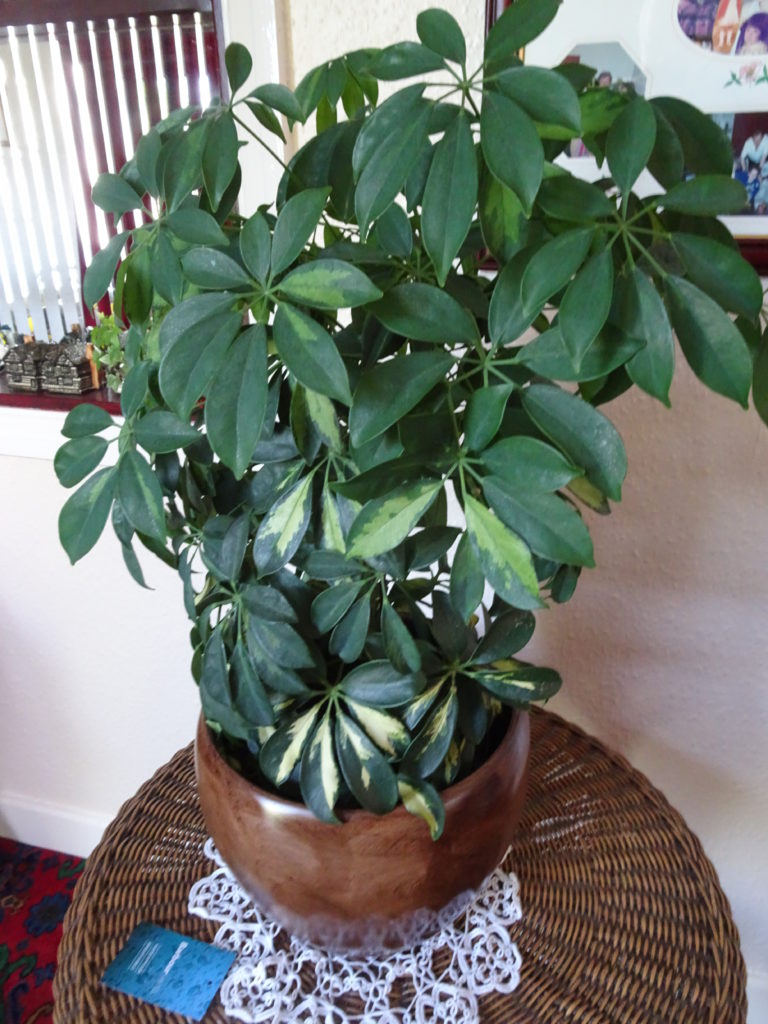
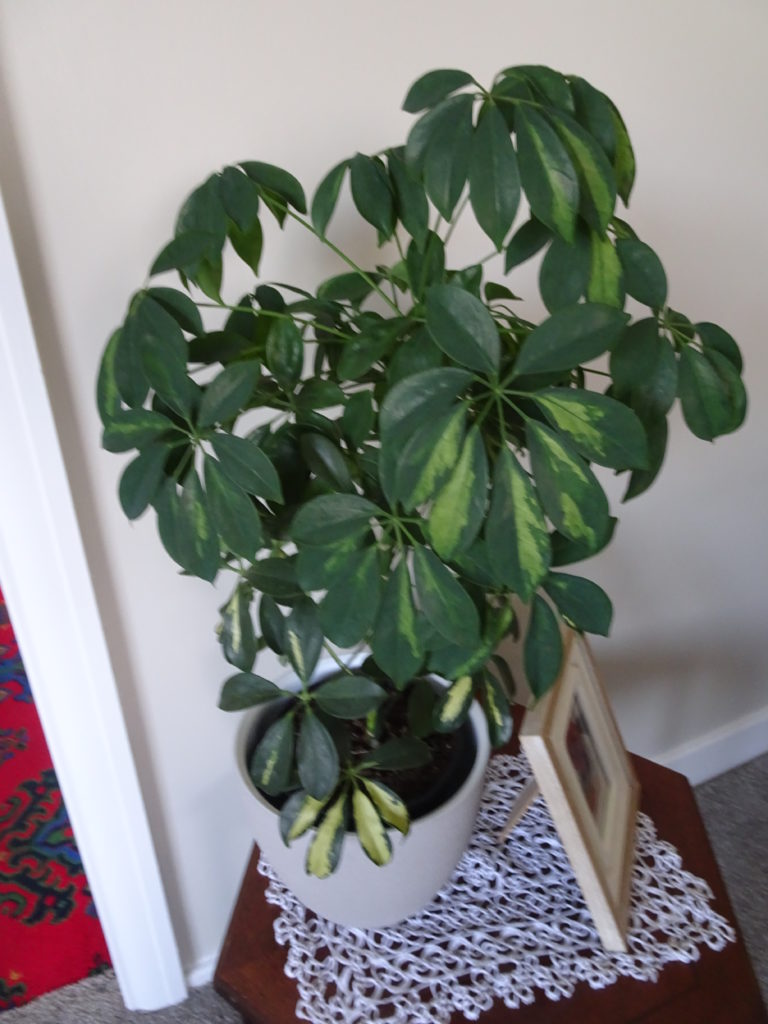
 Schefflera arboricola, known as the “dwarf umbrella tree,” has small green leaflets attached to stout petioles. Indoors it will have a mature height of 3 to 4 feet.

Schefflera arebold  make good individual plants as indoor specimens in large decorative containers. The palmate leaves have 5 to 9 finger leaves from a central stalk.

Schefflera actinophylla can grow to heights of 8 to 10 feet inside and up to 40 feet outside in very warm climates. As well as being called the ‘octopus plant’ it also shares the common name of umbrella plant. For a 4th name it is sometimes botanically named Brassiaia actinophylla.

Where to Grow Schefflera Indoor Umbrellas

  • To keep the umbrella tree happy reasonable warmth of 15-20 degrees C is best.
  • Through winter the temperature should be at least 10-13 degrees C
  • A lightly shaded location is best. Bi-coloured leaves look best with some sun.
  • Avoid very sunny or dark locations.
  • Use a robust potting mix containing some loam to feed the plant for a number of years. Fertilise in summer during growth.
  • The larger the plant the more water it needs.
Reviving Parched Indoor Plants

Reviving Parched Indoor Plants

Dried out plants can become distressed and look to be in terminal decline through lack of water. They may wilt and the leaves drop off or go crispy.

Tips to Revive Dried Out Plants.

  • Getting water to the roots of the plant will provide a chance of reversing the dehydration.
  • It may pay to loosen the soil at the top of the pot so the water can permeate to the roots.
  • Soak the pot in a bucket of water up to the rim of the pot. Leave it to soak through, it will take longer on a large pot.
  • If the plant is really parched spray the leaves with tepid water.
  • Place a saucer under the plant to catch excess water. I use ‘clay granules in the saucer to help create humidity.
  • It may need drastic surgery on badly dried up stems and leaves. A little judicious pruning may relieve the need for the plant to repair all the damage at once.

Other Related Care Issues

  • Move plants away from fierce sunshine. Keep them away from windows or with some shade while they recover.
  • Do not leave plants in a draft which leeches moisture from your plant.
  • Pots that are full of roots are hard tpo water – where can the moisture be retained  if the roots are in the way. Repot into a bigger pot with fresh soil.
  • Take cuttings to rejuvenate a plant and be satisfied with a smaller offspring for a while.
  • Put grit or a inorganic mulch on the top of your pot.
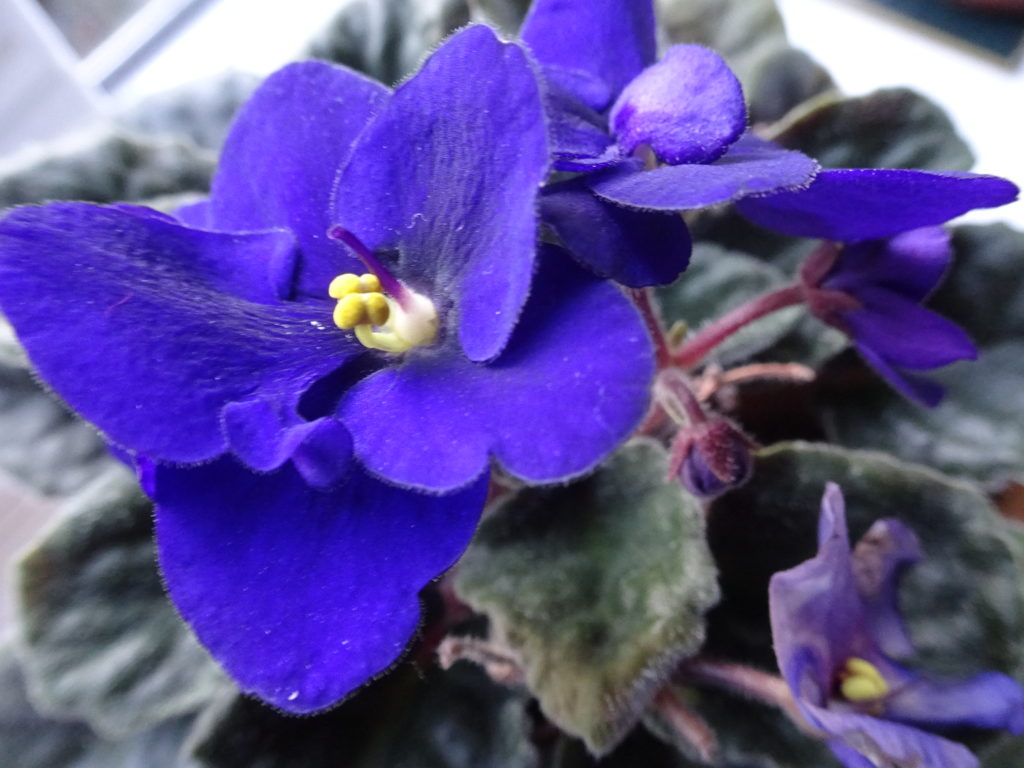
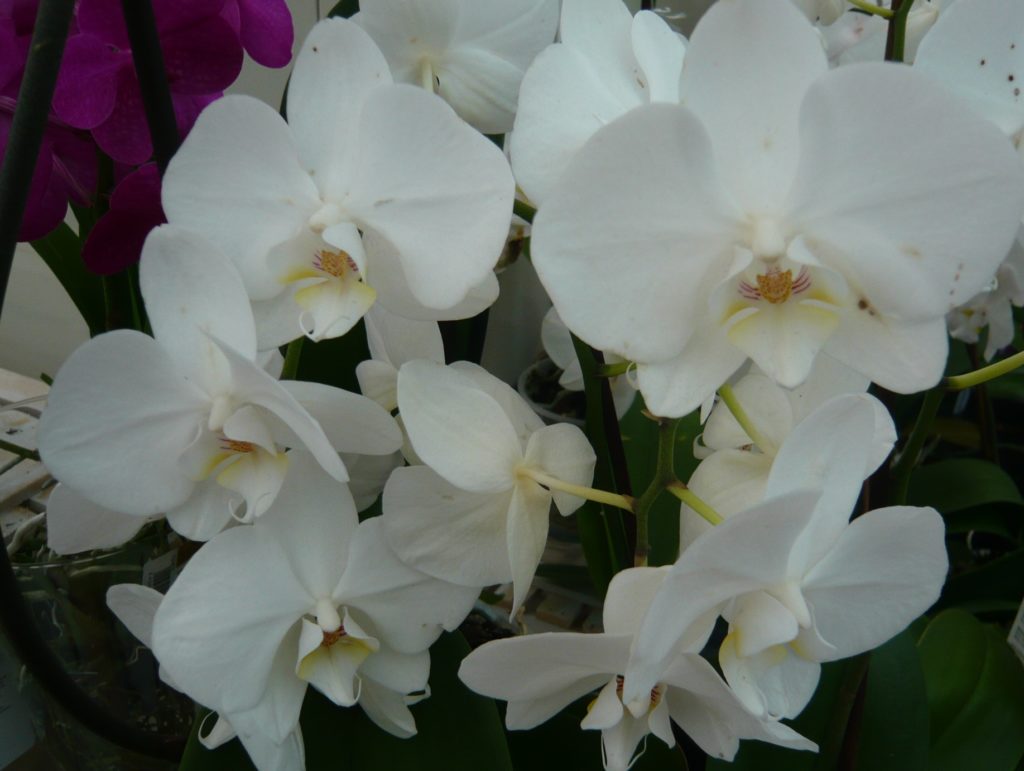
  • Always consider the type of plant and the sort of watering regime needed. Both these African violets and Orchids need great care and to be allowed to drain after watering.
  • Some plants die and there will be nothing much you can do but try again.

Grow Winter Aconite = Eranthis

Grow Winter Aconite = Eranthis

Aconites

Winter Aconite

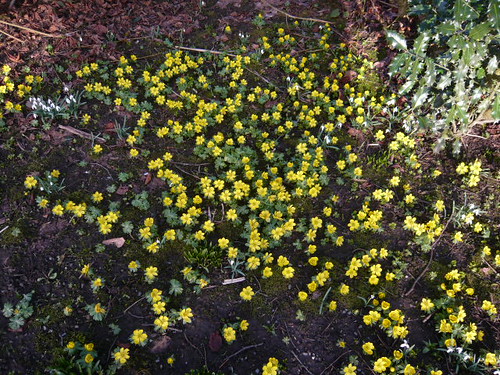
  • One of the earliest bulbs to bloom. They can be planted 2″ deep in August.
  • They look particularly good in masses.
  • They  grow, flower and seed when light penetrates the bare branches of the trees above them. So they grow well in semi shade.
  • Eranthis dry out very easily so keep moist.
  •  Winter Aconites dislike being moved and are best left to their own devices.
  • Eranthis are part of the buttercup family.

March 2 Winter Aconites

Read more on gardeners tips

Winter Moth Problems on Fruit Trees

Winter Moth Problems on Fruit Trees

Fruit trees can be a winter home for a range of female moths. Amongst them are woolly aphis and capsid bugs plus other pests that emerge from the ground. They crawl up fruit tree stems and trunks in October to lay their eggs. The caterpillars hatch in spring and feed on the foliage and fruit.

Prevention and Treatment

  • To check the progress of these pests a barrier can be erected. Some fruit growers use a band of paper covered in tacky grease.
  • Tubes of special grease are now available specially for older fruit trees with rough bark where grease bands are less effective as pests can crawl under the band. Alternatively the bark can be smoothed first.
  • Winter moth and mottled umber moth need an  application at the beginning of winter before adult female moths climb trees to lay eggs. Apply again in summer to protect against ant infestations.
  • Rentokill call their product ‘Glue Bands’.
  • Grease any support stakes and low hanging branches.

Other Tips

  • Fix the grease band 1 ft below the lowest branch. Paint the stem with lime wash above the grease band.
  • Reapply after 2-3 months or renew the grease effect.
  • Also suitable for ornamental trees that are susceptible to infestation.
  • Keep bands free of dead leaves.


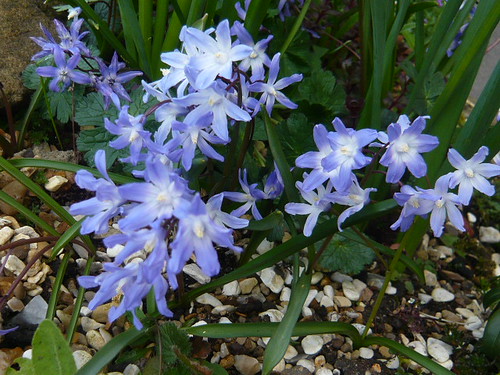
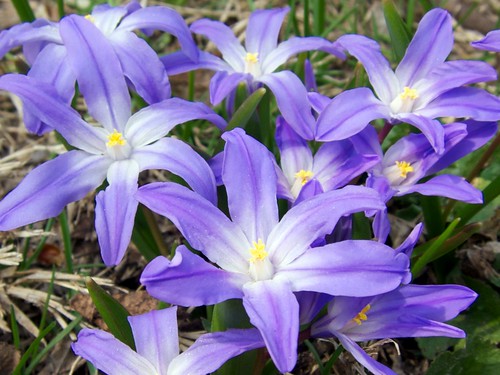
Chionodoxa Bulbs to Plant in August

Chionodoxa Bulbs to Plant in August

Chionodoxa

  • Chionodoxa or Glory of the snow are hardy, early flowering bulbs to plant before the end of August.The bulbs appreciate a bit of warmth to get going.
  • Chionodoxa grow 6-8″ high and thrive in ordinary soil .
  • Plant 2-3″ deep in rockeries or borders.
  • Alternatively plant closely in a pot of loam. Keep in a cold frame until growth is visible the take into a greenhouse or windowsill for a good display of bright blue flowers.
  • Water regularly after the emerging of foliage until the leaves die.

ChindoxiaFor the specialist there are a dozen different varieties to investigate and grow. Potentially the basis of a fine collection. See more detail and a list of species here

Chionodoxa need water in the spring so if the ground is dry

Chionodoxa forbesii 雪光花