Browsed by
Category: Articles

Gardening articles that may not include tips

Delphiniums Plural

Delphiniums Plural

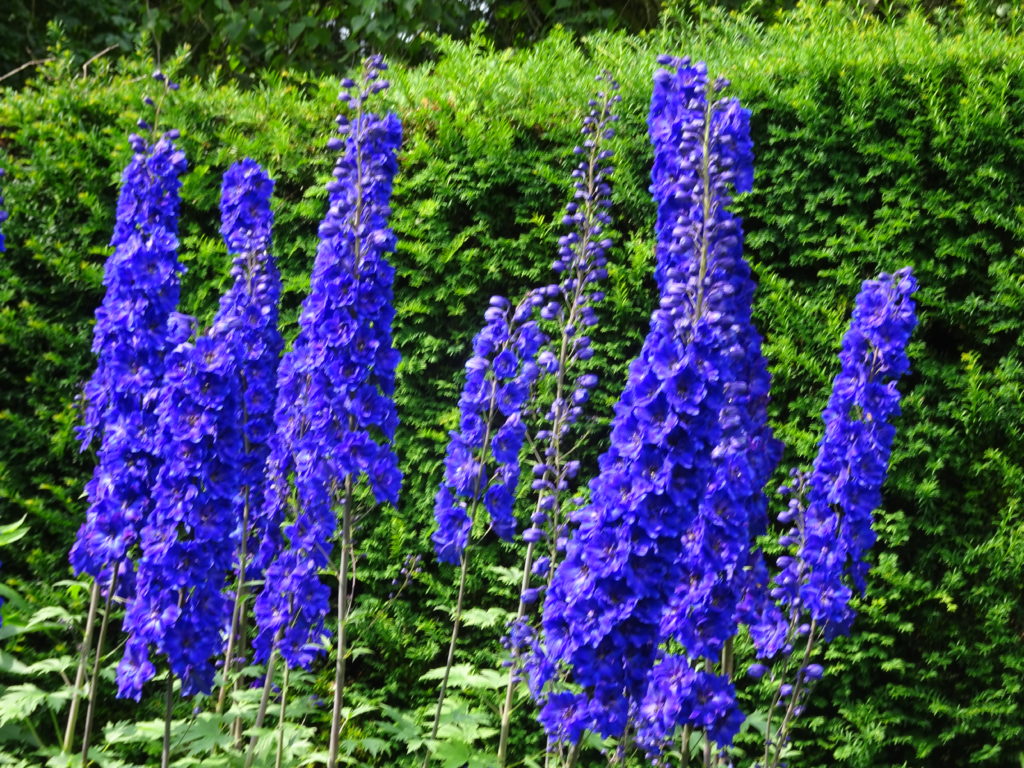
Stately and statuesque, the blue Delphinium is one of the best tall features in a herbaceous border. I questioned my English teacher whether they should be called Delphinii as there always seemed to be several upright stalks like the chunky dark blue examples above. As regular readers will know spelling is not one of my greatest strengths.(nor is grammar).
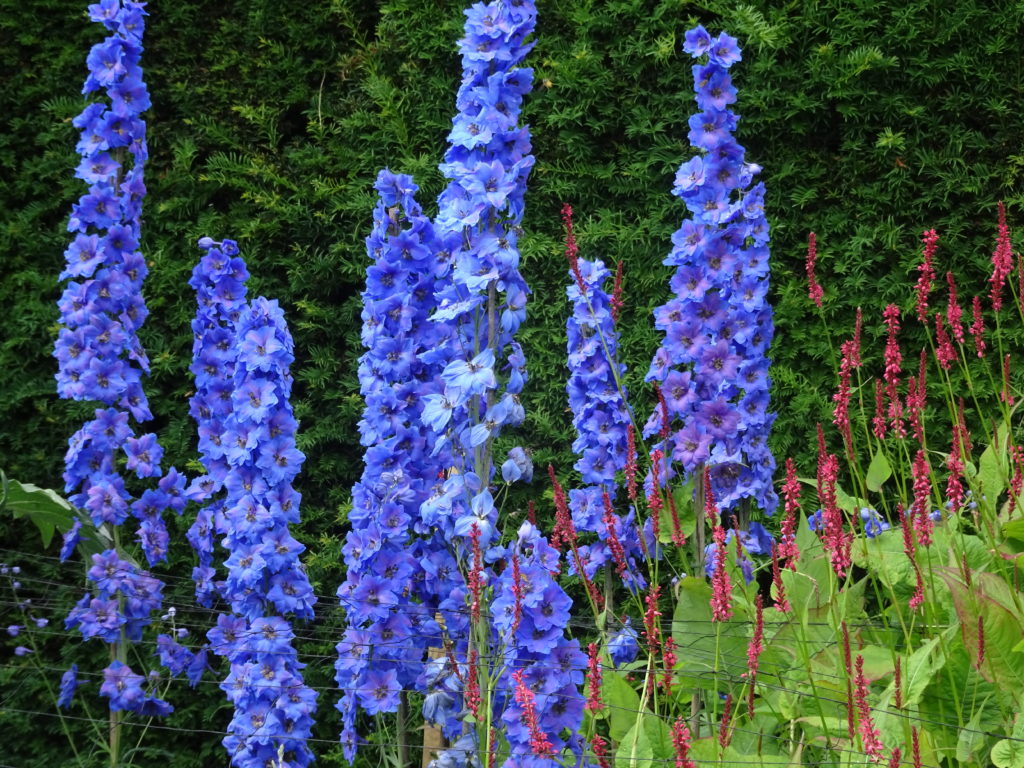

The keen eyed will spot one of the secret ways of helping these 6 feet high giants stay upright. At Newby Hall garden a great deal of time and effort is expended on good quality staking and support and delphiniums are no exception. There is 3″ square mesh of fine filament placed at about 3′ high and the flower stems allowed to grom through. There is no need to support individual blooms.
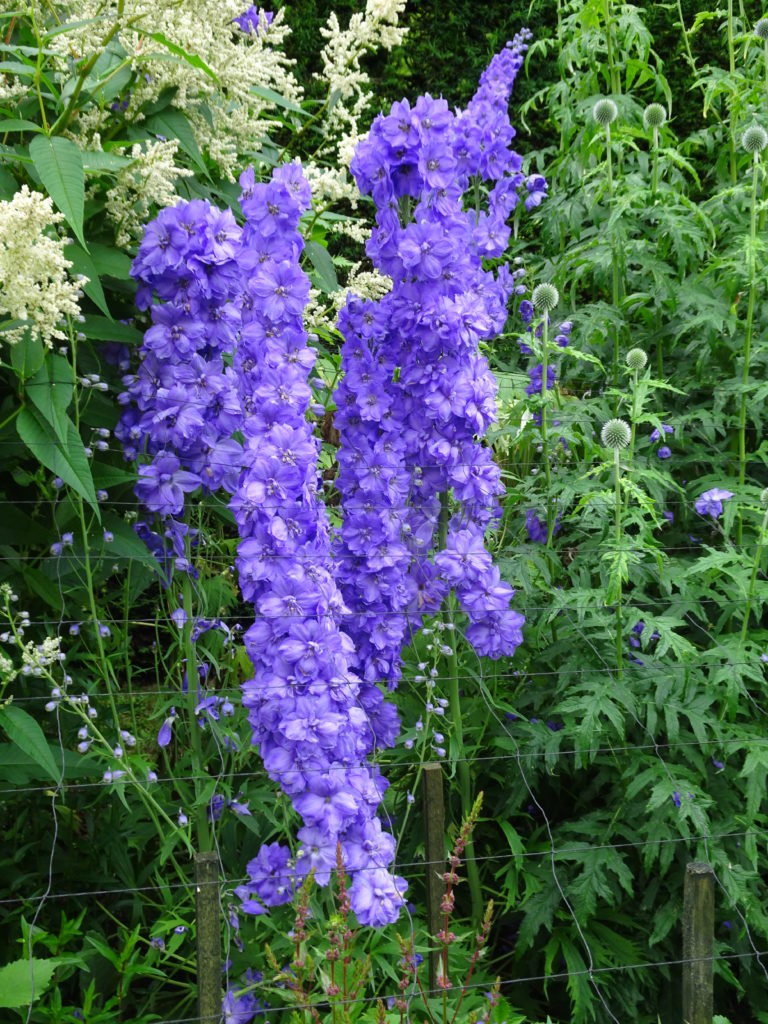
There are many shades of blue from the dark almost purple to powder blue and even white.
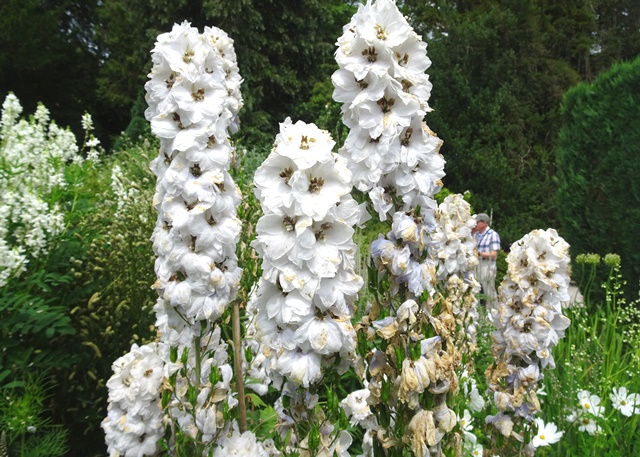
Slightly gone over these flowers were displayed in a white border. Delphiniums have been a minor success in my flower vases this year and I will try again next year after feeding and water the plants extra sustinence.

Varieties courtesy of Old Farmers Almanac

  • Belladonna Group: Upright, loose and branching perennials with single flowers that grow 3 to 4 feet tall. ‘Blue Bees’ is a Belladonna producing clear blue flowers with white centers.
  • Elatum Group: These are the tallest spiked hybrids growing to 6 feet or more. ‘Blue Nile’ is a medium plant bearing semi-double, bright, and mid-blue flowers with white centers (called bees). ‘Bruce’ is a tall Elatum bearing semi-double, violet-purple flowers, paler towards the center, with brown bees.
  • Pacific Hybrids: Similar to Elatum Group, although not as tall, this hybrid is short-lived and often grown as annuals or biennials. ‘King Arthur’ bears plum flowers with white bees with 5- to 6-foot tall flower spikes.
  • According to the RHS Delphinium x ruysii  ‘Pink Sensation’ is a short-lived perennial with deeply divided leaves and slender spikes.
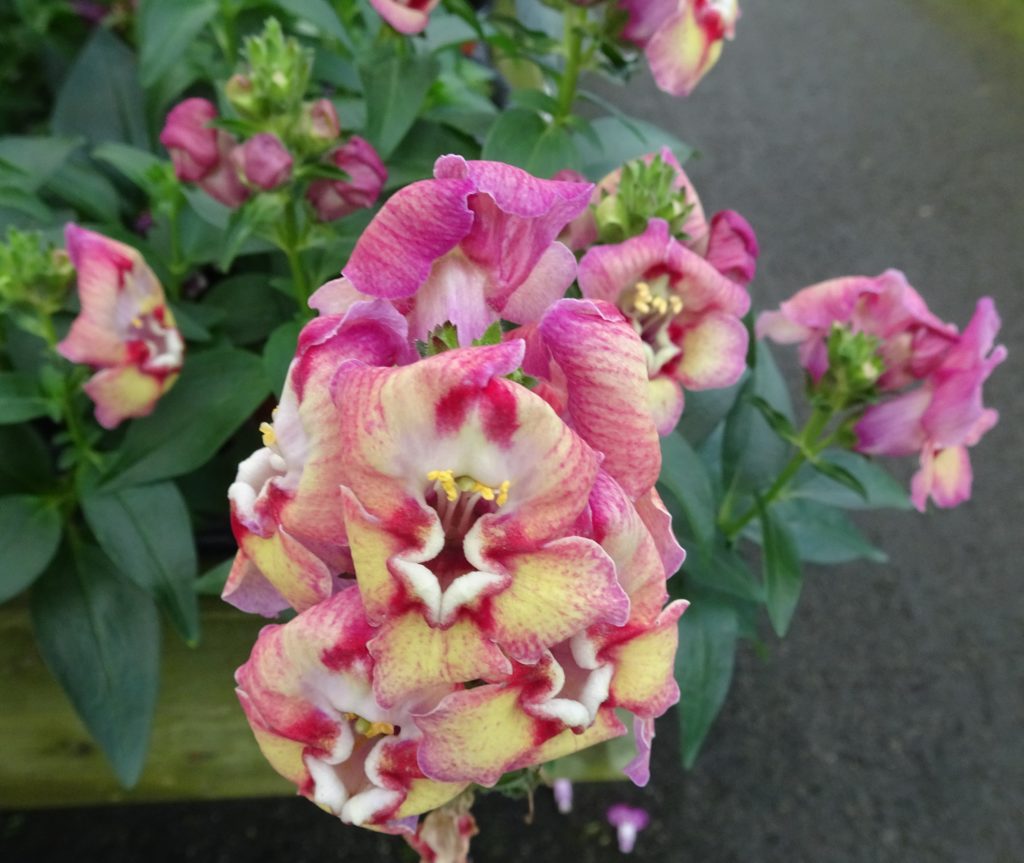
My Plant Identification Problems

My Plant Identification Problems

We can all suffer from forgetfulness or in my case ignorance. This flower looks a bit like an antirrhinum but somehow that doesn’t seem to fit.

Reasons for Poor Identification

  • Failure to take due notice and collect all the available information when first encountering a plant.
  • Rare or unusual species seldom or not previously seen, thus having no reference point.
  • Poor botanical knowledge eg. number of petals, leave shape, growing conditions etc.
  • Large number of newly bred hybrids or special varieties. These are often ‘dumped’ on the market by suppliers to stimulate sales by introduction of new products.
  • Not looking carefully and taking time to think about identification. Gardening should not be all about speed or so I keep telling myself.
  • Able to guess the order, family, genus, species, hybrid, variety or common name but not all at the same time.
  • Confusion created by the renaming or reclassification of a traditional plant into a new  genus such as Aster which became Symphyotrichum!
  • You know what it is but not what variety or sub species.


Gardener’s Neckwear

Gardener’s Neckwear

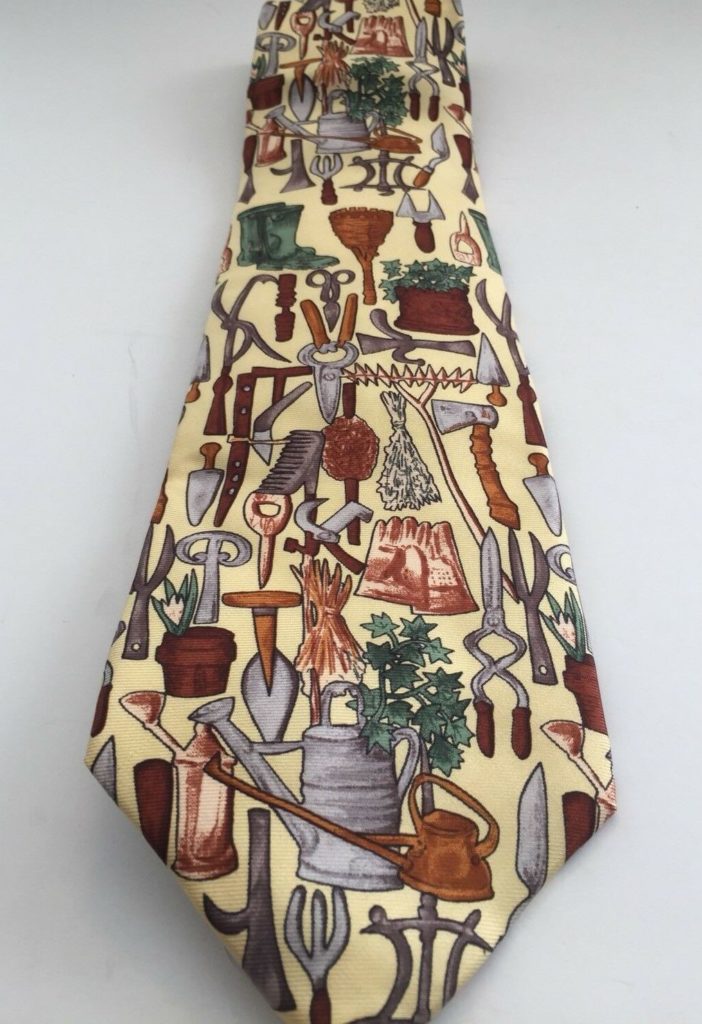
There is many a good gardener who wears a tie to work. Neat rows of vegetables, manicured lawns and a smart personal appearance are de-rigor in the best professional gardens.

Book Cover

Contrast this to the old (some may say very old) neckerchief worn by Adam the gardener in the informative 1940’s strip cartoon. His recommendation for the first week in August included sowing hardy annuals of eschholtzia, cornflower, nigella, larkspur, scabious and shirley poppy for transplanting in spring. I guess that is all tied up.

Can you name all the garden implements?


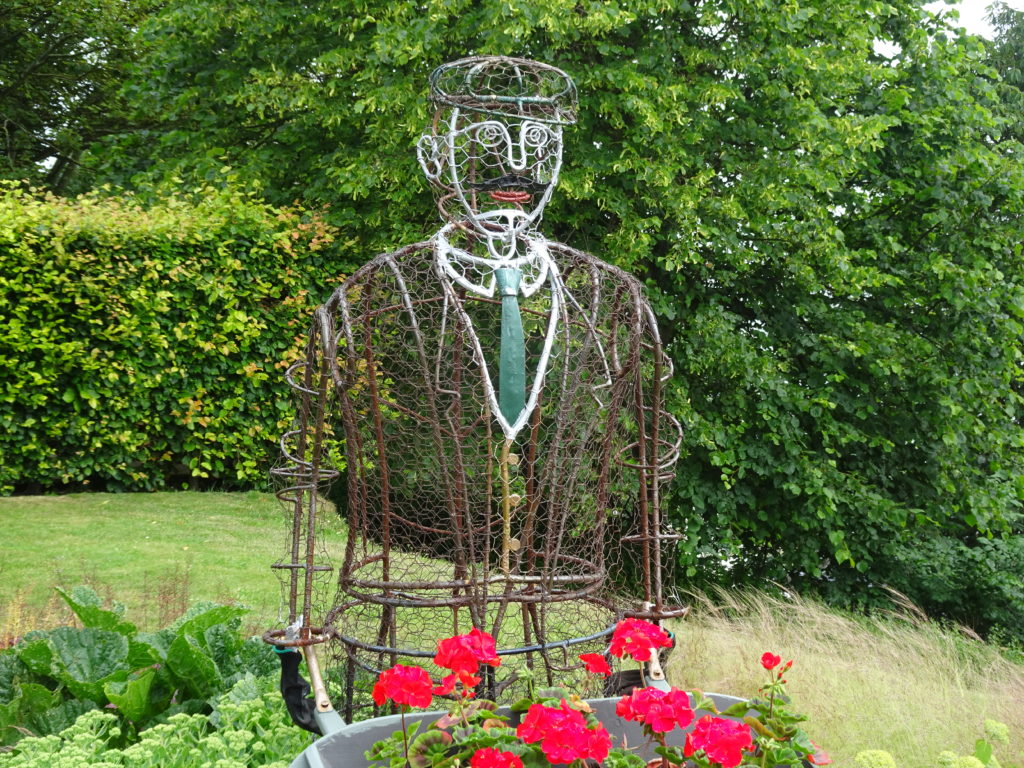
Yorkshireman statue at Newby Hall Garden near Ripon. A tie, waistcoat and flat cap, what every well dressed gardener should be wearing.

When is a Rose not a Rose

When is a Rose not a Rose

  • A rose is not a rose when it grows on an alien stem.
  • A rose is not a rose when it is converted into a bar of fragrant soap.
  • A rose is not a rose when it is the name of the Yorkshire morris dancing set White Rose Morris Men.
  • A rose is not a rose when it is a pinkish colour of paint .
  • A rose is not a rose when a knight stands from kneeling.

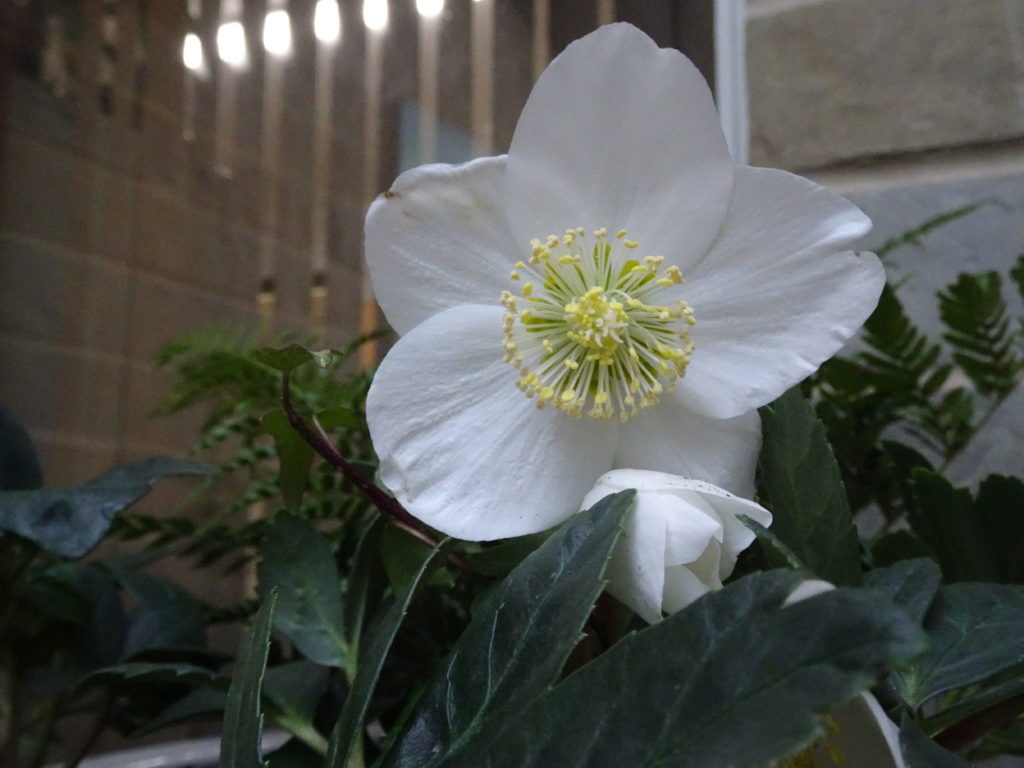
A rose is not a rose when it is a Lenten or Christmas rose!

Half Standard Roses at the Seaside

Half Standard Roses at the Seaside

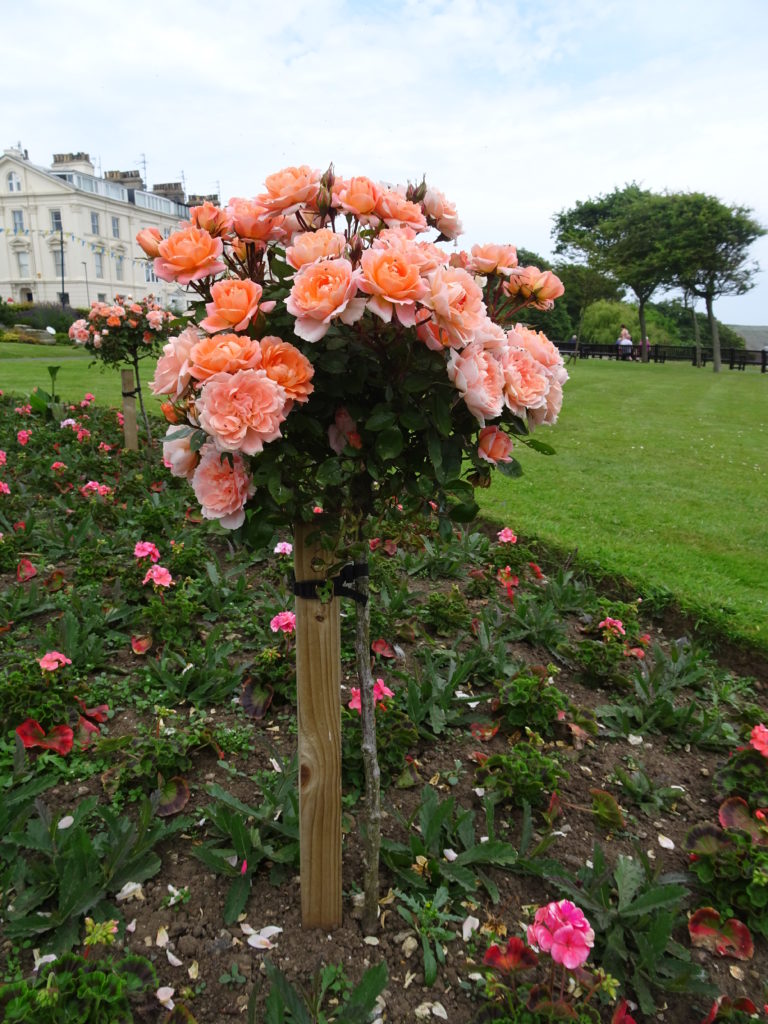
Half Standard roses are grown on a 60-80cm stems. The selected flowering variety is grafted onto this stem. A spreading variety of polyantha or ‘fairy rose’ attains further  height of  2′. Clusters of bead-like buds open to globular, scented flowers which are most effective en masse.

Very often Half Standards are a better choice than full standards as they do not get too tall. Note how the half standard has been secured to the top of the stake.

By contrast ‘Full Standard’ roses are grown on a 3 foot stem. The flowering variety is grafted onto the stem and depending on variety will grow a further 3-5 foot Most full standards flower at or above head height.

Massed Bands of Flowers

Massed Bands of Flowers

I think some of the best garden displays come from a mass of the same plant grouped together. I don’t often practice what I preach being a well known doter-in who squeezes plants into a small space.

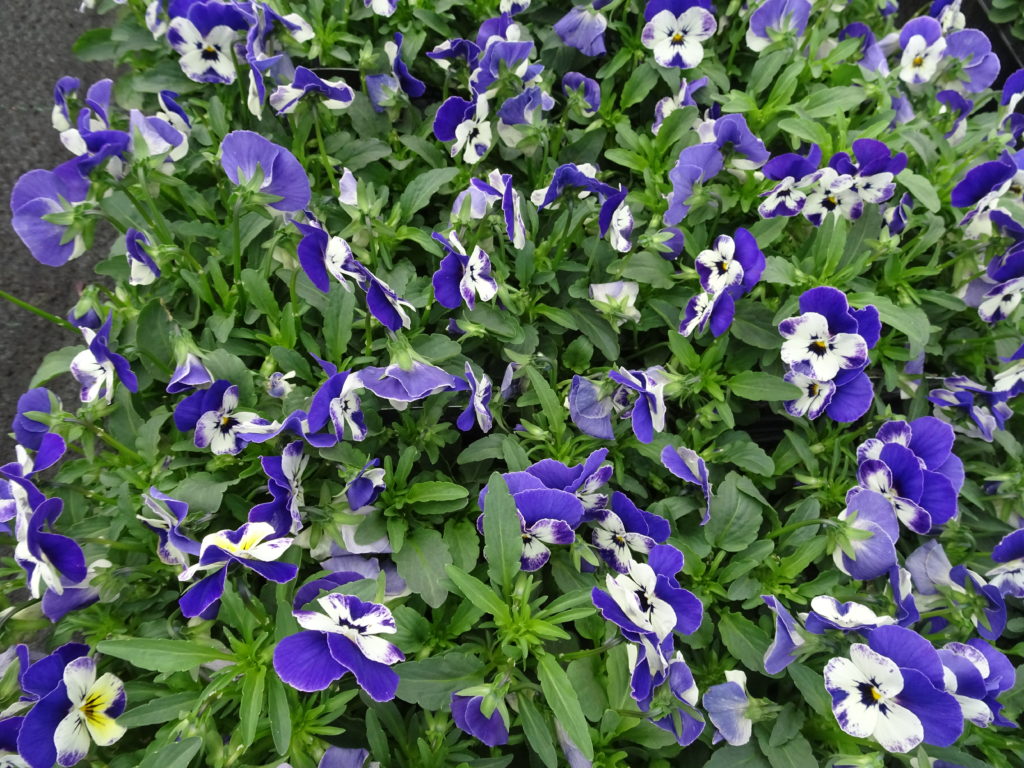
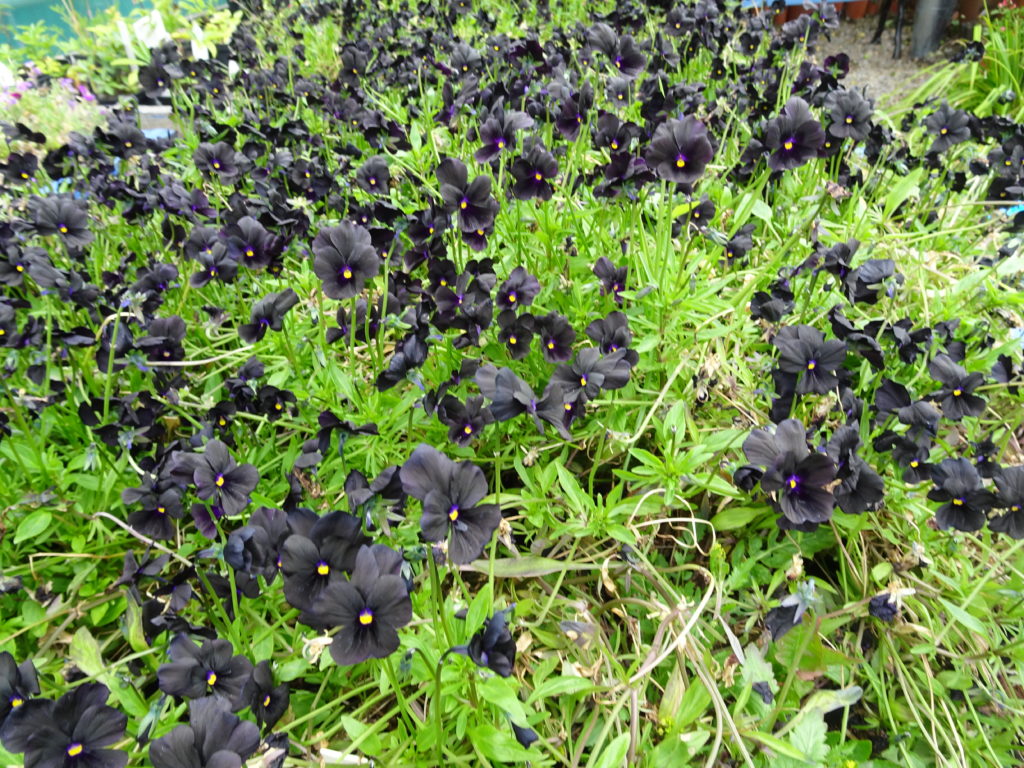
These black viola Molly Sanderson’  look almost black when clumped together and the light is bright. The plants self seed and last for a few years.

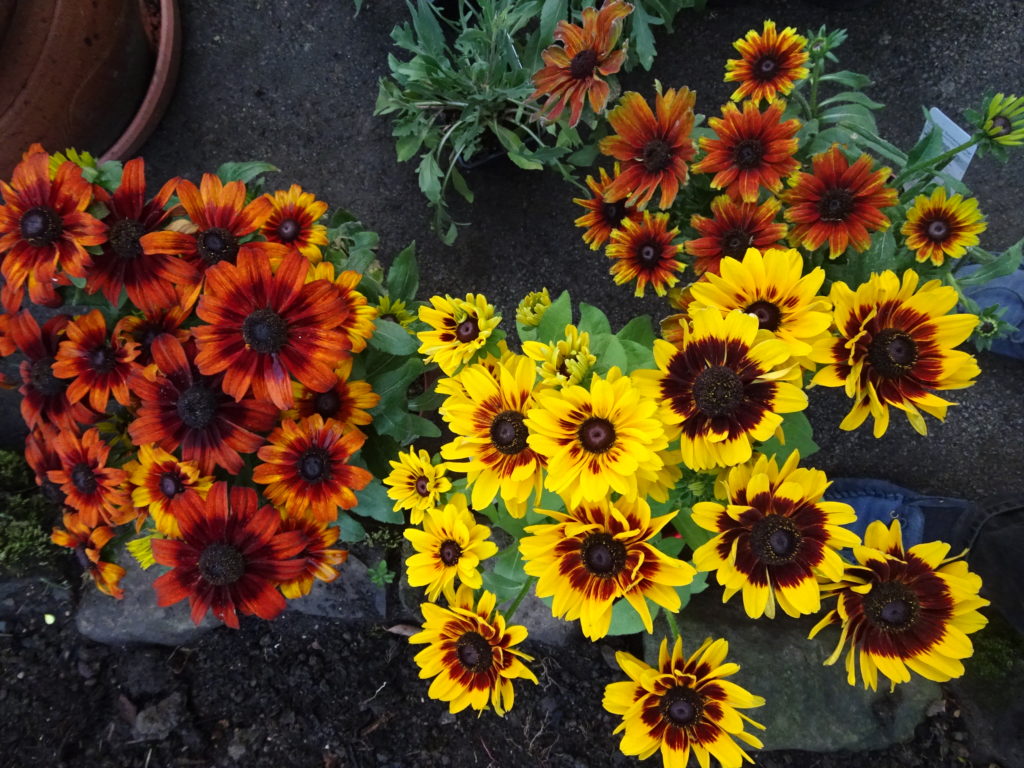
Your massed plants do not need to be in the ground, a group of pots can get a vibrant display together. It is an opportunity to experiment with colour matches and variety.

Perhaps given the ‘massed bands’ title I should have shown some trumpet flowers!

Winter Gardening

Winter Gardening

What can gardeners do in winter? The answer lies in the soil! but to old gardeners it is still ‘Beyond our Ken’. I often spent too long polishing my good intentions this includes planning to send my mower for servicing and sharpening’ a shame I do not plan to polish up my other important gardening implements.

Winter Preparations

  • In the spirit of new years resolutions you would expect my garage and shed to be perfect models of tidiness and order
  • Winter prune trees and plan other tree work. Get an arboriculturalist to do the hard and technical work
  • Clear the garage, garden shed and store areas. I have a glory hole where an old coal hole was under some outside stairs. It should be renamed gory hole as the stairs now allow water to penetrate.
  • I still store pots by the score together with sundry bulk items I may or probably wont use again.
  • Use the opportunity for testing my good ideas, bodges and purloined ideas from other gardeners
  • Store garden furniture and frostable item.


Sorry about this post but I have just been clearing out some old drafts – now back into the garden.

Funny Quotes for Gardeners

Funny Quotes for Gardeners

  • All those weeds – so little thyme
  • My plants are not dead they are just sleeping
  • Gone to pot
  • Gardeners on average eat 50 pork pies a month – first time I’ve been above average on anything
  • Gardeners know all the dirt
  • Summer is set in with all it’s usual severity
  • I am Julian and this my friend sandy
  • I could give up gardening but I’m no quitter
  • Where there’s muck there’s brassicas
  • Before they made Alan Titchmarsh they broke the mould ( groucho Marx)
  • The answer lies in the soil
  • You can’t have everything I mean where would you put it
  • Sweat peas and whirled peas
  • You can’t improve on nature unless you can get it to look at the pictures on seed packets
  • If you want it to rain water your garden
  • To tell a flower from a weed pick it and if it grows again back it is a weed
Organic Tips from America

Organic Tips from America

Our transatlantic cousins still benefit from the Pilgrim fathers gardening knowledge taken to their shores centuries ago. The potato famine of 1845-50 caused Irish farmers to discover the Idaho potato. Now these and other horticultural favours can be returned by this book of organic homespun tips.

Book Cover

On the other hand did we contribute to the Hamburger and KFC? (That is kale, fennel and cauliflower). In return we got a Turkey!