Browsed by
Category: Articles

Gardening articles that may not include tips

Air Filtering Plants for Home

Air Filtering Plants for Home

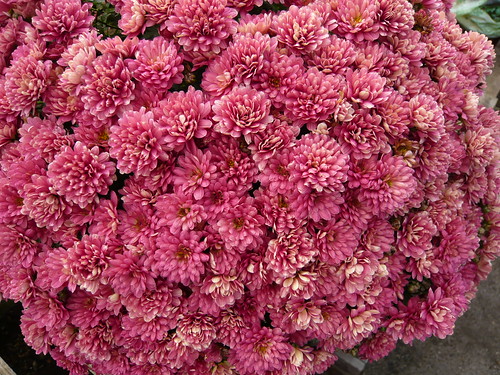
Pot Mum

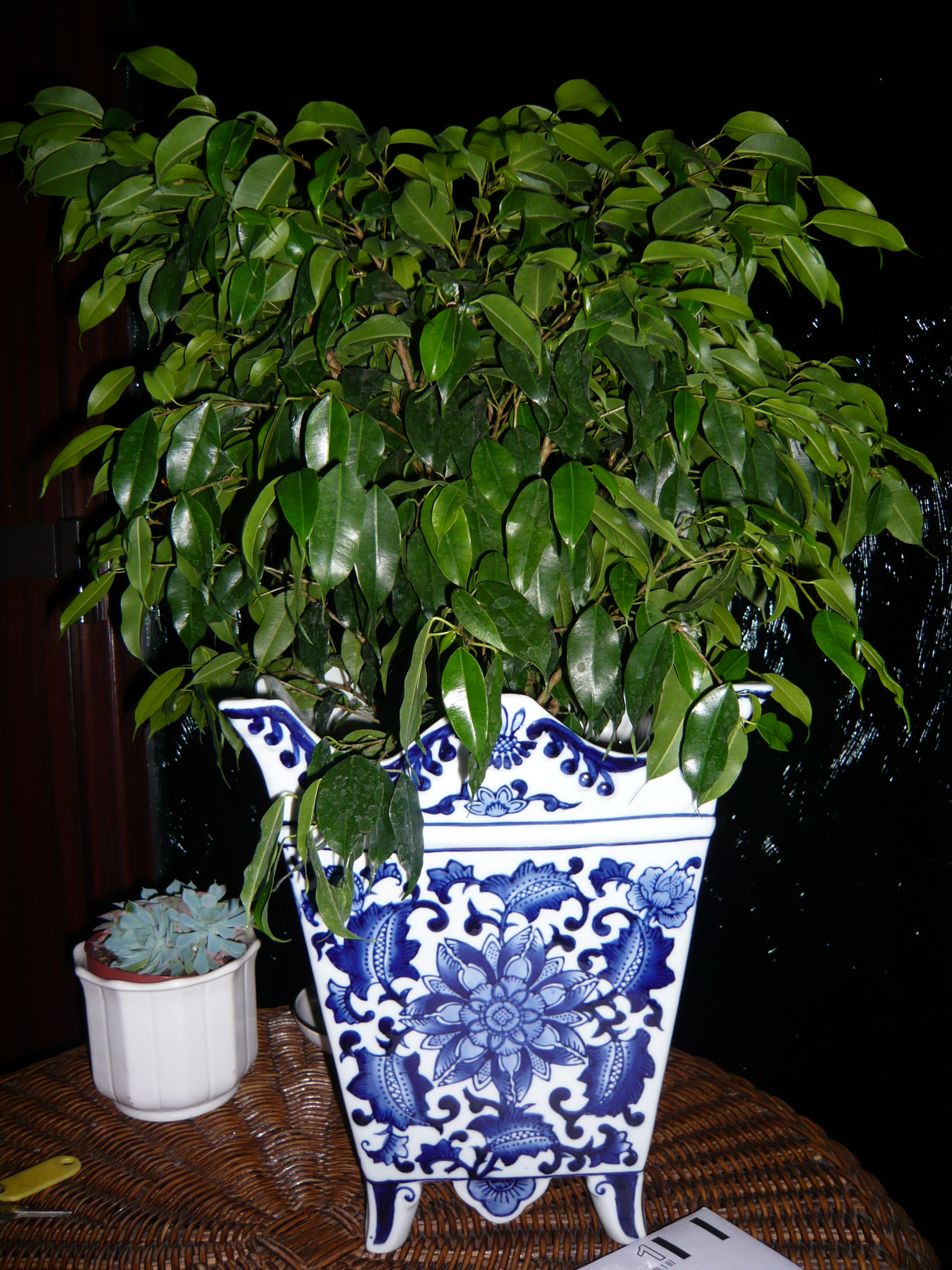
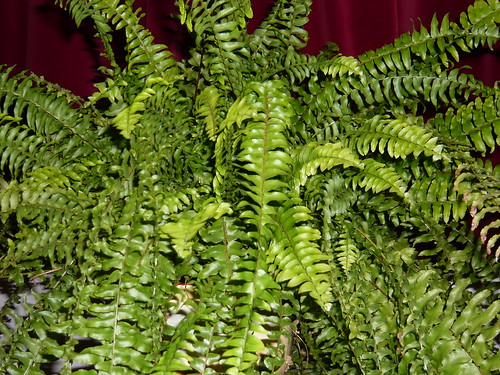
Modern homes and modern materials can have an effect on your health. Plants that filter the air or react with pollutants can make your home a better place to live in several well-being ways.

Why Homes Need Air Filtering Plants

  • Formaldehyde can be released from household furnishings, carpeting, foam insulation, upholstery, curtains, and furniture made from MDF or composites. Formaldehyde can cause sore eyes, nose, and throat or nausea, coughing, and even skin rashes.
  • Smoking consumes oxygen as it created carbon dioxide and monoxide. Plants reverse this process by consuming carbon dioxide and releasing Oxygen. Plants will not achieve a reduction in the particles left by smoking.
  • Xylene, toluene and benzene are volatile gases which can effect sore eyes and stimulate potential allergies.
  • Trichloroethylene is an industrial solvent which has anesthetic properties that can lead to depression.
  • Some house plants are more efficient in filtering out toxins than others

Best Air Filtering Recommendations

  • There are numerous lists of plants that have air filtering properties. Nasa conducted a thorough study of both plants and the chemicals that they remove. This list is the best I have come across and I recommend you check it out on wikipedia
  • NASA recommend growing a good-sized houseplant for every 100 square-foot 10 m2 within the house.
  • Air fresheners are not to be relied upon. They may mask smells but give off chemical pollution.
  • Some house plants are more efficient in filtering out toxins than others
  • Gardeners tips recommends you grow a good variety of houseplants and Pot Mums to look good and help pollution control

Other Plant Filtering Benefits

  • In the home Chrysanthemum plants offers colour, tranquility and are one of the best pollution controls according to the NASA table.
  • Outdoors Bioremediation uses plants that mitigate environmental problem without the need to excavate the contaminant material and dispose of it elsewhere.
  • Phytostabilization uses plants to reduce wind erosion or the plant roots to prevent water erosion and offers long-term stabilization and containment of pollutants.
  • Phytotransformation uses special plants for specific problems such as pesticides, explosives, solvents, industrial chemicals. Cannas and Sunflowers can render these substances non-toxic by their metabolism.
  • Phytoremediation consists of mitigating pollutant concentrations in contaminated soils with plants able to contain, degrade, or eliminate metals, pesticides and solvents in a soil.

Houseplants 018

More Benefits of Air Filtering Plants Outside the Home

Air filtering plants in an office can help reduce air conditioning energy consumption according to a study by K Meattle.
Better blood oxygen supply increases productivity.
See video

Help With Plant Photography

Help With Plant Photography

Hypericum
Photo A
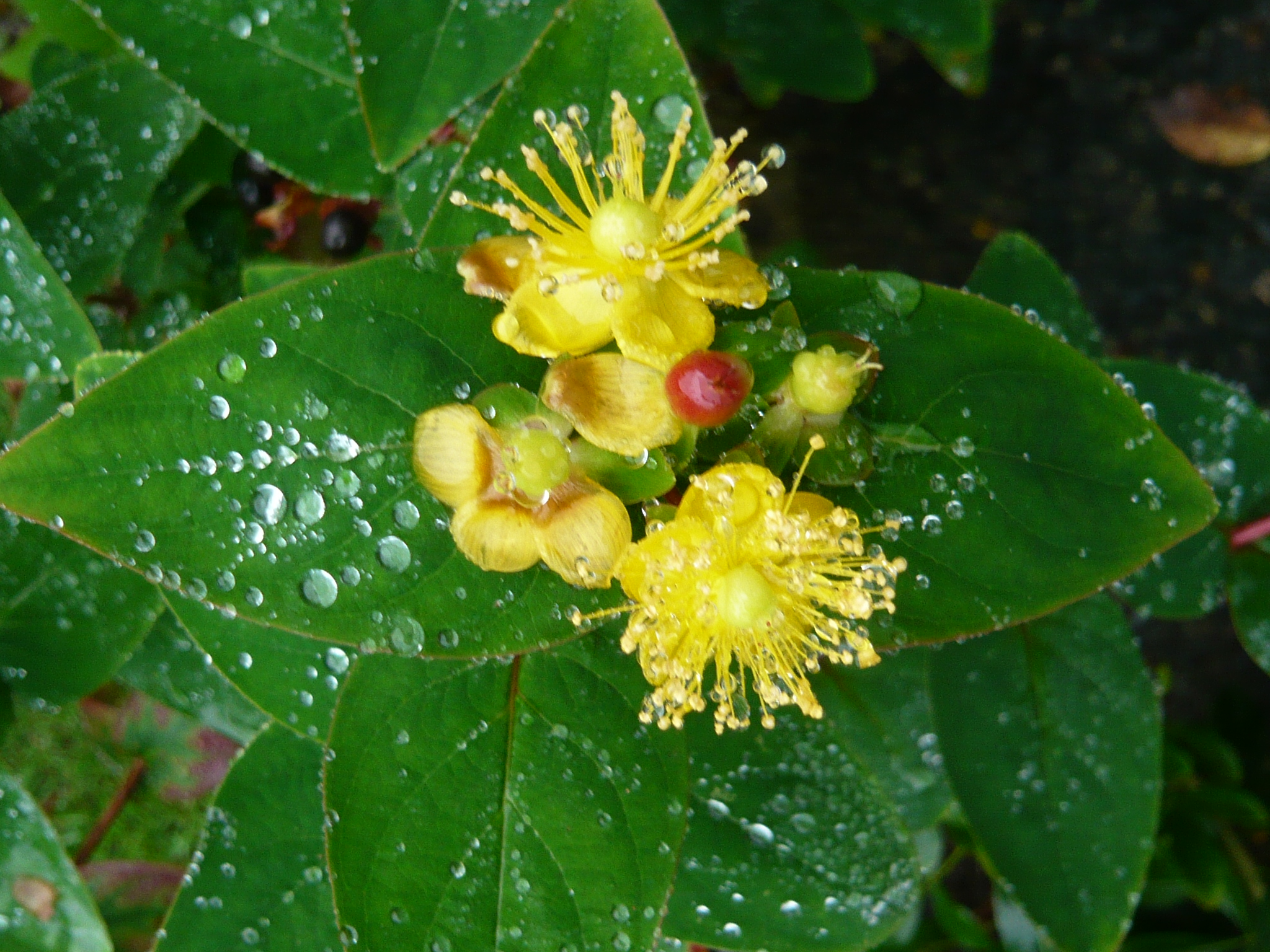
Please help with my plant photography!
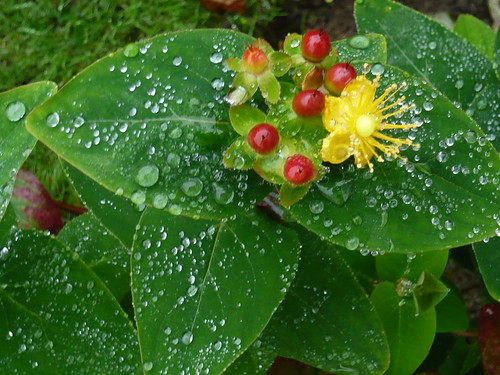
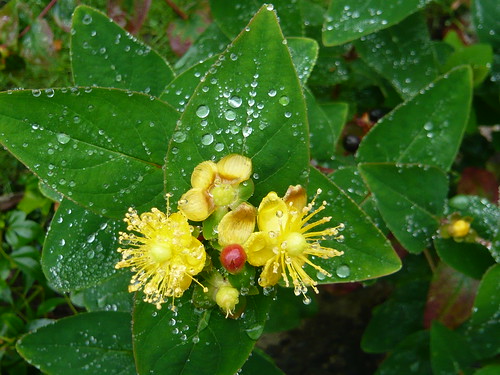
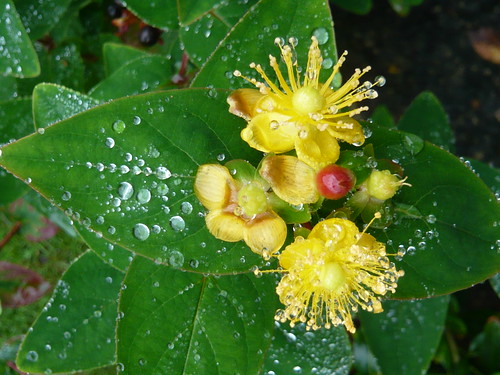
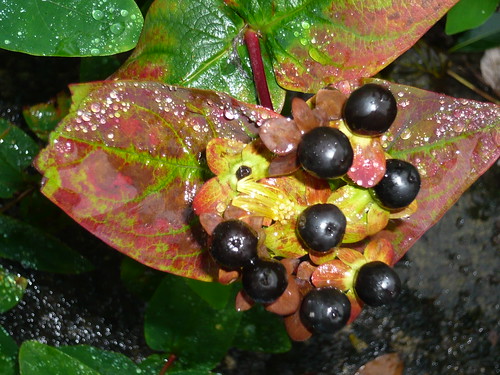
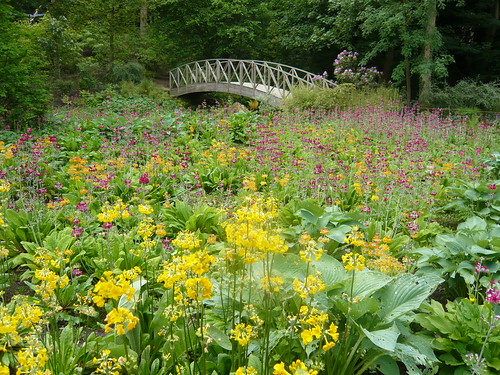
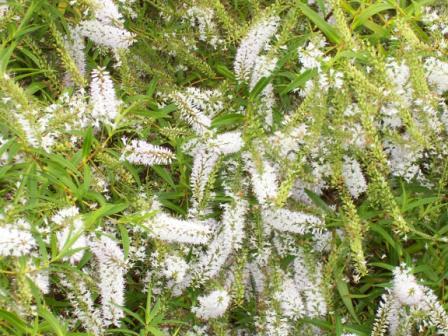
Which of these Hypericum – St Johns Wort photographs looks best and why.

Hypericum
Photo B
The West Yorkshire branch of the Alpine garden society had Peter Cordall as speaker on Saturday. The title of his talk was ‘Photography in the garden – garden landscapes to close-ups’.
Whilst I listened carefully I am painfully aware that I have breached many of his rules of thumb from the very start.

Hypericum
Photo C
I should have had a title and know what I was photographing before I started.
‘Hypericum’ is not a great title but ‘Hemispheres and Hypericum’ may have worked better.

St Johns Wort
Photo D
I did take several shots and tried to use my favourites, the rest wont see light of day again.

Other Photography Failings

  • I failed in composition even though I tried hard to divide the frame into thirds and place the interest on a crossing point. This is harder than I thought.
  • So is picturing the main subject as though it was moving into the frame rather than facing out.
  • Crystal sharp focus on the critical part of the photo has been sacrificed to an extent in favour of decent depth of field automatically without engaging brain.
  • I have done no cropping or editing – I very seldom do.
  • Some backgrounds are a distraction but fortunately I have no unintentional lamp posts in view

I should have read up on Related posts

Number of Species and Plant Classification

Number of Species and Plant Classification

There is always someone recounting the number of species on Earth and the numbers usually differ! Accepting the limits of the guesstimates involved perhaps this list will give some idea of the scale.

Statistic on Number of Species (2011 estimates)

    • Total number of species 8,700,000 eight point seven million. 86% still undiscovered.
    • Land based species 6.5 million sea based 2.2 million – seems low for the sea to me!
    • Number of animals 7,770,000 three quarters of which are Arthropods (insects and crustaceans)
    • Total of all land plants including trees, mosses, ferns, conifers, flowering plants, and so on = 298,000. (I bet I have that many weeds in my garden.)
    • Fungi 611,000, protazoa and chromista 64,000 (and the dollar question is what are they).

ref Dr Camilo Mora Census of Marine Life

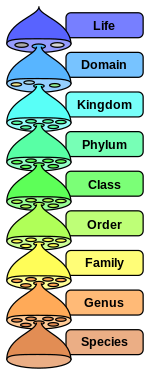
Biological Classification Table


Creative commons share alike license from wikipedia

Plant Classification

Species
The rank of species is an important botanical classification. Plants within a species can be very different for example consider the types of Apple or Rose.
‘A species is a group of plants with similar DNA that are capable of interbreeding and producing fertile offspring.’
The creation of genetic variation in a plant species and the selection from within that variation of plants with desirable and inheritable traits, forms the basis of one or more plant varieties.

Variety
This has two similar meanings. It is a legal term for a cultivated plant protected under UPOV
Some horticulturists use “variety” imprecisely; for example, viticulturists almost always refer to grape cultivars as “grape varieties”.

Cultivar or Variety
Cultivars are produced by careful breeding, propogation and selection for flower colour and form on plants such as roses, rhododendrons and many farm & food crops.
A cultivar name consists of a botanical name of a genus, species and taxon followed by a cultivar epithet. Cultivar names are always written in Roman letters enclosed in single quotes, like Hosta ‘August Moon’ it should not be italicized.
Rosa ‘Peace’ “Peace” is a trade designation or “selling name” for the cultivar R. ‘Madame A. Meilland’ and should therefore be printed in a different typeface from the rest of the name, without quote marks, for example: Rosa Peace.

Hybrids.
Hybrid consists of crosses between different cultivars within a single species. This meaning is often used in plant breeding, where hybrids are commonly produced and selected because they have desirable characteristics not found or inconsistently present in the parent. Occasionally plants from two different species can be hybridised or ‘crossed’. They are usually given a collective latin name or English name Quercus x hispanica or Rhododendron Lady Chamberlain x Gleam.

Common Names
Common names may be local or descriptive but are too inconsistent to be part of a plants formal name for identification purposes.
An example may be Quercus coccinea “Scarlet Oak”(common name)

Plant Names and Protections

The International Plant names index has records from three sources: the Index Kewensis 1million plus, the Gray Card Index 350,000 and the Australian Plant Names Index 63,000. Whilst needing some deduplication it ‘represents the most comprehensive listing of plant names available today’.

The Plant Varieties Act 1997
establishes rights, known as “plant breeders’ rights”, in plant genera and species that qualify for protection under that Act. British Plant Breeders’ Rights protect creators of new varieties against ;

  • production or reproduction (multiplication),
  • conditioning for the purpose of propagation,
  • offering for sale, selling or other marketing, exporting, importing, stocking for any of the above purposes or
  • any other act prescribed for the purposes of that provision without his authority.

The International Union for the Protection of New Varieties of Plants or UPOV grants plant breeders’ rights to new varieties that meet four criteria ;

1. The new plant must be novel, which means that it must not have been previously marketed in the country where rights are applied for.
2. The new plant must be distinct from other available varieties.
3. The plants must display homogeneity.
4. The trait or traits unique to the new variety must be stable so that the plant remains true to type after repeated cycles of propagation.

Garden Design Styles

Garden Design Styles

Harewood Himalayan Garden

Garden design is influenced by Location, Objectives and Resources. No two people would design the same garden for the same space nor would that garden grow and develop in the same manner.

My Top Ten Garden Styles

  1. Cottage garden
  2. Wild or Environmentally friendly garden
  3. Walled or Victorian garden
  4. Family and traditional garden
  5. Fruit and Vegetable plot
  6. Alpine, crevise or Rock garden
  7. National gardens, Italian, Japanese, Himalayan, Swiss, Spanish, New Zealand or Mediterranean
  8. Sculpture garden
  9. The Peace garden
  10. Water garden

There are so many gardens that could be designed that a top 10 list is subjective in the extreme.

    A woodland garden came very close to inclusion and is a natural feature that many want to cultivate.
    I could have selected a ‘garden of rooms’ but that is more of a technique used in many of the above types of garden.
    Specialist plantings like Rose gardens or Herbaceous gardens could have had there own spot but I had to finish somewhere.
    Public and Open gardens can have a special charm.

Let us know what your personal favourite garden is or would be.
Also let us know what type of garden you detest. For me it is a ‘car park garden’ with all or mainly hard standing for numerous vehicles and no greenery.

Tips for Training and Growing a Topiary Cone

Tips for Training and Growing a Topiary Cone

Topiary

Topiary looks good on containers and plants are easy to control in this environment. You can also move the pots around the garden to show off your topiary skills.

Starting Your Topiary

  • Select your plant and container. Box, Laurel or Yew are good subjects to start on.
  • Plant your shrub with some slow release fertiliser making sure you fill in with compost around the root ball.
  • Use lengths of bamboo cane pushed firmly into the compost and tie them together neatly at the top to make a wigwam shape.
  • Tuck any stray shoots behind the canes and tie strong shoots to the cane framework with garden twine.
    Snip off any remaining straggly shoots.
  • Your plant will fill out the framework as it grows. Simply snip off protruding shoots until the plant completely fills the frame.

Growing and Caring For Topiary

  • Keep your plant well watered and do not allow it to dry out for lengthy periods.
  • Once you desired shape has been achieved keep your cone in tip top condition with small shears. Little and often encourages smaller tighter growth.
  • Top up the container with fresh compost in spring.
  • Feed your topiary, all your prunings need to be replaced somehow.
  • Turn your topiary by 90 degrees every few weeks so light and wind act evenly over the pot.

Other Topiary Shapes

  • You can buy or make wire frames in a variety of shapes and sizes to train your plants
  • Balls, spirals and clouds are now very popular topiary subjects
  • Trains in hedges are also hobby shapes that seem popular near my home
  • Arches and archways can be covered in topiary of Beech or Ivy
  • Good luck if you tackle something like the couple of green people shown above.

Book Cover

Topiary from Amazon

See Top Topiary Gardens
Shrub Sculpture and Topiary Tips
Conifer pruning into topiary

Thanks to pct24 for the use of the picture under Attribution 2.0 Generic (CC BY 2.0)

My Seed Purchase for Cloud Pruning

My Seed Purchase for Cloud Pruning

I have just updated my 50 Top Seed Companies published in 2010.

A new entrant in my list, RP Seeds, offered Ilex crenata that I want to try for small topiary projects. As usual I am not content with buying just one packet of seeds so I ordered the following.
Expensive topiary ...


Ilex crenata (Japanese Holly)

Evergreen small tree / shrub, native to Japan, China and Korea with very small, dark green, glossy leaves and white flowers and black fruits on mature trees.  Famous for its use as Topiary Cloud Trees and widely seen in Japanese gardens.  Makes a good alternative to box for topiary and an excellent species for Bonsai.  Note: Patience needed as seeds can take many months to germinate.

  • Hardy Tree
  • Height: 3-5m
  • Position: Sun or semi-shade

Packet of 10 seeds

Ginkgo biloba (Maidenhair Tree)

Fantastic tree for any garden which is one of the world’s oldest species dating back 180 million years to prehistoric times.  Has very ornate, fan shaped, lime green leaves which turn clear yellow in autumn.  Grows rapidly from seed, is very hardy and extremely tolerant of pollution. A favourite for Bonsai.

  • Hardy Tree
  • Height: to 25m but can be pruned to any size
  • Position: Semi-shade

Standard packet  -  5 seeds

Zelkova serrata (Japanese Grey Bark Elm)

Fantastic tree for autumn colour with sharply-toothed, finely-pointed foliage turning many shades of yellow and orange in autumn. A Bonsai classic (see photo), remarkable for how well it mimics its full grown shape in miniature. Easy to grow from seed and fully hardy when mature. Will need frost protection for the first couple of winters.
Winner of the RHS Award of Garden Merit

  • Hardy Tree
  • Height: 5m if not pruned
  • Position: Sun

Standard packet  -  20 seeds

Koelreuteria paniculata (Golden Rain Tree)

Unusual and interesting tree with pinnate foliage which emerges green in spring and turns bright yellow in autumn.  Bears lovely panicles of yellow flowers in summer followed by strange, yet attractive lantern-like, inflated, bronze-pink fruits.  Easy to grow from seed.

Winner of the Award of Garden Merit.

  • Hardy Tree (to -5C) Protect when young and in extreme winters until mature
  • Height: up to 10m
  • Position: Sun and well drained soil

Standard packet  -  25 seeds

Lupinus cruikshankii Sunrise (Lupin)

Striking annual Lupin with blue-green foliage and rising tiers of azure-blue, white and gold flowers.  Very different to the usual Lupin and excellent for cutting.  Easy to grow and can be direct sown outdoors.

  • Hardy annual
  • Height: 90-100cm
  • Flowers: Summer
  • Position: Sun or semi shade

The lupins I ordered to make up the cost to £10 to avoid paying any postage.

I am still waiting for my biennial and hardy perennial seeds to arrive from Wallis seeds who seem a bit slower than usual after I ordered on the internet for the first time.

Acknowledgments Photo Attribution-ShareAlike 2.0 Generic (CC BY-SA 2.0) by wallygrom

    Expensive topiary …

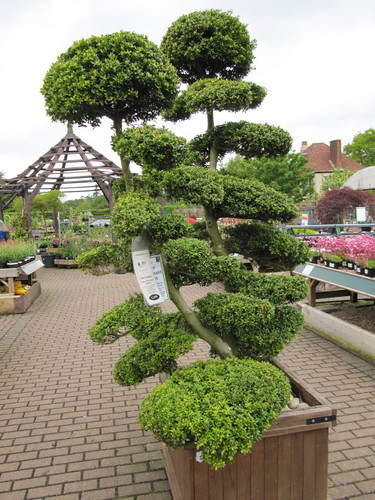
    An Ilex crenata topiary creation – costing £3999 … imagine forgetting to water it one day … This was at Wisley Gardens, in the garden center.

    Ilex crenata is also known as Japanese Holly. It is a small-leaved evergreen Holly of slow growth, eventually reaching 4-6 metres. It is ideal for topiary, or as a tightly clipped low hedge. The fruits are small, shiny black berries. There are a number of cultivars from this species.

    Native to Japan, Korea, and the Sakhalin Islands. Introduced to the UK in about 1864.’

I need a deal of patience and a lot of gardeners luck to succeed with theses trees but I am an eternal optimist when it comes to gardening.
How To Take Cuttings for Big Shrubs

How To Take Cuttings for Big Shrubs

Forget 6 inch cuttings, for bigger shrubs use bigger cuttings. Giant cuttings of 18-36 inches may be worthwhile on the following:- Cistus, Euonymous, Hebe, Leycesteria, Weigelia, Pyracantha or Kerria japonica. I have a friend who excels with Roses taken this way.
Also read Gardeners tips Taking cuttings for beginners

Proceedure for Cuttings

  • Water the host plant well the evening before taking cuttings.
  • Take cutting early in the day, keep out of the sun and spray with water to minimise wilting.
  • Select a shoot with plenty of new growth. Cut it off cleanly at the base where it comes from a branch or cut below a swelling leaf node instead.
  • Remove any flowers, lower leaves and soft tips by pinching out
  • If the cutting has a woody bark remove a sliver an inch long to aid rooting.
  • Have available one litre pots full of a free draining mix of grit and multipurpose compost.
  • Dip the end of the cutting in fresh hormone rooting compound, such as Murphy’s, plant and water in
  • Place in a humid environment eg. a plastic bag over the pot supported by canes, so leaves don’t touch the sides, and tied with a rubber band.
  • Keep in a shady spot removing dead leaves regularly.
  • In about 5-6 weeks, when rooted, acclimatise to outside conditions and overwinter in a sheltered spot
  • Plant out in March

Climber Cutting Tips

Read More Read More

Royal Wedding Garden Party

Royal Wedding Garden Party

Dahlia

If there is no street party near you when William & Kate get hitched why not invite some friends around for a drink and look at your garden.

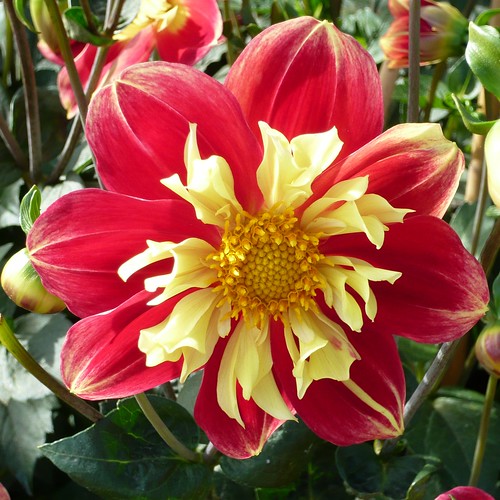
You could always create a quiz based on what your visitors may spot as they walk around. Judging by the couple of photos I have selected it would be a quiz to find a seedy looking flower.

Homemade wine would be a great accompaniment. Elderberries, rhubarb, loganberries, blackberries, plums, rosehips, sloes and so on remain staple ingredients of home-made wine according to Homewine making .com

Old Anemone

Pick a few flowers from your own garden to make an indoor floral display.
If the weather is bad you can ask people to name a flower beginning with a letter of the alphabet.
You could also select plants that would be appropriate for William & Catherine eg Sweet Williams, Lilies or wildflowers such as violets.

Mothers Day for Gardeners

Mothers Day for Gardeners

daffodils-river

3rd Aprill 2011 is Gardening Mothers Day and if your mother is any form of gardener or interested in flowers (and who isn’t) then here are our tips for  presents.

Mothers Day Gardening Gifts and Ideas

  • RHS membership is being promoted on special Mums day offer – link
  • Have a family day out at a local garden or park. Take a walk looking for wild flowers or you will find a list of places to visit at the National Trust or English Heritage. Most have suitable tearooms for that important cuppa.
  • If it is going to be a bunch of flowers then seasonal Daffodils are a firm spring favourite. Do not put Daffodils in mixed bunches.
  • Tulips imported from Holland will be on offer as will Alstroemeria, Carnations and other air-mile flowers.
  • This year to be different buy a vase for all the flowers your garden is going to supply Mum this year but remember to keep filling it.
  • Pot plants in season include the fragrant Hyacinths and the colourful Azaelas.
  • Garden tokens may seem to lack thought but they may be very welcome allowing Mum too buy something special when she needs a lift.
  • Young children could buy Mum some seeds to be raised together. Sunflowers, mustard and cress or beans are popular.
  • A glossy gardening book may be the answer. I wouldn’t go for a detailed tome unless you know what would be appreciated.
  • There are many tools that would suit ladies. From pink trowels and gloves to light weight spades, choose wisely.

Gifts from Amazon our sponsor link

A mother is for life, not just for Mothering Sunday, so you can treat her at any time of year.