Browsed by
Category: Articles

Gardening articles that may not include tips

When is a Lily Not a Lily

When is a Lily Not a Lily

Water Lilies

The answer to the question ‘When is a Lily Not a Lily’ must be, when it does not belong to the Lilium genus of the Liliaceae family.
Despite the common names listed below bearing lily in the name they are not botanically Lilies.

Plants Masquerading as Lilies
Corn Lily
African ‘Aagapanthus’ lily
Arum lily
Belladonna lily
Bugle lily
Daylily ‘Hemorocallis’
Day Lily  - Hemorocallis

Read More Read More

Variegated Dragon Plants – Dracaena

Variegated Dragon Plants – Dracaena

Many house plants have leaves of green and cream or white combinations but a red edge to the leaves of Dracaena marginata tricolour makes it stand out.  This plant is also called variegated silhouette plant and is one of the family of Dragon plants.

Hints and Tips on growing Dragon Plants

  • These slender pointed leaves have attractive dark and lighter colours edged red running along the length of the leaves.
  • Do not feed in winter and only modest fertilizer is needed next spring or summer.
  • Keep the soil on the dry side and do not leave the plant roots in water
  • Remove the growing tip to encourage branching once the plant is 18 inches tall
  • Dracaena is a fine family of house plants  liking temperatures of 15-22°C such as

    Read More Read More

Tree Preservation Orders in Your Garden

Tree Preservation Orders in Your Garden

Local Authorities can issue a Tree Presevation Order (TPO) making it necessary for the owner or occupier of any land to obtain prior consent of that authority 6 weeks before any lopping, pruning or felling is carried out.

A TPO is designed to prohibit the cutting down, uprooting, topping, lopping, uprooting, wilful damage or destruction of protected trees or woodlands. TPO’s are issued to conserve and protect trees from development but the cost and excessive control is leaving some trees to die of neglect.

TPO’s can protect individual trees, hedgerow trees, groups, areas or woodlands buy not hedges shrubs or bushes.

Nearly all trees in a ‘Conservation Area’ are automatically protected by this legislation. The Forestry Commission have the right to prevent woodland being destroyed and issue licenses for thinning out and felling on your own land.
Tip – check with your local authority before embarking on a major tree uprooting scheme. Conviction in a Magistrates Court can lead to a fine of up to a £20,000.

Trees

Tree Planting Tips

Tree Planting Tips

Planting Deciduous Trees

Tree planting isn’t difficult as long as you remember a few top tips. Find out how tall the tree will grow so you can plan and allow enough space. Do not plant trees with big root systems too close to buildings. Focus on getting good root systems in the first year. I prefer bare rooted trees to container grown trees to help root growth.

Season for Planting

Choosing the right season is important for your tree’s health. The best season to plant just any all tree is Autumn or early winter when the weather is cooler but not yet freezing. The roots will develop in the cooler weather, and by spring, the tree will be ready to put on leaves and take up nourishment.
Trees grown in pots can be planted as soon as they have been purchased. Avoid pots where the roots are pushing through or are tightly twisted around the pot.

Trees

Planting Your Tree

Prepare the soil where you want your tree by adding some compost and drainage material, if the soil is too water logged. Trees will be in the same position for a long time so I add some slow release bone meal fertiliser at the bottom of the hole. An old saying is dig a £30 hole for a £10 tree or make it a large, deep, well dug hole so the roots can spread. The tap root helps hold the tree in place and the hair roots help feed and water the tree. Spread the roots out cutting off any damaged roots. Tease out the root ball from a pot grown tree to avoid roots curling back on themselves.

Read More Read More

Floribunda Roses

Floribunda Roses

Tips Growing Floribunda

  • The term ‘floribunda’ meaning large clusters of flowers has been taken over by rose trees with these floral characteristics.
  • The flowers are usually borne over long periods and are more tolerant than Hybrid Tea roses from which they were crossed with polyantha varieties.
  • When planting prune the roots back to 8 or 10 inches.  It encourages new root growth of the fibrous kind that do the feeding and watering.
  • Prune floribunda roses to a bush shape rather than hard as you would an HT rose. New growth will never be stronger than the stem it grows from so prune out weak stems that are over a year old.
  • With over 20 buds to open on this tree in October this rose has earnt it’s keep this year.

Read More Read More

Cranesbill Geraniums

Cranesbill Geraniums

geranium

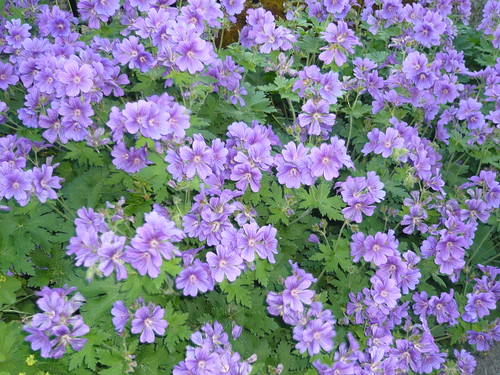
The hardy perennial geranium is a good ground cover plant with many varieties to choose from. Many varieties are derivatives of Geranium sanguineum or Geranium cinereum. They all have seed heads that look hooked like a Crane’s bill hence the common name.

Read More Read More

Tips for Starting Your Garden Design

Tips for Starting Your Garden Design

When looking at a garden or potential garden for the first time there are some basics to consider. I recommend you spend sometime thinking about these issues and build the consequences into your plans. Brains baffles brawn in a new garden – well begun is half done.

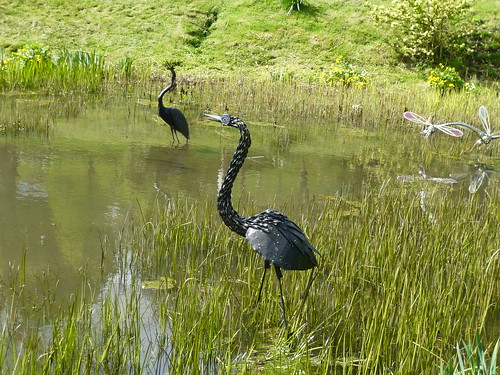
Himalayan garden sculpture

Location Location

  • Understand the region and area where the garden is located and think about what it may mean. An East coast Scottish location will be colder than Essex but a West coast location may benefit from the warmer gulf stream. Seaside may be windier than a riverside spot.
  • What are the surrounding environmental features such as mountains that could influence rainfall
  • What is the underlying rock structure, limestone or chalk will not favour acid loving plants
  • What is the aspect of the garden or which direction is the sun
  • Where is the prevailing wind – in the UK this is most often from the west

Read More Read More

Slower Gardening 2013

Slower Gardening 2013

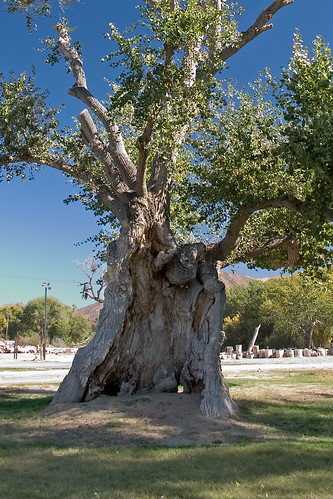
Old Cottonwood Tree

Five years ago I recommended taking gardening at a steady pace, I could have called it slower gardening. Shortly I will give some tips on slower gardening but as a reminder some oak, conifers and other trees come into their own when they are 1000 years old.
how old are yew?

Who Are Slower Gardeners

A slower gardener has infinite patience and may be of any age and from any sex.

Read More Read More

Creative Mulching

Creative Mulching

Mulch can be organic or inorganic and its purpose is to conserve moisture in the soil, suppress weeds, prevent seed germoination and protect the roots of new plants. The right material will look good and cut down on maintenance with less weeding and watering.

Mulching is the covering of bare soil with a mulch. Choose a mulch that appeals to you and don’t be worried about experimenting.

Organic Mulch

  • The good old stand by garden compost is one of my favourites that also adds some nutrition
  • Grass clipings. You can use grass clippings straight from lawn mower, as long as they don’t continue weed seeds or weedkiller.
  • Read More Read More

Magnolia Growing

Magnolia Growing

Magnolias take their time to produce the best show of blooms but the wait is worthwhile.

magnolia-sky

Not content with looking marvelous the clear blue sky added to the attraction of this 6 foot high Magnolia Liliflora nigra in my neighboughs garden.

Magnolia fossils have been found from 20 million years ago before bees were around for pollination. That is why the many Magnolia species developed very tough flowers able to avoid damage from the beetles that pollinated them. Their flowers are thick and strong without distinct sepals or petals but a hairy shell around the buds.

Magnolias come in a wide variety of sizes from large specimen trees to small shrubs. They can be evergreen or deciduous and flower mainly in spring but with some later varieties. Flower colours vary from whites to pinks and purples with some yellows. Vegatatively propogated Magnolias should flower in the second or third year.

Magnolias cause few problems for gardeners except losing blossoms in a late spring frost. This can be avoided by planting, in locations that are protected from late frost, or varieties not blooming until the danger of frost has passed. Plant in April and mulch regularly until well established. Magnolias favour well drained slightly acidic soil but M. stellata, M. kobus, M. sieboldii and M. wilsonii. are all suited to alkaline soil.

Other Selected Varieties
Evergreen Magnolia Grandiflora Charles Dickens is a favourite for growing up a wall with flowers upto 12 inch across whilst M. Delavayi will flower in late summer or Autumn in a similar position.
A trendy favourite is Magnolia stellata star magnolia one of six Japanese species. It has a compact, twiggy habit ideal for smaller gardens, and flowers that can be white or pink.

Read More Read More