Browsed by
Category: Articles

Gardening articles that may not include tips

Tips for Dark Winter Gardening

Tips for Dark Winter Gardening

Book Cover

What can gardeners do in the cold wet months of December and January? The soil will probably be cold and wet as so will be the weather particularly if you live in the north of England.
Stay warm and dry and do all the cleaning and maintenance jobs you have avoided. When the growing season starts in earnest you wont have the time.

One tip for indoors is to invest in a ‘blue light’ or natural light bulb. This can con plants into thinking the days are a bit longer and the light levels a bit brighter.

A top ten tips

  1. Curl up with a good internet connection and browse away on the host of gardening web sites including Gardenerstips.
  2. Ask Father Christmas for a gardening book on your favourite subject or by a popular set of authors like Matthew Biggs, John Cushnie, Bob Flowerdew, and Anne Swithinbank.
  3. Plan your garden campaign for the coming seasons. Record what you want to achieve and the actions that will help you achieve it.
  4. Order your seeds and summer bulbs from a quality supplier.
  5. Check your over wintering plants, cuttings and stored vegetables.

Read More Read More

Grow Romantic Red Flowers

Grow Romantic Red Flowers

Lust

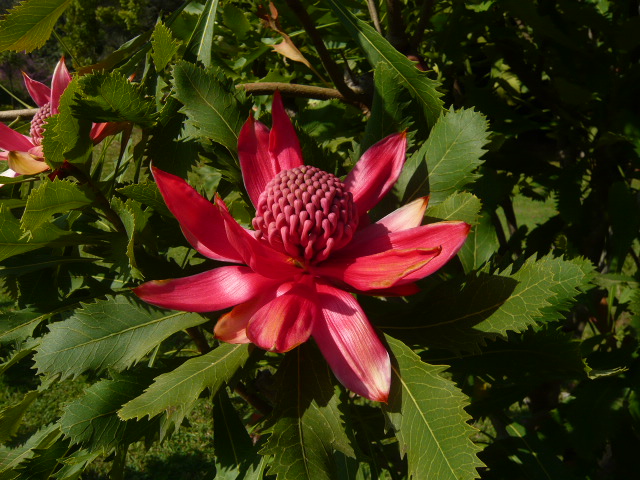
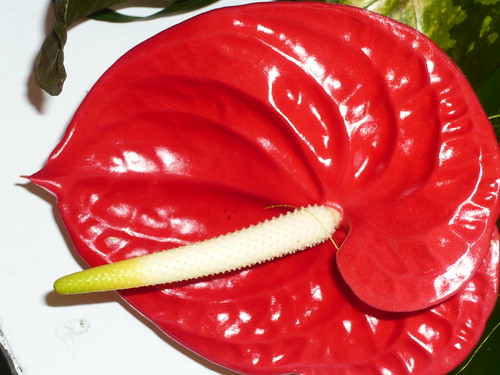
There is a romantic red flower for virtually every month of the year. Even if your husband or partner fails to deliver the romantic bunch on St Valentines day you can grow your own and pretend.

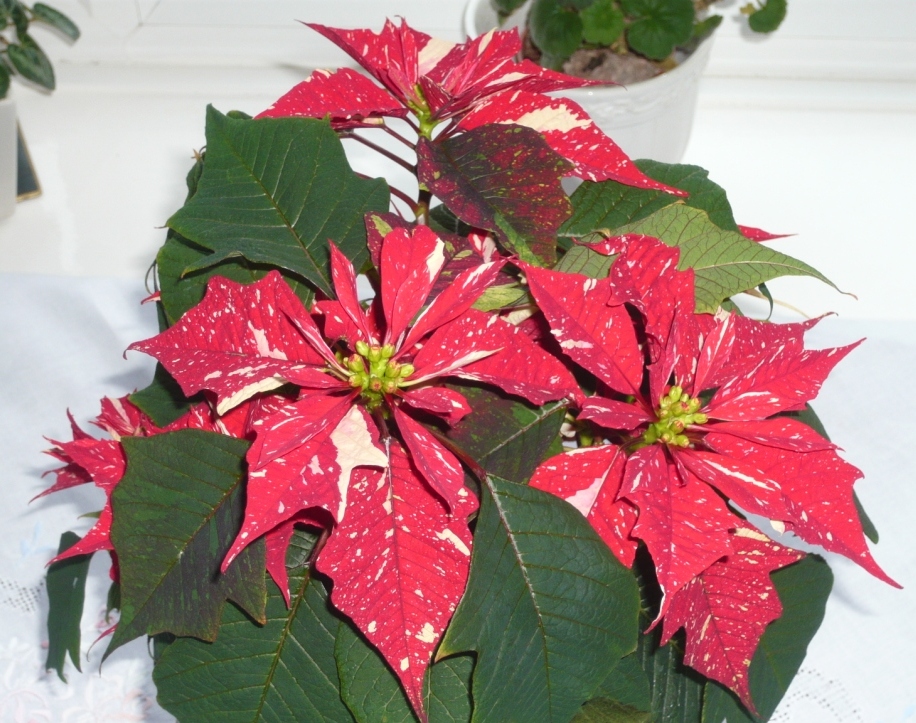
Christmas time produces red flowers or at least sepals on the Poinsettia and following that in January, Cyclamen persicum are available in strong red colours.

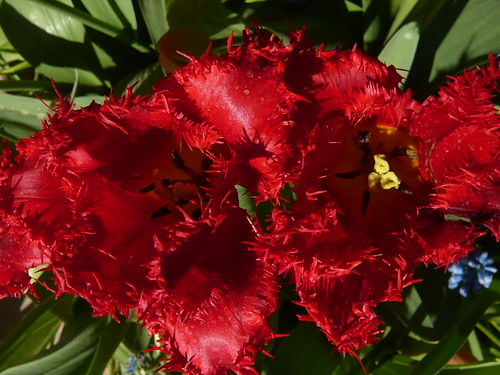
Tulip

The bulbs of Amaryllis that you planted at Christmas will be flowering by February and March is my favourite time for Primulas which are available in red with a catchy yellow eye.

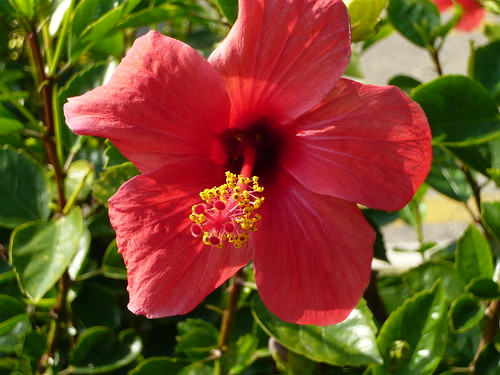
Hibiscus

Also an early flower for indoors why not seek out an April flowering red Orchid variety Nelly Isler. May will have seen Camellia japonica ‘Adolphe Audusson’ come and go. With June reserved for Peonies we are half way through the romantic red flower year.

Read More Read More

Architectural Yucca Plants

Architectural Yucca Plants

Book Cover

For architectural plants we seem to think of spiky leaves like Cordylines, Phormiums and Yuccas. If you are keen to understand the differences and a bit of history of each species try ‘Architectural Plants What to Grow and How to Grow it’

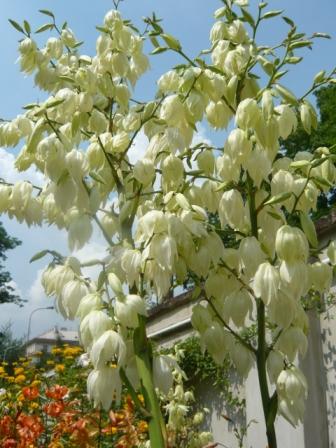
If you just want shape and form in your garden try some Yuccas which have exotic foliage and then flower like a lily.

yucca-flowers

Yucca plants are succulent and retain moisture in the leaf and trunk. Read more about Succulents.

Yucca are easy to care for

Yucca are long lived plants.

Repot your Yucca every few years with fresh compost.

Read about Exotic plant books on Garden Products

Read More Read More

Gunnera and Unrelated BrunneraTips

Gunnera and Unrelated BrunneraTips

Massive Gunnera Tips

  • Gunnera with giant green leaves grow over 6 feet tall and spread even wider. They are not for small spaces!
  • Gunnera are moisture loving, herbaceous plants best suited for stream or lakeside positions.
  • They make specimen architectural plants for a bog garden but control the size.
  • Cover the plant to protect from hard frost
  • Sometimes called giant rhubarb the leaves are not edible

Brunnera Tips

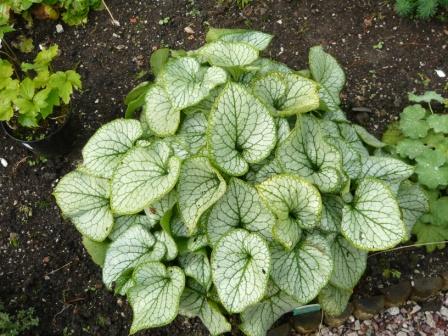
  • Heart shaped variegated leaves followed by blue, forget-me-not look alike, flowers make this a very attractive plant.
  • Brunneras like a moist soil but can tolerate some dry spells
  • Brunneras also like shade and are useful in a woodland setting
  • Grow in containers or as ground cover these 18inch high plants are versatile.
  • A new golden leaved form is available www.parkseedjournal
Why Gardeners Need Latin and Romans

Why Gardeners Need Latin and Romans

The Royal Horticultural Society (RHS) think that a bit of Latin is useful for Gardeners but so is weed killer. But what did the Romans ever do for gardeners? Well they educated the Swedish botanist Carolus Linnaeus who began consistently using a one-word “trivial name” together with a generic name in a system of binomial nomenclature for all plants.
Moving on 250 years and 3000 plant names are worthy of exploration as they give a backbone to our gardening language.

Book Cover
‘ RHS Latin for Gardeners: Over 3,000 Plant Names Explained and Explored’ Royal Horticultural Society and Lorraine Harrison

Amazon would say ‘RHS Latin for Gardeners is an informative, entertaining and beautifully illustrated unraveling of the mysteries of botanical Latin’ or something equally vomit inducing.

As Ovid said about compost making ‘adde parvum parvo magnus acervus erit’ or in English Add a little to a little and there will be a great heap.

My favorite is ‘errare est gardanum’ to err you must be a gardener.

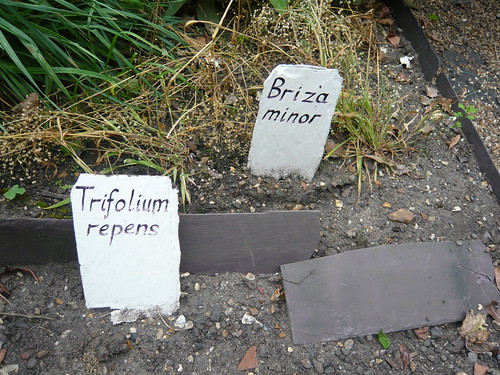
Plant lables
Latin on the Slate

If it was the Romans who brought wine and grapes to our shores then a big cheers!

Cut down on Pollen for a Low Allergy Garden –

Cut down on Pollen for a Low Allergy Garden –

Breathing Allergies

Hay fever sufferers don’t need to told about the typical symptoms of sniffing, sneezing, puffy eyes, sore throat and a runny nose. Starting in spring through summer these symptoms are likely to be caused by pollen and allergens. All year round symptoms are more likely to be caused by dust mites or pets such as cats.

Asthma is characterised by chest and breathing problems and can be caused by allergic triggers such as pollution, infection, or allergens. Airborne particles including pollen and fungal spores can bring on an attack especially if there is a known susceptibility to asthma.
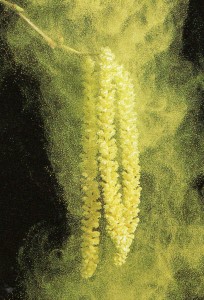
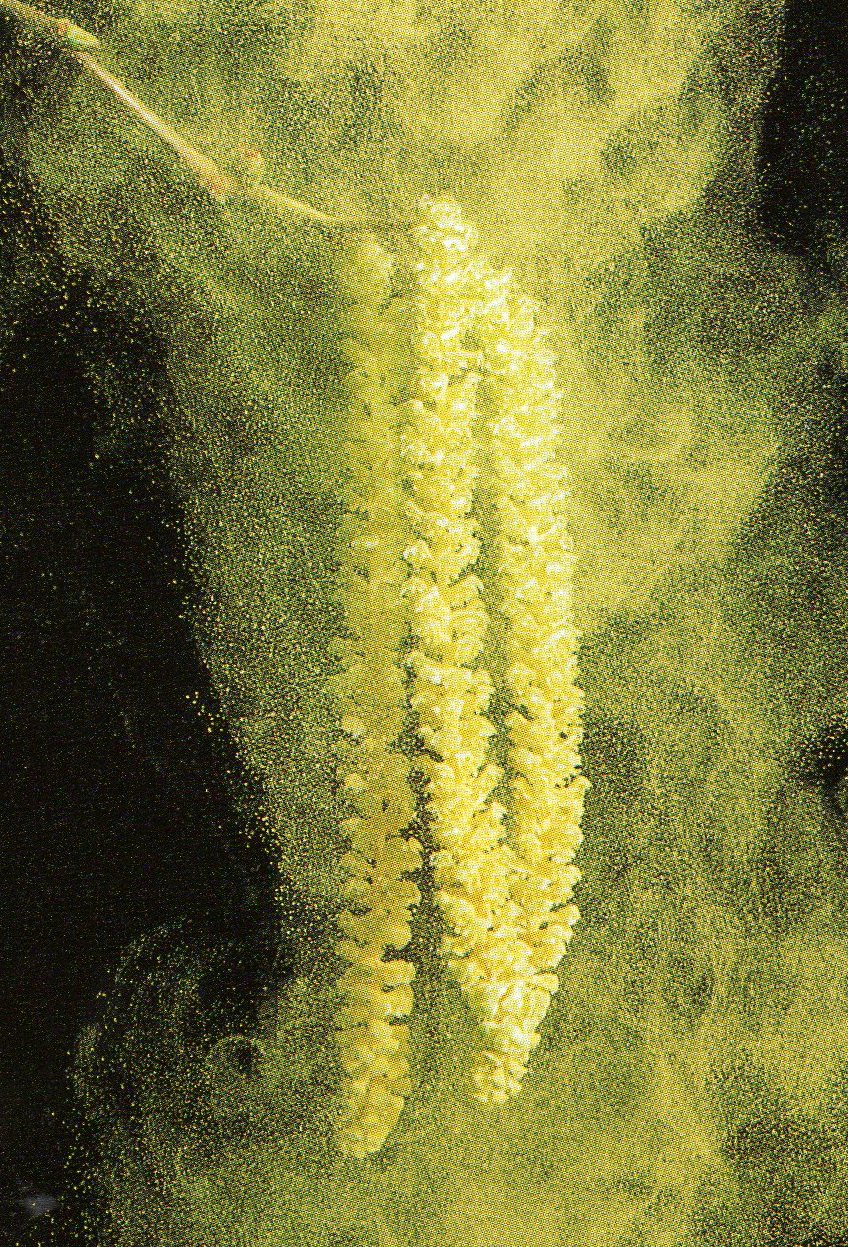
Pollen-on-hazel-catkins

Hay Fever and Asthma sufferers should cut down on Pollen

  • Given the above it is logical to avoid plants that are high in pollen particularly those that are wind pollinated. This includes grasses, weeds like docks and plantains, trees and shrubs that flower before the leaves are fully formed such as Hazel,Alder, Oak, Poplar, Sycamore and Birch.
  • Use other low pollen trees such as pink or red Hawthorne, Crab Apple, Prunus Cherries or Mountain Ash. These trees attract Bees so if allergic to stings then be even more selective with Ameleranchier or double flowered Japanese Cherries.
  • Female flowers do not produce pollen so chooses them in preference to male plants. Male trees or shrubs all produce large amounts of allergenic pollen.
  • If you can avoid having a lawn that may be best if not cut it regularly before it flowers or better still get a none sufferer to cut it. This is because even un-flowered grass will have trapped other pollen, dust and spores that is disturbed when cut.
  • For play areas use play ground rubber, artificial turf or inert covering but be aware of dusty surfaces.
  • For flat areas use ponds or water to reflect other green colours from the garden.

Select varieties with low Allergic pollens

  • Herbs like Chives, Thyme, Mint, Bay and Sage or the hotter Caraway, Cumin and Coriander but be wary of bees that are attracted by scent to pollinate the plants
  • Hosta come in a wide range of textured and coloured leaves. occasionally a variety may have scented flowers but these can be cut off.
  • Pink or red Pholx like P. paniculata Barnwell avoid the more scented whites
  • Geum and various Penstemon may be comparatively short lived but you won’t need a constant supply of tissues.
  • Hydrangea lacecap varieties or Spirea Japonica provide shrub interest
  • Large flowered Clematis and passion flowers can provide height as climbing plants
  • Annuals and biennials offer a fairly good choice including Busy Lizzie, Forget-me-not, Lobelia, Universal pansy (not the scented violas), Petunia, Nigella and Nasturtium.
  • Plant disease-resistant varieties as mildew, rust and black spot   reproduce by spores.

Plants with Pollen to Avoid

  • Pampas grass and ornamental grasses
  • Marigold or Calendula and Achillea or Yarrow have pollen which can cause asthma
  • Chrysanthemums and Shasta Daisy have allergenic pollen
  • Even Privet and Elder can trigger hay fever or asthma
  • Weeping Silver Birch, Willow trees and any ‘catkin’ forming trees are a risk of Hay fever and asthma

More Information

Read about Scent and Smell   in low allergy gardens.

Books from Amazon:
Book Cover
Creating a low-allergen Garden by Lucy Huntington

Allergy Free Gardening by Thomas L Ogren
Hypericum – St John’s Wort, Rose of Sharon, Aaron’s Beard

Hypericum – St John’s Wort, Rose of Sharon, Aaron’s Beard

Make your garden feel a lot better with this cure all….
St Johns Wort

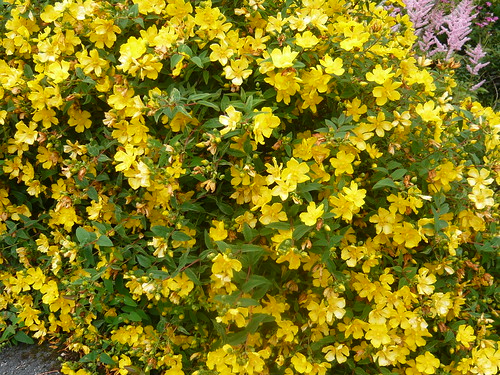
Hypericum is a large family of perennial shrubs with creeping roots. This specimen is three feet tall and attracts lots of insects from mid June. Often called St John’s Wort it is named after St John’s day which is 24th June when it’s flowers are collected for medicinal purposes.

In mild climates the shrub can be evergreen with glossy leaves. With several varieties having an award of garden merit this is a shrub that is well worth growing.

Flowers and Cultivation

  • The single yellow flowers are often quite numerous as on this Hidcote variety. It is also known as the Rose of Sharon.
  • Flower colour varies from pale lemon yellow to an umber or burnt orange-yellow
  • There are 5 petals and a large number of stamen leading to another common name Aaron’s Beard.
  • They flower at the end of branches or stems and create a spicy scent of curry.
  • After the flowers there are fleshy red berries that contain numerous seeds
  • The wild flower can be quite invasive spreading by roots or seeds dropped by birds
  • Prune after flowering. They can stand a hard cut back and may even benefit.
  • Grow the ground cover Hypericum calycinium Briggadoon which can flower July -October

Herbal and Medicinal Uses

Read More Read More

Creepers From Boston and Virginia

Creepers From Boston and Virginia

Virginia Creeper

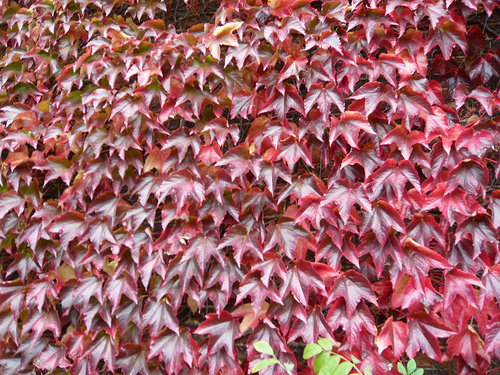
Do you want your walls to look like this in Autumn. If so then the Parthenocissus family are the plants for you.

Description of Virginia Creeper

  • Parthenocissus quinquefolia or Virginia creeper is a woody, climbing shrub that can reach great heights when supported by a building.
  • The flowers are small and greenish, produced in clusters in late spring, and mature in late summer or early fall into small, hard, toxic, purplish-black berries up to half inch long.
  • The large leaves are five fingered hence the quinquefolia name tag.
  • The plant clings by suckers and after the first few feet it will not need any support. The plant should not harm sound walls but to remove kill the plant first and let the suckers die back.
  • Creepers can kill other supporting plants by smothering and stopping light getting to them.

Virginia Creeper

Other Creepers

  • Boston Ivy Parthenocissus tricuspidata is not an Ivy but a Grape or Vitacaea, Very similar to Virginia Creeper the leaves are less palmate but colour well.
  • Chinese Creeper Parthenocissus henryana (AGM) is also referred to as the silver vein creeper and is renown for grand Autumn colour aswell as veined leaves. It is less rampant and more delicate than many other ornamental grape vines.
  • Parthenocissus inserta supports with tendrils more than suckers and scrambles over walls and hedges
  • Parthenocissus thomsonii has a slender habit and purple growths early in the year.

london 11.11 050

Creeper Growing and Problems

  • The fast growth has blocked out windows on this London creeper
  • Birds love the fruit but they are only produced in quantity during a hot dry summer
  • Insects will like the living accommodation provided
  • Grow from seed or cuttings
  • Be ready for regular trimming once established.
Unusual Fruit – A Taste of the Unexpected

Unusual Fruit – A Taste of the Unexpected

005

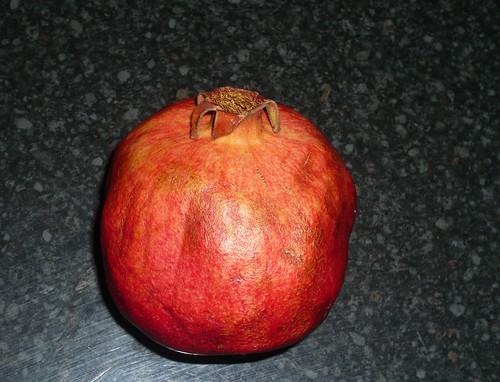
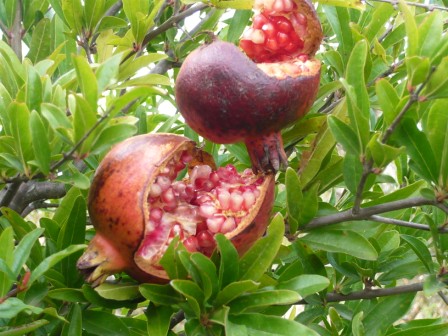
The pomegranate is a native of Iran and Pakistan. The shrub or small tree bears bright red flowers and juicy, if seedy fruit.
Even if placed in the sunniest, warmest part of the garden they will suffer in the UK but with global warming who knows.

pomegranite

Book Cover

Book Cover

A taste of the unexpected contains details about growing and cooking Chilean guava and Szechuan pepper amongst other unusual items.
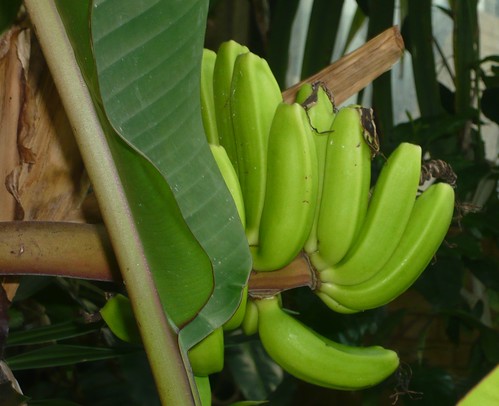
Whilst the photograph below was taken in England these bananas were only grown in the Kew garden tropical hot house.

Banana hand

Eden Project
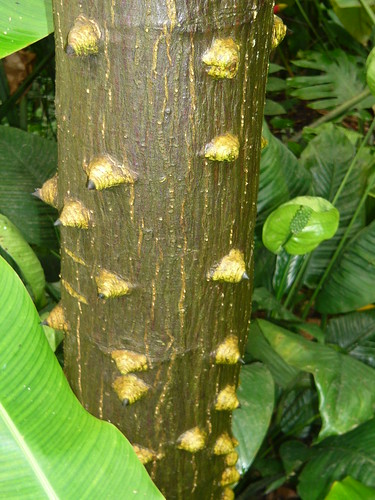
Are these warts, fruit or just part of the trunk? sadly Eden project did not have a name on this plant

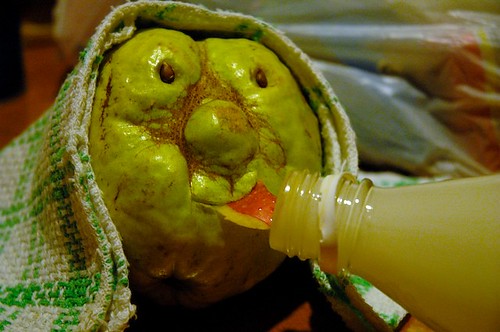
Guava Baby
Guava Baby by CeeKay’s Pix CC BY-NC 2.0 ‘Not sure if this is yummy but we stumbled upon this “face” on a guava fruit. It had eyes and a big round nose. To complete it, I stuck a piece of apple skin into his “mouth”. It was so adorable that we dressed it up too!’

Dwarf Rockery Conifers

Dwarf Rockery Conifers

Dwarf Conifer

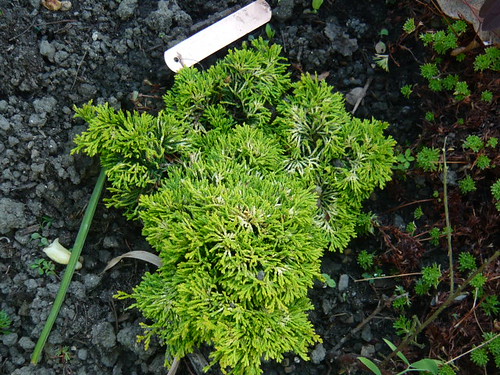
Not everyone wants a Leylandii hedge, in fact few gardeners want Leylandii at all. Fortunately there are other conifers and shrubs to suit most people. I have just introduced some new dwarf conifers into my rockery with a range of alpines.

Chamaecyparis obtusa 'Nana Aurea'

Chamaecyparis obtusa ‘Nana Aurea’ AGM

  • This is sold as being ideal for small gardens and rockeries
  • It will grow a pyramid shape with sprays of yellow tipped blunt shaped leaves.
  • Chamai, means ‘dwarf’ Aurea means gold and Obtusa means blunt shaped.
  • After 10 years it should be no more than 2 feet high by 18 inches wide
  • It is now planted in well drained soil in full sun but with some shelter from the wind.

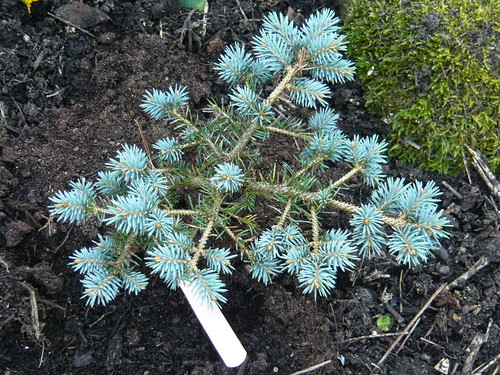
Picea pungens 'Montgomery'

Picea pungens ‘Montgomery’

  • This I bought as a grafted shrub with blue needle like leaves
  • A slow growing blue coloured specimen due to grow to 20-30 inches in 10 years.
  • These pictures look a good bit taller than the shrub I hope to grow. Well here’s hoping the graft is on small stock.
  • Female cones are cylindrical, green when young, maturing to pale brown.

Cryptomeria Japonica 'Golden Promise'

Cryptomeria Japonica ‘Golden Promise’

  • Taking 20-50 years to reach 24 by 18″ this is a true slow grower
  • It should make a rounded shrub with green foliage turning creamy gold in the heat of summer.
  • By autumn there will be a purple tinge to the leaves but it is a hardy evergreen.
  • Also known as Japanese cedar.

Tips and Comments

  • I was inspired to try more plants after visiting Perennial’s York Gate Garden. They have many prostrate and vertical conifers on display but disappointingly will not let me show you the photographs. Not very charitable from the Gardeners Royal Benevolent charity!
  • I bought the plants at Slack Top nursery.
  • The visible labels are made from copper. You scratch the name into the soft material and they should age gently but remain legible. I bought them from Wilkinsons and hope they help me with the names as my memory fades.