Browsed by
Category: Articles

Gardening articles that may not include tips

Garden Wind Problems

Garden Wind Problems

wind swept

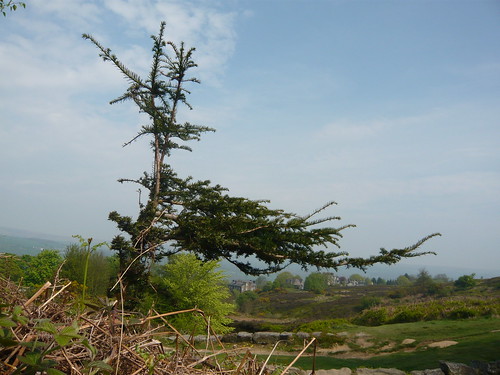
Trees shrubs even small plants react to wind. The example of this Yew tree is a bit extreme but you can see the effect of a strong prevailing wind.

Problems Caused By Wind

  • Plants may grow on a slant, leaning away from the wind. This inhibits growth and plants will not reach their full potential.
  • Shrubs and trees  may be distorted not growing  leaves or branches on the windward side.
  • Intermittent wind can cause plants to bend, then grow straight giving stems a twisted or crooked appearance.
  • Wind can be energy sapping for gardeners, so too for plants that have to live in the conditions.
  • ‘Wind rock’ making plants sway at ground level loosens the roots of shrubs like roses and can kill.
  • Strong wind can ‘burn’ young foliage.
  • Strong wind can uproot or blow down trees and plants.

wind swept

Prevent and Cure Wind Problems

  • It seems easy but do not plant in windy locations. If you must, be prepared for wind problems when choosing plants. Opt for low growers, hardy plants and shrubs with an open habit that allows wind to blow through.
  • Use natural barriers as wind breaks. Use hollows, walls, hedges and buildings to create a wind shadow.
  • Stake and tie plants.
  • Protect with barriers such as netting
  • Accept the results of wind damage, it is natural after all.


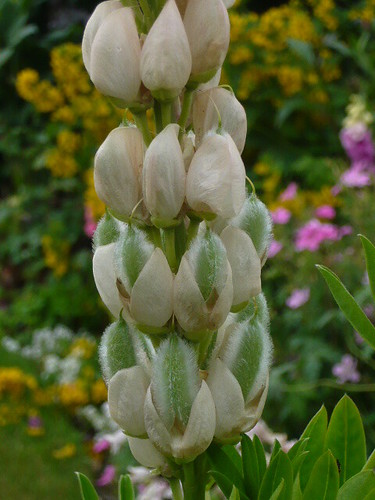
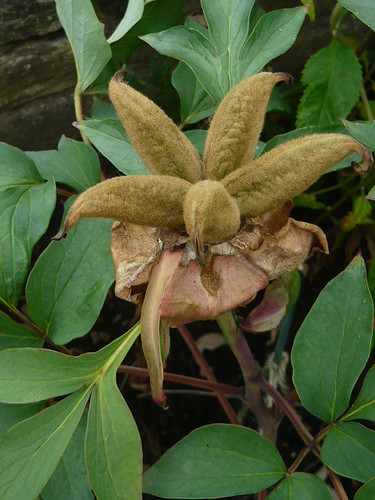
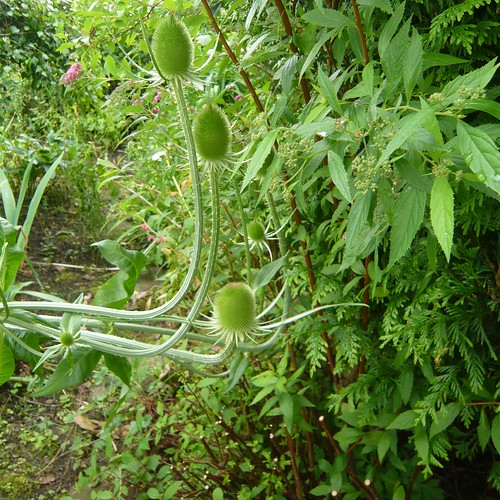
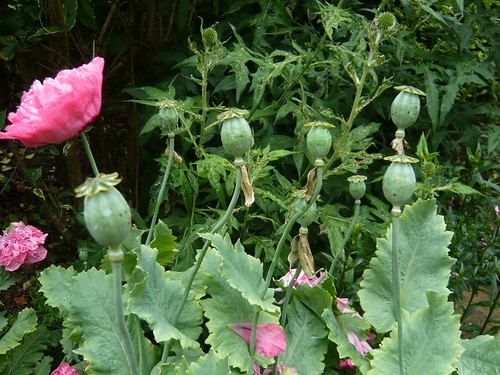
Seed Quizzes – What are These Seedheads

Seed Quizzes – What are These Seedheads

lupin seedheads

Knipfolia seedheads

allium seedheads

peonie seedheads

Teasel seedheads

poppy seedheads

For the answers hover over the photograph. The variety shouldn’t affect how the seed looks but there may be differences in the seedhead itself.

Seeds to use For a Children’s Quiz

  1. A pea is a seed
  2. Sunflower seeds with your breakfast or in your bread are interesting seeds.
  3. Potatoes are seeds or more correctly tubers that act like seeds.
  4. Wild Bird and budgie seed are obviously seeds. They often sprout into grasses or millet.
  5. There are lots of different beans to use in a seed quiz – even baked beans count but they will never germinate as they have been cooked.
  6. Mustard and cress seeds are fun to sow and grow and you soon learn the difference between the two.
  7. Apple or orange pips are easy to collect.
  8. Soft fruit have lots of seed and on strawberries they grow on the outside of the red skin


Welcome to Gardeners Tips Blog

Welcome to Gardeners Tips Blog

The original post on 5th April 2008′ was entitled welcome to the Compost Heap.’
012

It started off ‘Welcome to our blog of gardening tips and advice.

Articles will vary from simple tip pages to more complex advice about different species or aspects of gardening.’

Update 31 July 2016 from Hortoris

  • In over 8 years we have ‘posted’ over 1600 pages and even more photographs, onto our hobby website.
  • At the peak we were getting over 2000 visitors a day. Until recently that is when Google changed the way we were ranking on some key pages.
  • It is an important motivator to know that our words are being read and our pictures viewed.
  • To win back some of our old viewers we will be upgrading many of the articles and top tips over the next few weeks.
  • We can’t be sure to get it right so if you have any views or contribution to make please let us know on comments below or via twitter. (I am a twitter novice so do not expect miracles just yet)
  • If you think the site is a pile of dung fit only for the compost heap then tell us that as well.

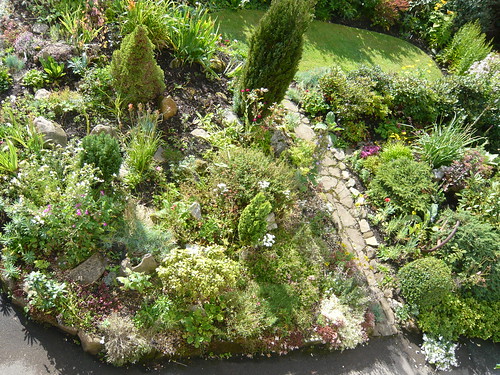
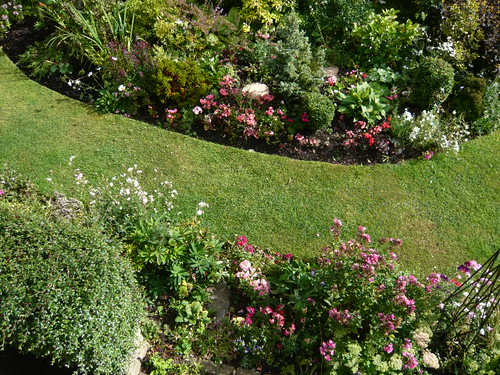
The photographs are pictures of parts of the garden from our upstairs windows.

006

How to Use our Blog .

  1. You can always get back to our current page by clicking on the Gardeners Tips Headline.
  2. You can search within the blog and google at the same time by using the custom search facility top right of every page.
  3. We use many categories which can be searched separately eg Dianthus brings up a continuous stream of posts/pages.
  4. To keep loading times down we often use read more buttons which does what it says on the tin I mean button!
  5. This is not a money making blog but if you buy an amazon book we highlight by clicking on the cover or use the affiliates like Thompson & Morgan highlighted in blue we get a very small commission. You always pay the same so it wont cost you.

Some Links
Cycling Uphill

Gods Own County

Read More Read More

Photos from Waterperry Garden Oxfordshire

Photos from Waterperry Garden Oxfordshire

Waterperry is a small village eight miles east of Oxford. It lies on the River Thame (not to be confused with River Thames), though the Thame does end up feeding into the Thames. The extensive gardens and river-side setting offer a combination of formal gardens, flowing herbaceous borders and wildlife meadows by the river.
Waterperry gardens
Helenium

Waterperry gardens

Mixed border

Read More Read More

Primary Coloured Spring Bulbs & Primula Bed

Primary Coloured Spring Bulbs & Primula Bed

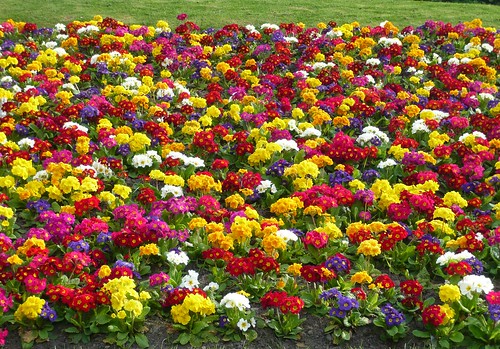
If you are looking for a show stopping display of spring flowers then why not try planting   primary colours of Red, Blue and Yellow in the same bed.

A sweeping display of blocks of colour contrasting with the other primary colours can have a stunning effect. Over planting with primary-coloured annuals will help the design continue through summer. This list starts off with bulbs in the primary colours but you can use whatever takes your fancy,  as you will see, I like Polyanthus.

More Primula seeds from Thompson & Morgan

Reds mainly Tulips

  • Small early red Tulips are Daylight and Show-winner.
  • For elegant Tulip shapes try Fosteriana Red Emperor, Charles or the more muted Rosy Dream.
  • Abba and Carlton are doubles to sing about.
  • Appledorn, Hollands Glory and Red Impressions remind you where most tulips come from but Barbados is a stunning fringed red to add to your selection.

Blues avoiding Purples

  • Muscari Azureum or other Grape Hyacinths are some of the best blues. I like Blue Spike, Super Star and Valerie Finnis.
  • Hyacinths, Crystal Palace, Blue Star, Delft Blue, Ostara and Kronos are just some of the blue varieties to try. Personally I would not bother with the yellow Hyacinths such as City of Harlem
  • Camassia, Chinodoxa and Anemone ‘Lord Lieutenant’  are varied bulbs flowering blue.
  • Dutch Iris are some of the finest blue flowers, Hildegard and Sapphire Blue. Iris reticulata, Joyce and Cantab are also well worth growing.

Yellow Aconites to Zantedeschia

  • For something a bit different try yellow Iris Danfordiae, Fritilliaria Raddena or Ixia Yellow Emperor.
  • Crocus species Chrysanthus Dorothy, Fuscotinclus and Romance are small yellow crocus whilst Golden Mammoth is just what it says, Golden and Mammoth.
  • Jonquilla Daffodills grow to about one foot and bloom freely. Baby Moon, Trevithian and the double Pencrebar are worth trying.
  • King Alfred did more than burn the cakes he had ‘the’ yellow Daffodil named after him.
  • Tamara, Carlton and Fortune are worthy substitutes
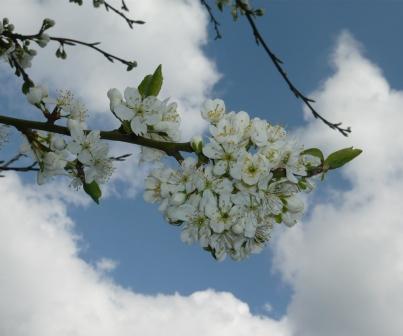
Japanese Mume an Apricot or Plum

Japanese Mume an Apricot or Plum

The Japanese have a long and detailed affair with fruit tree blossom. Apricots, Prunus armenaica and Plums, Prunus salicina are well known to western gardeners but what of Mumes.

What are Prunus Mume or Mumes

  • The wild Mume has single white or pink flowers in February-March which cluster densely on dark brown branches.
  • The flowers are intensely fragrant that has encouraged the breeding of many 100’s of cultivars throughout Asia.
  • The blossom opens before the Cherry blossom season and is the harbinger of spring.
  • A ‘Mume’ is a green to yellow, downy fruit with a groove running the length of the fruit from the stalk.
  • Prunus mume, commonly known as ‘ume’ is also confusingly called Japanese apricot, or Chinese plum.

Uses of a Mume

  • The tree is cultivated for both  fruit and flowers.
  • Old decorative trees are venerated and used near temples.
  • Mume are grown as Bonsai to flower at the new year. Wild varieties perform best.
  • The flowers are the subject of many traditional painting in Japan and Vietnam.
  • The fruit is grown as a crop although it is very sour.
  • In Japan the fruit is dried in the sun and preserved in salt to make a pickle.
  • They can be put with sugar into strong alcohol to make a drink like cherry brandy.


Tip

Prune stone fruit like plums and apricots in summer. In winter the wounds do not heal and trees are susceptible to silver leaf and infections.

Seedheads for Display and Drying

Seedheads for Display and Drying

Allium seeds


Alliums produce some of the most interesting seedheads. Each capsule is about to burst on this Allium cristophii (AGM) sending dozens of hard black seeds to perpetuate the family.

There are over a thousand species of Allium or onion and this is one of the most eye-catching of them all both in flower and in seed. Large flowered Alliums should be planted in groups of odd numbers to enhance the effect. They like a sunny site where it will tolerate competition from other roots. Each spherical flower-head helps create a perfect ball shape. The complete stem will last for many weeks as part of a dried flower arrangement.

Other Plants to Grow for their Seed Heads

  • Pampass Grass (Cortaderia selloana) for the large fluffy plumes and a whole range of other grasses
  • Teasels (Dipsacus) to feed the birds and to catch the frost
  • Honesty for the shimmering white seed heads
  • Iris Foetidissma for the red berries bursting out of the seed pod
  • Paeonia lactiflora for the red furry seed head
  • Zea Mais, Mexican Corn on the cob for the multi-coloured cobs after drying
  • Papaver, Phlomis fruticosa, Phlomis samia/russelliana, Phormium tenax are also recommended by the gardener

Book Cover

Orange Flower Photo Club

Orange Flower Photo Club

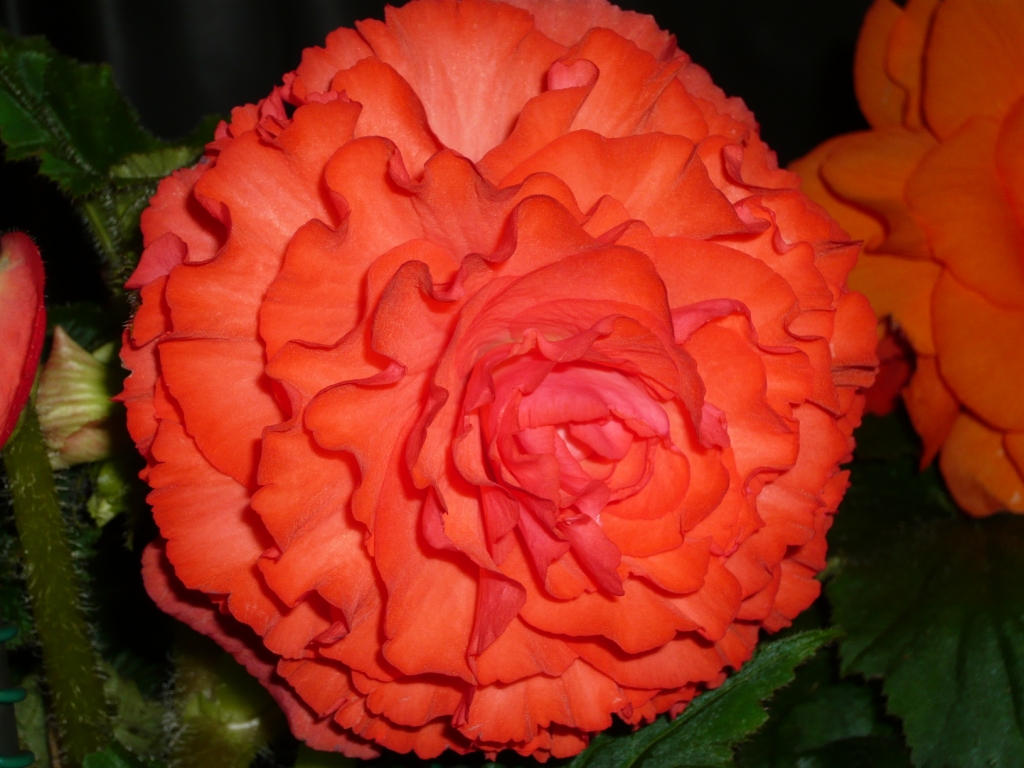
I have just bought a non-stop flowering begonia cunningly entitled ‘Begonia Orange’. Here are some more orange blooms until the begonia gets going.
Harewood 052

We host a lot of our pictures on Flikr but regrettably I do not include much in the way of description, comment or location.

One feature of Flikr that I am using more progressively is the Groups feature. Here you can link your pictures to the club or group by theme. Some gardener related themes are based on flower colour or family grouping like Iridacea. I have posted several Orange Flower Photos to the club link.

Madiera mch11 415

Flikr Orange Group Rules

  • Post your pictures of Orange Flowers to the group and your photos will get many more views than they would in a general flower group.
  • There are currently 3874 members displaying a total of 17,760 flowers photos. (Oct 10 2011)
  • The simple rules allow you to post 3 photos a day to the group.
  • Real flowers only that are as close to their original appearance in nature as possible.
  • Pictures should feature the flower or flowers, preferably up close. lease do not post pictures where the flowers are only a small focal point.They should be the main part of the picture.
  • Don’t post the same picture to more than one of the color flower groups. Decide which color group it best fits, and only post it to that group.

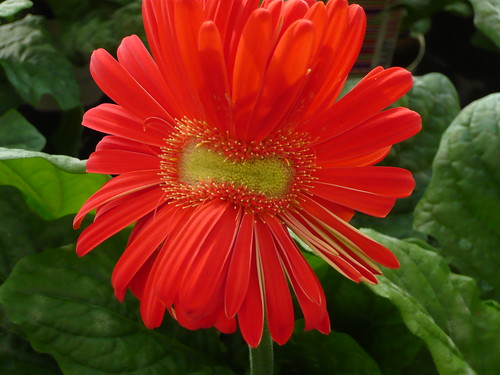
gerberas a smile
This Gerbera has been distorted by nature and other flowers from the same plant are unlikely to be the same. This feature is called fascination and can happen in many species of plants.

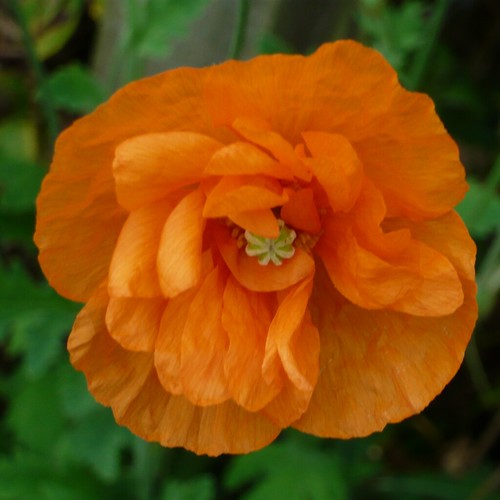
Poppy Polly

This poppy hints at the tints of orange from just off yellow through to the near full blooded red with orange overtones in the begonia in the featured image on the blog.

See our colour wheel article

Hippophae rhamnoides with Orange Berries

Hippophae rhamnoides with Orange Berries

Sea Buckthorn

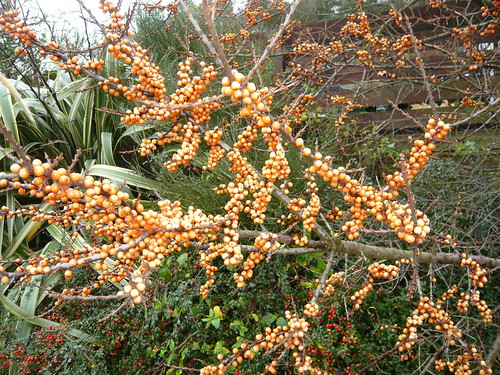
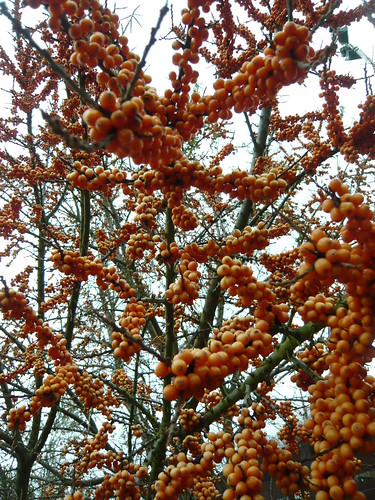
Hippophae Rhamnoides also called Sea Buckthorn, is related to Elaeganeous and is shown here and below with it’s heavy crop of attractive Apricot coloured berries. The shrub can grow to over 15 feet but makes a nice ornamental feature. It flowers in spring followed by narrow silvery leaves through summer. Each plant is either male or female and you need both for pollination and only the female produces these great berries.

There are only 3 species of Hippophae. Hippophae elaegnaceae is excellent for seaside locations and is wind resistant. The orange berries are often retained on the plant through winter as they are a bit acid for the birds. They can and are cooked for human consumption.

Hippophae salicifolia has sage green leaves and can grow into a small tree with pendulous branches.

Tips Propagated from seed they can also be grown from root cuttings, suckers or layered.
Look for Hippophae sold under these alternative names as well as Sea Buckthorn, Seaberry, Siberian pineapple, or Alpine Sandthorn.
The berries are used in herbal medicine for a variety of ailments.

Hipppofea

Read More Read More

Pittosporum for Leaves & Flowers

Pittosporum for Leaves & Flowers

Madiera mch11 466

Pittosporum is a large genus of evergreen shrubs or small trees. The foliage is in demand for floristry and the shrubs make an excellent evergreen plant if the conditions are mild.
Most varieties have small scented white flowers and produce better flowers in warm conditions.

Pittosporum are also called Japenese Cheesewood

Cultivation of Pittosporum

  • Pittosporum Dallii and Pittosporum patula and Pittosporum tenufolium are more hardy species in the UK.
  • Pittosporum will grow well in seaside locations if the climate is mild.
  • Most plants originate from Australasia and like hot dry conditions.
  • Some varieties of Pittosporum produce small red berries.
  • Pittosporums can also be grown indoors as bonsai.
  • Larger plants can be used as a climbing-frame for lightweight late-flowering clematis.
  • Pittosporum tenufolium can have leaves with wavy margins and most have interesting colour, from bronzed plum to the bright butter-yellow of `Golden King’.
  • Tenuifolium ‘Purpureum’, has purple-bronze foliage and rapidly makes a decent-sized small tree

Madiera mch11 286

Selected Varieties

Read More Read More