Browsed by
Category: Articles

Gardening articles that may not include tips

Bonanza of Nasturtium Flowers

Bonanza of Nasturtium Flowers

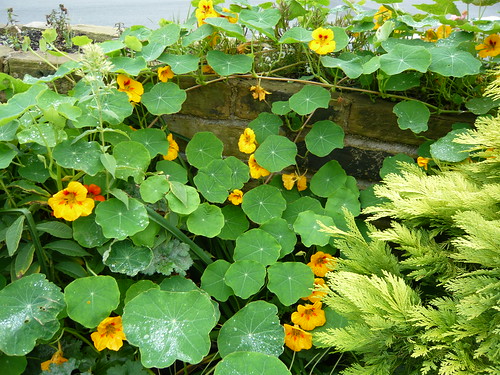
When it gets backendish as October begins to give way to colder nights, have a look around your garden.
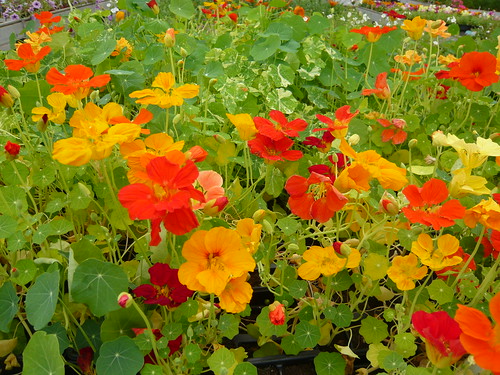
The Nasturtiums are still flowering strongly as they clamber up this wall but one good frost will see them turn soggy and die. As Nasturtiums are good at self-seeding I will doubtless get many new plants next year without any effort.

Nasturtium
Tips Growing Nasturtiums

  • Nasturtiums do well in poor soil. If the soil is too rich then you will get more leaf than flower.

Read More Read More

Gardening Magazines Top 10

Gardening Magazines Top 10

New Picture (4)

Top Ten Gardening Magazines

Gardens Illustrated a respected glossy that aims to be a ‘style bible’ for serious gardeners.
Gardeners’ World, the UK’s biggest selling monthly gardening magazine provides you with key practical advice and tips, just when you need it! You can get a subscription by clicking the link on the right.
Grow Your Own delivers clear practical advice every month. Especially good for vegetable growers.
Garden News a weekly newspaper format with offers and articles. 50 years old this year so they get some things spot on.
The English Garden seeks out gardens from ‘the length and breadth of the country’
Amateur Gardening weekly features some of the most trusted names in gardening, including Anne Swithinbank, Peter Seabrook and Bob Flowerdew.
Garden Answers provides 50 answers to you questions per issue
Kitchen Garden for gardeners who love to grow their own fruit and vegetables whether this is on the allotment or vegetable patch.
Homes and Gardens and House and Gardens joint 10th are glossys with an inspiring mix of stunning houses, glorious gardens, gorgeous decorating and contemporary products for your home.
Organic Gardening have gathered the basics of organic gardening for you here. You’ll be able to find where to get your soil tested, learn how to manage pests without using chemicals, and read growing guides for vegetables and flowers.

Special Mentions

The Garden the RHS monthly magazine (free with a subscription) full of handy gardening tips, ideas and superb photography so you’ll have the latest gardening issues to hand.
The Plantsman (shown above) is an excellent quarterly from the RHS with negligible advertising, through research and detailed articles.
Garden Design Journal quarterly is the only gardening magazine in the UK dedicated solely to garden design.
Which Gardening is an excellent way of being kept informed on the best way to spend or save money in your garden.

Do not forget the link on the right for a couple of the above subscriptions.

Rudbeckia Choosing and Growing Tips

Rudbeckia Choosing and Growing Tips

York

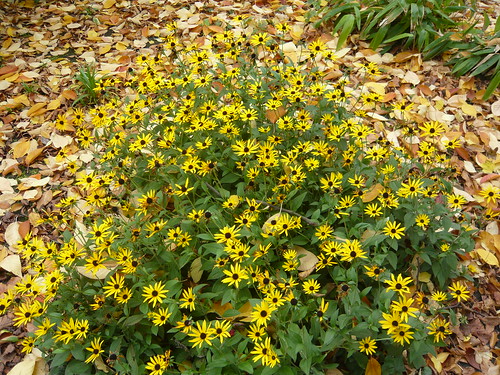
Over 1500 posts are available on Gardeners tips and Rudbeckia has been covered several time before. I make no apology for this as they are a handsome plant worth considering for their long flowering season that lasts well into autumn.

Rudbeckia are perennial plants that form rounded clumps. They are easily raised from seed available from Thompson Morgan and other merchants.  Plants will grow in semi-shade or full sun without much help.

Types of Rudbeckia to Grow

  • Rudbeckia hirta is probably worth growing as a half-hardy annual.  Named varieties include Goldilocks, Irish Eyes, Toto, Autumn Forest and Prairie Sun.
  • Rudbeckia missouriensis is a rockery sized plant growing 12-16″ and flowering profusely
  • Rudbeckia laciniata will grow up to 10 feet tall in moist soil and flowers with a lemon petal and green centre.
  • Rudbeckia maxima is even taller than laciniata with blue green leaves and large ray flowers.
  • Rudbeckia speciosa is a traditional hardy plant like the one shown above.
  • Rudbeckia occidentalis Green Wizard has a brown centre with green petals on the flowers.

Read Other Rudbeckia Posts

Or buy the definative book ‘Rudbeckia: Rudbeckia Hirta, Rudbeckia Fulgida, Rudbeckia Laciniata, Rudbeckia Triloba, Rudbeckia Pinnata, Rudbeckia Maxima, Rudbeckia Alpicola’ from amazon for under a tenner.

Gardeners tips on Easy Autumn Rudbeckia

Gardening as a Business

Gardening as a Business

Book Cover

How to Start Your Own Gardening Business
An Insider Guide to Setting Yourself Up as a Professional Gardener is a useful tutorial if you want to set up a gardening business. I recommend you consider your aspirations and limitations carefully and either set up a ‘Life Style business’ or consider becoming a qualified, professional career gardener.

Life Style Gardener

  • There are many jobs from spring onward for jobbing gardeners. Lawyers hang out a shingle but for gardeners a post card in the post office usually suffices.
  • Labouring on hedges and lawns for the infirm or doing small construction and garden maintenance projects are within the grasp of most hobby gardeners.
  • If your work is good then word of mouth should get you lots of referals.
  • Hourly rates in the North of England vary from £6- £20 per hour depending on the level of horticultural skill, experience and quality of garden. Ask around amongst those already in business.

Career Gardener

Read More Read More

New for Ponds or Renovated Ponds

New for Ponds or Renovated Ponds

I may be behind the times but here are some new, or new to me, ideas to enhance your garden pond this summer.

New Pond Design

‘Islandscapes’ and Floating Planters

‘The Next Big Wave In Ponds’ (Oh please) ‘enhance the beauty and biological health of ponds, providing innovative filtration and a lush growing environment for terrestrial plants. lslandscapes offer food and fun for fish, frogs and other wildlife’ according to the blurb on Freedomponds.com
Velda do several floating planters made in covered styrofoam.


Ecopond Tadpole Food

I have to admit to never thinking of feeding tadpoles but if I did here is the answer. Ecopond Tadpole Food provides the nutrition that tadpoles need up to the point where they develop back legs (4-6 weeks after free swimming begins). See also frogspawn tips on Gardeners Tips

Preformed Ponds

Pond

Rubberised or rigid plastic ponds are one of the easiest methods of creating a new pond. I bought one in a kidney shape with 3 different depths created by shelves. It saved a lot of hard work once I had dug an appropriate hole!
In one garden I saw such a preformed pond raised up rather than buried and think that is a creative idea if you can support the weight of water.

Pond Liners

Now you can cover black PVC liners with a stone coating. This makes the black edge of a pond look natural with a pebble or stone finish. Sold in various widths it could be used to finish off a butyl lined pond or as a run off into your garden proper. The brand I have seen is Oase Stone Liner.

All these products are available from the links above or a specialist like Bradshaws of York. Amazon supply the preformed ponds.

Pond Renovation

  1. As winter approaches all ponds need a bit of tlc to see them through the winter.
  2. If removing dead leaves and waste from the bottom of the pond leave the sludge on the edge so any small creatures can crawl back into the water.
  3. Repair leaks to prevent having to regularly top up the water. Evaporation is unavoidable so you may want to think of easy top-up methods.
  4. Create ways of stopping leaves dropping into the pond. Nets are unsightly unless semi submerged. Barrier hedges of box to stop prevailing winds may help.
  5. Make edges safe and secure. Reinforce and renew if necessary any childproof measures.

Read more on Preformed Pond Shapes including installation tips.

Crocus Buying & Cultivation Tips

Crocus Buying & Cultivation Tips

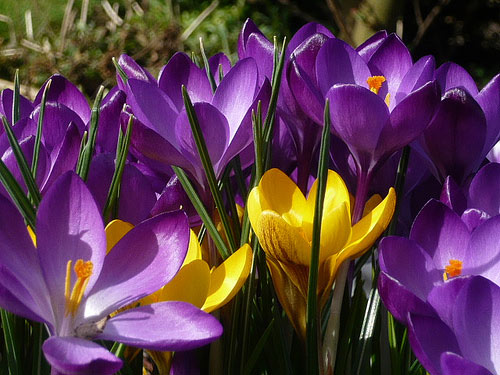
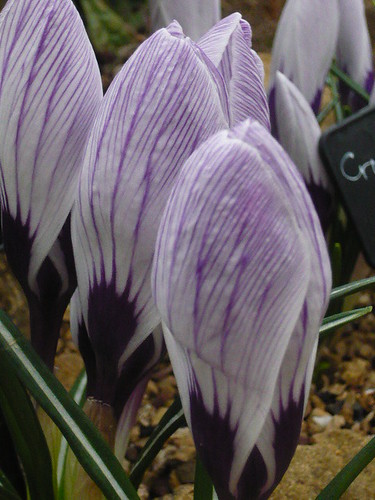
Croci?

Crocus Cultivation Tips


  • Allow foliage to die back. Do not tie foliage because it weakens the bulb and flowers for next year.
  • A little bonemeal in spring will help build up corms and bulbs for next year.
  • Crocus often like a rather heavy but well drained soil. Enrich sandy soil with leafmould.
  • If troubled with mice or squirrels eating corms, place wire netting just below the soil surface.
  • Bring a pot of Crocus into the house when the first buds show and keep in a light cool spot.
  • Allow species crocus to self seed to increase your display in years to come.
  • Suspend black cotton over the buds to stop them being attacked by birds.
  • After the foliage fades Crocus can be lifted and split every 4-5 years to avoid over crowding. Leave them be if they are naturalised under grass.
  • Mulch with garden compost only sparingly 5cm deep.

Types of Crocus

Colchium Autumnale Album

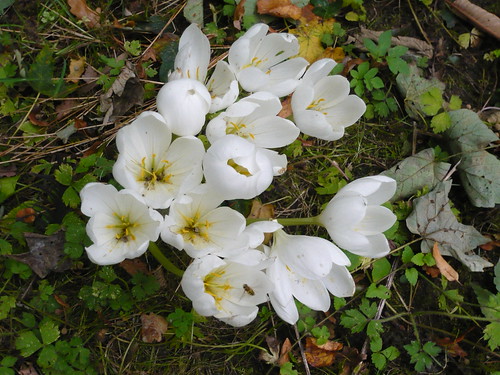
  • Autumn Crocus  flower before the leaves and are also sold as Colchium. If autumn is dry water the corms.
  • Crocus vernalis tend to have larger bulbs and spring blooms.
  • Crocus chrysanthus like sun or light dappled shade and a lighter soil.
  • Species Crocus Tommasinianus, C.sativus, C. angustifolius C. biflorus, C. korolkowii and C. olivieri will grow well under a late leafing shrub.

ledsham crocus

Buying Hints and Advice

  • Buy firm plump bulbs.
  • Avoid bulbs that are in the least bit soft.
  • Avoid bulbs which are already sprouted and showing green.
  • Avoid any bulbs that show signs of fungus, spots, rot or mould.
  • Buy as soon as Crocus become available and plant September-November

crocus

I have just planted 100+ crocus around a new Paperbark Acer and a similar number in a variety of pots and containers. When the containers have flowered the crocus will be fertilised and planted out.

See our other photos
Bulb: A Hand-Picked Selection of the World’s Most Beautiful Bulbs by Anna Pavord is a personal selection and authoritative guide to the most gorgeous bulbs on the earth.
Anna Pavord, world-famous author of “The Tulip”, writes charmingly about her favourite subject from Acis to Zigadenus via Tulip and Crocus.

Paw Paw Fruit Trees

Paw Paw Fruit Trees


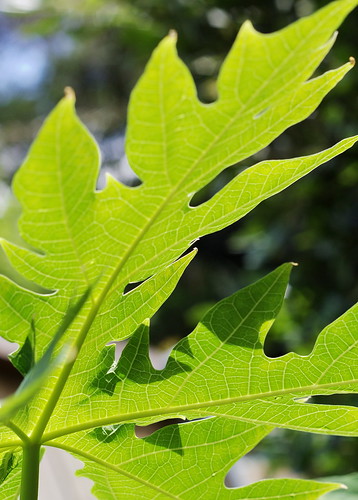
2010-02-05 10-26-42 Paw Paw leaf intricate patterns - IMG_1565


I never thought about growing exotic fruit like the Paw Paw That was until I saw a tree for sale in Thompson Morgan’s catalogue. The sun accentuates the intricate pattern in this paw paw leaf.

Asimina triloba Papaw or North American Paw Paw

  • This hardy pawpaw produces solitary, cup-shaped flowers and large, exotic foliage.
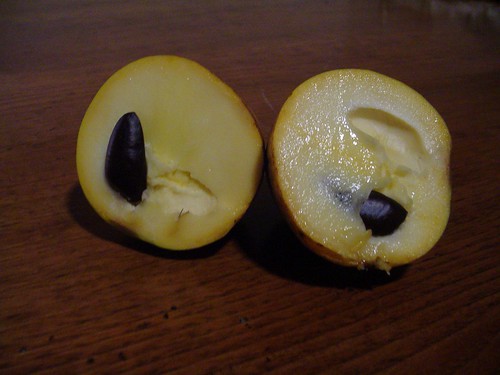
  • During long, hot summers it will produce edible fruits with a delicious, tropical flavour, that can be harvested from September.
  • In cool climates the Paw paw or Red Indian Banana forms an attractive multi-stemmed plant that makes an unusual addition to the shrub border with its buttery yellow autumn foliage.
  • Pawpaws are self fertile, and pollinated by insects, however the chances of pollination will improve when growing more than one paw paw.
  • Alternatively the flowers can be hand pollinated.
  • Height and spread to 19’ so they do need a spacious garden.
  • Happiest in full sun or dappled shade

Asimina Triloba / Paw Paw


‘Pawpaw (Asimina) is a genus of small clustered trees with large leaves and fruit. Growth Habit: The pawpaw is a deciduous, often narrowly conical tree growing from about 12 feet to around 20 feet. Pawpaw trees are prone to producing root suckers a few feet from the trunk. When these are permitted to grow, the single-clone pawpaw patch comes into being. The prevailing experiences of many individuals is that the pawpaw is a slow grower, particularly when it is young. However, under optimal greenhouse conditions, including photo-period extension light of approximately 16 hours, top growth of up to 5 feet can be attained in three months.

Read More Read More

Grow Healthy Hydrangeas

Grow Healthy Hydrangeas

Hydrangea

There are several types of Hydrangea to consider. The Mop Heads or Hortensia above, the lace caps or other species. They are a rewarding group of plants to grow well but need the right conditions to excel.

Provide Suitable Growing Conditions

  • All hydrangeas thrive in moist well drained fertile soil.
  • Too wet and humid and you may get root rot and botrytis on foliage.
  • Hydrangeas appreciate partial shade.
  • Shallow chalky soil or light sandy acid soil may cause yellowing of leaves. To cure this water or foliar feed with Epsom salt (Mangenisum Sulphate).
  • Hot dry conditions can encourage powdery mildew.
  • Hydrangeas can be prone to insect attack from Aphids, Red Spider mite, Capsid bugs and even Vine Weevil.


Hydrangea
 Lacecap

Flowering Problems

  • The main cause of non-flowering is pruning too hard and cutting off the buds. Just trim off the old heads in spring to the first fat buds.
  • The failure of flowers to turn blue is caused by a shortage of trace elements of Aluminium. This is available in acid soils but not alkaline soils.
  • Some species will change from pink to blue by using a proprietary preparation or colourant. This is unlikely to work when the soil is too alkaline.
  • If you have a pink flower this can be enhanced by applying limestone or chalk during winter.
  • White flowers remain white whatever you do. Some fade to a pink tinge.

8 foot hydrangea


Other Sources of information

Hydrangeas available from Thompson & Morgan

See Help to change Hydrangea colour
Hydrangea Hydrangea an enthusiasts site

Amazon for Hydrangea books