Browsed by
Author: hortoris

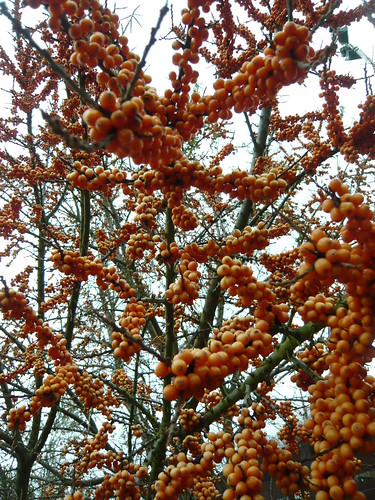
Hippophae rhamnoides with Orange Berries
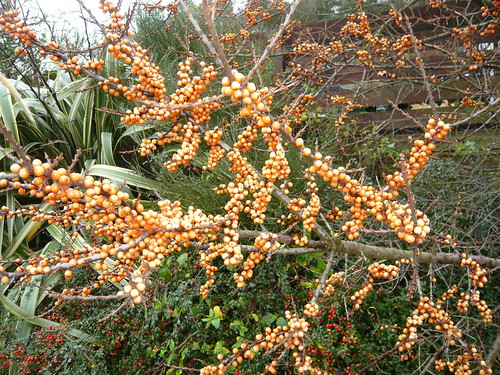
Hippophae rhamnoides with Orange Berries

Sea Buckthorn

Hippophae Rhamnoides also called Sea Buckthorn, is related to Elaeganeous and is shown here and below with it’s heavy crop of attractive Apricot coloured berries. The shrub can grow to over 15 feet but makes a nice ornamental feature. It flowers in spring followed by narrow silvery leaves through summer. Each plant is either male or female and you need both for pollination and only the female produces these great berries.

There are only 3 species of Hippophae. Hippophae elaegnaceae is excellent for seaside locations and is wind resistant. The orange berries are often retained on the plant through winter as they are a bit acid for the birds. They can and are cooked for human consumption.

Hippophae salicifolia has sage green leaves and can grow into a small tree with pendulous branches.

Tips Propagated from seed they can also be grown from root cuttings, suckers or layered.
Look for Hippophae sold under these alternative names as well as Sea Buckthorn, Seaberry, Siberian pineapple, or Alpine Sandthorn.
The berries are used in herbal medicine for a variety of ailments.
Hipppofea

Read More Read More

Lawns are not Eco Friendly

Lawns are not Eco Friendly

January Lawn

The green swards in front gardens throughout the UK are not as environmentally friendly as you may think.

Environmental Issues with Lawns.

  • 3 million lawns are mowed several times a year – that must be equal to 250 million miles. Petrol mowers, particularly old mowers, produce more greenhouse gas than cars. Electric mowers are not a lot better but who uses a scythe these days. Even a mechanical push style mower has used natural resources in its manufacture and delivery.
  • Feeding lawns with chemicals should be an environmental no-no. Leave clippings on the lawn to rot down instead.
  • Watering the lawn is unnecessary but is still undertaken by many at the height of the summer when resources are scarce.
  • Weed treatments, even if following organic guidelines, are likely to kill off the food and natural habitat of some creatures.

Environmental Tips for Lawns

  • Do not cut the grass too short. Longer leaves shade others and thus save moisture.
  • Short lawns weakens the grass and scalping encourages moss.
  • Wild flower meadows look good, need no feeding and provide seed and habitat for a variety of wildlife.
  • Clover is too be encouraged in lawns, it feeds the soil and the flowers provide food for bees.

wild flowers

Pittosporum for Leaves & Flowers

Pittosporum for Leaves & Flowers

Madiera mch11 466

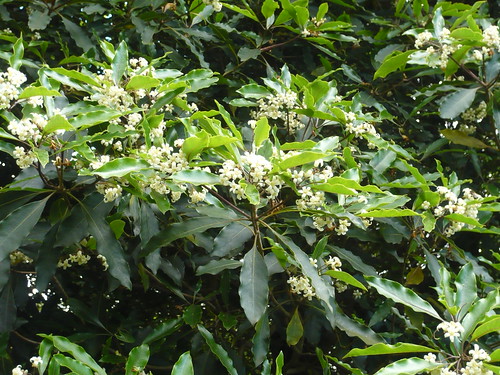
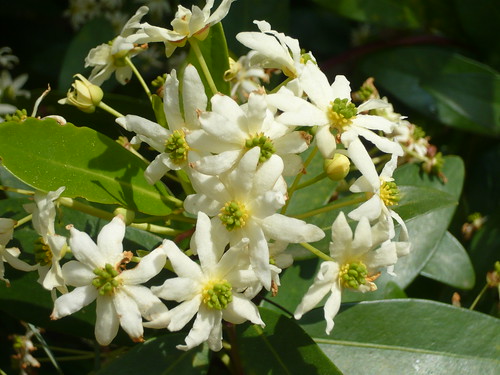
Pittosporum is a large genus of evergreen shrubs or small trees. The foliage is in demand for floristry and the shrubs make an excellent evergreen plant if the conditions are mild.
Most varieties have small scented white flowers and produce better flowers in warm conditions.

Pittosporum are also called Japenese Cheesewood

Cultivation of Pittosporum

  • Pittosporum Dallii and Pittosporum patula and Pittosporum tenufolium are more hardy species in the UK.
  • Pittosporum will grow well in seaside locations if the climate is mild.
  • Most plants originate from Australasia and like hot dry conditions.
  • Some varieties of Pittosporum produce small red berries.
  • Pittosporums can also be grown indoors as bonsai.
  • Larger plants can be used as a climbing-frame for lightweight late-flowering clematis.
  • Pittosporum tenufolium can have leaves with wavy margins and most have interesting colour, from bronzed plum to the bright butter-yellow of `Golden King’.
  • Tenuifolium ‘Purpureum’, has purple-bronze foliage and rapidly makes a decent-sized small tree

Madiera mch11 286

Selected Varieties

Read More Read More

Growing ‘Just Joey’ Hybrid Tea Roses

Growing ‘Just Joey’ Hybrid Tea Roses

Just Joey

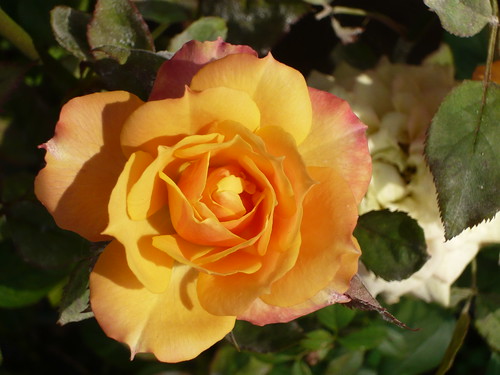
I love the formal Hybrid Tea Roses like ‘Just Joey‘.
Just Joey is a hybrid, bred from Fragrant Cloud and Dr A J Verhage. These parents gave the rose glossy green leaves and very fragrant, orange blooms.
Blooms arrive in flushes throughout the season each having 30 petals so they have an open appearance.

Growing Tips

  • Remove old canes, dead or diseased wood and canes that cross, in spring.
  • Cut back the remaining stems by about one-third or a half.
  • As with all HT  roses give them a good feed in spring then every 6 weeks and mulch to keep in moisture.
  • When buying a bare rooted or container plant look for at least 3 strong stems.
  • Soak in water before planting.
  • Just Joey may  occasional repeat flower later in the season but is a slow starter in very cold spring weather.

Description of Just Joey

Growing at School (a Gardening Scheme)

Growing at School (a Gardening Scheme)

Sunflower -Valentine

Gardening is not lesson time but fun time even if you do the growing at school. ‘The ‘RHS Campaign for School Gardening’ aims to inspires and supports schools to provide children with gardening opportunities to enhance their skills and boost their development.’

Quick Result Seeds

  • Sprouting seeds that grow in a jar without any soil.
  • Mustard and cress a salad crop you can grow on a wet facecloth or old sponge.
  • Annual seeds flower for just one year. They can be bought in mixtures containing lots of different plant seeds.
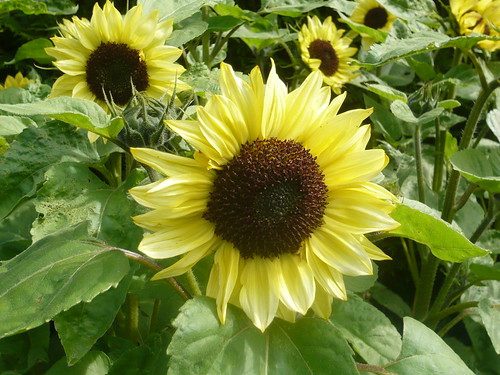
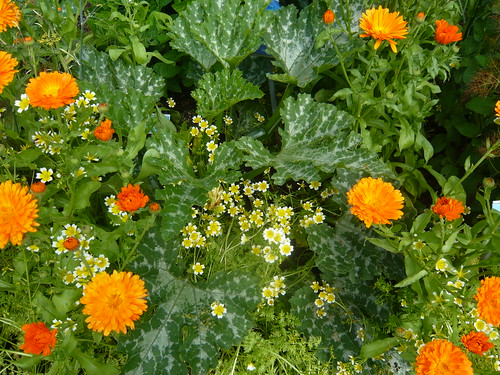
  • Pot marigolds also called Calendula have big seeds,  bright yellow or orange flowers and flower the same year they are planted.
  • Sunflowers are ever popular link
  • Annual seeds from Thompson & Morgan

More about the Scheme

Companion Planting

  • Waitrose, Marshalls, Dorset Cereals and the RHS are promoting a Campaign for School Gardening. The aim is to provide pupils with hands-on learning opportunities in school grounds to grow plants and garden sustainably.

Read More Read More

Liverwort Problems and Cures

Liverwort Problems and Cures

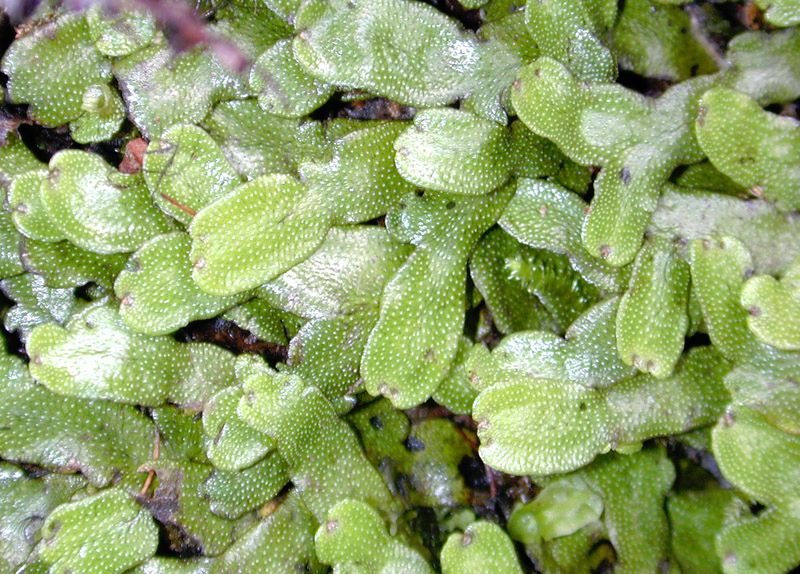
Liverworts are primitive plants that can become a nuisance in plant pots and lawns. Liverworts are related to mosses and can look like slimy Algae.

Liverwort Varieties

  • There are 300 species of Liverwort native to the UK and up to 10,000 worldwide.
  • Thallose Liverworts have a flattened, plate like body, called the thalus, and no leaves.
  • A common thallose is Marchantia which is topped with an umbrella like sexual organ.
  • Leafy Liverworts have two ranks of flattened leaves growing out from a stem and a third under-layer.
  • Instead of bearing regular roots, liverworts anchor themselves with simple appendages known as rhizoids

Liverwort Problems and Cures

  • These plants are a nuisance because they colonise a pot plant and form a crusty surface layer.
  • Liverworts like acidic, moist, shady  conditions so deny them these luxuries where practical.
  • Use free drainage in pot plants especially at the top couple of inches.
  • Liverworts can grow on hard surface and can be treated with acetic or pelargonic acid, (Doff Fast Acting Natural Weed Sprayor Finalsan moss killers)
  • If they infest a damp lawn scrape off the excess and spike to improve drainage. Add lawn sand if desired.
  • Some thallose Liverwort species are aquatic and grow on ponds like flecks of lettuce.
  • Liverworts reproduce by spores or gammea often transferred by water. Water pots from the bottom.
  • Glyphosate and several weed killers will work. Add a few drops of detergent in the water to try to penetrate the waxy surface of the Liverwort.


Read More Read More

Top 500 Gardening Books at Gardeners Tips HQ

Top 500 Gardening Books at Gardeners Tips HQ

400 gardening Books

My Top 420 Gardening Books

I wish to pay tribute and offer thanks to all those who have contributed to the tips on this web site through their words and wisdom in numerous books and published works. It is the inspirational gardeners, plantsmen and horticulturalists that are celebrated by authors, publishers and photographers, that deserve the praise.

If I have failed to cite or reference a particular comment in the past I apologise. I have tried to give appropriate credits and increase sales of some books by offering a link to an appropriate page on Amazon. This should cover the other 80 or so titles that go to make up the top 500.

Gardening Books a pdf  file highlights over 420 gardening books that I dip into from time to time.

If you have a preferred book that I have missed, or if you have written a gardening book yourself let me know and I will add it to our list.

I am an acknowledged hoarder and collecting gardening books became a passion several years ago. Most of my 12 book cases are overflowing as you can see from the picture.

The internet has made information so ubiquitous and freely available that it is good to remeber the fun and tactile joy you can get from thumbing through a specialist book.

RHS Books and Libraries

  • Additionally I volunteered at RHS library at Harlow Carr and helped move the book collection from ‘the old potting shed’ to the superb new Bramall Learning Center.
  • The new library section at Harlow Carr stocks 8,000 books, DVDs, magazines and offers online facilities.
  • Members can borrow books from the RHS at any of the ‘Lindley Libraries’, Wisley, London, Rosemoor and Hyde Hall. I think this is one of the pleasures of RHS membership.
  • There is a web search facility available to members and non-member
  • Lindley Library in London was recently closed after a small fire but should now be reopen.

Notes on my Books file

  • I have tried to arrange titles in a way that highlights the subject matter.
  • The authors should be listed by surname followed by first names.
  • The year published, number of pages and publisher is self explanatory.
  • I have a personal scoring system to highlight how useful or pleased with the book I feel at the time of recording it on the data base.
  • I have suppressed several other columns that are of less interest.

Send us a comment with your favourite gardening book details.

Thank you to those who use our link to amazon when buying a book. The small commission we recive helps pay for the site maintenance.

With around 2000 web pages we have got as much content as many books.

How Stratification of Seeds Helps Germination

How Stratification of Seeds Helps Germination

inula

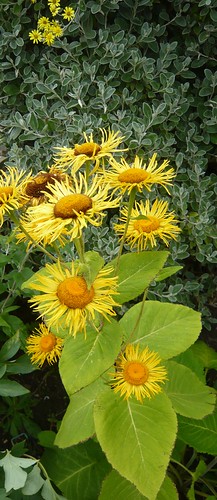
Some seed needs a period of moist cold ‘to break dormancy’ and awaken them into germination and growth.

Many alpine plants, trees and shrubs require exposure to moisture and low temperatures for 30-90 days. This is the conditions they expect in their natural environment and gardeners need to replicate these conditions.

These requirements we call ‘Stratification’.


Methods of Stratification

  • Seed can be sown in January or February and left outside in the UK. Then depending on the species they can be brought into a temperature of 65-70ºF to germinate.
  • Mix the seed with some damp sand, vermiculite or small amount of damp peat. Place in a plastic bag and put the bag into a fridge for 6-8 weeks. Check for signs of germination (sprouting) by looking through the plastic bag.
  • Seed which then fails to germinate should be left outside for another winter. Sometimes they need two cold spells before germinating. Never give up as  seeds want to grow and are programmed to help the species survive.
  • Alternatively, the seed may be sown in small pots filled with moist soil and then the whole thing enclosed inside a plastic bag before placing inside a common refrigerator.
  • Juniper, Cotoneaster and some other species need a period of warmth followed by a cold stratification. So they are best sown in warmth for upto 3 months then placed in a fridge for 3-8 weeks.
  • After undergoing the recommended period of stratification, the seeds are ready to be removed and sown in the nursery bed for germination.

Stratification Tips

  • Use of a fungicide to moisten your stratifying peat or vermiculite will help prevent fungal diseases.

    Read More Read More

Pomegranate Growing & Health

Pomegranate Growing & Health

005

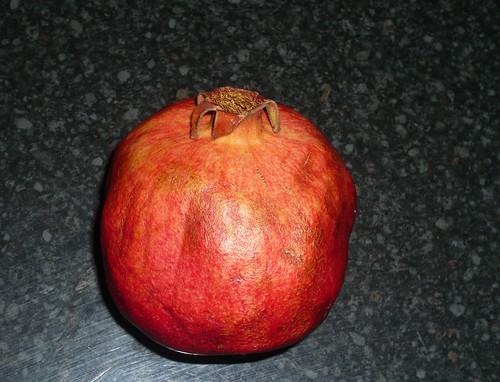
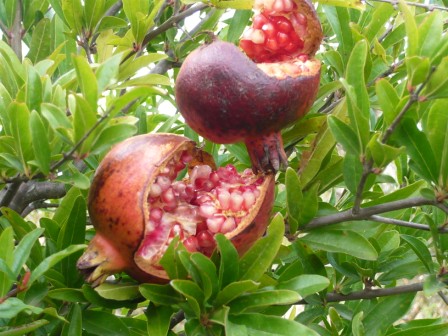
The pomegranate is a native of Iran and Pakistan. The shrub or small tree bears bright red flowers and juicy, if seedy fruit.
Even if placed in the sunniest, warmest part of the garden they will suffer in the UK but with global warming who knows.

pomegranite

The pomegranate Punica granatum can range from a dwarf shrub of 3′ to a small tree of 20-30′.
Pomegranate are supposed to be a frost-hardy bush with glossy green leaves.
I will stick to hot climate grown pomegranates for the sweetness and freshness.

Book Cover

Pomegranate for Health

Some claim recent research points to Pomegranite juice combating many of the conditions of ageing, Alzheimer’s disease, various forms of cancer, heart disease, stroke and hypertension, arthritis, and in protecting the foetus from brain injury. If only a small part was true what a wonder.

More conservatively pomegranate is ‘Naturally rich in Vitamins A, C, E, and Iron, that is great for your heart, circulation and protecting cells against free radicals. Pomegranate is believed to help support the maintenance of the body’s natural free radical defences and is great for your heart and circulation.

It is believed to be one of the most potent antioxidants available, providing Polyphenols and Elligatannins which may help to support the body against cell damaging free radicals.’

Pomegranate is believed to help support the maintenance of the body’s natural free radical defences and is great for your heart and circulation.

Also sold in seed form as Anardana Seeds

Datura, Brugmansia or Angels Trumpets

Datura, Brugmansia or Angels Trumpets

datura

My Datura last year were a perfect white when in flower and I collected fresh seed in good quantity.
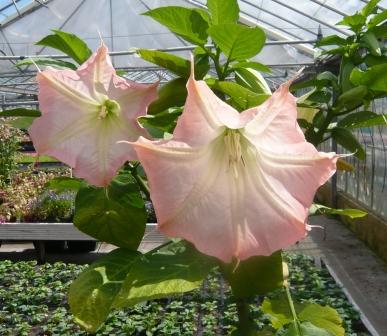
I couldn’t keep the plants frost free so they died. Unfortunately none of the seed have germinated so I am without these large trumpet shaped flowers. I was nearly tempted to buy this pink plant for the green house but resisted to spend the money on something more practical like a new Hoe.

The Brugmansia plant is poisonous and this is reflected in some of the common names; it is know by Devil’s Trumpet, Hell’s Bells, Devil’s Weed, Devil’s Cucumber, Sacred Datura, Angel’s trumpet, Moonflower, Thorn apple, Indian apple, Pricklyburr, and Jimson Weed.

Madiera mch11 152

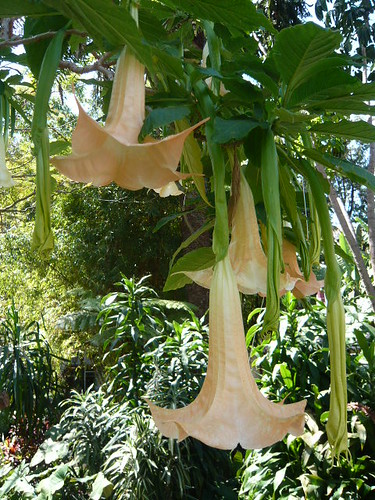
Don’t let this put you off, Datura look great in a large container in a sheltered sunny spot in the garden, indoors or in the conservatory. The scent is fantastic and the scale extraordinary. Plants 6-8 feet high with 18″ trumpet flowers.

Brugsmansia and Datura are explained in far more detail in this book available from Amazon on this link.
Book Cover

Brugmansia Species

  • Brugmansia ×candida is an evergreen shrub growing 10 to 20 feet tall and has white trumpet flowers
  • Brugmansia arborea (tree)
  • Brugmansia aurea
  • Brugmansia insignis
  • Brugmansia sanguinea
  • Brugmansia suaveolens
  • Brugmansia versicolor
  • Brugmansia vulcanicola

More images

Brugmansia differs from Datura in that it is woody, making shrubs or small trees. Brugmansia have pendulous flowers, rather than erect ones. They are both from the Solanacea family.

Read More Read More