Browsed by
Author: hortoris

New Gardeners Should Try Runner Beans

New Gardeners Should Try Runner Beans

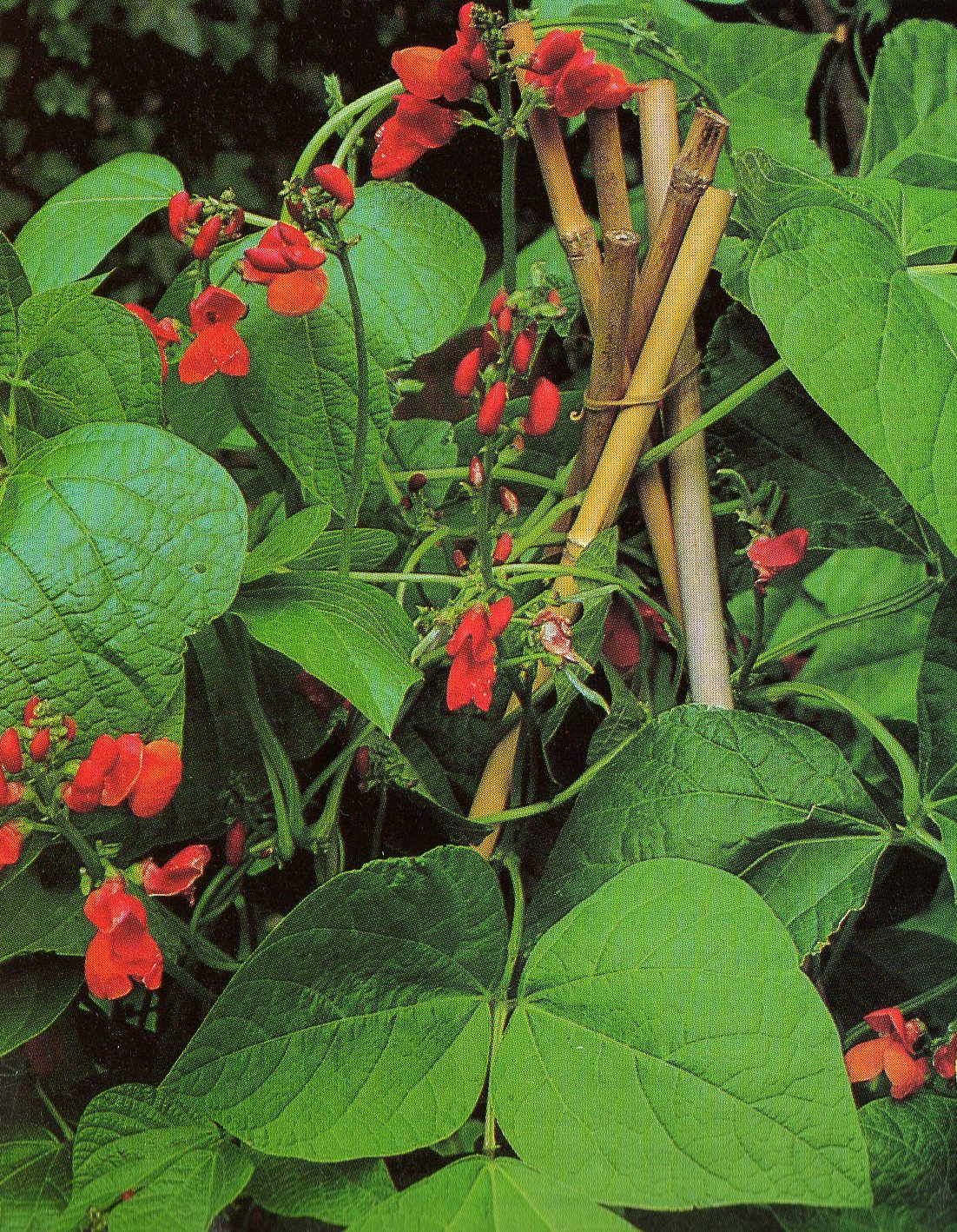
One of the easiest and highest yielding vegetable crops to grow are runner beans. You may not need all these 5 tips to do well but here goes:

  1. I keep some bean seeds from last years crop but a new packet of seeds will germinate in May for planting out as soon as the danger of frost has gone. Alternatively buy plug plants for June delivery. Pests may eat seeds sown direct so I start each seed in a small pot.
  2. Give the young plant something to climb and twine up. A 6′ cane and some wide spaced netting will do.
  3. There should be no more problems before you get a crop but beans are heavy feeders and drinkers so a rich, moisture retentive soil will help and so will a good drink in dry weather.
  4. Flowers, red or white are insect pollinated so do not need to be sprayed with water (an old folks tale).
  5. Pick the bean pods when young and pliable. When they get a bigger bean in the pod they will stop producing new pods. Otherwise the plants will produce until October or so.


Ornamental Berries for New Gardeners

Ornamental Berries for New Gardeners

Some plants give double pleasure by producing berries after their flowers have already performed. Here is my top 5:

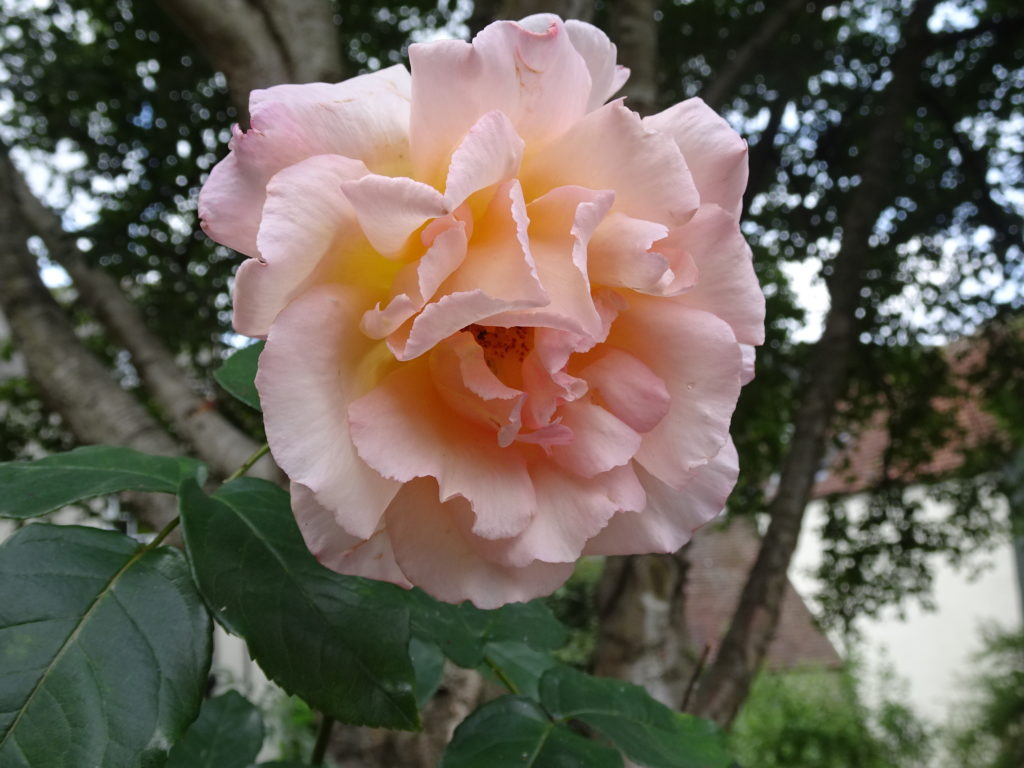
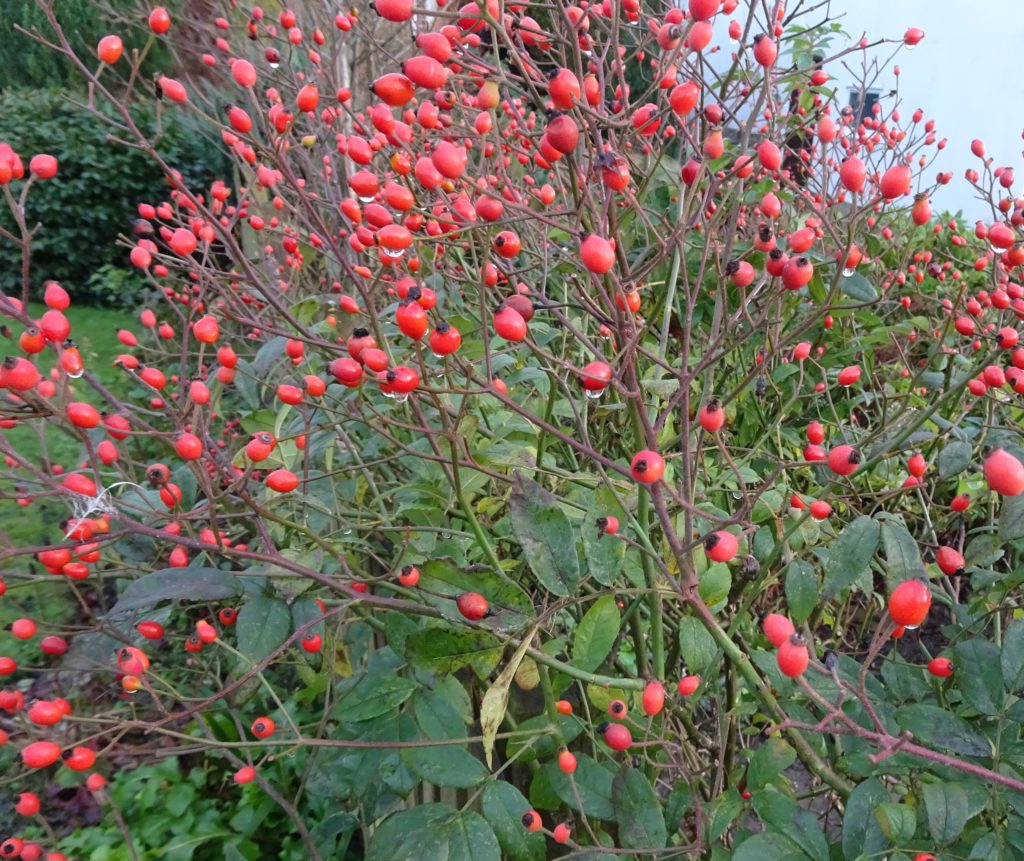
  1. Rose hips shown above come in various sizes and shapes. Ruga roses have large robust berries whilst this ‘Rambling Rector’ produces lots of hips after a grand flush of summer flowers.
  2. Holly berries are a seasonal favorite that on 12th night we take out of the house. Holly bushes are either male or female and it is the latter that produce the berries.
  3. Small black and purple berries are less ornamental but do a good job feeding the birds. Elderberry and Berberis are two larger shrubs that do well in my garden.
  4. Whilst thinking about birds the cottoneaster family can produce prolific feast of berries that get gobbled up in autumn.
  5. I find that the pyracantha berries are not eaten by the birds until winter is in full spate. They are available in red orange and yellow berries and are good structural shrubs an ornamentals.
Support New Plants and New Gardeners

Support New Plants and New Gardeners

New gardeners can improve the look and success rate of their new plants if they give them appropriate support. Stakes for trees, bamboo canes, metal rods or bought systems are all possible forms of support. Here are just 5 ideas.

  1. Bushy perennials grow well through circular frames or netting.
  2. Top heavy plants such as peonies and dahlia are suited to a Y-stake support or a grid of twine.
  3. Pea sticks are useful for supporting shorter front of border plants like penstemon and some annuals.
  4. Clump forming upright perennials like delphinium or Helianthus can be supported with twine or tubes of netting.
  5. Runner beans and climbing beans need good support from wide ‘pea’ netting and a wigwam or line of good canes to support the weight of pods and summer breezes.

See also Supporting Role

Plants For New Gardeners to Grow To Cover a Fence

Plants For New Gardeners to Grow To Cover a Fence

There are several annual plants I would recommend to new gardeners who want to cover an unsightly mess but do not want permanent plants that could impede house maintenance.

  1. Sweet peas give colour and scent and cover rapidly. They tend to go-over later in summer.
  2. Climbing nasturtiums have bright coloured flowers and pungent leaves until the first frost.
  3. Morning glory and canary creeper are half-hardy  are harder to get going but can be very brash.
  4. There are many suitable perennials including various Vines and Ivys. Look around at other local gardens to see what does well before you decide on something that could become permanent.
  5. Most importantly for a good show you should provide something to climb up and cling too. Trellis, horizontal wires or netting most common.


Book Cover

If you need more inspiration check out with Alan Titchmarsh

Five Essentials for New Gardeners

Five Essentials for New Gardeners


  1. A first essential is enthusiasm and an interest in plants, flowers and growing things. You are reading this so you qualify on this first essential.
  2. Know that plants require air, water and a safe home – (soil, plant pot or bit of land).
  3. Seed or plant matter to start life then nourishment to continue living. Even without a gardener’s help bare soil will be colonised, mainly by unwanted weeds in my case.
  4. Size ins’t important you can start to garden on a windowsill or in a plant pot.
  5. I recommend some instant gratification, try acquiring a mature flowering plant or good vegetable seedlings to get you in the mood.
New Gardener’s Sand Tray

New Gardener’s Sand Tray

  1. So cheap and simple a sand tray for cuttings doesn’t need a photograph. Fill a deep seed tray or box with damp horticultural sand.
  2. Use your sand tray to hold small cuttings or plant snippets to help them root.
  3. This method of rooting and growing increases your stock of plants for negligible cost. At that cost you do not need many rooting successes to give you a payback.
  4. Silver leaved plants, perennials, even petunias can be rooted in a sand tray then grown on or be planted in the garden.
  5. Use 2″-4″ young new growth cuttings and strip off the bottom leaves then plunge the bottom third in the sand. It will take a few weeks in summer and a few months in cooler weather to get root growth.
Lavender to be sniffed at By New Gardeners

Lavender to be sniffed at By New Gardeners

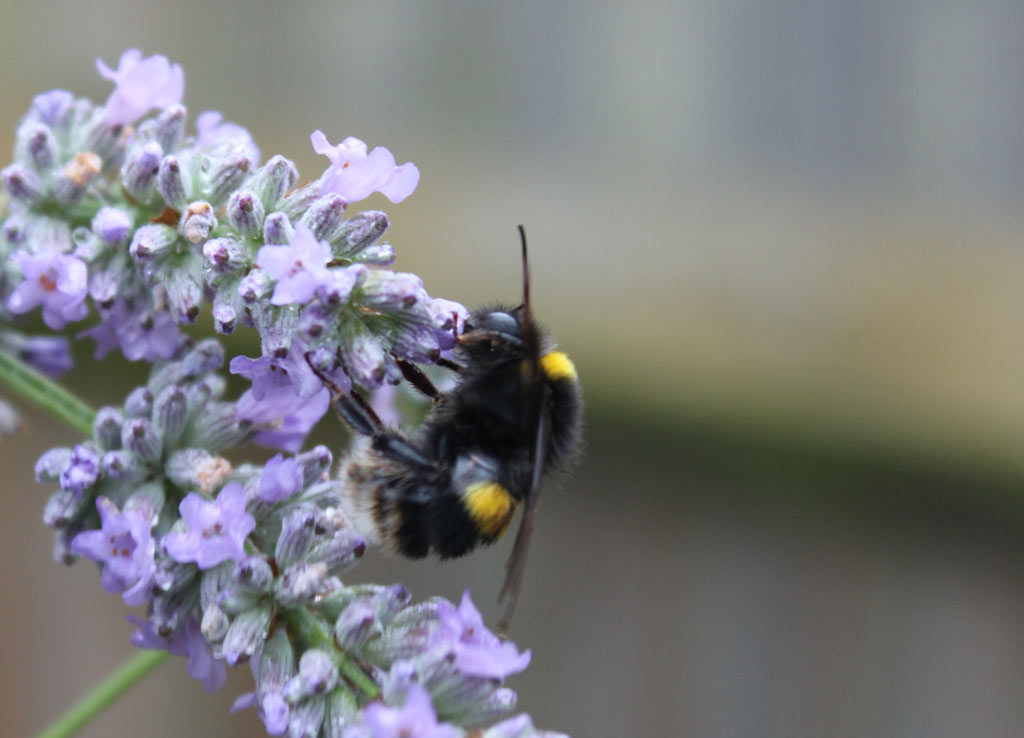
bee lavender

  1. Lavender leaves, flowers and seed heads smell like aunty’s old perfume (and it obviously why she used lavender oil).
  2. The English Lavender is the hardiest of Lavender called angistifolia
  3. Loved by bees they produce stubby spikes on short stems above narrow leaves.
  4. Taller billowing lavender intermedia and French or Spanish tuffted lavender flowerers are less hardy.
  5. Trim or prune lavender after they have flowered. The less hardy the less you should prune.
Let New Gardeners Hear about the Bugle

Let New Gardeners Hear about the Bugle

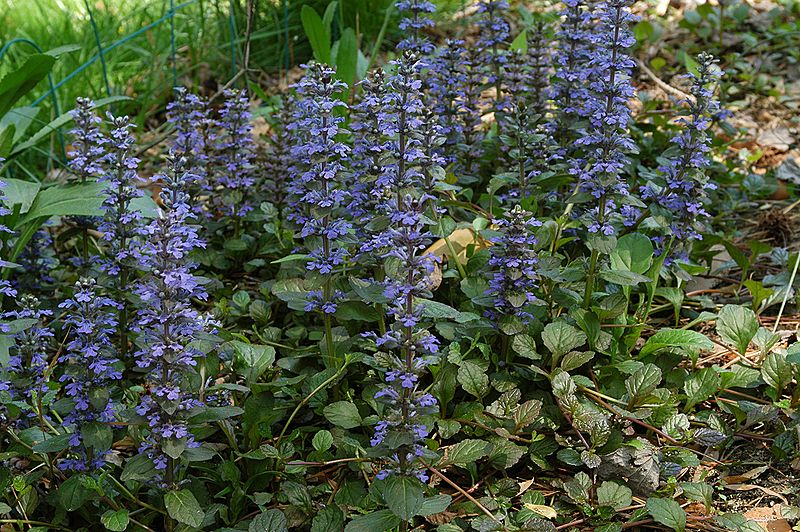
  1. Bugle is a native wild flower with a posh name Ajuga reptans.
  2. Bugle flowers dark blue or purple and will grow in poor soil. That is why it is often used as ground cover or under shrubs.
  3. It sends out stolons, like adventurous roots, to spread quite quickly.
  4. Good varieties include Burgundy Glow and Caitlins Giant
  5. Plants attract bees and are good fillers and good doers. ( To me a ‘good doer’ is a plant that produces more reward than I invest in time or cost to get it flowering)
Five Foxglove Facts for New Gardeners

Five Foxglove Facts for New Gardeners

foxgloves

A colony of Foxgloves not a skulk or earth as in Foxes

  1. In the first year of growing from seed foxgloves produce a rosette of leaves but no flower as they are a true biennial.
  2. In the second summer they produce a  spike of flowers mainly round three quarters of the circumference. After that they usually die or produce a poor plant in the third year. To compensate they produce a prolific amount of seeds.
  3. Cutting off the first flower spike will encourage several smaller new flowers.
  4. Self sown foxgloves tend to flower in purple shades irrespective of the parent plants.
  5. As woodland plants the leaves can look a bit tatty particularly in dry spots.

For a yellow foxglove: see: Yellow Foxgloves

Wicker Wigwam Christmas Gift for Sweetpeas

Wicker Wigwam Christmas Gift for Sweetpeas

Thank you Father Christmas – as I am usually Father Christmas to my children the wicker wigwam was a nice present to get from my offspring.

The wicker wigwam was not wrapped up in Christmas paper nor even adorned with a bit of tinsel. Still as a seasonal present I and the sweet peas will both appreciate the support. Getting height in our  garden has always posed some difficulty as the house has a 3 foot wide path all the way around and it is hard to take advantage of the shelter from the walls or the reflected heat that would be appreciated by the more tender plants. I have still to see a plant pot system that would cater for similar garden layouts perhaps with an oblong tub, half arch or corner feature. Mmmn that has set me thinking.

Plants To Grow up my new Wicker Wigwam

I am renown for over planting and squeezing to much into the available space. It is a feature not just of my garden but my art, hobby collecting and other activities. So I resolve to stick to sweet peas for 2019. I have a few autumn plant seedlings but lost most to mice and or pigeons in late November.

  • The alternative fast climbing plants I could have considered and companion plants around the wicker wigwam include: Morning Glory (Ipomoea triclour) in deep blue or purple. There are  other species in red, scarlet and white with blue dashes. In the past I have found them unproductive. Spanish Flag is from the same family with sprays of tubular flowers often with 3 different coloured flowers maturing at the same time.
  • Climbing nasturtiums are a traditional favourite but leaves far exceed flowers in a rich soil. I plant some near the boundary fence and they self sow for the following year.
  • Tropaeolum speciosum or the Flame Creeper can look spectacular with its flame red bright flowers. If your conditions are right ( rich, moist ,verging on acidic soil; head in the sun roots in the shade) then it can look fantastic and will flower year after year. I have lost several after one season so doubt my gardening skills and conditions.

What the experts say

Indeed as Obelixx says, the willow will look great with your sweet peas, and last about as long! Metal lasts longer, how long depends upon what you paid for it in the first place, and of what it is made – but there is something special about organic support for beautiful flowers like sweet peas – either way- gardeners world

Â