Browsed by
Author: hortoris

Growing Chilli, Sweet and Hot Peppers

Growing Chilli, Sweet and Hot Peppers

Help Growing Peppers

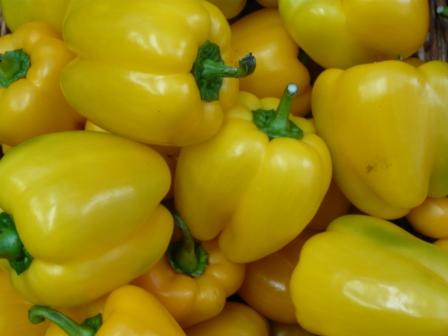
    • Sweet Bell peppers ripen from Green to Yellow, Orange, Red or Chocolate colour.
    • Average plant height is 30 inches and most varieties can be grown in 8 inch pots from seed which takes 1-3 weeks to germinate. Hotter varieties may take a bit longer.
    • Pinch out the growing tip to get laterals and give plants plenty of support
    • A nitrogen feed helps young plants followed by tomato food once flowering starts.
    • Peppers need a long growing season
    • Orange Bell is a productive plant producing typical ‘blocky’, thick walled fruits with delicious sweetness. The fruits start green, ripening to a gorgeous orange.

Hot Chilli Peppers

  • None Bell peppers have conical, curved or long tapered fruit. Arousa is used in Spanish Tapas and Conquistador can be dried then ground to make Paprika
  • Extreme heat is found in the seed oil. Flesh is hotter at the shoulder than the blossom end.
  • Capsicums Chinese are some of the hottest Chilli Peppers around. Seeds from 10 Habanero vaieties and  Scotch Bonnet are able to compete with C. annuum ‘Tepin’ and C. frutescens ‘Zimbabwe Bird Pepper’ for the hottest seeds around.
    Available from Thompson Morgan a seed, Chilli and vegetable specialist.
  • Jalapeno are a traditional early strain popular in tex-mex cooking. They are a mid range heat.
  • Georgia Flame sounds like a good variety for a salsa with thick crunchy flesh.
  • Heat can vary even on the same plant so test several to find a varieties you like.

Gardeners Tips
Naga types need heat to germinate
Cayenne types are generally quite prolific.
Bell peppers have no heat and are ideal for salads, stir fries and stews

Book Cover
The Complete Chilli Pepper Book: A Gardener’s Guide to Choosing, Growing, Preserving, and Cooking


Christmas Poinsettia

Christmas Poinsettia

A favourite indoor plant at Christmas is the seasonally coloured Poinsettia. These potted plants can be better value than a bunch of flowers in December.

  • The picture shows thousands of Poinsettia in a propagating glasshouse.
  • I wouldn’t bother with the pinks and white plants as it is the red and green that reminds me so vividly of Christmas.
  • Poinsettias need special light conditions to get the colourful bracts so I would recommend buying not growing your plants. With care they can be kept but seldom excel twice.
  • Poinsettias are part of the Euphorbia family and originate from Mexico.
  • The flowers are the small yellow centres the coloured section are ‘bracts’ a modified leaf.

 Care Tips

  • When you buy a Poinsettia make sure it is wrapped as exposure to cold will damage it and make leaves drop.
  • Plants showing yellow pollen are mature and will drop leaves quicker than those with closed yellow buds.
  • Place in indirect light, out of a drafts and without leaves touching cold windows.
  • High temperatures above 70°F shorten the plants life.
  • Water when dry to stop the Poinsettia from wilting and dropping leaves plant .
  • Do not fertilise when in bloom.

Poinsettia

Selecting your Poinsettia

  • Do not buy drooping, wilting or yellow leaved plants.
  • Poinsettia should be about 2-3 times the size of the pot.
  • Plants should look full, balanced and attractive from all sides.
  • Chose plants with dark green leaves down to soil level.
  • Select plants where the true flowers are tight and green or tipped red for a longer lasting show.
  • There are over 100 varieties so you may wish to try several.

Growing your Own

  • Our local nursery dedicates two glasshouse to this December crop.
  • Poinsettia need 14 hours a day complete dark for ten weeks before sale to form good bracts.
  • Commercial information can be found in the Poinsettia Growers Guide
  • For more information such as reflowering tips try  ask.com  ….. Poinsettias (Euphorbia pulcherrima) remain one of the most popular holiday flowers.
  • Hybridizers have expanded the range of colors from the familiar red to pastel yellow and vibrant bi-colors. One of the most common questions after Christmas is “How can I care for my poinsettia so that it will bloom again next Christmas?”. While this can be done, it’s a very fussy, exacting process and since the plants are not that expensive, you might just choose to start fresh next year. For those of you who are undaunted, the process for saving your poinsettia and getting it to rebloom begins with the care you give it the first season.

Thompson & Morgan for gift plants including Poinsettia

Uses of Garden Compost

Uses of Garden Compost

compost heap

How do you Use Organic Compost

  1. Good compost mixed in with soil improves the condition, texture and water retention .
  2. Put compost in a planting hole for new trees and shrubs it helps to give them a good start.
  3. Compost around plants and trees acts as a mulch to conserve moisture and protect from frost.
  4. Feeding nutrients back into the soil particularly for heavy feeders like Dahlias, Onions or Runner Beans is one of the main uses of garden compost.
  5. Suppressing weeds can be achieved by mulching with compost.

Preparation with Compost

  1. Replace the soil in the greenhouse where tomatoes have been grown.
  2. I have just made a new bed for next years Sweet peas from lots of home made compost.
  3. Mix garden compost with leaf mould and grit for a container of cuttings mix.
  4. Make your own seed compost mix with loam, compost, leaf mould and vermiculite
  5. Compost recycles waste, reduces landfill and carbon dioxide emissions whilst saving you money.
November’s Backend Bonanza

November’s Backend Bonanza

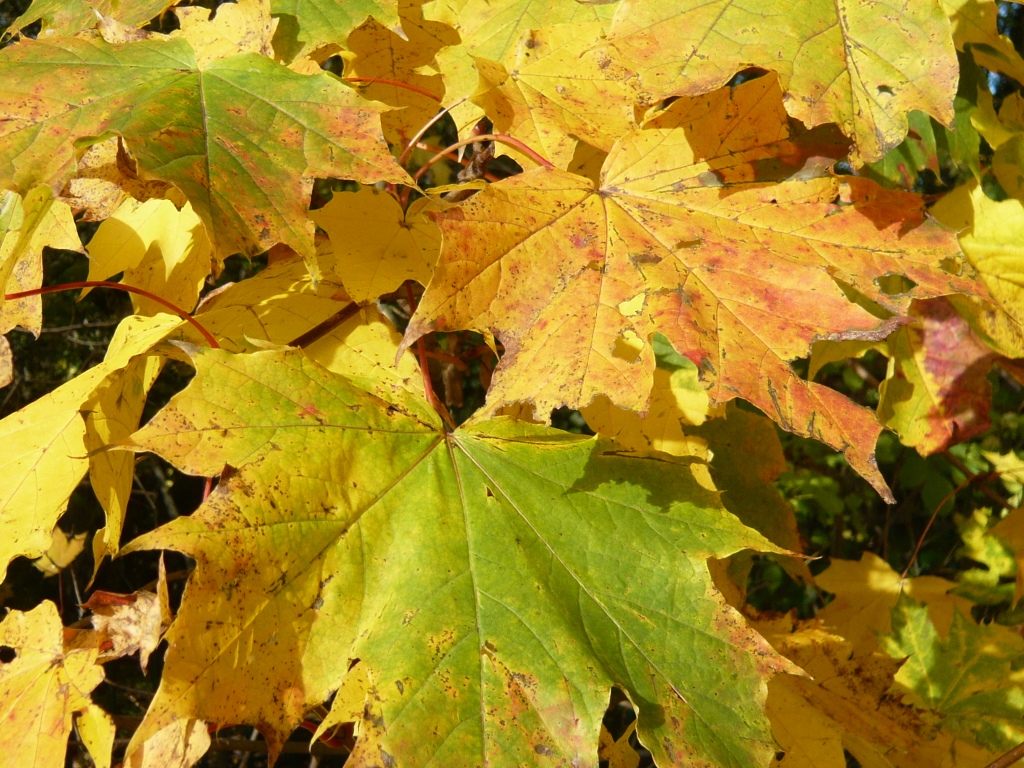
Americans call it ‘Fall’ and the Brits call it ‘Autumn’ but November’s ‘Backend’ can produce a garden Bonanza.
These flowers are still showing their true colours despite all that our English weather has been able to throw at them.

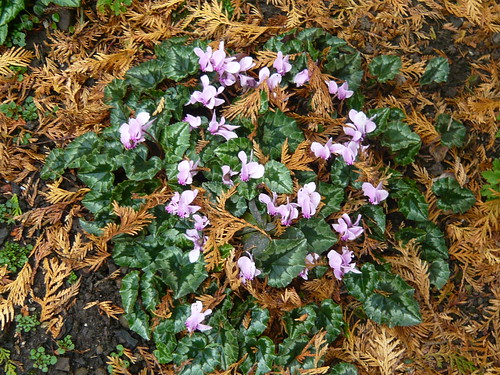
November Cyclamen

You can tell the leaves know it is fall and the Cyclamen hederifolium know it is autumn and time to flower.

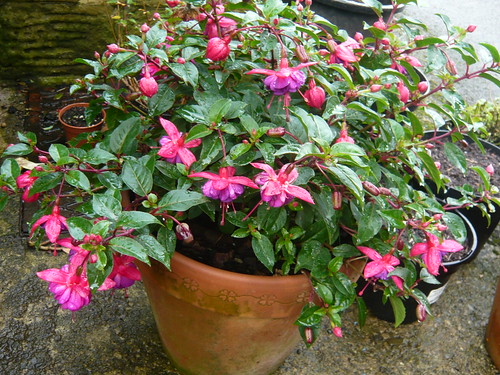
November Fucshia

Dollar Princess was a group of Fucshias I received as cuttings. It took awhile for the flowers to arrive but the late profusion is very welcome.

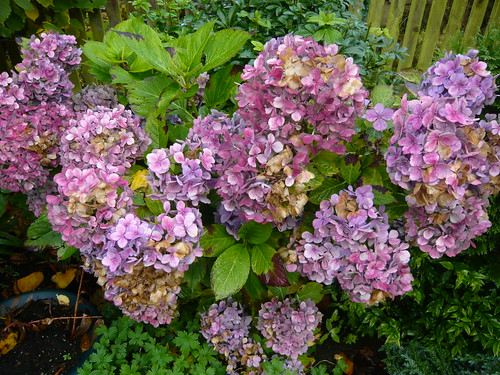
November Hydrangea

A bit over blown and beginning to loose their colour the Hydrangeas have enjoyed our wet season this year. The reward is going to be a winter windfall of flower.

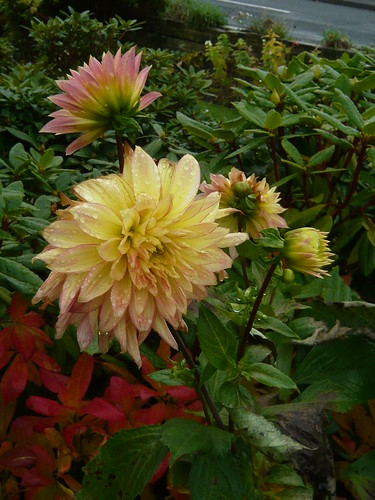
November Dahlia

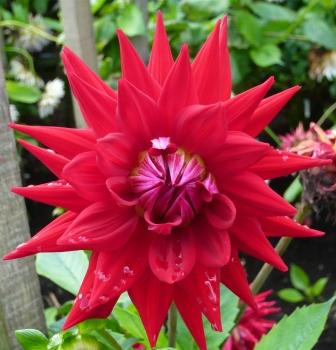
The Dahlias have also been a stroke of luck, lasting very well without as much deadheading as they should have received.

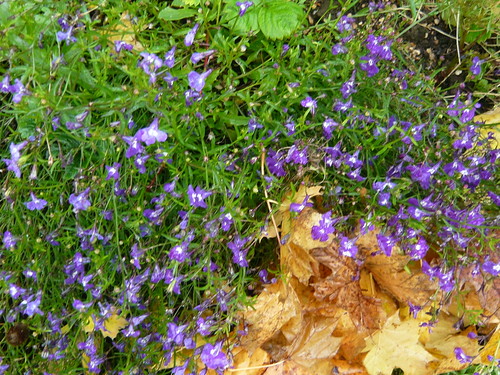
November Lobelia

The annual Lobelia has surprised my with its deep blue colouring that has lasted all through summer. It may be the autumn light but the intensified colouring seems to have strengthened as the seasons moved on.

For next year I will try some more Lobelia seeds from Thompson & Morgan

Sourcing Plants that are ‘Good to Grow’

Sourcing Plants that are ‘Good to Grow’

The horticultural trades association (HTA) has over 2700 member locations, many of which are one site nurseries often specialising in a small quality range of own locally produced plants.
The UK gardening industry has a retail turnover of over £5 billion a year and according to the HTA it is a buoyant and growing market. (well it would be growing!)
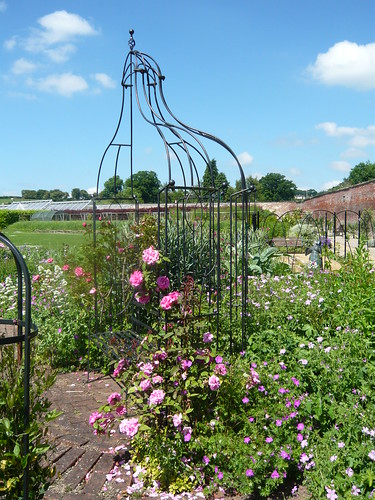
Rose garden

Garden Centres

  • Like supermarkets the modern garden centres now sell more than plants and garden accessories, they even provide cafes and coffee shops.
  • Much of the stock has been grow abroad and brought to you at the cost of many ‘garden miles’.
  • Garden centres often have special offers and vouchers often designed to get you to spend in a way that extends their selling season. Not quite BOGOFF’s but 4 for 3 at Hayes or 20% off in November on selected items are examples.
  • Stock that is past the retailers sell by date may be reduced. You need to understand why the reduction is offered – if the stock is weak, damaged or unfit then stay well clear.
  • If Tulips, say are reduced in October to make way for Santa and the Christmas stock (that is so important to us gardeners) then fill your gardening boots because Tulips can be planted in November.
  • Normally look these gift horses in the mouth – a cheap wilted plant may never recover
  • There seem to be as many chains of garden centre as there are plants nowadays. Hayes, Dobbies, Strikes, Wyevale, Nocutts, Webbs, Klondyke and RHS are just some of the 130 members of the Garden Centre Association. http://www.gca.org.uk/
  • You may get a money back guarantee but will you return in 12 months to be told you killed the poor little plant.
  • Many large perennial plants can be split before you plant them to make several smaller plants that rapidly grow on. I have just bought and split a robust aster that I bought pot bound from a nursery and got 3 good and several smaller plants that will grow in the next couple of months.

Mail Order Companies

  • I like Thompson & Morgan for seeds and Jersey Direct often have good offers for annuals that provide bulk colour.
  • Buy-in seedlings and grow on yourself. Kinder pots and seedlings at the cost of a seed packet can be an economic way of getting a lot of stock for your garden.
  • Mini mail order plug plants are the next level of cost up but can be good value particularly for seeds that are difficult to germinate like begonias.
  • I like buying seedlings as a way of getting several vegetable varieties that will crop at different times and provide variety and insure against one crop failure.
  • In Praise of the Nursery

  • Of the retail choices available to gardeners my preference is to buy from Nurseries. The stock is likely to be local, hardy and ‘good to grow’.
  • The choice and selection of many varieties may be better although the overall range will be tighter.
  • The knowledge is often detailed and willingly imparted.
  • Many nurseries specialise and offer something different.
  • Owner managed business units need or help it is unnecessary for big business to cream off the profits made from hard working gardeners.
  • Nurserymen and women are some of the most knowledgeable gardeners I know.
Growing Varieties of Eggplant -Solanum melongena

Growing Varieties of Eggplant -Solanum melongena

Aubegine

The Solanum family includes peppers, potato, tomato and even deadly nightshade as well as our aubergine (Eggplant). The small flowers all look similar but the resulting fruit are quite different.

Aubergines Varieties to try

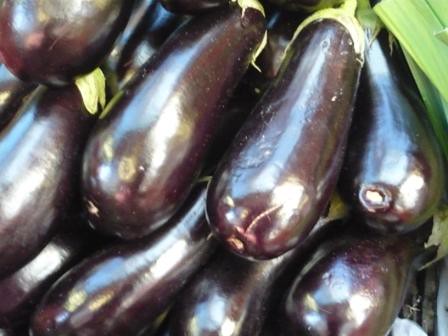
  • Aubergine ‘Antar’ fruit can be dark purple and are a satisfying 9” long
  • Aubergine ‘Moneymaker’ produces good, early crops whether it is grown in the greenhouse, in patio containers or outdoors. The Height and spread is upto 24”. The purple fruit are long and slender with an excellent flavour.
  • Dwarf Baby Belle F1 should have lots of 2” fruit on a 20” plant
  • Red Ruffled also more prolific fruit but bitter and used for Asian cookery
  • ‘Florida High Bush’ Aubergine has an upright branching habit and carries its fruit well off of the ground. The white flesh is delicious grilled, baked or fried.
  • Aubergine ‘Listada de Gandia’ produces a large and early crop of stunning, white streaked, purple skinned, oval fruits up to 6” in length.
  • There are 15-20 different varieties of eggplant mainly of Asian origin.

Other Eggplants
Thai long green is one of the modern thin skinned varieties that should grow well in the south of the UK.
Diamond Eggplant is mild with no bitterness and coming from Russia it should thrive in the UK
Aubergine ‘Black Beauty’ is an heirloom variety worth considering.
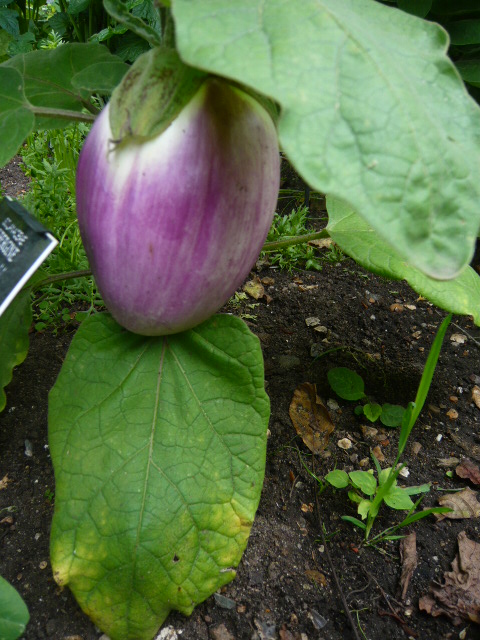
Aubergine ‘Prosperosa’ produces spherical, ribbed, pale purple fruits with firm, flavoursome flesh. This Sicilian heritage variety has a mild flavour and no bitter after taste

Aubergines from Thompson Morgan
Read tips for growing Aubergines

Aubergine

Tips for Growing Michaelmas Daisy

Tips for Growing Michaelmas Daisy

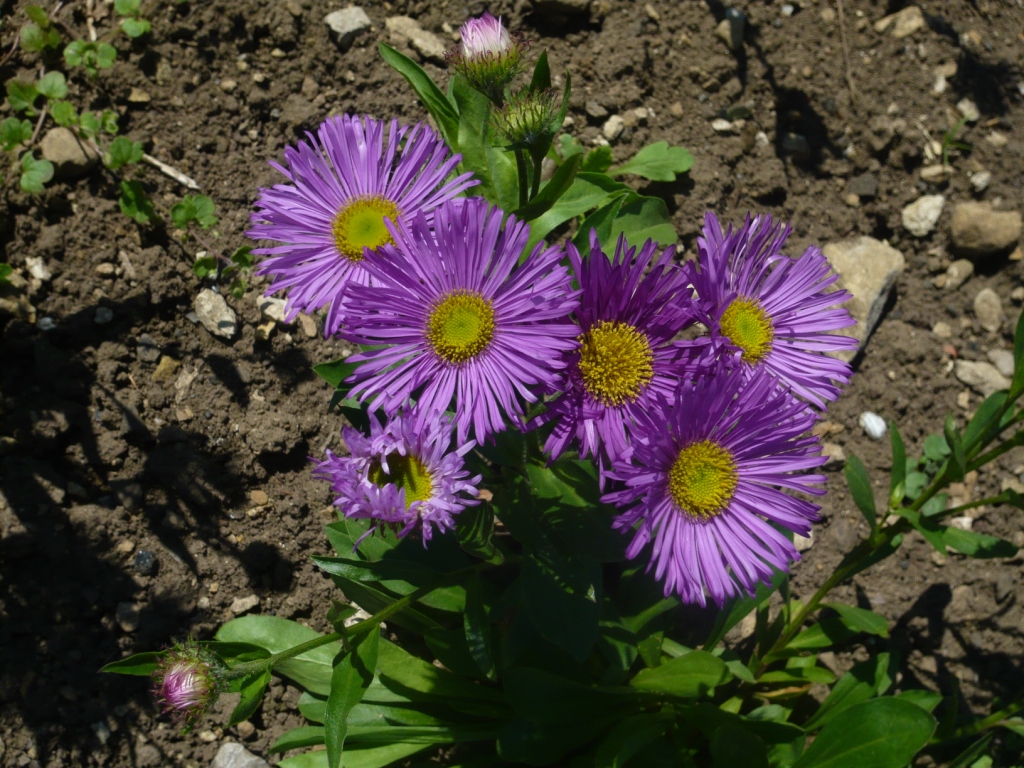
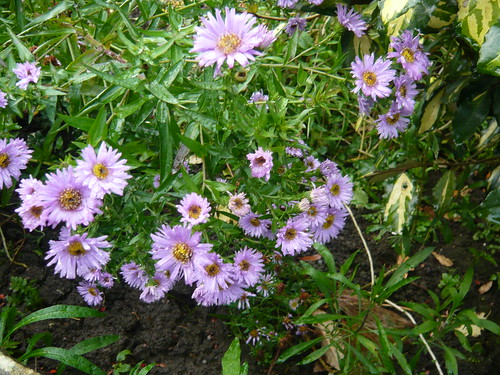
November Aster

Michaelmas Daisy can be fun to grow with lots of small daisy shaped flowers. Given reasonable conditions they can grow quickly and provide excellent height and flower in late autumn.

Asters of which Michaelmas Daisy is one species are considered easy to grow and are often considered to be a good plant for children. However, to get the best out of most plants requires a few careful points.

Choose the right variety. If you want to grow a tall sunflower try a specific variety such as

  • Aster novi-belgii ‘Royal Ruby’ is a red flowering varieties, bursting into bloom in late summer when many other plants are beginning to fade. A superb clump forming perennial for the front of borders, and an excellent cut flower.
  • Michaelmas Daisies or Aster novae-angliae are available in a contrasting rich colour range of long stemmed autumnal flowers for cutting.
  • Aster novae-angliae ‘Harrington’s Pink’ grows 5 feet tall and is one of the easiest plants to take cuttings from.

Grow as Bunch or clump. Michaelmas Daisy can make an excellent impromptu screen for late summer. The height of taller varieties can divide a garden creating a natural sense of rooms – something top garden designers often go for.

Proper Staking. Preventing tall Michaelmas Daisy from falling over is one of the great challenges of growing them. Stake with bamboo canes or brushwood in early spring. If you grow them in blocks it will be easier to provide staking for the group; they will give each other support as they grow. Shorter varieties need no staking.

Feeding. Michaelmas Daisy enjoy a rich, moist well fed soil. If going for height, use a nitrogen based fertiliser, switching to potash (tomato food) as the buds begin to appear.

Watering.Michaelmas Daisy don’t like drying out and they can soon start to get mildew. Make sure they are well watered; each watering should aim to reach its roots, rather than just touching the surface.

Best Location. Michaelmas Daisy like a sunny position and preferably not too windy.

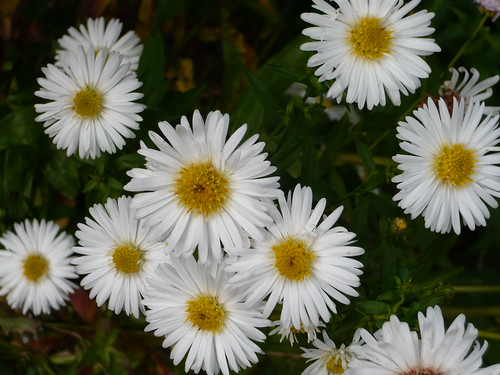
Michaelmas Daisy alba

Grubby Grass Problems

Grubby Grass Problems

Chafer Grubs, Crane Fly Flatworms & Leatherjackets

Have I been lucky?

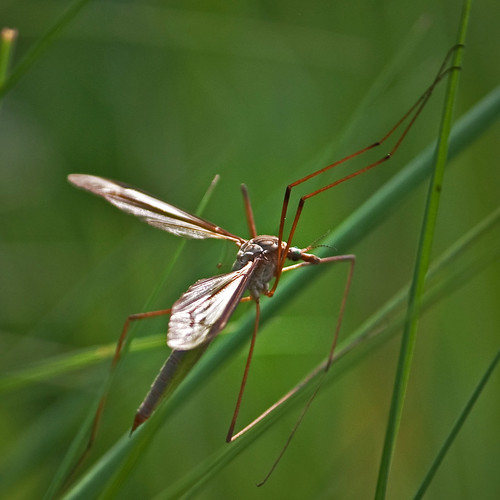
I have never had a lawn that has been infested with these insects. Leatherjackets are the grub of Crane Fly and they and Chafer grubs feast on the roots of grass. This creates brown patches and makes lawns and sports turf the target of birds looking for tasty grubs that are fat on your roots.

Crane Fly

Chafer Grub eggs hatch and the grubs feed on grass roots from July until late Autumn before burrowing deep into the ground to pupate. These grubs then lay dormant deep in the ground under the soil before moving to the surface the following Spring emerging as beetles in May / June and starting the process again.

  • Nematode control work best when the soil is warm on August. Grub killer from amazon
  • The organic alternative may be ‘Strikeback Natural Insect Killing Spray’ which is a solvent free, water based insecticidal space and surface aerosol spray that contains only natural organic ingredients
  • http://www.chafersurvey.co.uk/Is a site for more information and to record the location of infestations. It is provided by one of the purveyors of biological controls

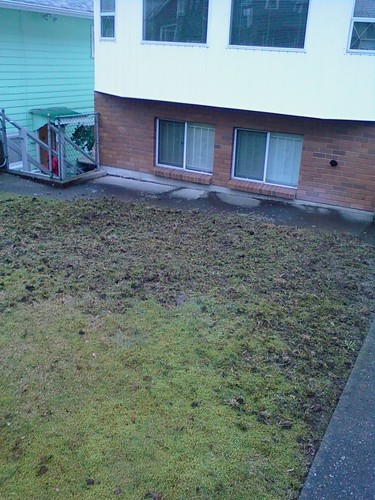
Chafer beetle damaged lawn
New Zealand flatworms are an invasive species that are purple-brown on top and flat and pointed at both ends. They live on earthworms, covering them in digestive juices to dissolve them before sucking them up. Squash them if you find them on your lawn or under stones.

flatworm

Photo credits
Crane Fly by me’nthedogs CC BY-NC 2.0
Chafer beetle damaged lawn by urbanwild CC BY-NC-ND 2.0
Flatworm by Mollivan JonCC BY-NC 2.0

Yew Can Outlive You

Yew Can Outlive You

The worlds oldest living thing is a tree. Which tree is the question and where is it growing is a supplementary that causes regular discussion. Yewrica is not the answer unfortunately.

Is it the recently discovered Scandinavian Spruce 9000 years old? Or is it the Australian Wollemi or Huon Pine or the Californian Bristlecone Pine. At the moment the general assumption is that it is the pine recently found and dated in Sweden but may be there is an old Yew lurking somewhere.

Yew

According to Fred Hageneder in his book Yew a History ‘It was under the great Ankerwyke yew at Runnymede in Buckinghamshire that Magna Carta is believed to have been sworn by the barons in 1215. In 1803 Wordsworth celebrated the great yew in Lorton Vale, ‘single, in the midst of its own darkness’, a tree under which both the great Quaker George Fox and John Wesley preached. In many cultures it is the Tree of Life, and its association with churchyards in Britain and Europe has given it a particular claim on the popular imagination as a living link between our landscapes and those of the distant past.
Fred Hageneder’s fascinating book is the first to cover all aspects of the botany as well as the cultural history and remarkable mythology of the genus Taxus or Yew to you and me.’

How can you compete

Unless you own a forest in a suitably protected climatic environment you can’t compete.The next best thing might be to plant a Yew Tree but rather than the green Yew (‘Common Yew’) seen in church yards I recommend the Golden Yew ‘Taxus baccata Semperaurea’ (AGM). These are very slow growing and long lived like their cousins. .

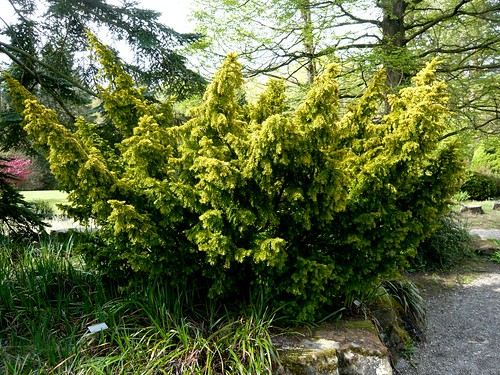
Golden Irish Yew male trees have the same upright form as green Irish Yew. It was first cultivated in 1880. Unless planted in a particularly moist fertile site it is slow to establish itself. In the south golden Irish Yew benefits from some shade from hot sunshine and drying winds.

Irish Yew

Tips for Yew and You

  • Use Yew in hedges – they are evergreen.
  • Only Female trees set berries and some varieties only come in male form
  • The berries are poisonous but are now collected and used in cancer medicines
  • They can be used as wind breaks but only grow slowly 4” a year when young
  • They like slightly damp shade
  • The Dutchy of Cornwall list 14 varieties for sale from the plant shop
  • Yew is a good subject for Topiary
  • Plants are available from nurseries or look for seedlings near a friends tree
  • Be patient with cuttings and even more patient with seeds that need 18months to break dormancy
  • Plants like chalky and limestone areas but I have a healthy specimen in slightly acid soil.

yew Mont Gardon
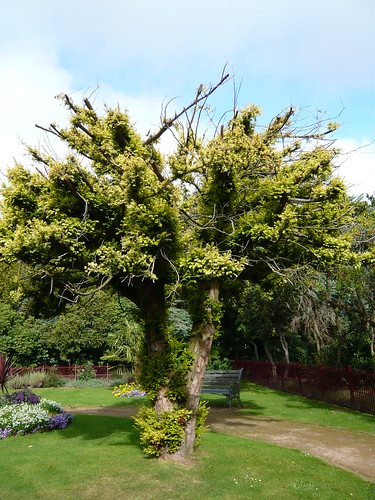
yew Mont Gardon by Jos van Wunnik CC BY-NC-ND 2.0 “I feel tired…after thousand years…do I have to start again, receiving starlight for a new period?” I can imagine this old yew feels like this, not getting the attention it needs, leaning on a Gallic tombstone on top of a hill, next to the church of Mont Gardon.

See Yew Root and Branch review

Tweets to Keep Garden Birds Happy

Tweets to Keep Garden Birds Happy

Treat your garden birds to get more tweets (I mean treats).
‘No mess’ bird feeding helps keep your garden relatively clean and provides high energy nutrition to your favourite birds.

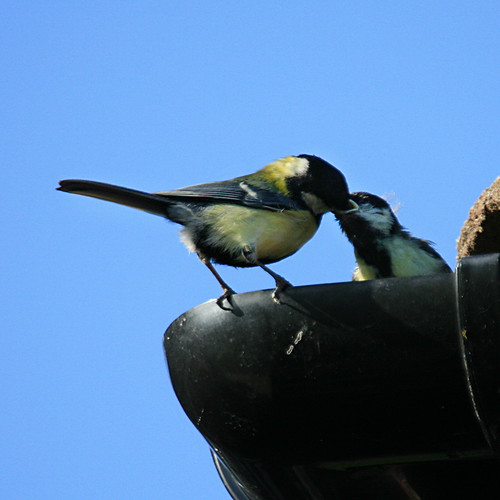
Bird feeding fledgling

No Mess Mixes

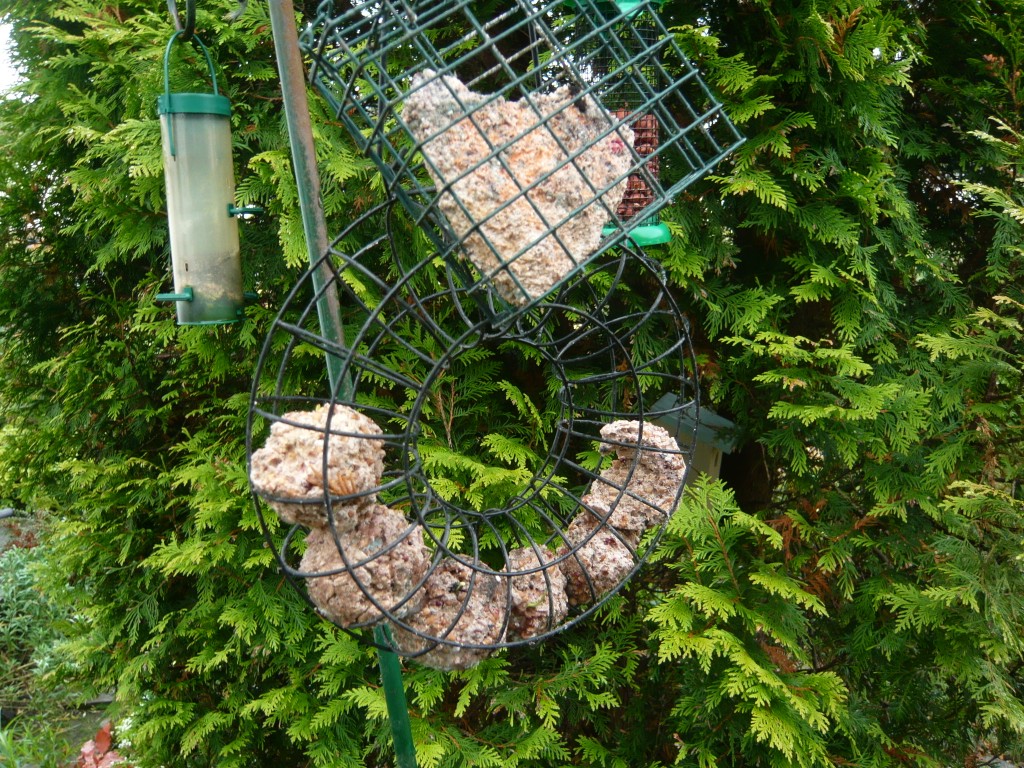
  • Pre-mixed selections are now available from most suppliers. They are formulated for dispensation through a hanging feeder and attract a range of birds. Kibbled (ground into small pieces) maize, hemp, millet and sunflower hearts are amongst the usual ingredients.
  • Mealworms are the favourite of starlings and robins and not a crumb will be left. Put in a small dish.
  • High energy mixes are best reserved for cold winters. They include peanut granules, pinhead oats and sometimes mealworms. Use on table feeders and in hanging baskets.
  • Kibbled (ground into small pieces) maize is a cheap feed for sparrows, pigeons and doves. Usually taken from the ground.
  • Niger seed is very fine, small thistle seeds from a special dispenser. It is especially loved by siskins and goldfinches. Dunocks may also like a few sprinkled on the ground
  • Sunflower hearts attract the wides range of birds including tits, finches, and goldcrests. There are no husks to leave behind
  • Fat balls and suet mixed with seed can attract a range of birds including woodpeckers. Good for cold weather.
  • For fruit loving birds like thrushes and blackbirds you could try a few soaked raisins. Try out in cold weather when there is little alternative food available.

Book Cover
Traditional Feeds

Black sunflower seeds are so popular with tits and finches so it was worth giving them a mention despite the mess the husks can leave.
Peanuts are protein rich but blue tits may leave a little debris on the area below a feeder.

Bird food from amazon‘

Happy Bird Tips

  • Platforms and ground feed stations attract more species of birds than hangers.
  • Little and often is better than one over stocked feeder.
  • Avoid cheaper mixes that contain a lot of filler (it wont fill the birds so it is just left or discarded
  • Clean your feeders regularly and resite occasionally to avoid problems.
  • No mess seeds are less likely to germinate if they fall in your garden

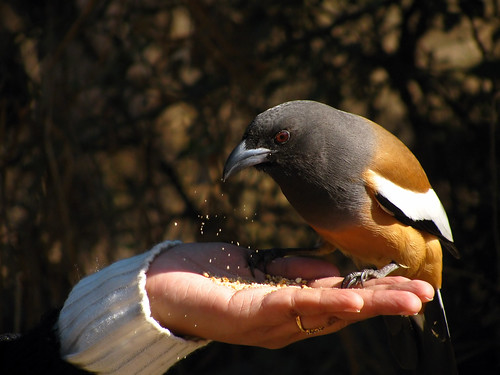
Bird Feeding at Sariska Tiger Reserve

photo credits
Bird feeding fledgling by Adrian Midgley CC BY-NC-ND 2.0
Bird Feeding at Sariska Tiger Reserve by Mirza Asad Baig CC BY-NC-ND 2.0