Browsed by
Author: hortoris

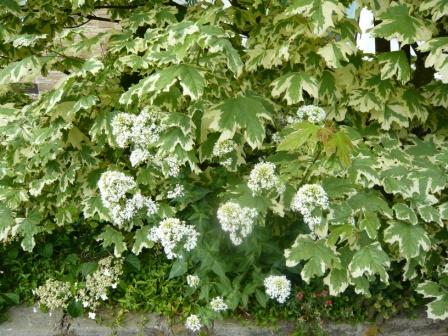
Acer platanoides Drummondii and Greenery

Acer platanoides Drummondii and Greenery

green-n-white

Green and white are very accommodating colours in the garden as they are both clean and fresh. This combination caught my eye  with the Climbing Hydrangea petiolaris just flowing over the top of a wall in which was growing Valerian alba.  Against the wall was an Acer platanoides Drummondii and all the colours seemed to blend so well. …

Read More Read More

Top Rockery Plants for Growin In UK

Top Rockery Plants for Growin In UK

alpine21

Rockery plants look very good in spring as they trail over rocks and edges in the garden. The rockery mimics natural conditions for these alpine dwellers often with limestone rocks or fast draining poor soil.

Top Rockery Plants for Beginners

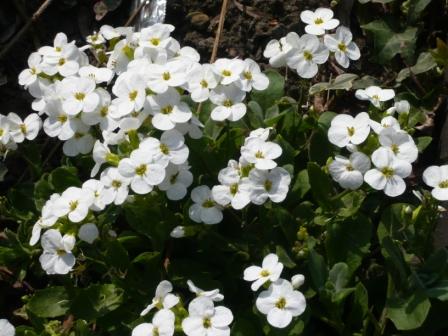
  • Arabis shown above is also known as snow-in-summer and has showers of white flowers. The plant is robust and useful for covering rough stoney ground. Some species need a bit more care but are useful in the rockery including Arabis rosa a pink form and arabis bryoides that forms a small mat of hairl leaved rosetts.

…

Read More Read More

Pictures of Magnolia in Bloom

Pictures of Magnolia in Bloom

magnolia

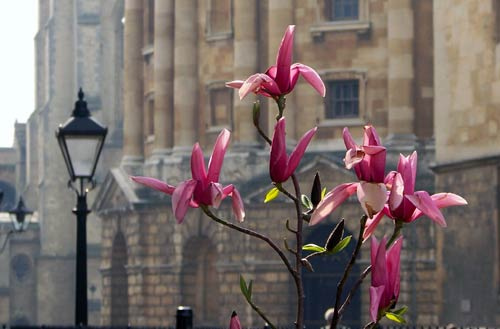
Magnolia in Full Bloom Outside the Radcliffe Camera, Oxford University.

Magnolia’s make an excellent garden plant, flowering in March – May. Early flowering varieties may be susceptible to frost. This can be avoided by protecting flowers with fleece on late spring frosts. With global warming,  late frosts may reduce in severity but do not hold your breath.

…

Read More Read More

Wild Cowslip aka Primula veris

Wild Cowslip aka Primula veris

cowslip

Primula veris is more commonly known as the Cowslip but also resides under the alternative names of Palsieworts, Paigles, Cowslop or Petty Mulleins.
The range of local names hints at the uses and affection for this cheerful plant.
Cowslips are still used in herbal remedies for nervous complaints and paralysis. Perhaps that is where the old name, Palsieworts comes from. Cowslop is not as fragrant.
Traditional Cowslip wine probably needs too many flowering heads to sustain the wild population of plants.
Other names that relate to their similarity to a bunch of keys include ‘key flower’ and ‘key of heaven’ whilst ‘fairy cups’ and ‘tittypines’ are a bit more avaunt-guard.

Locations for Growing Cowslips.
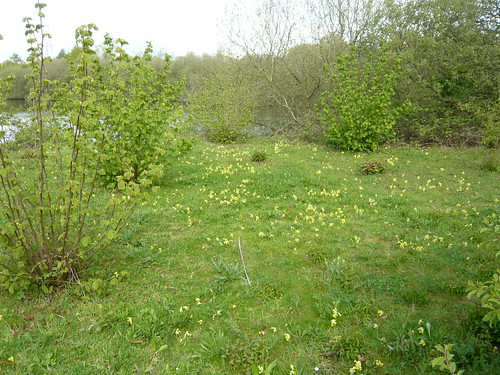
Cowslip field
I liked this field of wild flowers that included a large number of Cowslips. Obviously from the common name of primula veris you would expect them to be at home in a meadow.
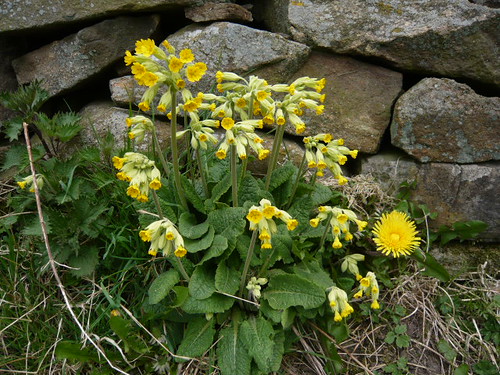
Caught in a corner of a field the shelter provided by the wall shows off the top Cowslip to advantage.
When grown in clumps in a border or raised bed they combine well with other spring and early summer flowering plants.
I like them for the freshness in a small rock garden.
With the loss to agriculture of much meadow land it is now also worth seeking out the wild flowers on cliff tops and undisturbed land at the seaside.

Propagating Cowslips …

Read More Read More

Best Tips For Growing Edible Crops

Best Tips For Growing Edible Crops

Prime space and time are precious commodities for every one growing crops from the biggest corporate farmer to the smallest window box gardener.
41lbs Onions

Planning Tips
Know why you are growing each crop. Is it for flavour, feeding the family, aiming for show quality or just to enjoy the process.
Only grow crops that you or your family will want to eat. Do not grow just for the compost heap.
Sow in succession to avoid gluts.
Consider ‘catch’ crops to use the available space more intensively.
Plants perform better with adequate space.

Apples

Tips to Help Plants Excel …

Read More Read More

Ornamental Grass Growing Tips

Ornamental Grass Growing Tips

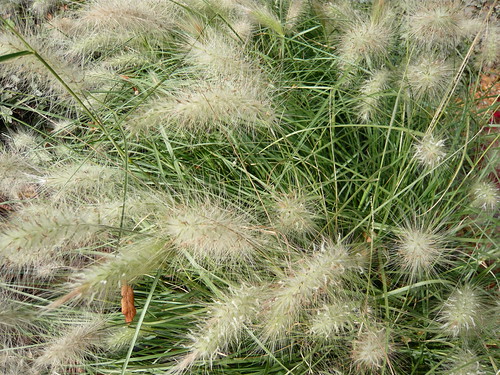
Growing Ornamental Grass can be easy and it will create a natural effect in your own garden. Aim for a mixture of textures, shapes and colours using leaves, flowers and seed heads.
In an open setting, with a low sun shining through, many grass plants can produce stunning effects.

Growing Tips

  • Remove dry seed heads to prevent self seeding
  • Tie tops together to aid cutting back in late winter with shears or a strimmer.
  • Select perennial, clump forming varieties rather than annuals or spreading grasses that can take over a small bed. (I avoid Phalaris for that reason).
  • …

    Read More Read More

New to Gardens

New to Gardens

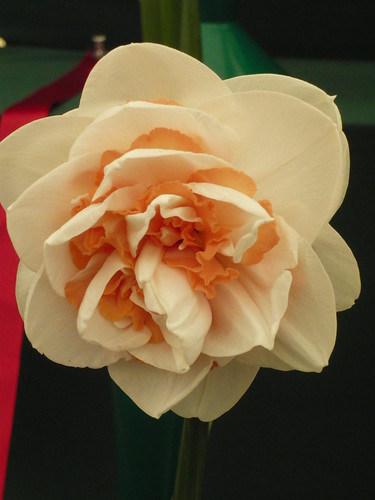
Daffodil selection

Black tulips, blue Daffodils, and red Delphiniums are all plants that have been discovered or launched on the unsuspecting public in the past. However in these cases not is all as expected.

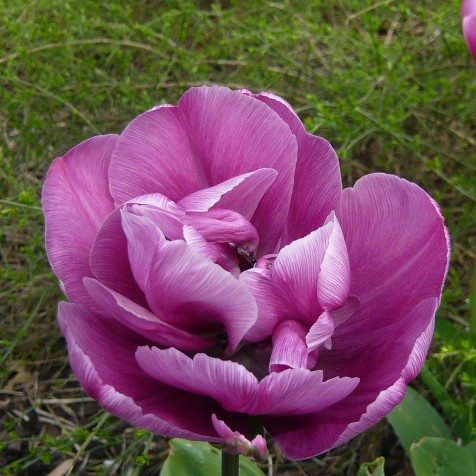
Tulip

Now comes a revolutionary grass that needs no lawn mower to keep it in check.
It is also moss proof and a major boon after this wet soggy winter.
Unfortunately you can’t smoke it (or if you did it wouldn’t give you much of a high.)

artificial grass

Artificial grass

Purple Flowers Attract Insects

Purple Flowers Attract Insects

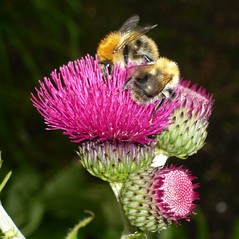
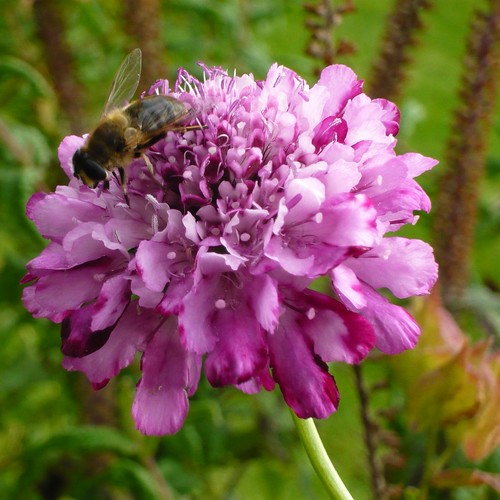
Are insects attracted to colours or do some purple flowers have more nectar and pollen to attract insects in the first place?
Anne Bebbington quoted in Science and Plants for schools says ‘You need to take into account that different sorts of insects see colour differently. Most insects except for some butterflies do not see red well. Flowers may have colour which we can’t see but insects can e.g. ultraviolet markings.
Colour is not the only thing that attracts insects, scent e.g. is often important. Again it it is very likely that there are scents that we can not detect.’
According to my Lithuanian friends ‘If you keep bees, or if you would like to attract more of them into your garden, consider sowing lacy phacelia (Phacelia tanacetifolia Benth.), viper’s bugloss (Echium vulgare L.) and borage (Borago officinalis L.). In addition to their honey-producing properties, they also make an attractive addition to your border. Some attention should be given to caterpillars of butterflies. Plants in the pea family (clover, sweet clover), as well as the cruciferous plants (field penny-cress, shepherd’s purse, bitter cress, brassicas) are most appealing to caterpillars of beneficial insects.’ see more on mygarden.

Fpor more varieties of Purple flowers read or Purple patch
Blackthorn and Sloes

Blackthorn and Sloes

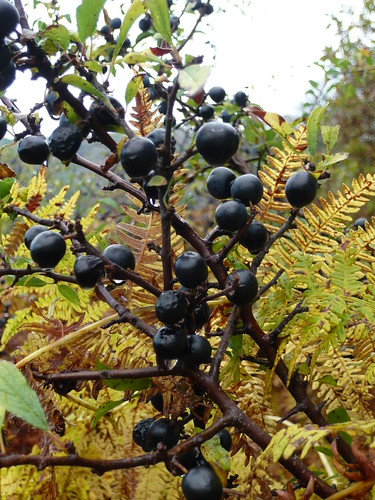
Blackthorn is a multi branched, deciduous tree or bush that can grow up to 20 feet tall (the Blackthorn in this photo was 7 feet tall as were the ferns!).
The stem is dark to black and the small branches create thorns hence the name Blackthorn but in Latin Prunus Spinosa.
Like its relative the Cherry plum, Blackthorn produces small fruit we know as Sloes.
The thorns can be very sharp and the bush can be a bit ragged unless kept in check.

Blackthorn is often used for and found in hedgerows or on the edges of woodland and is easy to grow as part of your mixed hedge. In early Spring it is covered in small white blossom before the leaves come into bud. Blackthorn is good for attracting butterfly caterpillars but is best known for the small, spherical, blue-black fruit that are available in late Autumn.

…

Read More Read More