10 Tips for Looking after Daffodils
The Daffodil society produced this list of tips that I try to follow
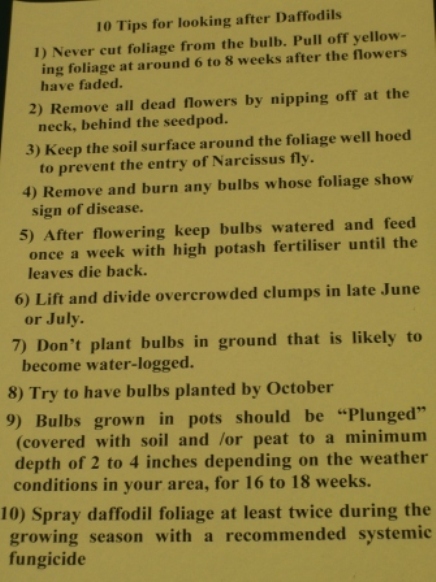
The Daffodil Society had this top 10 tips board up at a local show. It saves me a lot of typing and leaves space for some photos.
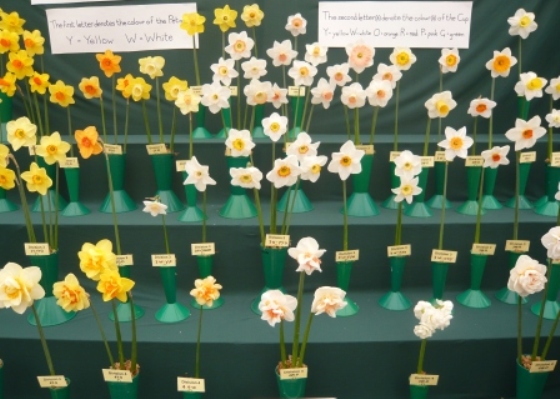
The Daffodil society produced this list of tips that I try to follow
The Daffodil Society had this top 10 tips board up at a local show. It saves me a lot of typing and leaves space for some photos.
Use your garden space more effectively by underplanting feature plants in a subtle manner.
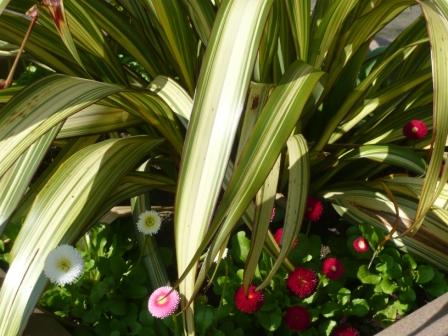
Underplanting as the name suggests is putting one plant under the stem, leaves or trunk of a larger plant. The effect if to have layers of plants as you might expect to find in nature. The effect also gives more comprehensive soil cover. It can help moisture retention eg using low water consuming plants like succulents.
Underplanting may help you grow crops when space is tight eg. Alpine strawberries under fruit trees other things tend to do poorly or act as weeds taking moisture and goodness from the fruit trees.
Many examples of using smaller plants such as ferns or perennial geraniums under the canopy of a trees exist.The picture shows a Phormium under planted with Bellis low flowering Daises.
Try autumn crocus under Flowering Cherry trees for varied interest later in the year. Obviously spring crocus are often grown underplanted with trees and shrubs but keep yellows and blues separate.
…
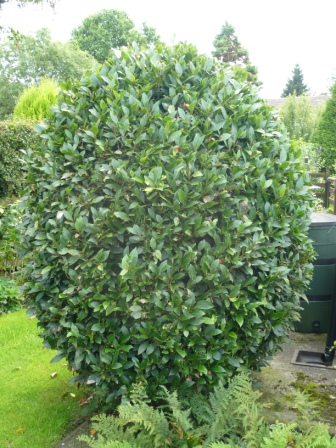
A culinary evergreen shrub used by French chefs with parsley and thyme as bouquet garni. The aromatic leaves can be used fresh or dried. The shrub is slow growing when young but it can form a significant bush over time.

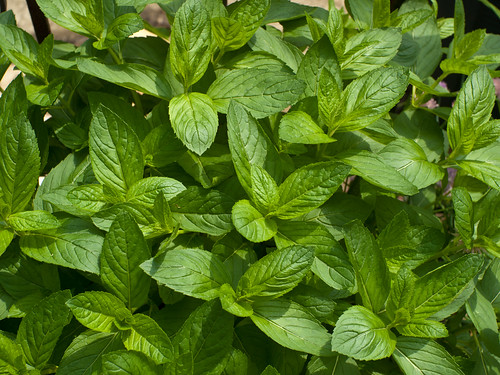
Mint is a flavour-some herb. Growing good leafy plants is easy, too easy when it tries to take over.
Mint is perennial and clumps up or spreads quickly so a good tip is to constrain the roots in an old bottomless bucket. Mint likes fertile ground and the roots will travel in search of better conditions. Large clumps can be cut back in autumn, on one side encouraging growth then next year on the other side so the plant is encouraged back.

Artificial rocks can be created cheaply and easily if you make your own from Hypertufa.
A million gardeners everyday pick up a spade and thank the beans.
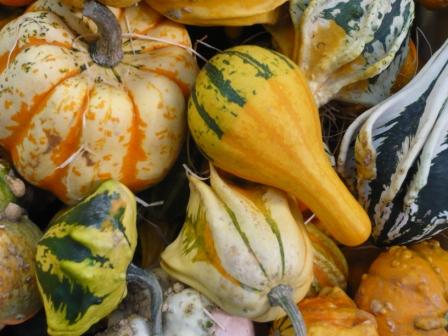
Every list of top ten vegetables to grow your own would probably differ, mine would vary based on season, current successes and even personal hunger. Most of this top selection of ten varieties are part of the RHS vegetable collection available from Thompson & Morgan amongst other seed merchants.
Broad Bean Bunyards Exhibition
One of my all time favourites, Bunyards Exhibition has a very good flavour and is excellent for freezing. They prefer a well-drained, moist, rich soil. A reliable performing heavy cropper with of long pods it will grow in most soils. Pick regularly once pods are full to promote further pod production. Support the plants as they grow by placing a cane or stout stick at each corner and tying in with string. Keep well watered particularly when flowers are setting. Pinch out growing tip when first flowers set pods to deter blackfly. …
When the East wind doth blow we shall have snow and what will the gardener do then poor thing?
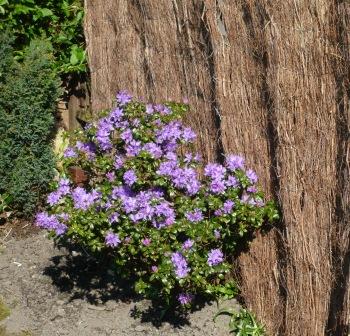
Windbreaks are used to protect plants from excessive and strong wind. The right design can deflect wind and create a micro climate to the benefit of soft plants in need of protection. However the wrong design can create currents where only normal wind previously existed. A windbreak will be effective for upto 10 times its height so a 6 foot barrier will protect 60 feet but the wind will get progressively stronger as the vacuum created by the barrier is filled with wind. A narrow barrier wont get the job done as the wind will blow around the edges.
The wrong windbreak will pile up snow where it is not wanted but the oppposite should be true. Plan your location of any wind brak for all seasons.
Hostas should be renamed ‘Slug Food’
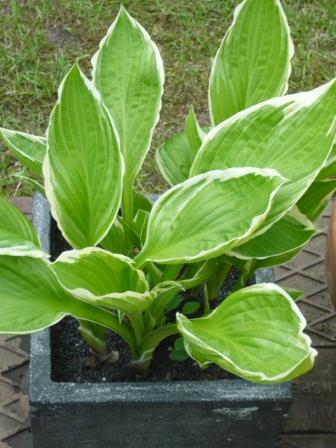
Every year my Hostas have been nibbled when young, eaten in Summer and decimated by Autumn.
Guess what I have done this year – yep I have potted them up into containers and so far so good (until the little devils learn to fly or crawl up the pot sides).
It is the little black slugs rather than the fat juicy brown slugs that do the most damage but knowing that won’t make you feel any better.
A cottage garden structural shrub that is making a comeback in popularity
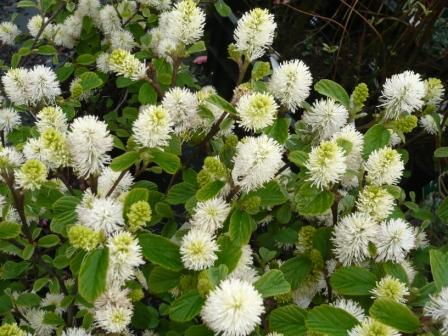
All plants and shrubs seem to move in and out of fashion and Fothergilla are currently enjoying a cult status amongst many gardeners. However they are not so commonplace that you should be put off growing one.
Fothergilla major is a favourite plant for Autumn colour of reds, oranges and yellows that also produces frothy and fragrant white flowers in mid Spring. The spring leaves are glossy, dark green and rounded with toothed edges. Fothergilla leaves turn brilliant shades of red, orange and yellow in autumn. This deciduous shrub can grow to 20 feet but is best restricted in a small garden. It produces suckering stolens that may be propagated and plants can also be grown from seed.
Fothergilla gardenii or the Dwarf Fothergilla also called Dwarf Witchalder grows upto six foot high and is a better mannered version of Fothergilla major. All Fothergillas seem to like wet or moist soil and they should not be allowed to dry out.
A superb introduction from Commercial Nurseries is Fothergilla Blue Shadow with powdery blue foliage that was discovered as a sport from the cultivar ‘Mount Airy’.
Daisy daisy give me fine leaves too
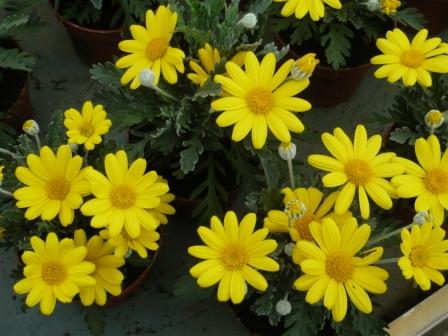
Growing one foot high Euryops acraeus or Euryops evansii is a dwarf shrub that makes a neat and compact plant. In summer the grey mounds of leaves are covered with small bright-yellow daisies that have an even deeper-yellow in the centre.
It is a tough plant that survives all but the most extreme summer conditions including moderate but not prolonged drought. It can rot if too wet and unfortunately it isn’t reliably winter hardy. Propagated by stem cuttings that can be overwintered inside. They are being promoted by the horticultural trade and are progressively available at garden centers in the spring so expect to see more around.
Other Euryops, and there are around 100 species, can grow into small trees but due to winter frailty I can not recommend any varieties.
Euryops look good in groups of 3 and they are a suitable filler for cottage or perennial gardens. If your garden can use a shot of bright yellow all season long then give Euryops a trial.