Browsed by
Author: hortoris

Images of Evening Primrose Species

Images of Evening Primrose Species

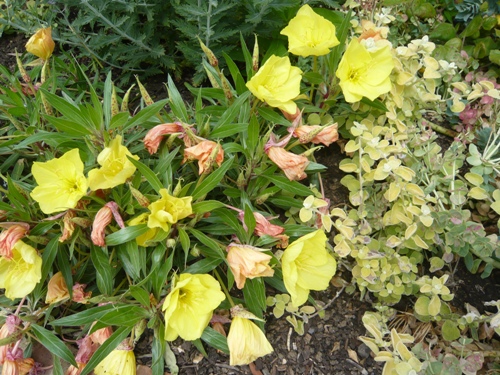
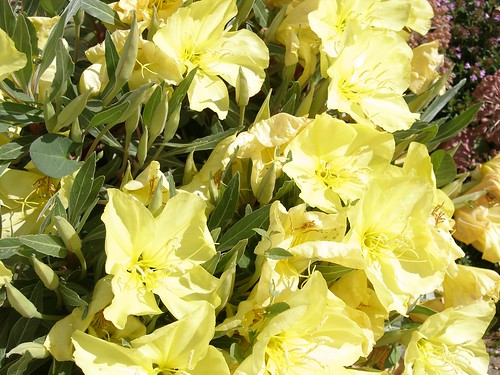
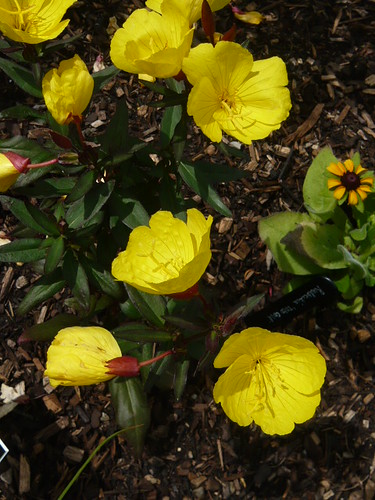
Evening Primrose Oenothera Biennis is a wonderfully scented flower for summer evenings.

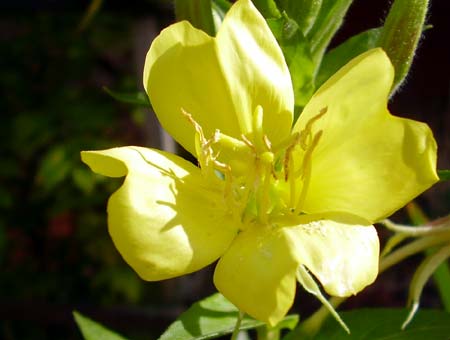
Oenothera elata ssp. hookeri/Hooker's Evening-primrose

Image of Oenothera elata ssp. hookeri/Hooker’s Evening-primrose

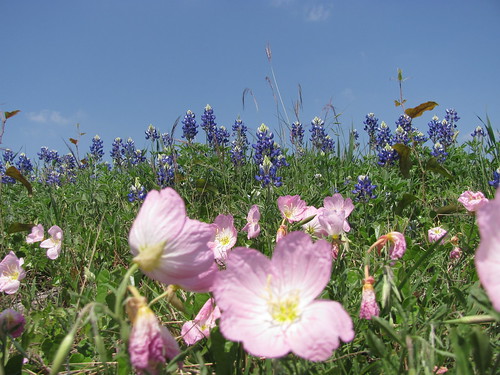
bluebonnets, pink evening primrose foreground

Pink Evening Primrose Oenothera speciosa ‘Siskiyou’ photo of a low growing perennial.

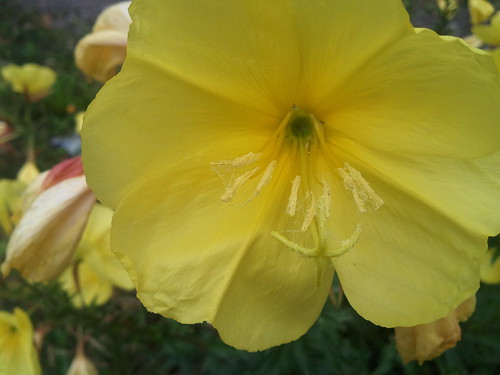
evening primrose

Pollination is in the evening air!

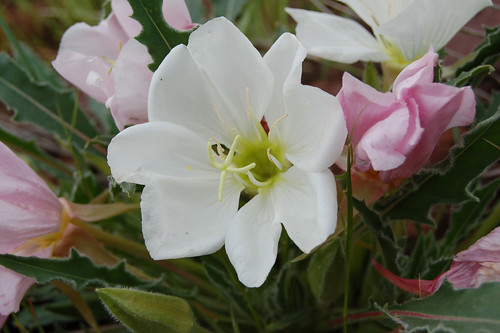
Evening Primrose

Oenothera Glazioviana is generally a biennial herb producing an erect stem approaching 3-5 feet in height.

Oenothera cespitosa var. marginata (Tufted Evening Primrose)

Oenothera cespitosa var. marginata (Tufted Evening Primrose) also called Onethera caespitosa

Oenothera macrocarpa - Silver Blade Evening Primrose

Oenothera macrocarpa – Silver Blade Evening Primrose

Evening Primrose


Credits

Oenothera elata ssp. hookeri/Hooker’s Evening-primrose by davidhofmann08, CC BY-NC-ND 2.0
bluebonnets, pink evening primrose foreground by milpool79 CC BY-NC-SA 2.0
evening primrose by marc e marc CC BY-NC-SA 2.0
Evening Primrose by kh1234567890 CC BY-NC-ND 2.0
Oenothera cespitosa var. marginata (Tufted Evening Primrose) by Tony Frates CC BY-NC-SA 2.0
Oenothera macrocarpa – Silver Blade Evening Primrose by colorado art studio CC BY-NC-ND 2.0
Scented Wild Flowers Evening Primrose Oenothera odorata

Dahlias Grown From Seeds or Plugs

Dahlias Grown From Seeds or Plugs

Dahlias grown from packets of seed are best treated as annuals. The seeds are available on spinners in many shops, garden centres and from seed suppliers. You can also collect the seed in autumn from your own plants.

Dahlias from Thompson Morgan

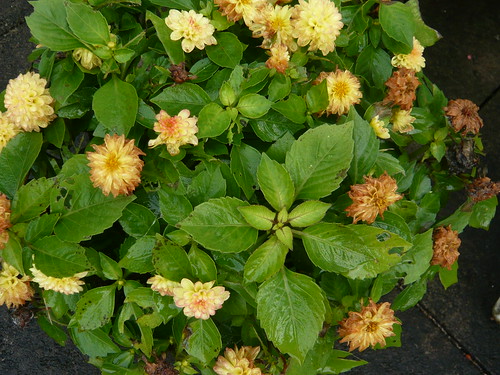
November mini dahlia

Tips for Seed grown Dahlia

  • Sown in March or April in an indoor seed tray Dahlias will flower in late summer and through autumn until the frost turns the leaves black.
  • Mixed packets will generally be single flowered like a big very colourful Daisy.
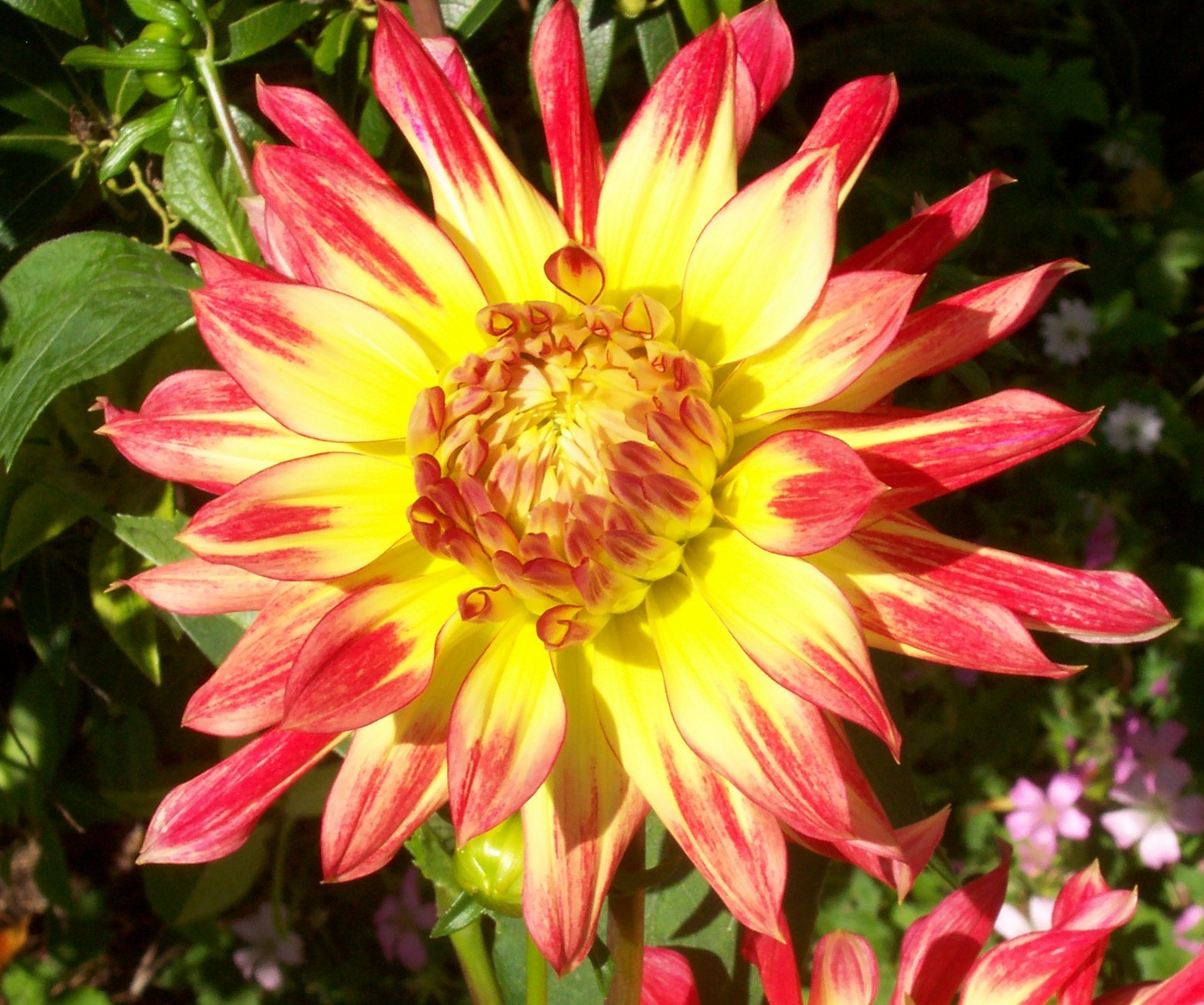
  • Special variety packets can aim to provide Cactus (petals arranged in a spiky style),  Collarette (petals arranged in a  circle with stamen like the iris of the eye) and semi double styles.
  • The seed is large and the results can be stunning so Dahlia is a good plant for children to plant.
  • Some varieties have red or maroon leaves for added attraction.
  • If the soil is acid  a dressing with lime would help the plants when planted about
  • Water and feed during summer for an excellent autumn display
  • You will often see these plants in Parks and public gardens as they are easy to maintaining.
  • If you spot a good variety you can try save any tuber that has grown by keeping it frost free during winter.

See a mosaic of Pink Dahlias with top ten pointers


Cactus hybrids produce curvaceous, spiky blooms and are a huge cut flower source.

Dwarf bushy dahlias with delightful “collarette” form (quilled) flower in many shades of red, yellow, orange and white.

Pompone mixed should be sown in trays, pots, etc of good seed compost in a propagator or warm place to maintain an optimum temperature of 65-70F (18-20C).
Sowing Depth: 1/16in (1.5mm). Sowing Time: February-March. Germination usually takes 7-21 days.
Transplant seedlings into 7.5cm (3in) pots when large enough to handle taking care NOT to damage the roots.

Secrets of Geranium (Pelargonium) Cuttings

Secrets of Geranium (Pelargonium) Cuttings

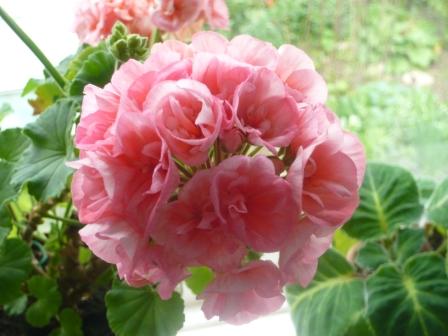
rosebud-geranium

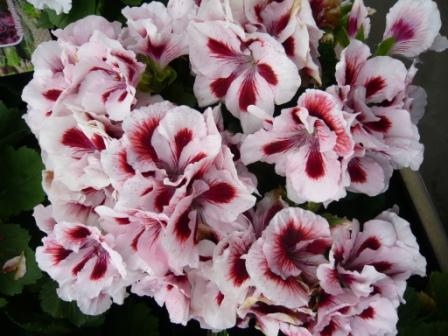
I couldn’t resist this double pink rose bud Pelargonium ‘Something Special’ which is looking really good at the moment. I intend taking some early cuttings of this plant next month and growing them on for  specimen plants. August to October are good months for taking cuttings to flower the following year.

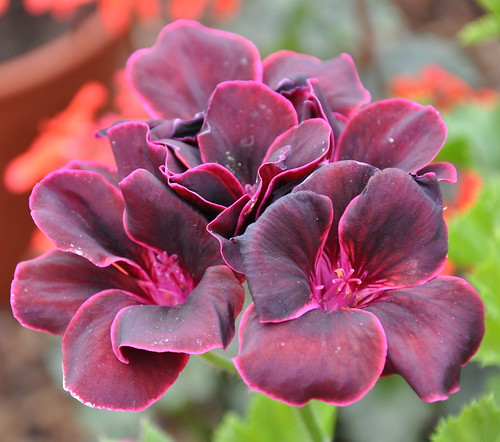
Pelargonium 'Lord Bute'

Tips on Pelargonium Cuttings

  • Plants flower best when they are mature, full of leaf and well grown. Geraniums need time, usually 10-12 months from cutting to flowering to be at their best.
  • A 3 inch cutting should have several leaf joints (nodes) for potential branching. Some gardeners recommend non-flowering stems but I find it isn’t significant.
  • Take the cutting with a razor blade or sharp knife just above a leaf joint from your stock plant. Trim off all bar one or two leaves and any flower buds. trim back to just below a node.
  • I use 3 inch pots but smaller pots may be suitable or 4-5 cuttings can be put around the edge of a larger pot. Cuttings can also be planted in a hole close to the parent bedding geranium and lifted with soil for potting on for winter.
  • Gritty compost or soil with added sand is a suitable medium. The sand can stimulate root growth. I do not use rooting hormone it isn’t worth the cost as Geraniums root so easily.
  • Pinch out the growing tip to encourage roots and branches.

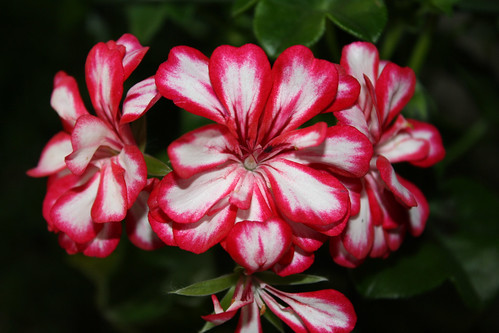
Pelargonium peltatum

  • Dwarf and miniature plant cuttings can be proportionately smaller but the method is the same.
  • Water the pots from the bottom. Bottom heat will only be needed for late October cuttings
  • Dwarfs, Ivy and miniature Pelargoniums root quite well. I find Regals a bit harder as cuttings.
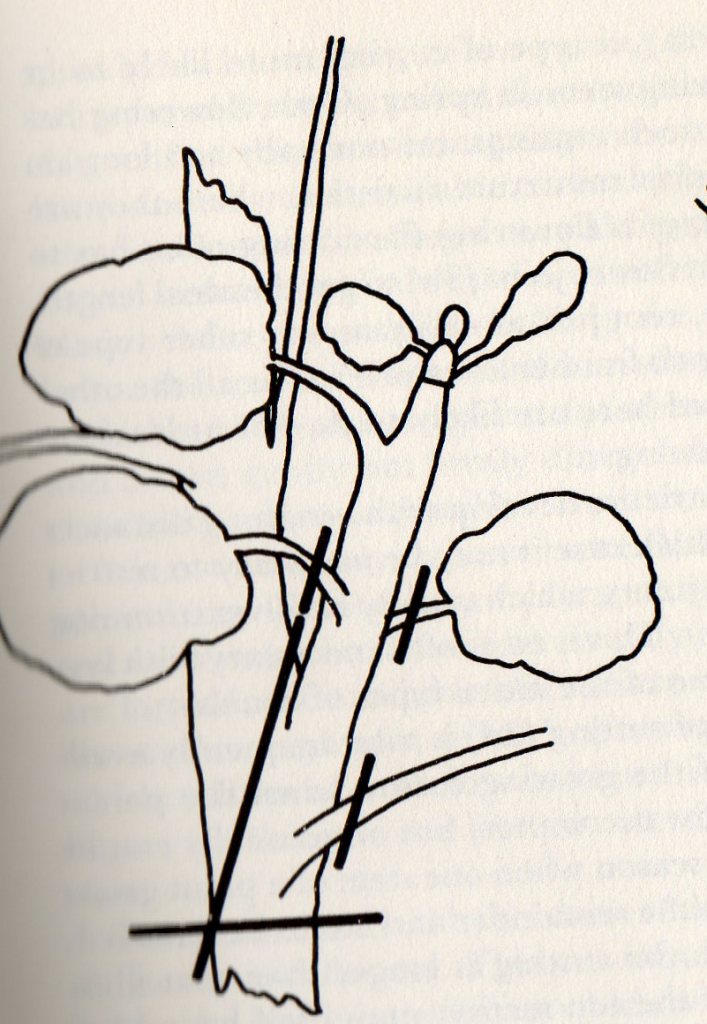
Nodal Shoot cutting
Nodal Shoot cutting
  • A nodal shoot cutting above is taken by trimming by branching stem into two cuttings.
  • Other than Regals which need nodal cuttings, they can be taken from the  most suitable point of the host plant.
  • A leaf Axil cutting below can be taken if the plant has no other suitable cutting material.
Leaf Axil cutting
Leaf axil cutting

Other links and information on Pelargoniums

Top 10 Scented leaved Pelargoniums
Pelargonium Grandiflorum and other ‘Geraniums’
Stellar Pelargonium – Bird Dancer Geranium
Photogenic Pelargonium
Growing Regal Geranium Pelargonium
Miniature Pelargonium
Dwarf Pelargonium aka Geranium
Tips for Growing Geraniums (Pelargonium)
Other Resources and Credits
Pelargonium ‘Lord Bute’ by douneika CC BY-NC-SA 2.0
Pelargonium peltatum by DowianA CC BY-NC-SA 2.0
Royal Horticultural Society RHS ‘Gardening for All’
National Council for Conservation of Plants and Gardens ‘Conservation through Cultivation.’
Garden Organic National Charity for Organic Gardening.
BBC Gardening
Thompson & Morgan supply seeds and plants in season.

Flower Arranging – Aspidistra elatior

Flower Arranging – Aspidistra elatior

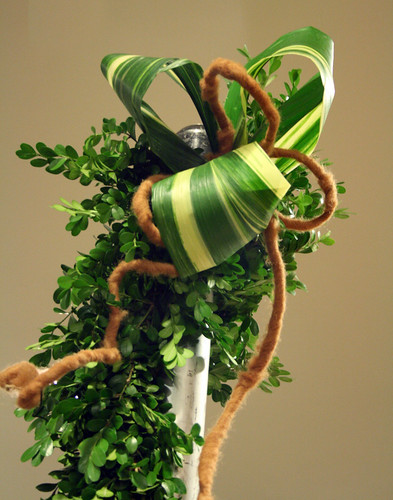
IMG_5884 tent pole decoration aspidistra bow

Growing Aspidistra for Flower Arrangements

  • Aspidistra elatior leaves were popular in Victorian parlors because they tolerate low light, draughts and neglect.
  • The pointed leaves are tough dark green and oval shaped. The Aspidistra elatior variegata has long stripe leaves.
  • Aspidistra thrive best if kept pot bound. Repot every 5-6 years in good loam or compost
  • Water regularly is spring and summer but avoid water logging.

Woman at the window, with her prized Aspidistra

Special Tips for Flower Arranging with Aspidistra elatior

  • Aspidistra elatior was made popular by french flower arrangers like Olga Meneur.
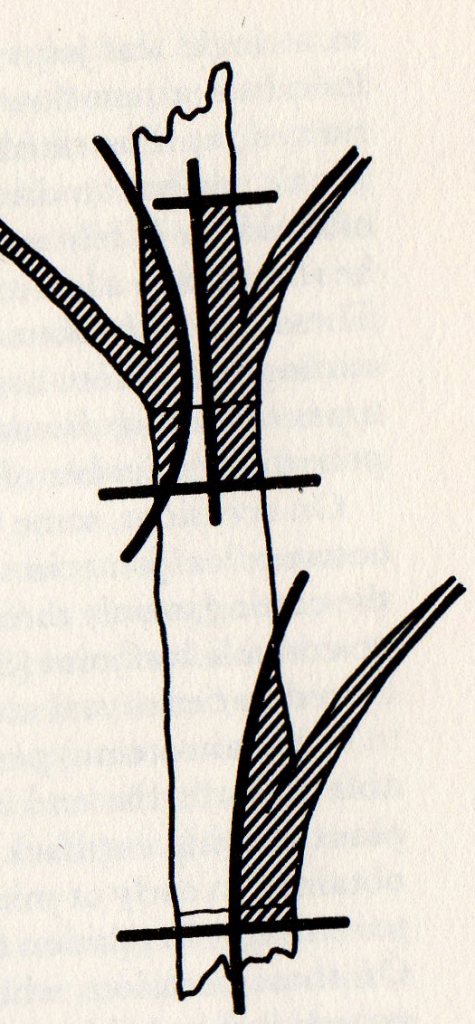
  • Leaves can be manipulated into different shapes by curling them round and securing with flower glue or a staple.
  • Two or more curls can be made by tearing the leaf down it’s mid-rib and curling in different directions to add different shapes and forms.
  • Leaves should be conditioned by standing in a bucket of cold water as soon as they are cut to receive a long drink. They should then last many weeks.
  • The leaves can be shined with a soft cloth and the application of a thin covering of cooking oil
  • Glycerining will make the leaves last many years. For method see Solomons Seal and dry well once the colour has changed to creamy-beige.
  • Order Aspidistra leaves from a florist if they are too slow growing on your plants.

A full array of books on Flower Arranging and related subjects is available from Amazon. You will find more advice and artistic inspiration amongst this selection.
I would also recommend the Harrogate spring flower show where I am always stunned by the floral arrangement amongst the plants on display.

Flower Arrangement
Credits
IMG_5884 tent pole decoration aspidistra bow by godutchbaby CC BY-NC-ND 2.0
Woman at the window, with her prized Aspidistra by whatsthatpicture CC BY-NC 2.0
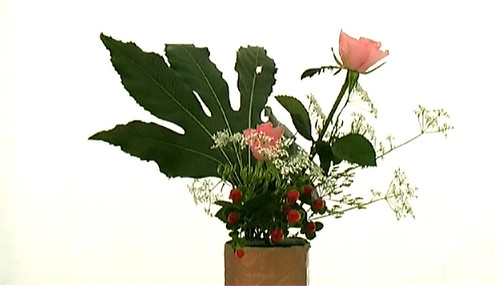
Flower Arrangement by Dominic’s pics CC BY 2.0

For a cast Iron winner in the flower arranging stakes you could do a lot worse than use Aspidistra leaves aka the Cast Iron plant. Slow growing so you may wish to buy your leaves but after glycerine they will last for years.
Turn your arrangements into botanical works of art – here are some examples and clubs you could join.

To grow a generic mix of flowers for arrangements and bouquets check out Thompson & Morgan

Forcing Strawberries the Old Fashioned Way

Forcing Strawberries the Old Fashioned Way

starwberries

The old ways of forcing Strawberries do not cost the airmiles that our imported fruit now consume. Nor do they sacrifice flavour for an early crop. Old gardeners fashioned different ways to get Strawberries 4-8 weeks early than your normal summer crops.

Way to Force Strawberries in the Greenhouse

  • One and two year old strawberry plants are likely to produce better fruit. Current plants and three years and older are unlikely to have the vigour.
  • Lift at the end of January or February and pot up in John Innes No 2. Water well.
  • Bring potted up plants into the greenhouse, water regularly and do not allow them to dry out.
  • Strawberries hate to be too hot so keep well ventilated. But, if frost is forecast cover plants with newspaper.
  • When flowers start to appear fertilise with potash rich tomato feed.
  • Pollinate by gently rubbing the flowers to move the pollen.
  • The less foliage a plant makes the better the crop.

Way to Force Strawberries Under Cloches

  • Cover healthy vigorous plants in February with plastic or glass cloches for an early crop. You can also use old fashioned Dutch lights.
  • As the weather warms up pay attention to watering ventilation and allow pollinating insects access to flowers.
  • Botrytis fungus loves cold damp still air and large old plants may be prone to attack.
  • Protect from hard frost with horticultural fleece. if flowers turn black in the centre rather than lime green they have been frosted off.

California Strawberries

Pick your strawberries by hand in the old fashioned way but with care you will be several weeks earlier than your neighbors.

Old Fashioned Varieties for Forcing

  • Under glass you want a strawberry with a compact habit and mildew resistance. Try one or more of the Cambridge varieties Favourite, Regent, Rival, or Vigour.
  • Royal Sovereign is still a top forcer
  • Gorella and Aurora
  • Regina, Wandenswill 4, and Reine des Precoces

Tips for Forcing Strawberries

  • Try the early maturing varieties named above. Build up young plants first by heavy mulching with compost.
  • Before plants are covered give them a through watering especially after a period of frost.
  • Increase watering after mid march but allow time for surplus to dry off before evening.
  • Use Glass or cloches to protect from wind and cold not to force by heat.
  • Set plants in rows north to south to get even ripening

strawberry fields forever

Credits
starwberries by saraicat CC BY-NC-SA 2.0
California Strawberries by pixieclipx CC BY-NC-ND 2.0
strawberry fields forever by Niels van Eck CC BY-NC-SA 2.0

Easier Gardening as You Age

Easier Gardening as You Age

Expert gardeners can spend 50 years learning, sometimes just about one species or family and then they die!

You are never to old to start gardening, nor are you too old to learn easier and simpler ways to enjoy your gardening.
Bending and kneeling may get a bit harder as you age but there are ways to overcome these restrictions like padded kneelers with good handles.

Tools as You Age

  • You are not going to double dig acres of ground so get a spade to suit. A small stainless steel blade will not over tax the muscles but still get most jobs done at a steady pace.
  • I have very useful forks and a trowel on long handles. They are easy to obtain and save your back. You can also fashion your own dibbers and gadgets
  • A two wheeled barrow is lighter for pushing than a traditional one wheeler.
  • Use large pots and containers to reduce watering and put them on casters for moving around.

Book Cover
The Illustrated Practical Guide to Gardening for Seniors: How to Maintain Your Outside Space with Ease Into Retirement and Beyond by Patty Cassidy from Amazon

Easier Gardening as You Age

  • This new American book shows how easy it is for seniors to carry on gardening, into and way beyond retirement.
  • It looks at different kinds of homes and the gardens they provide, assessing the location, local climate and soil type and evaluating problems such as arthritis and loss of balance.
  • The book also outlines the importance of taking care of your body, summarizing the safety issues, what to wear, warm-up exercises and equipment to make the garden easy to access for unsteady feet or wheelchairs.
  • Included is a directory that profiles the many planting choices available, each with a difficulty rating and a hardiness category.
  • Gardening for Seniors is packed with projects, garden plans and step-by-step sequences.
  • Easier gardening will appeal to active gardeners in their early retirement through to those with more limited abilities, showing how, by adapting garden activities and the tools employed, the joy of gardening will remain undiminished.

Plants and Planting as You Age

  • Avoid fast growing shrubs that need pruning and regular spraying. I prefer small rhododendrons to roses for this reason.
  • Aim at your senses placing plants where you will get the best reaction from those you have in full working order.
  • Design and implement your gardening to impress others and they will stop and talk. Easier gardening can still recognise you are up for a challenge despite your age
Funs, Puns, Quips and Snips for gardeners

Funs, Puns, Quips and Snips for gardeners

Gardening is no Laughing matter, the joke is usually on the gardener

Naughty Gardeners Quips
There was a young man from Australia
on his bottom he painted a dahlia
the heat of the ball
caused the petals to fall
and the scent was a bit of a failure

What is long and thin, covered in skin,
red in parts and goes in tarts?
Rhubarb

‘I think the answer lies in the soil’ Arthur Fallowfield the man who put the sex in Sussex but left Scunthorpe alone.

Clean Gardeners (I don’t believe it)
What is the difference between bogies and broccoli? Kids wont eat broccoli

The snowman asked can you smell carrots?
Does okra come from Okrahoma
What is a vampire’s favorite fruit? A: A neck-tarine
What is orange and sounds like a parrot? a carrot

The older the better unless you are a banana
Are 2 banana skins a pair of slipper
What is green in the morning, yellow in the afternoon and brown in the evening? another banana

Going to the Flicks
Who framed Roger Raddish,
20,000 leeks under the sea,
Butch celery and the sunflower kid,
The lawn ranger,
Quatermass and the Pip,
The magnificent five-a-day,
Snow White and the 7 Dwarfbeans,
Okrahoma,
Rocky soil II,

Garden Jargon & Terms

Garden Jargon & Terms

Top Topiary

What is a Tree or Shrub

There are no hard and fast horticultural rules for these perennial plants. Trees are generally larger than shrubs and bushes.

  • A tree is a woody plant that produces a single trunk and an elevated head of branches. Small trees are defined in the UK as 15-30 feet tall whilst large trees are over 60 feet tall.
  • A shrub is a woody plant which branches from the base or near the ground with no obvious trunk hence the term shrubbery.  Large shrubs are over 10′ but less than 15′,  medium 6-10′, small 3-5′ and dwarf and prostrate under 2′.
  • A bush is a shrub with stems of moderate length and is smaller or more compact than a shrub. Common parlance has currants, gooseberries and roses as bushes
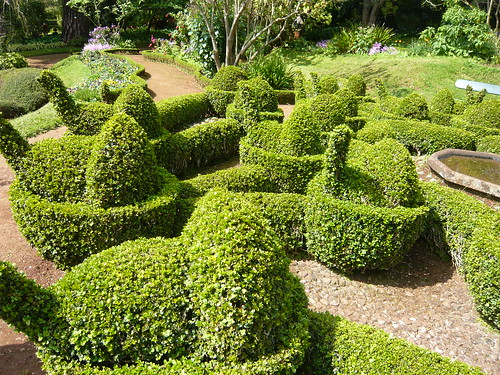
  • Cordons, Espalier, Pyramids and Fans are tree or shrub shapes created by training and pruning.Topiary is pruning and shaping to a shape of the gardeners chosing.

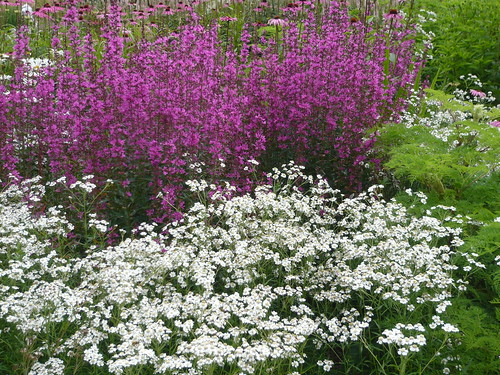
Colour bed

What is an Herbaceous Plant

Read More Read More

Monkey Puzzle Tree

Monkey Puzzle Tree

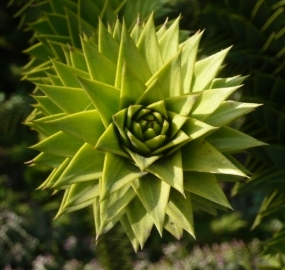
monkey-puzzle

This is the end of a branch can you tell what tree it is from? Well not much of a puzzle to monkey around with. With sharp edged and pointed leaves of the Monkey Puzzle Tree would impale and slice the most careful monkey that was trying to climb its branches.

Facts about Monkey Puzzle Trees

  • It grows slowly when young and picks up speed when older. It can reach 120 feet tall and become quite wide so isn’t a long term proposition for a small garden.
  • It can’t be pruned successfully as its sculptural shape is the key reason for growing the tree.

    Read More Read More