Browsed by
Month: July 2019

Grow Winter Aconite = Eranthis

Grow Winter Aconite = Eranthis

Aconites

Winter Aconite

  • One of the earliest bulbs to bloom. They can be planted 2″ deep in August.
  • They look particularly good in masses.
  • They  grow, flower and seed when light penetrates the bare branches of the trees above them. So they grow well in semi shade.
  • Eranthis dry out very easily so keep moist.
  •  Winter Aconites dislike being moved and are best left to their own devices.
  • Eranthis are part of the buttercup family.
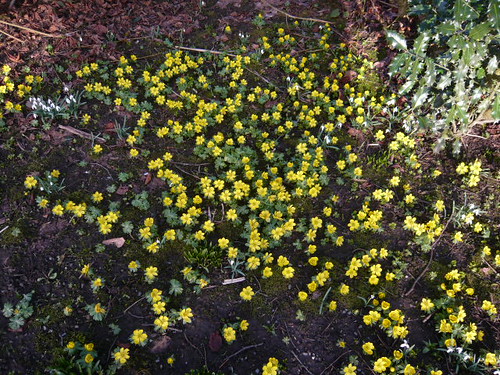
March 2 Winter Aconites

Read more on gardeners tips
Conifer Corner in Poor Shallow Soil

Conifer Corner in Poor Shallow Soil

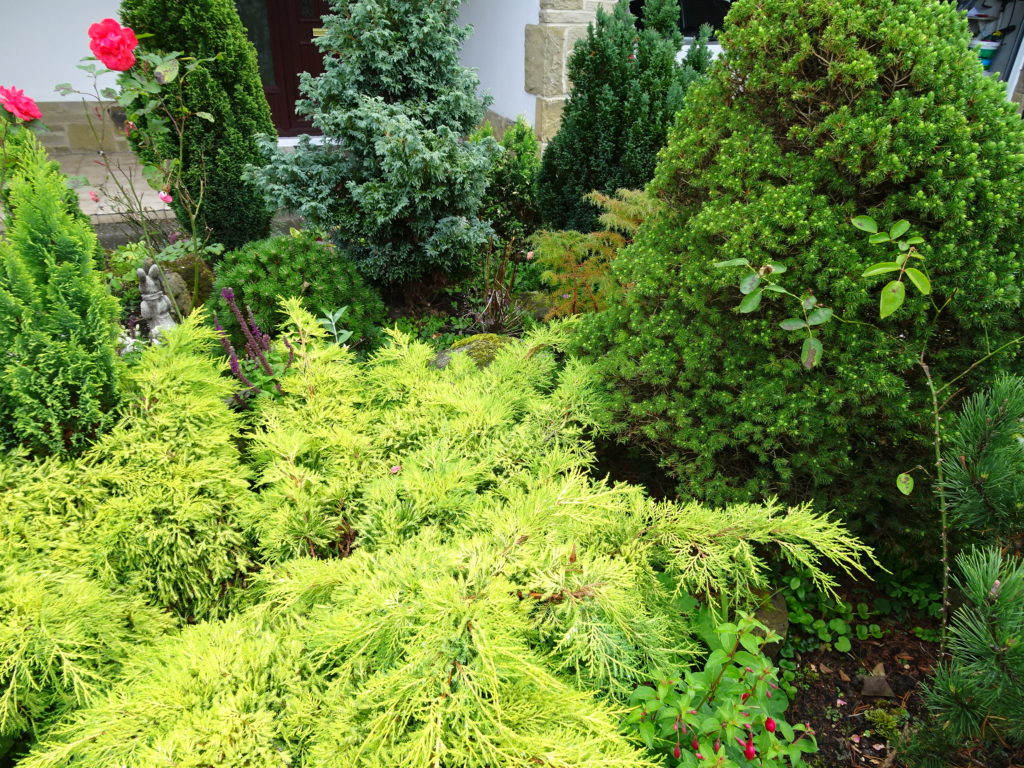
There are 7 or 8 different conifers in this photo from a total of 16. The whole bed is roughly rectangular 6 yards by 5 yards. It has one unusual feature in that the soil is very shallow and poor.

The Beds Origin

  • Originally the area was a tarmacked drive that was not used or needed. The answer should have been to dig it up, and almost one third of it was, but my tactical bad back intervened.
  • The solution was to buy a large lorry load of top soil and make a hump of soil that we called our rockery. The drainage from the start was excellent.
  • The depth was 1′ at the edges and may be 2′ in the middle. With a few rocks it looked like an alpine garden without the real height.
  • Alpine enthusiasm waned after several years and some dwarf conifers were planted for coverage in the now compacted and impoverished soil.
  • Little or no fertiliser has been used in 20 years but in dry summers there has been some occasional watering.
  • Despite all this the conifers survive and the prostrate spreading junipers grow year on year.
  • The rockery stones provide stepping off points.
  • Some bulbs were planted but only grape hyacinths seem to have thrived. Patio roses succumb to black spot.

As was 10 years ago at the start of the conifer plantation era.

Comment

  • Plants want to grow and will adapt to many conditions as this bed demonstrates
  • Losses have been minimal and most conifers still seem happy.
  • It remains to be seen how the roots of any shrub to be replaced will have grown through the tarmac and substrate. It may be hard to dig out but not as hard as clearing all the original tarmac in one go. The disposal of just a part was a job in it’s self.
  • The lack of soil depth has turned the taller growing conifers into partial bonsai and all the better for that.

Overhead view of the same garden bed five years earlier.

Winter Moth Problems on Fruit Trees

Winter Moth Problems on Fruit Trees

Fruit trees can be a winter home for a range of female moths. Amongst them are woolly aphis and capsid bugs plus other pests that emerge from the ground. They crawl up fruit tree stems and trunks in October to lay their eggs. The caterpillars hatch in spring and feed on the foliage and fruit.

Prevention and Treatment

  • To check the progress of these pests a barrier can be erected. Some fruit growers use a band of paper covered in tacky grease.
  • Tubes of special grease are now available specially for older fruit trees with rough bark where grease bands are less effective as pests can crawl under the band. Alternatively the bark can be smoothed first.
  • Winter moth and mottled umber moth need an  application at the beginning of winter before adult female moths climb trees to lay eggs. Apply again in summer to protect against ant infestations.
  • Rentokill call their product ‘Glue Bands’.
  • Grease any support stakes and low hanging branches.

Other Tips

  • Fix the grease band 1 ft below the lowest branch. Paint the stem with lime wash above the grease band.
  • Reapply after 2-3 months or renew the grease effect.
  • Also suitable for ornamental trees that are susceptible to infestation.
  • Keep bands free of dead leaves.


Chionodoxa Bulbs to Plant in August

Chionodoxa Bulbs to Plant in August

Chionodoxa

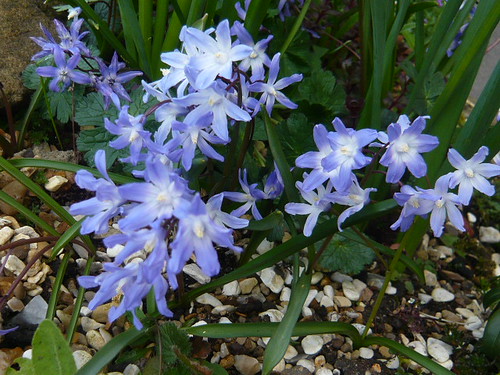
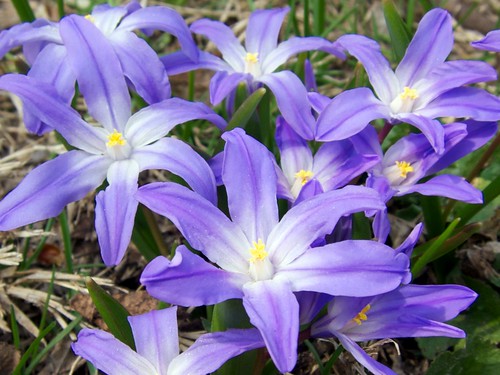
  • Chionodoxa or Glory of the snow are hardy, early flowering bulbs to plant before the end of August.The bulbs appreciate a bit of warmth to get going.
  • Chionodoxa grow 6-8″ high and thrive in ordinary soil .
  • Plant 2-3″ deep in rockeries or borders.
  • Alternatively plant closely in a pot of loam. Keep in a cold frame until growth is visible the take into a greenhouse or windowsill for a good display of bright blue flowers.
  • Water regularly after the emerging of foliage until the leaves die.

ChindoxiaFor the specialist there are a dozen different varieties to investigate and grow. Potentially the basis of a fine collection. See more detail and a list of species here

Chionodoxa need water in the spring so if the ground is dry

Chionodoxa forbesii 雪光花

Lily Ponds Starting to Look Good

Lily Ponds Starting to Look Good

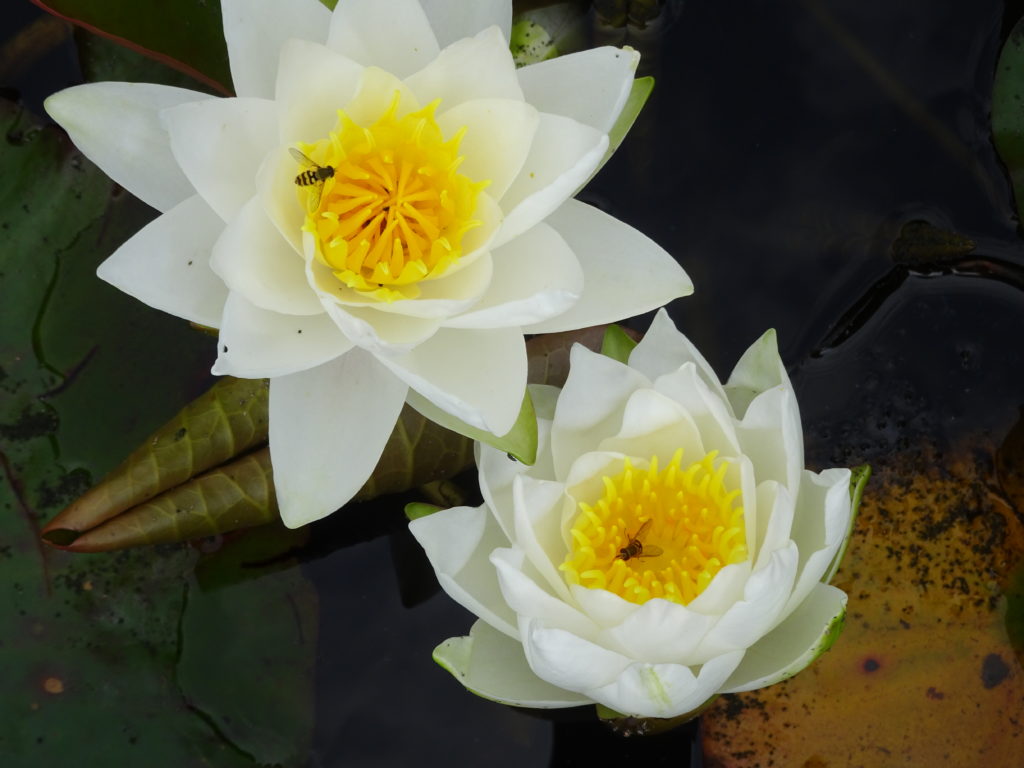
July is the season to look out for mature lilies in older ponds. There is nothing to beat the calming influence of a white lily on a pond of still water. Of course not all ponds are and remain tranquil. This smaller pond on Filey cliff tops acts as an advertising hoarding for ice cream. Who invented ice cream for dogs? It is already enough to encourage kids to splash in the pond never mind dogs.

 Waterlily Tips

  • Waterlilies need a position in full sun to flower at  their best.
  • Waterlilies need calm, still water. Warm water and light provide the best conditions.
  • Even deep varieties can’t grow when the water is more than 5 feet deep. Most varieties grow happily in 3 to 4 ft of water if allowed time to establish.
  • Waterlilies are best planted from late spring to mid-summer.

Lily Pond Tips

  • Do not allow trees to over hang a pond
  • Keep fountains and running water away from lilies as they do not like disturbance or flowing water
  • A base of natural clay and silt are the best medium into which you plant lilies
  • Read Gardeners Tips
  • Aim for a minimum two thirds water to one third water lily and you will get the best reflections.

Burnby Hall Pocklington

Burnby Hall Yorkshire (above) has two magnificent lakes holding a national collection of Water Lilies.

Looking for the Unusual

Looking for the Unusual

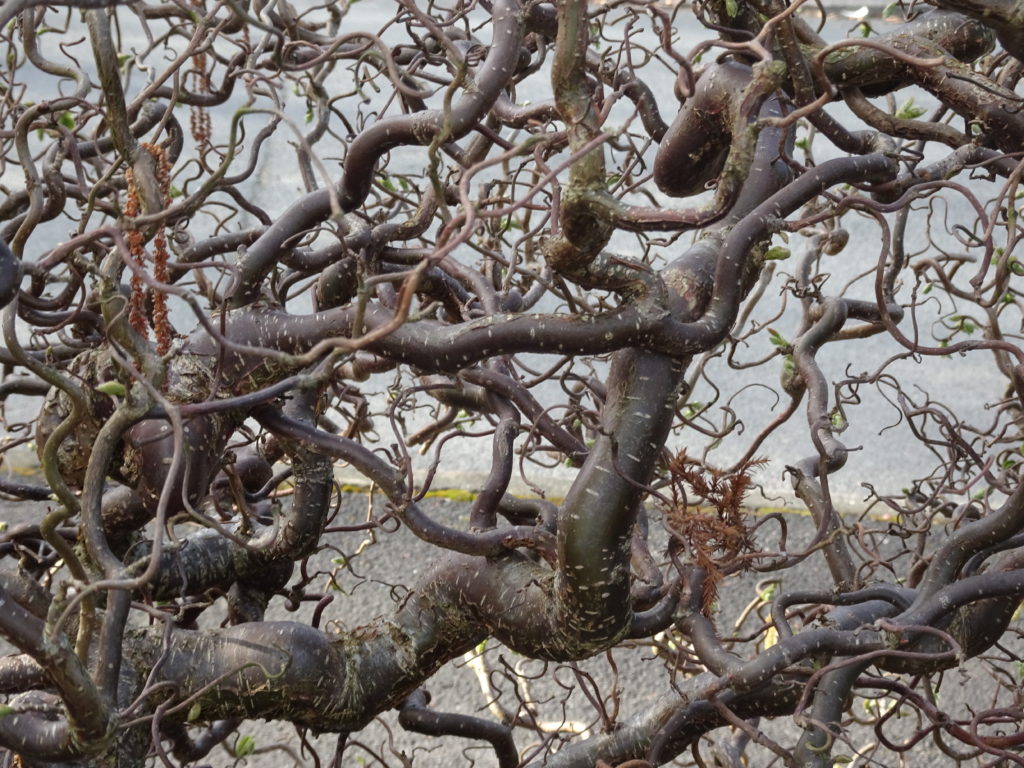
Visual nature can be found all around in your garden, local park or field. Keep a look out for interesting or unusual shapes, patterns and textures and take a camera around with you. I like the contorted Hazel branches that weave their own pattern.

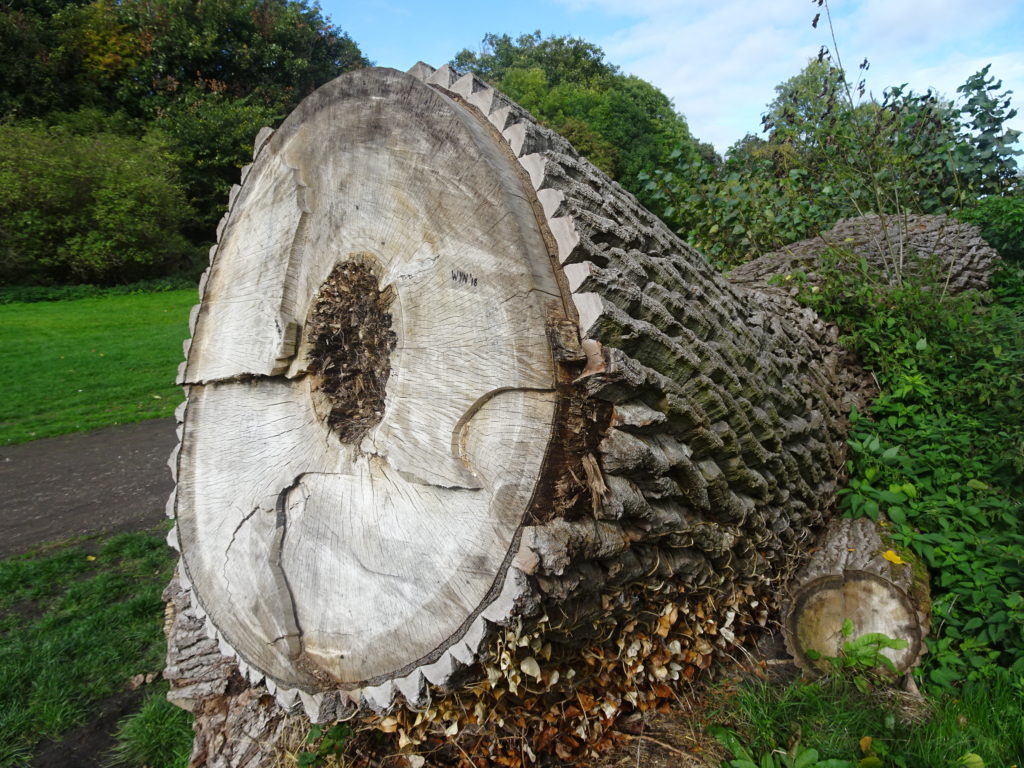
This log in parkland had an amazing pattern created by the symmetry of the old bark. The teeth shapes remind me of cogs on a rustic wheel.

Read More Read More

Blood Red Phlox

Blood Red Phlox

This could be an old variety old variety ‘Brigadier’ from pre WW ll.  It has strong colouring with  vivid pink-red flowers and a striking magenta eye. Like most paniculata varieties it has a good fragrance.

If the plant has been maintained for 75 plus yaers it will have been replicated from cuttings many times as most phlox are comparatively short lived herbaceous plants. Root clumps can be split with high levels of success. Alteratively stem or root cuttings should thrive.

Other Red Phlox paniculata

  • Red Riding Hood
  • Sandra,
  • Volcano red,
  • Red Super
  • Star Fire

Other Red Phlox

  • Red Drummondii Drummond annual
  • Phlox ‘subulata’ Creeping Moss’
Delphiniums Plural

Delphiniums Plural

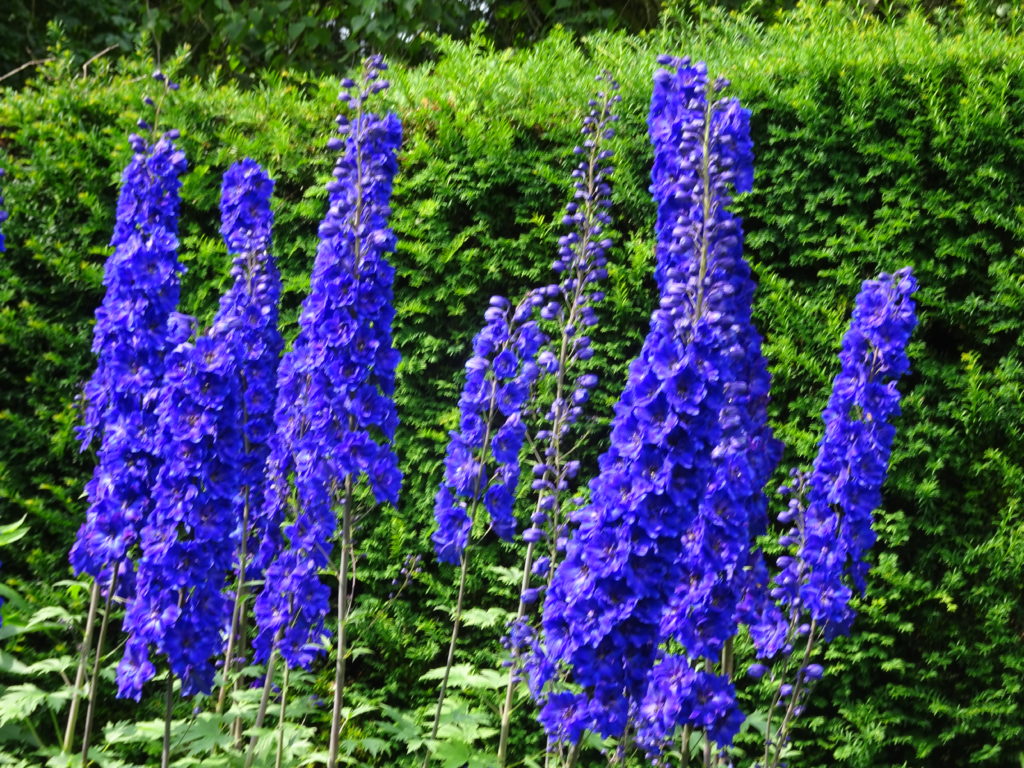
Stately and statuesque, the blue Delphinium is one of the best tall features in a herbaceous border. I questioned my English teacher whether they should be called Delphinii as there always seemed to be several upright stalks like the chunky dark blue examples above. As regular readers will know spelling is not one of my greatest strengths.(nor is grammar).
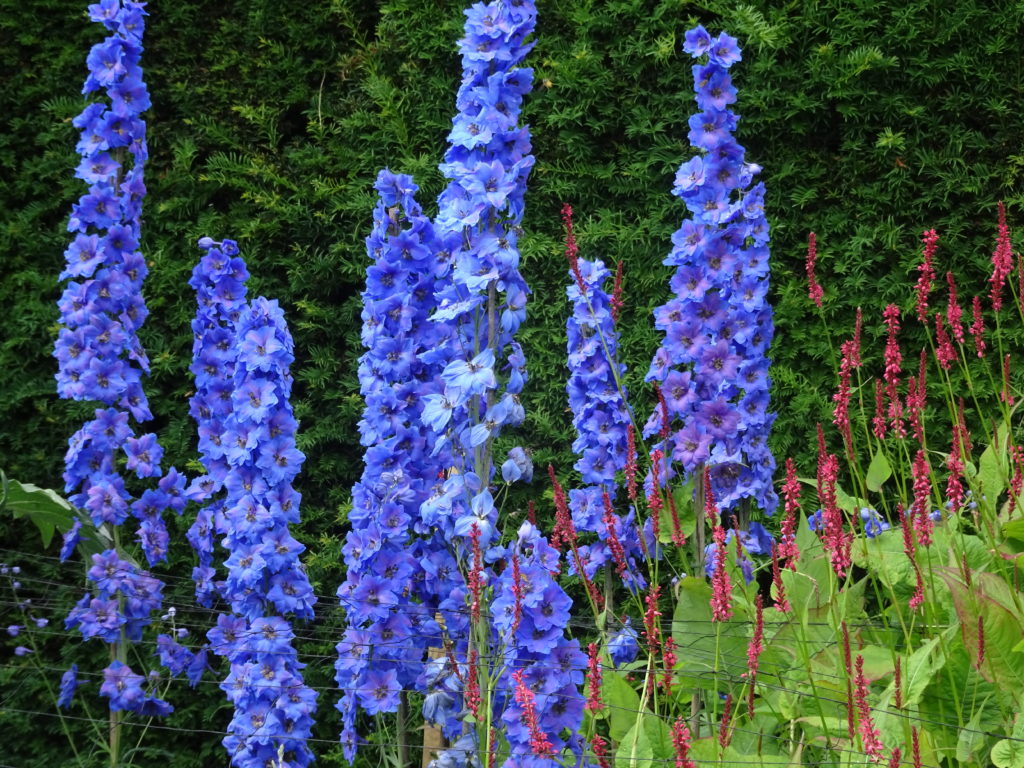
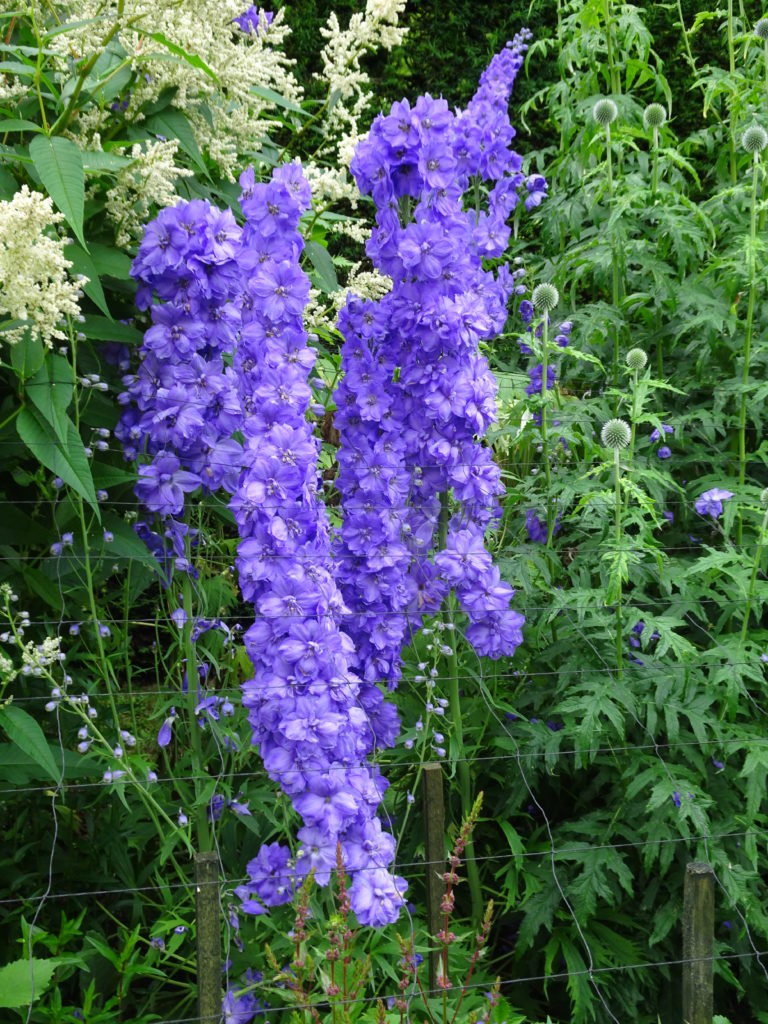
The keen eyed will spot one of the secret ways of helping these 6 feet high giants stay upright. At Newby Hall garden a great deal of time and effort is expended on good quality staking and support and delphiniums are no exception. There is 3″ square mesh of fine filament placed at about 3′ high and the flower stems allowed to grom through. There is no need to support individual blooms.

There are many shades of blue from the dark almost purple to powder blue and even white.

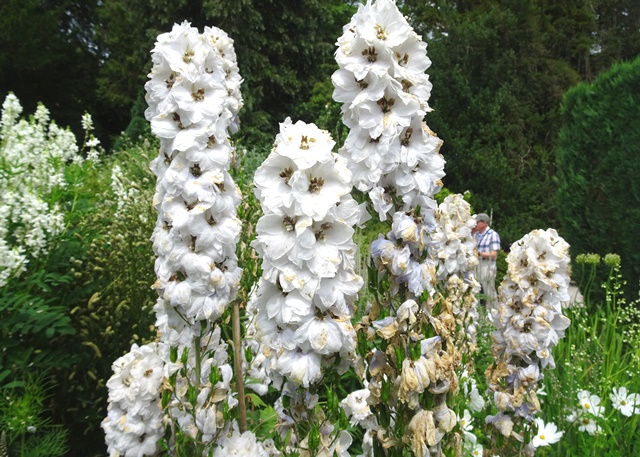
Slightly gone over these flowers were displayed in a white border. Delphiniums have been a minor success in my flower vases this year and I will try again next year after feeding and water the plants extra sustinence.

Varieties courtesy of Old Farmers Almanac

  • Belladonna Group: Upright, loose and branching perennials with single flowers that grow 3 to 4 feet tall. ‘Blue Bees’ is a Belladonna producing clear blue flowers with white centers.
  • Elatum Group: These are the tallest spiked hybrids growing to 6 feet or more. ‘Blue Nile’ is a medium plant bearing semi-double, bright, and mid-blue flowers with white centers (called bees). ‘Bruce’ is a tall Elatum bearing semi-double, violet-purple flowers, paler towards the center, with brown bees.
  • Pacific Hybrids: Similar to Elatum Group, although not as tall, this hybrid is short-lived and often grown as annuals or biennials. ‘King Arthur’ bears plum flowers with white bees with 5- to 6-foot tall flower spikes.
  • According to the RHS Delphinium x ruysii  ‘Pink Sensation’ is a short-lived perennial with deeply divided leaves and slender spikes.
My Plant Identification Problems

My Plant Identification Problems

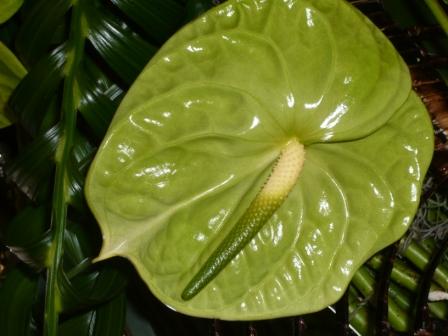
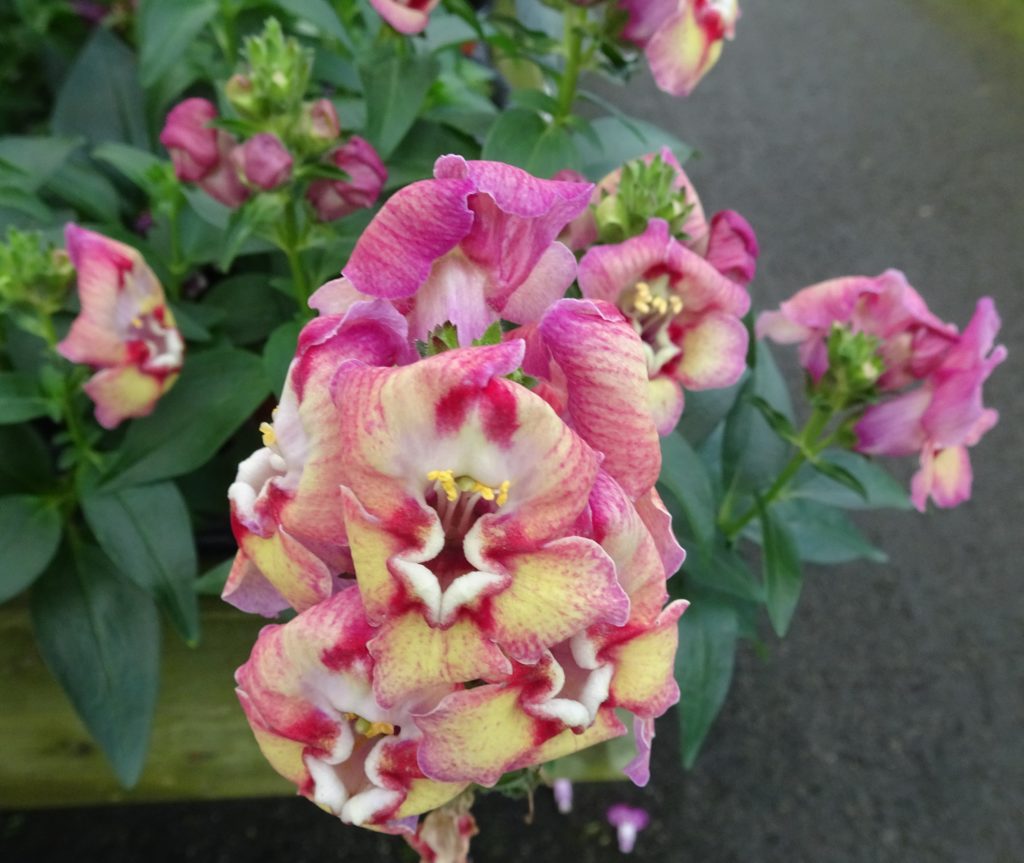
We can all suffer from forgetfulness or in my case ignorance. This flower looks a bit like an antirrhinum but somehow that doesn’t seem to fit.

Reasons for Poor Identification

  • Failure to take due notice and collect all the available information when first encountering a plant.
  • Rare or unusual species seldom or not previously seen, thus having no reference point.
  • Poor botanical knowledge eg. number of petals, leave shape, growing conditions etc.
  • Large number of newly bred hybrids or special varieties. These are often ‘dumped’ on the market by suppliers to stimulate sales by introduction of new products.
  • Not looking carefully and taking time to think about identification. Gardening should not be all about speed or so I keep telling myself.
  • Able to guess the order, family, genus, species, hybrid, variety or common name but not all at the same time.
  • Confusion created by the renaming or reclassification of a traditional plant into a new  genus such as Aster which became Symphyotrichum!
  • You know what it is but not what variety or sub species.


Gardener’s Neckwear

Gardener’s Neckwear

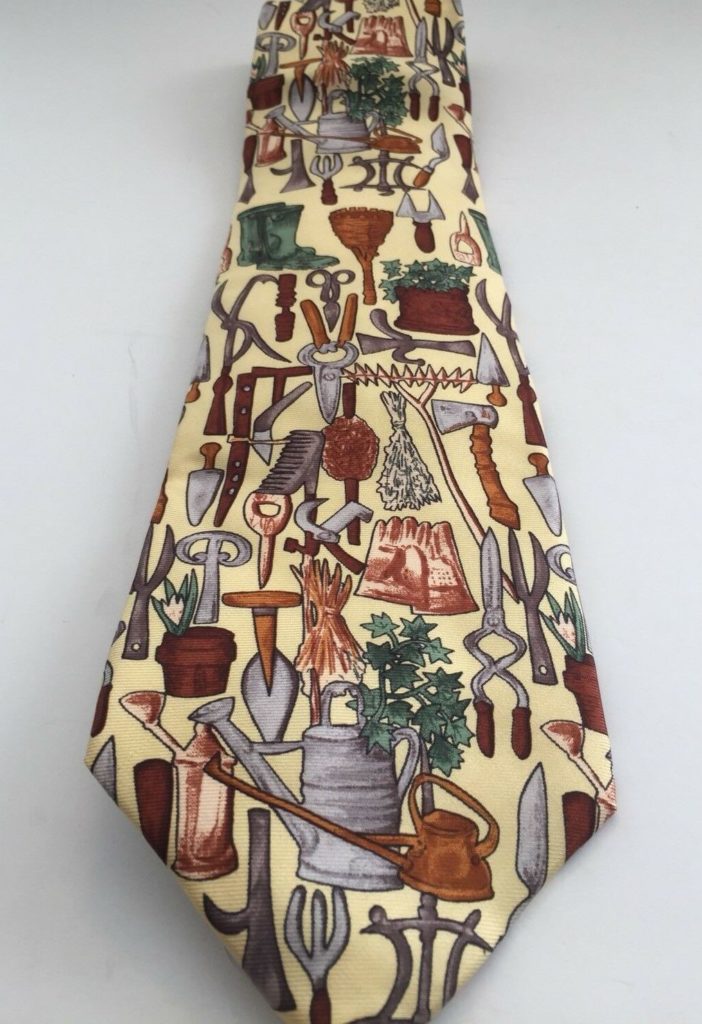
There is many a good gardener who wears a tie to work. Neat rows of vegetables, manicured lawns and a smart personal appearance are de-rigor in the best professional gardens.

Book Cover

Contrast this to the old (some may say very old) neckerchief worn by Adam the gardener in the informative 1940’s strip cartoon. His recommendation for the first week in August included sowing hardy annuals of eschholtzia, cornflower, nigella, larkspur, scabious and shirley poppy for transplanting in spring. I guess that is all tied up.

Can you name all the garden implements?


Yorkshireman statue at Newby Hall Garden near Ripon. A tie, waistcoat and flat cap, what every well dressed gardener should be wearing.