Barking Mad Trunks
Not much text more about texture!
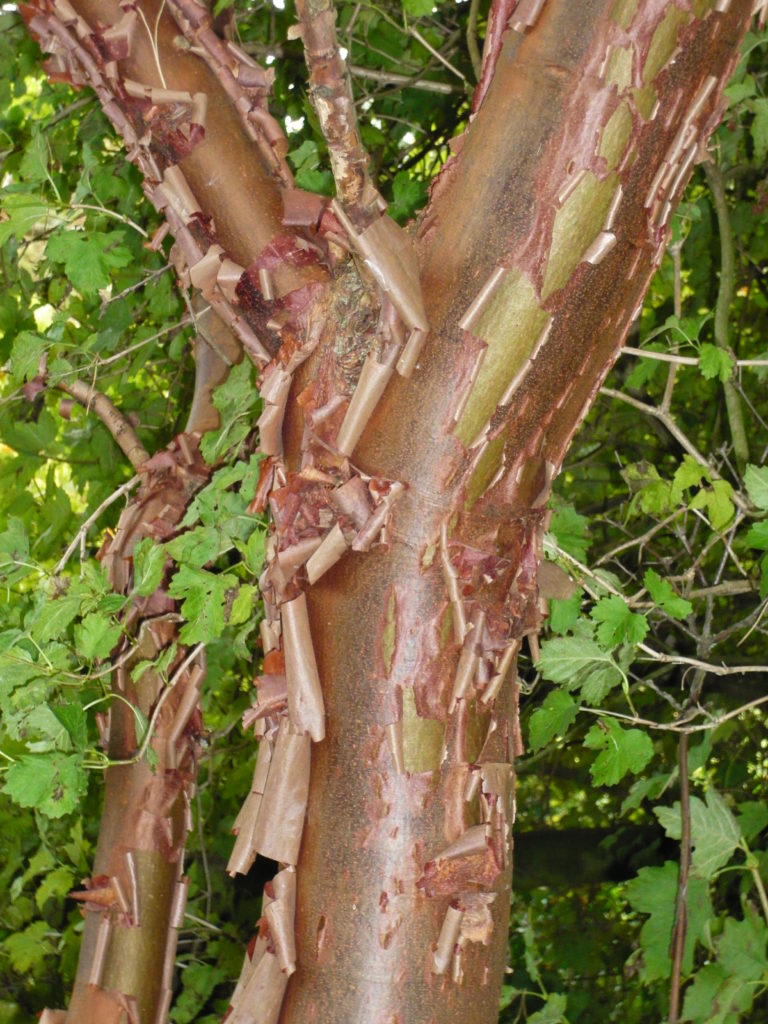
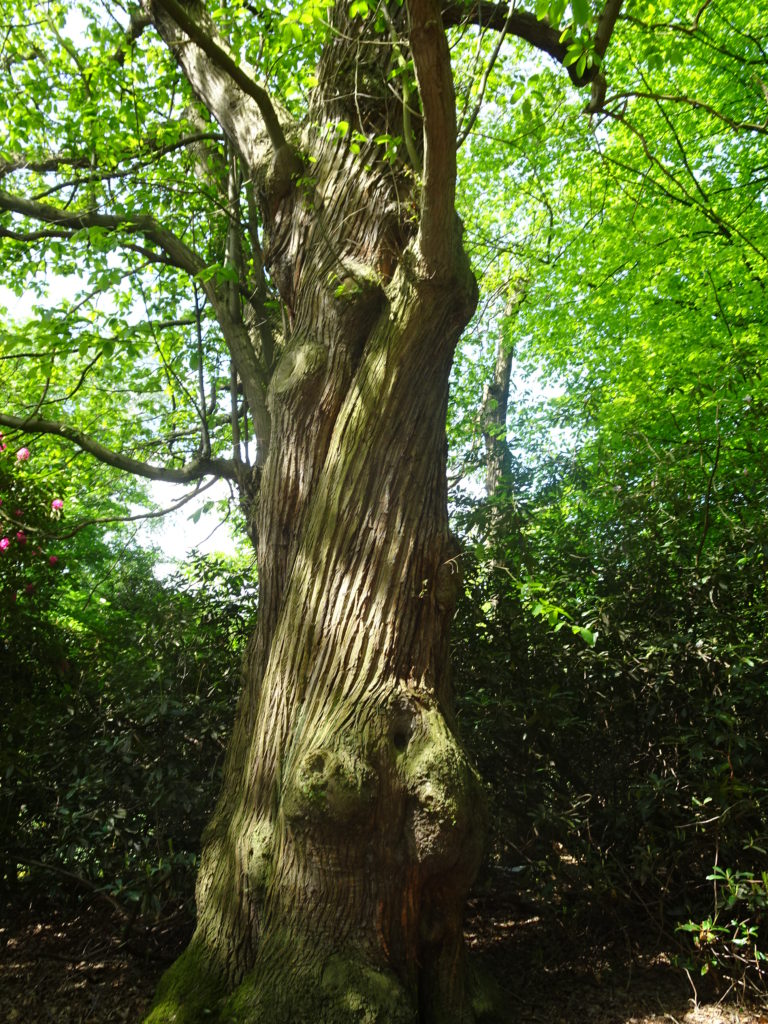
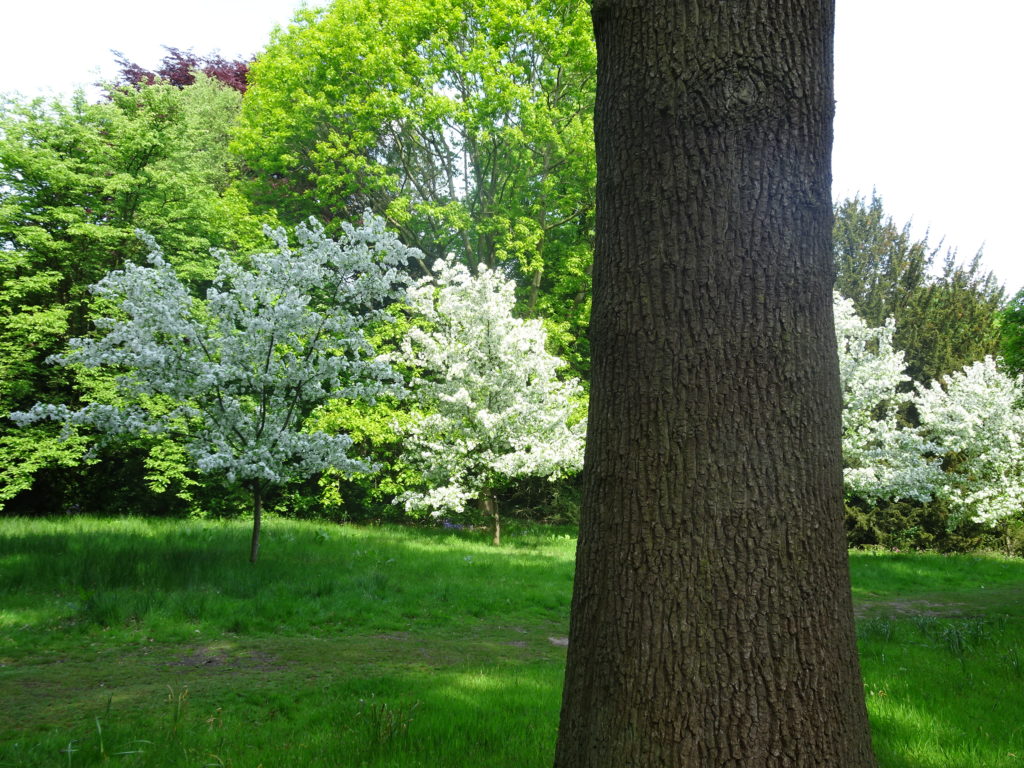
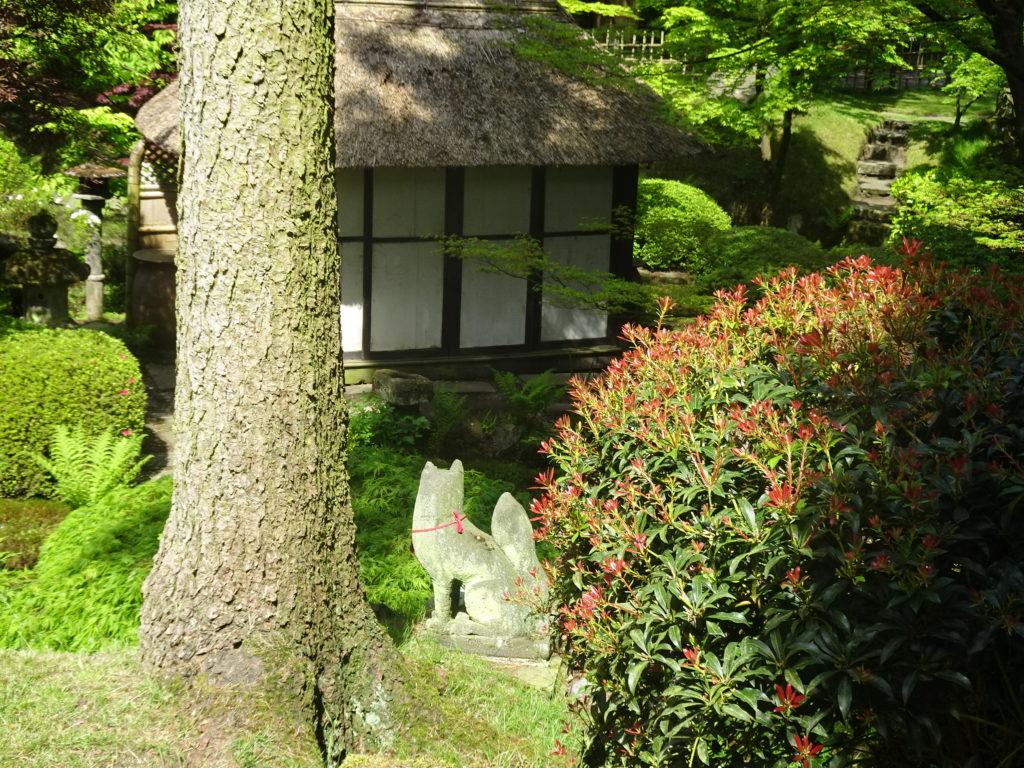

Not much text more about texture!
Where would we be if there weren’t already numerous robots used in the gardening industry. Do you imagine there are thousands of Dutch gardeners pricking out the seedlings of the soon to be gaudy annuals on supermarket displays or thousands of Chinese coolies picking individual seeds for our packeted seed industry (well may be in this case).
Glasshouses have many automated facilities from sowing, watering and potting and these are becoming economic for some gardeners. Soon we will be able to do all our gardening from this position.

What of other robots to help individual gardeners in their own gardens perhaps for weeding? Early gardeners would be fascinated with the electronic tools now available not least the automatic programmed lawn mowers.

Fruit picked by human robot!
I will not be allowing robots to take on my favorite task of drinking a gin and tonic at he end of a session in the garden.
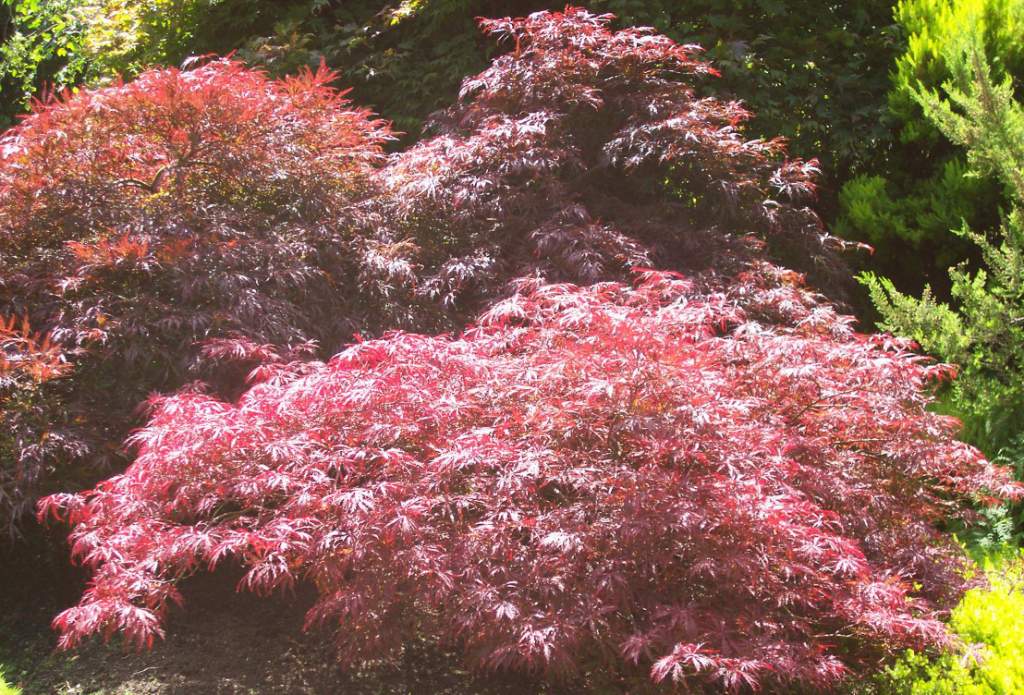
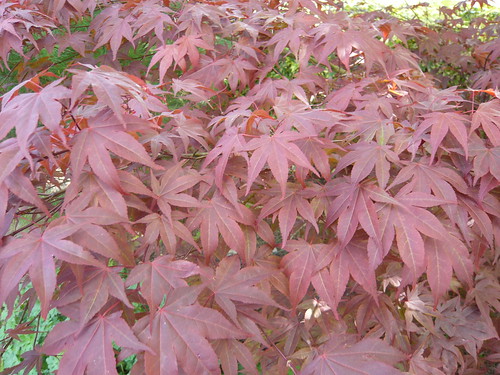
As gardeners mature they enter a purple patch in their life and potentially in the garden. Some of the best plants with purple or coppery coloured leaves take several years to mature like the notional gardener. Amongst the favourites must be the copper beech and the many Acers with reddish leaves.
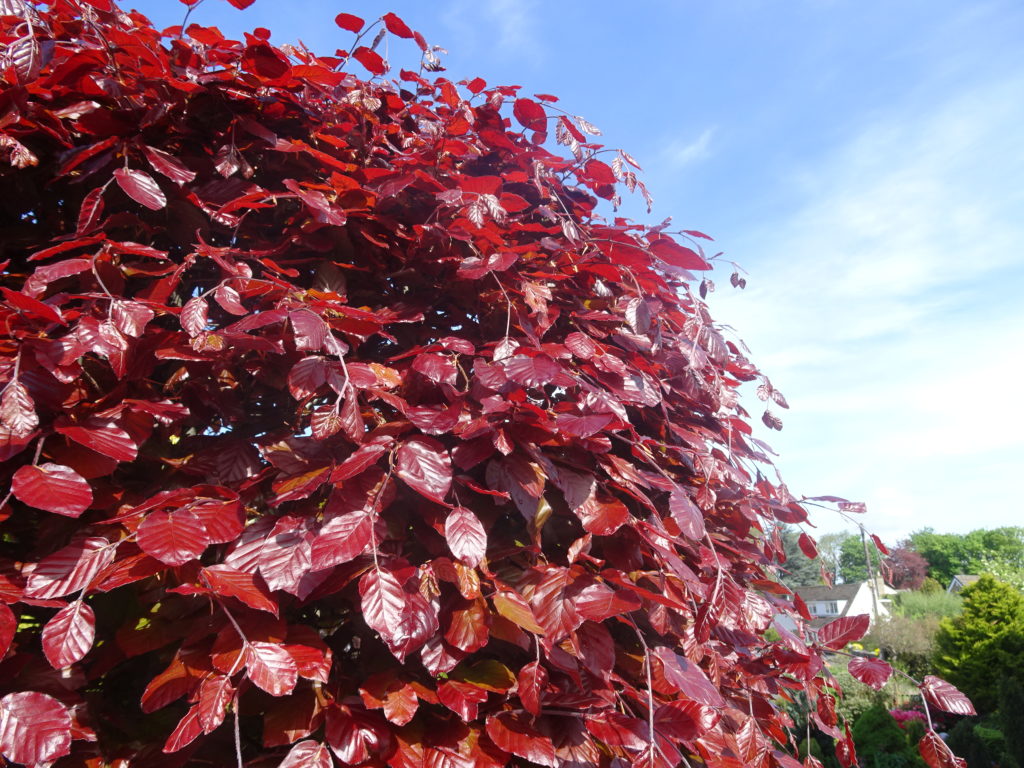
Photographed against a blue sky the colour glows out in the morning sunshine. Unphotographed this purple patch gardener is probably very content for it to be so.
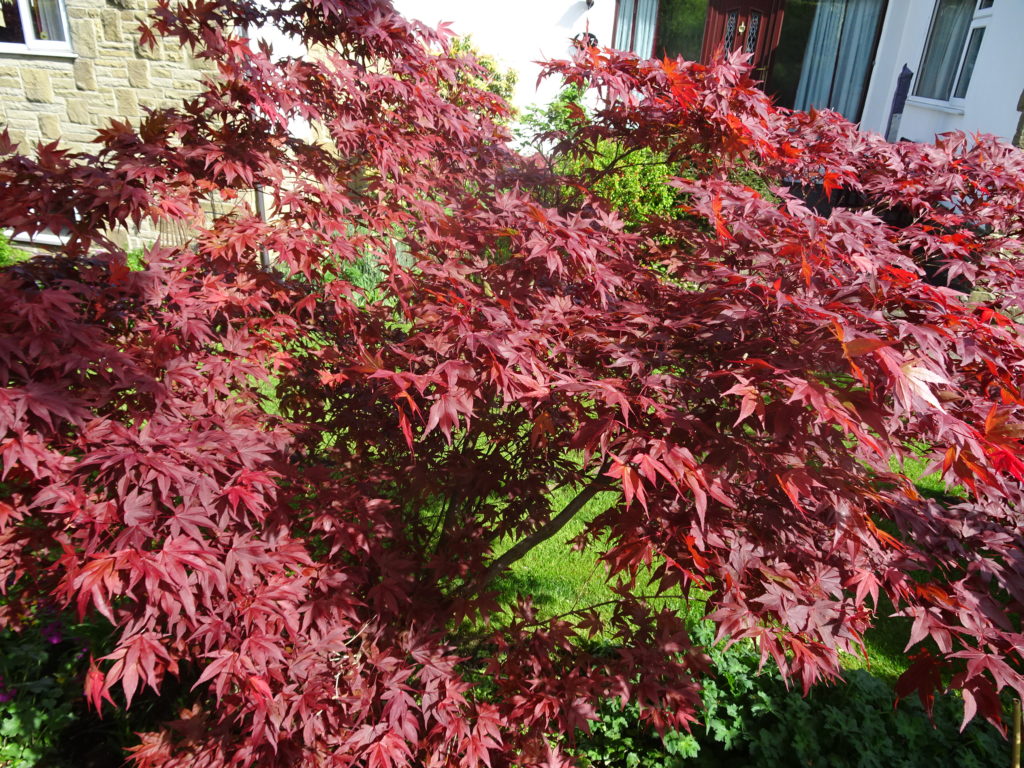
Acer palmatum have fine leaves that are not very dense and allow light and breeze to pass through. If it is a wind rather than a zephyr the leaves can suffer from wind burn. Many purple gardeners have got that way from wind and sun burn
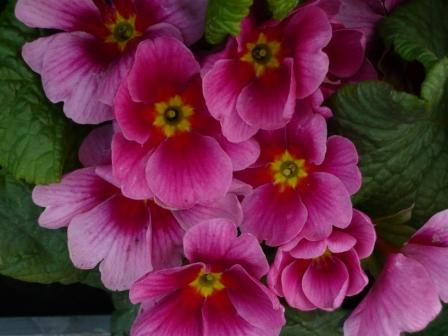
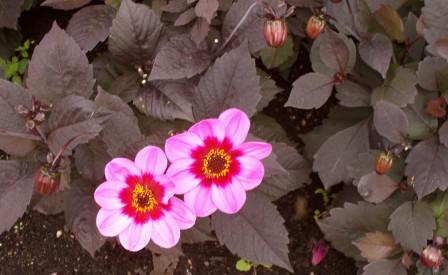
I was struck by the two pictures of plants flowering virtually two seasons apart but similar in colour and floral form. The spring Primula has a purple outer petal getting redder by the centre until it becomes yellow. The late summer flowering Redskin Dahlia has a similar pattern to the petals with the yellow stamen having a similar kaleidoscope effect.
The leaf textures and colours are quite different but like the purple flowers they will also repay close attention. Colour in the garden needs close observation and sometimes a bit of serendipity. This will be helped by a passing understanding of light and reflections within the colour spectrum. For more information see Garden Colour Tips
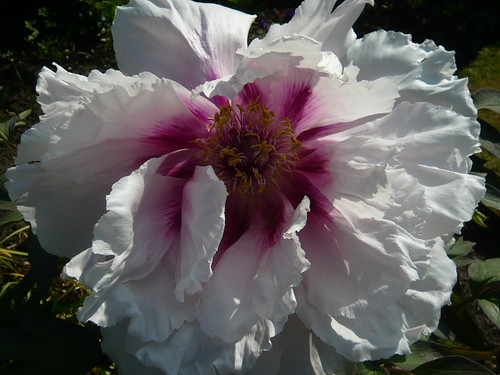
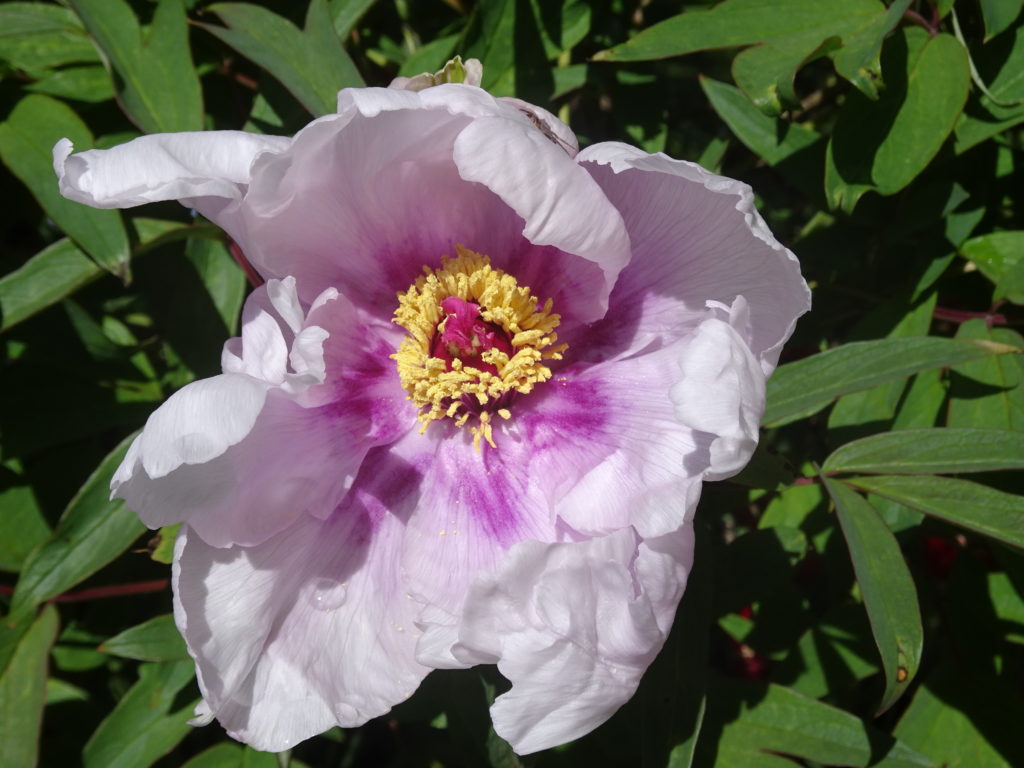
The ancient Chinese have cultivated Tree Peonies for over 1500 years. Prized specimens are and were grown for medicinal purposes as they contain glucocides and alkolides. The imperial palace gardens had many specimens that became quite valuable.
The tree peony was, for a time, the national flower of China and it is thought Chairman Mao sought to ban their growth as a decadent pastime. The root of P suffruicosa has been used in medicine for centuries.
Plants were transported to Japan in the 14th century. The Japanese bred tree peonies creating over 1200 hybrids some of which are still grown today.
The cult status of Japanese Tree peonies encouraged 18th century plant hunters to import tree peonies in to Europe, particularly France and England. These plant hunters like Veitch, Joseph Rock and Kelway started their own breeding programmes from some of the five wild species and other hybrids.
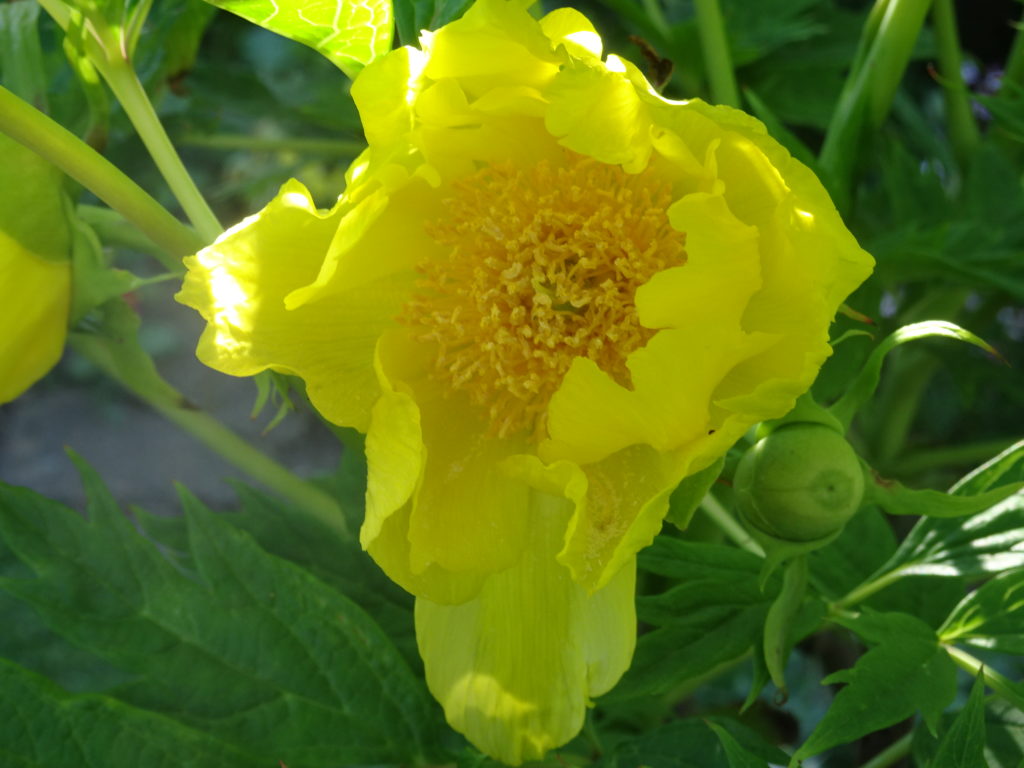
The Americans crossed P.lutea (above) and P. delavayi with Japanese hybrids to produce some of the vibrant colours now available. The flowers have a short but colourful life! The shrubs are far more long lived.
Tree peonies have long featured in oriental watercolour paintings. by Zou Yigui (1686–1772). Some of the varieties, like ‘Yao’s Yellow’ and ‘Wei’s Purple’ are depicted in a series of paintings mentioned in the Record of the Tree Peonies of Luoyang Ouyang xiu (1007-1072 CE).
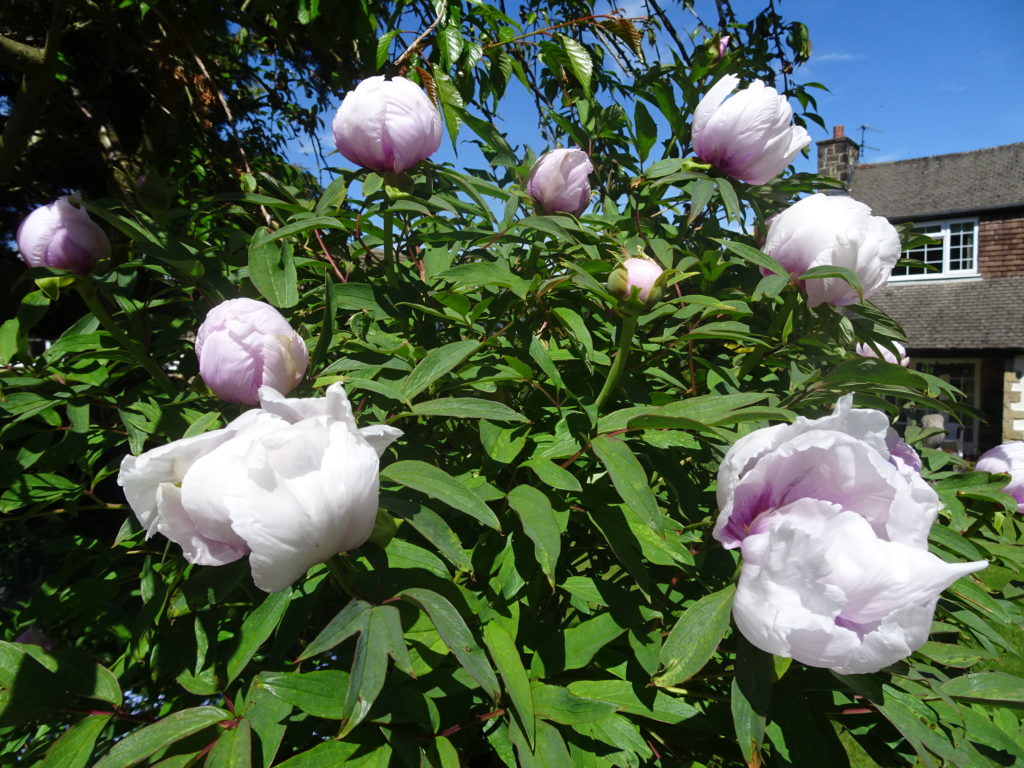
Imagine the splendid sight when all the buds open.
Previously I have stuck to traditional names for bits of my garden. Veg plot, rockery, orchard (when I feel posh), rose bed, border, hedge and similar names have delineate what and where I was trying to grow.
Then I launched some new names including the Den Den for a mixture of lolly pop like Primula denticulata . This naming obsession started some years ago with the ‘Stumpery’ when I couldn’t dig out and dispose of the whole of a conifer root.
‘Alpine Land’ speaks for itself and reflects the time I was a keen member of the AGS. I collected lots of rocks and build slopes and appropriate habitats. Perhaps it deserves a better name.
The Pinkery has many dianthus and Japan Land has more statues and hard landscape and deserves more space.
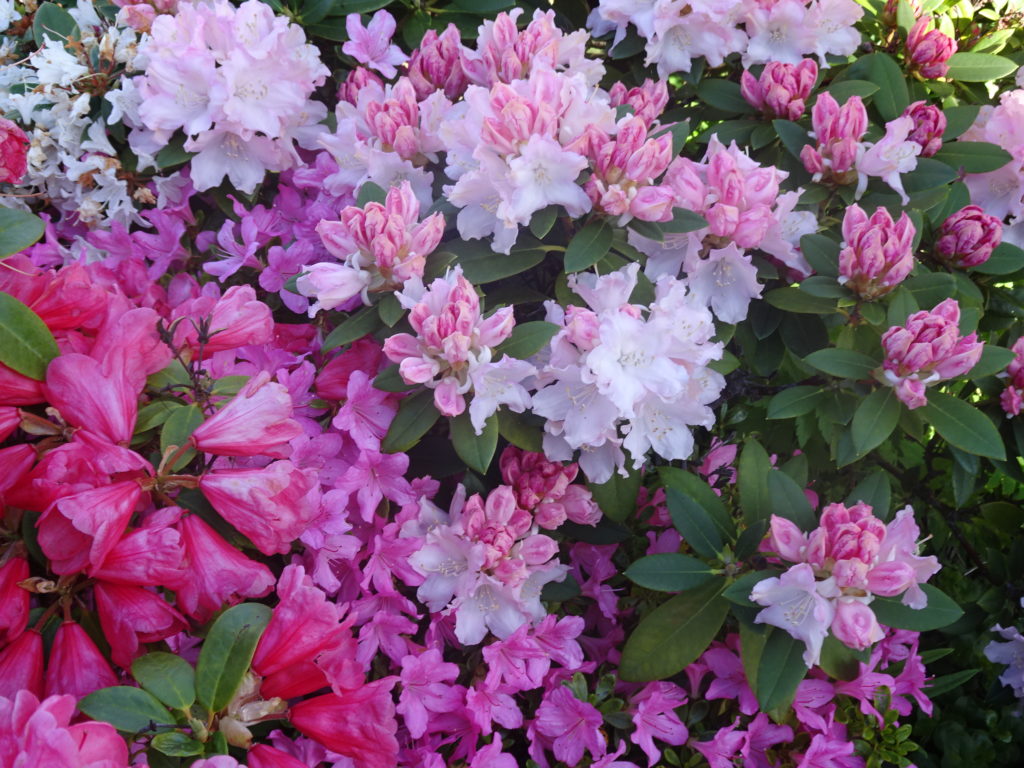
My favourite bed is Rhodo Road which will come into its own as spring develops. There are currently 3 early white bloomers that have eluded the frost.
Mole Mound contains some plastic moles or heads thereof, a big pile of dumped top soil which turned out to be subsoil and some shrubs.
The whole plot is named Fairfaxery Gardens after the street where it edges the roadside. I do not grow any more successfully but ……..they say give a dog a bad name but the garden may not be perfect but it isn’t a dog.
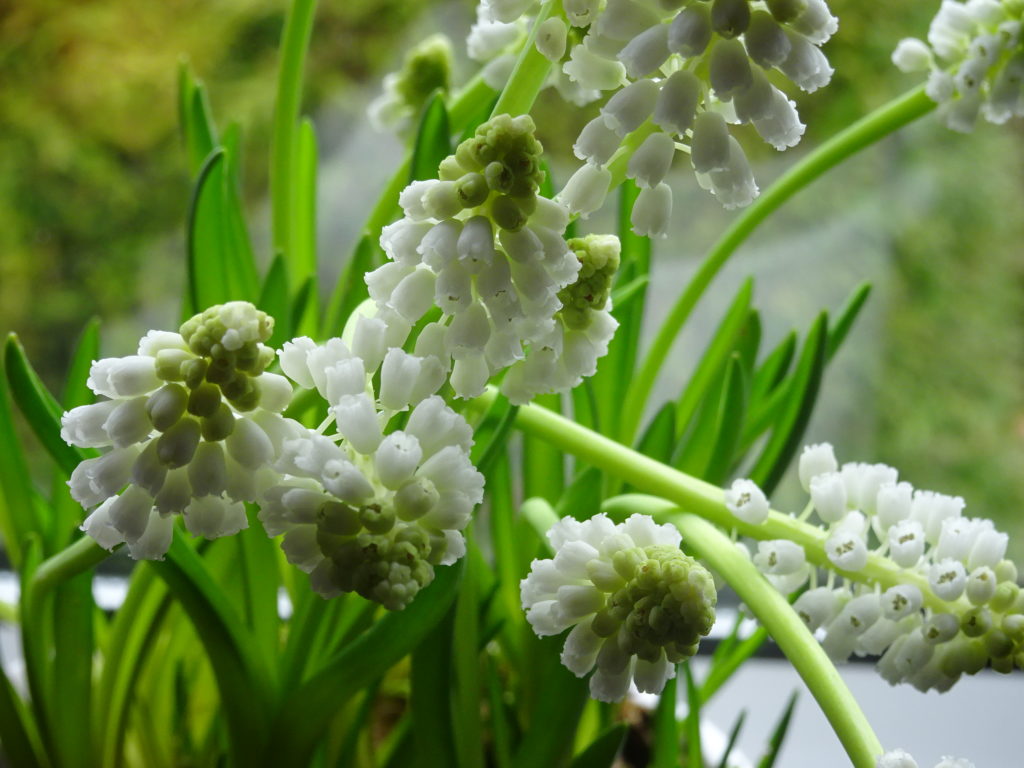
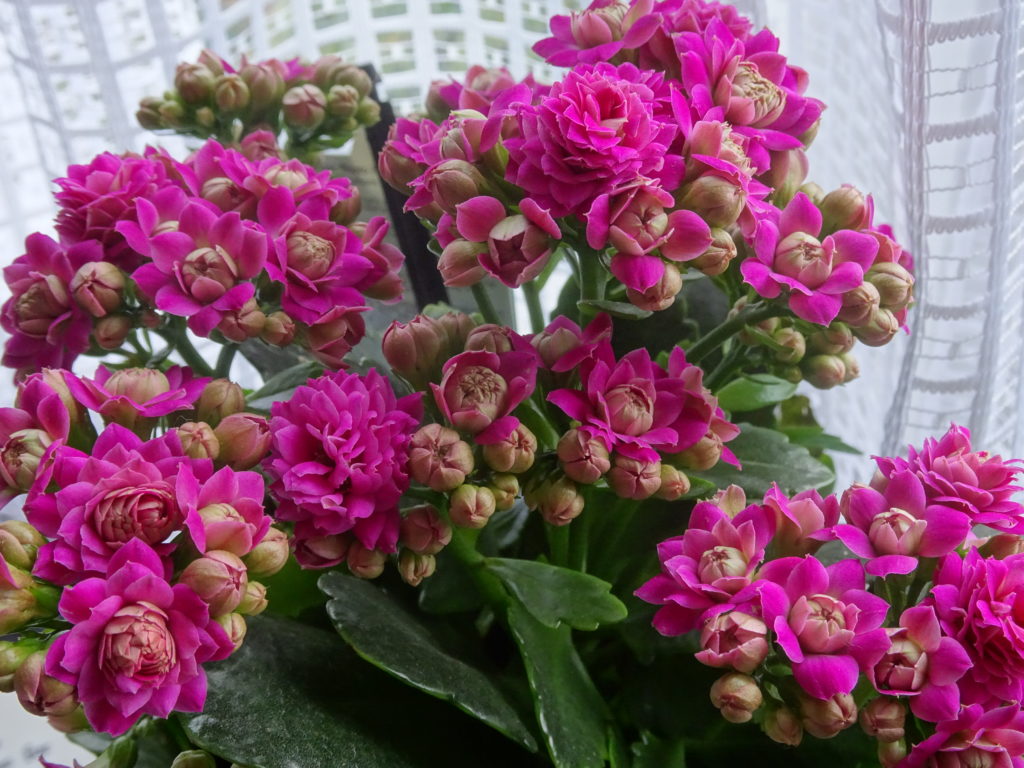

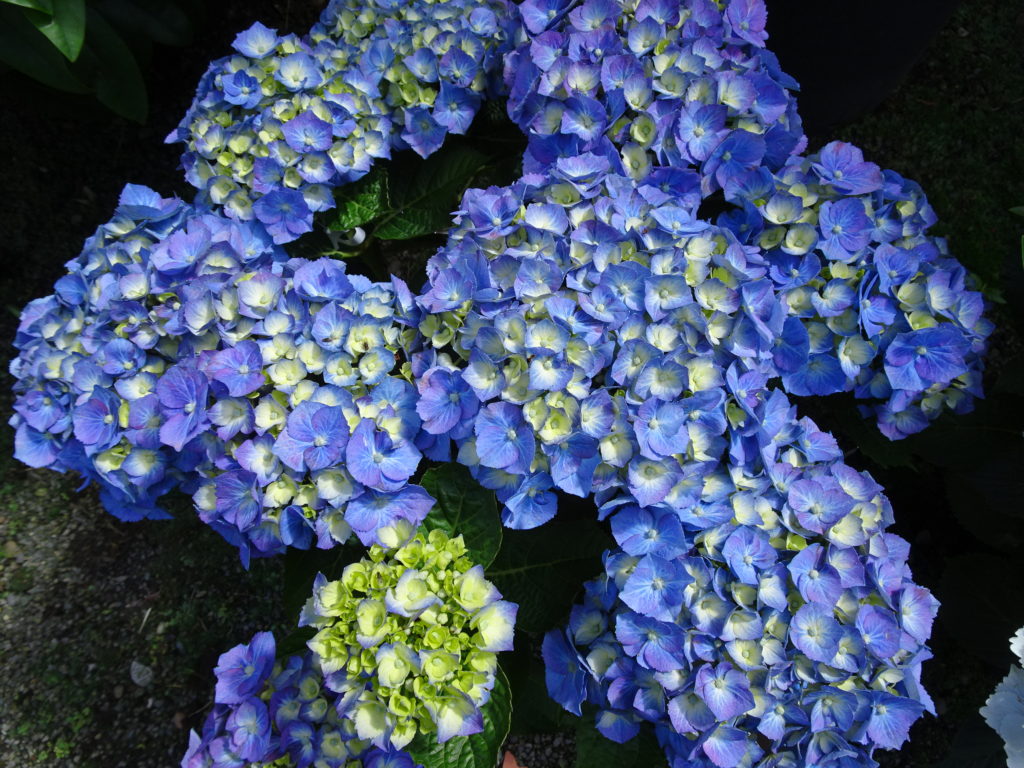
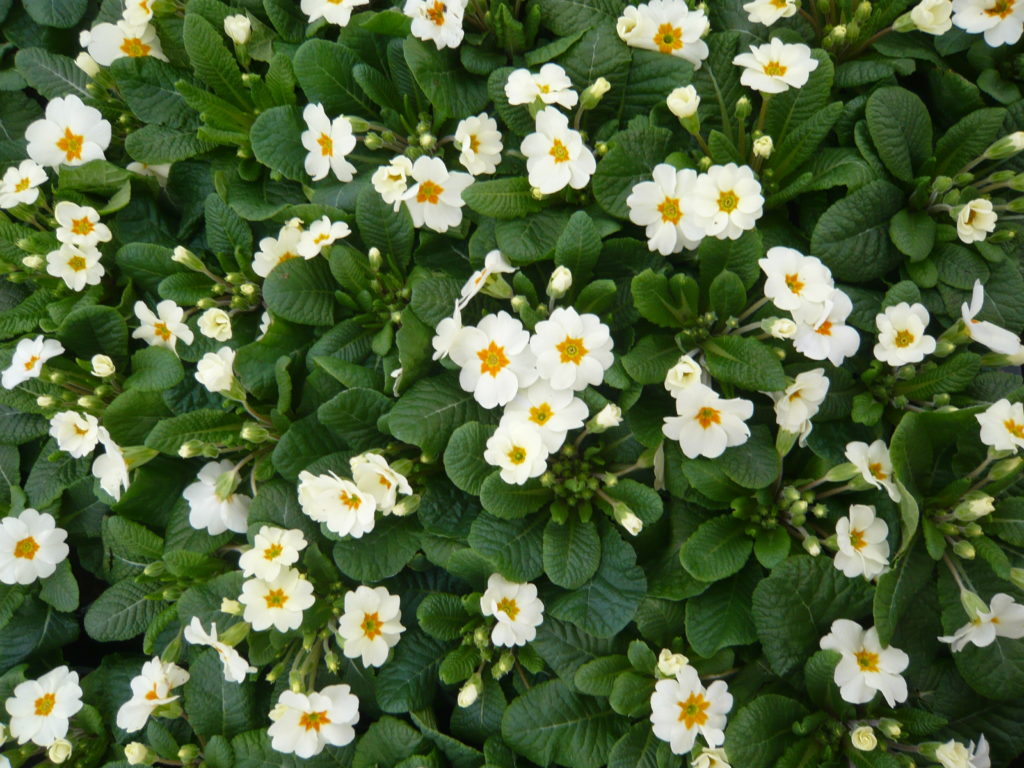
2018 has been a very good year for Primroses and Primula. The cool, wet spring and occasional bursts of sunshine have played their part.
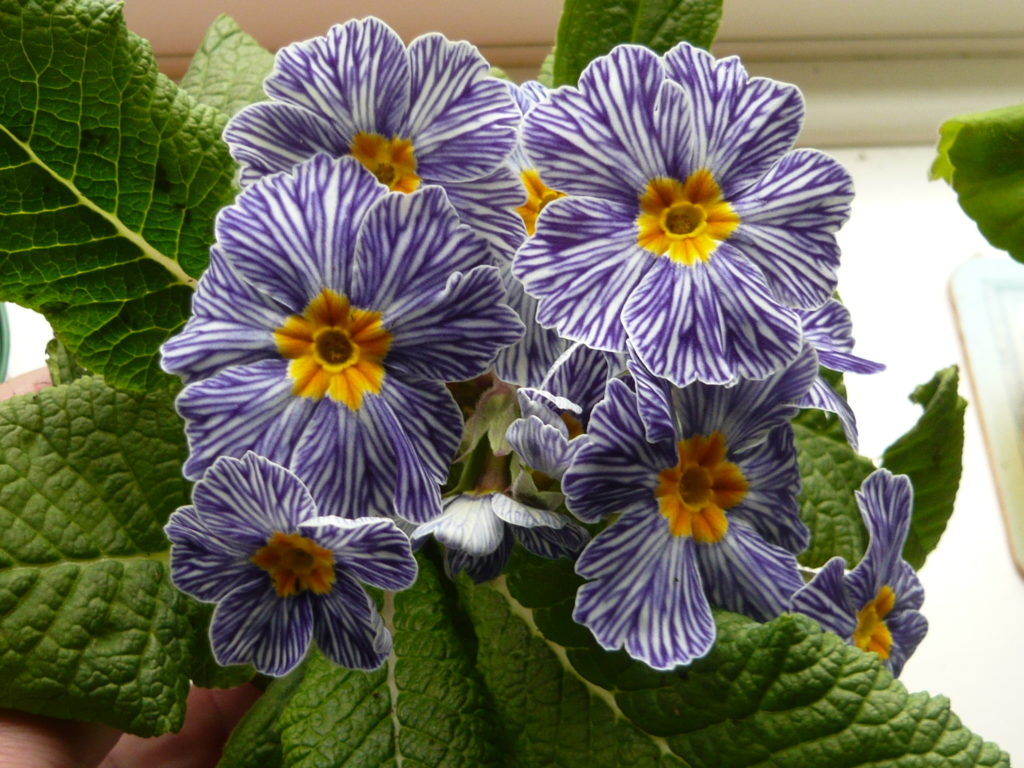


A mantra from my gardening experience is that ‘A good big one will beat a good small one’ and this applies to containers growing plants outdoors. Big containers offer more control over watering and feeding, they bring plants closer to your senses and can be architectural in their own right. In a plant poll they also opted for a big one over a small one!
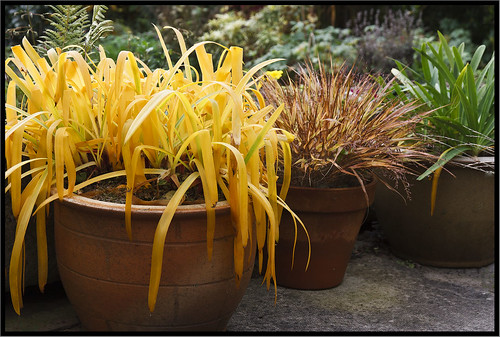
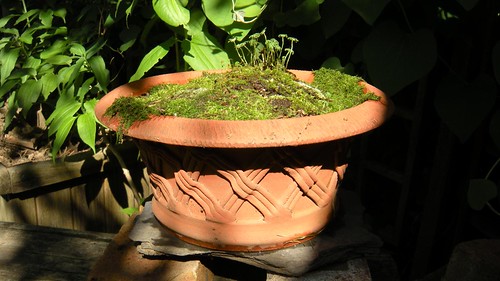

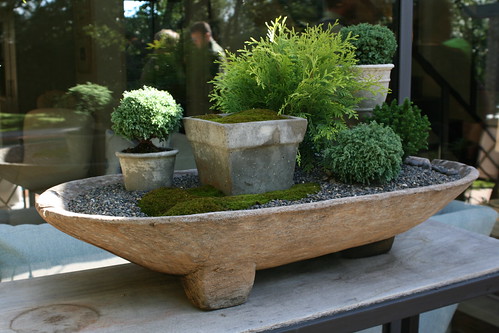
Photo Credits
3 PLANT POTS by KTDEE….popping in and out CC BY-NC-ND 2.0
Moss Garden by Flatbush Gardener CC BY-NC-ND 2.0
Unique container at Bolen residence by Gardening in a Minute CC BY-NC 2.0
Potted Plants by Yoav Lerman CC BY-NC-SA 2.0
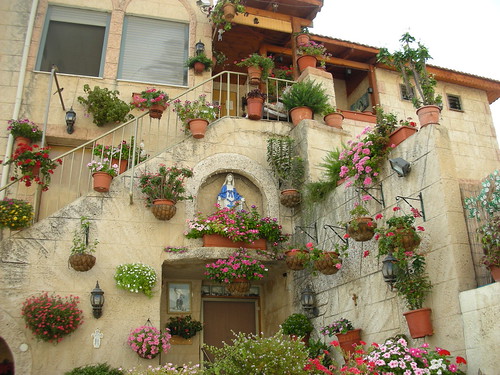 Slightly Potty? Needs some potty training?
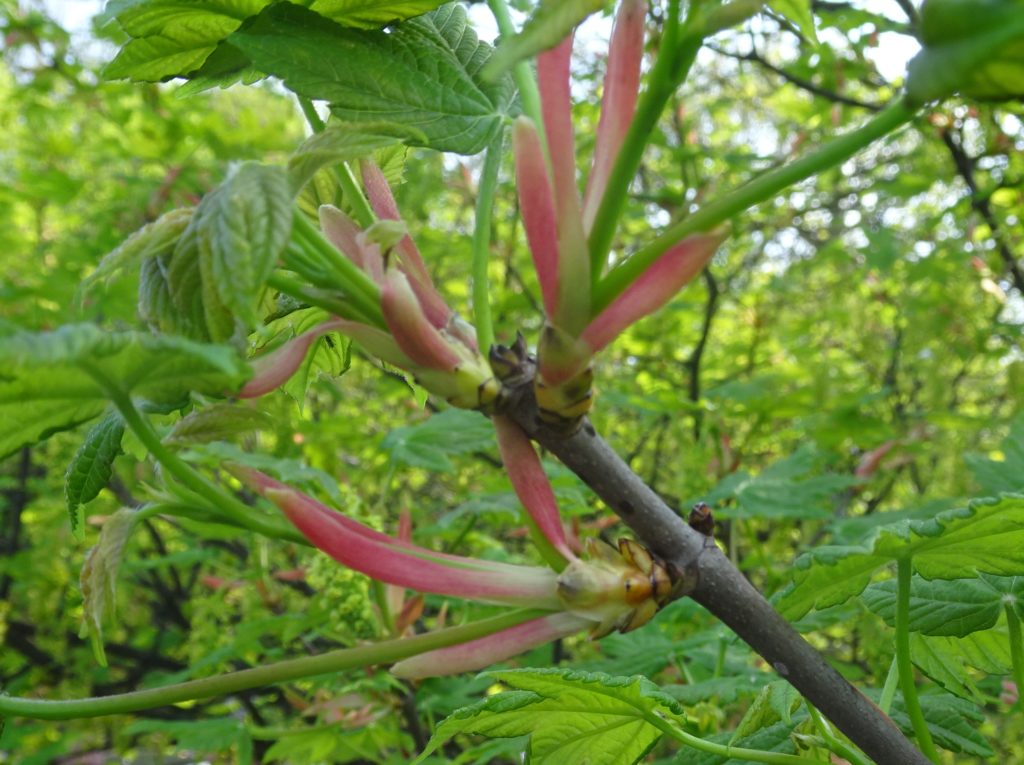
Spring buds bursting into life.

Barking up the wrong tree
Patterns from nature inspire painters – is this natural or an artists impression?
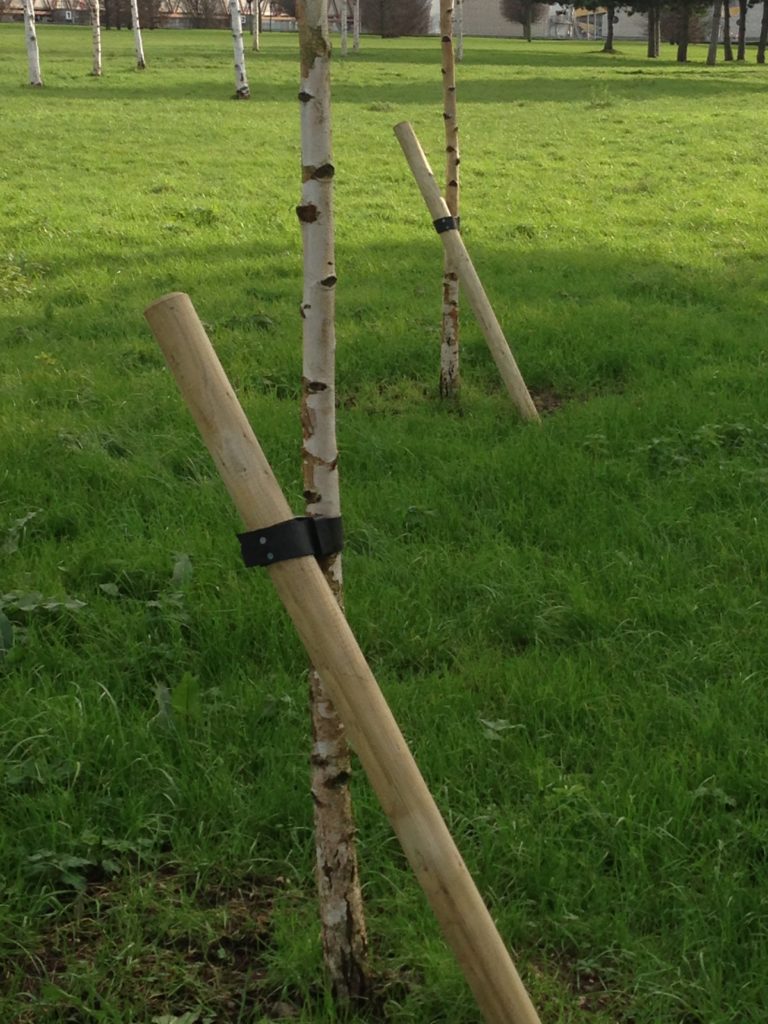
Stake out your support for trees
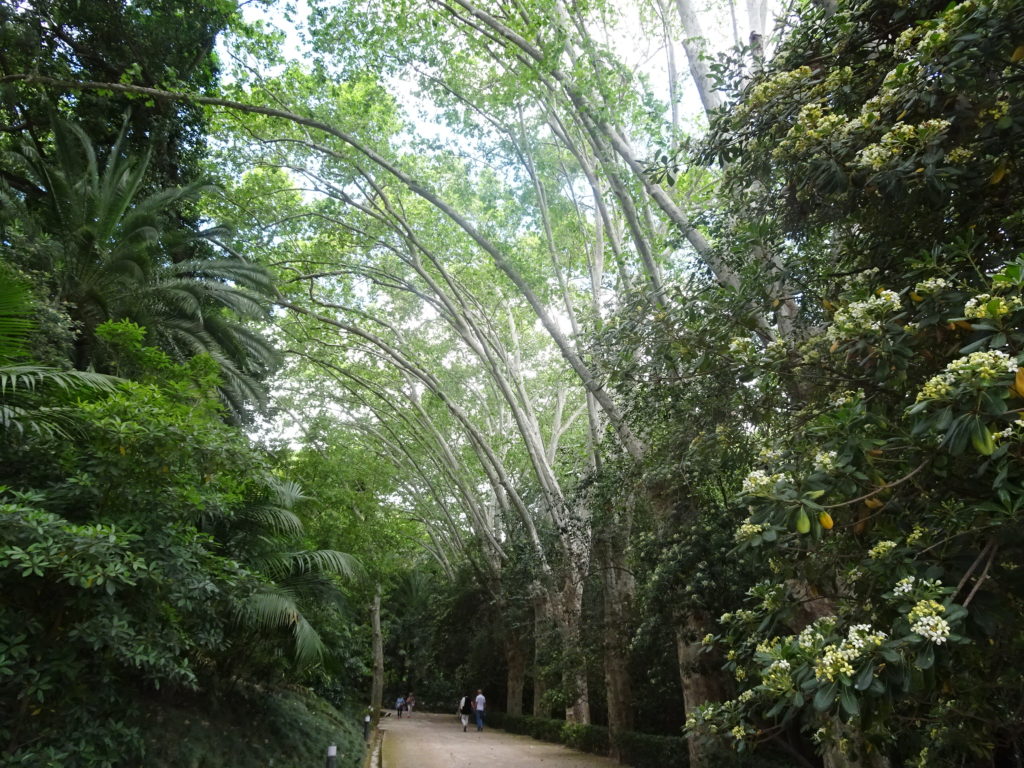
Limes in Malaga botanic garden lead to a interesting garden