Browsed by
Month: April 2015

Best Shade Loving Plants

Best Shade Loving Plants

round-tulips

Beth Chatto believes you can transform a shady spot with easy-care planting that includes foliage and flowers for a brighter Spring garden. Illuminate a shady spot under trees with a range of flowers and plants.
Beth Chatto has an extensive list of plants for shady areas for all year round interest

Book Cover The Shade Garden

Top Ten Spring Shade Lovers

  • Honesty purple or white forms are good when in flower but also produce airy white seedheads
  • Forget-me-nots are flowering all over my back garden at the moment from self-sown plants.
  • Bluebells can be white as well as blue or even pink. They normally grow in shady woodland and will flower without sun. They also spread quite quickly particularly the thuggish Spanish variety. Do not take wild bulbs from there natural habitat.
  • Hellebore the Lenten Rose is another shade  loving plant that is happy under trees although the flowers tend to hang down and be hard to inspect.
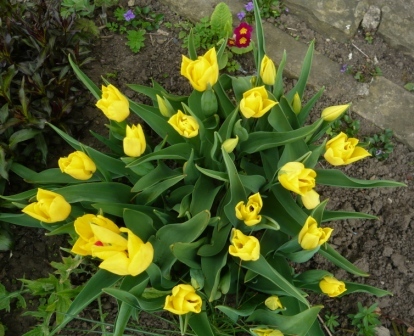
  • Tulips can brighten the darkest spot. I plant them in pots so I can move them to where they will have the greatest impact. I can then replace them with other plants later in the year.

Read More Read More

My Top 10 Sweet Pea Varieties

My Top 10 Sweet Pea Varieties

sweetpeas

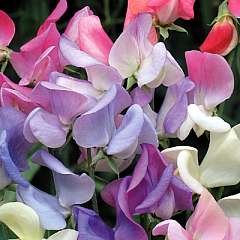
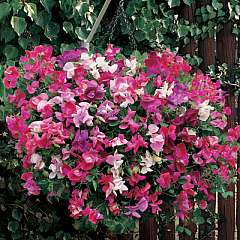
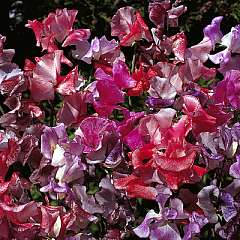
Sweet Pea – Antique Bouquet

Traditional varieties of sweet pea colours with great scent.

sweetpeas

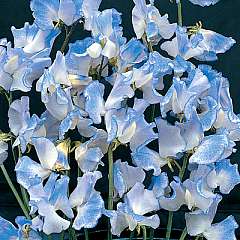
Sweet Pea – Blue Ripple

Delicate light blue frills on the end of white flowers. It is a lovely blue reminiscent of delphiniums

grandiflora

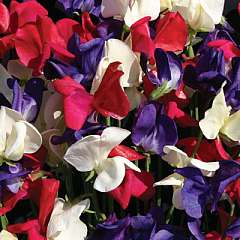
Sweet Pea – Grandiflora

Strong bold colours in fashion of Union Jack. Great contrast between colours

melody-rose

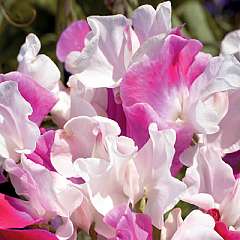
Sweet Pea – Melody Rose

Very charming colours with a light delicate touch. Great fragrance

sugar-spice

Sweet Pea – Sugar and Spice – bicolor

Like traditional old fashioned varieties. Shorter stems, but wonderful old fragrance – evocative of cottage gardens.

sugar

Sweet Pea – Sugar and Spice

– basket variety. Makes intense display of flowers

cream

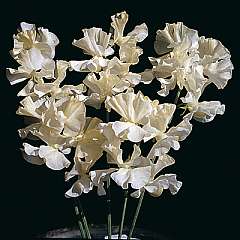
Sweet Pea – Cream Southbourne

Delicate wavy flowers. Great large frilly blooms with extravagant scent to give a great allrounder sweet pea

firecrest

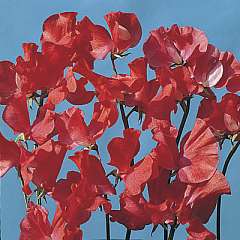
Sweet Pea – Firecrest.

Uniformity of red, eyecatching colour on strong stems

fragrant

Sweet Pea – Fragrant Ripples

A long strong stem, with wonderful wavy colouring. Also provide beautiful smell

chatsworth

Chatsworth

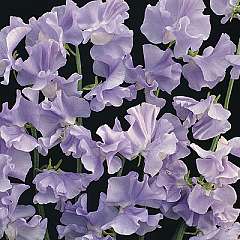
Lovely lilac flowers and fragrance

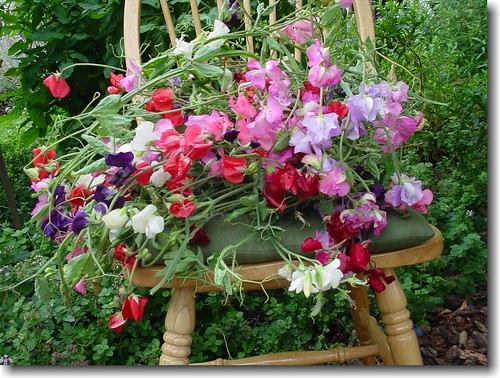
Sweet Pea Harvest
Photo Credit
Sweet Pea Harvest by Baha’i Views / Flitzy Phoebie CC BY-NC-ND 2.0

Book Cover
Sweet Peas: An Essential Guide by Roger Parsons
The sweet pea is a favourite flower of the gardener because of its delightful scent and diverse range of beautiful colours as this Top 10 Sweet Pea variety selection shows. The book by Roger Parsons looks at the genus in detail and explains how the novice gardener or the seasoned grower can get the most from their sweet peas.

Natural Garden Tips

Natural Garden Tips


Book Cover Available from Amazon ‘for anyone wishing to take an ethical and sustainable approach to gardening and garden design.’

One Gardener’s natural garden is another’s pile of logs and collection of compost bins. These tips are based on my view of a design led natural garden that is full of plants and informality.

Natural Garden Tips

  • There are virtually no straight lines in nature so why should gardens seek to formalise everything in rows like a demented Italianate showpieces. For me sweeping curves and waves are the natural way to garden.
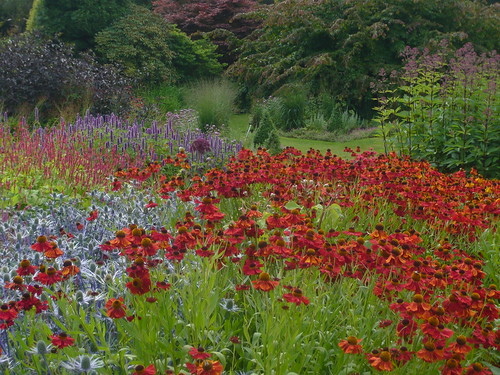
  • Plant groupings can achieve an impact that even the best individual specimens can’t achieve. The Helenium Moerheim Beauty in the foreground of this picture provides that sweeping effect that a large perennial bed can withstand.
  • Thinking in 3 dimensions encourages the use of height and depth of view particularly in the backdrop of this picture. The trees and shrubs range from low ground cover to tall screeners and statuesque trees.
  • Planning your planting to help nature gives added choice. Foliage, berries and  bark can be as inviting as flowers in the right season and location.
  • Space and the gaps between can be an important feature in a natural garden. Not everything needs to be piled high like your local supermarket. The grass in this picture  fulfils that role but you may want to think of alternatives for your own natural garden.
  • The bones of the garden are as important as the floral flesh. Trees and major plants should have space and opportunity to grow naturally to fulfill their total promise.

Other Resources

Royal Horticultural Society RHS ‘Gardening for All’

National Council for Conservation of Plants and Gardens ‘Conservation through Cultivation.’

Garden Organic National Charity for Organic Gardening.

BBC Gardening

Growing Scabious – Scabiosa

Growing Scabious – Scabiosa

Scabious sp. 2

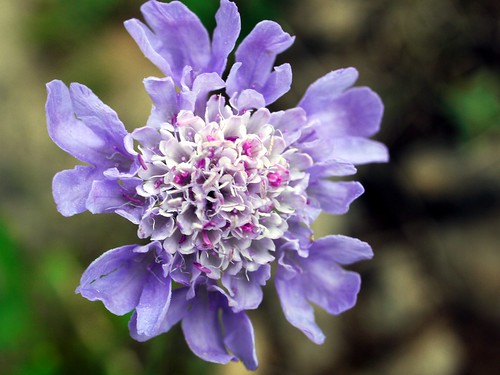
Scabious is a UK native perennial plant that is available in many forms and species for growing in your garden. Grown in damp areas it is popular with insects bees, moths and butterflies. Known for powdery blue pincushions of flower on the top of long stems makes this plant is a useful cut flower.

Description, Cultivation and Growing Tips

Scabious is a hardy perennial well loved for cottage gardens.
Scabious grows well on dry, sandy soil in a sunny position or partially shaded location.
You can acquire or just admire plants as part of a collection
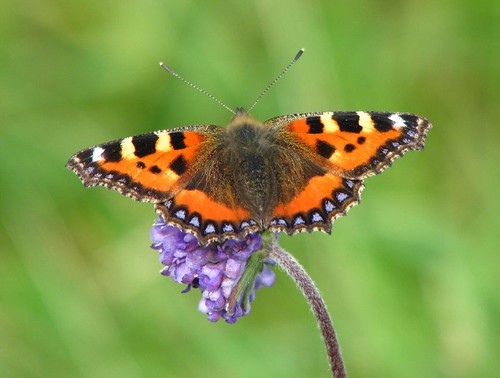
Small Tortoiseshell

Common Names and Varieties to Consider

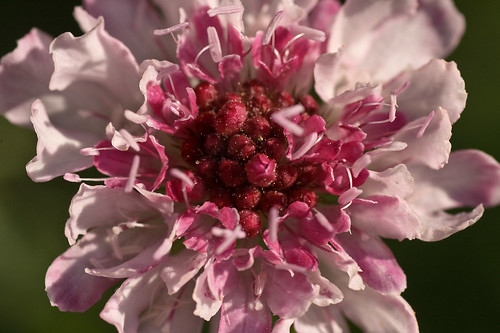
  • Scabiosa is generally known as Scabious or the Pincushion Flower.
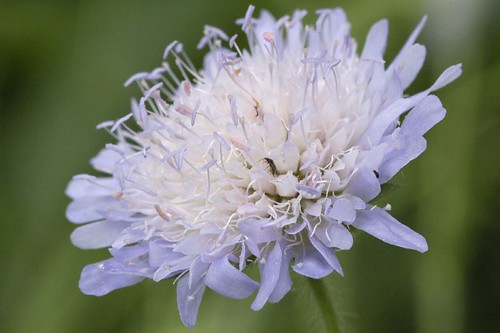
  • Our UK native Scabiosa columbaria is compact with wiry stems topped with tiny Cambridge-blue pincushion flowers
  • Scabiosa caucasica is the Caucasian Scabious first grown in the UK 200 years ago. Generally pale blue there is a white form called Miss Willmot.
  • Scabious atropurpurea is available in pink (Beaujolais Bonnets) and purple (Ace of Spades).
  • A new compact Scabious is now on the market with a height of 20″ and a spread of 16″ enough to use as ground cover.
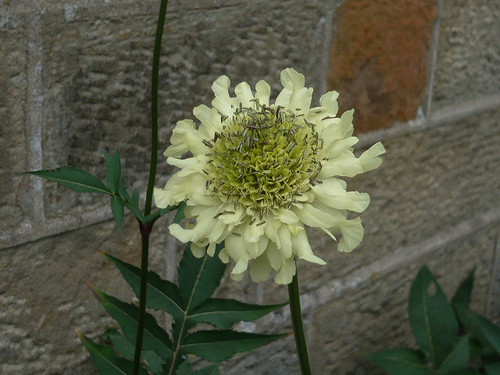
  • Scabiosa ochroleuca or the Yellow scabious has cream pincushions
  • Varieties for growing Scabiosa; Clive Greaves (light Blue), Miss Wilmott (white), and Pink Diamond
Scabious

Unusual Facts about Scabious

  • Scabious is a member of the Teasel family Dipsacaceae
  • Scabiosa species are also used as food plants by the larvae of some butterflies.
  • Devil’s-bit scabious and field scabious are UK natives but what the Devil?.
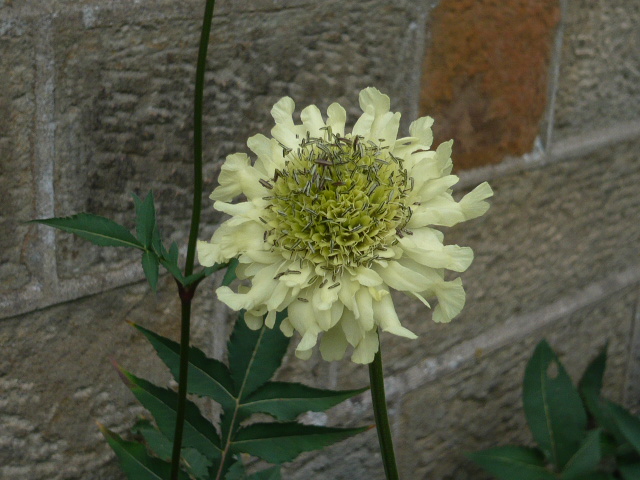
  • Giant Scabious isn’t really Scabious it is Cephalaria gigantea which has primrose yellow flowers on a 6′ stem.

Old & Odd Tips From Gardeners Tips

  • A top dressing of grit before winter will help surface drainage as Scabious dislike cold, wet poorly drained soil conditions.
  • Deadheading will prolong flowering and if you trim flowers down to the next bud you should get two new flowers from the axil bud.
  • As a black flower Scabious Ace of Spades has fragrant blooms that attract bees and butterflies whilst making impressive cut flowers.
devil's bit scabious
Credits
Scabious sp. 2 by the justified sinner CC BY-NC-SA 2.0
Small Tortoiseshell ‘It was feeding on Scabious at Ubley Warren near Cheddar’ by Annies Pics CC BY-NC 2.0
Scabious by Mike Legend CC BY-NC-ND 2.0
devil’s bit scabious by Facing North East CC BY-NC-SA 2.0
Scabious

Flower Arranging – Solomon’s Seal

Flower Arranging – Solomon’s Seal

Book Cover
The Complete Guide to Flower Arranging by Jane Packer

Using Solomon’s Seal for Flower Arrangements

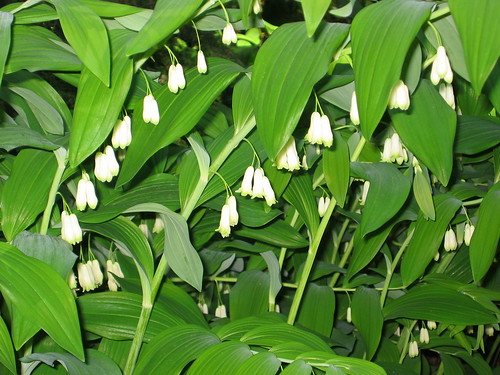
  • Solomon’s Seal is one of the Polygonatum genus.
  • They spread by rhizomes in rich, moist soil in partial or full shade.
  • Flowers are often followed by red or black berries and in autumn the leaves turn an eye catching yellow.
  • Popular varieties of Solomon’s seal include:
    Polygonatum hybridum 8″ long arching stems with alternate flowers on the top side of the stem.
    Polygonatum biflorum or Greater Solomon’s Seal is larger reaching 5 feet.
    Polygonatum multiflorum can have green and cream striped leaves.
    Polygonatum odoratum has green tipped white scented flowers suspended below the stem.

Great Solomon's Seal and Sweet Woodruff

Special Tips – Flower Arranging – Solomon’s Seal

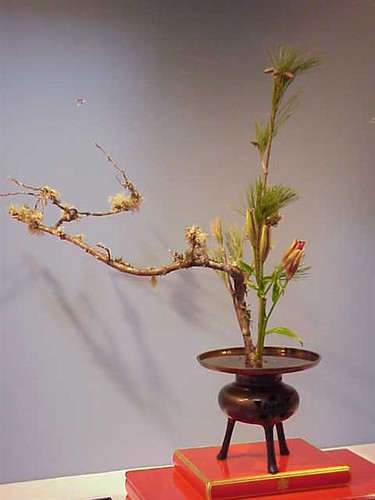
  • Solomon’s Seal has many uses in flower arranging from the massed pedestals to modern arrangements using only a limited amount of material.
  • Try removing all the leaves and leaving just the flowers. This provides a very graceful line to an arrangement.
  • Condition by standing in tepid water at least overnight. They then have a vase life of 10 days plus.
  • Preserve stems for winter by Glycerining the cut stems
  • How to Glycerine. Mix one part glycerine with two parts hot water and after cooling stand the stems in the solution for 7-10 days until they change colour right to the tips. Store flat in boxes until required

A full array of books on Flower Arranging and related subjects is available from Amazon. You will find more advice and artistic inspiration amongst this selection.
I would also recommend the Harrogate spring flower show where I am always stunned by the floral arrangement amongst the plants on display.
Silver bells
Credits
Great Solomon’s Seal and Sweet Woodruff by bill barber CC BY-NC 2.0
Silver bells by sonyaseattle CC BY-NC-SA 2.0
Japanese flower arrangement 1 by mharrsch CC BY-NC-SA 2.0
.

Japanese flower arrangement 1
Solomon’s seal or David’s Harp is a Polygonatum with arching stems of leaves and flower bells that is in demand for a range of flower arrangements. They can be grown in moist well drained soil but are one plant that likes dry shade.

To grow a generic mix of flowers for arrangements and bouquets check out Thompson & Morgan

Other plants discussed in this series
Dahlia
Euphorbia
Pittosporum
Alstroemeria
Fatsia Japonica
Corkscrew hazel
Phormium