Browsed by
Month: February 2015

Tips for Growing Gazania

Tips for Growing Gazania

Gazina mixed colours


Gazanas are brightly coloured flowers that are easy to grow on dry sunny sites. Many of the plants flower with a striped effect on the petals that open to resemble a 6 inch daisy. The leaves are a narrow grey-green or silvery and the plants grow 6-10 inches tall.

Choose the right variety. Seed is available in a range of varieties like Mini-star White, Tiger Stripes and the Kiss seriessuch as the ‘Kiss Rose’.
Harlequin are slightly larger, growing to 15” tall spreading 18” and come in a mix of colours.

How to Grow Gazania. If buying plants choose healthy well formed clumps of lower leaves. You can buy when at least one flower is open so you have an idea of the colour you are buying but a mix of hot oranges, yellows and reds is quite popular. If you grow from seed, sow 8 weeks before the last frost is expected and keep in the warm, then gradually acclimatise them outdoors.
Whilst the plants may survive British winters, you could take cuttings in Autumn and protect from frost, however, I would treat them as annuals. The plants produce lots of flowers but you can deadhead (cut off faded flowers) to encourage more blooms.

Where to Grow. Gazania is a bright filler plant for in between shrubs or any hot dry part of the garden. They grow happily at the seaside as they are not affected by salty air. Sandy, well drained soil, that Gazanias get in there native South Africa, is best. They are  also fine for window boxes, tubs or planters and can survive if you occasionally forget to water them.
The flowers are borne on short stems making them excellent for windy sites.
Aka the Treasure Flower, Gazania have delicately cut, silvery-white foliage which makes the plant a pleasure  with the bright blooms, opening in the sun and closing at night.


I have cheated for 2015. I have just bought a pot of germinated seedlings from our local garden centre. For £2.99 I got and pricked out 40 plants which I will grow on until May before planting out.

Useful Links

Read More Read More

Old-Fashioned and David Austin Roses

Old-Fashioned and David Austin Roses

Book Cover

Old-Fashioned and David Austin Roses by “Barbara Lee Taylor

Instead of the usual division into Gallicas, Damasks, Albas, Centifolias, Moss roses etc. the chapters are divided into History, once-flowering old-fashioned roses, Repeat-flowering old-fashioned roses, David Austin roses, Cultivation, Landscaping with old roses and the book contains over 160 rose varieties. As you read this book you can virtually smell the scent of your successful roses as though it were a warm June evening.

‘Discovering old-fashioned roses is often the beginning of a love affair that lasts a lifetime. These beautiful plants offer you not only fragrance and beauty, but also a fascinating link with the past. In this beautiful yet practical book, some of the most popular old-fashioned roses are described in detail and illustrated in full colour. There is a complete chapter on the work done by David Austin in the 1950s and 1960s to create new English roses. Topics include species roses; Gallicas; Damasks; Albas; Centifolas; Moss roses; Ramblers; China roses; Portlands; Noisettes; Bourbons; Hybrid perpetuals; Teas and early hybrid teas; Hybrid musks; Climbers; Shrub roses & ramblers; Rugosas; David Austin roses; Cultivation; Pruning; and Landscaping ideas.

Gardeners Tip

Plant an Old Fashioned Rose or two as near to your bedroom window as practical. Enjoy the evening scent.

Try Just Joey HT Rose

Eating Nasturtium a Peppery Food Crop

Eating Nasturtium a Peppery Food Crop

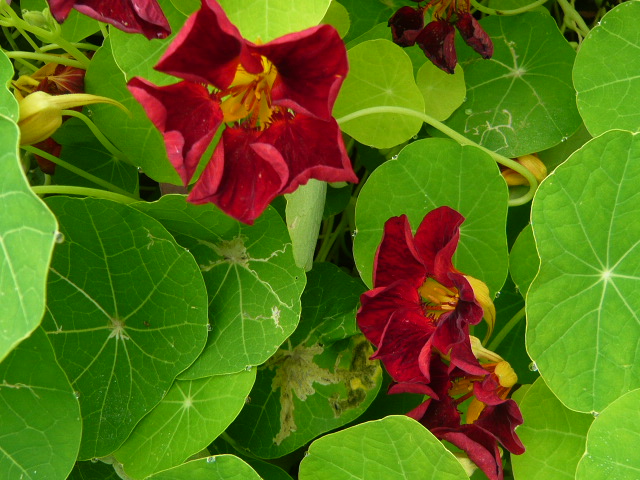
Nasturtium

I think of Nasturtium as an ornamental, annual, flowering plant but my vegetarian children take a different view. For many vegetarians ‘Nasturtiums make a salad’. In the case of Watercress they also make a soup and a vegetable.

Growing Nasturtium Leaves, Flowers and Seed Pods

  • Grow Nasturtiums from seed in your vegetable patch.
  • Rich soil will encourage leaves at the expense of flowers. Nasturtiums grown for decoration need a poor soil.
  • Nasturtium seeds from Thompson & Morgan
  • Before planting Nasturtiums in containers make sure they are well rooted in smaller pots started under cover.
  • Watercress Nasturtium Microphyllum or Nasturtium Officionale are best grown from rooted cuttings. Rooting in water is relatively easy.

Salad: Watercress, spinach and apple.

Eating Nasturtium Leaves and Pods

  • The leaves of the nasturtium plant are edible, with a peppery flavour. They can be tossed into salads mixed with sweeter varieties of lettuce.
  • The flowers make a unique garnish to fresh foods and add a splash of colour.
  • The seed pods can be treated like Capers and pickled or used as a crunchy addition to salads.
  • For tastiest nasturtium leaves, keep the plants well watered, which helps to moderate the spiciness of the leaves and flowers. Keep a bit drier to add a sharper tangy flavour to your summer salads

nasturtiums

Growing Watercress Nasturtium Officinale

  • Watercress is called Nasturtium Officinale or Nasturtium Microphyllum
  • Watercress is traditionally grown in gardens with chalk streams or a good supply of water as a semi-aquatic plant
  • Buy watercress with roots on at your local supermarket
  • An ordinary bunch placed in a bowl of fresh clean water will develop roots. Discard any that turn yellow or do not root and plant the rest.
  • You can grow watercress in a container but keep it exceptionally well watered.

chicken watercress salad

Tip
Growing Nasturtiums near Brassicas can deflect greenfly and white fly on to the nasturtiums to protect your other crops.
Pickling the seed pods of Nasturtium produces a crop similar to Capers.

Nasturtium-FowlersVacola-Num10-9108

Credits
Nasturtium by Dvortygirl CC BY-SA 2.0
Salad: Watercress, spinach and apple. by ulterior epicure CC BY-NC-ND 2.0
nasturtiums by artolog CC BY-NC 2.0
chicken watercress salad by aquino.paolo CC BY-NC-ND 2.0
Nasturtium-FowlersVacola-Num10-9108 by graibeard CC BY-SA 2.0 Pickled Nasturtium seeds look like and taste similar to capers.
Nasturtiums by robynejay CC BY-SA 2.0

Nasturtiums

National Plant Collections Scheme Tips

National Plant Collections Scheme Tips

x-alstroemeria-mix

National Plant Collections have a membership scheme costing £25 p.a. They now have 650 collections in private gardens, allotments, nurseries, parks and botanic gardens throughout the country.

Collection holders undertake to document, develop and preserve a comprehensive collection of one group of plants in trust for the future.

A Heuchera collection is now at The University of Essex in Colchester. I couldn’t track down a national collection of Alstroemeria (above) but that must be an opportunity for someone.

‘The National Plant Collections Scheme is the flagship of Plant Heritage and is the prime mechanism for ensuring the survival of cultivated plant species and cultivars. Because of the involvement of botanic gardens, universities and expert horticulturists (both amateur and professional alike), the National Plant Collections Scheme has earned the respect of the horticultural world. This prestige helps the NCCPG as a whole. Reputation is important. It follows that prospective collections and their holders need to be carefully assessed, and existing collections properly monitored to maintain the standard of custodianship.’

Listings of Open Days appear in the National Collections Directory.

The Natural History and Gardening Book fair is at Caple Manor Gardens . I will try add to my collection of circa 500 books at the next fair. For more information on book fairs.

Garden After the Flower Arranger

Garden After the Flower Arranger


After the flower arranger has taken the scissors and snippers to the plants in the garden I recommend you give your plants a thankyou! Flowers and shrubs will respond again if they are treated properly.

Help Plants After the Flower Arrangers Visit

  • Tidy up the plants from a gardeners point of view. Prune again to reshape shrubs and encourage new young growth. Open up the centre of plants to let in air and light.
  • Water, mulch and feed the woody plants.
  • Water in a liquid feed and or foliar feed after flowers have been cropped to perk up the plants for a further flush.
  • If the plant is exhausted or unlikely to provide a second crop, dig it out and turn it into compost asap.
  • Propagate new plants of favoured selections, the flower arranger is bound to return.
  • Consider deadheading all the flowers that were not up to the job for the flower arranger.

Flower Arrangement

Tips for Selecting Woody Plants

  • Chose plants everlasting plants or thoses that grow rapidly and regrow even after severe and frequent pruning.
  • Select plants that are harvestable early in life.
  • Pick plants that grow numerous stems borne over a long period of time.
  • Desirable features include stems at least 18″ long, retention of flowers, berries and foliage with a good vase life.
  • Boxwood, dogwood, forsythia, Eucalyptus, holly, hydrangea, jasmine, lilac, pussy willow, and corkscrew willow have long been popular in the floral trade.
  • For woody stemmed flowers increase the surface in contact with the water by cutting on a slant or crushing with a hammer.

Flower Arrangement

Credits
Flower Arrangement by lrargerich CC BY 2.0
Flower Arrangement by theclyde CC BY-NC 2.0
Flower Arrangement by dannnnnnny CC BY-NC-SA 2.0


Gardening with Water Features

Gardening with Water Features

Water water every where and not a drop to drink unless you are an aquatic or part of garden wildlife.

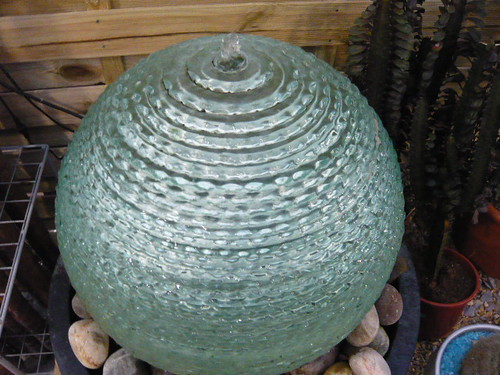
Water feature

February may be a bit cold to think about water features in your garden. Be ready as soon as the hard frosts are over to redesign your garden with an appropriate fountain or continuous flow of water like the powered globe above. Water features in this context are the prefabricated devices you can buy ready made, ponds streams and your own designs come under DIY
.

Benefits of Water Features

  • Water plays with the light and can enhance any visual appearance. Water often reflects the changing colours and light temperature in your garden.
  • Running or trickling water can add the dimension of sound to a landscape and as long as it keeps running it wont smell stagnant.
  • Landscaping and water features can improve property values make it stand out from the rest.
  • Water is restful and a feature can create a place for contemplation or a focal point in the garden.
  • Some water features are designed to successfully attract wild life.

Book Cover

Read More Read More

Tips Growing Scented Lilacs Species and Hybrids

Tips Growing Scented Lilacs Species and Hybrids

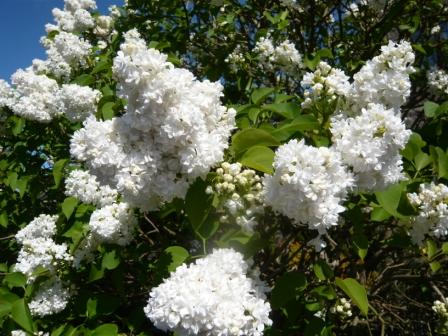
lilac

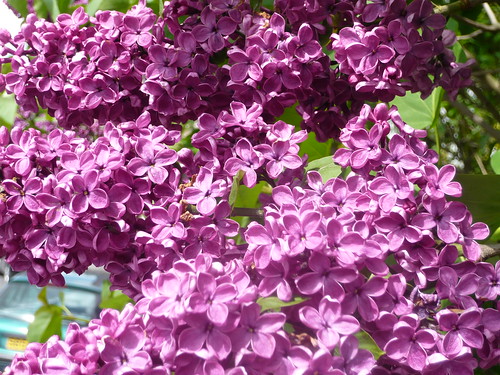
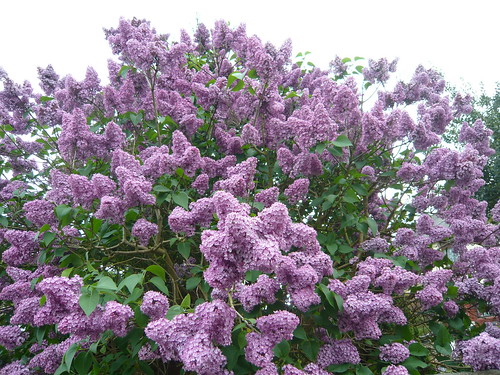
Lilacs (Syringa vulgaris ) are one of the most rewarding spring or early summer flowering shrubs. It rewards us with the most delicate fragrance and beautiful flowers. Even when not in flower, the lilac makes a nice attractive deciduous, green leaved shrub, that can form part of a hedge or shelter the garden.

Tips for Growing Lilacs

  • Lilacs do not like waterlogged soil. It is important to plant in a relatively free draining soil.
  • They can tolerate hot sun and heat (and can provide a nice dappled shade for the rest of the garden.
  • In long periods of drought, it may be necessary to water. Make sure the water gets deep down.
  • Lilacs are not heavy feeders. In good soil, a general purpose fertilizer once a year, will be adequate. Be wary of too much nitrogen as this can lead to green growth at the expense of blooms.
  • Lilacs send suckers from the base. These are vigorous growers and can be separated from the main bush to create new plants. A cheap and easy way to propagate.

Lilac

Lilacs Pests Problems and Diseases

  • Lilacs remain relative pest free. I have never had any aphids with my lilacs.
  • Lilacs can be subject to powdery mildew, especially when hot and humid. The best treatment for powdery mildew is removing affected leaves and burning, and treating with suitable fungicide.
  • Do not prune at the wrong time or you will stop the flowering. Lilacs should be cut after blooming.

What Lilacs to Grow

  • Common Lilac or French lilac grow about fifteen feet tall with a spread of 8-10 feet.
  • Lilacs have large clusters of flowers in a pointed cone shape. They are available in varieties with pink, white, blue, purple, flowers.
  • Korean lilacs are shorter more rounded with small leaves and extremely fragrant flowers.
  • Japanese Lilacs called Syringia reticulata generally have cream coloured flowers and grow into small treesLilac
  • Related

    Book Cover
    Lilacs: A Gardener’s Encyclopedia by John L. Fiala and Freek Vrugtman
    ‘The new book provides up-to-date information on the 21 known lilac species and 10 natural hybrids, as well as hundreds of the 2000 named cultivars.’

    Lilacs from Thompson & Morgan

Read More Read More

Narcissus – Oxford & Botanic Gardens

Narcissus – Oxford & Botanic Gardens

Book Cover

The International Daffodil Register And Classified List
2008 compiled by Sally Kington needs to be studied to be able to name the varieties shown.

Lady Margaret Hall April 2010
Lady Margaret Hall Oxford April 2010 where studying and gardening went hand in hand.

Lady Margaret Hall April 2010

But perhaps more gardening than studying.

daffodils

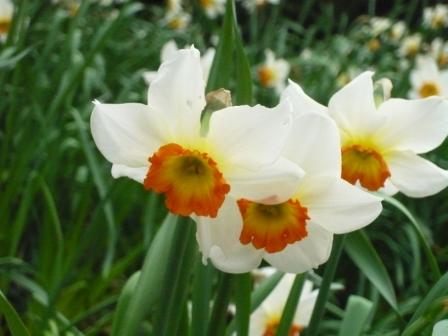
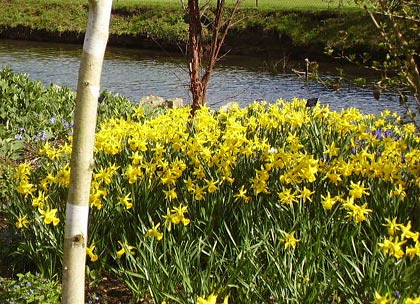
This picture was taken in late March at the University Botanic Gardens Oxford. I’m not sure of the variety, but they remind me of tete a tete. The White betula (Birch) provides an interesting contrast to the lush green of early spring. In the background is the River Cherwell, flowing under Magdalen Bridge

Christ Church Meadow Dawn

Misty Christ Church Meadow Oxford

Christ Church Meadow Dawn

Sunrise at Christ Church Meadow Oxford

Book Cover

The International Daffodil Register And Classified List
2008 compiled by Sally Kington needs to be studied to be able to name the varieties shown.

Elm – Root and Branch Review

Elm – Root and Branch Review

Elm tree in spring

English Elms have been dying in there millions since the 1970’s. A further outbreak of Dutch Elm disease in the 1990’s make the growing of Elm in the UK a dangerous business.

Key Features of the Elm

  • Latin name – Ulmus minor Ulmus procera other common names English Elm, Field Elm or Atinian Elm
  • Height – 100 feet
  • Type of tree – Deciduous
  • Leaves – green alternate ovate deeply toothed, slightly hairy underneath
  • Flowers – reddish petalless in clusters
  • Fruit – Small central seed surrounded by membraneous wing
  • Bark – Grey brown becoming cracked
  • Family – Ulmaceae

Origins and Distribution of the Elm

  • Not native to the UK despite being called the English Elm but probably brought over by the Romans.
  • Found in North America and Turkey.
  • Planted in parks and gardens in Australia, UK and Europe.

Uses and Attributes of the Elm

  • Durable and waterproof timber was used in waterwheels, coffins and ship building.
  • Romans used the Elm to support grape vines.

Another one bites the dust

Gardeners Tips for the Elm

  • Dutch Elm disease (DED)has ravaged the British Elms and the ‘Constable like landscapes’.
  • There is a conical variety Ulmus ‘Wredei’ that could suit a garden but I am waiting for the DED to die out .

Other types of Elm

  • Ulmus Sapporo ‘Autumn Gold’ is a fast grower and can reach its final height of 15 metres in almost the same number of years . Said to be a disease resistant Elm it is not as stately as the original. It is a hybrid of Japanese Elm and the dwarf Siberian Elm, Ulmus pumilia, and is highly resistant but not immune to DED.
  • Ulmus hollandica hybrid varieties used be common over much of Europe and Britain. They occur naturally wherever English Elms and Wych Elms Ulmus minor and Ulmus glabra respectively have a chance to interbreed but again they are susceptible to ‘DED’

Elm comments from elsewhere

  • In the 1970s a virulent strain of a fungal disease arrived on imported Canadian logs. It was spread by beetles and fanned out killing between 15-30 million trees. It was called Dutch Elm disease as that was where the research in to the cause of the trees death was done

Special Elm Trees

Read about our series on British tree reviews with a bakers dozen fact sheets
Credits
Elm tree in spring by BillLongstaff CC BY-SA 2.0
Another one bites the dust by Unhindered by Talent CC BY-SA 2.0 ‘Another elm in our neighborhood succumbs to Dutch Elm, making 5 or 6 big boulevard elms that have been removed around our corner in the last few years.
These were gorgeous old trees, which provided us with shade in the summer and shelter from January’s bitter north winds. We’re working on planting new trees, but those will be more for the next generation than ours.’
Special Elm Trees by Island 2000 Trust Conservation CC BY-NC 2.0 ‘Our elm project aims to in part replace the many thousands of English Elms lost to the Island through Dutch Elm Disease with the resistant cultivar of Wych Elm Ulmus LUTECE. We buy in and distribute between 500 and 1000 every year and we’re now in our 4th year of the scheme. The original work on LUTECE was done by Butterfly Conservation and Andrew Brookes at Portsmouth University particularly with regard to the conservation of White-letter Hairstreak. We’re on the look-out for more resistant strains too, particularly those based on English Elm.”Here are some of our special resistant LUTECE elms about to be planted out in Totland. West Wight has suffered dreadfully from the renewed outbreaks of DED since 1995 and we’re keen to do what we can to restore an elm component to the landscape. There’s still plenty of elm at a lower level in hedges and as suckers from felled or dead taller trees but there are almost none left as field and hedgerow trees. These are alongside One Horse Field (a Gift to nature Project).’