August 15, 2008 at 1:41 am
· Filed under Design, Flowers, Gardens to Visit, Water Gardens

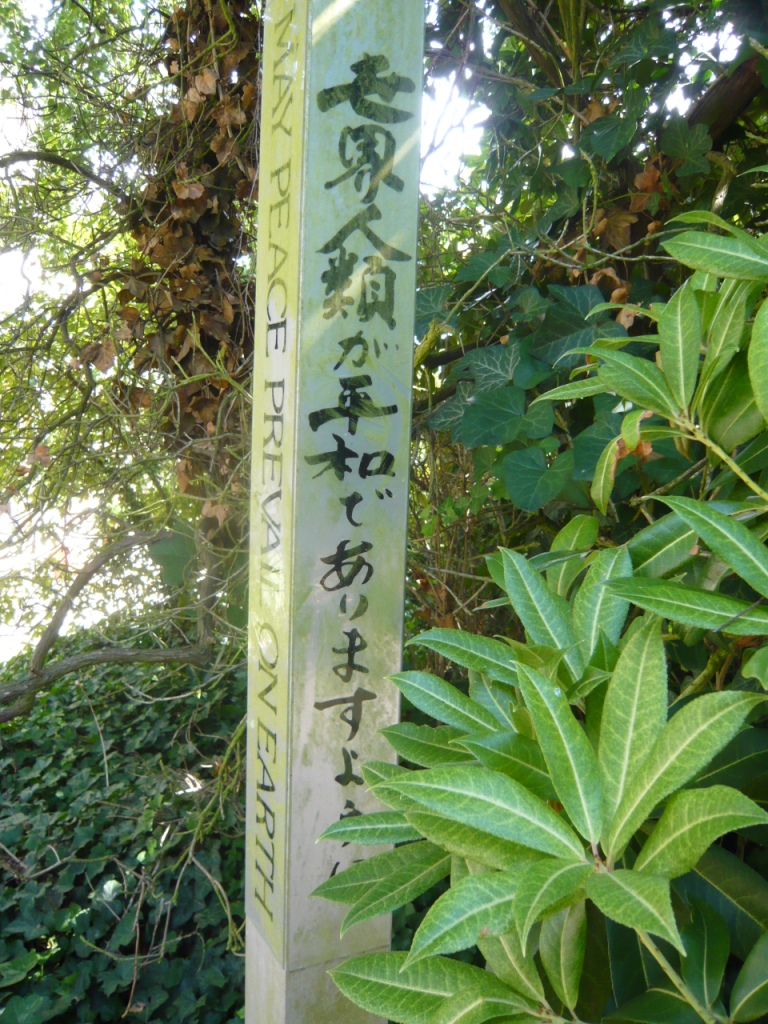
London Holland Park’s water feature in Kyoto Garden.
The composition of enduring elements such as buildings, stones and paths that harmonise with the surroundings are critical factors in a good Japanese garden.
The waterfall plays an important role in Chinese and Japanese landscape. Japan’s earliest known manual of gardening—the Sakuteiki—describes ten different forms of waterfall stipulating the proper height and width of a cascade.
Japanese gardens are a living art form, in which the plants and trees are ever changing. As they grow and mature they are constantly sculpted and pruned to maintain and enhance the overall composition. Over time it is only as good as the careful and qualified maintenance that it receives by those trained in the art of pruning.
A space in the garden for contemplation or meditation fits with the Buddhist and Daoist philosophy
Permalink
August 9, 2008 at 3:03 am
· Filed under Design, Fruit, Vegetables & Herbs, Tips

Traditionally herbs are grouped together in a special area of the garden but you can try mixing ornamental herbs amongst perennials.
Focal Points
Angelica is happy in semi-shade and reaches over six feet tall. The green candied stems of Angelica archangelica, with huge fine cut leaves are used to decorate cakes. Alternatively try bronze coloured Angelica silvestris Vicar’s Mead.
Fennel is another tall focal point plant with green or bronze foliage. This perennial likes sun and flowers yellow with edible seeds.
A Bay tree Laurus nobilis f. augustifolia will create a more formal setting responding well to trimming, shaping and pruning
Edible Edging
Curly leaved Parsely with bright green leaves can set off the bright colours of bedding. Flat leaved parsley works less successfully.
Chives are fine leaved clumpy alliums with purple blue flowers and look very good with purple leaved plants and shrubs.
Thyme has many varieties both upright (above) and creeping, variegated or lemon scented. They are useful for hot, dry, poor soil conditions.
Marjorams or Oreganum vulgare can also fill a niche at the front of a garden
Herb Tips
- Keep picking or trimming herbs to keep tidy and encourage new growth
- Mid range border filler plants include Rosemary, Lavender, and Hyssop
- Mint likes semi-shade and a fertile soil try spearmint mentha spitica, apple suaveolens, ginger gracilis as other flavours.
- Try mint in flower arrangements.
- Caraway, Chervil, Lovage and Coriander look tatty as they begin to flower so leave them in the vegetable or herb garden
Permalink
August 6, 2008 at 9:40 pm
· Filed under Design, Flowers, Seeds
Alliums produce some of the most interesting seedheads. Each capsule is about to burst on this Allium cristophii (AGM) sending dozens of hard black seeds to perpetuate the family.
There are over a thousand species of Allium or onion and this is one of the most eye-catching of them all both in flower and in seed. Large flowered Alliums should be planted in groups of odd numbers to enhance the effect. They like a sunny site where it will tolerate competition from other roots. Each spherical flower-head helps create a perfect ball shape. The complete stem will last for many weeks as part of a dried flower arrangement.
Other Plants to Grow for their Seed Heads
- Pampass Grass (Cortaderia selloana) for the large fluffy plumes and a whole range of other grasses
- Teasels (Dipsacus) to feed the birds and to catch the frost
- Honesty for the shimmering white seed heads
- Iris Foetidissma for the red berries bursting out of the seed pod
- Paeonia lactiflora for the red furry seed head
- Zea Mais, Mexican Corn on the cob for the multi-coloured cobs after drying
- Papaver, Phlomis fruticosa, Phlomis samia/russelliana, Phormium tenax are also recommended by the gardener
Permalink
August 5, 2008 at 7:54 am
· Filed under Design, Flowers, Gardening
For me a garden needs a series of themes and contrasts. Showy annuals, intense herbaceous borders, seasonal planting and elegant shrubs are important features. When planning a ‘restricted colour garden‘ as in the white garden you are really planning for subtle contrasts and breathtaking clarity that is both calm and soothing. Grey foliage and variegated leaves will take their place amongst some of the purest or showiest flowers. To make a point and emphasise neutral colours a pure self colour may be introduced but there are shades of white and don’t forget buds, sepals and stamen bring shades of colour.
Why White is important
- White helps to display other colours to their best advantage.
- It brightens and relieves other shades
- White flowers alongside grey or variegated foliage brighten dark corners
- It can give a feeling of coolness to sun drenched patios
- White is elegant and often seen as pure, chaste, fresh and unsullied
- White is fashionably aesthetic and invokes atmospheric images.
White by Design
- Select an area with an appropriate dark background to set off the flowers
- Choose an area of isolation that avoids creating competition - a walled area is ideal
- Location, location, location, avoid too much sun and allow it to glow even in poor weather
- Texture and form are important in a garden and can be picked out by choice white plants and flowers
- When designing think about the whites required for all the seasons
- Focal points can be sharp and varied choose good specimen plants
- White foliage can provide a framework for other plants
- White reflects well in a still pool
- Scent of white flowers can be intense and used to highlight other senses
- White flowers repay close examination and draw and retain attention
For White versions of common plants, white stars and foliage
Read the rest of this entry »
Permalink
July 31, 2008 at 5:45 am
· Filed under Design, Gardening, Tips

Reasons to consider ground cover for your garden
- Ground cover can be designed to be low maintenance
- Good cover will soften edges and sides of paths
- Soil on slopes or banking can be held in place
- Difficult areas with access problems can be covered in style
- Bare soil can be unsightly unless covered
- Good plant selection can make a feature of ground cover
- Ground cover can add balance and harmony within the garden
Plants for Ground Cover Situations
- Auga reptans blue flower spikes aka Bugle ‘burgundy glow’
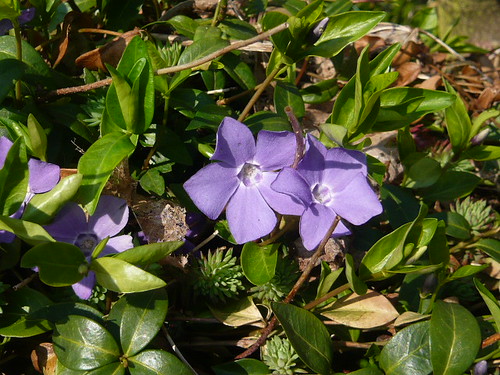
- Vinca major and minor - both evergreen periwinkles
- Pachysandra terminalis - whirling evergreen leaves
- Read the rest of this entry »
Permalink
July 22, 2008 at 1:42 am
· Filed under Design, Environmental Gardening, Organic

Mulching is the covering of bare soil with a mulch. Mulch can be organic or inorganic and its purpose is to conserve moisture in the soil, suppress weeds and protect the roots of new plants. The right material will cut down on maintenance with less weeding and watering.
Choose a mulch that appeals to you and don’t be worried about experimenting.
Inorganic Options
- Shells are an idea if you aren’t trying to grow acid loving plants.
- Ground glass and rubber chippings are also now available
- Gravel and grit can be acquired in various size grades depending on the location and the requirement. Finer grit can be used on the top of outdoor pots but for a larger area or around larger speciems a bigger chipping is more appropriate
- Slate can give a texture and feeling to a mulched area that transcends the basic purpose and harmonises with the greens in the plants
- Coloured chippings are now available in reds, golds and greys as a result of the base stone used. select a colour that you can live with and that complements the garden
- Pebbles or round rocks or slabs mat also be appropriate
Organic mulches
- The good old stand by garden compost is one of the favourites that also adds some nutrition
- Straw was an old substitute but is less attractive although semi composted ‘Strulch’ is available as a proprietary product.
- Coconut coir and husks may be used but pets may eat it
- Pine needles and different sized of bark are now available. Chose a bark that fits the planting scheme
Permalink
July 18, 2008 at 7:07 am
· Filed under Design, Trees and Shrubs

This noble fir is a large prostrate form with thick rounded bright blue needles that gives a good colour contrast within any garden. This is just one of the good looking Conifers that can be suitable for a British garden.
- This prostrate form is slow growing. Remove any strong vertical branches
- Young plants need a good soaking when the soil becomes too dry and prefer a moisture retentive soil
- Roots spread wider than the tree but shouldn’t need fertiliser
- Will stand very cold winter temperatures
- The habit, form and colour of this Pine make it a good plant to incorporate into a garden design
Permalink
July 14, 2008 at 8:12 am
· Filed under Beginners Tips, Design, Flowers

This nine foot high perennial plant has a striking spire of yellow flowers. This variety has several smaller spikes in this case an impressive fourteen at the last count and still growing. This is a Verbascum hybrida and I also have a white which is less robust but still stately.
- The leaves are hairy and can cause skin irritation
- In the wild ‘Mulliens’ produce prodigious volumes of seed as do the hybrids. I treat good specimens as biennial although they are perennial as they are easy to grow from seed.
- Flowers do not open evenly up the flowering spike but have colour for many weeks in summer. If dead headed there will often be a second flush later.
- Mulliens like sun and space but are not fussy about soil conditions
Design Tips
Read the rest of this entry »
Permalink
July 12, 2008 at 5:42 am
· Filed under Design, Flowers, Water Gardens

Any space bigger than a bottle can be used to create a garden. This London tennament had a basement flat twelve feet below the pavement and about 5 feet wide. Despite those limitations there was an exotic rock pool, obligatory ferns and phormiums and the London Lizard, the Camden Croc, or the Admiralty Arch Alligator.
Designing with Humour
- Are the bars on these windows to keep the residents in or the London wild life out
- A light touch when adding whimsy to a garden can add many a smile to the passer by
- New materials can be introduced like this fibre glass sculpture
- Painted pottery Gnomes are not to everyones taste but Gnomes need homes
- Bruce Lawton’s Zen garden design tool is a bit of a spoof
Permalink
July 3, 2008 at 10:09 am
· Filed under Design, Fruit, Vegetables & Herbs, Tips

Many plants sold as “ornamental cabbage” are in fact kales. They are grown for the coloured and ornamental leaves which are brilliant white, red, pink, blue or violet in the interior or the rosette. Because they supply colour in winter Ornamental Kale is popular with some designers. The green kales (Borecole) can also be very ornamental. Keep tidy by pulling old outer leaves off
Ornamental kale is every bit as edible as any other variety, provided it has not been treated with pesticides. Special recipes
For more Tips and other Kales
Read the rest of this entry »
Permalink