Browsed by
Month: June 2010

Common Garden Problems
Common Garden Problems

weed
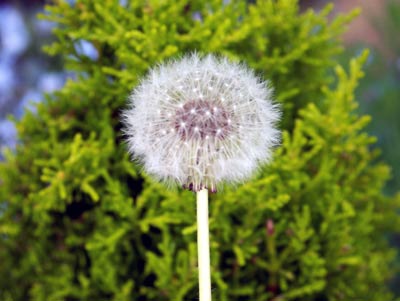
Beautiful, but a hundred potential weeds.

Weeds

There are two types of weeds. – The weed which can easily be controlled through hoeing (e.g. annuals like plantains and the persistent perennial weeds – horsetail, bindweed and japanese knotweed. These latter group of weeds need a persistent and determined strategy to rid your garden of them. It takes a combination of deep digging their roots, and then spraying or hoeing off new growth until they are finally defeated.

In the case of weeds like horsetail, it can really test your patience as it can be years of weeding before you clear the garden of it.

Other weeds still require regular maintenance to keep down. If possible follow the good old advice of hoeing before they set seeding or as the saying goes – one years weeding = seven years weeding

Neglect

Here is a common garden problem – not enough time to do what we need to do. – Weeds allowed to grow, grass too long and weedy, plants not deadheaded and a general feeling of neglect. Don’t feel too bad, nature doesn’t have a gardener, and nature doesn’t do too bad. Try to enjoy the natural aspect of the garden, even the weeds can be quite nice, if we don’t worry too much. But, if you can find a bit more time for regular maintenance you will get much more joy from the garden.

Though another less well addressed common garden problem is that of the stressed gardener. Don’t try to do everything and be perfect. There is more to the garden than immaculate edges and 100% weed free soil…

Read More Read More

Rose Replant Sickness Causes & Cures

Rose Replant Sickness Causes & Cures

Peace Rose

Old Parks Gardeners have known for many years that to replace a bed of Roses in the same place is asking for problems. New plants become sickly before they get a chance to become established and you can loose a lot of time and money trying to put new roses in the place of old.

How is Rose Sickness Caused

  • No one seems certain why roses get sick if they are planted where old roses used to be. One possible cause is nematodes that the old roses have learnt to tolerate.
  • I believe it is more likely to be fungal growth around the roots.
  • Root exudates contain allelochemicals and when concentration becomes very high, after the roses have been in the soil for several years, they adversely effect new plants.
  • Roses are gross feeders and soil which becomes impoverished will highlight other plant weaknesses.


Common Cures and Treatments for Rose Sickness

  • If you are replanting roses exchange the soil with fresh soil that hasn’t grown roses before. An area 2′ square and deep will be needed so it might be easier to relocate the bed for new plants.
  • It may help to grow and dig-in a crop of Tagettes or french marigolds if the soil is generally in good health. I would also add lots of manure and   humus for roses.
  • Another method for small numbers of Roses is to sink an old carboard box filled with fresh soil and plant in that. By the time the cardboard degrades, the rose sickness should have gone or the Rose be strong enough to resist problems.
  • The only product against rose sickness is Rootgrow, a beneficial mycorrhizae, fungus which adheres to the new Rose roots. It should allow the plant access to moisture and nutrients from a wider area of soil thereby increasing the early vigour.

Try Just Joey when planting new roses

The Dry Garden

The Dry Garden

dry

The Foxgloves may suffer in very dry conditions. But, Lavender and Pelagoniums are both quite draught resistant.
The dry garden is a garden designed to flourish in hot and dry conditions without additional water. Sometimes, we try hard to fight nature, but, sometimes it is good to grow the plants which will thrive in the conditions we have. A dry garden doesn’t have to be an arid and boring place with nothing more than a few cactus, there are many plants which will thrive in dry conditions.


Californian poppy thrive in hot dry conditions. A good example of a vibrant colourful annual you can grow in a dry garden.

Good Plants for Dry Conditions

Trees

  • Acers
  • Betula Pendula

Read More Read More

Forcing Flower Bulbs

Forcing Flower Bulbs

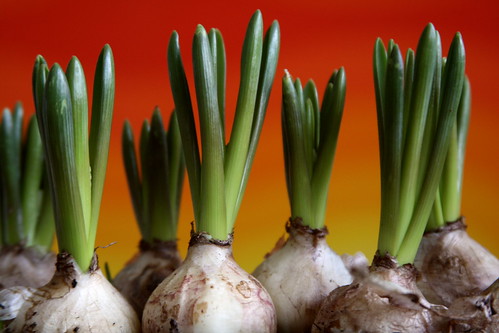
A bowl of flowering bulbs can be delightful in the depths of winter and you can force them to flower as early as Christmas.

Conditions for Forcing

  • Bulbs need at least 4″ of compost for root development and good drainage in the pot.
  • Forced bulbs need a period in the cold at 7-9º Centigrade.
  • Dark conditions are also best
  • If there is no suitable indoor space the pots can be buried outdoors in soil that is not too wet.

Timing for Forcing

  • Plant the bulbs from 1st September until December. The earlier the start the earlier the flower.
  • Short cooling periods equal short stumpy flowers, too long cooling will produce excessively long flower stems.
  • After cooling, bring bulbs into the warmth and they will flower in 2-3 weeks.
Bulb Planting Date No Weeks Chilled
Hyacinth prepared 15.09 -15.12 10-12
Hyacinth unprepared 15.10 -01.12 11-13
Tulip

Blenda, Prominence

Arma, Yellow Present

01.10-01.12 14-15

15-17

Daffodil

Tete-a-Tete

Carlton

01.10-01.12 12-13

14-15

Crocus 01.10-01.11 14-15
Iris Reticula 01.10-01.11 12-13
Muscari 01.10-01.11 14-15

Amaryllis and Paperwhite Daffodils ( Tazeta narcissi) can be put straight into a warm room and do not need the chilling process. Hyacinths can be chilled at slightly warmer temperatures than other bulbs.

Read More Read More

Growing Conifers in the Garden

Growing Conifers in the Garden

conifers
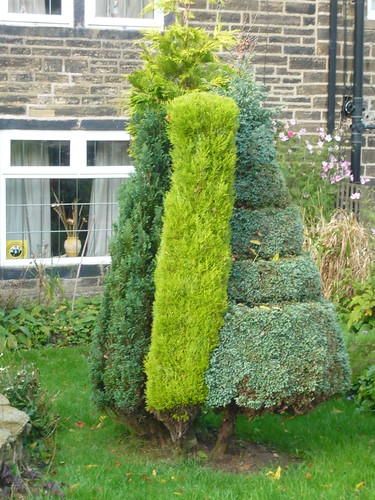
Conifers are very popular in the garden, usually as a utility hedging feature or for a simple topiary feature like above.

They can provide a great natural screening effect – giving the garden more privacy, shelter and it’s own micro climate. However, unchecked, conifers can be a really pain, rapidly growing in size overshadowing a garden throwing shade and drying up neighbouring gardens.

A real potential villain is Leylandii Cypress. It can grow 4 foot a year and is one of the fastest growing trees. It has many advantages if properly pruned – it is hardy, responds well to drastic pruning and soon provides a shelter. But, if left unpruned it can soon get out of control. (see: Dealing with problems of Leylandii)

Often we tend to lump conifers together. However, there is great variety and diversity within this species. There are different types which can offer a useful balance of evergreen colour in the garden.

Try varieties such as Thuja or Taxus (Yew) or Junipers. These provide a variety of shapes, sizes and speed of growing. Tall thin varieties can be great for the small garden.

Read More Read More

Quick Tips for Roses In June

Quick Tips for Roses In June

Peace Rose

This year my roses are a good bit later to come into full bloom. The cold snap in May undoubtedly caused problems.

A white rugarosa type had all the buds ‘browned off’ by a late frost and guess what colour that left me  -  ‘browned off too’!

Tips for June

  • Deadhead repeat flowering roses to get a second flush. Flowering may stop when seed is set.
  • Cut above the first leaf node and angled away from the leaf.
  • Do not deadhead roses you grow for the hips such as Rugarosa types.
  • If you have any blackspot wash your secateurs between each plant to avoid spreading the disease.
  • Check for suckers, track them back to the roots and pull them off neatly. Cutting them may leave a bit of sucker and you will get two suckers from that one spot.
  • If you are troubled by Aphids, and who isn’t, then use your favourite treatment. I have just organically squashed quite a large crop on the buds of my climber roses.

Getting Bigger Blossoms

  • If exceptional blooms are required nip out the side buds and leave one bud per stem to develop fully. All the energy gets channeled this way.
  • Read More Read More

Tips for Perennial Border

Tips for Perennial Border

border

An early autumn border – plenty of colour and interest.

The perennial border is one of the great joys of the English garden. It is like an open canvas, constantly changing and evolving. Crammed full of plants it can offer a great display throughout the year. With careful planning and preparation the home gardener can enjoy a perennial border like these photos here.

Tips for the Perennial Border

Contrast. It is important to have some interesting contrast within a border. THis doesn’t have to be opposite colours. Contrast can involve contrast of form, height and movement. Contrast gives any border more interest.

Height. tall plants help a border become three dimensional rather than a two dimensional bedding plant scheme you may see in your local park. For example, Verbena Bonariensis

Movement. Plants which sway in the breeze help give an added interest to the garden. It creates a sense of drama in the border. See: Movement in the garden

border

A July Border

Be Bold. For effect be prepared to plant in drifts and large groups. Don’t just plant he odd plant here and there, it can be more powerful to see long drifts. At the same time you don’t need to plant in regimented blocks, allow a plant to move throughout the border.

Read More Read More

Tips for Lawn Care

Tips for Lawn Care

lawn
Lawn at Brasenose College, Oxford University.

If you fancy impressing the neighbours or you fancy holding a croquet tournament on your lawn why not try to grow the perfect lawn? If the idea of a perfect lawn doesn’t appeal no harm, you can always go for a wildlife lawn complete with daises e.t.c However, there are several steps we can take to enjoy a better lawn

10 Steps to a Perfect Lawn

1. Preparation. Prepare the area by providing a good well drained soil, free of large rocks and flattened with a rake. In preparing the lawn, take time to remove any perennial weeds. You can grow from seed, but for more immediate results, buy turf from a specialist supplier. At least then you can get off to a good start. If your lawn is really bad, it may be worth starting from scratch

2. Regular Mowing. Regular mowing at the right height is one of the most important tasks to maintain the lawn in good health and beat off any weeds which may creep into the lawn. The height of mowing will vary. But, generally the rule is to start higher and reduce the cutting height in the middle of the summer, when the lawn is growing fastest.


Another lawn at Brasenose College.

Read More Read More

Red and Green in the Garden

Red and Green in the Garden

Colourful Tips on garden colour wheel.

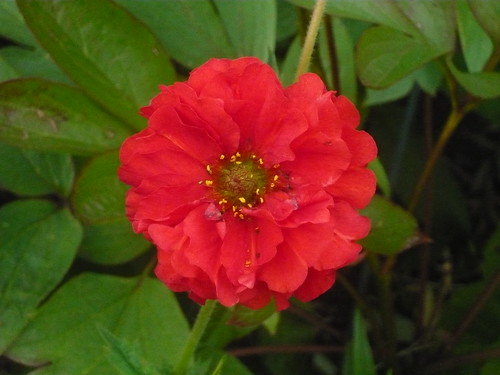
Geum

Red and green are complementary colours that draw plenty of compliments in the right setting. This Geum looks better against the green leaves than it does waving around on its long stems (although it is fine then as well).

Poppy

Another moody shot of a red Oriental poppy against it’s slightly greener leaves. For great artistic paintings you can’t beat red poppies and green leaves.

Hibiscus

Perhaps it is the yellow stamens that catch the eye on this Hibiscus but the glossy green leaves are also a major part of the charm.

Read More Read More

Growing Wisteria

Growing Wisteria

Wisteria in Full Flower, Lady Margaret Hall, Oxford, June 2010

Wisteria can be a very rewarding climber. If the plant is from good quality stock and it is planted in good conditions it can give a wonderful flowering display.

Tips for Growing Wisteria.

  • Wisterias are usually grown from grafted rootstock. It is important you get plants from a reliable source. Non flowering wisteria can often be traced to poor grafting / rootstock which won’t flower whatever you do.
    Wisteria naturally grow in wooded environments with shoots reaching above tree line for sun. Make sure they are planted in plenty of organic matter and ideally soil should be kept shady or moist.
  • Wisteria need some training to give the best flowering. Ideally, you want to train along horizontal supports, which will maximise flowering from the spurs which develop from side shoots.
  • Wisteria naturally attach themselves to supports in a clock wise motion, so bear this in mind when tying them in.

wisteria
This well trained Wisteria has a high % of flowers to green leaves.

Read More Read More