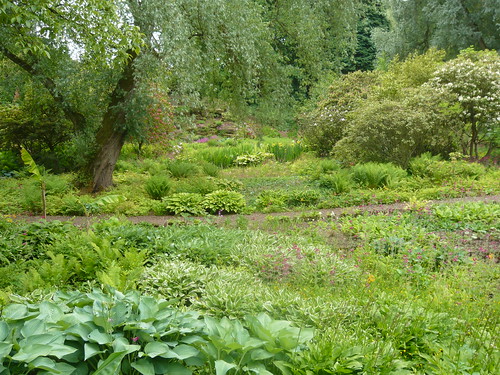
Britain has some of the best gardens in the world. The choice of which to visit is far larger than this selective list but at least it gives you somewhere to start planning this years outings.
A list of 55 gardens in England recommended by the Royal Horticultural Society. The RHS generally provides free admission for members throughout the open period.
“Newby Hall and Garden is well known in the gardening fraternity as an impressive example of well designed and extensive range of garden features, expertly decorated with a diverse range of plants. The truly magnificent herbaceous borders are the central feature of the gardens but are by no means the only feature of quality. Garden rooms and themed planting provide a range of style’s that can easily be incorporated into most gardens large or small. Of particular value is the work on plant conservation and Newby boasts the best collection of the genus Cornus in the Country.” I would also add the acid lovers Azaleas, Camellias, Rhododendrons and Magnolias so recommend visiting in April or May.
Harewood House
Known for the imposing House and sweeping terrace there is much to satisfy the gardener. The Himalayan garden is a feature I most appreciate. Designed by Capability Brown there are 1000 acres of parkland and even a bird garden with many species. …
Blue Heaven: Encounters with the Blue Poppy by Bill Terry from amazon
Bill Terry is a leading North American authority on Asiatic poppies relates his own encounters with the blue poppy and shows how, given a suitable climate, a patient and persistent gardener can raise this most alluring of perennial plants.
The origins of Meconopsis are expounded along with comments about those who first discovered and grew the plants. A personal account, fun to read and adds to the collective knowledge.
Whilst Rhododendrons have been regarded as ericaceous plants unsuitable for alkaline or limey soils the newly bred Inkarho plants may be an exception. It is also believed that some species and root stocks are tolerance of more alkaline conditions.
These German branded Rhododendrons have been developed to survive in soil which is less than perfect for Rhododendrons. They are all grafted onto a stock that is lime tolerant like the old variety Cunningham’s White or R. hirsutum or R. ferrugineum. The root ball tends to be quite large and robust on these varieties and that may account in part for the ability to withstand alkaline soils. Not everyone is impressed with the results attributed to this breeding programme and particularly the reasons for lime intolerance see Non Conformist Rhododendrons by David Rankin Â
His ‘suspicion is that there are in fact many more lime-tolerant species than we had been led to believe, or that at least there are tolerant strains. What we want to do next is to see whether these species growing on limestone are able to avoid absorption of calcium by their roots.’
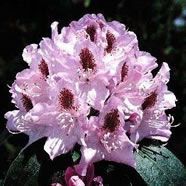
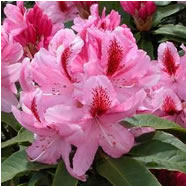
I am happy to have the right soil for most Rhododendrons but here are a couple more pictures from Inkarho off spring.
Rhododendrons, which require a pH between 4.2 and 5.5but lime tolerant types of root stock can thrive with a pH between 4.5 and 6.5. An added advantage of plants which have been bred on lime-tolerant root stock is that they are stronger on normal soils.
RHS suggests other rhododendrons to try on alkaline soil:
R. augustinii (Electra Group) ‘Electra’ AGM R. ciliatum
R. hippophaeoides
R. ‘Praecox’ AGM R. triflorum
You can have success with successional sowing of seeds.
A wonderful variety of colour from a mixture of hardy annuals and hardy perennials.
Sowing seeds is great fun. The good news is that there are different types of seeds that can be grown at different periods of the year. Apart from October – December there is probably some seeds that you can be sown under protection of gentle heat. This could be a sample seed sowing season
January – February.
This is time for early season crops like lettuce and spinach. They will need heat and cloche protection to grow. But, vegetables like Spinach may do better in colder times because they are less likely to grow from seed. Later crops may bolt in the heat of summer. February is also a good time for slow growing annuals like Datura.
However, if you do sow in February, growth will invariably be slower because of the lower light levels. Seed grown early, will need more care and time, but, can reward the patient garden with early season flowers and vegetables.
The new year gets gardeners all enthused but it is also a time to show patience. The gnomes wont rush to help you anytime soon Hi-ho.
Helpful Tips
Beware experts – book learning may not translate into a better garden.Most experts make me worry.
Worry less about experience. Applied experience as a result of your own gardening is better than the secondhand variety.
Maslov’s hierarchy of needs applies to garden plants as much as gardeners. The basic needs of food, water then shelter in an appropriate home need to be taken care of first. No need to rush into being an exotic all knowing gardener.
Jobs left from Last Year
Clean pots, ornaments and seed trays, insulate outdoor taps and do those maintenance jobs you have avoided.
Build compost heaps, raised beds and hard landscaping when weather permits.
In dry weather treat wooden furniture and structures.
Plant Matters
Prune soft fruit bushes and apple/pear trees.
Force rhubarb by covering with a bucket filled loosely with straw.
Sow alpine seeds and plant winter flowering clematis cirrosa or napaulensis.
Check over wintering tubers, cold greenhouse plants and pinch out the tops of sweet peas to get bushy well rooted plants.
Prune grape vines before the sap rises to avoid bleeding.
Crops
Keep taking the green and look after the sprouts.
Bring hyacinth bulbs indoors for scent and flowering.
Gather leeks and root veg roughly clearing the ground.
Going to the Olympics in 2016 – then combine your visit with a few garden trips.
Competitive gardening may not be an Olympic sport but the standard of gardens in this facinating country has to be seen to be believed. Based more on design and architecture than planting there are some modern features in Rio, Copacabana and San Paulo
Simple Brazilian Gardens
Buy a book on the subject and browse while others compete for gold medals. New Brazilian Gardens presents over thirty gardens and landscapes located across Brazil.
Visit the nearest Brazillian garden like the one at Naples botanic garden Florida. This honours Burle Marx who is considered one of the most influential landscape architects of the 20th century. He drew inspiration from the beautiful plants and exuberant landscapes of Brazil. Through his passion for native plants, he introduced a wide range of native Brazilian plants to gardeners.
View your perfect garden selection on Gardenvisit.com
Amazon Rain Forest
There are reputed to be over 50,000 species of plant endemic to Brazil.
Coffee, rubber trees, Brazil nuts and numerous palm species are key crops.
Mahogany is now protected although this hardwood tree is still felled and sold in Brazil.
Floral Brazil
The national flower is the Orhid and there are many delicate species.
Flowere familiar to UK gardeners include -Papaver Rhoeas, Freesia, Camelia, Begonia,
 Cyclamen persicum, Gloxinia, Nymphaea odorota,
 Sclumbergera truncata, Billbergia distachya-Bromeliads,
Bindweed after being sprayed – note the stick it has been trained to grow up makes it easier to spray”. Bindweed will grow up living plants and throttle them if left unchecked.
My first garden in Oxford had been neglected for 10 or 20 years. Bindweed had run rampant throughout the garden, there was no alternative but to spend many hours and many years before I was able to bring it under control.
This is the strategy I used for bringing a bindweed garden under control.
Bringing Bindweed under Control
1. Dig up Roots. If bindweed is well established, it will have developed an extensive system of roots which will make it resistant to the odd spray. I suggest starting by having a thorough dig taking a section of the garden one at a time. Don’t try to dig the whole garden as you will be depressed at the scale of the job. Start with a manageable section and dig deep to get as much of the white root as possible.
If the soil is dry it is easier to separate the roots from the soil. It actually becomes quite satisfying job, seeing how much of the white roots you can dig up. You will want to go at least as deep as a full spade blade. Lift up the soil and shake of the soil surrounding the roots. Be relatively gentle as the roots are quite brittle and new weeds will grow from even small bits of root. When the ground is dug over, you can start planting as you won’t have to dig it again.
Beetles that are soil dwelling can be good friends to the gardener. Rove beetles stahylinids and ground beetles or carabids are both useful. In adult and larvae form they eat insects, slugs and other invertabrates.
Ground Beetles
As predators of invertebrates and many pests these black or brown beetles are considered beneficial.
Most feed at ground level but some will climb to eat aphids.
Carabus is a larger carabid and will feed on slugs, leather jackets and cutworms. (Mmmm juicy)
The caterpillar hunters Calosoma are famous for their habit of devouring insect larvae and pupae in quantity.
A few beetle species are herbivorous pests like Zabrus.
Poecilus cupreus is shiny black with long legs and powerful jaws.
One for the goulish kids, many ground beetles eat by vomiting on their prey and waiting for their digestive enzymes to make their food more fluid and easier to eat.
Rove Beetles
Devils coach horse or Staphylinus olens is one of the larger rove beetle at up to 30mm. It is often found under pots or rotting logs.