Gardeners Tips for Growing Foxgloves -Digitalis
Gardeners Tips for Growing Foxgloves -Digitalis

foxglove

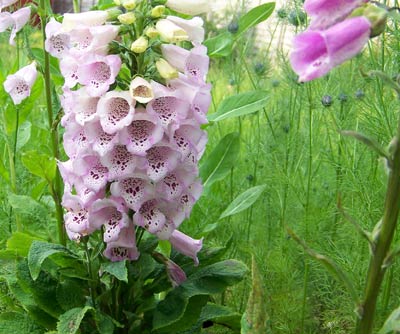
Foxgloves are native to the British isles and can be grown relatively easy here in the UK. They provide an excellent addition to any cottage garden. There distinctive spikes of flowers can be up to 4-5 feet high and they offer a new dimension to any garden. They also attract bees for their extensive nectar.

Foxgloves are poisonous so be careful if you have kids in the garden. The good thing is that slugs don’t seem to like them much either. Parts of the Foxglove are actually used as digoxin a widely used heart drug.

  • Foxgloves like full sun, but, also do fine in shade.
  • Foxgloves will be fine without extra feeding, but do better with nitrogen rich soils.
  • Sowing. As a biennual, Foxgloves need to be sown in May / June. If foxgloves are self sown, the main thing to do is to thin out the seedlings so that they don’t get too crowded. A foot between each plant is a good guide.
  • Self sowing. One of the best features of growing foxgloves is that they will usually self sow for the next year. They self seed in moderation and it never becomes invasive. The only gardening might be to thin out the seedlings.

Problems of Growing Foxgloves

One problem of foxgloves is that the tall varieties can get blown over in windy conditions. Try to plant is sheltered spots; they grow well in clumps together.

Varieties of Foxgloves.

The most common variety is D. Purpurea which can be seen growing in British hedgerows. In addition there are cultivated varieties such as ‘Apricot’ and white varieties. There are also dwarf varieties of foxglove such as ‘Temple Bells’ or Primrose carousel’
You can acquire new plants or just admire them as part of a collection

Perennial Foxgloves

Digitalis Grandiflora (yellow foxglove is a hardy perennial flowering foxglove.)
 

Aesthetic Appreciation of White Flowers

Aesthetic Appreciation of White Flowers

Originally entitled ‘Why do white flowers smell best?’ I have revised this article.

Rose for scent

Can you see a smell?

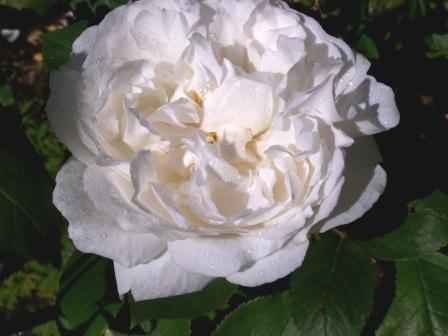
The scent from this rose should be pulsing through the internet in waves of perfume. It certainly pulsed through the RHS garden at Harlow Carr with a far spreading aroma. The light rain (well it is an English rose in an English summer) probably enhanced the sweet scent as the fragrant oil was dissolved and let loose. Moss roses have furry growths which at a glance look like aphids but are in fact oil glands that provide fragrance.

White flowers attract pollinating insects, butterflies and sometimes birds by the scent and source of nectar. They do not use colour for obvious reasons. For this reason white flowers in a species are often far more scented than coloured equivalents. Some of the most scented flowers are white including Philadelphus, Lily of the Valley and members of the Rose family.

Book Cover

Aesthetic Appreciation

Is aesthetics a sixth sense? If so Gertrude Jekyll had it in abundance. Gertrude created over 400 gardens and first published her work on colour schemes over 100 years ago.
If aesthetics are a combination of all the senses including the common one then I would be hard pushed to say which was the more important. Common sense is trumped in the garden by experience but sight and smell are the top drivers of appreciation.

Pros and Cons of Deadheading in Autumn

Pros and Cons of Deadheading in Autumn

Dahlia

Pros

  • I am still actively deadheading many plants in the hope of a more flowers from a long, warm, sunny Autumn – some hope editor
  • Plants look tidier if they are lightly trimmed when deadheading
  • Energy is put into the remaining plant rather than seed production. So plants may be better able to withstand winter and some will have a better established root system.
  • Softwood that has no time to ripen will probably suffer in the first frosts so it is pruned out
  • Dying flowerheads may rot or damage other flowers or leaves.
  • Deadheading stops unwanted seedlings from prolific seeders

Book Cover

Cons

  • If you want to save seed you want seedheads to ripen on the plant. Some will dry in a greenhouse or garden shed before being stored in an airtight container. I put seeds in small ex-mail order envelopes first.
  • Some seed heads such as Honesty, Rose rugarosa,  Echinops and Teasels are left through winter for shape and to look attractive in a frost.
  • Do not deadhead ornamental plants grown for their seedheads like Iris Foettisima or Physalis
  • If you want to save seed or berries for birds and wild life do not deadhead
  • If you want self-sown seedlings for a natural garden then select what flowers to leave to run to seed.
Hydrangea Shrubs and Houseplants

Hydrangea Shrubs and Houseplants

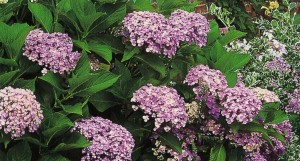
Red, White and Blue the patriotic colours of the Hydrangea are augmented by pinks and purples like H. Ayeshia above as a variation on those themes. Flowering from mid-summer these shrubs give a magnificent display with very little effort. Did you see Hydrangea maritima on seaside holidays in large displays of sugary pink and sometimes blue.

Hydrangea macrophylla is the mop head type that can change flower colour from pink too blue depending on the soil. If the soil is acid then you will get a blue flower. The pink is produced on alkaline and more neutral soils. To change to blue add Aluminium sulphate or special colouring chemicals from garden centres to get a pink add lime. Some old methods include burrying a bag of nails or putting rusting iron near the plant. For best results when the soil id wrong for your desired colour plant it in a large pot with the right type of soil and keep it well wartered.

Hint and comments on Hydrangeas

  • Named after the Greek for water keep your Hydrangeas moist
  • Hydrangea quercifolia has oak shaped leaves and flowers white in the shade.
  • Lacecap varieties have a looser form to the flowers with flat open flower heads where the florets don’t all open at once. Try variety maresii
  • Buy plants in bloom so you know what you are getting in colour and form or plant in Autumn
  • Hydrageas like rich moist soil and a bit of shade in the early morning to avoid frost damage to young shoots
  • Prune out old flower heads, dead stems and old wood from overgrown bushes in the spring
  • Hydrangeas can be used as cut flowers or dried for a papery addition to a winter arrangement
  • A dwarf species H. thunbergii grows to about 2 foot.

Some old varieties to look out for

Read More Read More

Rose or Wallflower?

Rose or Wallflower?

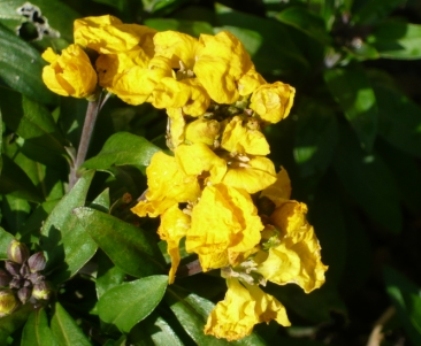
Can you tell what this frosted yellow flower is that is starting to show colour and now getting into full scented blossom? It still thinks it is 2015 and our mild wet weather has contributed to a range of ongoing flowers.

wallflower

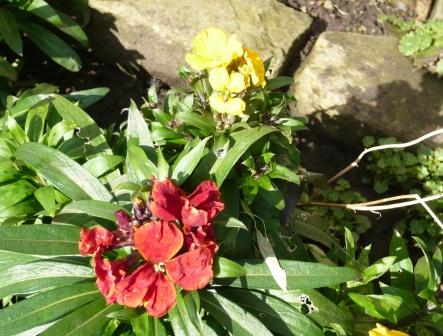
This picture with the low wall in the back ground will give the game away.

wall-and-flowers

Tips Growing Wallflowers

  • Plants are biennial growing one year and flowering the next
  • Select your seeds soon and plant them in June or July. As the plants grow pinch out the tops to encourage the plants to be bushy.In autumn plant in there final flowering position
  • Select individual colours rather than mixed packets for a blaze of spring colour. Cloth of Gold is a fragrant yellow, the Bedder series comes in Orange, Scarlet, Primrose and there are Blood Red and White varieties
  • Wallflowers are from the same brassica family as cabbages and it is advisable to plant in a new area each year to avoid club root disease.

Rose buds at Christmas are not all that unusual. This book however contains details of unusual and generally excellent roses.
Book Cover

Some types of Rose include English & Old Roses, Hybrid Teas and Floribundas, Patio & Small Roses, Species and Moss Roses, Shrub Roses, Climbing Roses and Rambling Roses. A rose by any other name would smell as sweet.

Hebe also known as Veronica

Hebe also known as Veronica

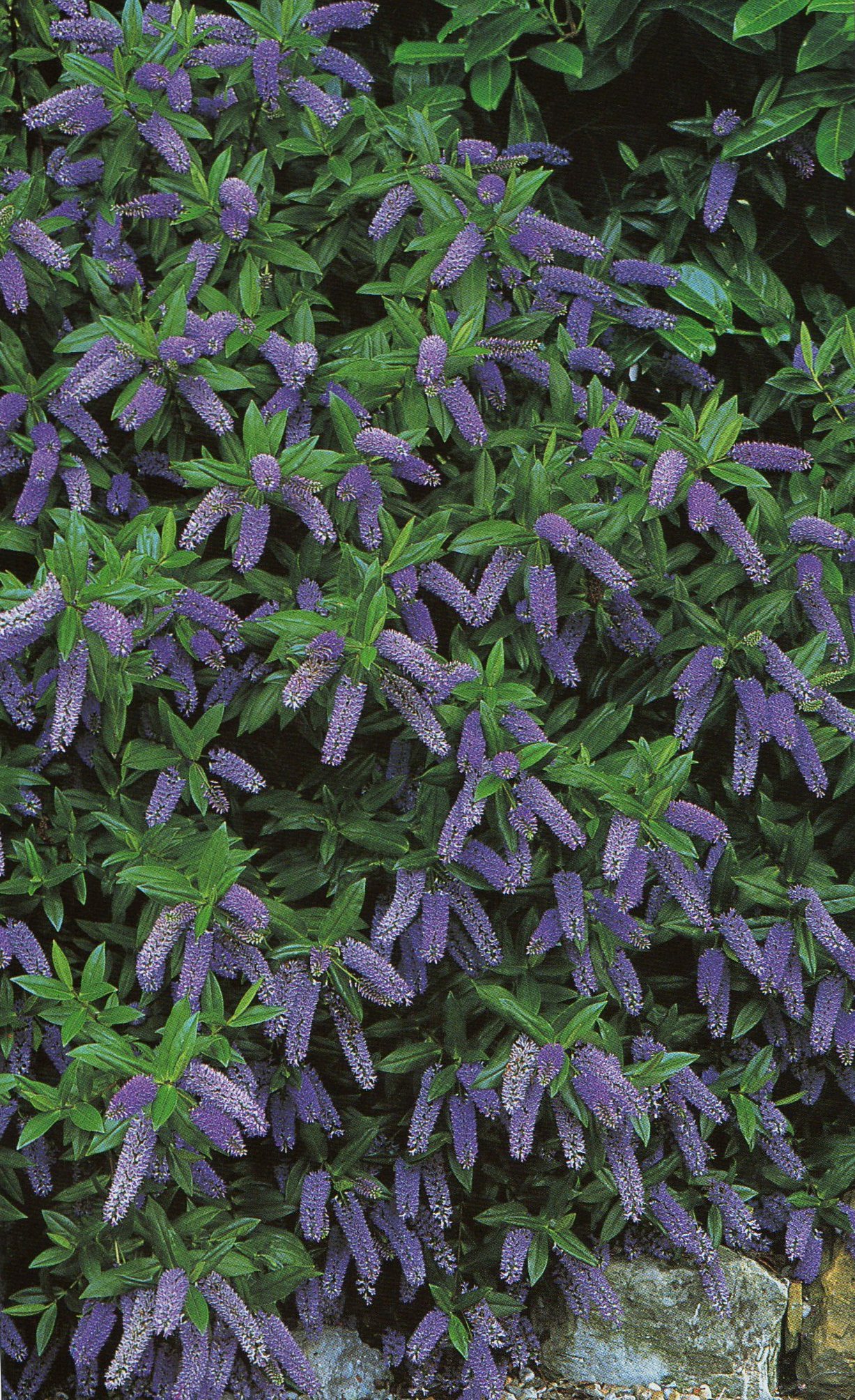
Hebe

Horticultural Points for Hebe

  • Evergreen shrubs keeping shape and form through winter
  • Ornamental planting invaluable at the seaside and as an ornamental hedge.
  • Easy to grow from cuttings
  • Varieties available that grow in many sizes.
  • Useful for low maintenance areas as the larger varieties fill the space quickly.
  • White and purple flowering varieties more popular and floriferous than the red flowers.

Aesthetic Qualities

  • Long racemes or spikes of flowers  attract bees and hoverfly
  • Colour range from purple, lavender, blue and stunning white due to the volume of flower from June to late summer depending on variety.
  • Dwarf varieties and shrublets, H. ‘gibbsii’ and H. ‘subsimilis astonii’ upto six foot specimens with H. ‘cupressoides’
  • Purple leaved varieties including H. Midsummer Beauty
  • Hebes in flower attract insects particularly bees and hoverflies
Flowering Climbers Look Great

Flowering Climbers Look Great

clematis

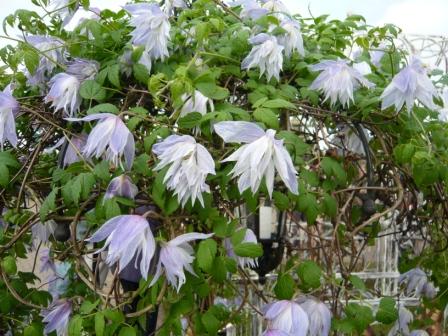
Climbers can look really great if you do some preparation. Select an appropriate wall to train your Climbers against or use a free standing structure like this metal frame for the blue Clematis.

Structures For Climbers

  • Affix trellises to your wall or selected fence before you start planting.
  • Screw in vine eyes to your wall if you are going to string a wire framework for your climbers.
  • If you are using a pergola, arch or other structure make sure it is strong enough to support the weight of leaf and blossom even when there is a strong wind blowing.
  • Some plants and trees can provide the climbing support you need for less robust climbers.
  • Annuals can be grown up canes and pea netting but make sure the end canes are firm and well supported as even sweetpeas can get top heavy later in the year.
  • Even self-clinging plants like Ivy will need some support to get the climbing to start.
  • Prepare the soil deeply, particularly with moisture retention in mind as walls tend to get very dry.

Tips for Climbing Plants

Read More Read More

Disbuding or Pinching Out Buds

Disbuding or Pinching Out Buds

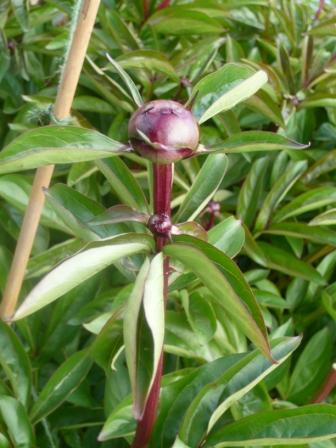
My father grew exceptional roses before many of the varieties had been discovered or reached their current prominence. One thing he did to get special blooms was to restrict the number of flower buds by pinching out the runts.In many circumstances a good big one is more important the several also ran small ones.

may12-047

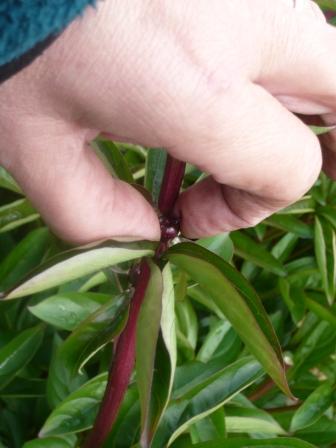
Several plants flower too much for there own good at times. They produce buds, like the Peonie above, in greater profusion than you may want. To get a really good flower you want to channel the energy into a ‘king’ flower so you ‘pinch out’ any superfluous buds. It may seem cruel to be kind but I think of it as survival or the fittest.

may12-048

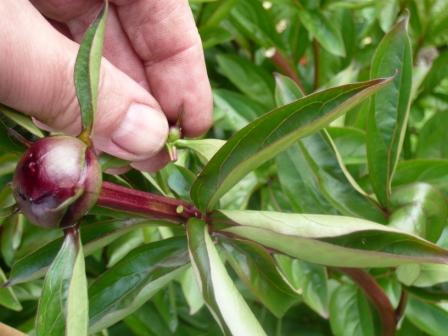
Disbudding or thinning is easy,  just nip out the extra buds before they develop too far. This technique can be used to get a great Rose flower for a show or on Carnations, Dahlias and Chrysanthemums. I have spoken previously about disbuding Apples and fruit trees.

may12-049

See Tips for Pinching Out

Materials for a Compost Heap

Materials for a Compost Heap

Lots of materials are suitable for a compost heap. Pile in a mix of green and brown organic materials to help them heat up, when biological activity will then be at the highest.
Organic material includes plants and most items that have been growing. Avoid droppings from carnivores such as dogs but other manures are fine.
Type of Material

Ashes from untreated wood potash – use small amounts, it can make the pile too alkaline
Bird & Chicken droppings are high in nitrogen, beware seeds.
Cardboard and manila envelopes tear or shred and dampen
Bio-activator applied as a liquid or activator like Garrotta
Coffee grounds tea bags and filters

Read More Read More

The Grafter Grafting

The Grafter Grafting

Grafting in the 19th century was a significant method of increasing stock of trees and plants as the photograph of East Anglian life by PH Emerson shows.  The objects of Grafting are to bring a bush or tree into an earlier fruiting than it would do naturally; to produce good fruit from an inferior plant; or to save space by putting dwarf scions on to rampant growing trees.
The stock or subject is the base tree and the scion or graft is the portion of the branch to be imported.

Gardeners Tips on Grafting

The best time to graft is in March when the sap is rising.
Suppress all buds that develop on the old stem below the graft.
Use a paper bag to offer some protection once the graft is done
The graft should be inclined slightly inward so the inner bark of the graft makes good contact with the stock.
Grafted vines should be packed in damp moss.
Fruit tree or rose shoots should be firm and well ripened. Grafting material should be from the previous years growth and slightly less advanced than the stock.

Methods of Grafting

Cleft, Wedge or Tongue-Grafting Cut off the top of the stock and cut out a thin wedge-shaped socket at the grafting point. Next cut the scion in a similar manner and wedge in and bind.

Double Grafting uses two scions but sacrifice the weaker one when they both take.

Read More Read More