Windswept Gardening Plant Selections

Windswept Gardening Plant Selections

Are you a windswept gardener who suffers from prevailing and random wind (in the garden I mean). Well here are some tips and plant selections to help make the most of your conditions. Your other suggestions would be welcome.

Initial Thoughts of the Windswept
(move home)

  • Screen a windy site with Trees and Shrubs then fill in with sturdy perennials.
  • Think of wind breaks when locating garden furniture or planning a new hedge.
  • Seaside gardens hint at some of the great garden features that you can incorporate into your windy garden.
  • Drought or water shortage often goes with a windswept garden so select plants that are also drought tolerant.
  • After planting give new additions some protection until they are established and water regularly until the roots grow. I put large pots, fleece barriers and even temporary trellis near new plants.

Selection of Trees

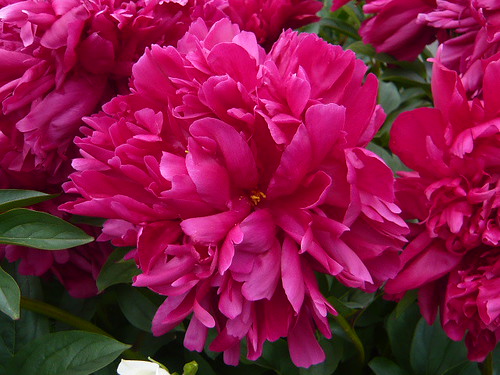
Seeing Double Flowers

Seeing Double Flowers

Double flowers are generally ‘Gardener bred’ and not naturally available in the wild.

Doubles are harder for insects to pollinate and therefore single flowers have survived and evolved more readily.

Double flowers were the aim of many Victorian breeders and plantsmen as they sought the awe factor.

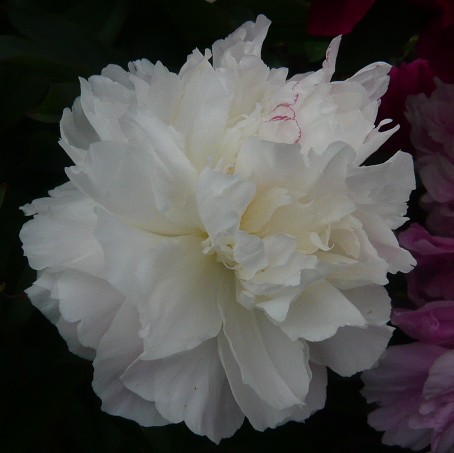
These blousy double Peonies have this Awe factor with both colour, double petal form and a tremendous scent.

Read More Read More

Growing Anthemis a Grand Yellow Daisy

Growing Anthemis a Grand Yellow Daisy

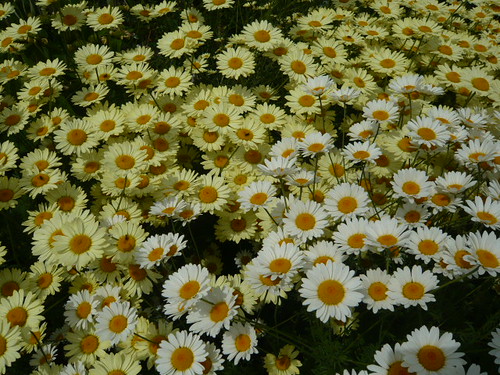
If you like daisy flowers then you will love Anthemis. A couple of varieties, to grow, are shown above and detailed below.

Anthemis arvensis is a clump-forming plant with green, ferny foliage, that produces numerous daisy-like flowers with white petals and a bright golden centre.

  • It is a good plant in a naturalised planting or wild flower meadows.
  • Anthemis are short-lived perennials easily grown from seed.

Anthemis tinctoria has several common names including Golden Marguerite, Marguerite Daisy, Dyer’s Chamomile, Ox-eye Chamomile, Boston Daisies and Paris Daisies.

  • E.C. Buxton is a variety of Golden Marguerite that flowers from June to September
  • Also clump-forming this free-flowering perennial features branching stems bearing masses of 1 inch lemon-yellow daisy blooms which smother the compact plants all summer.
  • Anthemis is good for cutting for indoor flower arrangements.
  • It is ideal for borders growing 30 inches high and wide. It prefers sun and sandy or free draining soil.

Seeds available from Thompson Morgan

Seven Japanese Flowers of Autumn

Seven Japanese Flowers of Autumn

The Japanese poetic work, ‘Manyoshu’ published in 759 AD but written 300-400 years prior  selected 7 flowers for Autumn. This corresponds to the 7 Herbs of spring reported on an earlier post.

Autumn has a slight air of melancholy as the summer glory fades and a last bright showing of seed and flower takes pride of place in the garden.

Seven Flowers of Autumn

  • Lespedeza, Bush clover
  • Miscanthus sensis, Japanese Pampas Grass
  • Pueraria Thunbergiana, Kuzu Vine
  • Doianthus superbus longicalcinus, the Fringed Pink
  • Patrinia scabiosaefolia, Golden Valerian or Golden Lace
  • Eupatorium stoechadosmum, Orchid Herb
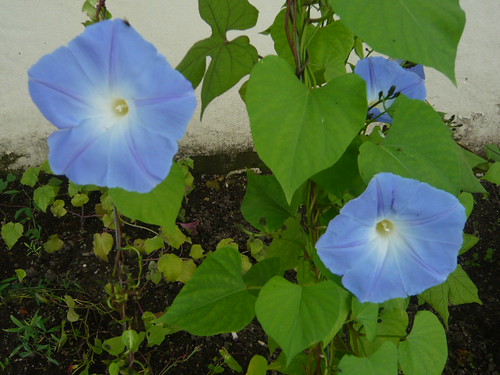
  • Pharbitis, Morning Glory

The names may vary as to  common names or translation. In some parts of Japanese gardening culture there are slight variations to the plants selected. Often Platycodon grandiflora the Balloon Flower is substituted for one of the above species.

Poetry in the Garden

Read More Read More

Pelargonium Grandiflorum and other ‘Geraniums’

Pelargonium Grandiflorum and other ‘Geraniums’

I have tried to grow several Pelargonium varieties this year and been pleasantly surprised at the various forms and colours I have succeeded in producing.

The Grandiflorum is an upright, shrubby perennial with soft smooth stems bearing lobed leaves and large, pinkish-white flowers with dark-purple markings. The plant above I spotted in Chelsea Physic garden this summer.

Dwarf Pelargoniums

  • I have long had a plant that resembles ‘Don’s Helen Bainbridge’ that I got from Fir Trees nursery. It has tricoloured leaves and grows only 3″ above the pot.
  • After some success with this variety and liking the small habit I bought a collection of Dwarfs and they have done well in the first year. I will see how my many cuttings now perform.
  • I try feed main plants with high potash feed from spring and indoor flowering has generally been good.
  • Alice and Kerensa have been amongst my favourites with pale flowers tinged with pink.
  • The 3″ pots, I have used, dry out quite quickly and better watering would have produced better plants.

Miniature Pelargoniums

  • I didn’t realise that miniature geraniums were so varied and interesting . Without a formal description I have taken miniature to mean 4″- 7″ high with smaller than normal geranium leaves.

    Read More Read More

Perennials for a new Border

Perennials for a new Border

Perennials are a huge group of plants that should survive year after year. The majority of perennial plants discussed here are herbaceous in that the leaves and stems die back and new growth restarts from the buried roots in the new year.

Choosing Shapes and Colour

  • The delicate blossom of Oriental Poppies, the bristly blue spheres of Echinopsis Globe thistles, the Yellow daisy stars of Rudbeckia or the spikes of Red Hot Pokers can be a challenge for gardeners to mix in the same border.
  • Some shapes and colours go well together whilst other clash.
  • Some look good when massed together others need loose groupings or space to become a specimen plant.
  • My tip would be ‘if in doubt keep it simple’.
  • Generally put tall plants at the back of borders but occasionally vary the height in the middle.
  • Consider the foliage, as much as the flower, as it will be with you far longer than most blossom.
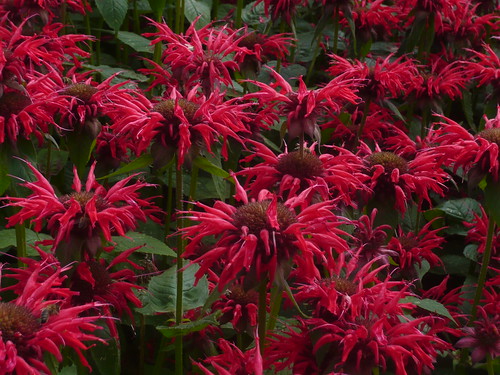
  • Bear in mind different flowering times, don’t expect primroses to flower with purple Monarda no matter how good the colour combination would look.

Read More Read More

Trim a Straight and Floral Hedge

Trim a Straight and Floral Hedge

August is a good time to trim your hedges and create a neat appearance for autumn and winter.

When of Hedge Trimming.

  • When birds have flown their nests you can trim to your hearts content without disturbing the fledglings.
  • Try to prune a wild life hedge only after the fruit have been eaten in late winter.
  • Trimming in late summer leaves enough time for hedges to to put on a bit of new growth to cover ravaged twigs.
  • Do not trim conifers later than August as they may go brown and unsightly.
  • Prune flowering hedges straight after flowering.

The How of Hedge Trimming

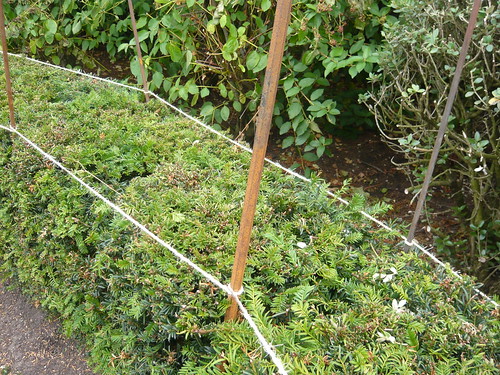
  • To achieve a flat top stretch taught string to provide a horizontal plumb line.
  • To make a bend in the hedge use double stakes with the string as in the photograph.
  • Trim a hedge from the bottom upwards so trimmings fall away.
  • Use secateurs to tidy up after trimmers if they leave a mess.
  • Beech, Privet, Holly and Hawthorn all recover from hard pruning. Conifers will not regrow from brown wood.

Flowering Hedges

  • Camellia will form an evergreen barrier.
  • Forsythia has brilliant yellow flowers in spring but works best in a mixed hedge.
  • Berberis creates a dense, thorny  hedge with spring flowers  and autumn berries. Deciduous and evergreen varieties are available.
  • Upright hardy varieties of Fuchsia can look good in a warm garden.
  • Lavender’s fragrant flowers add to an informal low hedge.
  • Informal hedges of large leaved Laurel are often found in old gardens
Tips for a Minimalist Garden

Tips for a Minimalist Garden

Skulpturenpark Köln / Cologne Sculpture Garden. Hubert Kiecol: "Rheinwein" (Rhine wine) in Sou Fujimoto's "Garden Gallery" from 2011

Dramatic gardens can be designed on minimalist principles. Minimalist gardens need to look good during all seasons and at all times of the day. Thus all your senses plus horticultural nous need to be considered when setting out your initial design.

Essence of Design in a Minimalist Garden

  • Minimalist gardens need to be immaculate.
  • Minimalist options include a formal or romantic look but you must have the clarity of vision and stick too it.
  • There is no room for ragged edges, dirty gravel or scattered chippings.
  • Minimalist gardens may be designed to look cool and welcoming but check that that is also true for the plants. Often cool plants are planted in hot spots
  • Invest in good quality hard landscaping, it is hard to do minimal on the cheap!

Book Cover

Read More Read More

The Pansy Orchid! Miltoniopsis

The Pansy Orchid! Miltoniopsis

Orchid flowers are available in so many different colours and forms.

It struck me that both of these Orchids had the look of Pansy flowers with the whiskery central colouring and petal formation.

Have the Pansy and Orchid genes got mix up somewhere in evolution? Not really but a gardener needs some imagination, to say nothing of perseverance, patience etc.

Miltoniopsis Species and Hybrids

  • After noticing this I discovered that the Pansy Orchids are called Miltonia Orchids.
  • They grow rapidly into specimens if they can enjoy warm conditions.
  • Many hybrids have been bred over the years that are easy to grow and they will flower with the flat Pansy-like face
  • A humid atmosphere is beneficial. Miltonias prefer to have their roots constantly damp, but never soggy .
  • If the leaves have a pink tinge the plant is receiving the maximum amount of light. Red leaves are a sign of too much light and yellow too little.
  •  Miltoniopsis are native to South America
  • The fragrant flowers last about six weeks but do not last as well when cut.
  • Water Miltonias  once a week, more often if the potting mix appears to be drying out.
  • Fertilize with a dilute solution of balanced fertilizer about once every two months while the plants are growing.
Grow Ranunculaceae Buttercup Family From Seed

Grow Ranunculaceae Buttercup Family From Seed

Members of the Buttercup family are called Ranunculaceae. To grow the plants successfully beware the seeds tend to have a short period of viability and need planting straight away.

trollius

Quick Tips for Germinating Perennials

  • Sow the seed when it is fresh. Collect it from the plant as soon as it is viable.
  • These perennials usually germinate the following spring after a period of cold.
  • Sowing them early provides the protection of the soil.
  • If sowing direct into the ground make sure weeds have been eradicated first.
  • Meadow buttercups do not seem to need any help from gardeners

nigella

Ranunculaceae family to grow from Seed

  • Members of this Family usually have 5 coloured sepals instead of petals and divided leaves.
  • They are herbaceous non-woody plants except Clematis.
  • Aconitum seeds and plants are poisonous
  • Anemone
  • Aquilegia seeds at Thompson & Morgan
  • Caltha
  • Clematis, I find them hard to grow from seed.
  • Delphinium seeds at Thompson & Morgan
  • Eranthis
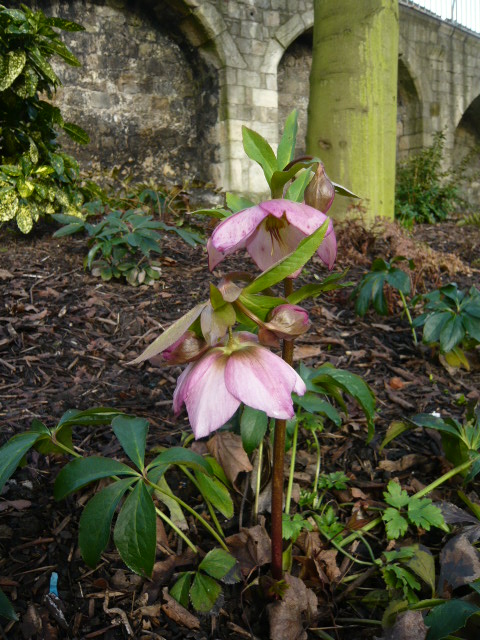
  • Helleborus deadhead after flowering and feed unless you want to collect seed.
  • Nigella easy from self sown seed
  • Ranunculus
  • Trollius top photo

Helebore hybrid

Seed merchant advice (but they want to sell seeds all year around.)
‘Sow April to May or September to October. Alternatively, sow in late summer in 7.5cm (3in) pots in a cool greenhouse and then overwinter plants in cool, well lit conditions.
Sow outdoors where they are to flower.
Prepare the ground well and rake to a fine tilth before sowing. Sow 3mm (1/8in) deep, in rows 30cm (12in) apart.
When large enough to handle, thin out seedlings to 23cm (9in) apart.’

Photo Credits
trollius by withrow CC BY-NC 2.0
nigella by ripplestone garden CC BY-ND 2.0