Begonia Planters

Begonia Planters

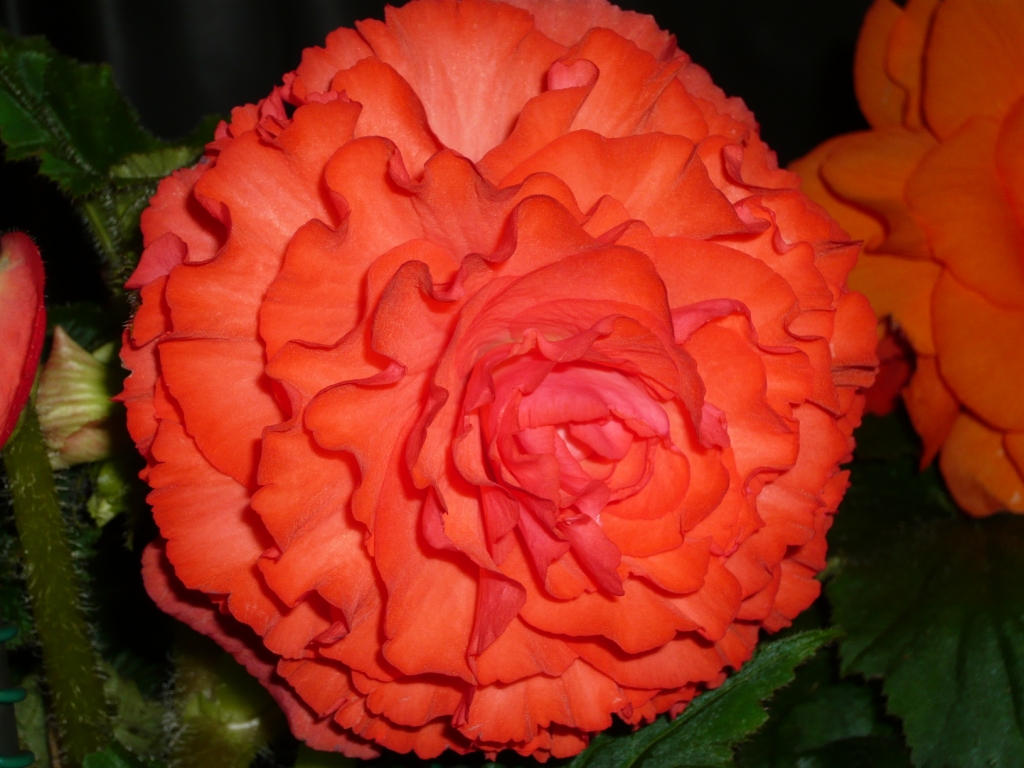
Annual begonias can make a good display in a planter. Not all planters are as tall as this.

This specimen in a public park was one of five in a row outside an orangery. The column of pots was over twelve feet tall and had a similar circumference. The plants were probably Begoinia Fuchsio that had grown over all but the top bowl of the columnar planter.

The variety most likely to be used in planters is Begonia semperflorens with its waxy bronze or green foliage. They can be grown from very fine seed to produce the fibrous roots of most plants. They are not to be confused with tuberous-rooted begonias or the angel-wing begonias with hollow stems.

Begonia sutherlandii with an AGM is suitable for hanging baskets as a foliage plant or for the clusters of small orange flowers.

At Holland Park in London this week end there was also a good show of roses even though the first flush was being pruned. Pruning seems to be one of the skills the gardeners had spent a lot of time and effort to master. Many shrubs and trees displayed the benefit of the skills. There was a area of young Acers that will develop into a colourful show over the next years. They were well protected from wind and excessive sunshine ( although the sun was the least of the problems on this wet weekend). This is one of the many less known London Parks and it is well worth visiting

Book Cover

Autumn Asters – Gardeners Tips

Autumn Asters – Gardeners Tips

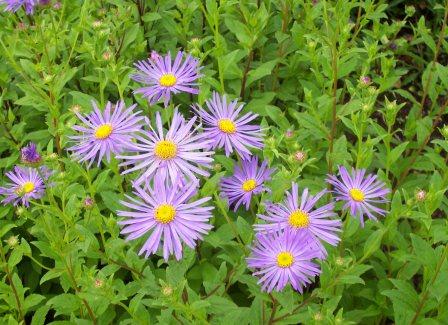
Aster frikartii

‘Aster Frikartii Monch’

These healthy plants are just coming into flower. The wet summer has made the foilage lush sappy and light green but they are still robust without support.

Asters are one of my favourite top ten border plants. This lavender-blue variety Monch has a longer flowering season, beginning earlier, in mid summer, continuing into autumn and is mildew resistant. ‘Monch’ is exceptionally free-flowering with an attractive colour that is easy to place as it associates well with so many other autumn flowers such as Echinacea White Swan.

  • Aster is best grown in a sunny or partially shaded position with fertile, well-drained soil.
  • Propagate by division or cuttings
  • Water during dry summers as it requires adequate moisture throughout summer.
  • This 2-3 foot high flower attracts bees and butterflies
  • The Royal Horticultural Society have given ‘Monch’ their prestigious Award of Garden Merit.

Book Cover

Annual Asters to grow from Seed

  • Annual Asters China Single Mixed.
  • Ostrich plume by Suttons,
  • China Powder Puff double.
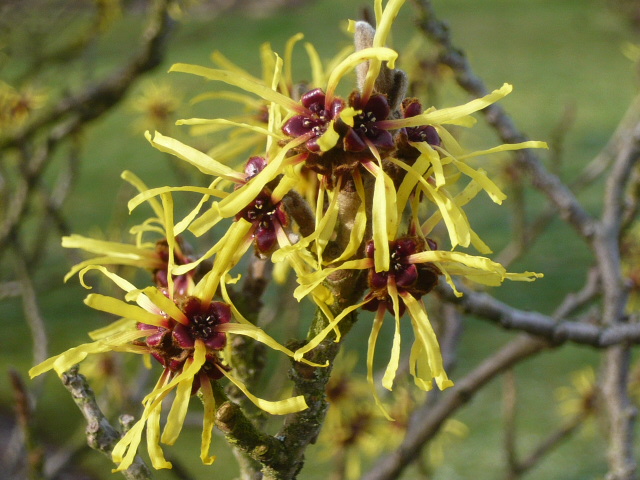
Growing Witch Hazel

Growing Witch Hazel

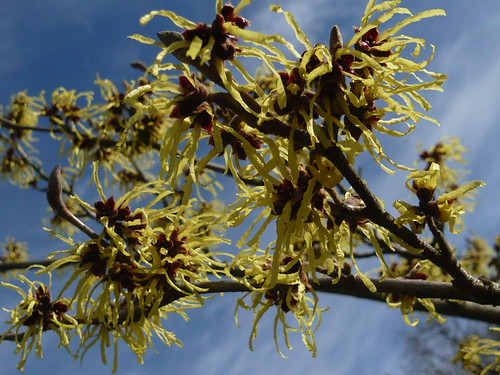
Witch Hazel or Hamamelis is a scented winter-flowering shrub. The spicy fragrance and spidery flowers in yellow, orange or red  make it a must for the winter garden.

Where to Plant Witch Hazel

  • Do not plant young shrubs in a frost pocket even though plants are hardy.
  • Witch Hazel like an open sunny position and need space to develop all be it slowly.
  • Avoid exposed and windy positions.
  • Clay soil needs improving with added humus and drainage.
  • Acid or neutral soils are best but chlorotic yellow leaves can be treated and fed with chelated iron.

On Going Cultivation

  • Water young plants during dry spells.
  • Propagation is from budding to root stock. It is difficult to grow from cuttings.
  • Witch Hazel needs little pruning provided there is room to let them grow freely to their full size.
  • Prune out any dead or damaged wood and any congested, crossing or weak shoots.
  • Remove suckers in autumn  as these will probably be from the rootstock plant.

RHS Recommended Varieties

H. x intermedia ‘Diane’ AGM: The finest red flowered witch hazel. It has a long flowering period throughout midwinter and is lightly scented. Height 2.5m (8ft). Spread 3m (10ft).

Read More Read More

Gardeners Gnome enclature

Gardeners Gnome enclature

Guardians of the Mint
Do you remember Bill & Ben the flowerpot men and their friend Little Weed?
Did they have gnomes in the garden and if not why not. These little stone or pot ornaments do not do any harm except when dropped on slugs.

The word Gnome is more pc than the German equivalent of Garden Dwarves hey-ho as Snowwhite wouldn’t say
Grumpy Gnome home
Keep Calm and talk to your Gnome
Stay off the grass only smoke tobacco
If you want to grow your own food look for bacon seeds

What do you call plant that self sows everywhere? A weed

Free weeds  – Pick Your Own!


Orange Flower Photo Club

Orange Flower Photo Club

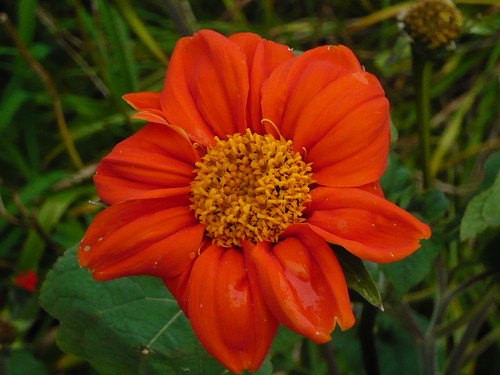
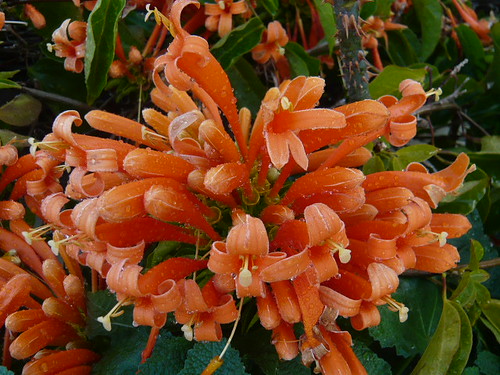
I have just bought a non-stop flowering begonia cunningly entitled ‘Begonia Orange’. Here are some more orange blooms until the begonia gets going.
Harewood 052

We host a lot of our pictures on Flikr but regrettably I do not include much in the way of description, comment or location.

One feature of Flikr that I am using more progressively is the Groups feature. Here you can link your pictures to the club or group by theme. Some gardener related themes are based on flower colour or family grouping like Iridacea. I have posted several Orange Flower Photos to the club link.

Madiera mch11 415

Flikr Orange Group Rules

  • Post your pictures of Orange Flowers to the group and your photos will get many more views than they would in a general flower group.
  • There are currently 3874 members displaying a total of 17,760 flowers photos. (Oct 10 2011)
  • The simple rules allow you to post 3 photos a day to the group.
  • Real flowers only that are as close to their original appearance in nature as possible.
  • Pictures should feature the flower or flowers, preferably up close. lease do not post pictures where the flowers are only a small focal point.They should be the main part of the picture.
  • Don’t post the same picture to more than one of the color flower groups. Decide which color group it best fits, and only post it to that group.

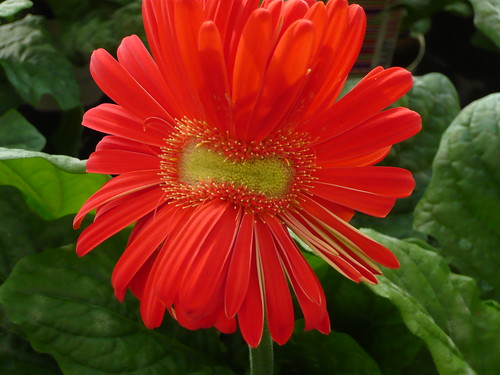
gerberas a smile
This Gerbera has been distorted by nature and other flowers from the same plant are unlikely to be the same. This feature is called fascination and can happen in many species of plants.

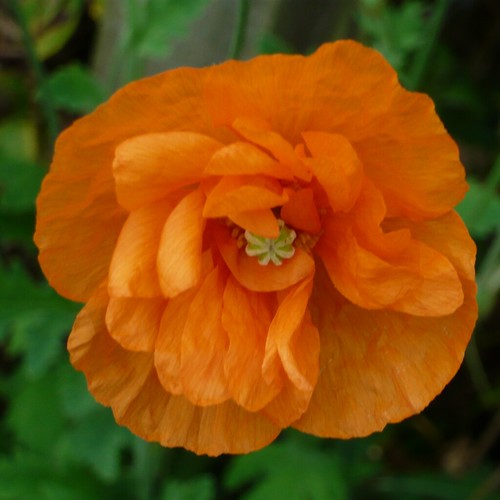
Poppy Polly

This poppy hints at the tints of orange from just off yellow through to the near full blooded red with orange overtones in the begonia in the featured image on the blog.

See our colour wheel article

Poppies from Seed

Poppies from Seed

Icelandic Poppy

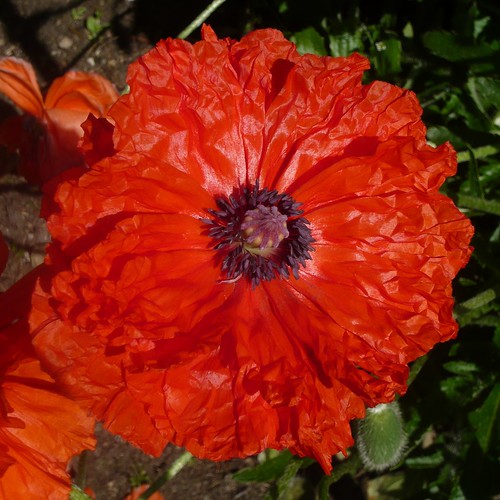
Georgia O’Keefee painted some brilliant portraits of red Poppies some times upto 3 feet wide and high, even bigger than the real thing in my garden.The last photo shows how Red and Green work well together on a canvas or in a garden setting.
Oriental poppies are perennial and most Poppy species are easy to grow from seed of which 50 varieties are available from Thompson & Morgan

poppy seedheads

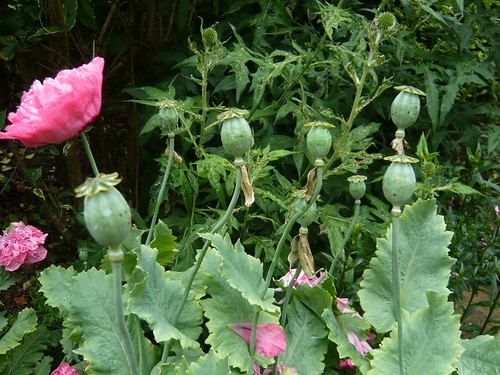
Poppy seedheads form in the capsules and when the seed is ripe the lid of the capsule opens to allow seeds to be shaken out. They are not all sown at once by this method so if conditions are not right some seed remains in the pod.
Seed is hard black and long lived.

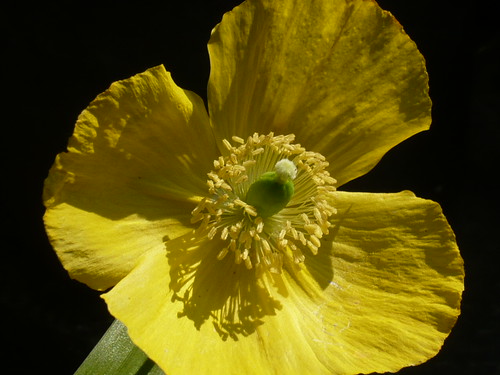
The Poppy petals are sumptuous is texture and colour and can be very showy through-out summer if you select a range of varieties.


Read More Read More

Hippophae rhamnoides with Orange Berries

Hippophae rhamnoides with Orange Berries

Sea Buckthorn

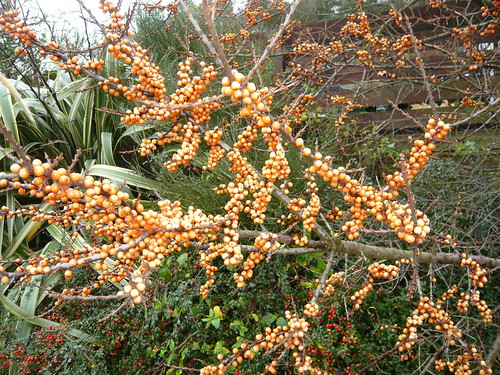
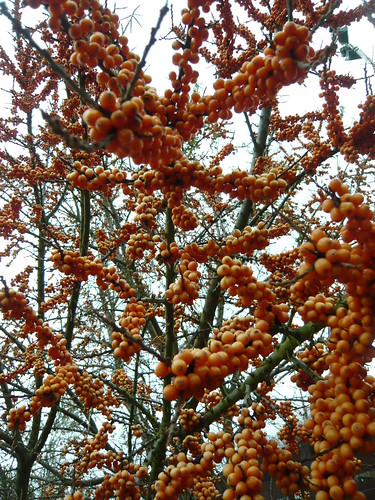
Hippophae Rhamnoides also called Sea Buckthorn, is related to Elaeganeous and is shown here and below with it’s heavy crop of attractive Apricot coloured berries. The shrub can grow to over 15 feet but makes a nice ornamental feature. It flowers in spring followed by narrow silvery leaves through summer. Each plant is either male or female and you need both for pollination and only the female produces these great berries.

There are only 3 species of Hippophae. Hippophae elaegnaceae is excellent for seaside locations and is wind resistant. The orange berries are often retained on the plant through winter as they are a bit acid for the birds. They can and are cooked for human consumption.

Hippophae salicifolia has sage green leaves and can grow into a small tree with pendulous branches.

Tips Propagated from seed they can also be grown from root cuttings, suckers or layered.
Look for Hippophae sold under these alternative names as well as Sea Buckthorn, Seaberry, Siberian pineapple, or Alpine Sandthorn.
The berries are used in herbal medicine for a variety of ailments.

Hipppofea

Read More Read More

Lawns are not Eco Friendly

Lawns are not Eco Friendly

January Lawn

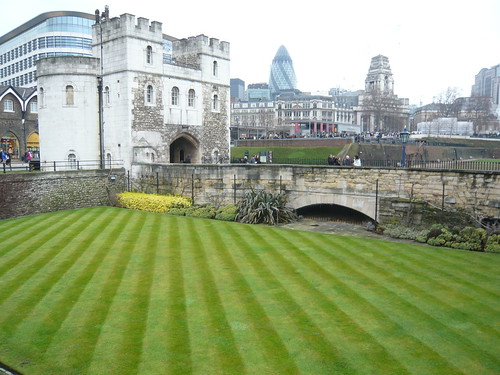
The green swards in front gardens throughout the UK are not as environmentally friendly as you may think.

Environmental Issues with Lawns.

  • 3 million lawns are mowed several times a year – that must be equal to 250 million miles. Petrol mowers, particularly old mowers, produce more greenhouse gas than cars. Electric mowers are not a lot better but who uses a scythe these days. Even a mechanical push style mower has used natural resources in its manufacture and delivery.
  • Feeding lawns with chemicals should be an environmental no-no. Leave clippings on the lawn to rot down instead.
  • Watering the lawn is unnecessary but is still undertaken by many at the height of the summer when resources are scarce.
  • Weed treatments, even if following organic guidelines, are likely to kill off the food and natural habitat of some creatures.

Environmental Tips for Lawns

  • Do not cut the grass too short. Longer leaves shade others and thus save moisture.
  • Short lawns weakens the grass and scalping encourages moss.
  • Wild flower meadows look good, need no feeding and provide seed and habitat for a variety of wildlife.
  • Clover is too be encouraged in lawns, it feeds the soil and the flowers provide food for bees.

wild flowers

Pittosporum for Leaves & Flowers

Pittosporum for Leaves & Flowers

Madiera mch11 466

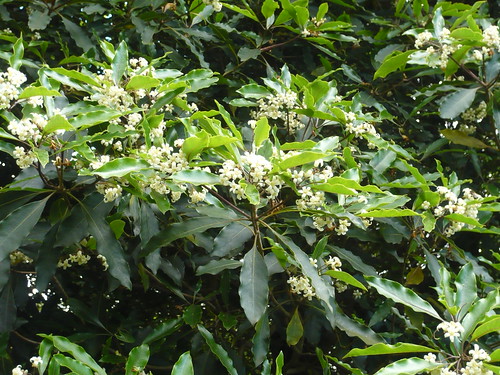
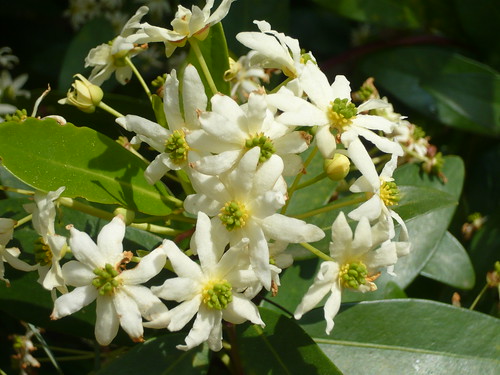
Pittosporum is a large genus of evergreen shrubs or small trees. The foliage is in demand for floristry and the shrubs make an excellent evergreen plant if the conditions are mild.
Most varieties have small scented white flowers and produce better flowers in warm conditions.

Pittosporum are also called Japenese Cheesewood

Cultivation of Pittosporum

  • Pittosporum Dallii and Pittosporum patula and Pittosporum tenufolium are more hardy species in the UK.
  • Pittosporum will grow well in seaside locations if the climate is mild.
  • Most plants originate from Australasia and like hot dry conditions.
  • Some varieties of Pittosporum produce small red berries.
  • Pittosporums can also be grown indoors as bonsai.
  • Larger plants can be used as a climbing-frame for lightweight late-flowering clematis.
  • Pittosporum tenufolium can have leaves with wavy margins and most have interesting colour, from bronzed plum to the bright butter-yellow of `Golden King’.
  • Tenuifolium ‘Purpureum’, has purple-bronze foliage and rapidly makes a decent-sized small tree

Madiera mch11 286

Selected Varieties

Read More Read More

Growing ‘Just Joey’ Hybrid Tea Roses

Growing ‘Just Joey’ Hybrid Tea Roses

Just Joey

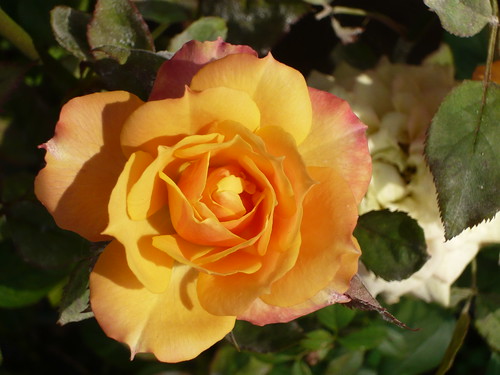
I love the formal Hybrid Tea Roses like ‘Just Joey‘.
Just Joey is a hybrid, bred from Fragrant Cloud and Dr A J Verhage. These parents gave the rose glossy green leaves and very fragrant, orange blooms.
Blooms arrive in flushes throughout the season each having 30 petals so they have an open appearance.

Growing Tips

  • Remove old canes, dead or diseased wood and canes that cross, in spring.
  • Cut back the remaining stems by about one-third or a half.
  • As with all HT  roses give them a good feed in spring then every 6 weeks and mulch to keep in moisture.
  • When buying a bare rooted or container plant look for at least 3 strong stems.
  • Soak in water before planting.
  • Just Joey may  occasional repeat flower later in the season but is a slow starter in very cold spring weather.

Description of Just Joey