Variegated Poinsettia Care

Variegated Poinsettia Care

New Poinsettia bought from shops or garden centres should not be allowed to get cold carrying them to the car. Even a small cold wind can make them drop their leaves. Wrap in a good polythene bag even for the short trip to your home.

Poinsettia

Variegated Poinsettia are interesting pot plants on sale around Christmas. After Christmas the price is much lower and a good specimen can last many weeks or months before fading away.

  • There are now totally cream leaved as well as the more common red plants.
  • The coloured leaves are really bracts that will change to green or drop off if not looked after.
  • Poinsettia are susceptible to drafts and cold so should not be left on a windowsill or taken from a warm garden centre to a cold car.
  • Do not over water but also you must not let the plant become totally dry or the bracts will be shed prematurely.

Read More Read More

Underplanting in Your Garden

Underplanting in Your Garden

Use your garden space more effectively by underplanting feature plants in a subtle manner.

under-planting-phormium

The What and Why of Underplanting

Underplanting as the name suggests is putting one plant under the stem, leaves or trunk of a larger plant. The effect if to have layers of plants as you might expect to find in nature. The effect also gives more comprehensive soil cover. It can help moisture retention eg using low water consuming plants like succulents.

Underplanting may help you grow crops when space is tight eg. Alpine strawberries under fruit trees other things tend to do poorly or act as weeds taking moisture and goodness from the fruit trees.

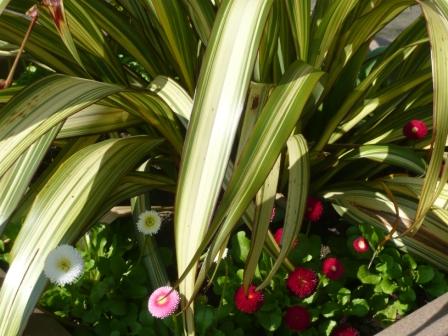
Many  examples of  using smaller plants such as ferns or perennial geraniums under the canopy of a trees exist.The picture shows a Phormium under planted with Bellis low flowering Daises.

Try autumn crocus under Flowering Cherry trees for varied interest later in the year. Obviously spring crocus are often grown underplanted with trees and shrubs but keep yellows and blues separate.

Read More Read More

Decorative Herbs for The Garden

Decorative Herbs for The Garden

Bay – Laurus nobilis

A culinary evergreen shrub used by French chefs with parsley and thyme as bouquet garni. The aromatic leaves can be used fresh or dried. The shrub is slow growing when young but it can form a significant bush over time.

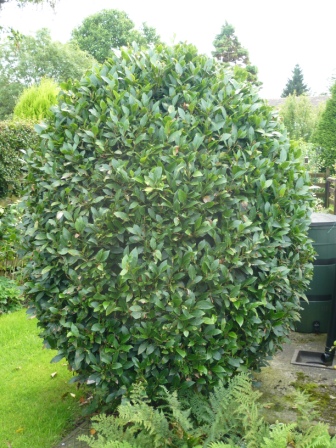
  • To grow a standard bay, start with as straight a stem as possible. As the plant grows, remove all lower side shoots, but keep the top side-shoots. When the tree is 8-10 inches higher than the final height cut back the growing tip. Clip back all the remaining side shoots to about 3 leaves then trim as needed to get a ball on a stick shape.

Read More Read More

Tips for Growing Mint

Tips for Growing Mint

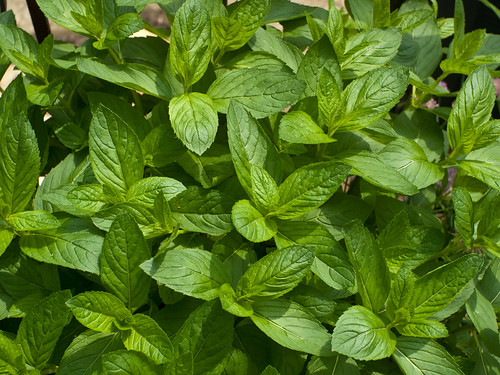
Mint is a flavour-some herb. Growing good leafy plants is easy, too easy when it tries to take over.

Mint is perennial and clumps up or spreads quickly so a good tip is to constrain the roots in an old bottomless bucket. Mint likes fertile ground and the roots will travel in search of better conditions. Large clumps can be cut back in autumn, on one side encouraging growth then next year on the other side so the plant is encouraged back.

Oberlin Summer - Mint

Mint Cultivation and Growing Tips

  • Mints grow in shade, partial sun and full sun although they prefer cool, damp, shady locations. They like poor and stoney soil.
  • Mint’s strong scent wards off insects and can be quite effective if planted with cabbage and tomatoes.
  • Mint attracts few pests or disease and doesn’t need fertilizer. If you get brown spot on the leaves destroy the plant.
  • Mint has the best flavor if trimmed every two or three weeks.
  • Use the newest young leaves for the kitchen.
  • Pot up some mint into a pot and grow in doors.

Read More Read More

Grow your Own Rocks and Pots

Grow your Own Rocks and Pots

Artificial rocks can be created cheaply and easily if you make your own from Hypertufa.

  • Make a batch of rocks by digging several holes in the ground the size and rough shape you want the rocks to be.
  • Line the holes roughly with thick polythene, do not worry about the odd crease and fold as this will add texture to your rock surface.
  • Mix 2 parts sand, one part cement and two parts coir together in the dry state. You can add cement die, buff or yellow seem to work well.
  • Add water and mix in to create a fairly stiff mixture.
  • Put the mix (Hypertufa) into the lined holes pushing in into the bottom and sides. You can leave a central hole but make sure there is at least 2″ of mix all around. This makes the rocks lighter and easy to move. You can also strengthen with bent chicken wire.
  • Leave for a couple of days until the mix is totally dry then lift out of the hole and peel off the plastic.
  • If they are a bit shiny you can rough them up with a wire brush but once in the garden they will soon weather, grow mosses and lichen to look quite natural.

Read More Read More

Top Ten Vegetables from Gardeners Tips

Top Ten Vegetables from Gardeners Tips

A million gardeners everyday pick up a spade and thank the beans.

organic-vegetables

Every list of top ten vegetables to grow your own would probably differ, mine would vary based on season, current successes and even personal hunger. Most of this top selection of ten varieties are part of the RHS vegetable collection available from Thompson & Morgan amongst other seed merchants.

Broad Bean Bunyards Exhibition
One of my all time favourites, Bunyards Exhibition has a very good flavour and is excellent for freezing. They prefer a well-drained, moist, rich soil. A reliable performing heavy cropper with of long pods it will grow in most soils.  Pick regularly once pods are full to promote further pod production. Support the plants as they grow by placing a cane or stout stick at each corner and tying in with string. Keep well watered particularly when flowers are setting. Pinch out growing tip when first flowers set pods to deter blackfly.

Read More Read More

Wind Breaks for the Garden

Wind Breaks for the Garden

When the East wind doth blow we shall have snow and what will the gardener do then poor thing?

wind-break

Windbreaks are used to protect plants from excessive and strong wind. The right design can deflect wind and create a micro climate to the benefit of soft plants in need of protection. However the wrong design can create currents where only normal wind previously existed. A windbreak will be effective for upto 10 times its height so a 6 foot barrier will protect 60 feet but the wind will get progressively stronger as the vacuum created by the barrier is filled with wind. A narrow barrier wont get the job done as the wind will blow around the edges.
The wrong windbreak will pile up snow where it is not wanted but the oppposite should be true. Plan your location of any wind brak for all seasons.

Natural Windbreaks

  • Hedges and plants are a natural way of creating a barrier. A percentage of the wind will get through the balance drifting over and round.
  • A solid wall of vegetation is seldom the best solution the wind hits it and is forced over the top creating swirls and eddies. Slowing the wind with a layered defence is the best approach with several lines of shrubs and trees as a defence culminating in the larger backstop. In such cases the wind is slowed all the way through so little eddying occurs.
  • Willows are a windbreak plant par excellence. A double row can reduce windspeeds by as much as 60% even in the winter. They will typically grow 6ft or more in the first year and often reach 16ft or more by the third year. Control the roots and the height though.
  • Read More Read More

Protecting Hostas from Slugs

Protecting Hostas from Slugs

Hostas should be renamed ‘Slug Food’

hosta

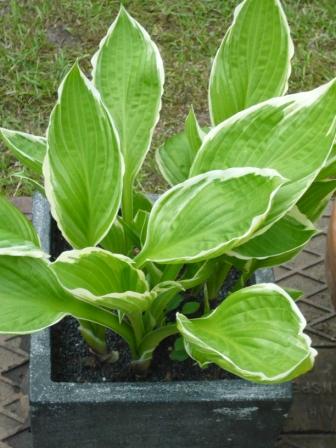
Every year my Hostas have been nibbled when young, eaten in Summer and decimated by Autumn.
Guess what I have done this year – yep I have potted them up into containers and so far so good (until the little devils learn to fly or crawl up the pot sides).
It is the little black slugs rather than the fat juicy brown slugs that do the most damage but knowing that won’t make you feel any better.

Top Tips for Protecting Hostas from Slugs

    Read More Read More

Growing Fothergilla Shrubs

Growing Fothergilla Shrubs

A cottage garden structural shrub that is making a comeback in popularity
fothergillia

All plants and shrubs seem to move in and out of fashion and Fothergilla are currently enjoying a cult status amongst many gardeners. However they are not so commonplace that you should be put off growing one.

Fothergilla major is a favourite plant for Autumn colour of reds, oranges and yellows that also produces frothy and fragrant white flowers in mid Spring. The spring leaves are glossy, dark green and rounded with toothed edges. Fothergilla leaves turn brilliant shades of red, orange and yellow in autumn. This deciduous shrub can grow to 20 feet but is best restricted in a small garden. It produces suckering stolens that may be propagated and plants can also be grown from seed.

Fothergilla gardenii or the Dwarf Fothergilla also called Dwarf Witchalder grows upto six foot high and is a better mannered version of Fothergilla major. All Fothergillas seem to like wet or moist soil and they should not be allowed to dry out.

A superb introduction from Commercial Nurseries is Fothergilla Blue Shadow with powdery blue foliage that was discovered as a sport from the cultivar ‘Mount Airy’.