Browsed by
Category: Tips Hints and Ideas

Help for the new and not so new gardener

My Plant Partners

My Plant Partners

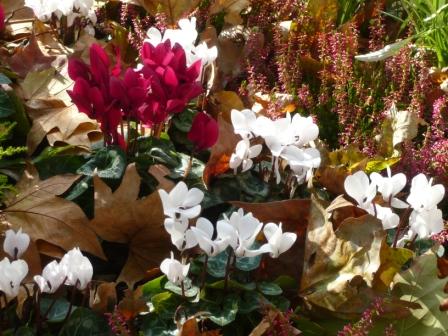
Combining plants in different ways is one of the joys of successful gardening. Different shapes and textures or bold colour schemes may be the trigger to make a combination work and there are companion plants that encourage growth in others. These wine red and white cyclamen produced a great contrast on their own but combined with the winter heather and the brown fallen leaves they were putting on a regal show in a local churchyard.

Recommended Plant Partnerships

  • A Chinese whitebeam tree, Sorbus hupehensis unfolds sea-green ferny leaves in spring with white flowers in summer. Its beauty can be enhanced by underplanting with the arching Berberis x rubostilla.
  • For autumn contrasts try Acer palmatum’s red leaves with a variegated Holly like Ilex Madame Briot.
  • For a silver leaved collection try Lavender Hidcote, Artemesia Lambrook Silver with Dianthus Mrs Sinkins. To highlight the combination have an old fashioned Gallica red rose as a centre piece.
  • Euonymus radicans and the smaller Eythronium White Beauty have pleasing yellow and white contrasts.
  • A couple of dogwoods can look striking in winter. Try cornus alba Sibirica red and the yellow stemed cornus stolonifera. Prune them hard in spring.
  • A rose like Queen Elizabeth can have its leggy stems surrounded by Rosemary or Lavender or even small violas.
  • Hostas and Primula japoinica or Harlow Carr hybrids both like waterside conditions and thrive together. Hostas with yellow-green leaves also go well in front of smoke bushes Cotinus coggygria
Autumn Lawn Treatment

Autumn Lawn Treatment

Lawns give us many years of loyal service and ask for very little in return. We cut them to within an inch of their lives and walk all over them without a care.

Treat Your Lawn

  • Pick up Autumn leaves before they start to rot on top of your lawn. Compost them separately if you expect a lot of leaves.
  • Apply an Autumn feed which aims to boost healthy root growth to last through winter like Levingtons Evergreen. This is rich in potassium to help roots and lighter on nitrogen.
  • Raise your cutting blades as the soils is wetter and the dew heavier.
  • Apply a moss killer before scarifying if you are troubled with moss
  • Repair any edges or bald patches
  • Aerate your lawn by scarifying, spiking or hollow tining. Scarifying also removes the brown thatch around the roots that has built up during summer
  • Top Dress the lawn with a mixture of two parts sharp sand with one of fine soil.

Tips for New Lawns

Garden Bonfires for Gardeners

Garden Bonfires for Gardeners

Once a regular weekend event, Garden Bonfires are now fewer and further between since recycling, reusing and composting got to the top of the green agenda.
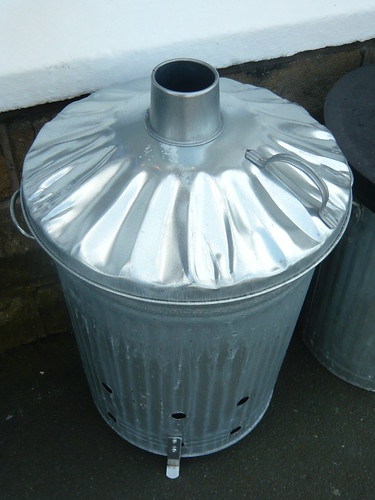
There are still occasions when a fire is the right way to go and I use one of these dustbin burners. The holes at the bottom provide air flow and the chimney restricts the amount of flying debris.
I collect the none compostable (often diseased) wood and brash in the bin until I have a load then set fire to it. After 4-5 years the bin bottom burns through and I need a new bin.
For large chunks of wood I used to have a November 5th fire but now with chimineas and Council recycling they have gone the way of Guy Fawkes.

Burning Tips

  • Avoid excessive smoke by burning dry material not soggy wet compostable stuff.
  • Do not burn plastic, foam, paint, rubber or household rubbish.
  • Be safe by not using oil, methylated spirits, or petrol to light or encourage a fire.
  • Avoid lighting fires in unsuitable weather conditions such as damp, still days or when the wind will blow smoke over roads or into neighbours gardens
  • Try to avoid bonfires when people want to enjoy their gardens such as weekends or Bank Holidays.
  • Wood ash contains potassium and is good for root crops bulbs etc.
Kids Plants to Make Them Gardeners

Kids Plants to Make Them Gardeners

Book Cover

Kids can have fun in the garden and on a windowsill. It can give them an understanding of food and green issues in a fun environment. Help them grow plants that are easy, reliable and develop quickly to maintain interest. Give them good soil, a sunny location and help so they are not put off  gardening in the future.
Kids can be turned into enthusiastic gardeners from an early age and with luck it will stay with them for life

Plants for Kids

  • Mustard and Cress are quick germinators and growers and produce an edible crop in days not weeks.
  • Sunflowers are very popular with children, the seeds are easy to handle and the growing plants look bigger every week.
  • Nasturtiums are quick growing and even if they do not like the peppery tasty the flowers and leaves are edible. The three seeds per flower show how plants reproduce year after year whilst providing food for other creatures.
  • Plants from tubers or bulbs such as Dahlias and Lilies are popular for the flowers. For indoors as a present for Mum try a Gloxinia
  • Seed potatoes. Peas or Courgettes are reliable croppers.

Indoor experiments that we tried as children

Read More Read More

Flowers Grown for Your Vase

Flowers Grown for Your Vase

My perennial Phlox have been a good stalwart flower for cutting and filling a vase this last few weeks. I found the pink colours had more scent but all the Phlox seemed to drink copious amounts of water (I wondered if water and scent were related). The Penstemon in the same vase as the Phlox was not as successful as they had a far shorter life. Another successful long lasting cut flower is the Alstromeria. The Reds performed better than the yellows but both lasted over a week.

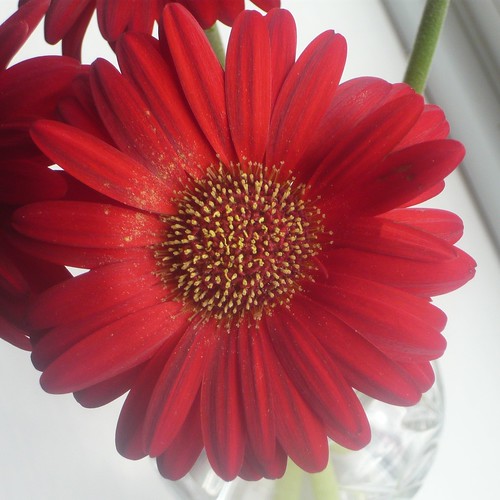
Our local garden center has been selling off Gerbera plants at £1 and I bought some just for the flowers that I could cut and put in a small vase. Even one flower in a bud vase looks good. There are now more buds to open and I think I got a good deal even though I will not bother to over winter the supposedly perennial plants. Gerberas come in a wide range of colors from light to dark yellow, orange, pink, brilliant scarlet and deep red ray flower centres.

The variety and colour of the Peruvian Lily or Alstroemeria, makes a colourful and long lasting display. Once established the plants continue to provide a good supply year after year. Pull the stalk up from the plant to encourage more flower stems. I grow my Alstroemeria in large pots.


Dahlias tend to flop a bit for me but Chrysanthemums can’t be beaten for longevity and impact.

Tip – Grow flowers that are easy to cultivate and flower in profusion but also last well when cut. Spray Chrysanthemums can give maximum pleasure for minimal outlay.

Top Ten Violas to Grow

Top Ten Violas to Grow

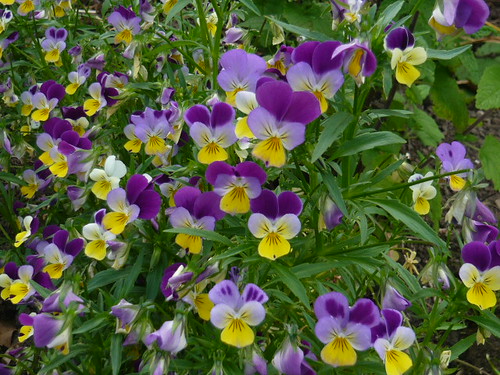
Viola self sown

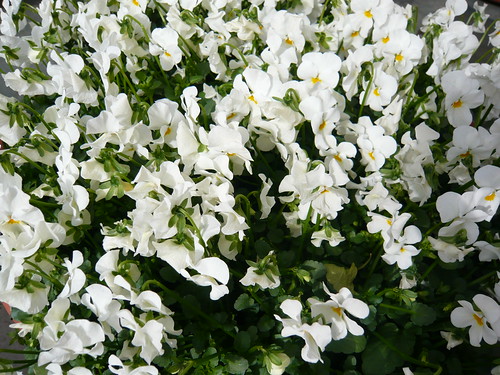
Violas are more than just small pansies in fact Pansies are just over blown Violas. They are both in the family that also includes many species of Violets, Violas and Violettas.

Benefits of Violas

  • Many varieties and colours to select from without being overwhelmed by choice.
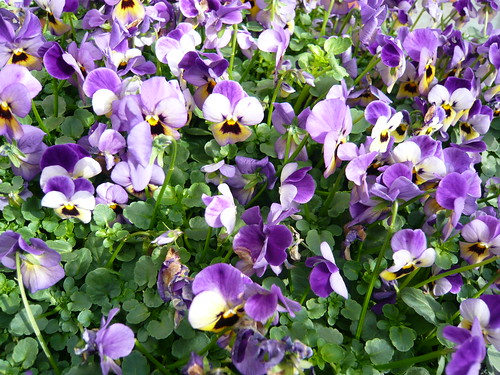
  • Masses of small flowers from spring / summer that virtually cover the plant.
  • Sweet scent on many varieties particularly the blue and purples.
  • Perennial habit on most varieties but annual varieties also set viable seed.

Viola profusion

Top Ten Viola Selection.

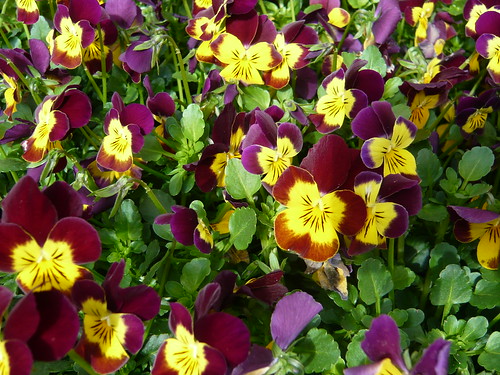
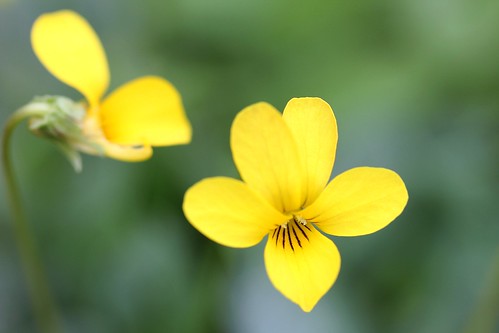
  1. Viola Tiger Eye with deep yellow petals and black veins radiating from the centre.
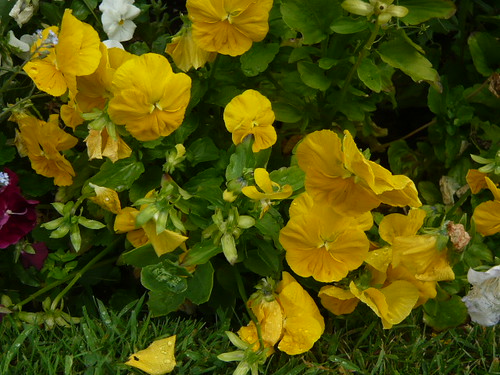
  2. Viola Scentsation lives up to it’s name with bright yellow scented flowers.
  3. Viola hybrida Rose Shades is bushy, compact and free flowering in various rose shades. Each bloom has an attractive yellow eye and darker whiskers, plus the bonus of a sweet fragrance.
  4. Viola Meteor is a compact form suitable for hanging baskets and containers.
  5. Viola Friolina will trail for up to 3 feet and is available in yellow, blue, orange, white or bi-colours.
  6. Viola x williamsiana Singing the Blues is an annual in several shades of blue.
  7. Viola Amber Kiss looks great in the catalogue but I have yet to try grow this semi double golden Viola.
  8. Viola x wittrockiana Jolly Joker with purple outer petals and orange inner petals has become a firm favourite.
  9. Viola x wittrockiana Water Colours Mixed F1 is another popular variety in pastel shades.
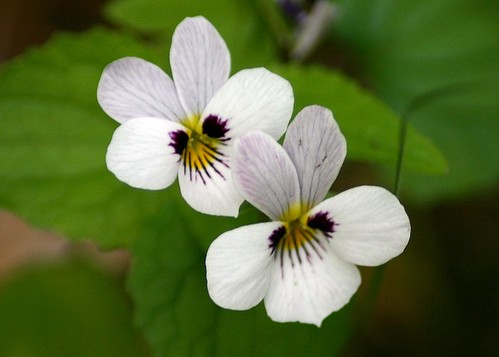
  10. Viola sororia ‘Albiflora’ is hard to track down but is a small white flowering species with purple whiskered petals.

Many of these seed and plant varieties are available from Thompson & Morgan Other suppliers include Gardening Direct or your local nursery.

Yellow Violas

Growing From Seed

  • Germination is not easy and some experience is useful.
  • Sow December to March or July to September on the surface of lightly firmed, moist seed compost in pots or trays.
  • Exclude light by covering with paper for 2 weeks.
  • Germinate around 65-70 °F too high a temperature prevents germination .
  • Overwinter late sowings in a coldframe then plant out the following spring.
  • Easy to grow on and care for.

Viola profusion

Pansies Violas and Violettas The Complete Guide from Amazon.

Description of Violas

  • Half-hardy annual or hardy perennial
  • Flowers in  Spring and Summer.
  • Green fleshy, leaves are heart shaped with jagged edges.
  • Ideal for  border edges, containers, patios and hanging baskets
  • Height  3-10 inches dependant on variety

Wikipedia lists over 200 species of viola for further exploration.

A Viola odorata national collection is maintained at groves Nurseries in Dorset where this cultivation guide can be found.

More pictures from Google

011

Book Cover

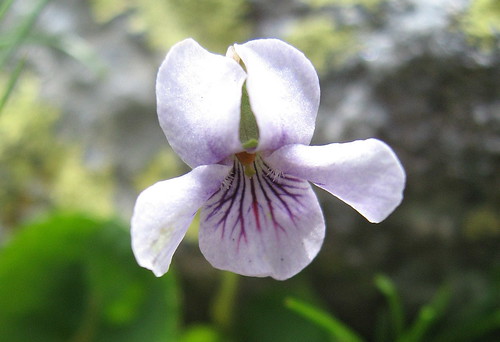
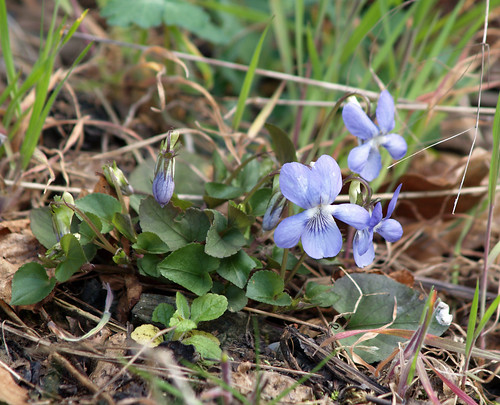
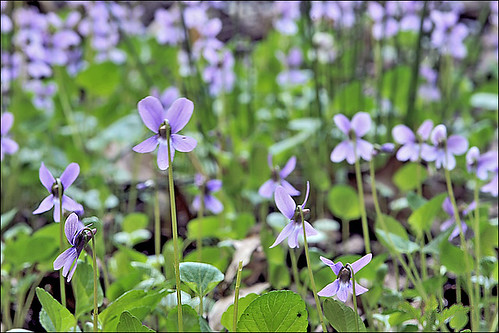
Viola Photographs and Species

Violas and Violettas

Ilkley 002

Viola palustris
Viola palustris by pastilletes CC BY-SA 2.0

Viola riviniana
Viola riviniana by Jörg Hempel CC BY-SA 2.0

Viola uliginosa_3
Viola uliginosa_3 by amadej2008 CC BY-NC-SA 2.0 Bog Violet

Viola ocellata Western Hearts-ease
Viola ocellata Western Hearts-ease by davidhofmann08 CC BY-NC-ND 2.0

Viola purpurea ssp. quercetorum Mountain Violet
Viola purpurea ssp. quercetorum Mountain Violet by davidhofmann08 CC BY-NC-ND 2.0

Growing Juicy Red Strawberries

Growing Juicy Red Strawberries

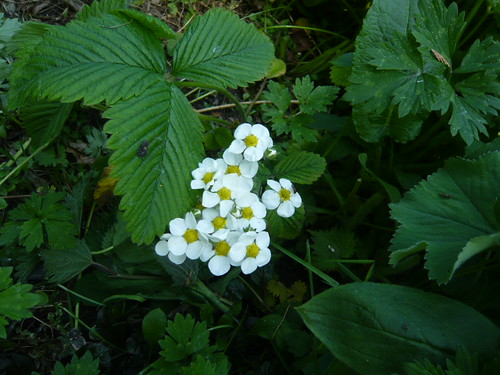
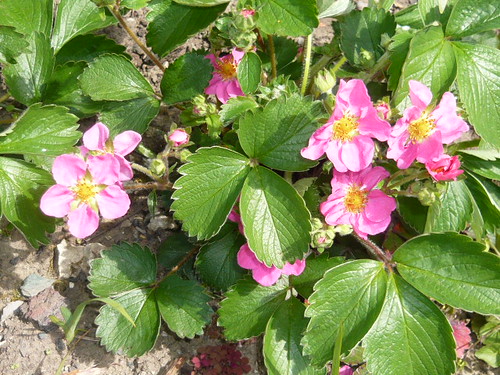
Strawberry flowers
Strawberry plants are cheap and easy to grow. Strawberries can be picked from spring to autumn if you choose the right varieties.

Make a Strawberry Bed

  • Mark out a rectangular plot, 10 feet square will produce a reasonable crop.
  • Dig over the ground and add 2-3 buckets of organic matter per square yard.
  • Buy plants in September or April that are guaranteed disease free
  • Plant in rows 16″ apart, water and keep watered until the plants are established.
  • A board around the edge of the bed makes it look tidy.

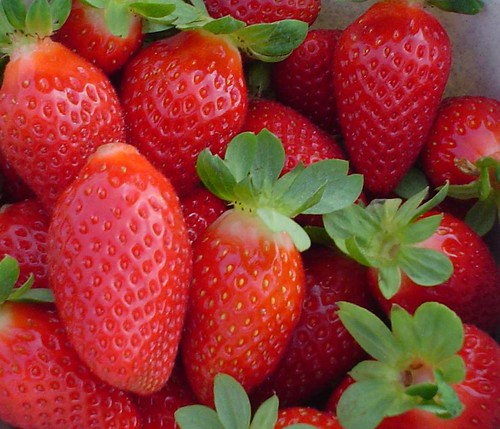
Strawberries from florida


Growing Strawberries

  • When fruit appear put straw or black polythene under the fruit to keep slugs off and the fruit clean.
  • Birds may want to feast on your strawberries so put some string or netting across the bed.
  • Plants will crop for 3 years but start off a new bed to maintain continuity.
  • Runners should be removed or they will sap the strength from the plant resulting in less fruit.
  • To avoid disease don’t plant strawberries where peppers, tomatoes, eggplant and potatoes have been grown.

Tips. Strawberries do not need much feeding but do need plenty of water when fruiting.

strawberry blossom

Tips for Early Strawberries

  • Strawberries are symbolic of an English summer and Wimbledon in the middle of June. But, if you can grow strawberries to crop in May and late April, they will definitely be appreciated even more. They will also help avoid paying for more expensive supermarket strawberries.
  • To Grow early strawberries, the first thing is to choose the right varieties. ‘Royal Sovereign’ and Cambridge Favourite are two excellent varieties suitable for early forcing.
  • Pot the strawberry plants and bring them into a warm greenhouse. From march they will spring into growth and with sufficient light and water can be cropping from as early as late April. It is important that they are in a position to receive full sun. However, in the height of summer, plants under glass may need protection from scorching.
  • Another alternative is to place fleece over outside strawberries. This can be an easier way of forcing the flowering season.
  • Strawberries will also benefit from regular watering, good ventilation and feeding at the appropriate time.
  • As soon as the plants start to flower, cut off the runners to keep the energy focused into forming fruits.

Cultivation Tips

If you are looking forward to picking your own strawberries – congratulations. If you haven’t got around to organising a Strawberry bed but want too then here are some cultivation tips to help you.

  • Plant out healthy plants in August or September to give them chance to develop good roots and strong crowns before the soil gets cold.
  • Prepare the ground at least 2 weeks in advance removing all perennial weeds and couch grass. Incorporate well rotted compost to help retain moisture.
  • If your soil gets water logged or is heavy clay try growing Strawberries on the top of a soil ridge so the roots don’t rot.
  • If the leaves are a bit yellow it could be the sign of calcium deficiency so add a bit of lime to the soil.
  • Use plastic sheeting under the plants rather than straw to keep fruit clean and protected as it helps absorb heat and also controls weeds.
  • After 2 seasons the plants need replacing with new stock. Grow these on from runners that you have rooted yourself. Strawberries are easy to propagate this way.
  • If not rooting your own runners cut them off in May or they will sap the strength of the plant

Give it a try from purchased plants or donated runners juicy strawberries are quite easy to grow. Here are some varieties that you may wish to try.

  • Royal Sovereign can also be forced in 5” pots in a cold greenhouse for an early crop
  • Cambridge Favourite is a very good cropper
  • New varieties have been bred for the patio and hanging baskets like ‘sweet Success’
  • Flamenco will crop over a longer period
  • Any variety in a plastic strawberry barrel needs careful watering at all levels of the barrel – take care

If you want all your strawberries to be the same size and colour – If you want perfect strawberries everytime – then buy from a supermarket where they have been irradiated and homogenised.

For White Strawberries read about Pineberries an American hybrid strawberry that fruits white with red seeds.

Credit
Strawberries from florida by Dudus Maximus CC BY-NC-ND 2.0

Roses Cultivation Month by Month

Roses Cultivation Month by Month

Roses a Month by Month Cultivation Guide

Just Joey

Growing good roses is not difficult and plants are reasonable and long lasting. Plant them in good soil feed and care for them and they will reward you with magnificent blooms, scent, cut flowers and a great summer show. As a guide to growing roses there is a list on monthly tips and actions to help get the best from your plants.

January
Prepare sites for new roses to be planted in spring. Double dig the ground and add organic matter, compost, humus and/or manure. Mix in bone meal.
If the soil is frozen or waterlogged and unsuitable for planting heel-in bare rooted roses and plant when conditions improve. Normally planting can take place when the roses are dormant from November to March.
Plant to the same level or depth that the rose was grown to – do not plant any grafting below the soils surface.
Check for wind damage causing plants to rock and prune back autumn planted roses if not already done so.
Spray with tar-oil wash to kill over-wintering pests.

February
If soil is still unsuitable cover bare rooted roses in frost free conditions
Firm in any rose trees loosened by gales or frost
Plant seeds from rosehips and species roses in pots in a cold greenhouse
Plant any bare rooted trees if the conditions allow, steep in water for 24 hours if the roots are dry and put banana skins and bone meal in the hole. I am happy to plant 18inches apart for most trees with a bit more or less space depending on the vigour of the type and variety.
Later in the month in sheltered gardens pruning of established plants can start. Cutting out weak stems and a third of the oldest, woodiest growth will encourage new shoots.
Thin out over grown ramblers but take care or you will loose the years flowers if they are not the repeat flowering varieties.

Rose

March
Complete the spring pruning. Cut at a 45 degree angle just above a bud.
Spray plants and surrounding soil with a fungicide to kill spores of Rust, Black spot and mildew.
Apply rose fertiliser with balanced NPK 5:5:10 and trace elements by raking in the granules
Mulch with bark or well rotted compost. Avoid grass clippings.
Prune in frost free weather. Prune climbers by halving the length of side shoots and removing weak or damaged growth. Cut out frost damaged growth to undamaged buds.

April
Complete the feeding and mulching of established roses. Good mulching will help ward off mildew in the summer.
Water recently planted roses winters can be quite dry.
Weed by hand to avoid damage to roots and encouragement of suckers.
Tie new shoots of climbers and ramblers. Keep growths as horizontal as practical to encourage flowers.
Container grown plants can be planted out in a hole twice the size of the container back filled with good soil enriched with humus and bone meal.
Container plants should be soaked a day before planting, if the root ball is planted dry it is unlikely to become wet and the plant will be stunted and sickly.

Rose

May
Spray roses with a systemic insecticide for saw flies and aphids. Pirmicarb insecticide if you can find it shouldn’t kill beneficial insects.
Spray with a systemic fungicide at the same time
Water young plants if the weather is dry
Under plant formal rose beds with annuals, herbs or violas
Plant container roses like the smaller patio varieties
Try layering to get a new plant. Take a young stem and peg it to the ground about 6 inches from its end. Nick the pegged point so roots can form and put a stone over the peg to conserve moisture.

June
Admire your first flush of flowers of the season – take time out to smell the flowers.
Water during prolonged dry spells but don’t let the soil ‘pan’ – hoe or fork the surface
Keep weeds at bay and don’t damage the rose roots.
For extra large blooms disbud hybrid tea roses by taking out all but one bud per stem to get a show stopping rose.
Deadhead any early flowering roses
Remove suckers by tearing away from the root source not cutting as this encourages twice as many. Suckers have seven leaves whilst most roses have five leaves.
Visit other gardens in bloom and make a note of favourite varieties.

Rose Plaisanterie バラ プレザントゥリ

July
Tie in vigorous shoots on climbers and ramblers- cut up tights are as good as other ties and cheaper.
Feed with a rose fertilizer NPK 5:5:10 – the extra potash is good for flowers
Ensure container grown plants do not dry out after planting
Bud new roses to grafting stock by removing a one inch bud and inserting it into a T cut at top of the root on the stock. Tie it in with raffia. In the spring cut back the grafting stock to the grafted bud.
Deadhead modern roses and climbers cutting back to a leaf joint
Deadhead old fashioned roses except those you want to display hips.
Deadheading hybrid Tea and Floribunda roses encourages a second flush of flowers in late summer.

August
Continue with the good husbandry of watering and spraying for pests and disease. Remove and burn any infected leaves and clear weeds as they start to grow.
Look out for mildew that can be worse in dry conditions so water and mulch.
Give plants a foliar feed as roses can absorb nutrients through the leaves. This may help in alkaline soils where plants find it hard to take up feed.
Continue to deadhead and remove any suckers.
Order new plants for autumn delivery.

Rose Naema バラ ナエマ

September
Apply sulphate of potash to harden new wood. Do not add other feed which encourages sappy growth that won’t survive winter.
Prune and tie up standard and half standard roses so they are not blown around in winter storms
Take 12 inch cuttings of ripe, woody shoots and plant them in a shady spot
Visit an autumn rose show at Harrogate or Malvern

October
Tidy up the rose beds, clear weeds and burn diseased leaves.
As flowers finish cut long stems back by about half to stop wind rocking the plants and damaging the rooting system during winter
Continue to take hardwood cuttings
Prepare any new bed with plenty of manure, mushroom compost or humus rich soil improvers

Rose Hip

November
When planting new rose trees trim any broken or damaged roots and prune out any weak growth.
When planting new trees, add a sprinkling of bone meal in the planting hole. Pack the soil firmly around the rose tree.
Plant climbers 15 inches away from a wall or fence and fan out the main stems

December
Transplant mature trees cutting back roots to about 12 inches. Cut growth back hard.
Sow seeds in a cold frame.
In really cold climates pile straw fir branches or soil around the plants to protect through winter.
Have a last check for ties, damage, diseased leaves and pruning needs.
Add roses or membership of the Royal National Rose Society to your Christmas wish list. http://www.rnrs.org/

Rose Inka バラ インカ


Credits
Rose by clouserw CC BY-NC-SA 2.0
Rose Plaisanterie, Rose Naema and Rose Inka バラ インカ by T.Kiya CC BY-SA 2.0
Tips for Dealing with Slugs and Snails

Tips for Dealing with Slugs and Snails

slug2

Slugs and Snails

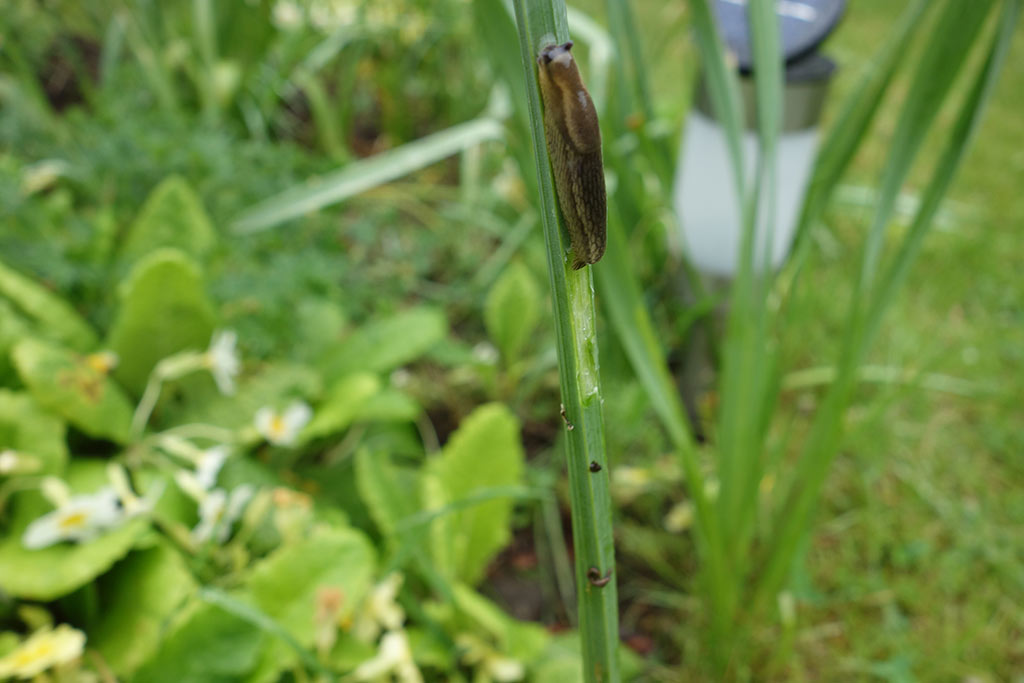
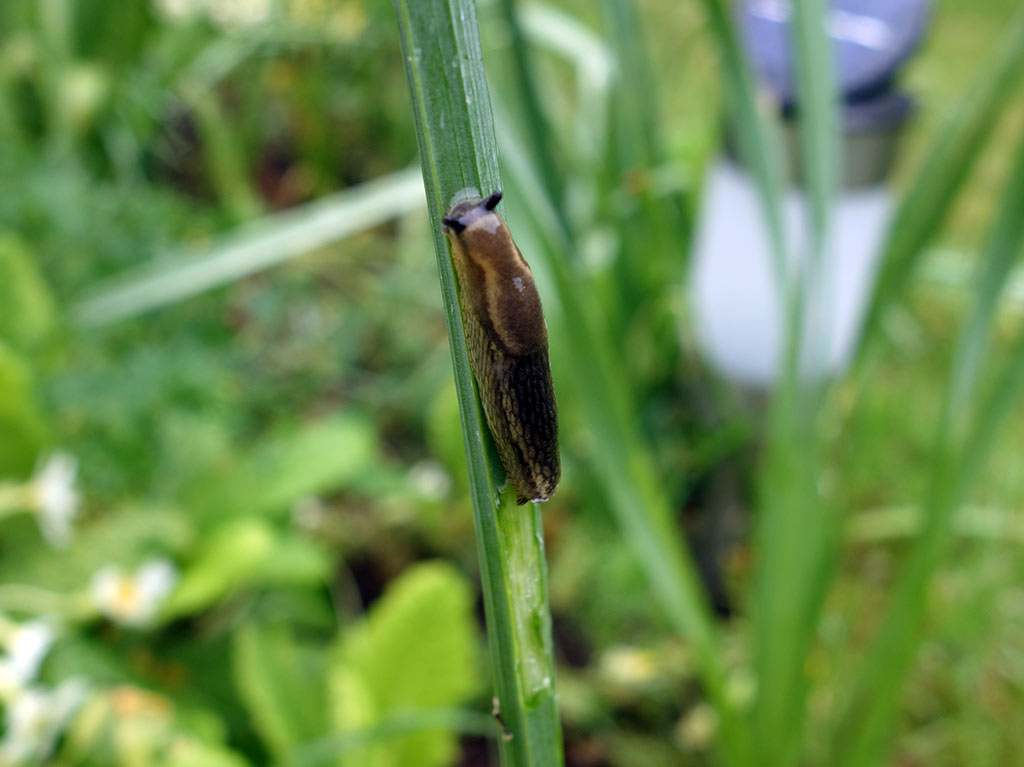
I would like to say that slugs and snails are friendly, useful creatures to have in your garden – but I can’t. Slugs and snails have tremendous appetites for devouring your plants. The younger, tastier and more precious your plants the more likely they are to go for them. Young lettuce seedlings seem to be very tasty and a whole row can be devoured overnight by these innocuous critters.

slug

What can be done short of killing slugs? – here are some Eco friendly tips:

Tips to avoid slug damage

  • Discourage slugs by removing edible debris and any slugs you can spot
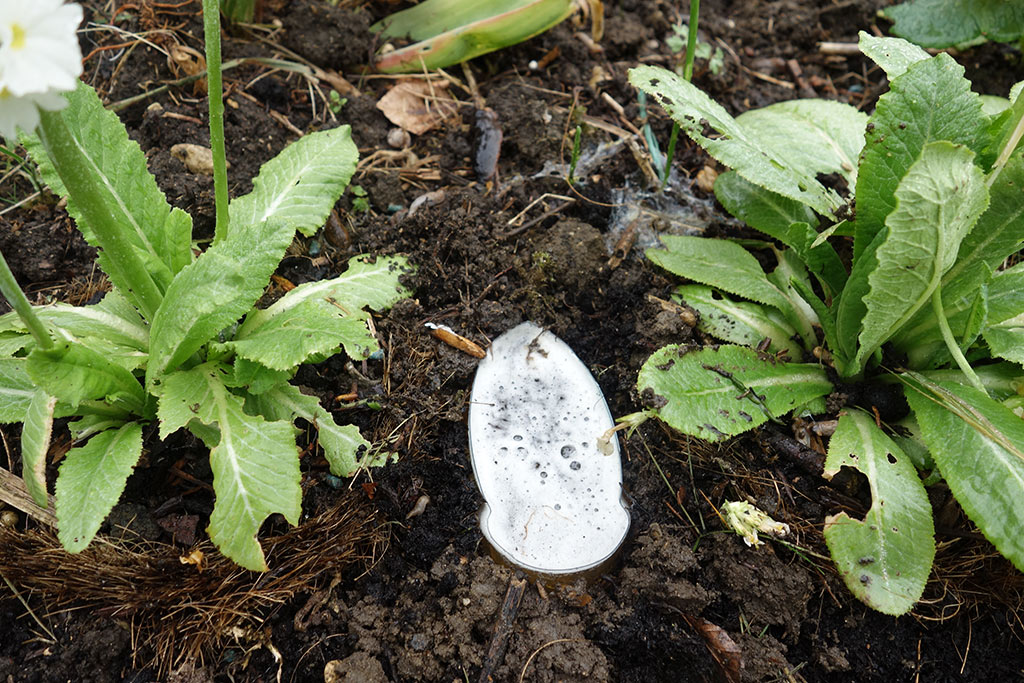
  • A ‘beer trap’ consisting of a low tray full of beer or similar fluid can attract and drown the slugs.
  • An upturned cabbage leaf will attract a host of slugs overnight and they can be collected and dispatched according to your preference.
  • New ‘green’ sprays and pellets have not yet impressed me but there are a range to try.
  • Some plants are less attractive to slugs. Foxgloves, Aqualegia, Nasturtiums, Euphorbia
  • Leave Bran out. Slugs love bran it may fill them up. If they over-indulge it can even kill them.

Barrier methods to stop slugs:

  • Copper works as a barrier as they wont slide and slither on it. Copper bands and tape are available to protect your most cosseted specimens.
  • A raised bed with a copper edging can be used in your veg plot
  • Gravel, crushed egg shells, recycled wool pellets and other hard to slitter across barriers are recommended by various gardeners and companies but the column inches devoted to the subject show that few of them work totally. When it is wet they find a way across to gorge on your tasty crops.
  • ‘Slug Gone’ are wool based pellets that are organic and pet safe. The wool forms a barrier by felting together the small barbs on the wool fibres. Useful around prized plants but expensive for general use.

Beer Traps

slug-trap-beer

If you sink a plastic pot into the ground and fill it with beer, slugs will go and drink the beer and probably get stuck and not be able to escape. In heavy rain, the beer becomes diluted. Quite effective for catching some.

Biological control

A higher tech solution is to buy a biological control called Nematodes which is watered in and the nematode microbes eat them and destroy the slugs.

These are watered into the ground. They don’t work in winter when it is too cold. They are effective in getting the underground slugs.

This is a very good method. Bio-friendly and you let the Nemotodes do the work.

Slug Pellets

slug exterminator

Size 9 gardening boots or fly them into the middle of a busy road.

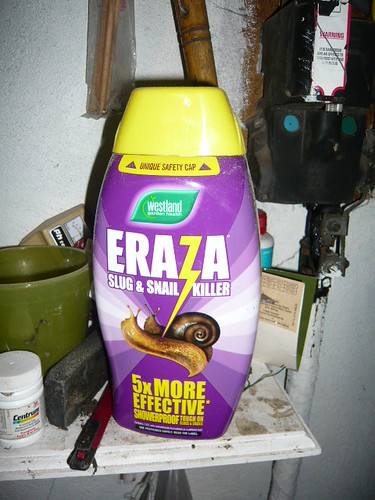
Slug pellets containing metaldehyde spread every six inches or so are effective killers and last in my experience for about 10 days. However they are not pet friendly although most brands have been treated with a flavouring to deter.

Good luck and if you find a permanent solution you could be on your way to making a fortune.

Read more about  Slug Pellets and protecting Hostas from Slugs

Slug Pellets and Slug Exterminator at Amazon

Gardening Tasks for May

Gardening Tasks for May

A Few quick gardening tips for May.

  • In the Greenhouse. The weather can hot up. Take care to ensure the greenhouse is well ventilated. It is a good time to paint ‘white shade’ on to the sunny side of the greenhouse.
  • Potting On. Now plants are growing quickly, make sure plants in pots get sufficient food and water. Where necessary pot on to a bigger pot
  • Hardening Off. Bedding plants can now be put out. Even though frost is very unlikely, make sure they are sufficiently hardened off; place in a cold frame or sheltered spot.
  • Planting and Sowing. May isn’t a great month for sowing new plants and seeds. Apart from the odd bulb like Begonia and Christmas pot plants like Schizanthus
  • Tomatoes. Tomatoes are growing quickly, make sure side shoots are pinched out to focus energy on main stem. Don’t overwater or overfeed until fruits start to develop.
  • Hand Pollinate melons or other fruit in the greenhouse.
  • Spread organic fertiliser which can act as both food and a mulch.