Browsed by
Category: Tips Hints and Ideas

Help for the new and not so new gardener

Red Matching Gardens

Red Matching Gardens

The fiery red Dahlias complement the brick work of the house in this open garden.
The colour is repeated at the end of the formal lake and the planting in the side borders also has some colour symmetry. (A shame about the scaffolding but what a place to grow a climber).

Talking of climbers, again the colour of the brick and the red roses lift the photograph. I like the very interesting grey gate tied up with garden string. If I try achieve this effect with old gates in my garden the results are woeful. (Must try harder)

Even the old light coloured stone at this Oxford college is set off a treat by the red  foreground. The green plays a significant part however as it is strongly complementary to the red and the leaves have scale and texture.

Gardeners Tips on Red in Gardening

  • Keep the design simple and use repetition to make a point.
  • Red tends to bring the foreground towards you.
  • Do not mix with pink or insipid colours as neither will benefit.
  • In a small garden use red plants for emphasis and with care or they overpower.
  • I prefer the hot reds of Crocosmia, Dahlia, Lobelia, Heliathemum ‘Supreme’ some Tulips and Peonies.
How to Prune Rambling Roses.

How to Prune Rambling Roses.

Rambling Rose

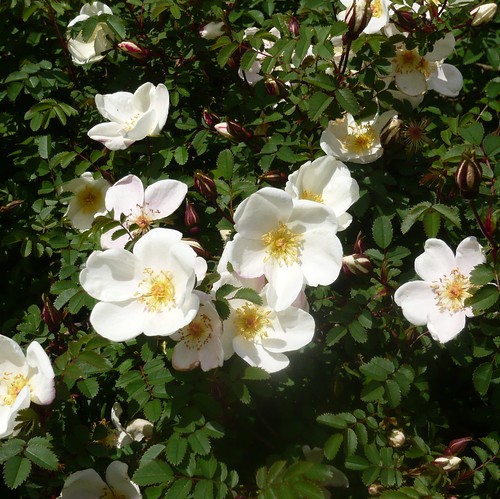
Rambling roses tend to flower only once a year (not once a season as I once heard). Therefore it pays to optimise the flowering for next summer by judicious pruning and training.

Gardeners Tips for Pruning Rambling Roses

  • Prune from November to February, ramblers are pruned earlier than most other roses.
  • Choose a still day or the branches will lash into you and the thorns can hurt. This is a job where protective clothing including a face mask may be worthwhile.
  • Use sharp secateurs and a pruning saw for thick stems.
  • Remove dead, dying or diseased wood and any stems that cut across one another. This improves air flow and reduces the chance of disease.
  • With ramblers you are aiming to replace upto 3 older stems from the base and to encourage new growth that replaces them. Best blooms flower on this new growth.
  • The newer olive-green stems should be supple enough to bend and they should be tied in or coiled around upright supports. This bending restricts sap flow and encourages more flowers so it is worth spending some time on.
  • Ramblers are vigorous so reduce the laterals if you need too.
  • Clean up all the debris after pruning.
Top Ten Snowdrop Gardens

Top Ten Snowdrop Gardens

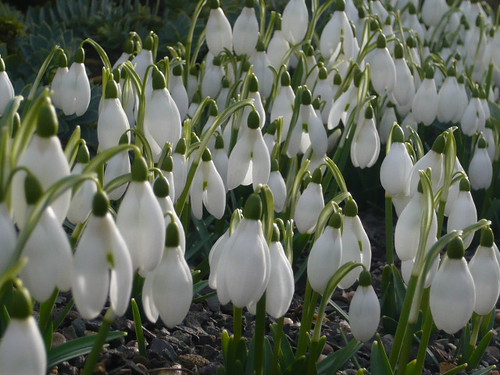
Kew Snowdrops

  1. Waterperry Gardens Oxfordshire
  2. Chelsea Physic Garden London   Snowdrops have always provided one of the great delights of these openings 6th, 7th, 13th & 14th February 2010, 10am-4pm.
  3. RHS Wisley Surrey
  4. Hopton Hall Derbyshire
  5. Weeping Ash Garden Cheshire
  6. East Lambrook Garden Somerset
  7. Sherborne Garden Somerset Local gardens open for the National gardens Scheme
  8. Brandy Mount House Garden Hampshire National collection of snowdrops
  9. Easton Walled Garden & Little Ponton Hall Lincolnshire
  10. Bennington Lordship Hertfordshire

This is our selection unless you know better – if so let us know.
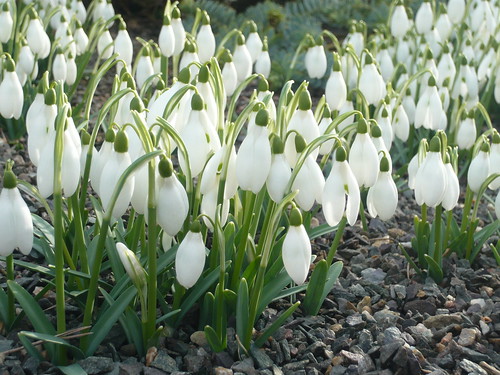
Snowdrop soldiers8

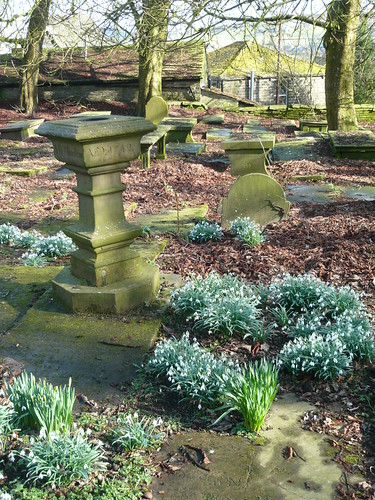
Check for open days in February and March for a day out to enjoy. You may also find snowdrops in unexpected locations. I snapped these pictures in Haworth church Bronte land.

Haworth snowdrops

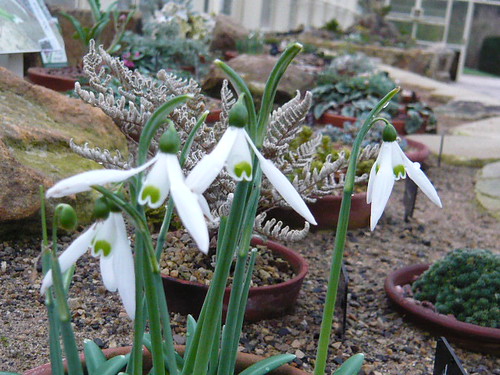
Snowdrops in an alpine house at Harlow Carr.

Snowdrop

Galanthophiles see beauty many varieties.
snowdrop

Best Lawn Edge Trimmers

Best Lawn Edge Trimmers

Garden edgesKeep Off The Grass Not on My Pavement

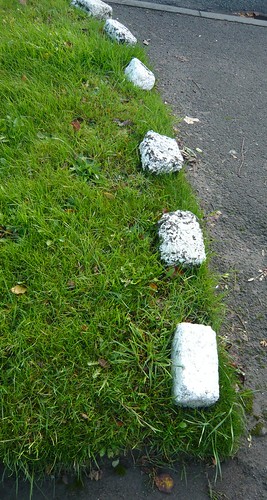
Neat, well trimmed edges make your lawn and garden look tidy and cared for. World class gardens take care of neat edges especially on formal lawns. In most cases you need to avoid obstructions that prevent achieving a well trimmed edge as these painted rocks do. Grass growing at the base of these rocks is hard to trim to the same length as the rest of your grass even if you use a strimmer.

  • Plants growing close to the edge will get in the way of a lawn mower or over-hang the lawn and weaken the grass.
  • A path in the lawn made from stepping stones should be sunk below the sward so that a lawn mower passes over the path edge and cuts right up to it. If the path is proud of the grass you may damage the mower and leave an untidy edge.
  • Where ever practical leave a gully or channel at the edge of the grass before the planting starts.

 Best Tools for Cutting Edges

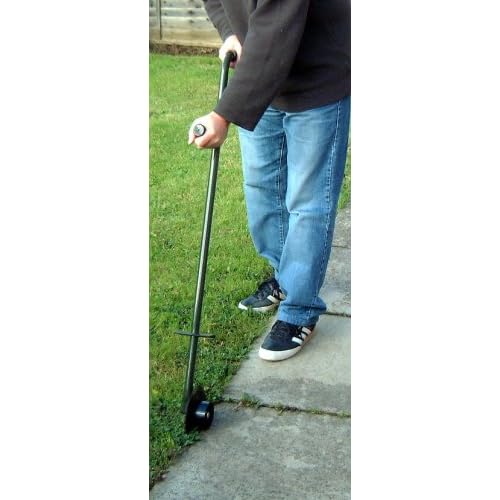
Lawn edgers allow you to cut back the edge by removing a sliver of soil. Useful if you have walked near the edge and it has crumbled or spread out.

Strimmers are useful on rough grass and hard to reach spots.
Book CoverBlack & Decker Strimmer

Lawn shears have a blade at 45° to the handles and are my favourite way of trimming lawn edges.
Book CoverBahco Lawn Shears

For many jobs you can’t beat a traditional spade. If you are trimming an edge use a line or string to keep you honest.
If part of an edge is in poor condition you can cut out a square foot as a turf and turn it around by 180° to make the inner cut as the new edge and the ragged part a foot inside the lawn. Fill any gaps with sand or top dressing.


Choisya Bonsai

Choisya Bonsai

025

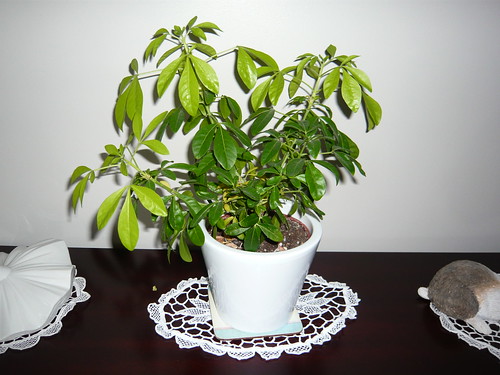
This small pot containing an even smaller Choisya ternata is growing happily in our front room. New leaves of light green are almost translucent and provide clean foliage. The leaves when crushed give off a very pleasant scent.

This plant was one of many grown from cuttings the siblings are now in the garden. Also called Mexican Orange Blossom I do not expect it to flower indoors but you never know and it is providing some interest in this quiet pre-Christmas season.

I have cheated a bit with the title as this is not yet a true bonsai plant but the restricted root run is constraining how it develops. I will prune and trim it carefully if it survives the dry conditions. That reminds me to water all the houseplants now the central heating is on full bore most days. Flushed with one success I may grow some Chiosya in bonsai pots for a miniature outdoor garden.

Fallen Leaves Good for the Environment

Fallen Leaves Good for the Environment

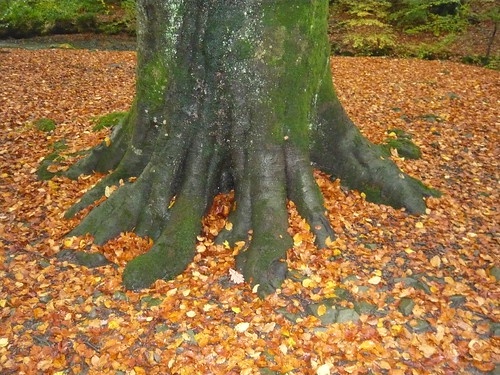
The fallen leaves of Autumn are a sign of the the hope and regeneration of future seasons. You can pick up inspiration from the sight of golden brown and russet coloured leaves. Who has not been enraptured, at some stage in their life, by the scent of damp leaves or the rustle of crisp, dry leaves kicked up as you pass through a leaf strewn glade.

Uses of Leaves

  • Broad-leafed trees shed their leaves annually to create a carpet of slowly rotting organic matter in woodlands.
  • The carpet of leaves acts as a mulch and encourages worm activity that takes air and water down to the tree roots.
  • Leaves are habitats of a variety of creatures and provide nesting and hibernation resources.
  • Gardeners can collect leaves separately from the compost heap and they will rot down to form a good quality leaf mold. It is a cold and thus slower process than composting.
  • Shredded leaves can be added to the compost heap, in small quantities,  as part of the ‘brown constituent’ of the pile.

You can collect fallen leaves with a multi tine rake
Book Cover

For a labour saving job you can buy a garden vacuum from Amazon.
Book Cover
Read more Easy tips on Composting leaves

Eucalyptus Trees in Britain

Eucalyptus Trees in Britain

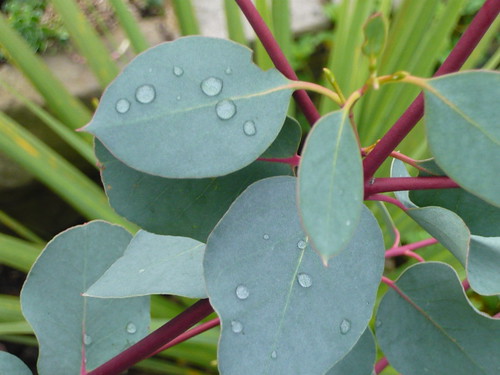
Eucalyptus or Gum Trees are fast growing shrubs and trees best noted for their attractive scented leaves and stems. They tolerate a variety of soils preferring a deep loam. The leaves on this young tree are still coin shaped but will develop as the tree matures.

Gardeners Tips

  • You can grow Eucalyptus as a short lived shrub and do not need to let it grow to full height. Dig it out when it gets mis-shapen.
  • Plant in spring so roots can develop in the warmer soil but they are surprisingly hardy for trees from Australasia.
  • Plant near a Cotinus or a red Acer for contrasting colours.
  • There are 20 varieties of Eucalyptus seed available from Jungle Seeds
  • See Australian trees including Eucalyptus Snow Gums at Marks Hall garden and arboretum Coggeshall, where 200 Eucalyptus trees have been planted and ‘on warm days the oil aroma provides a heady scent’.
Autumn Environmental Tips

Autumn Environmental Tips

Autumn Crocus
Autumn Crocus

Feeding birds and providing habitats continues through autumn and winter. Planning to reuse, re-purpose or recycle also contributes to the Environment. Why take your car to the garden centre to buy more plants in containers when you can derive pleasure from growing your own.

Clear up and Clean up

  • Tidy borders, lightly hoe or fork over to deter weeds and collect up canes, pots & nets.
  • Clear away old crops, leaves and plant debris adding it to your compost heap.
  • Keep one natural corner area  and leave debris to rot down.  Add  a pile of twigs or logs to provide food for insects and shelter for small creatures through winter.
  • Wash all pots and soiled items ready for reuse next year. Save and recycle what you can.
  • Rake up tree leaves as they fall, wet them and put  in to a wire cage or plastic bag with some puncture holes and they will rot down to leaf mould in 18 months or so. (they do not rot quickly or heat up like compost but make small amounts of good friable soil).

Plant Care

  • Plant your spring bulbs, Daffodills go in early to develop good roots but Tulips should wait until November.
  • Save buying new plants by lifting and dividing clumps of herbaceous perennials.
  • Collect your own seeds and plant those to avoid buying new next season.
  • Give your surplus plants to others so they do not need to buy new.
  • Conserve key plants by covering tender specimens such as tree ferns in hessian or move plants into a safe zone.
  • Spread your rotted compost to protect the crowns of plants through winter and give them a good start for next year.

Tools

  • Look after your tools. Clean and oil them.
  • Use a whet stone to sharpen bladed tools and store them safely through winter.
  • Broken handles can be replaced or new long handled tools made by putting a trowel on a broom handle.
  • Think about Christmas presents for you and the garden

Other Resources

Royal Horticultural Society RHS ‘Gardening for All’
National Council for Conservation of Plants and Gardens ‘Conservation through Cultivation.’
Garden Organic National Charity for Organic Gardening.
BBC Gardening

Carpet Bedding Tribute to Girl Guides

Carpet Bedding Tribute to Girl Guides

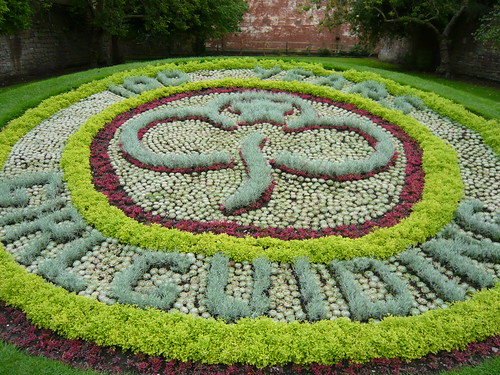
100 years of Girl Guiding is being celebrated in September 2009 by Girl Guides around the country with a range of appropriate events.

This floral tribute is in the grounds of Carlisle Cathedral and has been created from just 4 types of carefully chosen ‘carpet bedding plants’. Contrasting shades of leaf and low, slow growing, uniform habit are more important than flowers. In fact flowers can distort such a display.

Carpet Bedding Plants

  • For leaf colour and regular form Alternanthera lehmannii varieties take some beating like ‘Dark Purple Black’ Alternanthera lehmannii ‘Rosy Glow’ and Alternanthera lehmannii ‘Yellow Green Betty’
  • For grey foliage Lavender or Cerastium species with compact silver foliage and a white flower in summer.
  • Sempervivum arach’ ‘Rubin’ or Sedum spathulifolium ‘Purpureum’ for reds
  • Echeveria elegans for grey or the Glauca for a blue tinge
  • Sedums are probably the easiest for your first efforts with the wide selection available
  • Read More Read More

Making Cut Flowers Last Longer

Making Cut Flowers Last Longer

Generic Tips

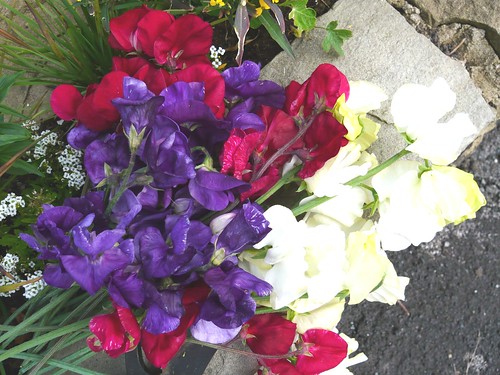
  • For perfect freshness pick flowers when halfway between bud and opening. Gather early in the morning when they have had a chance to drink over night or later in the evening never in the middle of the day. Plunge into water as you pick. Always use tepid water and keep vases and buckets clean.
  • Condition flowers by soaking in deep water. Cut off the bottom of stems under water to prevent and airlock in the stem.
  • Sugar or lemonade can extend the life of cut flowers like Roses. Bleach and salt can also help some flowers.
  • Woody stemmed flowers should have the ends crushed. If they show signs of wilting try standing them in hot water for a short time.
  • Strip off leaves that would be below the water line and change the water frequently.
  • Spring bulb flowers do not need water changes but a pinch of salt should revive them.
  • Higher the temperature the faster cut flowers will deteriorate so place arrangements where they won’t be exposed to direct sun, heat from appliances, electric lights, or hot or cold draft.

Flowers needing Special Treatment

  • Hydrangeas will last longer if water is taken in through the absorbent head so sink the whole flower into water first then spray the flower heads daily.
  • Forsythia should be picked when in tight bud and it will open of its own accord.
  • Poppies need to have the end sealed by singeing the cut.
  • Daffodils should not be mixed with other flowers as they poison the water.
  • Carnations need cutting between nodes as they can’t take up water if cut on a node.
  • Remember foliage needs to drink as well so condition foliage too.