Browsed by
Category: Gardening

General gardening tips and hints

Getting More Plants By Layering

Getting More Plants By Layering

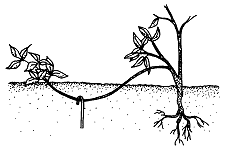
I have layered some of my Dianthus to get more ‘Pinks’, the plants not the colour. A long stem is pinned to the ground with a bent wire like a hairpin and new roots are formed in late summer.

Layering Figure

Layering a wide range of shrubs trees and climbers can get you lots more plants cheaply. This method encourages new root growth whilst a stem is still attached to the parent plant.

Some plants send runners that can be rooted.
Other plants send out suckers that can be used for new plants

How to Layer to get new plants

  • Find a supple stem of the chosen plant in spring for evergreens
    • Bend the stem down to soil level creating a U shape or 45 degrees to the parent and vertical for the stem.
    • Remove leaves and side shoots except the top 12 inches or so.
    • Cut the stem about half way through or take out a sliver at the point where it meets the soil
    • Form a shallow hole 5 inch deep and peg the stem down with a wire hoop to the soil and mound over with soil and compost.
    • When there is evidence of strong new growth sever from the parent plant and grow on. Probably 12 months to be on the safe side
    • Try Acers, Roses, Rhododendron, Forsythia, Lilac and Azaleas by this methods

    Read More Read More

Herbs in the Border and Kitchen

Herbs in the Border and Kitchen

long tom herbs

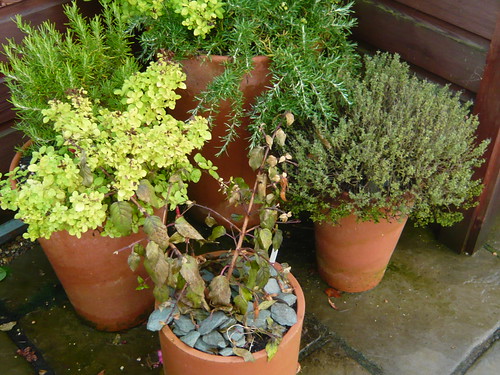
Traditionally herbs are grouped together in a special area of the garden or in special pots like these ‘long toms’. You can try mixing ornamental herbs amongst perennials or with Bay, Lavender and Rosemary amongst shrubs.

Focal Points with Herbs

Angelica is happy in semi-shade and reaches over six feet tall. The green candied stems of Angelica archangelica, with huge fine cut leaves are used to decorate cakes. Alternatively try bronze coloured Angelica silvestris Vicar’s Mead.

Fennel is another tall focal point plant with green or bronze foliage. This perennial likes sun and flowers yellow with edible seeds.

Read More Read More

Growing Variegated Leaves

Growing Variegated Leaves

gera

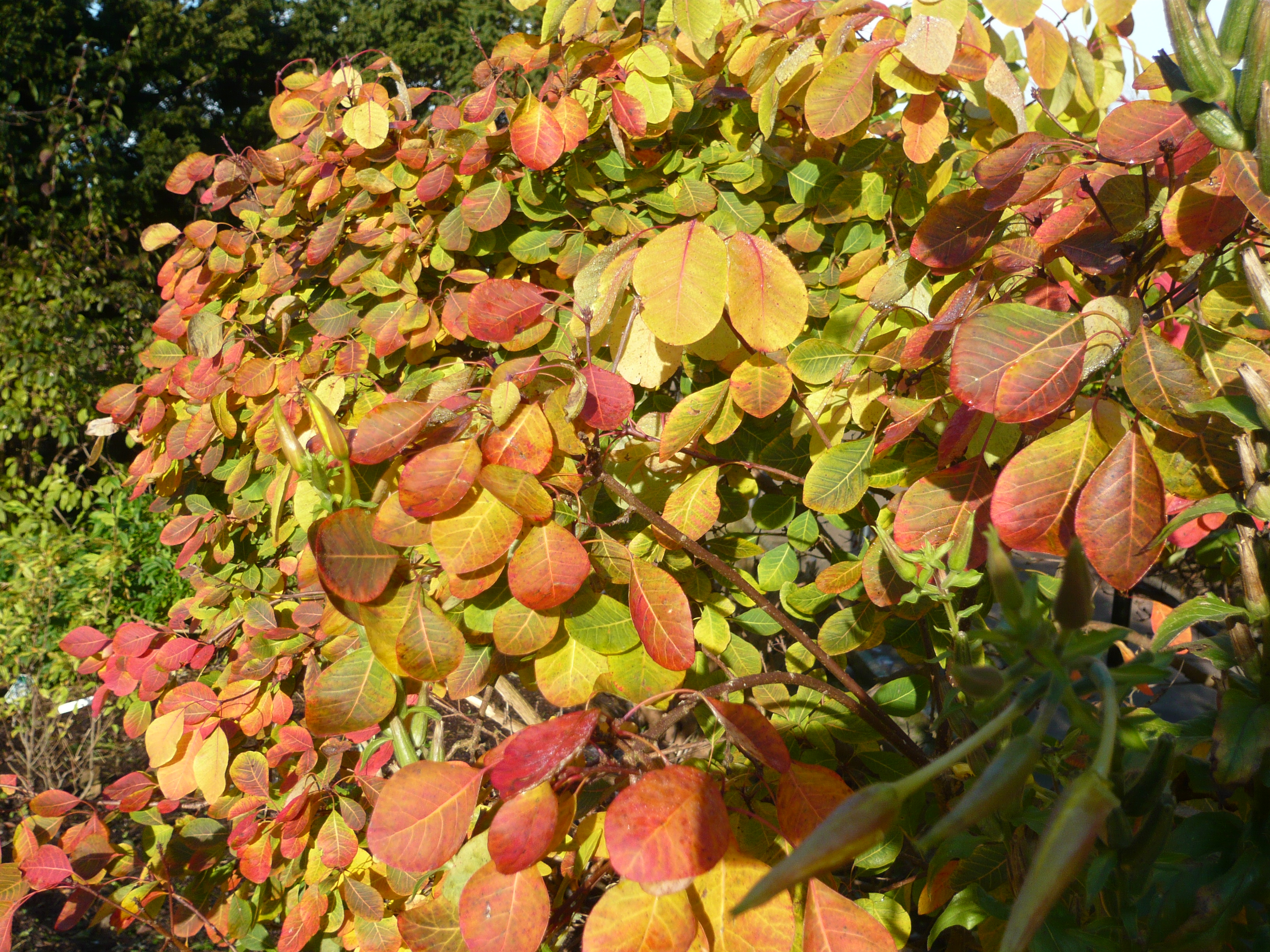
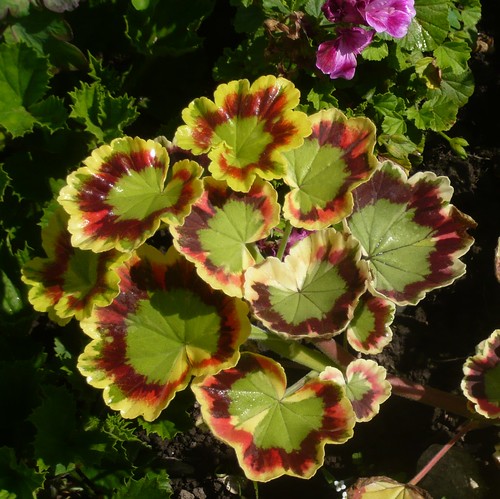
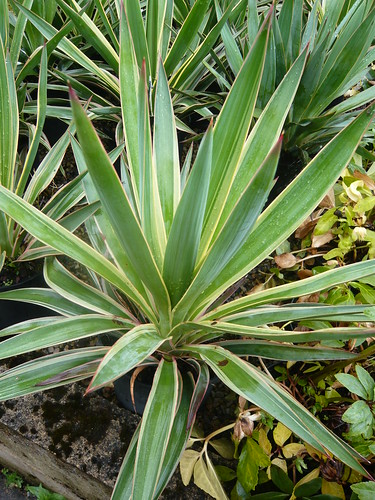
Variegated Leaves can be the most attractive feature of a garden or houseplant.
Colour schemes vary and there is likely to be a colour combination that pleases most gardeners.

020

Gardeners Tips for Growing Variegated Leaved Plants

  • Consider the light when planting. Many colours can get ‘burned out’ by strong sunshine.
  • If you are growing for leaf colour rather than flower you need good roots and then a nitrogen based fertilizer.
  • I have a semi-shaded area just for variegated plants.
  • Often the flowers suffer on these plants as they compete for attention and scarce resources. The bi-coloured phlox or Hydrangeas are an example.

Book Cover
Extraordinary Leaves from amazon.

Read More Read More

Economic Christmas – Garden Stuff For Free

Economic Christmas – Garden Stuff For Free

When times are hard you need to use your imagination to enjoy a cheaper Christmas. Whilst these ideas are focused on the gardeners amongst us it is possible to invent garden themed ideas for children. Try word games with a floral theme or a winter wild flower walk (what can be found in the Christmas hedgerows?)

Low Cost Christmas for Gardeners

No one wants to be reminded of current economic woes and gardens are a great place to put such troubles behind us. Here are ideas for cheap presents and cost saving activities centred around gardening.

Free Stuff.

  1. Many local horse riding schools and stables have more manure than they can cope with. Many stables give it away free if you are willing to bag it up yourself. Look for the well rotted section often at the bottom and back of the pile. My family always thought it strange that Dad asked for ‘muck’ for birthdays and Christmas but it saved on presents and fertiliser cost.
  2. Seed catalogues make interesting reading in the cold, dark evenings and they will be sent out free by many companies.
  3. Take a trip to see public gardens or winter displays like these London Christmas Lights
  4. Gardeners are usually happy to give cuttings, seeds or plant offsets to friends and neighbours. As herbaceous plants are divided at this time of year look out for plants to scrounge. Public beds are often cleared of viable plants to make room for the next season and I have scrounged bulbs and plants that were destined for the council compost heap.
  5. A home made present can be treasured beyond price. Richard made me a pair of compost heaps on an E shape with moveable slats in the front from old fencing and some bought posts. Rustic tepees can be made from Hazel twigs and a willow screen could be fashioned depending on available material.
  6. Many wild life habitats can be made for free. Build something that will attract useful creatures. I buried an old dustbin as a pond which is now full of frogs. Tie hollow tubes together to make a bees nest or just pile up leaves and twigs for hibernating hedgehogs.
  7. Read internet blog sites like gardenerstips and think of them as free gardening magazines. You could set up RSS feeds and add them to favourites for a relative who was less confident about using the internet.

poinsettia

Good Value Presents

Membership of gardening related clubs can be very economic. See the list of great offers Garden society memberships or check with your local society.

  1. National garden centre gift vouchers and commercial garden centres like Wyvale vouchers allow gardeners to choose what they want, when they want it.
  2. Gardening books are available in great variety & quantity with most Charity shops also have cheap selection. There are only so many general gardening books that anyone needs. Monographs about a plant species or a good reference like Hilliers manual of Trees & Shrubs, the RHS plant or gardenfinder are a fair choice. Libraries are free and you can usually get them to order specific books on  youe behalf.
  3. As garden centres fill up their shelves with Christmas baubles they often put gardening dry goods on sale at a discount. Buy now for next season and wrap it as a present.
  4. Fruit trees and bushes are long term good presents as they will produce a valuable crop for many years. I name my fruit trees after relative as a memorial or to remember the gift.
  5. Split your perennial plants to make gifts and pot up strawberry runners for the same reason.
  6. Use conifer and holly branches for trimmings and a wreath.

Merry Christmas

What will you be buying for the gardeners in your family this Christmas apart from National Garden tokens? On the basis that it is the thought that counts, here are a few ideas to help with the thinking process.

Organic Matter
This covers seeds, plants, tubers and bulbs but also a prized gift like manure and compost.
Seed catalogues and web sites have a vast array of new and trusty old favourites but gardeners who specialise may want a say in the variety, size or appropriateness of a particular plant. Since most gardens can only cope with a limited number of varieties it is best to ask for a wish list or select something else.
Despite the comment above most gardeners would be happy to receive some summer flowering Lilies or other bulbs that can always be planted in a pot.

Equipment
Good quality tools make the jobs in the garden far more pleasurable. Better a good trowel than a cheap spade although a stainless steel spade would suit me down to the ground (literally).
Watering in the summer garden can be an issue and there are many watering devices for collecting and distributing the water to where needed. Strangely I don’t think you can have too many bits of kit to help you do this job so a gift from this range may be useful.
Just because a tool in the garden shed looks old, worn or damaged it doesn’t follow that a new one is wanted as it may be fun making do and mending.
Artistic gifts are a matter of taste and sculptures, garden features and ornaments need to chime with the recipient, the garden and the other stakeholders, so choose with care.

Media
Below are some gardening books to consider. All are available from Amazon by clickingh on the image.
membership of a society like the RHS, Alpine Gardens Socy, or Royal National Rose Society for example may be appropriate. Most offer year round benefits and even free seeds from some clubs.
Gardeners World subscriptions to the monthly magazine or Gardens Illustrated are other potential ideas click on the right.

Book Cover

Book Cover

Read More Read More
Growing Red Hot Pokers (Kniphofia)

Growing Red Hot Pokers (Kniphofia)

over-red-hot-poker

Gardens look better for some variety in the height in the planting. I try to grow a variety of perennials including Red Hot Pokers to give some tall plants chance to shine. As part of the lily family these Kniphofia are sometimes called Torch Lily.

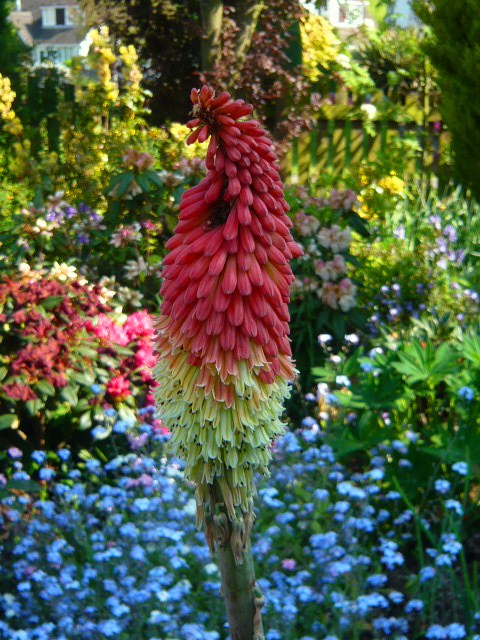
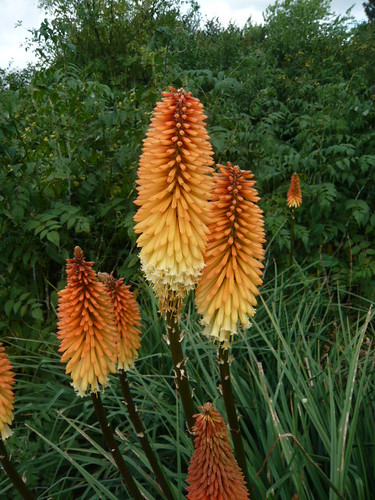
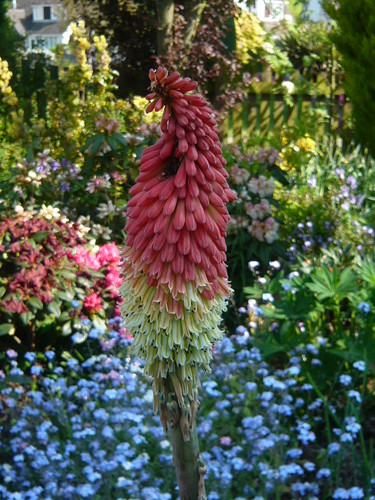
Red Hot Poker (Kniphofia) have flowered well this year and they throw up their well known spire of blossom in shades from deep red, orange, yellow and white even to a new greenish form (Kniphofia Green Jade).

Red Hot Poker

Growing Red Hot Pokers

  • Red Hot Pokers have long sword like narrow leaves and the flowers can last in a vase for up to two weeks.
  • The Kniphofia (Red Hot Poker or Torch Lily) needs abundant moisture during its growing period so good draining  soil rich in organic matter, is ideal.
  • Red Hot Pokers need full sun to flower upto 4 feet tall in mid summer. Prune the spikes  after blooming.
  • To propagate remove young plants from the edge of a clump  in spring or they can be grown from mixed seeds from Thompson & Morgan.
  • Provide adequate spacing to encourage clumping up as they may spread up to three feet.
  • Although Red Hot Pokers are drought tolerant they will do better if they are given plenty of water during hot weather.

Growing White Hot Pokers

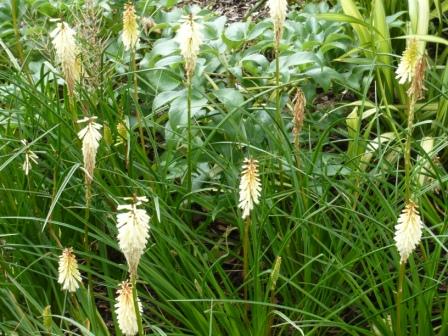
  • Kniphofia known as Red Hot Pokers come in a range of colours and I like the cream or white.
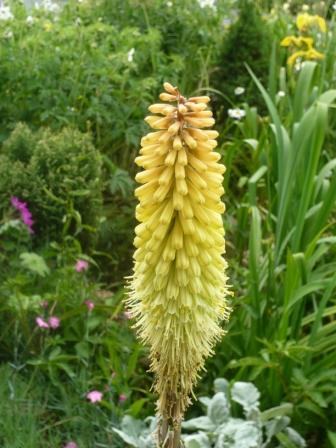
  • This variety K. citrina is a stately lemon coloured spire of flower about 3 foot tall. They are good clump forming perennials with narrow strappy evergreen leaves.
  •  For other yellow flowers try Candelight, Little Maid (AGM) or Atlanta.
  • The sword like, strappy leaves, clump together well.
  • The plants look good when massed together in clumps.
  • Pokers are generally hardy herbaceous perennials -try Kniphofia Citrina a 3 foot lemon colour or giant 6 foot Royal Castle.
  • If space is limited Kniphofia hirsuta is 18 inches high and forms dense, tidy clumps. The flowers are good for cutting.
  • If the leaves are untidy in Autumn cut them down to half their height.
  • Kniphofia combine well with many shrubs, grasses and Yuccas. They like well drained soil in a sunny position.
  • White Hot Pokers can also look good in a Mediterranean gravel or paved area.

AGM varieties to grow

  • Kniphofia ‘Brimstone’ Slender spikes of golden-yellow from green buds.
  • Kniphofia caulescens Coral-red, fading pale-yellow.
  • Kniphofia galpinii Dainty spikes of very intense, rich orange
  • Kniphofia ‘Royal Standard’ Deciduous. Bright yellow, scarlet in bud
  • Kniphofia ‘Toffee Nosed’ Creamy-white tipped toffee-brown.
  • Kniphofia ‘Bee’s Sunset’ Deciduous. Soft yellowish-orange
  • Kniphofia triangularis Free flowering. Reddish-orange

Other Resources

Royal Horticultural Society RHS ‘Gardening for All’
National Council for Conservation of Plants and Gardens ‘Conservation through Cultivation.’
Garden Organic National Charity for Organic Gardening.
BBC Gardening

Red hot poker

Storing Garden Tools

Storing Garden Tools

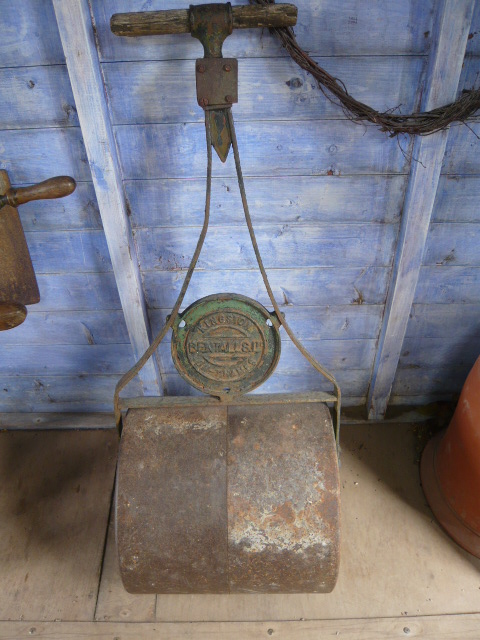
Old tools need venerating and some have become real collectors pieces. Some of these older spades have had new shafts fitted and I know of some really old tools that have had several new handles and 3 new blades!

It is  a sharp idea to look after good quality tools.

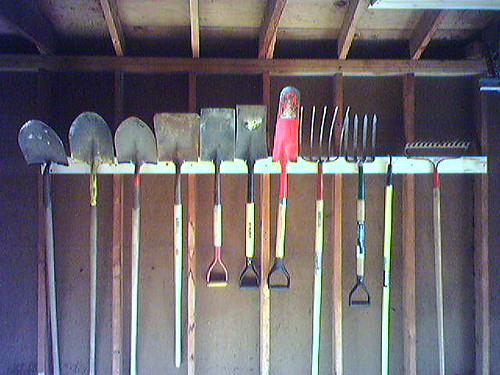
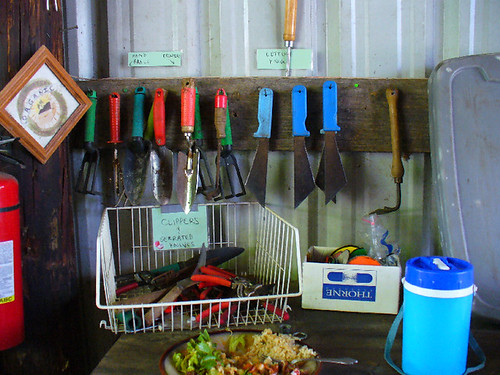
tool rack

When I say hang up your garden tools I do not mean you should stop gardening, quite the opposite. You will get more gardening completed if you can find the right tool, in the right place, at the right time. Hence my quick selection of ways to hang up your garden tools from a range of photographer-gardeners.

Tools Of The Trade

When I say hang up your garden tools I do not mean you should stop gardening, quite the opposite.
You will get more gardening jobs done if you can find the right tool, in the right place, at the right time. Hence my quick selection of ways to hang up your garden tools from a range of photographer-gardeners.

The DIY model has much to commend it. You can tailor to fit your shed, garage or work space. You can vary height and inter tool spacing and use your own design flair.
I like the string through the handle method rather than the nail in the wall style.

Gardening Tools, Chandos Lake, 2009-07-19

Well stored tools should not be damaged as easily as those thrown into a box or drawer at random.
It is easier to see which tools need oiling, cleaning, sharpening or repairing.
Unfortunately it looks like someone has hung up their garden tools and left them to the spiders and their webs.


Credits
Tools Of The Trade by Barefoot In Florida CC BY 2.0
Gardening Tools, Chandos Lake, 2009-07-19 by Open Texture CC BY-NC-SA 2.0
tool rack by robotson CC BY-NC 2.0

What’s What With Our Weather

What’s What With Our Weather

We have got some ‘right weather’ again so the garden is on the windy & muddy side. Therefore I have taken time out for a quick drink and think about climate.
Last year we were being told that the plight of the bumble bee was in our hands and that they were an endangered species. Blame global warming and loss of habitat we were told.
Gardeners were planning for another dry summer in the UK and we even started the year with drought restrictions.

All ‘ain’t what it is cracked up to be’ and our clay soil was never cracked up to be much especially this year.
As a ‘global warming denier’ I was more than content to whinge on about a poor summer for a change and only regret the low yield on fruit crops.
We have had floods, freeze ups and climate change before and doubtless we will experience more change in the future.

UK Gardeners Tips Views
Bees have had a better year and I will continue to support them in my garden and whenever I get an opportunity.
Mediterranean gardens are for the Mediterranean area and unless I want to fight the natural order of things I will be very careful with any plants from hot dry climes.
Rain, wind, sun or shine the weather is great – enjoy it when you garden.

Madiera insect

Grubby Grass Problems

Grubby Grass Problems

Chafer Grubs, Crane Fly Flatworms & Leatherjackets

Have I been lucky?

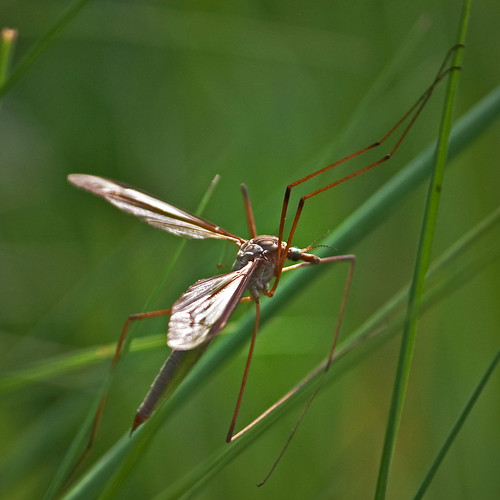
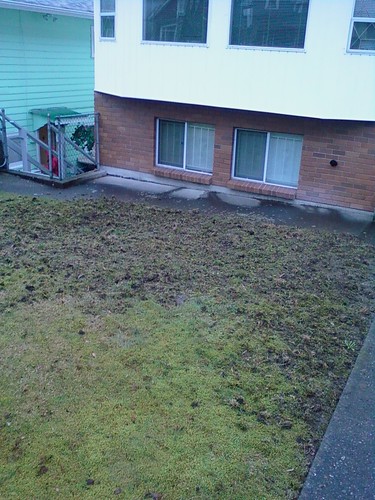
I have never had a lawn that has been infested with these insects. Leatherjackets are the grub of Crane Fly and they and Chafer grubs feast on the roots of grass. This creates brown patches and makes lawns and sports turf the target of birds looking for tasty grubs that are fat on your roots.

Crane Fly

Chafer Grub eggs hatch and the grubs feed on grass roots from July until late Autumn before burrowing deep into the ground to pupate. These grubs then lay dormant deep in the ground under the soil before moving to the surface the following Spring emerging as beetles in May / June and starting the process again.

  • Nematode control work best when the soil is warm on August. Grub killer from amazon
  • The organic alternative may be ‘Strikeback Natural Insect Killing Spray’ which is a solvent free, water based insecticidal space and surface aerosol spray that contains only natural organic ingredients
  • http://www.chafersurvey.co.uk/Is a site for more information and to record the location of infestations. It is provided by one of the purveyors of biological controls

Chafer beetle damaged lawn
New Zealand flatworms are an invasive species that are purple-brown on top and flat and pointed at both ends. They live on earthworms, covering them in digestive juices to dissolve them before sucking them up. Squash them if you find them on your lawn or under stones.

flatworm

Photo credits
Crane Fly by me’nthedogs CC BY-NC 2.0
Chafer beetle damaged lawn by urbanwild CC BY-NC-ND 2.0
Flatworm by Mollivan JonCC BY-NC 2.0

Tweets to Keep Garden Birds Happy

Tweets to Keep Garden Birds Happy

Treat your garden birds to get more tweets (I mean treats).
‘No mess’ bird feeding helps keep your garden relatively clean and provides high energy nutrition to your favourite birds.

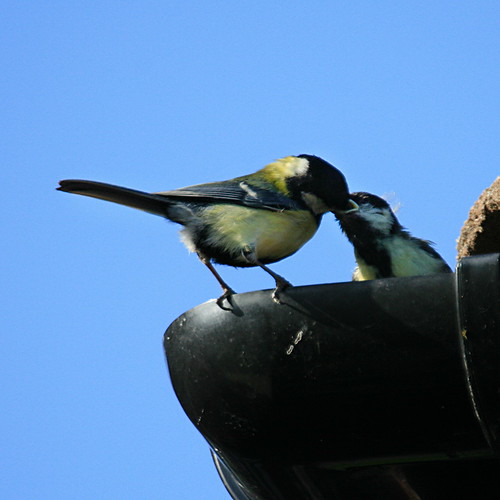
Bird feeding fledgling

No Mess Mixes

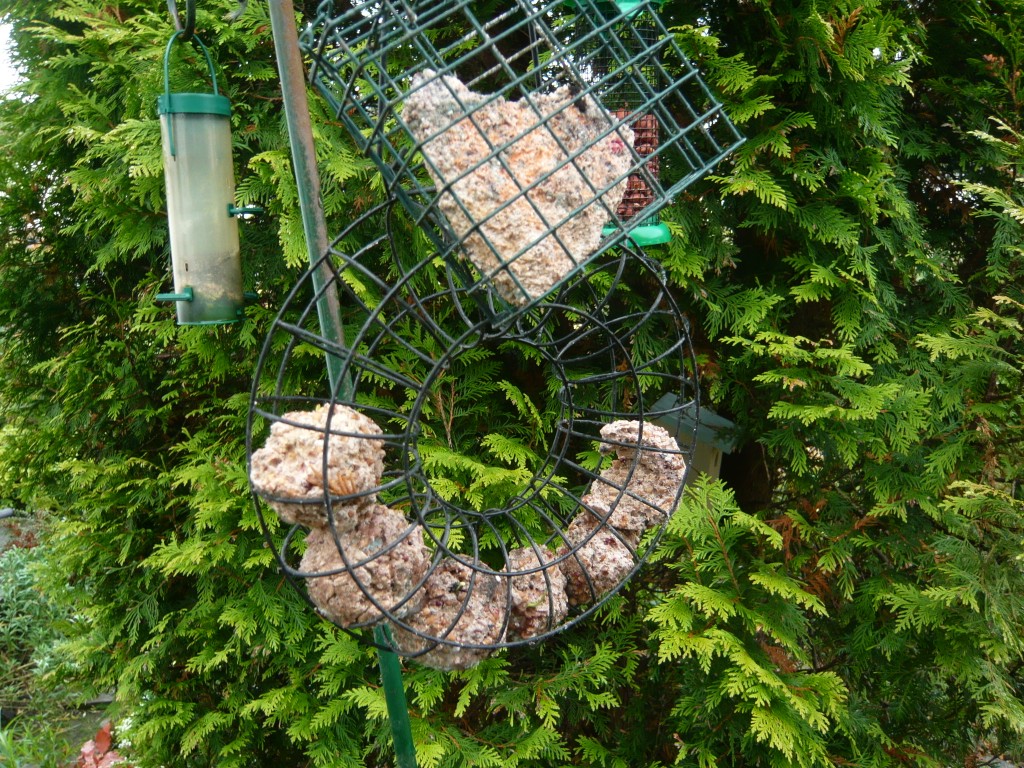
  • Pre-mixed selections are now available from most suppliers. They are formulated for dispensation through a hanging feeder and attract a range of birds. Kibbled (ground into small pieces) maize, hemp, millet and sunflower hearts are amongst the usual ingredients.
  • Mealworms are the favourite of starlings and robins and not a crumb will be left. Put in a small dish.
  • High energy mixes are best reserved for cold winters. They include peanut granules, pinhead oats and sometimes mealworms. Use on table feeders and in hanging baskets.
  • Kibbled (ground into small pieces) maize is a cheap feed for sparrows, pigeons and doves. Usually taken from the ground.
  • Niger seed is very fine, small thistle seeds from a special dispenser. It is especially loved by siskins and goldfinches. Dunocks may also like a few sprinkled on the ground
  • Sunflower hearts attract the wides range of birds including tits, finches, and goldcrests. There are no husks to leave behind
  • Fat balls and suet mixed with seed can attract a range of birds including woodpeckers. Good for cold weather.
  • For fruit loving birds like thrushes and blackbirds you could try a few soaked raisins. Try out in cold weather when there is little alternative food available.

Book Cover
Traditional Feeds

Black sunflower seeds are so popular with tits and finches so it was worth giving them a mention despite the mess the husks can leave.
Peanuts are protein rich but blue tits may leave a little debris on the area below a feeder.

Bird food from amazon

Happy Bird Tips

  • Platforms and ground feed stations attract more species of birds than hangers.
  • Little and often is better than one over stocked feeder.
  • Avoid cheaper mixes that contain a lot of filler (it wont fill the birds so it is just left or discarded
  • Clean your feeders regularly and resite occasionally to avoid problems.
  • No mess seeds are less likely to germinate if they fall in your garden

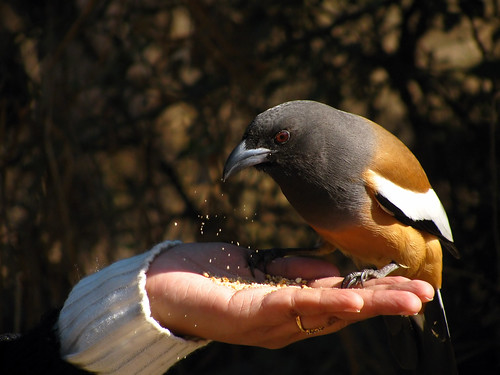
Bird Feeding at Sariska Tiger Reserve

photo credits
Bird feeding fledgling by Adrian Midgley CC BY-NC-ND 2.0
Bird Feeding at Sariska Tiger Reserve by Mirza Asad Baig CC BY-NC-ND 2.0

Black Grass Ophiopogon planiscapus Nigresens

Black Grass Ophiopogon planiscapus Nigresens

Grass is designed to be green but gardeners being what they are they often want to get Black Grass.

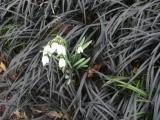
Ophiopogon planiscapus Nigresens is often called Black Mondo. It is a rhizomus grass with delicate flowers.

The snowdrop sets off the grass which is easy to grow but occasionally slow to spread.
It makes a gothic garden feature or fits in well with a ‘black foliage and flower garden’.
The straplike, shiny black foliage grows in little tufts and combines well with many other plants.
Ophiopogon planiscapus Nigresens is not to be confused with Black-grass Alopecurus myosuroides or Black twitch. This is an annual weed native throughout the UK.

Plants and framed photographs are available from Amazon.