Browsed by
Category: Gardening

General gardening tips and hints

Edible Flowers Top Ten for Chelsea

Edible Flowers Top Ten for Chelsea

Eat up the fruit and veg in your Chelsea Pimms and look for flowers in your salad.

Book Cover
Food for Free (Collins Natural History Paperback)

There are many plants whose flowers can add spice and variety to our food. Use the petals after removing the stamen and pistils. This list of tips and a top ten is based on colour and taste.

  1. Wild Garlic flowers can be picked in hedge rows and add a soft garlic taste to salads.
  2. Lavender can be used to flavour sugar or dried and used in cakes.
  3. Courgette flowers are often stuffed or battered in posh restaurants and make a delicate starter.
  4. Nasturtium flowers make good salad or sandwich accompaniments
  5. Legume flowers like pea and bean flowers are delicate additions to a salad or soup.
  6. Rosemary flowers go well with fish
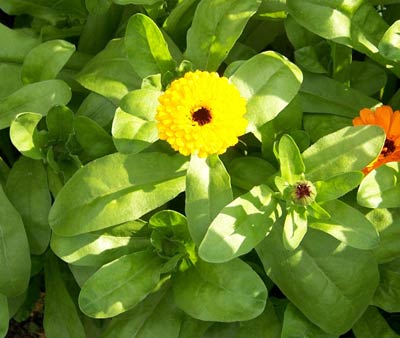
  7. Calendula or Pot Marigold petals have a peppery taste and make good salads.
  8. Violet flowers are also peppery but look good decorating a salad.
  9. Day Lily ‘Hemerocallis’  flowers can be used in stir fries.
  10. Chive flowers taste fine in an omelette aux fine herbs.

Do not eat flowers that have been sprayed with insecticide or fungicide.
Always wash flowers gentley but well.
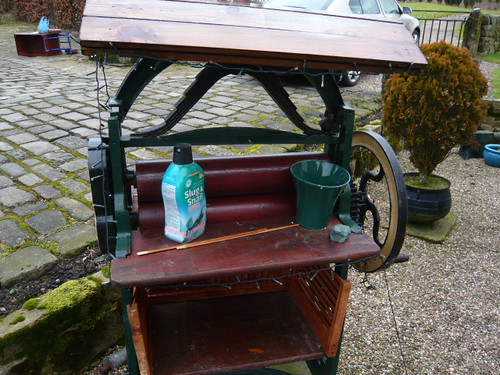

2 Ways to Kill Your Slugs

2 Ways to Kill Your Slugs

2 way slug killer

I have always wanted a new way to kill the slugs in my garden and now I have discovered how. The ‘old mangle trick’ seems to be the one for me, put the slug between the rollers and give the handle a good old turn.
Environmentally friendly (if not in the slugs mind) this mangle uses no chemicals and causes no CO2 emissions. Slug juice can be caught in the green urn and bits removed with a pointy stick provided.

If you are squeamish or squashist then you will have to resort to the blue pill (I mean pellet). Available from slug lovers Amazon

The mangle is not yet tested on the large evil Spanish slugs that are achieving what the armada failed to do

Garden Tools – Maintenance Tips

Garden Tools – Maintenance Tips

When the growing season comes to a close there are garden maintenance jobs that can make next years gardening even more pleasurable. Good maintenance will extend the life of your tools and save you money.
An appropriate and well maintained tool will do a better job than making do and mending. From my experience these are some top tips for maintaining your tools during autumn.

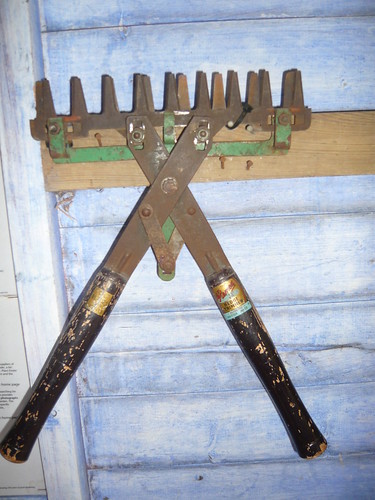
clippers

Tool Maintenance Tips

  1. Start with the best quality tools you can afford and look after them.
  2. Keep your tools clean and do not put them away wet.
  3. Maintain your Secateurs by sharpening and oiling.
  4. Keep a sharp edge on cutting blades including spades. It is worth investing in a sharpening stone (they are quite cheap and easy to use).
  5. Wipe off any sap that gets on the blades or edges of your tools. Sap can be very sticky and build up a thick layer on lawn mowers or secateurs unless you are careful.
  6. I like to oil wooden handles to keep them smooth and discourage cracking. Sand off any rough edges and use a good furniture oil.
  7. Set up a place to store your tools when not in use. Small tools can be strung & hung from a frame in the shed rather than lumped together in a pile where they may get damaged.
  8. Do not leave standing water in metal buckets, watering cans or wheelbarrows to avoid rust or frost damage.
  9. A brightly coloured handle or bright marking will help you find that trowel that you have just lost. A dab of paint may do the job
  10. Where needed I wrap ‘gaffa tape’ around rough handles to improve the hold.
  11. Straighten and bent tools and replace any badly damaged tools.
  12. Learn how to select a special tool for a garden job

Using the right tool for the job makes a gardeners life easier. However many gardeners take delight in making do and mending – on balance I like a mix of both methods.

Help Growing Euonymus

Help Growing Euonymus

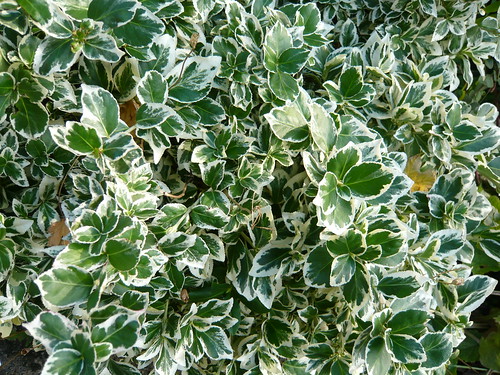
Euonymus need little help from gardeners to produce a fine show of leaves. The green, white and yellow combinations are great but dwarfed by the leaves that turn brilliant red in autumn on some varieties.
There are over a 100 species so there is a Euonymus for your garden.

Leaves

Growing Euonymus in the United Kingdom

  • The RHS have awarded an AGM to Euonymus Fortunei Emerald ‘n’ Gold’, ‘a dwarf evergreen shrub of spreading habit, with broadly yellow-margined leaves, tinged pink in winter; occasionally produces a few small, inconspicuous greenish flowers’. AGM is a recoginition that a plant will grow successfully in the UK.
  • Read More Read More

What Do Plants Need to Grow?

What Do Plants Need to Grow?

sunflowers

Plants grow in an extreme variety of climates from Cacti in the desert to Pines in the Arctic circle. However, whatever kind of plant, they all share the same basic scientific criteria for growing.

The essential things a plants needs in order to grow is:

  • Water
  • Sunlight (energy)
  • Carbon dioxide
  • Food – Nitrogen, Potassium and Phosphorus and Trace Minerals
  • Warmth

1. Water (H2O) Water is indispensable for plants, and is nearly always taken through the roots. Main roots have many much smaller root hairs.

  • The water passes through the epidermis layer on the outside.
  • It then passes through the vascular rays until it reaches the centre of the root, the stele.
  • It is here in the centre of the root, that the veins or (xylem) carry the water up the plant to where it is needed.

Read More Read More

Meaning of Glauca for Gardeners

Meaning of Glauca for Gardeners

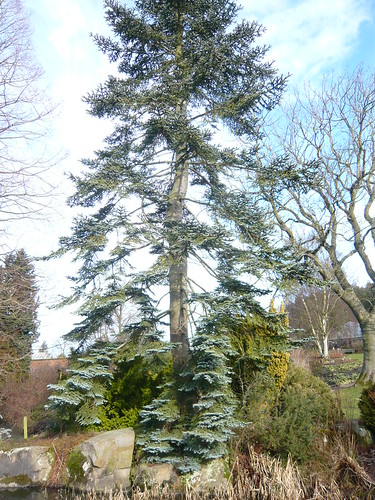
Abies procera glauca

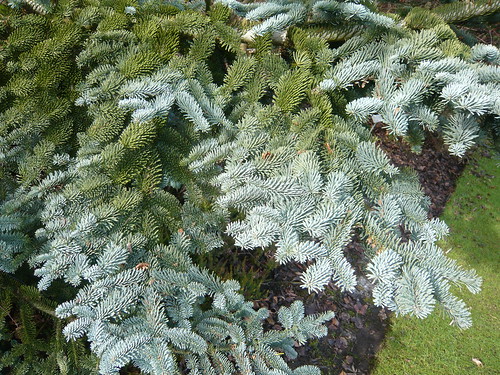
Glauca is a word that crops up in the naming of several plants. Like many Latin derived names it is descriptive as with the Noble Fir Tree  above ‘Abies procera glauca’. The leaves are glaucous, which is from the Latin word glauca, meaning bluish-grey. (Procera mean tall in Latin)

Glauca also refers to the fact that some plants have a powdery white coating on their leaves or stems. This coating, sometimes called a bloom or farina creates the grey colouring that can lead to the Glauca name.
Glaucous-leaved trees and plants contrast gently with the shades of green around them and combine well with almost any other color making them useful in landscaping and garden design.

Pica glauca out

Glaucous Plants

Nicotiana glauca Tree Tobacco is a much branched shrub or small tree often reaching 25 feet
Picea glauca (White Spruce) is a species of spruce native to the north of North America
Festuca glauca Elijah Blue the Blue Hair Grass
Rosa Glauca rubrifolia the flowers are not remarkable, being small, single and pink but the plum-grey foliage is unique.
Yucca and Canna both have a glaucous form
Plums and grapes often have a grey white bloom on the ripe fruit.

Consider using these grey-green combinations in your garden with Rue or Rudbeckia maxima as further examples.

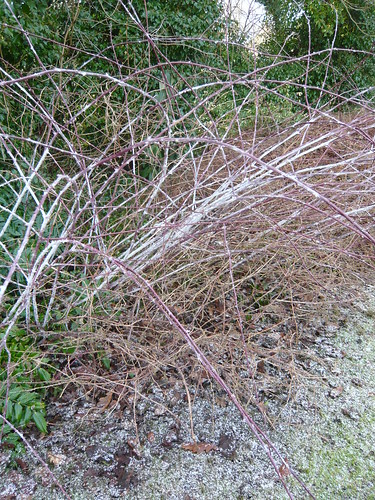
Blackberry

Organic Methods for Dealing with Greenfly

Organic Methods for Dealing with Greenfly

Pot Marigolds may help attract hoverfly

1. Encourage Ladybirds.

You can encourage ladybirds by providing suitable places for them to hibernated. You can buy ladybird boxes from specialist retailers.

2. Encourage Hoverflies.

Hoverflies are voracious eaters of greenflies. You will hopefully attract hoverfly without any effort. But, you can increase the hoverfly population by providing boxes to overwinter them. Geoff Hamilton used to encourage hoverfly and used to even harden off the hoverfly boxes like you would young saplings. It is also said that having a bunch of nettles encourages hoverfly because nettles provide an early season supply of aphids which encourage hoverfly populations for later greenfly infestations.
You can also encourage hoverfly through companion planting. E.g. Marigolds are said to attract hoverfly.

3. Hose off Aphids

Read More Read More

Top Rockery Plants for Growin In UK

Top Rockery Plants for Growin In UK

alpine21

Rockery plants look very good in spring as they trail over rocks and edges in the garden. The rockery mimics natural conditions for these alpine dwellers often with limestone rocks or fast draining poor soil.

Top Rockery Plants for Beginners

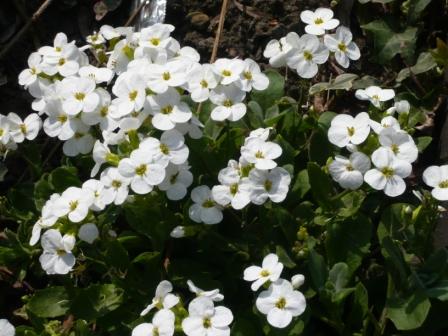
  • Arabis shown above is also known as snow-in-summer and has showers of white flowers. The plant is robust and useful for covering rough stoney ground. Some species need a bit more care but are useful in the rockery including Arabis rosa a pink form and arabis bryoides that forms a small mat of hairl leaved rosetts.

Read More Read More

Ornamental Grass Growing Tips

Ornamental Grass Growing Tips

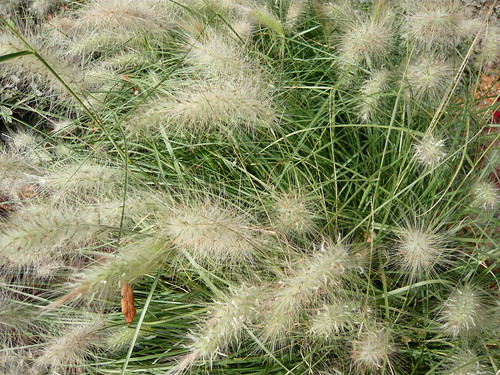
Growing Ornamental Grass can be easy and it will create a natural effect in your own garden. Aim for a mixture of textures, shapes and colours using leaves, flowers and seed heads.
In an open setting, with a low sun shining through, many grass plants can produce stunning effects.

Growing Tips

  • Remove dry seed heads to prevent self seeding
  • Tie tops together to aid cutting back in late winter with shears or a strimmer.
  • Select perennial, clump forming varieties rather than annuals or spreading grasses that can take over a small bed. (I avoid Phalaris for that reason).
  • Read More Read More