Browsed by
Category: Fruit, Vegetables & Herbs

Tips on growing good Fruit, Vegetables and Herbs

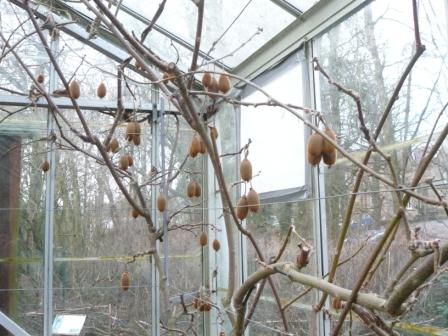
Kiwi Fruit the Chinese Gooseberry
Kiwi Fruit the Chinese Gooseberry

kiwi-fruit

Kiwi fruit known as the Chinese goodeberry grow on the woody vine Actinidia deliciosa and its hybrids. The vines should be grown on sturdy support structures as it crops more than the rather weak vines can support.This plant has a cold greenhouse for protection but they can be grown outdoors in a sheltered spot.

Growing Tips

  • Plants are prone to frost damage.
  • Fruit is borne on one-year-old and older canes, but production declines as each cane ages. Canes should be pruned off and replaced after their third year.
  • Kiwifruit vines require vigorous pruning similar to that of grapevines.
  • Only female plants bear fruit, and then only when pollinated by a male plant.
  • The cultivar ‘Issai’, a hybrid  Actinidia arguta x polygama from Japan can self-pollinate; unfortunately it lacks vigour, is less hardy than most Kiwi fruit and is not a large producer. ‘Jenny’ is partly self-fertile and so is worth trying where space is limited.
  • ‘Hayward’ is the most widely grown, least vigorous and latest-flowering female cultivar with oval fruits of a good flavour.
  • Of the male varieties ‘Tomuri’ is the latest to flower so is the best to partner ‘Hayward’.
Read More Read More

Comic Potatoes

Comic Potatoes

Grow comical potatoes

I want to be amongst the First Earlies with one or two comments about spuds you like. When I talk about comical potatoes I am not thinking of those funny shapes you can grow in a stony garden. Nor am I thinking about the ones that look like someone’s anatomy and cause amusement at the village garden show to those who have aged but not matured.

I am thinking about the eyes in the potatoes that you want to sprout for half an inch before you plant them – if you look closely you will realise they are called Speck Tators for a good reason.

Some are always looking to cause problems with scab or burrowing keeled slugs and really get under your skin or their own skin They are called Aggie Tators. Varieties like Wilja and Pentland Dell Charlotte and Golden Wonder are a bit more resilient to slug damage.

If it takes you a long time to get around to planting your Earlies and are even late for main crop planting leaving it well after March We call them Hezzie Tators. Late main crop varieties include Golden Wonder, Valor, Sarpo Mira and Pink Fir Apple.

Some folks spent a lot of time sitting and peering into their garden, no double digging or earthing up for them. These gardeners are your Medi Tators.

There are the new varieties like Gary Lineker and Sue Barker but they are only Common Taters.

On a more serious note potatoes contain a lot of nutrition in the form of Vitimins C, B1, B6  and Potassium, Iron, Magnesium plus fibre and other healthy traces so it pays to grow a selection of spuds.

Using A Potato Clamp for Storage

Using A Potato Clamp for Storage

Potato Store

Storing through winter

When storing potatoes you need to exclude light and moisture but retaining an even temperature. Do not wash spuds before storing. Do not allow them to be stored too cold or the starch will turn to sugar and start to go black. A fridge is too cold.

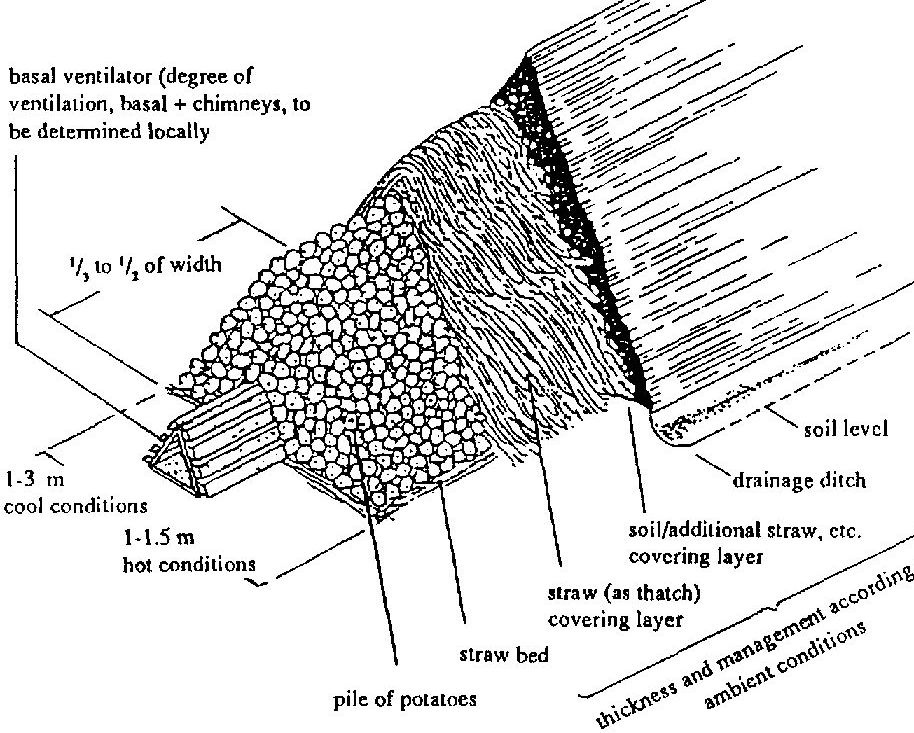
A clamp is a simple pile to store Potatoes or Turnips outdoors. Lay a 6 inch bed of straw on the ground and place potatoes in a pile after removing any loose soil. Then place straw on top and around the root crop. On top of the straw pile 6 inches of soil to keep it in place and pat it smooth so it can shed rain. Dig a drainage trench around the pile. Leave ventilation holes in the top by pulling some straw through.

If rodents are a problem place chicken wire over the straw and bend at the base to form a barrier against burrowing. When opening the clamp to get some potatoes out check for rotting, if it is bad remake the clamp with more straw in a drier area. The graphic is more complex than needed at home or in the allottment a round pile will do.

Growing Carrots Not Carrot Flies

Growing Carrots Not Carrot Flies

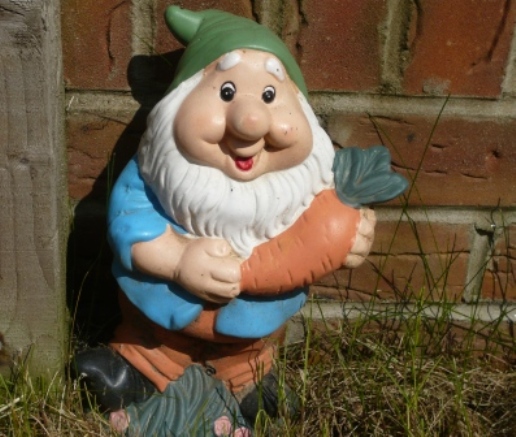
gnome

I hope my carrots will taste better than the pottery gnome variety. Gonsenheimer have not been grown in my garden before but as they are promoted as crack resistant I thought I would give them a go. The blurb says ‘a bunching variety producing heavy crops of smooth skinned, good flavoures bright orange roots.’  Just about what you need from a packet of Carrot seed. Sown now they can be harvested from end July until December.

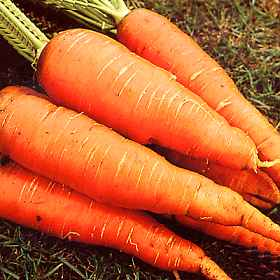
Autumn King Improved Carrots are my maincrop (and main picture) variety ready in August- October from May sowing. I will sow the seed thinly half inch deep and only thin if they are really close together. The other varieties picture are Amsterdam Forcing and Nantes but what ever you grow i hope you have juicy tender Carrots to show for your efforts.

Amsterdam ForcingAutumn KingNantes

Tips to Avoid Carrot Fly

  • Sow in February or early March or waiting until Mid June will help as the Carrot fly is not laying its eggs at that time and it is the egg larvae that do the damage.
  • Covering new sowings with horticultural fleece is the best prevention.
  • Mulching with grass clippings can create a barrier for flies and also reduces green tops on the carrots but beware of slugs and snails under the mulch.
  • Carrot fly are attracted by the smell of carrots which is strongest when leaves are bruised or damaged. Thin out and pick carrots late in the day when there is little wind
  • Grow Carrots in 2 foot high raised beds as most Flies are ground hugging.

Odd Carrot Facts

  • The World Carrot Museum has a variety of Carrot name for every letter of the alphabet
  • Most carrots are orange but they can also be white, yellow, red, and purple.
  • One carrot provides enough vitamin A for one day – the deeper the orange the more beta carotene and healthy impact they produce.
  • About half of the worlds carrots are Chinese
Thyme and Time Again

Thyme and Time Again

Thyme has over 350 varieties and can make an interesting collection. Thymus is claimed to have volatile oils that have anti-ageing properties and good anti-oxidants to aid health. It retains its flavour after drying and can be stored successfully.

Time for some Growing Tips on Thyme

  • Place container or grow in a sunny position to get stronger flavoured leaves.
  • Use free draining soil or plant through a good layer of gravel
  • Thyme looks good in a pot but avoid using a rich compost or you will get tasteless leaves and no flowers
  • Trim the plant after Thyme has flowered to stop it becoming woody.
  • Propagate from cuttings before flowering in spring or divide in spring.
  • T. vulgaris, T. frgrantissimus and T. Serpyllium can be grown from fine seed which should be sown with sand on top of soil watered from the bottom.
  • Bees are attracted to the pink flowering Pink Ripple.
  • Cooking with Thyme and home grown Tomatoes is a special joy but add Thyme early so it has chance to release its flavours.

Herb Garden Design Using Thyme

  • Create a carpet on a path on banking to display the herbs.
  • For best ornamental effect mix upright varieties and creeping varieties and vary the leaf colour ‘Archers Gold’, ‘Coccineus major’ and ‘Doone Valley’ have a mix of magenta and purple flowers with varigation on leaf colour.
  • A wheel shape or Octagon effect can be created as a garden feature
  • ‘T. Vulgaris Silver Posie’ is reliable in winter weather

Growing Organic Vegetables Best Tips

Growing Organic Vegetables Best Tips

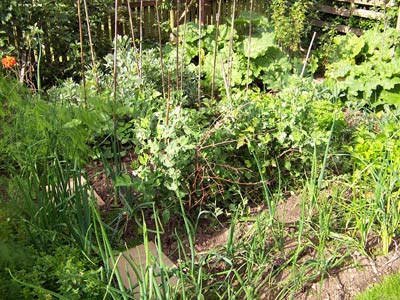
organic veg

Homegrown  vegetables are definitely worth the time and effort and organics are even better. Growing vegetables will reward you with a fresh and tasty supply of your favourite vegetables. You can also have the reassurance of knowing how they were grown without the unnecessary spraying of countless chemicals.

These are some tips to get the best results from growing organic vegetables.


Organic Fertiliser

To get the best vegetables you need to feed the growing plants well. Fortunately, there is a range of suitable organic fertilisers such as pelleted chicken manure, well rotted manure and many others. These organic fertilisers also have the benefit of realising the food over a period of time and helping to improve the soil structure.

  • Remember, although vegetables benefit from good feeding, it is important that you don’t overfeed.
  • The other tip to remember is that to get the best fruits use tomato (potash) rather than nitrogen fertilisers at the appropriate time.

Read More Read More

Veg as Cheap as Chips

Veg as Cheap as Chips

Book Cover

The last of my root vegetables and Leeks are now consumed and a distant gastronomic memory. New baby salad leaves have been available but I do not take enough care to be able to binge on them until later in the season. Rhubarb once again is prolific and abundant so that I and the neighbours are enjoying the fruit of my labours literally.

The early potatoes that I tried in the cold greenhouse are full of growth, above the soil at least, so I look forward to my own new spuds fairly shortly. The majority of the Earlies or Second earlies have been grown in pots or tubs rather than the ground and I am interested to see how they crop. I have heard good reports of growing Carrots in large pots to avoid pests and get long straight roots but I have just put my new seed in a new bed so that idea will have to wait for next year.

My Tomato plants are starting to go out into the greenhouse now they are six inches high but I need to watch for frost with my fleece at the ready. If you want more information on Vegetable Growing month by month the book will cost less than a fiver from Amazon.

Growing Veg in Winter for Spring Crops

Growing Veg in Winter for Spring Crops

Book Cover

Sowing and planting vegetable in Autumn will ensure produce can be harvested from next April in mild districts. Over wintered crops avoid the problems of insect and pest damage suffered by spring sown crops but beware of mice when planting seeds.

Winter Vegetables to Grow

  • Broad Beans can be sown in October or November. Most varieties should be hardy though I would select The Sutton which grows 2′ tall or Aquadulce Claudia.
  • Peas of round seeded varieties such as Felthams First, Pilot or Douce Provence are suitable for autumn sowing.
  • Mange-Tout should overwinter if you grow Oregon Sugar Pod.
  • Garlic and Shallots are best planted in November.
  • Carrots of the Nantes type such as Adelaide or Nantucket will mature in June if overwintered.
  • Winter greens can often be bought as young plants for putting out in your veg plot.

Growing Tips for Winter Vegetables

  • Protection is the name of the game if you want to boost crop yields.
    • In wet regions use cloches to protect seedlings.
    • Sow some seed in modules in a cold greenhouse for planting out in March to get an early crop.
    • Cover with fleece in really cold weather.
    • Shelter for strong winds where practical.
  • Great Preparation will help winter crops
    • Plan to get all your crops started before December by which time the soil will be too cold for sowing or planting out.
    • Good drainage will help so I use  raised beds.
    • Place crops to benefit from winter sunshine.

The Winter Harvest Handbook: Year-round Vegetable Production Using Deep-organic Techniques and Unheated Greenhouses.  Eliot Colman helps the Home Farmer (and the keen gardener) extend their growing season to cover   winter   as his techniques can easily be adapted.

Growing Citrus – Oranges, Lemons, and Others

Growing Citrus – Oranges, Lemons, and Others

Book Cover

Glasshouse gardeners and those with large conservatories may be tempted to grow citrus trees. This book by Martin Page contains well written, instructive comments. Due to an American influence on the varieties chosen it is worth doing more research for UK purchases before plunging.


Don’t expect a crop of sweet juicy fruit in normal UK conditions.

It is noaccident that oranges grapefruit and other citrus come from Florida, North Africa and hot fertile climates

‘Growing Citrus’ is also  available as an ebook.

A more general text may suit casual growers of fruit. The book below contains interesting ideas on 50 different fruit crops.
Book Cover

Berry Fruit Cages

Berry Fruit Cages

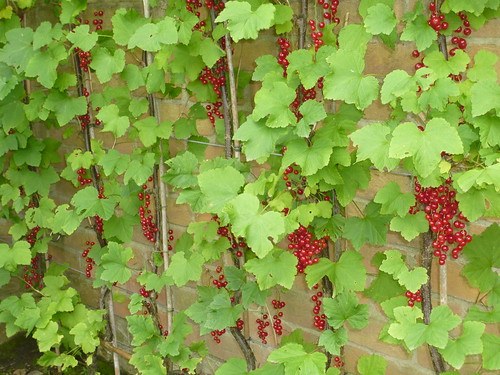
You have grown some bush fruit in an organic garden and as the berries ripen all the birds you have fed through winter decide to feast on your well grown crops. What a good job you protected them in a fruit cage!

red currant

If you do not have a fruit cage yet, you can buy a Two Wests Standard 6′ High Fruit Cage 6′ x 12′ Cage from Amazon.

Blackcurrant and Jostaberry
Blackcurrants prefer a cool, clay-loam soil which is not too acidic pH 6.5.
They are gross feeders and like a rich fertile soil.
Blackcurrants are shallow rooting and require irrigation or good watering when dry.
Protection from frost may be needed for early flowering varieties.

Redcurrant and Whitecurrant

A potash rich, moist, well drained soil with a pH 6.0 is optimum.

Read More Read More