Browsed by
Category: Flowers and Plants

Annual, perennial and interesting flowers with advice on culture, information, tips and recommended varieties

Fine Ferns and Damp Moss

Fine Ferns and Damp Moss

I am not a great fan of ferns as I live too near moorland that shares its bounty with gay abandon and I spend significant time removing uninvited guests. These are usually Bracken (Pteridium aquilinum) or  Buckler-fern (Dryopteris
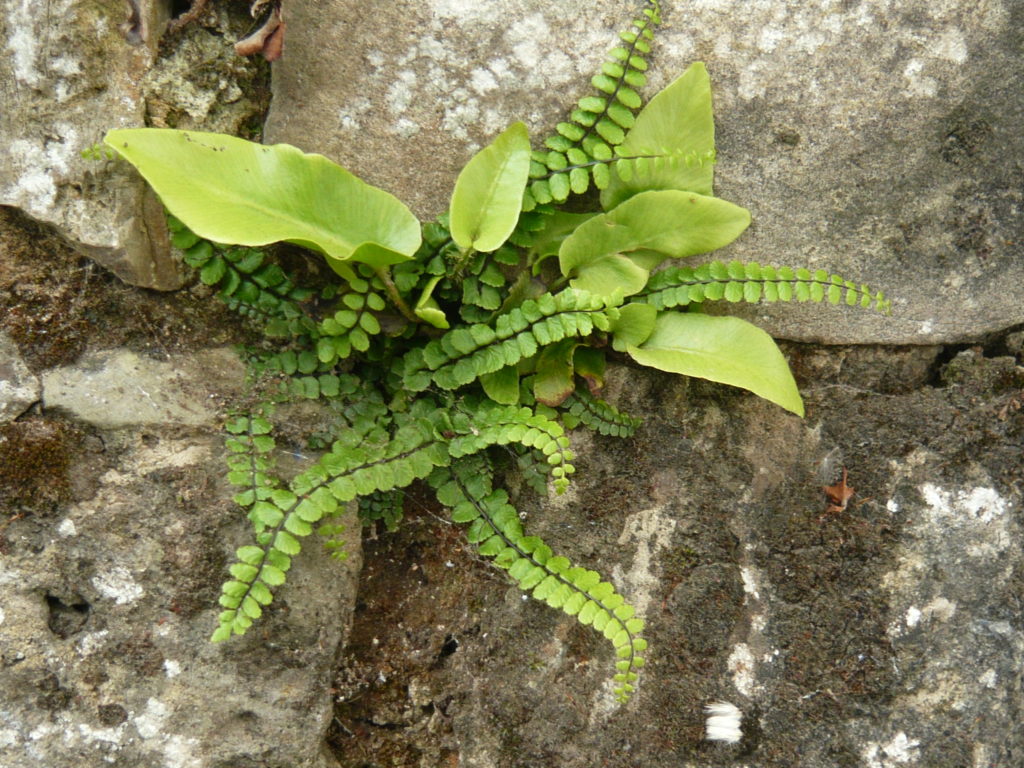
dilatata) with fronds that are arranged like a shuttlecock. There are some exceptions such as the Hart’s tongue (Asplenium scolopendrium) and the  Maidenhair Spleenwort (Asplenium trichomanes) shown in this wall. The strap like fronds  and pinnate rectangular leaflet fronds make a simple  feature on this mossy wall.

Ferns Favourite Locations

  • Due to the microscopic airborne spores British species of ferns can grow in many unusual places such as rocky habitats.
  • Woodland ferns such as Dryopteris species are easy and accommodating in the garden.
  • The striking Osmunda regalis aka The Royal Fern prefers a wetland area.
  • There are several ferns suitable for ground cover and a selection can be found  on the native fern website


Mast Year 2019

Mast Year 2019

As I walked past a line of trees the beech nut husks crunched under foot. The pavement was strewn with copious quantities of this crunchy produce from the venerable trees. I was moved to include a few notes on nature’s masting process.

Mast Production

  • A mast year occurs when a bumper crop is produced. It has the effect of increasing the potential for reproduction but also feeds-up creatures in anticipation of a hard winter.
  • Mast seeding is also called masting and the produce is a mast
  • Mast years are so called due to the  production of many seeds by a plant every two years or so
  • Masts are often produced in in regional synchrony with other plants of the same species.
  • It is thought a mast year may be designed as a defense to assist reproduction of a species because seed predators become satiated before all the seeds have been consumed.
  • Many species ‘mast’ including oak, hickory, and beech with their acorns, hickory nuts, and as with beechnuts they produce a ‘hard mast’.
  • Fruit trees and other species may produce a soft mast but the volume of produce will still be much more fruit than normal


Tips for Growing Clematis all Year Around

Tips for Growing Clematis all Year Around

067

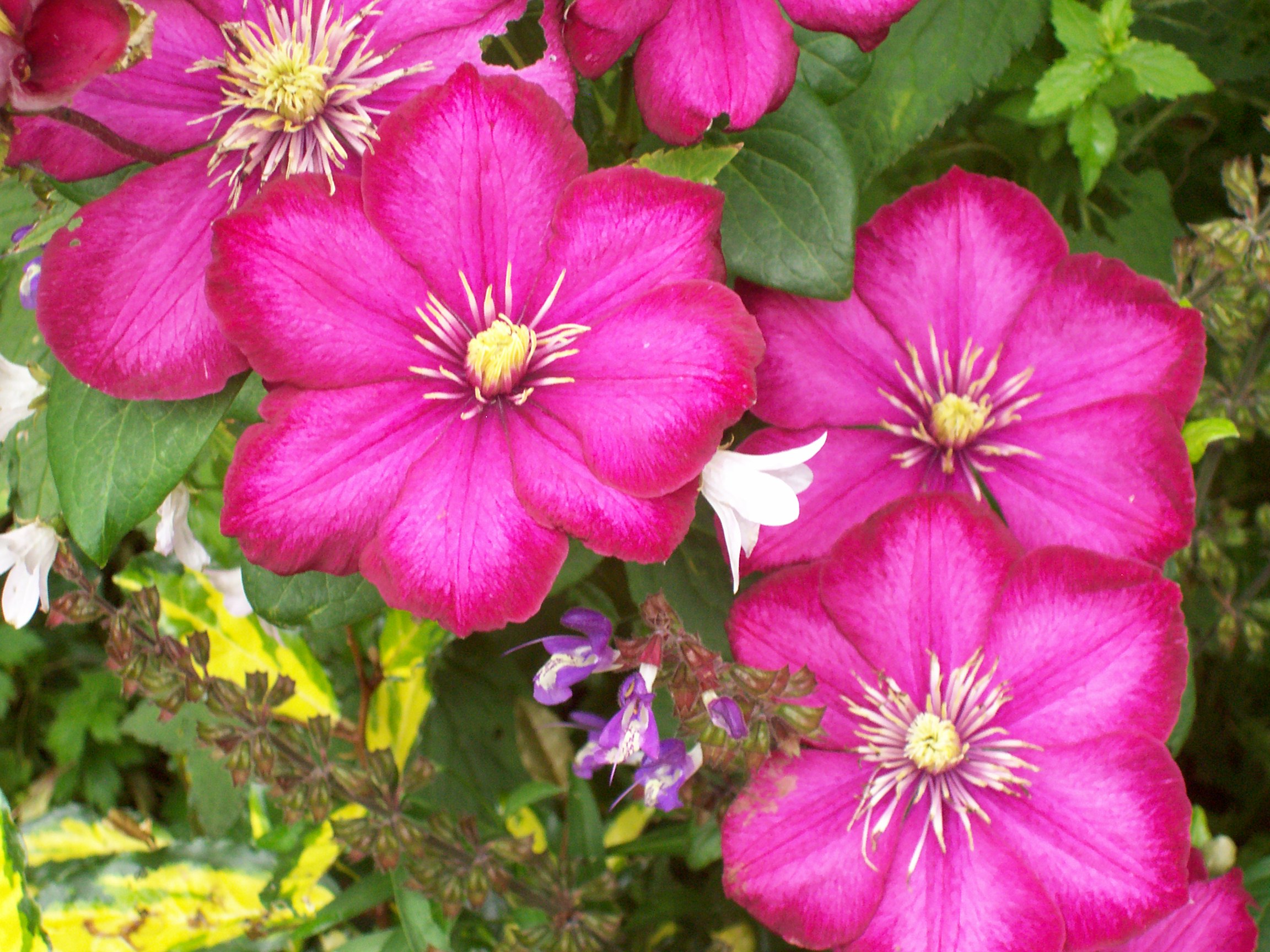
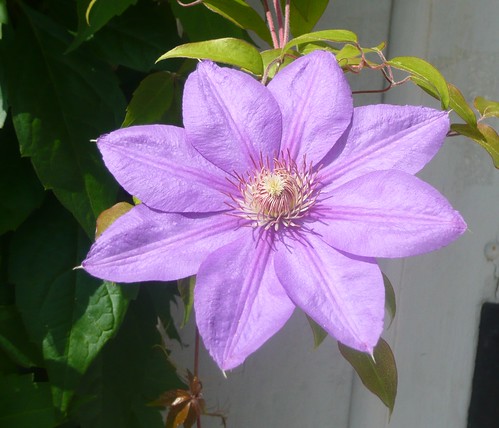
There is a clematis for every season, every aspect and every place. The flower size and colour range is also wider than you may imagine. Update I have just bought (2.9.19) another clematis Madame Le Coultre for flowering june to august.

Types of Clematis for growing all year around

Early Flowering Species like alpina or montana types.
Summer Flowering hybrids like patens and florida types
Late flowering Hybrids and species like jackmanii, tangutica and viticella types
Herbaceous clematis x jouiniana or Koreana lutea
Evergreen and tender species armandii, cirrhosa and tender plants from the southern hemisphere

Selected Varieties by Colour

White – Marie Boisselot, Montana sericea, Armandii or Clematis chrysocoma.
Red – Ville de Lyon, Madame Juklia Correvon or Ernest Markham.
Yellow – Clematis tangutica, Moonlight, Ligusticifolia or Otto Froebel.
Violet – Etoile Violette or Clematis alpina Francis Rivis.
Blue – Ascotiensis, Macro petal Blue Bird or Multi Blue.
Pink – Clematis montana Elizabeth, Bees Jubilee or Hagley Hybrid.
White and purple Clematis florida Sieboldii.

Soil and Growing Condition Tips

Soil for Clematis should not be too acidic but alkaline soil is fine. Impoverished soil near a wall or under a hedge should be improved with plenty of humus before planting. Sandy soil looses moisture quickly and also needs humus adding.
All clematis will grow better if the roots are kept cool. Plant a bit deeper than the soil level in the pot where they were grown and cover the roots area with a tile, rock or mulch.
Large flowered varieties will have stronger colours if the flowers grow in light shade.
Use a good Foliar feed every 7-10 days and a good root drenching weekly.

Types of Clematis Support

All clematis even the herbaceous varieties need some support. The easiest support is often other plants with matching characteristics – heather for small macropetala types or a tree for the more robust viticella varieties.
Walls are fine as long as the mortar and brickwork is sound for a network of wire. Clematis montana can cover a large wall quickly.
Trellis itself needs to be securely attached to battens but can be attractive when cloaked in Clematis or on it’s own in winter.
Archways, tripods and obelisks look great when covered with a climber such as clematis. Similarly pergolas can have both climbing roses and clematis co-existing.
Try a pillar made from a length of Oak or hardwood to train your clematis because you are bound to want to grow more once you start.

Varieties of Clematis from Thompson & Morgan

Clematis urophylla ‘Winter Beauty’ also known as Old Man’s Beard flowers is a superb evergreen clematis bears its delicately fragrant, waxy, bell-shaped flowers in the depths of winter.
The foliage is so lush, that you’ll think its summertime all year round!
Plant Clematis ‘Winter Beauty’ against a warm house wall so that you can appreciate its winter flowers from your window. This sought after variety will appreciate a sheltered site with some winter protection.
Height: 4m (13’). Spread: 1.2m (4’). Pruning Group: 1

Clematis ‘Bill MacKenzie’ really couldn’t be easier. Watch it scramble over fences, covering unsightly sheds with ease. From midsummer this versatile climber is covered in small canary yellow blooms, which give way to large fluffy seedheads for an attractive autumn display.

Clematis ‘Crystal Fountain’™ are quite extraordinary.A fountain of crystal-blue stamens radiate from the centres of the dazzling blue, 15cm (6”) wide blooms. Terrifically floriferous, this clematis continues to bloom throughout summer and into early autumn. It’s compact habit makes it ideal for containers and small gardens.

Clematis armandii flowers in spring with exquisitely fragrant, star-shaped white blooms literally smother this beautiful evergreen clematis in spring. The new foliage emerges bronze tinted, gradually maturing to glossy dark green that will quickly cover walls and fences within a few years. Best suited to a sheltered position, this vigorous clematis requires plenty of space to twine its long evergreen stems.

Companion plants for Clematis
Tips on Pruning Clematis

Cultivating Clematis All Year Around

  • Pot up small clematis plants and grow them on until large enough to plant in their final positions.
  • When planting clematis, choose a position in sun or semi-shade and plant the climber deeply in moist, fertile, well drained soil.
  • Position the top of the rootball at a depth of at least 3″ below soil level to encourage new shoots to form from the base of the plant and prevent wilt.
  • Clematis dislike soils that are particularly wet or dry. Soil can be improved by the addition of plenty of well rotted manure or garden compost.
  • Train clematis plants onto a suitable support such as trellis, wires or a freestanding climbing frame.

See also The Climbing Clematis Family
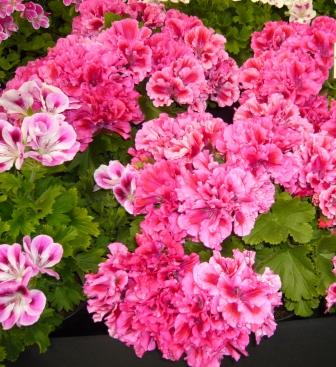
In the Pink – My Latest Geraniums

In the Pink – My Latest Geraniums

Marketing Blurb on  a recent purchase

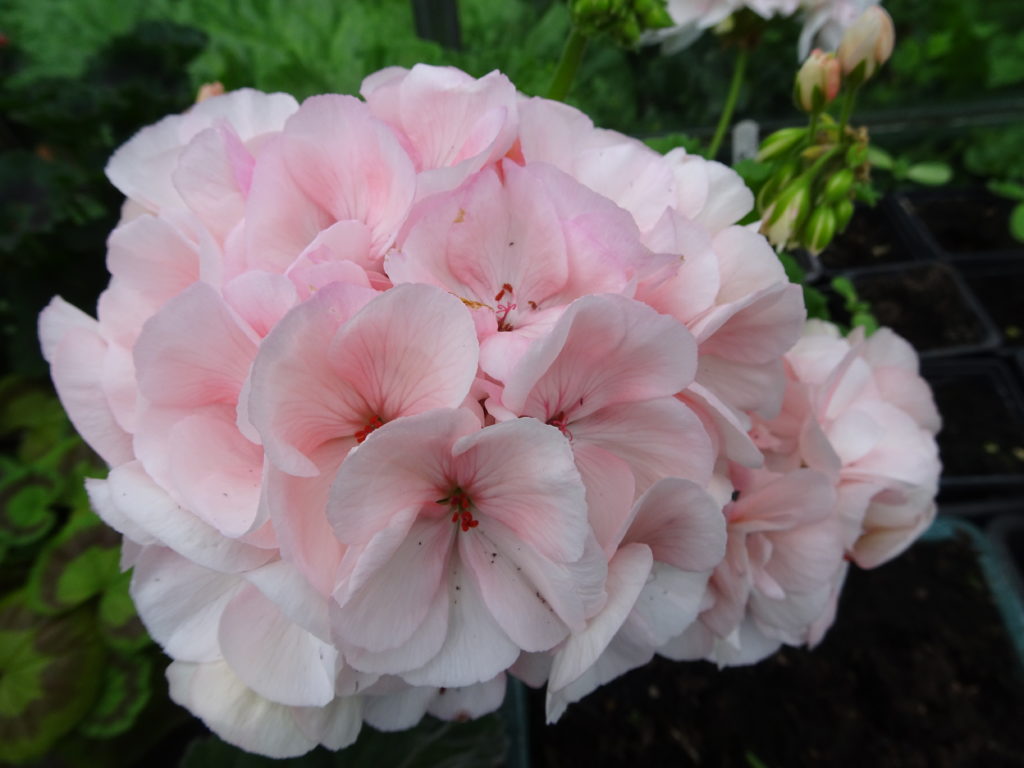
  • Florensis Smart GMX Light Pink .
  • Annuals · Pelargonium …
  • Plant habit: Upright;
  • Flower size: Large; Semi-Double
  • Cuttings raised varieties pack a real punch when it comes to flower size and power! All have an upright and bushy habit with strong and sturdy flower stems.

Experience

  • I bought the plant at a charity garden fete for £4.
  • It was full of bloom (but I should have checked for more buds). It had been forced for sale and was frail .
  • It has struggled since May to fulfill a destiny I aspired for it. It needs more tlc to continue excelling.
  • I have put it with my stock plants as I want cuttings and the opportunity to achieve the same result of the professional growers.
Geranium Stock Plants & Growing On

Geranium Stock Plants & Growing On

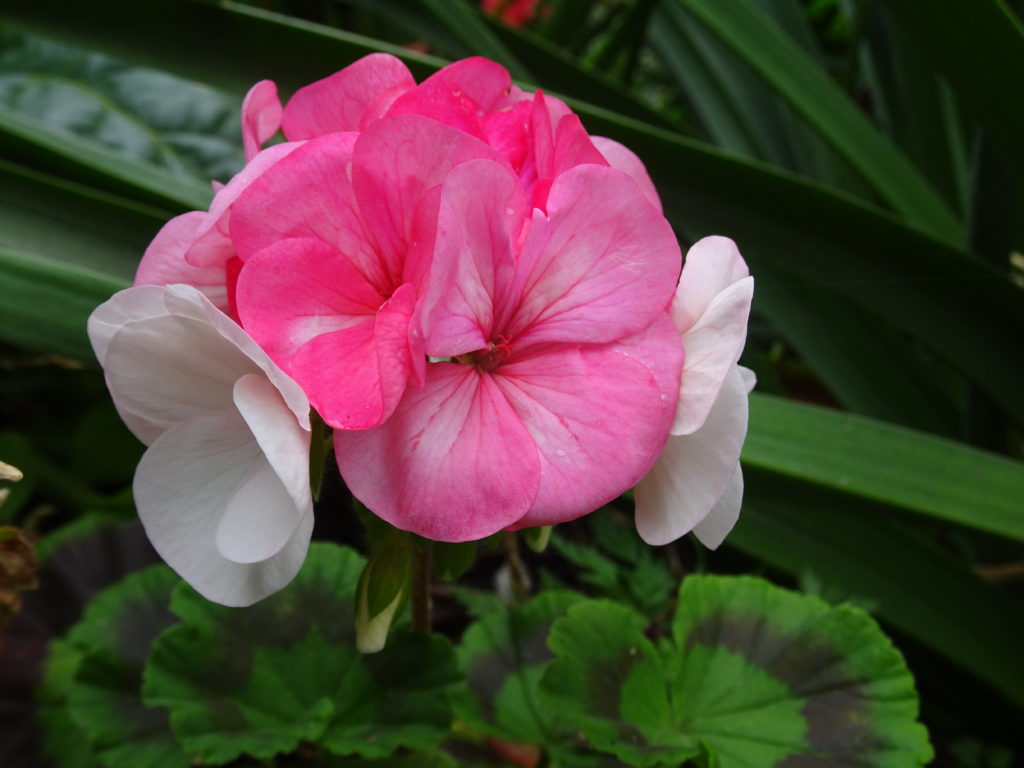
I am trying to establish some good stock or ‘mother’ plants. These should be strong healthy plants from which I can take cuttings. I feed them up and disbud to get stems rather than flowers. The first step is to select plants you want to replicate. You want to aim for quality stock of a variety you like. I am interested to see if the children from the 2 tone plant below have similar characteristics.

How to take geranium cuttings

  • Take lots of cuttings from your geraniums in April – August.  They should be ready to be replanted in a month.
  • The healthiest part of a plant is nearest the growing tip so short cuttings are best I aim for 3-5″.
  • Choose individual cuttings that are firm healthy and without flower buds.
  • For more cuttings chop your geranium mother plant back by two-thirds aiming to cut immediately above a  bud. The stem tips will then form the basis of your cuttings. Select cuttings that have plenty of shoots or nodes.
  • Strip almost all the leaves from the stem, leaving only the top pair.
  • Pinch out any tips that look like they might develop into flowering shoots.
  • Insert the geraniums cuttings  into a gritty mix of compost.

Growing On

  • Experience says you get better growth and flower density from younger stock.
  • Place cuttings somewhere bright but cool and keep their compost moist at all times.
  • If you want to keep the mother plant thin out all the spindly wimpy stems. With geraniums some growers keep the grandmothers and great-grandmothers –.
  • Pinch 1/4  inch off the top of a stem and 2 new stems will grow making a bushier plant.
  • For a quick result plant three cuttings of the same variety into a large pot to grow into one bumper-sized plant.


Plum Rot and a Rotten Crop

Plum Rot and a Rotten Crop

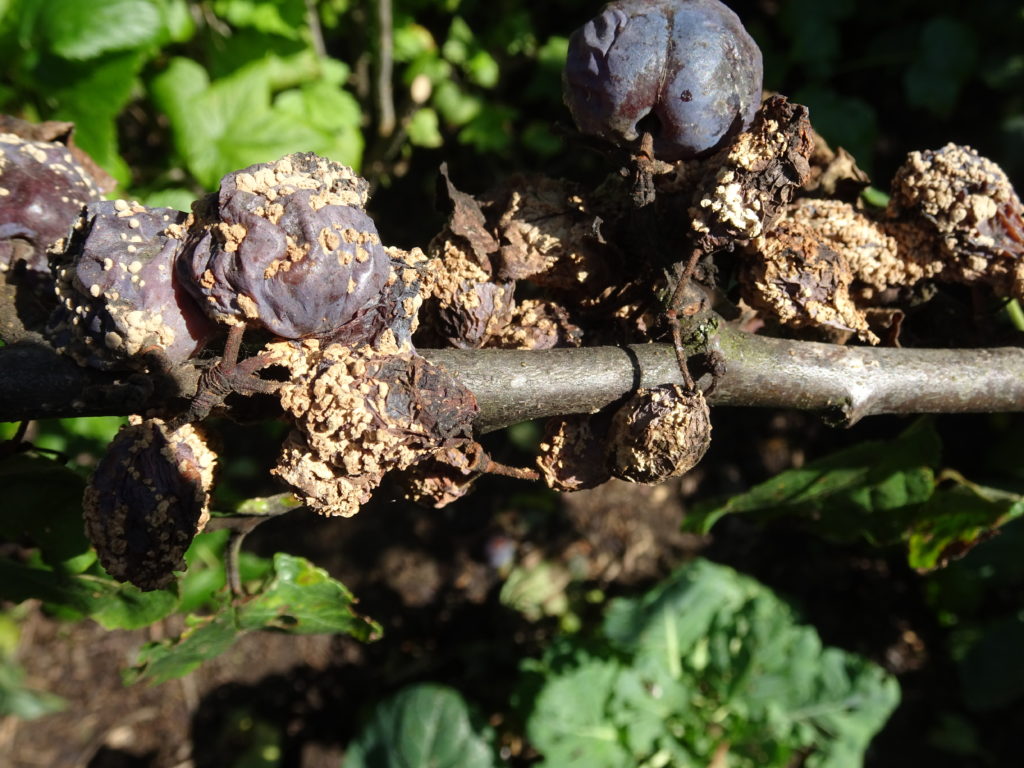
From this to this 

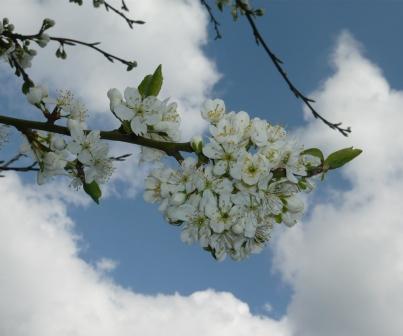
With clear blue skies and good blossom spring 2019 started so well for my plums. But then many things began to  go wrong. The first disaster was a snap frost that did for my Victoria blossom. Fortunately another variety of plum flowers a bit later, is better sheltered and survived unaffected by frost. That didn’t save the crop from the fungal attack of ‘brown rot’.

More on Plum Problems

  • Plum fruit infected with Monilinia laxa have grey coloured pustules. This fungus can also be responsible for end of stem wilt.
  • Plums infected with Monilinia fructigena have pustules that are buff coloured.
  • It looks like I might be blessed with both fungal infections.
  • Brown rot survives on mummified fruit and small cankers on the tree. It passes quickly on to other fruit in the cluster particularly in moist weather.
  • There is no spray available to gardeners so I will have to improve my hygiene and collect up and burn or bury deeply all infected twigs and fruit.
  • Unhappy with previous years crops I had invested in a new victoria plum tree  and I will hope for more success in years to come.
Stingers in the Garden Get Me Nettled

Stingers in the Garden Get Me Nettled

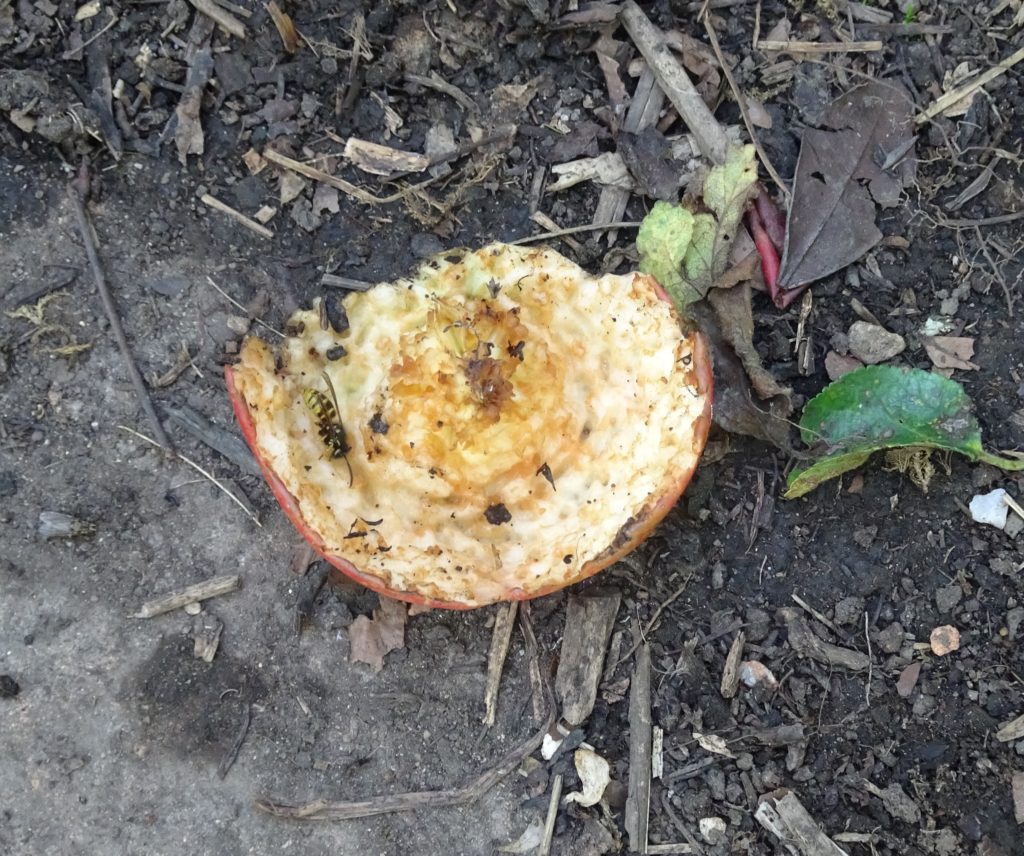
I was picking the Czar plums to make more jam when a wasp was disturbed from eating it’s lunch. Wasps go for my plums just as they are at their sweetest best. My problem was I couldn’t see which plums had a wasp in the fruit if they were above head height or facing away from my hand. The resulting sting set me on the trail of other stingers in the garden.

Plants Stingers

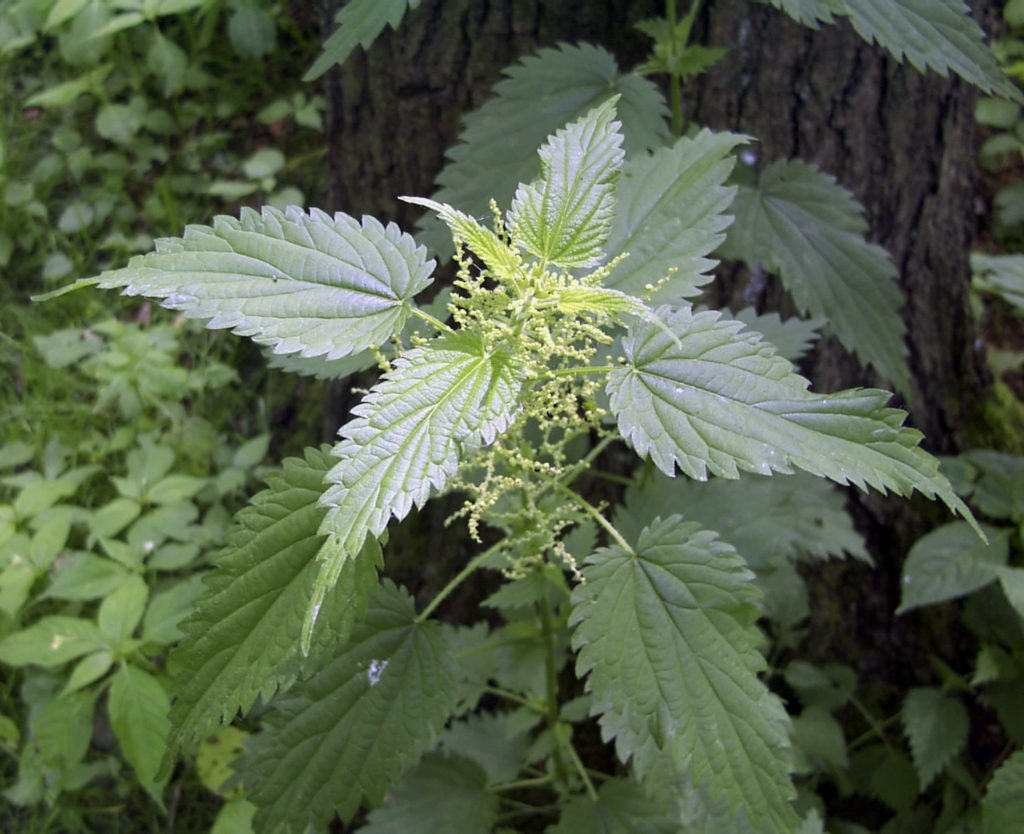
  •  Who has not been stung by a common nettle or the stinging nettle  a herbaceous perennial aka Urtica dioica. More likely to be stung walking on country paths or unkempt areas not in your garden I am sure!
  • The nettle family are stinging plants with  hairs on  leaves or stems that are capable of injecting formic acid that cause pain or irritation. Brushing bare skin against the leaves causes initial pain with the potential for more effects caused by histamine, acetylcholine and other chemicals that are also present.
  • Giant hogweed  contains a corrosive sap that causes severe rashes,  burns and even serious eye damage if you get the photosensitive chemicals  in your eyes . aka Heracleum mantegazzianum.
  • Poison ivy & its cousin, poison oakone is a noted rash-maker. It’s toxin, urushiol oil, is in the sap of the plant and present in minuscule quantities in some other food stuff.
  • Other plants, often those with hairs or irritating sap, can cause irritation and allergic reactions. I suffer with some verbascum Optunia cacti and euphorbia.


Take a Close Look

Take a Close Look

We tend to see gardens in the round and I seldom inspect individual plants. I often think I am missing something by not paying close attention. This obviously casual approach doesn’t work for those who specialise in a species or collect special examples of plants.

Careful Looking

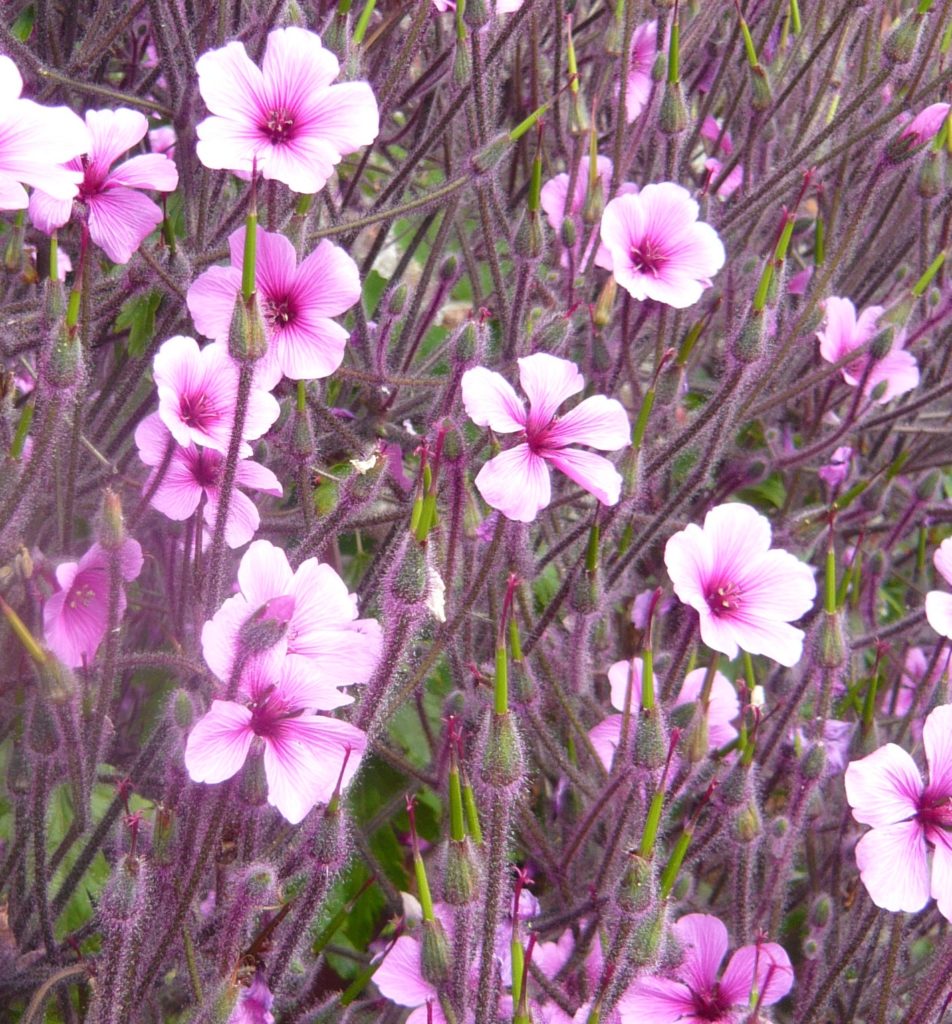
  • Patterns and repetitions can be fascinating. Not all are immediately obvious. There is a repetition of colour in the flowers, stems and hairs on the stems of this Geranium maderensis.
  • Seed heads and capsules have their own shape and attraction. They also give good clues as to the species or family of the plant. You could guess this was a part of the geranium family.
  • Plant explorers often took magnifying glasses to get to the crux of a plant.
  • Insect life is not always visible to a casual observer and on the dahlia below the second fly could be missed. No big deal may be but for come the extra attention would be worthwhile.

Primula as Waterside Plants

Primula as Waterside Plants

If I was starting a collection of plants for a bog garden or streamside I would look at a collection of different primula.
Primula Species for Water Gardens

  • Primula viallii like rich moist soil and produce a scarlet opening to purple spike or pyramid of flower in late spring.
  • Primula sieboldii like a damp sheltered position.
  • Primula florindae flowers yellow and lasts for several weeks in summer. A must have plant for this location
  • Primula Japonica a compact plant for early summer flowering. Try Postfords White or Apple Blossom.
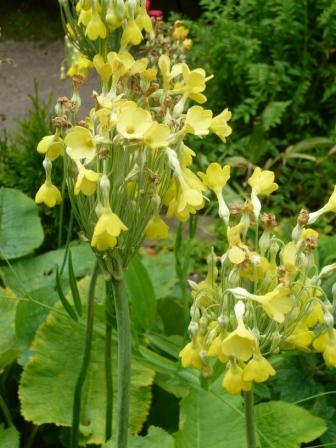
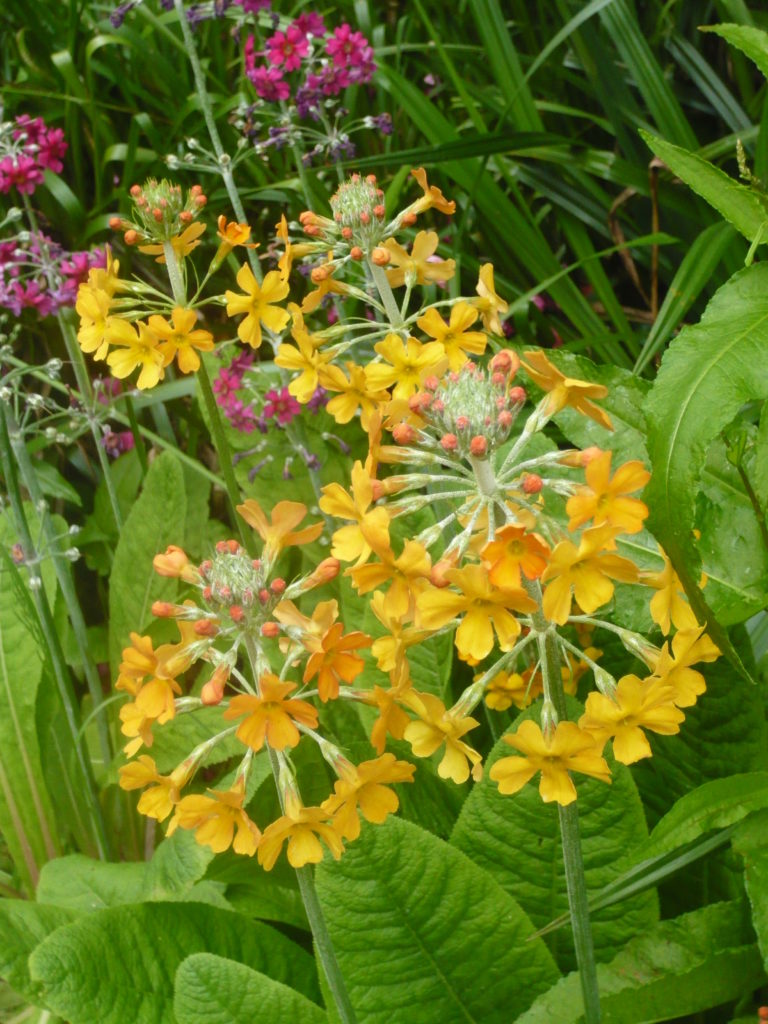
  • Primula pulverulenta, aka the candelabra primula. They flower on a leafless stem at varying points like a candelabra. They  can grow 3 feet tall.

Small Spaced Kitchen Gardens

Small Spaced Kitchen Gardens

Where space is limited or very limited there are still many ways to create a productive kitchen garden.

Optimising Space for your Kitchen Garden.

  • It seems common sense to plan to use what you have available. That covers layout, sequential growing and innovation.
  • If you have a ‘general’ garden then you can interplant kitchen plants eg herbs with box hedges, colourful veg with annuals and fruit trees instead of conifers.
  • Substitute kitchen garden plants for other plants and features as they did when digging for victory.
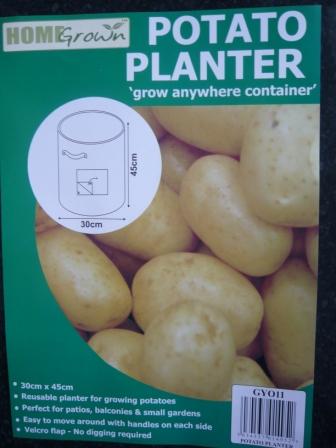
  • I grow potatoes in old compost bags and pots on my many paths.
  • Other garden veg can be grown in pots even runner beans. Another plant I am having success with is tumbler (Cherry) tomatoes in smallish pots. The are compact easy to grow and are currently producing lots of small sweet fruit.
  • Chose plants and varieties that grow and mature quickly eg salad, radish courgettes and edible flowers.
  • Herbs can be grown in slender strawberry pots with several opening spaces.

Small Garden Fruit

  • Dwarf rooting stock has opened up the opportunity to grow and pick fruit from  small constrained trees or shrubs.
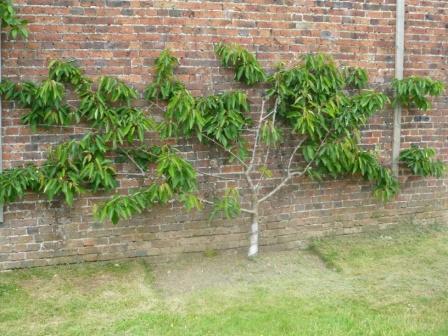
  • Trained apple, pear or currants can be grown as cordons, espalier or fans against a wall. I have also seen a gooseberry grown this way. ( Cordons are diagonal branches that are only allowed short laters, espaliers are grown with a vertical and one or two level branches forming a cross).
  • Grape vines normally need a lot of space but with rigorous training and the right location you can succeed in a small plot.
  • Soft fruit including strawberries and blue berries are ripe for pot growing.
  • I would always find space for rhubarb but that is due to my ‘pie fetish.’