Browsed by
Category: Flowers and Plants

Annual, perennial and interesting flowers with advice on culture, information, tips and recommended varieties

Gardeners Tips for Growing Foxgloves -Digitalis
Gardeners Tips for Growing Foxgloves -Digitalis

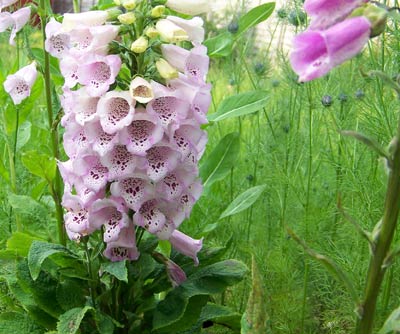
foxglove

Foxgloves are native to the British isles and can be grown relatively easy here in the UK. They provide an excellent addition to any cottage garden. There distinctive spikes of flowers can be up to 4-5 feet high and they offer a new dimension to any garden. They also attract bees for their extensive nectar.

Foxgloves are poisonous so be careful if you have kids in the garden. The good thing is that slugs don’t seem to like them much either. Parts of the Foxglove are actually used as digoxin a widely used heart drug.

  • Foxgloves like full sun, but, also do fine in shade.
  • Foxgloves will be fine without extra feeding, but do better with nitrogen rich soils.
  • Sowing. As a biennual, Foxgloves need to be sown in May / June. If foxgloves are self sown, the main thing to do is to thin out the seedlings so that they don’t get too crowded. A foot between each plant is a good guide.
  • Self sowing. One of the best features of growing foxgloves is that they will usually self sow for the next year. They self seed in moderation and it never becomes invasive. The only gardening might be to thin out the seedlings.

Problems of Growing Foxgloves

One problem of foxgloves is that the tall varieties can get blown over in windy conditions. Try to plant is sheltered spots; they grow well in clumps together.

Varieties of Foxgloves.

The most common variety is D. Purpurea which can be seen growing in British hedgerows. In addition there are cultivated varieties such as ‘Apricot’ and white varieties. There are also dwarf varieties of foxglove such as ‘Temple Bells’ or Primrose carousel’
You can acquire new plants or just admire them as part of a collection

Perennial Foxgloves

Digitalis Grandiflora (yellow foxglove is a hardy perennial flowering foxglove.)
 

Aesthetic Appreciation of White Flowers

Aesthetic Appreciation of White Flowers

Originally entitled ‘Why do white flowers smell best?’ I have revised this article.

Rose for scent

Can you see a smell?

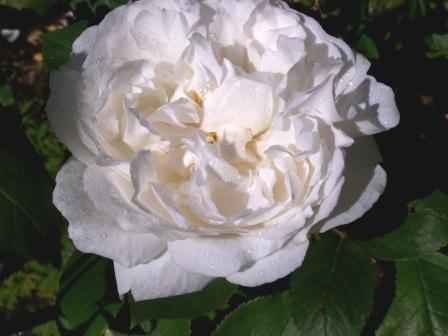
The scent from this rose should be pulsing through the internet in waves of perfume. It certainly pulsed through the RHS garden at Harlow Carr with a far spreading aroma. The light rain (well it is an English rose in an English summer) probably enhanced the sweet scent as the fragrant oil was dissolved and let loose. Moss roses have furry growths which at a glance look like aphids but are in fact oil glands that provide fragrance.

White flowers attract pollinating insects, butterflies and sometimes birds by the scent and source of nectar. They do not use colour for obvious reasons. For this reason white flowers in a species are often far more scented than coloured equivalents. Some of the most scented flowers are white including Philadelphus, Lily of the Valley and members of the Rose family.

Book Cover

Aesthetic Appreciation

Is aesthetics a sixth sense? If so Gertrude Jekyll had it in abundance. Gertrude created over 400 gardens and first published her work on colour schemes over 100 years ago.
If aesthetics are a combination of all the senses including the common one then I would be hard pushed to say which was the more important. Common sense is trumped in the garden by experience but sight and smell are the top drivers of appreciation.

Pros and Cons of Deadheading in Autumn

Pros and Cons of Deadheading in Autumn

Dahlia

Pros

  • I am still actively deadheading many plants in the hope of a more flowers from a long, warm, sunny Autumn – some hope editor
  • Plants look tidier if they are lightly trimmed when deadheading
  • Energy is put into the remaining plant rather than seed production. So plants may be better able to withstand winter and some will have a better established root system.
  • Softwood that has no time to ripen will probably suffer in the first frosts so it is pruned out
  • Dying flowerheads may rot or damage other flowers or leaves.
  • Deadheading stops unwanted seedlings from prolific seeders

Book Cover

Cons

  • If you want to save seed you want seedheads to ripen on the plant. Some will dry in a greenhouse or garden shed before being stored in an airtight container. I put seeds in small ex-mail order envelopes first.
  • Some seed heads such as Honesty, Rose rugarosa,  Echinops and Teasels are left through winter for shape and to look attractive in a frost.
  • Do not deadhead ornamental plants grown for their seedheads like Iris Foettisima or Physalis
  • If you want to save seed or berries for birds and wild life do not deadhead
  • If you want self-sown seedlings for a natural garden then select what flowers to leave to run to seed.
Hydrangea Shrubs and Houseplants

Hydrangea Shrubs and Houseplants

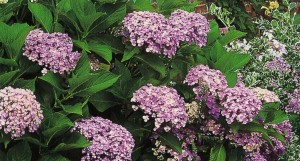
Red, White and Blue the patriotic colours of the Hydrangea are augmented by pinks and purples like H. Ayeshia above as a variation on those themes. Flowering from mid-summer these shrubs give a magnificent display with very little effort. Did you see Hydrangea maritima on seaside holidays in large displays of sugary pink and sometimes blue.

Hydrangea macrophylla is the mop head type that can change flower colour from pink too blue depending on the soil. If the soil is acid then you will get a blue flower. The pink is produced on alkaline and more neutral soils. To change to blue add Aluminium sulphate or special colouring chemicals from garden centres to get a pink add lime. Some old methods include burrying a bag of nails or putting rusting iron near the plant. For best results when the soil id wrong for your desired colour plant it in a large pot with the right type of soil and keep it well wartered.

Hint and comments on Hydrangeas

  • Named after the Greek for water keep your Hydrangeas moist
  • Hydrangea quercifolia has oak shaped leaves and flowers white in the shade.
  • Lacecap varieties have a looser form to the flowers with flat open flower heads where the florets don’t all open at once. Try variety maresii
  • Buy plants in bloom so you know what you are getting in colour and form or plant in Autumn
  • Hydrageas like rich moist soil and a bit of shade in the early morning to avoid frost damage to young shoots
  • Prune out old flower heads, dead stems and old wood from overgrown bushes in the spring
  • Hydrangeas can be used as cut flowers or dried for a papery addition to a winter arrangement
  • A dwarf species H. thunbergii grows to about 2 foot.

Some old varieties to look out for

Read More Read More

Rose or Wallflower?

Rose or Wallflower?

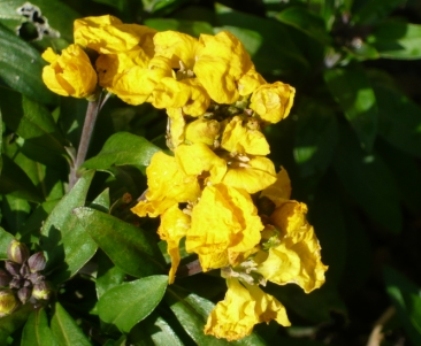
Can you tell what this frosted yellow flower is that is starting to show colour and now getting into full scented blossom? It still thinks it is 2015 and our mild wet weather has contributed to a range of ongoing flowers.

wallflower

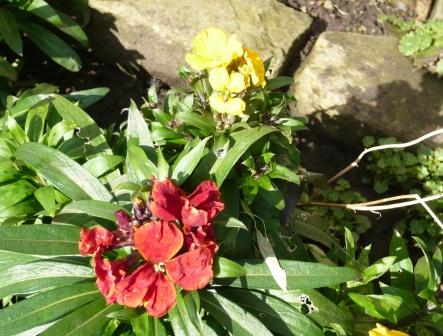
This picture with the low wall in the back ground will give the game away.

wall-and-flowers

Tips Growing Wallflowers

  • Plants are biennial growing one year and flowering the next
  • Select your seeds soon and plant them in June or July. As the plants grow pinch out the tops to encourage the plants to be bushy.In autumn plant in there final flowering position
  • Select individual colours rather than mixed packets for a blaze of spring colour. Cloth of Gold is a fragrant yellow, the Bedder series comes in Orange, Scarlet, Primrose and there are Blood Red and White varieties
  • Wallflowers are from the same brassica family as cabbages and it is advisable to plant in a new area each year to avoid club root disease.

Rose buds at Christmas are not all that unusual. This book however contains details of unusual and generally excellent roses.
Book Cover

Some types of Rose include English & Old Roses, Hybrid Teas and Floribundas, Patio & Small Roses, Species and Moss Roses, Shrub Roses, Climbing Roses and Rambling Roses. A rose by any other name would smell as sweet.

Hebe also known as Veronica

Hebe also known as Veronica

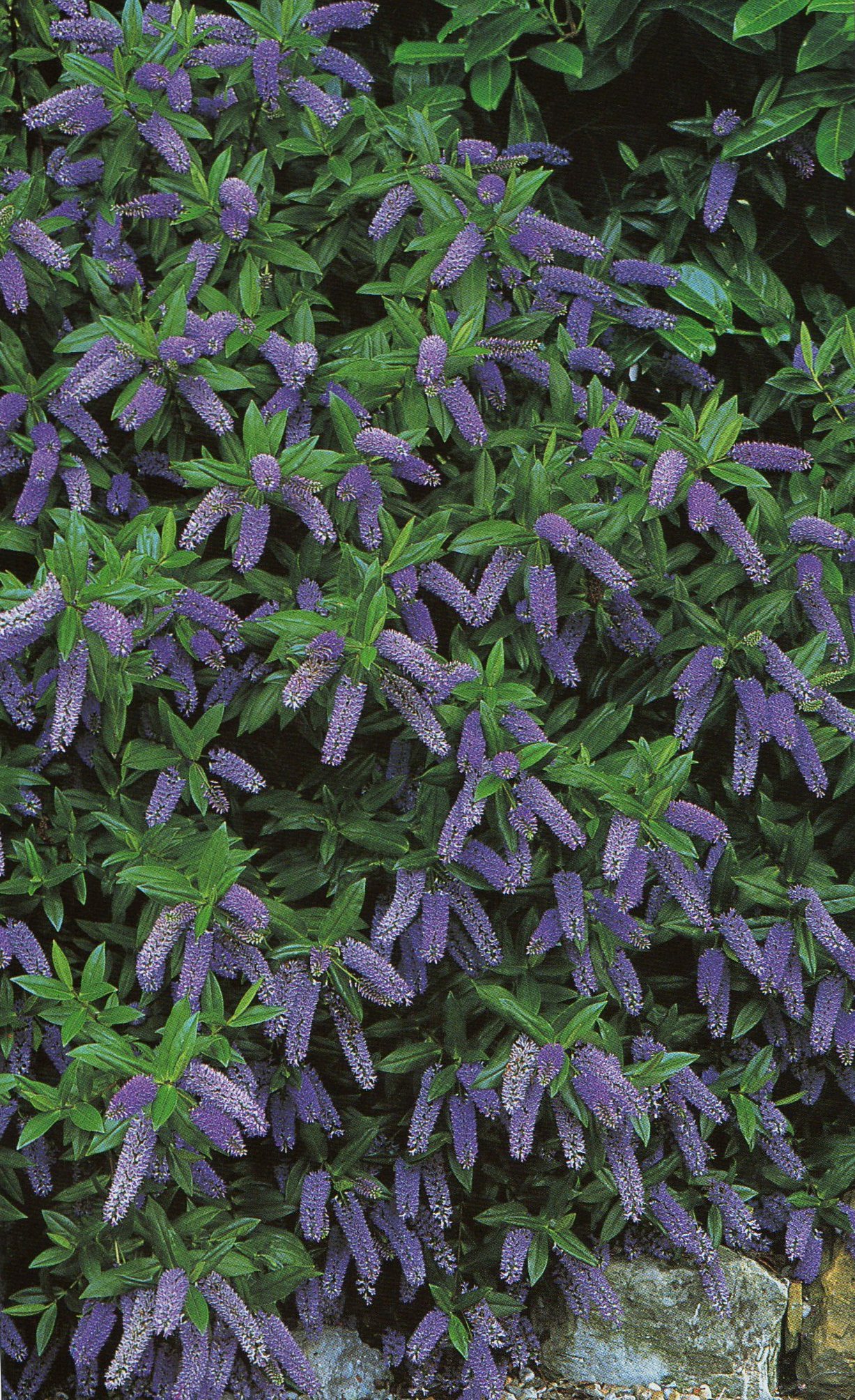
Hebe

Horticultural Points for Hebe

  • Evergreen shrubs keeping shape and form through winter
  • Ornamental planting invaluable at the seaside and as an ornamental hedge.
  • Easy to grow from cuttings
  • Varieties available that grow in many sizes.
  • Useful for low maintenance areas as the larger varieties fill the space quickly.
  • White and purple flowering varieties more popular and floriferous than the red flowers.

Aesthetic Qualities

  • Long racemes or spikes of flowers  attract bees and hoverfly
  • Colour range from purple, lavender, blue and stunning white due to the volume of flower from June to late summer depending on variety.
  • Dwarf varieties and shrublets, H. ‘gibbsii’ and H. ‘subsimilis astonii’ upto six foot specimens with H. ‘cupressoides’
  • Purple leaved varieties including H. Midsummer Beauty
  • Hebes in flower attract insects particularly bees and hoverflies
Disbuding or Pinching Out Buds

Disbuding or Pinching Out Buds

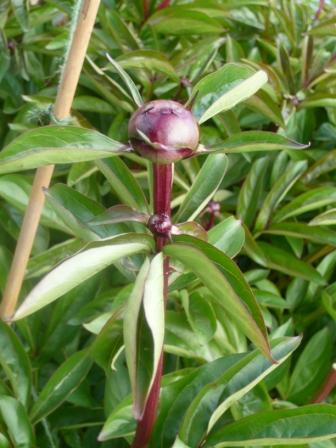
My father grew exceptional roses before many of the varieties had been discovered or reached their current prominence. One thing he did to get special blooms was to restrict the number of flower buds by pinching out the runts.In many circumstances a good big one is more important the several also ran small ones.

may12-047

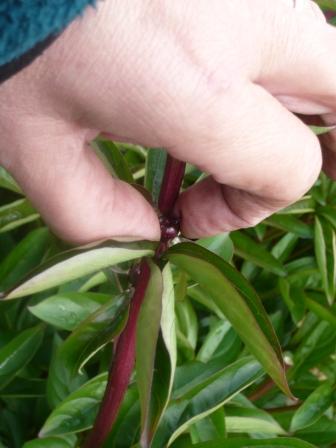
Several plants flower too much for there own good at times. They produce buds, like the Peonie above, in greater profusion than you may want. To get a really good flower you want to channel the energy into a ‘king’ flower so you ‘pinch out’ any superfluous buds. It may seem cruel to be kind but I think of it as survival or the fittest.

may12-048

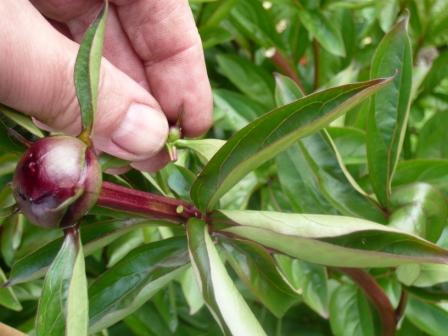
Disbudding or thinning is easy,  just nip out the extra buds before they develop too far. This technique can be used to get a great Rose flower for a show or on Carnations, Dahlias and Chrysanthemums. I have spoken previously about disbuding Apples and fruit trees.

may12-049

See Tips for Pinching Out

Grow Bouquet Garni Herbs

Grow Bouquet Garni Herbs

Book Cover

Herbs to make a bouquet garni can be grown at home and used later for cooking. All these herbs you can grow in the garden or on a suitable windowsill.
The ingredients for our basic Bouquet Garni are the herbs Parsley, Thyme, Bay and a clove of Garlic. Tie them together with undyed string. Then add other herbs that are specific to the dish you want to cook.

Herbs to Use

Use the herbs that are fresh and in season. If you have dried your own use sparingly to test the strength of flavour.
Herbs with high oil content can withstand longer cooking in stews and casseroles and include Rosemary, Oregano, Sage and Bay.
Loveage and parsley also retain flavour during lengthy cooking and combinations of stronger flavours are good for cooking meat dishes.
Poultry blends well with lemon flavour so lemon thyme, lemon grass leaves (harder to grow) and lemon balm will add the flavour you seek. You can also add a mixture of summer savoury, tarragon or hyssop.
Fish combines best with soft leaved herbs. Fennel, tarragon, dill and sweet marjoram are suitable as can be mint or welsh onion.

Jekka McVicar

Read More Read More

Prize Gladioli Growing & Showing

Prize Gladioli Growing & Showing

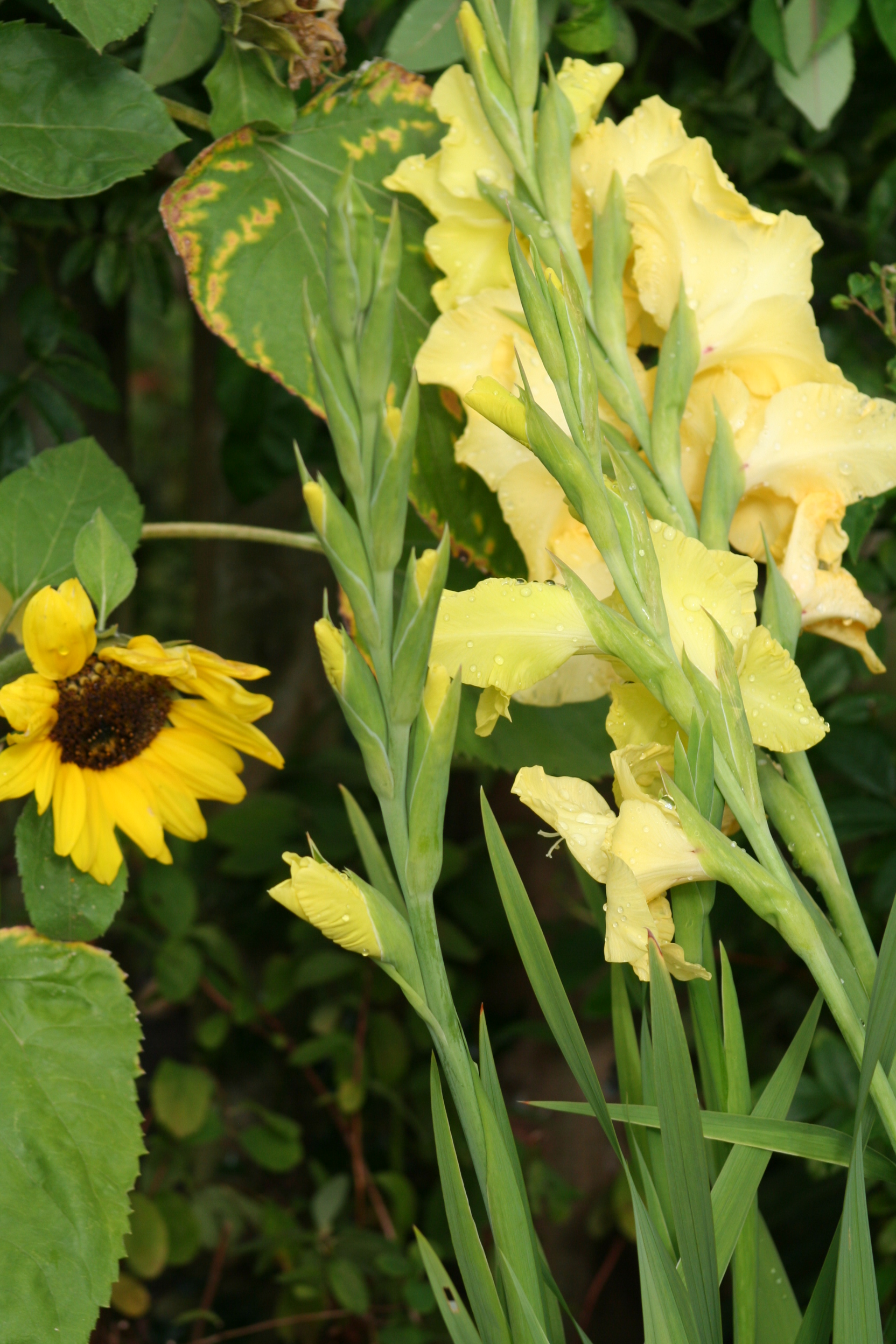
glaDThe Gladiolus family are fine addition to the colourful garden. They also make fascinating subjects for the gardeners who like a challenge of the show bench.

Tips for Growing Prize Gladioli

  • Raised beds are good for soil fertility and can help you get some stonking great Gladioli.
  • Mulch the bed heavily to reduce the amount of watering you need to do and feed with blood fish and bone.
  • Plant 6″ deep and at least 4″ apart (more for show varieties).
  • Do not plant dormant corms but wait until small root swellings appear around the base.
  • Dust or dip in fungicide before planting.
  • Plant when the soil has warmed up on a layer of sand or vermiculite to aid drainage.
  • To keep the stems straight tie to a cane below the first bud and add loose ties as it grows.
  • A tee-pee of horticultural fleece can help prevent late frost damage or the bleaching effect of too much sun on red gladioli.
  • During the heat of the day tease flowers forward to get them to open to the front – in the cold they will break off.
  • Leave at least 4 leaves on the plant when cutting to ensure the new corm swells.
  • Lift 5-6 weeks after flowering, dry off, label and store for next year.

Show blooms

Read More Read More

Pleiones Easy Orchids from Bulbs

Pleiones Easy Orchids from Bulbs

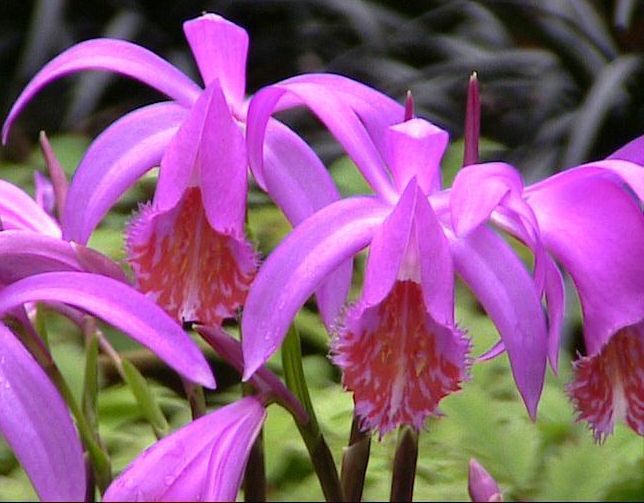
er-hai

Pleiones are charming orchids grown in pots from a pseudobulb that splits into two or more after flowering which helps to increase your stock. The flowers arrive first on 6-8 inch stems in spring followed by 6 inch long 2 inch wide leaves.

Five Top Tips for Pleiones

  • Also known as the Windowsill Orchid or the Indian crocus Pleione species (20c) or hybrids (250c) are available in many colours including yellows, pinks, whites and purples. Most have the spotting on the lip or patterned colouring.
  • Pleione should be planted in bowls or pots with about one third of the bulb showing and one third of the pot filled with crocks. Drainage is more important than the composition of the compost and roots should not be allowed to become waterlogged.
  • Plant in cool conditions early in the year and allow to warm up through summer to no more than 25°C. Plants need a cool resting period in Autumn and Winter. The stringy roots can be trimmed to 2 inches before replanting.
  • Feed plants once the leaves start to emerge with a weak balanced feed but do not allow to stand in water.
  • Find a reliable local supplier or buy mail order from a specialist like Springwood Pleiones who supply the flower above Pleione Er-hai (speciosa x Etna) You will find many hybrids named after volcano like Stromboli and Vesuvius

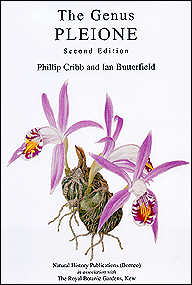
Book The Genus Pleione

genus-pleione3