Browsed by
Category: Flowers and Plants

Annual, perennial and interesting flowers with advice on culture, information, tips and recommended varieties

How To Water Plants

How To Water Plants

water

Sprinklers important for new grass seed, but, not always most efficient.

Correct watering is essential to a healthy garden, but, even seasoned gardeners can make mistakes in how and when they water.

Tips for Optimal Watering

  • Don’t wait until everything is starting to wilt. Plants may never fully recover from a period of draught – others are more tolerant.
  • Don’t water little and often. Many people get into the habit of turning the hosepipe / sprinkler on every day during dry spells, but, this isn’t necessary or even helpful.
  • It is better to give one really good soaking once a week. To regain soil moisture, you will need about 2 inches of rainfall (or equivalent watering). A heavy soaking enables the water to get down to the roots. If you keep watering by small amounts , the water will only fall to near the surface. This encourages shallow roots and ironically plants become more liable to draught. If you water heavily, it will encourage deep rooted plants more tolerant of dry conditions.
  • After watering, get a trowel and dig down to the depth of the trowel, If the soil is still dry and that depth, it is a sign that you haven’t done it enough.

A well watered garden (mind you it’s easier living in Yorkshire)

Read More Read More

Watering a Hanging Basket.

Watering a Hanging Basket.

hanging baskets

photo credit Wheelo28 flickr

  • A densely planted hanging basket in full sun, will need regular watering throughout the summer. On hot days, it may be necessary to water twice a day.
  • Make use of water retaining capsules which help to reduce amount of watering needed.
  • Leave a gap at top of hanging basket between liner and level of compost, this makes it easier for water to seep into compost rather than drain straight off basket onto floor.
  • After watering, test the compost with your finger, make sure the water has drained into the bottom of the basket, sometimes, it can drain away without making it wet. After a while you will get a feel for how much you need to water.
  • As the flowering season progresses added a liquid feed or time release capsules which will provide necessary food for plants.

Read More Read More

Growing Wild Garlic for Cooking

Growing Wild Garlic for Cooking

Wild Garlic

Wild garlic or Allium ursinum is also called Buckram, Bear’s Garlic, Ramsons or Broad-leaved wood garlic. It is a pungent herb normally found growing in profusion in woodland areas.

  • Wild Garlic flowers from the end of May with white flowers on 8″ stems.
  • Wild Garlic can be grown in the garden and is championed for the lush tasty leaves.
  • Foraging for Wild Garlic in woodland is fairly straight forward and it will be found in semi-shaded, moist conditions.
  • Wild garlic has a very similar taste to domestic garlic but is slightly milder.
  • The leaves are delicious raw or cooked and work well in salads and soups.
  • It is easy to grow from seed or bulbs (please do not take them from the wild).

Wild garlic

Tips for Hanging Baskets

Tips for Hanging Baskets

hangingbaskets
Hanging Baskets maximise space and give this garden an extra vertical dimension. What a riot of colour!

Hanging Basket Tips

Hanging baskets make a wonderful addition to small gardens or even the outside of buildings where no garden space is available. The downside is that they are quite labour intensive. The upside is that they can offer a riot of colour throughout the summer and can brighten up a bare wall considerably. Also, the summer daily routine of watering can be quite an enjoyable feature – as long as you don’t have too many!

In fact that is one important tip for using hanging baskets – make sure you have a manageable number you can keep to a regular watering and feeding routine.

Making a Hanging Basket

  • The type of basket depends primarily on preference. The traditional make is based on a simple wire frame. There are also synthetic plastic models available which can be nice.
  • Note, the bigger the basket the easier it will be to water and feed.
  • For the base choose the traditional moss or a manufactured hanging basket liner. These will keep the compost in place and allow excess water to escape.
  • Choose a good compost that can retain moisture and is relatively free draining. Peat is the best, though there are increasingly alternatives for those worried about environmental damage of using peat.
  • Mix some water storing capsules into the compost. This will help reduce the frequency of watering by storing some water that gets added.

Read More Read More

Daises in the Lawn

Daises in the Lawn

daises

I’m a big fan of a natural looking lawn. Not all lawn weeds are so welcome, but, I like to see daises popping through. If you cut the lawn every two weeks, you can get a long period of flowering.

Some people like a lawn free of everything except grass. An all round lawn weedkiller will probably do job.

If you want to encourage daises into your lawn, give lawn a good hard raking to create space and then sprinkle seed. Hopefully, they will get established and then will naturally spread.

Read More Read More

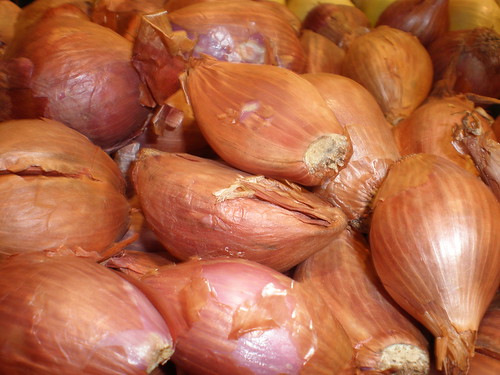
Shallots for Showing

Shallots for Showing

Many shows have 2 classes for Shallots. Small pickling Shallots and ‘Giants’.

Showing Shallots

  • Grow Dutch Yellow for a ‘judge pleasing’ variety or raise Russian Red from seed.
  • Display small shallots in bowls of sand, sawdust or special boxes  for the ‘Giants’. The aim is to keep the bulb in formation.
  • Pickling Shallots should be less than an inch across the waist and uniform.
  • Harvest a few weeks before the show and ripen-off in the sun during the day, bringing them in during the evening.
  • The end of May is a good time to thin Shallots being grown for showing. Carefully remove the center bulb from a cluster without disturbing the remainder.

Other Shallot Varieties

  • Prisma F1, Golden Gourmet or Red Sun are even growers.
  • Pesandor, Jermor and Vigarmor tend to be tubular shaped.
  • Thompson Morgan have good supplies for next season. Place your order when you see what has won this years show.

Show Standards

  • Local shows may have arbitrary judging standards for Shallots.
  • The majority of bulbs often end up misshapen or bulging out, not having good form.
  • The large exhibition type shallot is now awarded a maximum of 18 points because of the degree of difficulty in achieving a perfect specimen.
  • In the  RHS show handbook  ‘shapely bulbs of good form” are considered best.
  • The NVS judges guide goes even further and states that ‘single bulbs of good shape with circular outline’ are meritorious.

Soil Tips for Growing Vegetables

Soil Tips for Growing Vegetables

159

Is your soil so poor nothing will grow in it? No I didn’t think so because weeds will grow anywhere!

Improve Your Soil

  • Rotted farmyard manure, dug in each year, will boost your soils fertility.
  • The rotted farmyard manure breaks down to humus that opens up clay soils and holds moisture in sandy soils.
  • You need to replace the nutrients taken out of the soil by this seasons crops and that is where an annual dose of farmyard manure comes in.
  • Cover the veg-patch with black polythene over winter. This stops goodness leaching out, stops weeds and warms the soil in spring.
  • I also trench the Runner Bean rows with an extra bottom covering of manure to hold extra moisture.
  • Add lime for growing Brassicas but Potatoes love the slight acidity that often comes with farmyard manure.
Tips for Growing From Seed

Tips for Growing From Seed

seeds

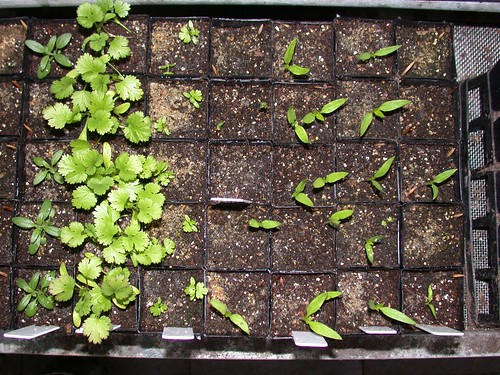
Growing from seed is one of the most rewarding aspects of gardening. We get to see the whole plant cycle from the tiniest of seeds to a full grown plant.

To Grow from Seed follow these Simple Steps

1. Good Compost. Choose a specific compost for growing seeds. Peat based composts are the most popular. There are also other materials like loam based (John Innes no.1) and coir based composts. Peat is liked for its free draining, yet water holding properties. See more on commercial compost

2. Containers. Plastic trays and pots offer the easiest solution to keep clean and free of disease. You can also buy degradeable pots which can be planted directly into the ground. This is great for seeds which dislike any disturbance to the roots. See using plugs for seedlings

3. Sow in Right Temperature. Most seeds need a gentle heat to germinate. 15 – 20 degrees is perhaps the most popular. If sowing early a windowsill or even better a heated compost tray, enable you to control temperature. This is more important for seeds like Cucumber which need more heat than usual.

Read More Read More

Daisy Daisy the Answer is Daisy

Daisy Daisy the Answer is Daisy

Daisy Roots

Membership of the Compositae or Asteraceae family puts your plants among the 20,000 + species of Daisies. This includes the Marigolds, Centaurea, Chrysanthemums, Sunflowers, Dahlias, Zinnias, and Heleniums, Coreopsis, Helianthus, Heliopsis and Rudbeckia.

Whilst I have only a small number of pages on Daisies you may want to type that word into the search box bottom right and up will come Gazinias, Cosmos, Asters, Mesembryanthemums and many more.
I resolve to use Compositae amongst my tags from now on.

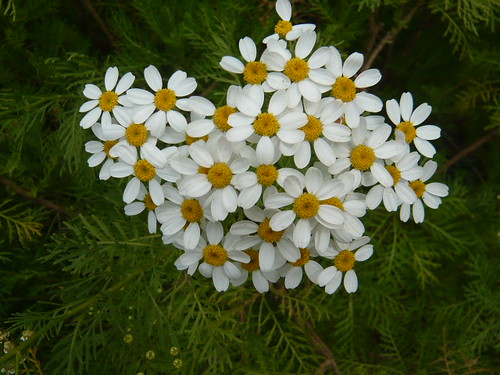
What is this photograph above ? Sorry It was taken on holiday and I am still tracking it’s name down. Below is Tanacetum ferulaceum a Pyrethrum
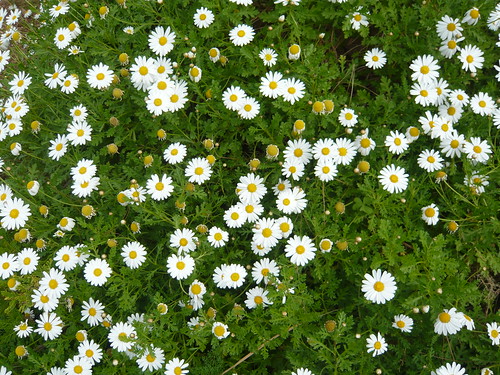
Tanacetum ferulaceum