Browsed by
Category: Articles

Gardening articles that may not include tips

Month by Month Gardening for Guru & Novice

Month by Month Gardening for Guru & Novice

Book Cover

The Royal Horticultural Society produce many books and this one, RHS Gardening Month by Month by Ian Spencer contains over 1,300 seasonal tasks. Covering tasks for every part of the garden, expert plant advice and lists of star plants from January to December it is a great confidence booster. When you have finished those tasks it will be time to start a new year!

Whether you are a green-fingered guru or are just starting out enjoy 12 months of successful gardening. With help on what to do when to ensure your plants are well cared for and your garden blooms all year round.
Easy-to-follow, this guide not only tells you what to do when, but shows you how to do it.
You only need to browse and not follow slavishly.
Read More Read More

In Praise of Rhododendrons

In Praise of Rhododendrons

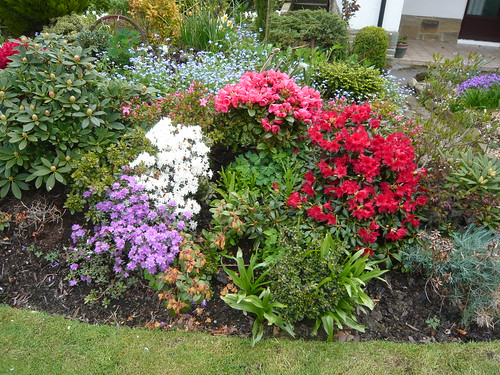
Rhododendron group

Rhododendrons have many praiseworthy characteristics.

Why Grow Rhododendrons

  • They are some of the most colourful spring and early summer flowering shrubs. Red, white and blues with yellows, pinks and shades to suit all tastes.
  • Rhododendrons are generally evergreen and provide structure through the year.
  • Modern hybrids are easy to maintain, slow to outgrow their allocated space and need little attention.
  • There are 1000 species to select and learn about. Prostrate and miniature rhododendrons suit a rock garden whilst some varieties can fill a woodland.
  • Scented Rhododendrons are shorter lived but have great aroma.

Where to See Rhododendrons

Book Cover

Book Cover

Further information

Early Rhododendrons

Housekeeping for small Rhododendrons

Chestnuts & Pomegranate in Climate Change

Chestnuts & Pomegranate in Climate Change

More exotics can be grown in the UK as we get hotter summers and temperate winters. Why not try a Pomegranate or Punica granatum a large shrub or small tree.

Pomegranate tips

  • Good drainage and a warm sunny wall position will help.
  • The leaves are green coppery when young changing to yellow as they age with brilliant orange flowers.
  • A showy variety Flore Pleno is worth growing even if the fruit don’t have time to ripen in poor summers
  • Nana is a very low growing dwarf variety.

Growing Chestnuts

Read More Read More

Thyme and Time Again

Thyme and Time Again

Thyme has over 350 varieties and can make an interesting collection. Thymus is claimed to have volatile oils that have anti-ageing properties and good anti-oxidants to aid health. It retains its flavour after drying and can be stored successfully.

Time for some Growing Tips on Thyme

  • Place container or grow in a sunny position to get stronger flavoured leaves.
  • Use free draining soil or plant through a good layer of gravel
  • Thyme looks good in a pot but avoid using a rich compost or you will get tasteless leaves and no flowers
  • Trim the plant after Thyme has flowered to stop it becoming woody.
  • Propagate from cuttings before flowering in spring or divide in spring.
  • T. vulgaris, T. frgrantissimus and T. Serpyllium can be grown from fine seed which should be sown with sand on top of soil watered from the bottom.
  • Bees are attracted to the pink flowering Pink Ripple.
  • Cooking with Thyme and home grown Tomatoes is a special joy but add Thyme early so it has chance to release its flavours.

Herb Garden Design Using Thyme

  • Create a carpet on a path on banking to display the herbs.
  • For best ornamental effect mix upright varieties and creeping varieties and vary the leaf colour ‘Archers Gold’, ‘Coccineus major’ and ‘Doone Valley’ have a mix of magenta and purple flowers with varigation on leaf colour.
  • A wheel shape or Octagon effect can be created as a garden feature
  • ‘T. Vulgaris Silver Posie’ is reliable in winter weather

Common Larch – Root and Branch Review

Common Larch – Root and Branch Review

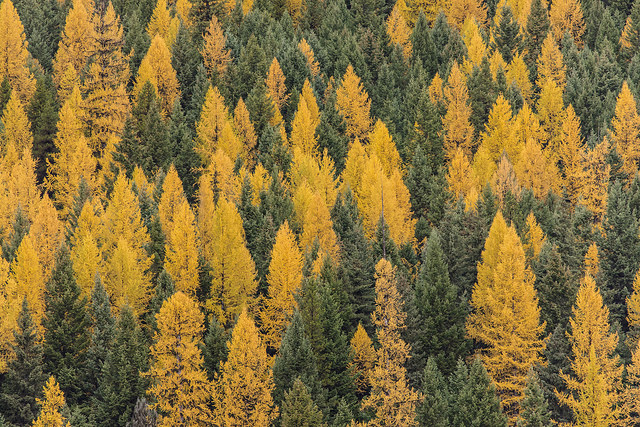
Larch trees are common in forestry plantations and high ground in the UK. Larch are fast growing and loose there leaves in winter. The wood from Common Larch trees is still used for a range of purposes.

Key Features of the Common Larch

  • Latin name – Larix decidua other common names European Larch
  • Height – up to 120 feet
  • Type of tree – Deciduous Conifer
  • Leaves – flat soft needles growing in whorls on side shoots and stems
  • Flowers – male yellow, female pink catkins
  • Fruit – oval brown cones with straight scales and visible bracts
  • Bark – Grey, smooth when young fissuring with age
  • Family – Pinaceae

Origins and Distribution of the Common Larch

  • Indigenous to hilly regions of Europe.
  • Now widely planted in north America.

Read More Read More

Hawthorn – Root and Branch Review

Hawthorn – Root and Branch Review

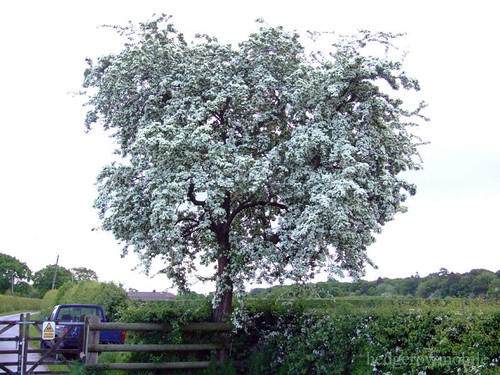
Hawthorn blossum DSCF0995

The Hawthorn flowers in May hence one of its common names. Gnarled old trunks give testimony to the Hawthorn’s ability to survive in exposed windy conditions. The thorns help make the tree a good hedging subject.

Key Features of the Hawthorn

  • Latin name – Crataegus Monogyna other common names May, Quickthorn, Whitethorn or Thornapple
  • Height – 33 feet-
  • Type of tree – deciduous
  • Leaves – deeply lobed glossy green leaves
  • Flowers – Dense clusters of creamy white borne on shoots
  • Fruit – Oval red pome (Berry)half inch wide
  • Bark – Brown with shallow ridges
  • Family – Rosaceae,

Read More Read More

Veg as Cheap as Chips

Veg as Cheap as Chips

Book Cover

The last of my root vegetables and Leeks are now consumed and a distant gastronomic memory. New baby salad leaves have been available but I do not take enough care to be able to binge on them until later in the season. Rhubarb once again is prolific and abundant so that I and the neighbours are enjoying the fruit of my labours literally.

The early potatoes that I tried in the cold greenhouse are full of growth, above the soil at least, so I look forward to my own new spuds fairly shortly. The majority of the Earlies or Second earlies have been grown in pots or tubs rather than the ground and I am interested to see how they crop. I have heard good reports of growing Carrots in large pots to avoid pests and get long straight roots but I have just put my new seed in a new bed so that idea will have to wait for next year.

My Tomato plants are starting to go out into the greenhouse now they are six inches high but I need to watch for frost with my fleece at the ready. If you want more information on Vegetable Growing month by month the book will cost less than a fiver from Amazon.

Quinine Tree- Root and Branch Review

Quinine Tree- Root and Branch Review

IMG_1999.JPG

The Quinine tree or large shrub has provided medical cures for malaria and fever for 400 years. The ground up bark is the key substance for this and as the additive in tonic water.

Key Features of Quinine Tree

  • Latin name – Cinchona calisaya other common names Fever tree, Quina, Jesuits bark
  • Height – up to 80 feet
  • Type of tree – Evergreen
  • Leaves – green shiny elliptic or oblong
  • Flowers – Fragrant terminal tubular panicles in white to pink
  • Fruit – Ovoid capsule containing winged seeds
  • Bark – Grey-brown and special see below
  • Family – Rubiaceae,

Origins and Distribution of the Quinine Tree

  • Native to South America and Peru.
  • Named after Countess of Chinchona who fell ill with malaria in 1638 but was saved by a treatment of bark administered by local indians.
  • Peruvians tightly controlled the drug until the tree was established in Java by the British and Dutch.

Read More Read More

Hazel – Root and Branch Review

Hazel – Root and Branch Review

waiting for photo – if you have a suitable image let us know
Hazel DSCF8046

Corylus are large shrubs or trees that produce nuts. The common ‘hazel’ is native to the UK and is often found in old hedge rows.

Key Features of the Hazel

  • Latin name – Corylus avellana
  • Height – up to 40 feet
  • Type of tree – Deciduous
  • Leaves – Green, round and double toothed
  • Flowers – Male long catkins female small bud like with red stigma on same tree.
  • Fruit – Nut surrounded by husk
  • Bark – Silver-grey to pale brown
  • Family – Corylaceae related to beech

Origins and Distribution of the Hazel

  • Found throughout Europe and North Africa.
  • Thrives in woodland and hedges.

Read More Read More