Browsed by
Author: hortoris

Indoor Flowering Plants

Indoor Flowering Plants

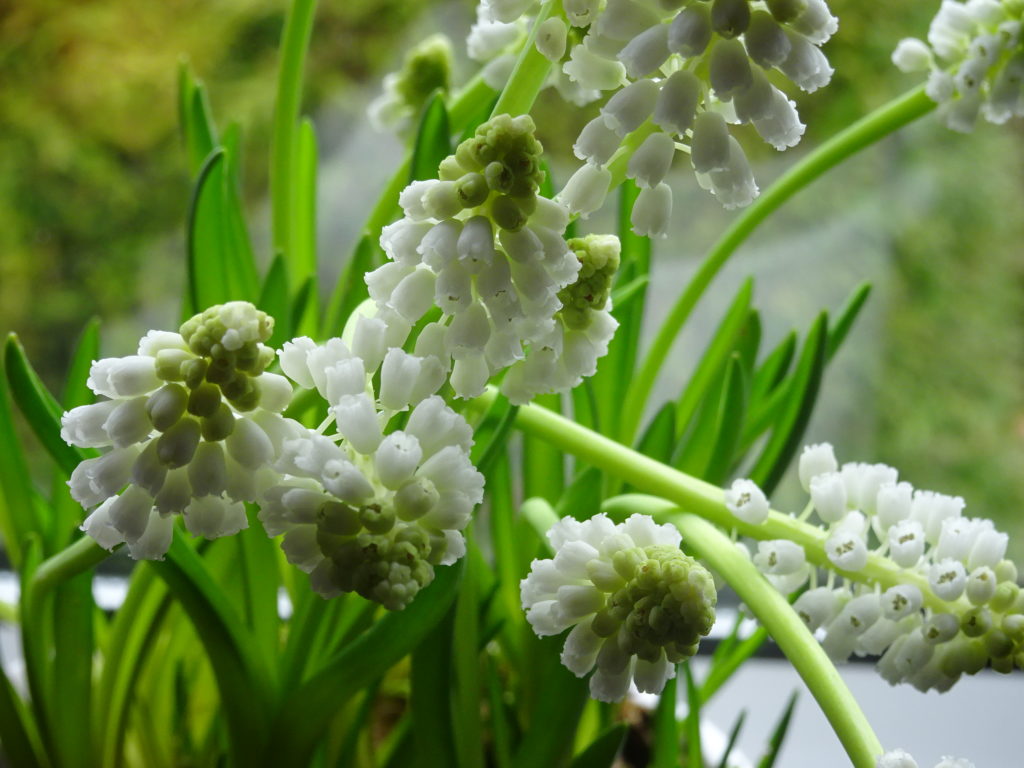
White Grape Hyacinth or Muscari armericum album


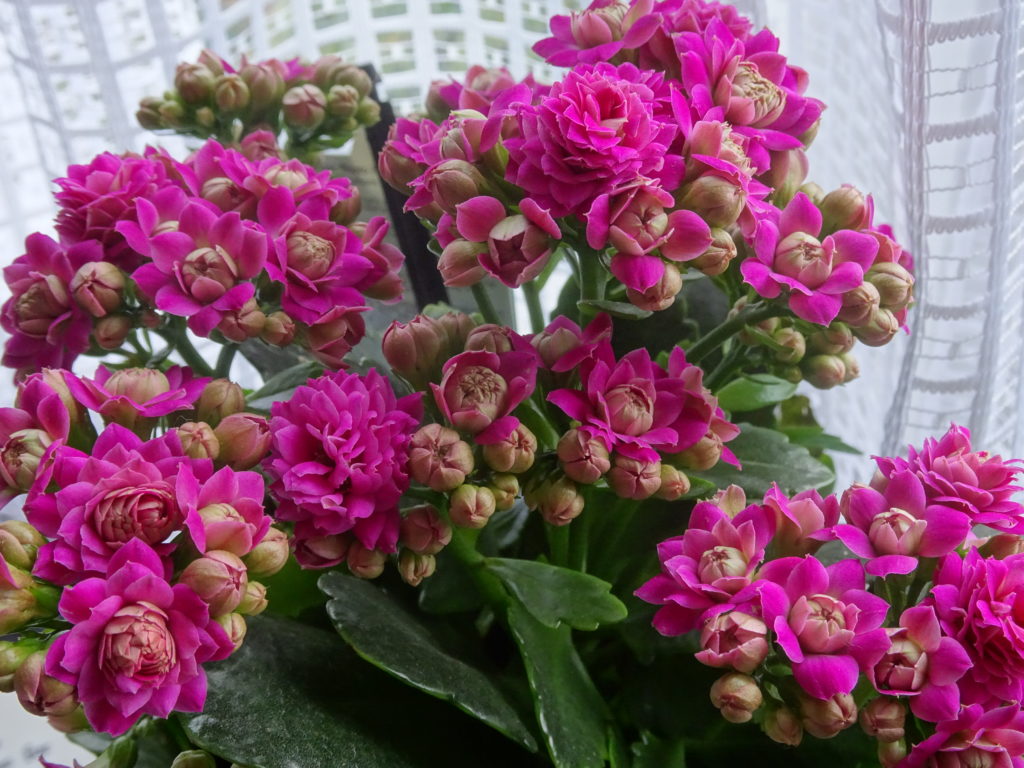
Kalanchoe blossfeldiana a succulent and one of many varieties of Kalanchoe


African Violet – Saintpaulia


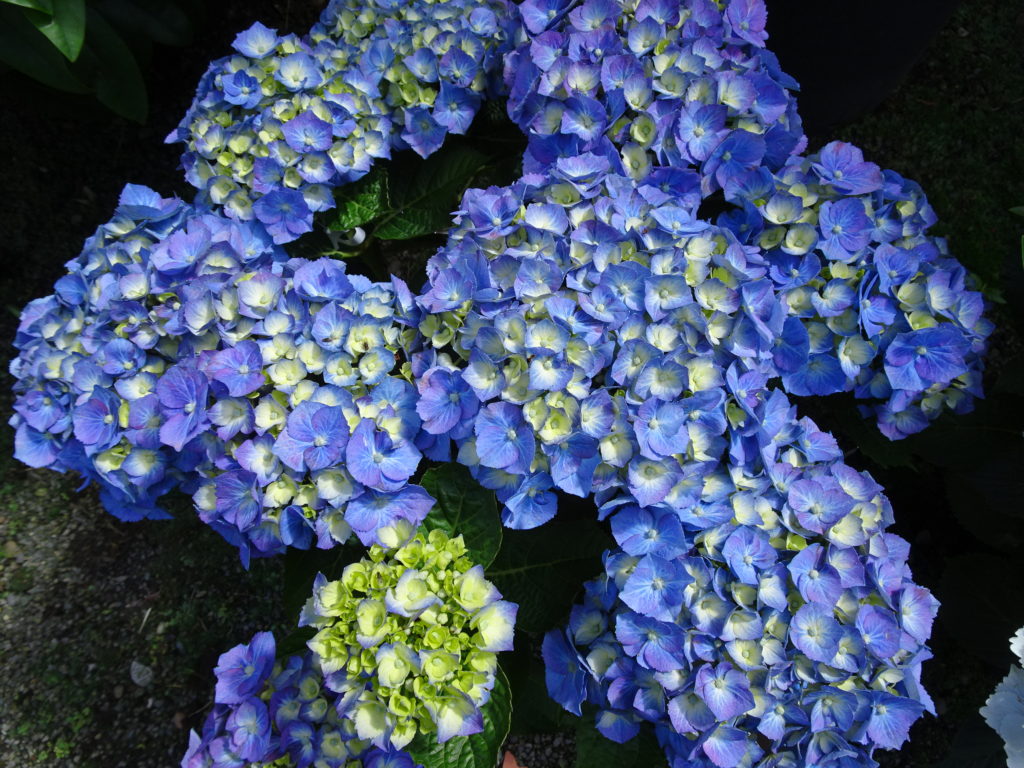
Hydrangea macrophylla

Primrose Pathway

Primrose Pathway

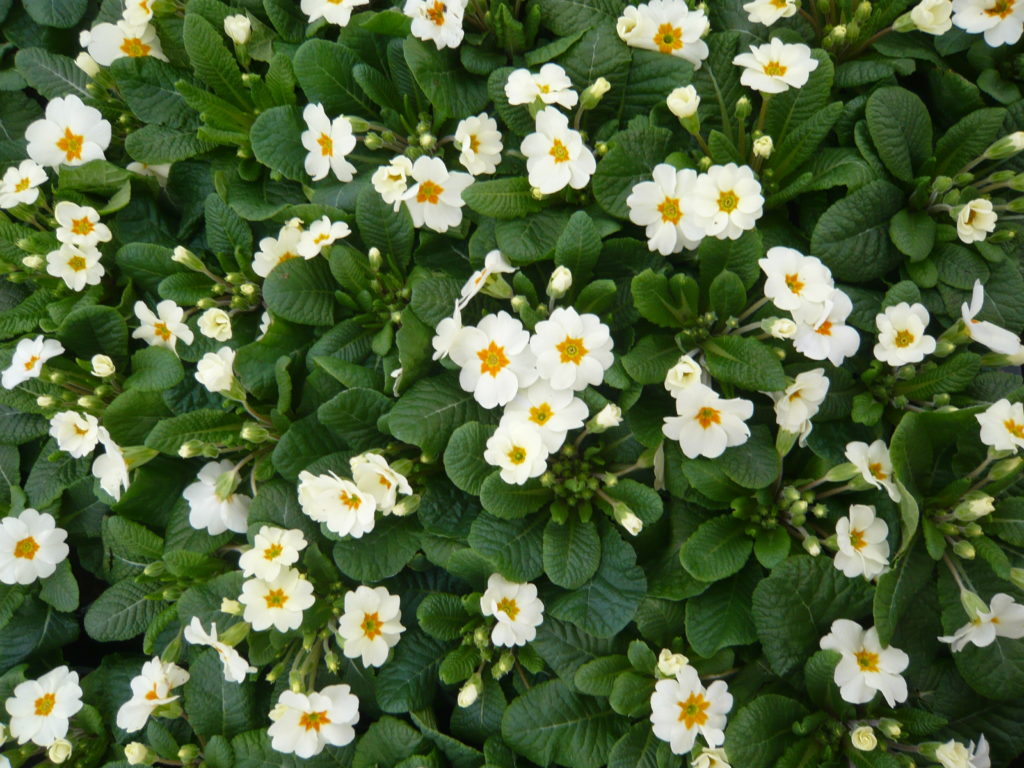
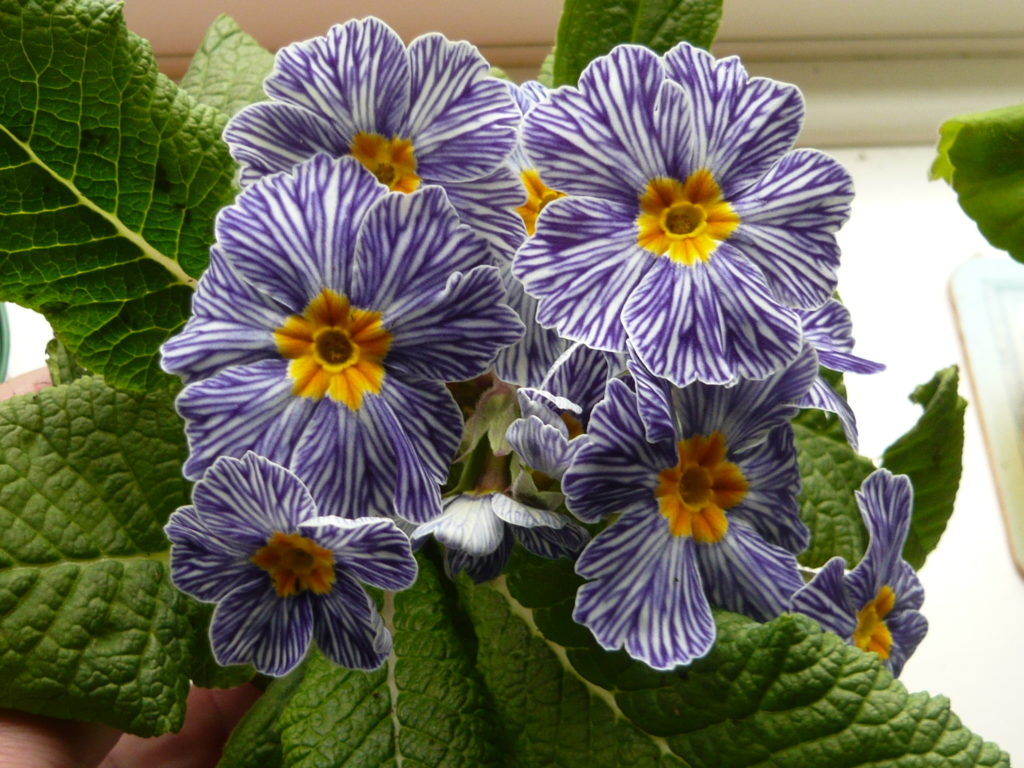
2018 has been a very good year for Primroses and Primula. The cool, wet spring and occasional bursts of sunshine have played their part.

Reason for Popularity

    • Over many years there have been incremental improvements in breeding and cross pollination of varieties.
    • Gardeners have a wider choice of colour, form and more reliable vigor.
    • Retail has hit the mass market with most supermarkets and many other stores having a primula offering.
    • Cost has been reasonable and it is easy to maintain plants from year to year.

The Primulaceae Family

  1. Primrose is the common name for Primula vulgaris
  2. Primula vulgaris subsp. sibthorpii is the base for coloured primroses mainly in reds and pinks
  3. Cowslip is the common name for Primula veris
  4. Polyanthus, are a cross between  P. vulgaris x P. veris creating multi-coloured strains of longer stemmed flower heads.

Best Tips for Outdoor Containers

Best Tips for Outdoor Containers

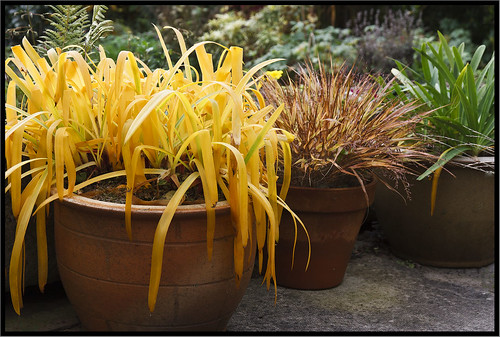
A mantra from my gardening experience is that ‘A good big one will beat a good small one’ and this applies to containers growing plants outdoors. Big containers offer more control over watering and feeding, they bring plants closer to your senses and can be architectural in their own right. In a plant poll they also opted for a big one over a small one!

Instant Tips

  • Think about the plant roots. Roses grow long deep roots needing deep pots, other plants take moisture and food from surface or shallow roots.
  • Think about the plant leaves. Fleshy leafy growth will need more water as they transpire.
  • Globular pots are popular but very hard to empty when repotting as the neck is narrower than the circumference.
  • Use matching saucers so you can also water from underneath. It can be hard to get enough water in from the top.

3 PLANT POTS

Use Heavy Containers

  • ‘A good big one will beat a good small one’ and this applies to most containers. When full of loam based compost a big container will be heavy.
  • You do not want containers to fall over, plants get damaged and grow at funny angles striving for light.
  • Do not let containers become top heavy or too light through lack of watering.
  • Thin walled containers gain and loose heat rapidly. Thicker containers keep roots at a more even temperature.
  • Choose heavy terracotta or reconstituted stone over plastic. If you must use a light container put rocks in the bottom.
  • You can get special casters to wheel your container around the garden. This can be useful to seek out the sun.

Planting Outdoor Containers

  • Decide which is your star plant and put it in place first, slightly off centre. Infill planting densely for a quick result, containers should be about show.
  • Aim for plants that add about 50% in height. Tall thin plants will dwarf the container and may make it unsteady.
  • Think of using a ‘shock and awe’ plant to grab attention.
  • Bury some plants in smaller pots that you can replace with fresher plants.
  • Use some trailing plants to break the edge of the container and make a link with the ground.
  • Plan a colour scheme green and gold foliage looks warm, silver foliage is cold. Spot plants with pink or purple flowers can add sparkle to a white combination.

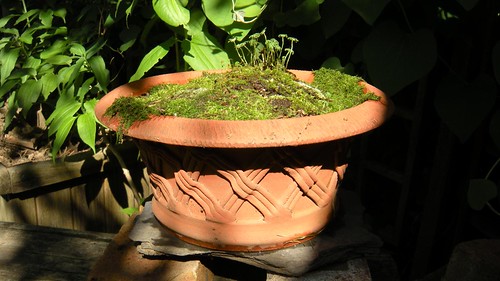
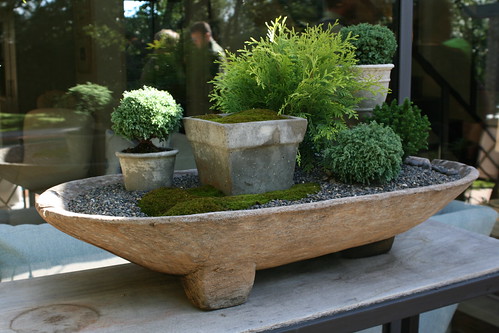
Moss Garden

Quick Tips for Containers

  • Use slow release fertiliser mixed with loam based compost if you are using longer term plants as opposed to annuals.
  • Provide good drainage and stand containers on pot feet so water can drain away.
  • Terracotta containers were used by ancient Greeks 2500 years ago so they are a well proven method of gardening.
  • Experiment with shapes and sizes of container. Make container gardening fun.
  • Get further inspiration for a book on Container Gardening from amazon.

Book Cover

Outdoor Containers for Special Purposes

  • You can grow ‘Crops in Pots: 50 Great Container Projects Using Vegetables, Fruit and Herbs.’ by Bob Purnell
  • Old sinks are often used for alpine and small plants.
  • Bonsai need to grow outdoors in natural conditions. Some beautiful containers are available
  • Quick growing salad crops can be grown in containers to avoid slugs.

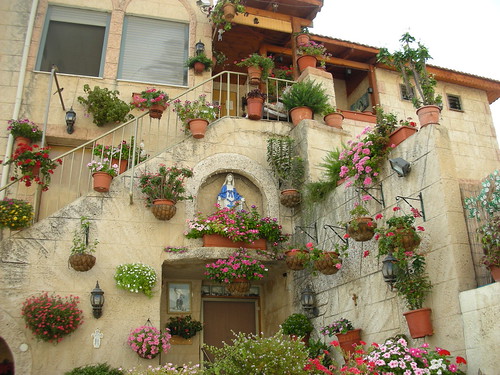
Unique container at Bolen residence

Photo Credits
3 PLANT POTS by KTDEE….popping in and out CC BY-NC-ND 2.0
Moss Garden by Flatbush Gardener CC BY-NC-ND 2.0
Unique container at Bolen residence by Gardening in a Minute CC BY-NC 2.0
Potted Plants by Yoav Lerman CC BY-NC-SA 2.0

Potted PlantsSlightly Potty? Needs some potty training?

Tree Close Ups

Tree Close Ups

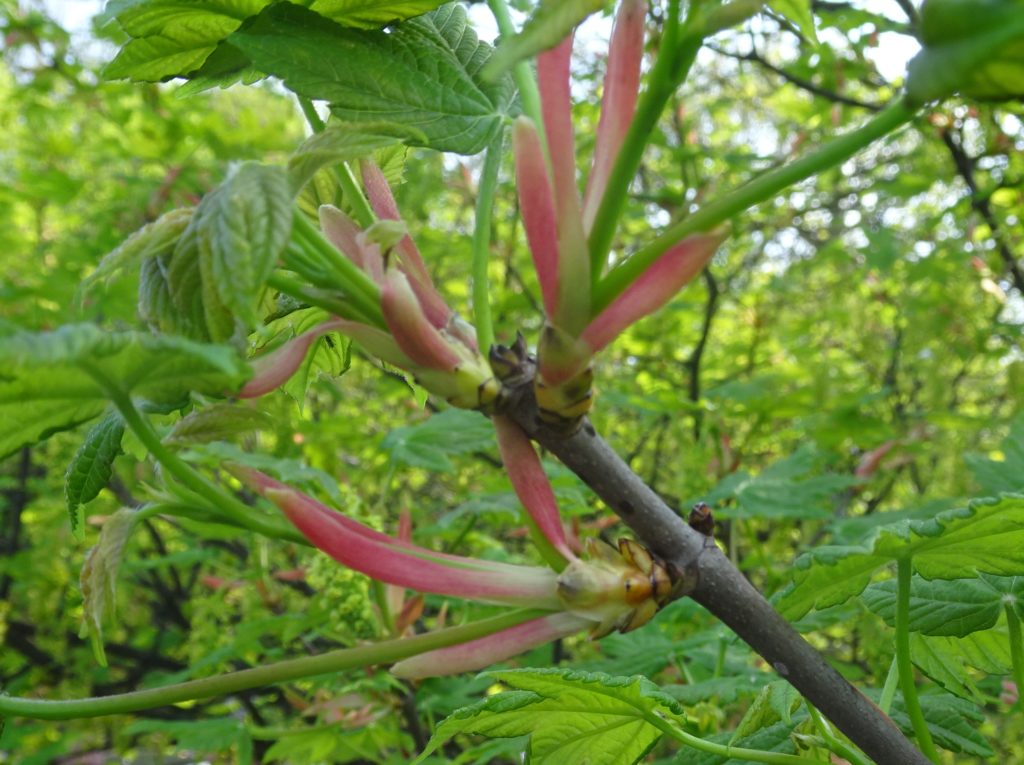
Spring buds bursting into life.

Barking up the wrong tree


Patterns from nature inspire painters – is this natural or an artists impression?

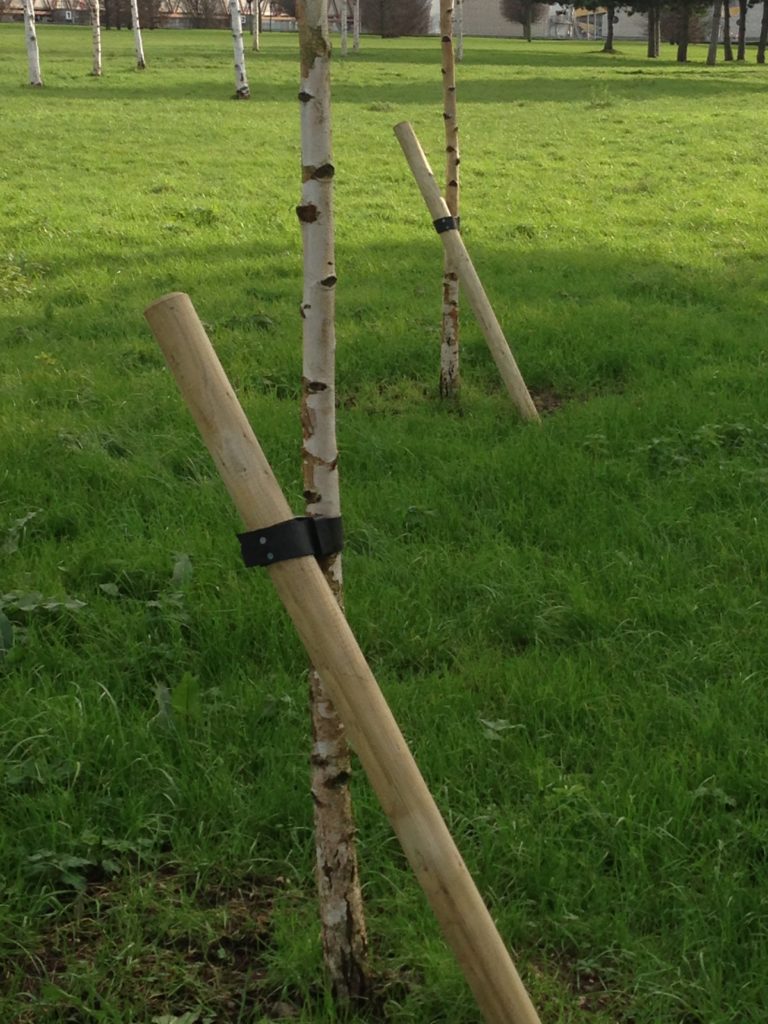
Stake out your support for  trees

Limes in Malaga botanic garden lead to a interesting garden

Spring is Sprung – Finally

Spring is Sprung – Finally

It is still be very cold and dank in some  parts of the UK but the flowers hint that spring has finally sprung. It has been a stuttering start for 2018 and the ground is still fearfully wet and therefore very cold.

Star performers so far this year have been Helebores that have taken all the snow and cold that could be thrown at them and still come out well. The Primula family have produce strong colour and my Drumstick primulas in 3 distinct colours have been reconsigned into a ‘Den Den’ to produce showy blooms close together. (Primula denticulata give rise to the new named zone). Unlike previous years the daffodils in pots have done better than those in open ground.

More effort has gone into plants kept in the house as these white Muscari show. I have planted these back out into a white zone within the garden to add to the special daffodils next year. I have had mixed success with bought mothers day houseplants like roses (No I tell a lie they were a great disappointment and a waste of the kids money).


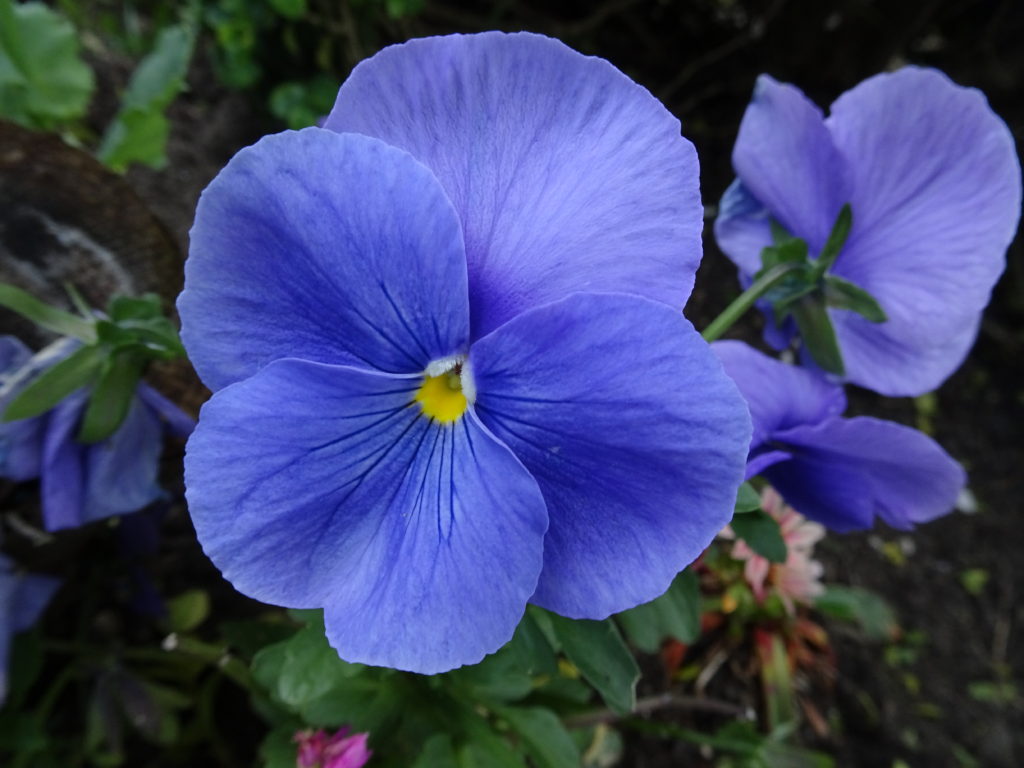
Veins and a Varicose Pansy

Veins and a Varicose Pansy

Roses are red Pansies are blue -They’re available in other colours – but what can you do?

Blue Vein Pansy is a character in the Greenskeeper Gathering andgarden dragon game of ‘Flight Rising’ where ‘These flowers fend for themselves, uprooting to seek sunlight, shade, and water as required.’
Would that all plants were so accommodating.

Plants can be segregated into two groups Monocots with parallel veins that begin at the base of the leaf and end at the tip without any branching. The Dicots that includes Pansy have veins that start at the bottom and branch out in an ordered network all over the leaf.

Unlucky Gardeners

  1. The amorous corpuscle loved in vein but gardeners are not vane about the weather and this is a vain attempt at humour!
  2. I had a rock garden but the rocks died
  3. I crossed Poison Ivy with Clover and got a rash of good luck
  4. The CO2 emissions and new weather has led to Global Worming
  5. The forecast for tonight  – Dark

Thanks to pin interest there are lots of Pansy pictures in the same vein.


Bamboo Care and Maintenance

Bamboo Care and Maintenance

Lawns are cut regularly to encourage side shoots, prevent flowers and to keep the grass tidy. Some attention should also be given to other grasses and bamboos to encourage production of fresher growth at the beginning of the growing season.

bamboo ice

Pruning Bamboo

  • All bamboos look better when scruffy, broken or damaged shoots are removed.
  • Thin out dense thickets to create space for the flexing stems of new shoots.
  • Cut out old canes with sharp loppers or a pruning saw flush to the ground.
  • Thin out other shoots to create a balanced, airy clump.
  • Prune above a node to prevent die back.
  • Weak side shoots and branches often look unattractive and a judicious pruning improves appearance.

Bamboo Care

  • The best time to thin and prune is late spring just before new culms emerge.
  • Don’t be afraid to remove 30% of the culms leaving the freshest one-two year olds.
  • For more growth from dwarf bamboos cut down to soil level in early spring and treat like a hardy perennial to get fresh clean foliage.
  • Instead of under planting you can decorate with stones or round pebbles.
  • Some bamboos are invasive and the tough, springy roots need to be removed or root pruned annually. Plant a barrier at least 18 inches deep around invasive types.
  • Bamboo can be turned into Topiary as the leaves grow more abundantly after pruning and the culm won’t grow
  • Bamboos need to be replaced every 10-15 years
  • Water plants in late spring during a dry spell to help new shoots to develop.

Bamboo

Bamboo in Pots

  • Potted bamboos should never be allowed to dry out even in winter.
  • Because bamboo is tall, it may be susceptible to being blown over so weight the pot accordingly.
  • Bamboos make good subjects for growing in pots. I use terracotta pots as the colour seems to go well with the green leaves.
  • Pots restrict the root run of the plants and they should be trimmed every year.
  • Arundinaria viridistriata ‘Pleioblastus’ or Phyllostachys nigra ‘Black Bambo’o are decorative dwarf bamboos suitable for pot culture.
  • Feed with a high nitrogen feed as bamboos are hungry plants and you are their only source of nourishment.

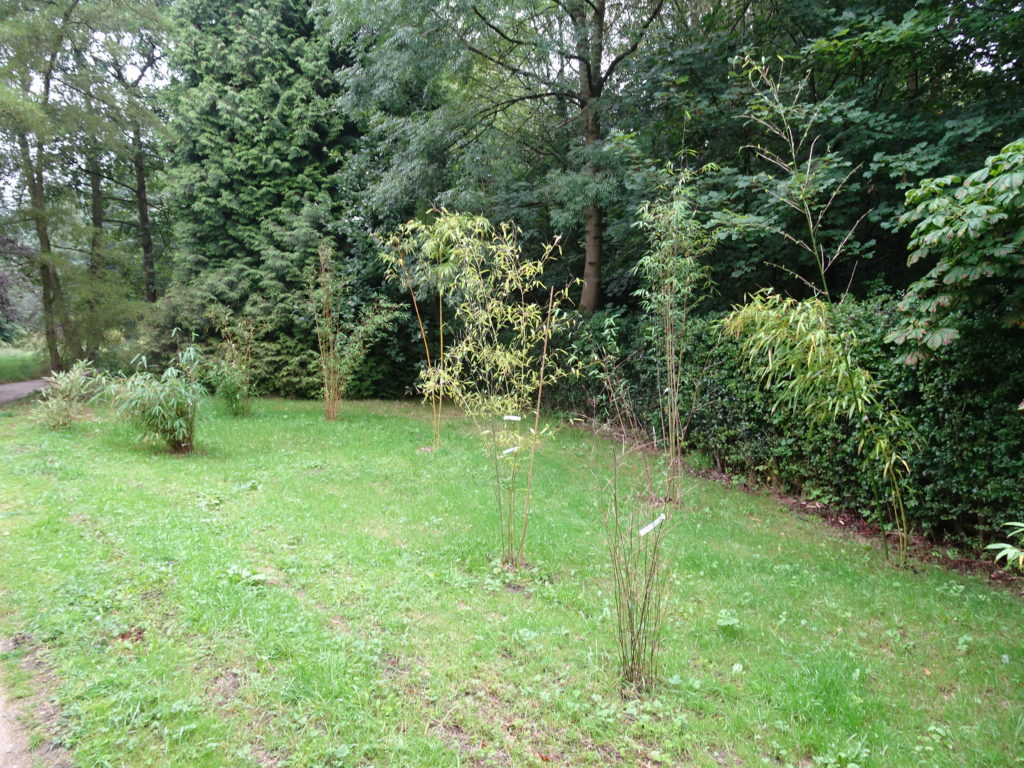
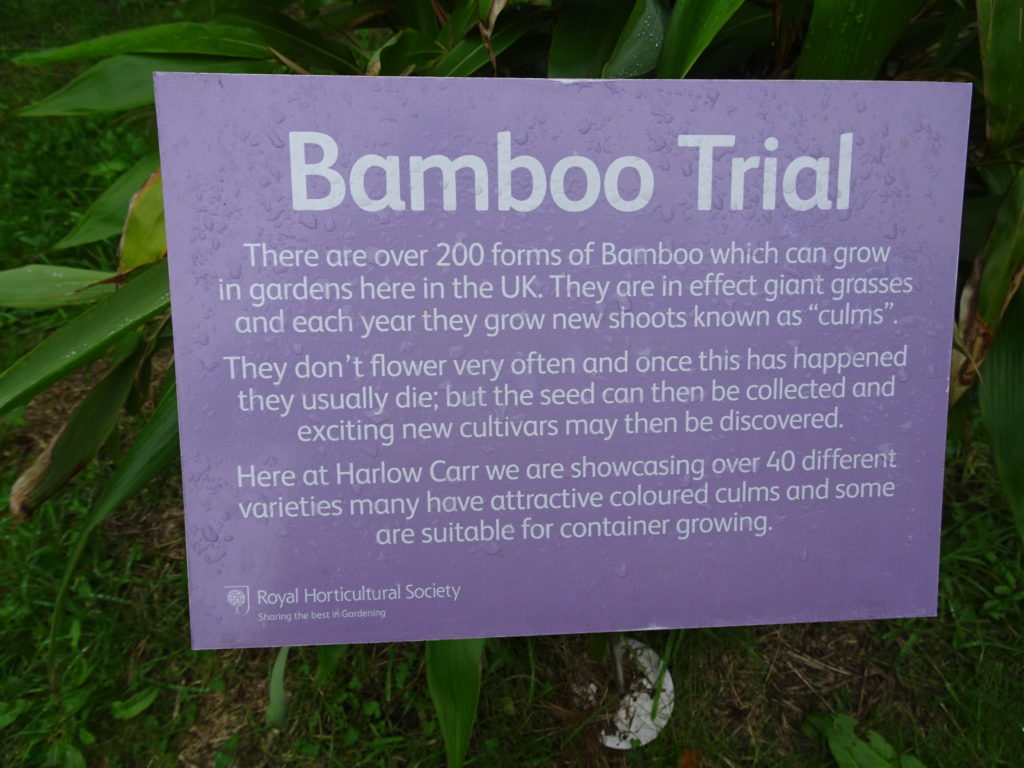
New Bamboo Boulevard at RHS Harlow Carr
New and Urban Hedge Rows

New and Urban Hedge Rows

Hedge your bets and start a hedge fund and do not hedge around!

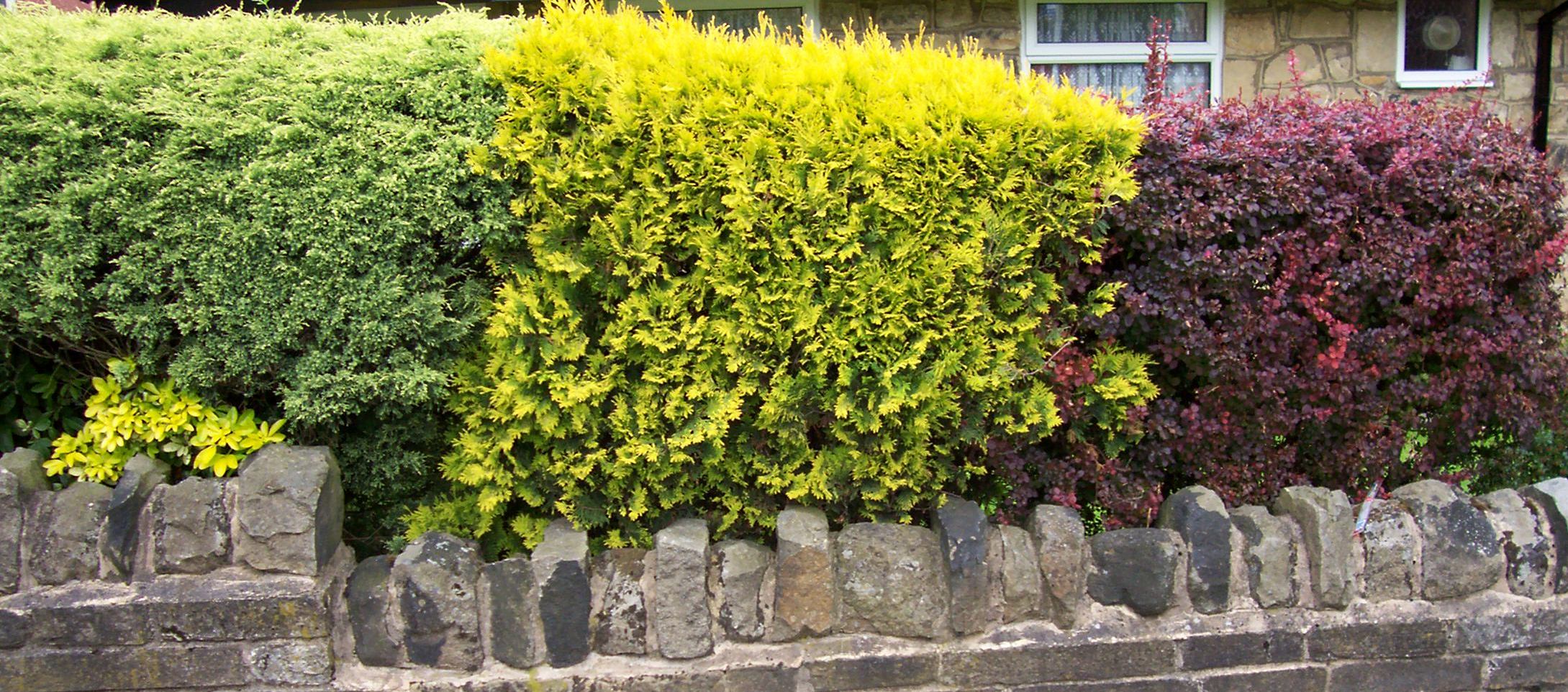
This isn’t my favourite hedge spotted on a walk to Menston railway station but it hints at what can be achieved. I would now opt for a fruitful hedge to feed me and the birds.

  • The blending of green, grey and red foliage has produced a singular hedge.
  • Mixed colours work best if kept formal, neat and tidy
  • Do not allow one type of plant dominate another, these all seem to be in proportion but vigorous growers will need more trimming
  • Different shaped foliage could also be blended in a mixed hedge
  • The stone wall provides some relief from the base of the hedge
  • Train lower branches into gaps. remove extraneous plants like the Choysia on the left

How to Plant A Hedge

  • Plant a bare root hedge in winter between November and March.
  • Buy 2 0r 3 year old plants in bundles. If you can’t plant them at once heel them into a trench.
  • Protect plants with a plastic bag whilst they are out of the ground.
  • Clear the ground of perennial weeds and keep it clear by hoeing.
  • Dig a trench 18″ wide for a single row of plants. Loosen the soil at the bottom of the trench and add slow release fertiliser like bone meal.
  • It isn’t necessary to add organic matter except perhaps as a mulch after planting.
  • Sprinkle any fungi treatment directly onto the bare roots before planting.
  • Water the hedge for the first year but then leave it to it’s own devices.
Old Adverts How Are You Doing My Old Fruit?

Old Adverts How Are You Doing My Old Fruit?

It is interesting to see how gardening adverts have changed with the horticultural industry and modern developments. Yet a top fruit business has in some ways stayed the same.

We are all pleased to see Ken Muir’s specialist fruit business is still on the go although Ken himself died in 2011 at the age of 85. This advert in The Garden October 1976 was placed when his mail order business was 10 years old. Ken Muir was famous for starting the Pick Your Own trend and supplying strawberries to Marks And Spencer. Unfortunately I can find no trace of Oldfield Nurseries – they claim an admiral slogan that we can take to heart  ‘We are NOT a garden Center -  We grow what we sell.’ Is it another case of use it or loose it?

Are weather vanes as popular now as they were? We get modern weather forecasts via all sorts of media but gardeners need to understand local conditions and what impacts on their own micro climates so there is a place for wind vanes.

Landsman bookshops suffered the fate of other specialist bookshops when information became a cheap commodity on the internet. This coincided with a drop in the number of students studying horticulture and farming. They lasted another 32 years after this advert  running a mobile bookshop which visited major agricultural and horticultural shows but then liquidation followed.

Andrews Lawn Edgers LTD  are not ‘ALE and hearty’ either! The Vintage Horticultural and Garden  Machinery Club reports ALE ‘sold many items including the Spintrim lawn edger, Billy Goat vacuum, Bluebird scarifier and the Cyclone spreader’ they have the adverts to proove it. I like the thought of Jenny the generator for the garden.

Brussels Sprouts Difficulties

Brussels Sprouts Difficulties

Good, firm, mild flavoured Brussels Sprouts are a heavy yielding crop that only need a bit of care and consideration. Here are our top tips.

Correct Growing Techniques

  • F1 seeds will give the best results. It is a case of you get what you pay for. Cheap Brussels Sprouts seeds often lead to open pollinated varieties that fail to justify the time and space utilised.
  • Firm almost packed soil is appreciated by Brussels Sprouts. Draw some soil up around 10″ of the stem in late summer to prevent wind rock or tie plants to a firm stake. Open loose soil encourages blown. ‘fluffy’ sprouts.
  • Wet seasons can lead to foliage loss and leaf disease. Plant 12-18″ apart or wider on an open site to reduce the severity of infection. Water in summer if there is a drought.
  • Where white blister and ringspot diseases are severe choose resistant varieties like Dimitri, Cronus,  & Bosworth.
  • This year I am trying Burbane and Rudolph from Kings seeds.

Pests and Other Problems

  • Whitefly, caterpillars and aphids can be a problem mid season. It is no fun if they get into the buttons. Cold weather cures these problems but failing that I treat plants with a mild insecticide.
  • Yellow fungus infected rotting leaves can’t be treated with any garden approved fungicide. Pull off any affected leaves and bin them.
  • As with other brassicas their is a danger of club root that is best solved by crop rotation into fresh soil improving drainage and adding lime. I have heard of planting the sprouts with a rhubarb leaf as a prophylactic.
  • Frost can be both good and bad. Young plants need to be planted mid summer well after any frost but stalks can stand into winter and are sweeter if frosted first.
  • Old sprouts can have an odor caused by compounds containing sulfur. This may be the cause of sprouts falling out of favour in some kitchens until new varieties were discovered.

Varieties & Variations of Brussels Sprouts

  • Top Eight F1 varieties include  Brendan, Trafalgar, Crispus. Nautic, Bridget, Brodie, Maximus F1 and Hastings.
  • Flower sprouts are the result of crossing a Brussels Sprout and curly Kale resulting in tasty small green and purple sprouts with curly leaves ideal for adding to stir fries.
  • Older varieties of Brussels Sprouts have the best flavour, but it is the modern hybrids which have the ability to hold the small tight buttons for a long time on the stem.
  • Red Brussels Sprouts  deepen in colour as the weather gets colder. Red Bull produces medium sized buttons with an unusual nutty flavour. The colour reverts to green when cooking. Red Ball is hardy and has a long cropping season.

Harvesting Brussels Sprouts

  • Take the buttons from the bottom of the stalk first.
  • Take off blown or flowering sprouts and any yellowing leaves as you go.
  • Cut off the whole stalk and use the sprouts indoors as you need them. They keep better on the stalk.
  • The top of the stalk can be eaten like a small cabbage