Browsed by
Author: hortoris

Lemon Sunflowers

Lemon Sunflowers


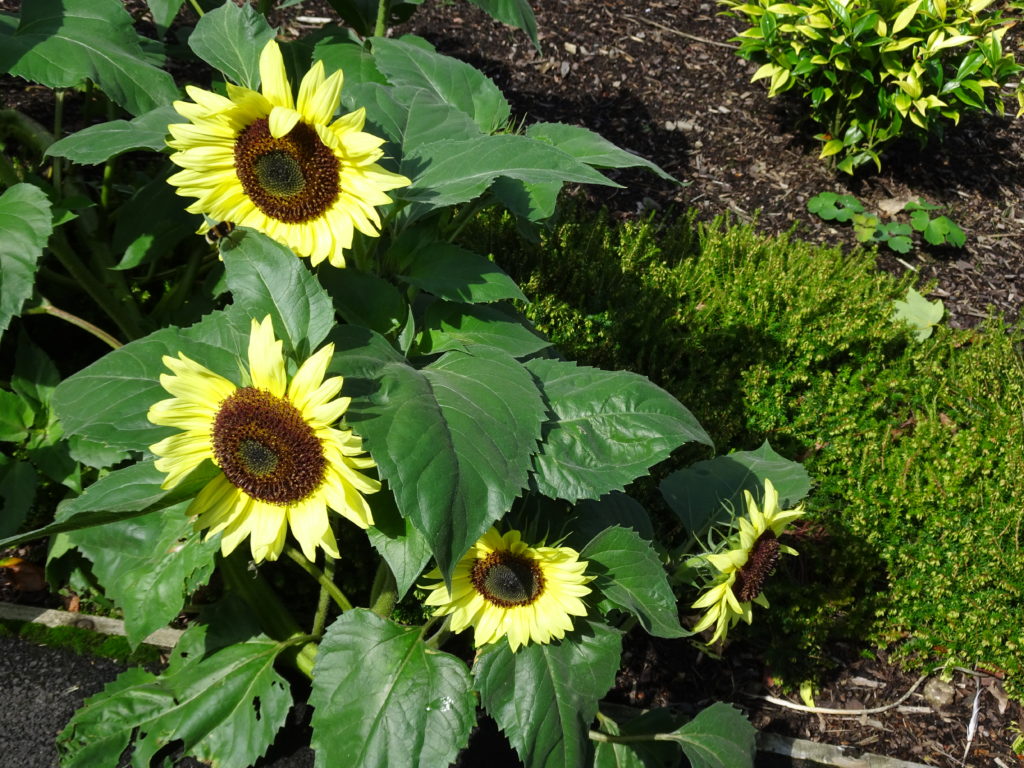
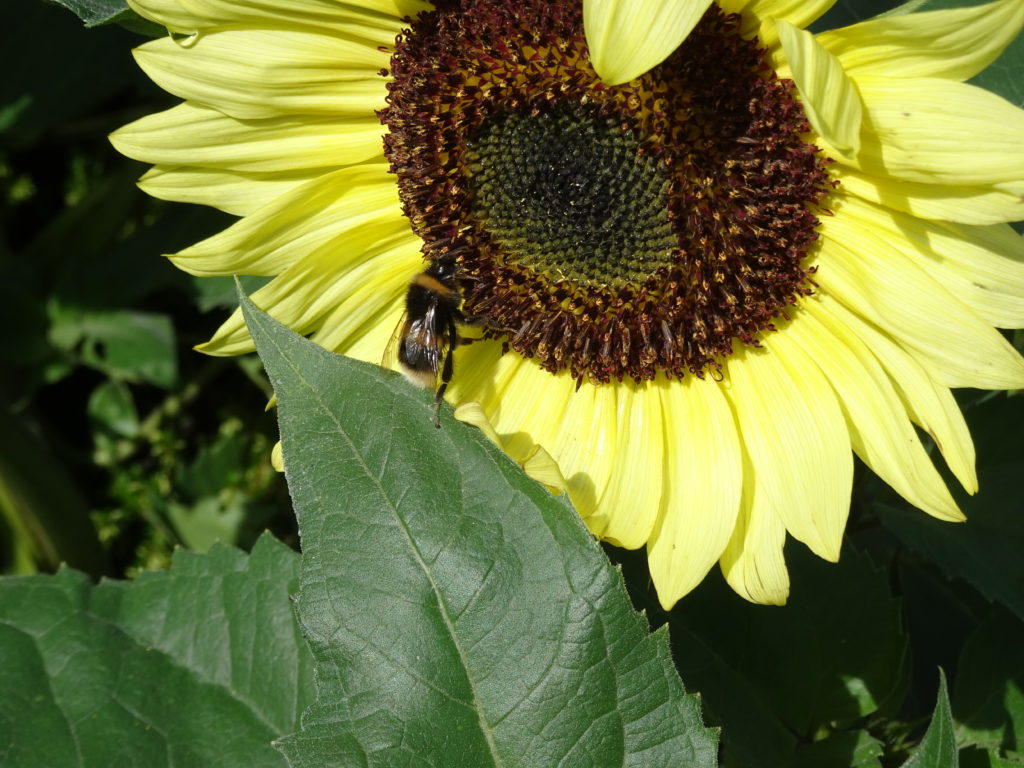
Sunflower seeds are now available in a range of colours and growing habits. These Lemon Queen plants provide several heads on one compact growing plant. Contrast that to the wilder plants I have to weed out as seedlings that grow from my bird feeders.

Tips on growing and displaying Sunflowers for cutting


Old Venerables and Trees That Disappear

Old Venerables and Trees That Disappear


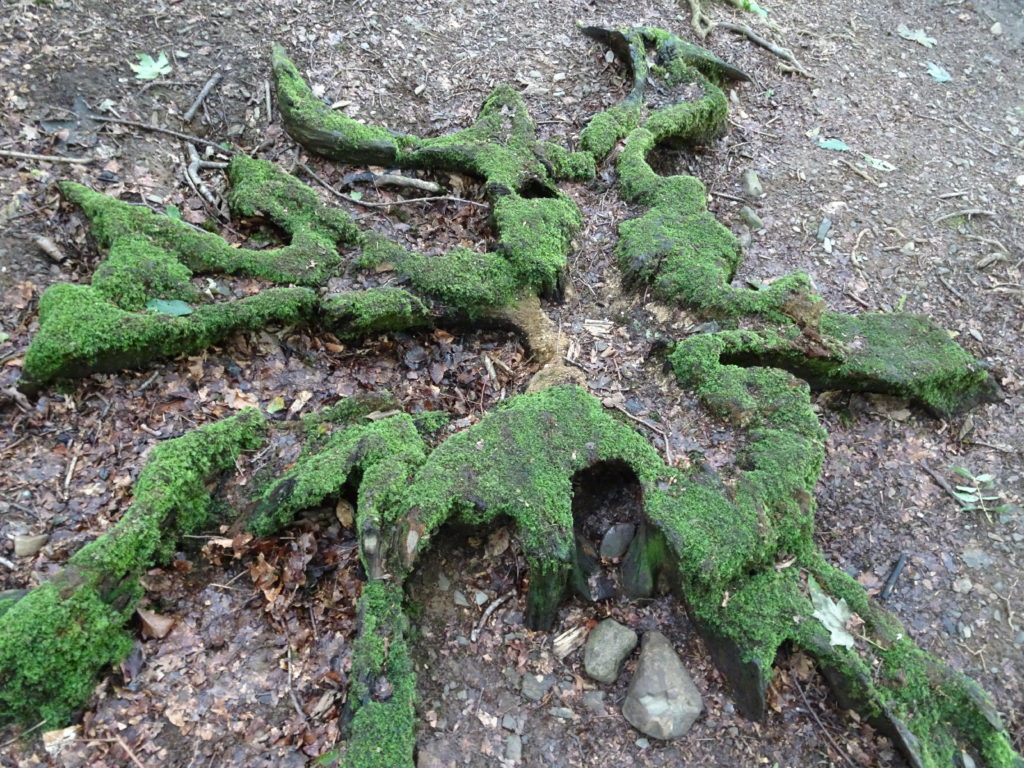
It is hard to picture how old this tree would be had it lived. Judging by the spread of it’s roots, which were over 12 feet in diameter, it would have been some sized tree.

Up on Friars Crag near Derwentwater the remnants of this trunk are now gone. It is interesting to note that the roots are the only parts that are still rotting. Was it the moss that protected the roots?

Nearby is a monument in recognition of the writer, social reformer and artist John Ruskin’s  visit to Keswick in 1824. I would guess that was around the time the tree died to start the rotting process but that is only a guess. Ruskin was fascinated by nature and would have a better idea about this tree remnant. He build his own garden at Brantwood near Conniston Lake ‘A paradise of art and nature’

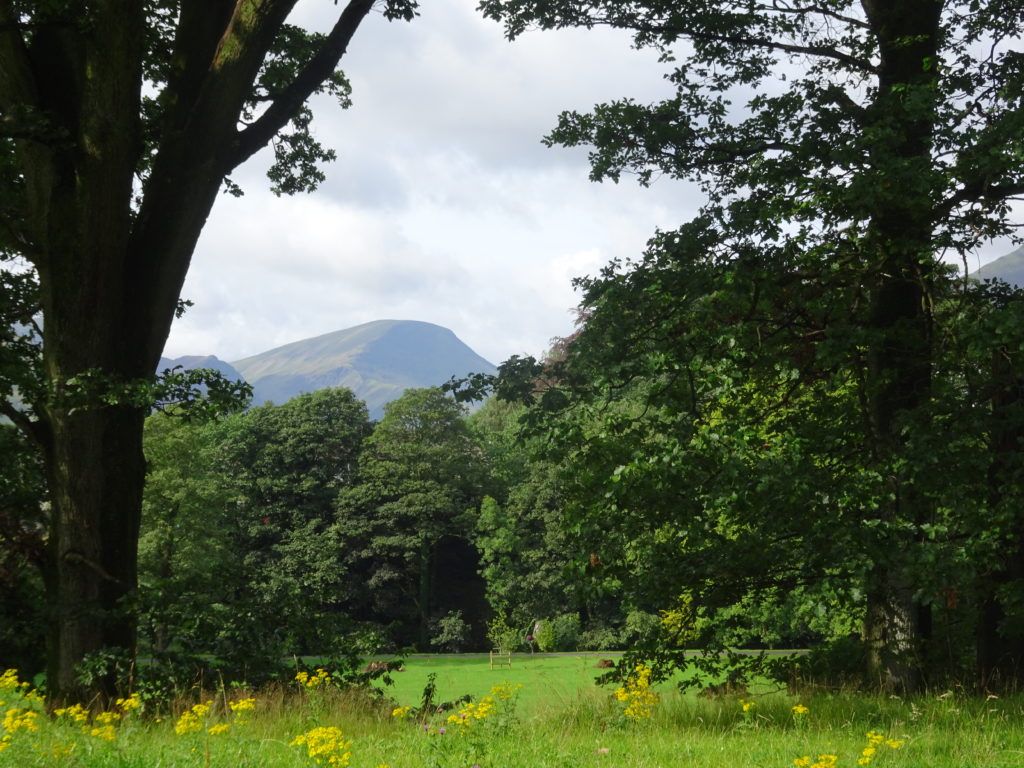
Keswick has some grand trees in a distributed arboretum in the parks and near the river Greta. Try the tree trail in Upper Fitz Park.

Read More Read More

Woody Prunings and Compost

Woody Prunings and Compost


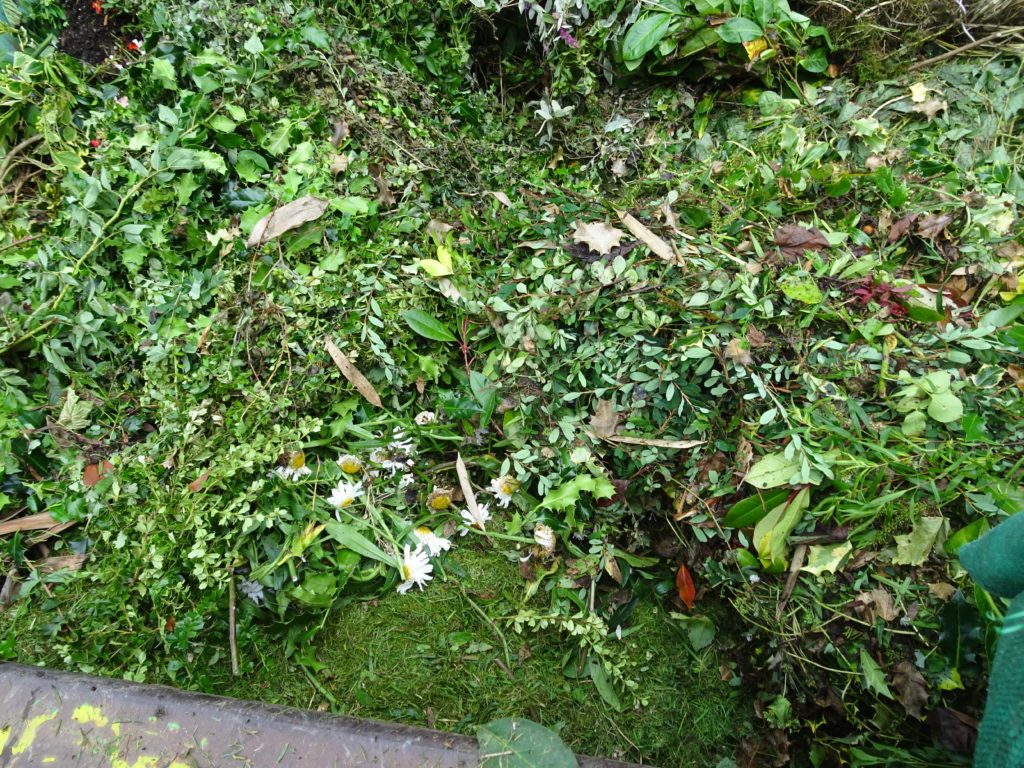
I have 3 good sized compost bins and the Metro district council supplies and takes away a brown bin  each month (for an annual fee). However that is still not enough at this time of year and I can fill the car boot many times over to take thick hedge prunings and woody bits to the local recycling center.

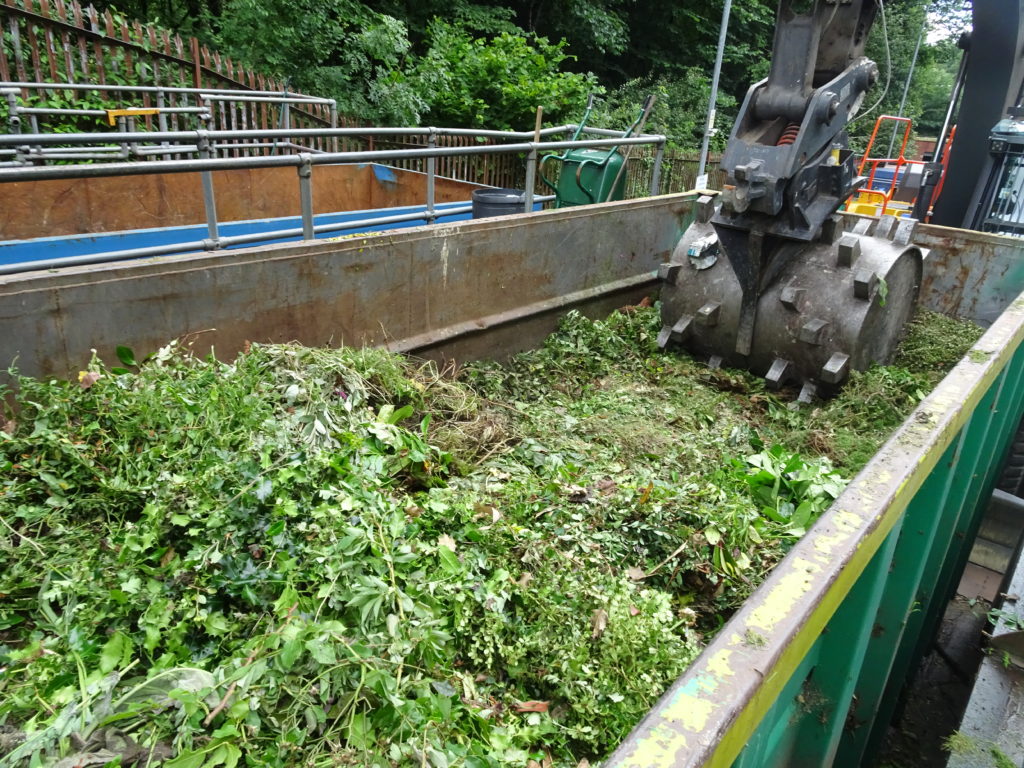
I need one of those – a big rolling compost smasher. It is used to tamp down the tipped compost so we can tip more and the trailer can carry larger loads to the ultimate council compost site.

Other Woody Composting

  • In the past I have had a shredder that was great when it didn’t get clogged up. Sadly it rusted away and I couldn’t foil to do all the extra shredding hence the trips to the tips.
  • In my enthusiastic days I spent many happy hours cutting twigs and prunings into small pieces to encourage early rotting down.
  • Oft times I had a bonfire but then moved on to a dustbin with chimney that is useful for collecting those annoying bits that I want to burn.
  • I had a special 2 year compost bin which reduced volume considerably but the woody bits lingered longer. It is now one of my 3 bins.
  • Garotta compost maker is not man enough for woody items even though I have tried more in hope than expectation.
  • I have never tried guerilla composting ( called fly tipping) but I often see the result of other people trying this antisocial method of eliminating their compostibles.
August Garden Needs More Colour Less Green

August Garden Needs More Colour Less Green


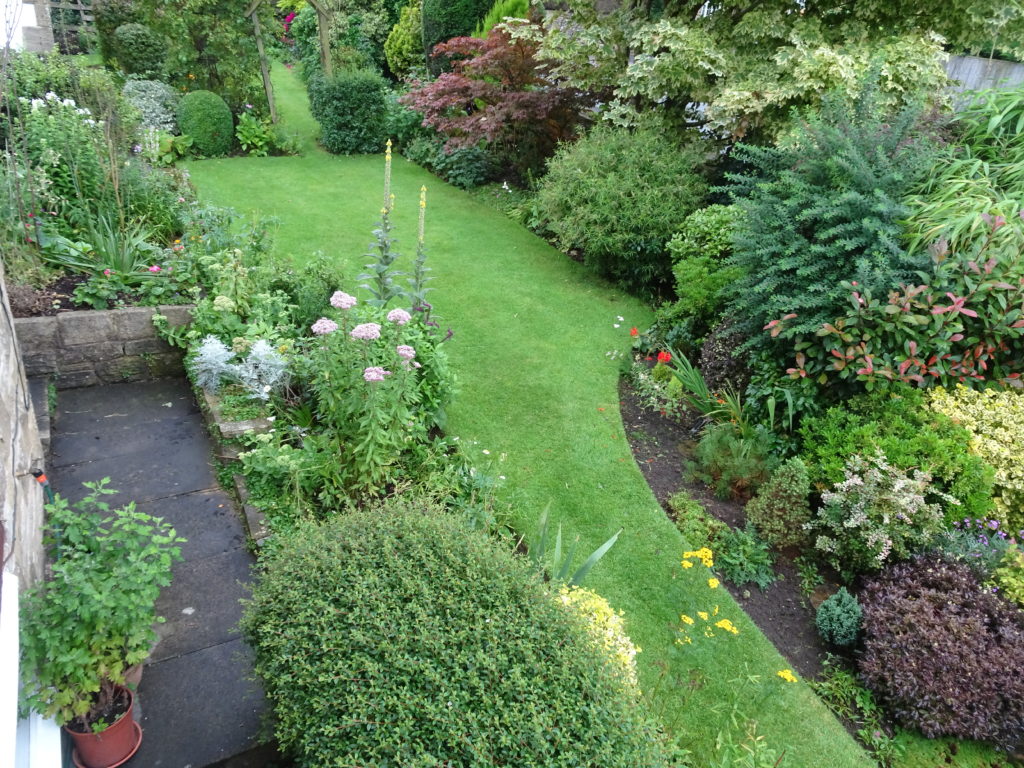
Shrubs rule the roost in August and apart from some Hebe there is not much other than green and a bit of leaf colour. Roll on the second flush of roses.
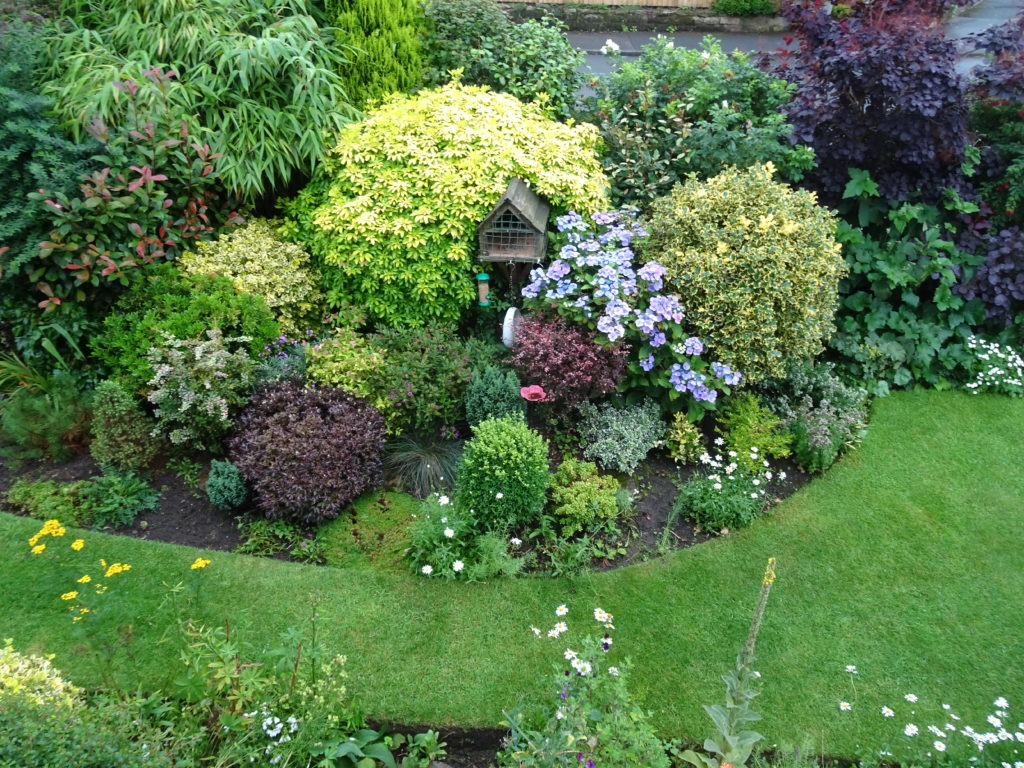
Next year I will think about more annuals and a better range of perennials with August in mind.
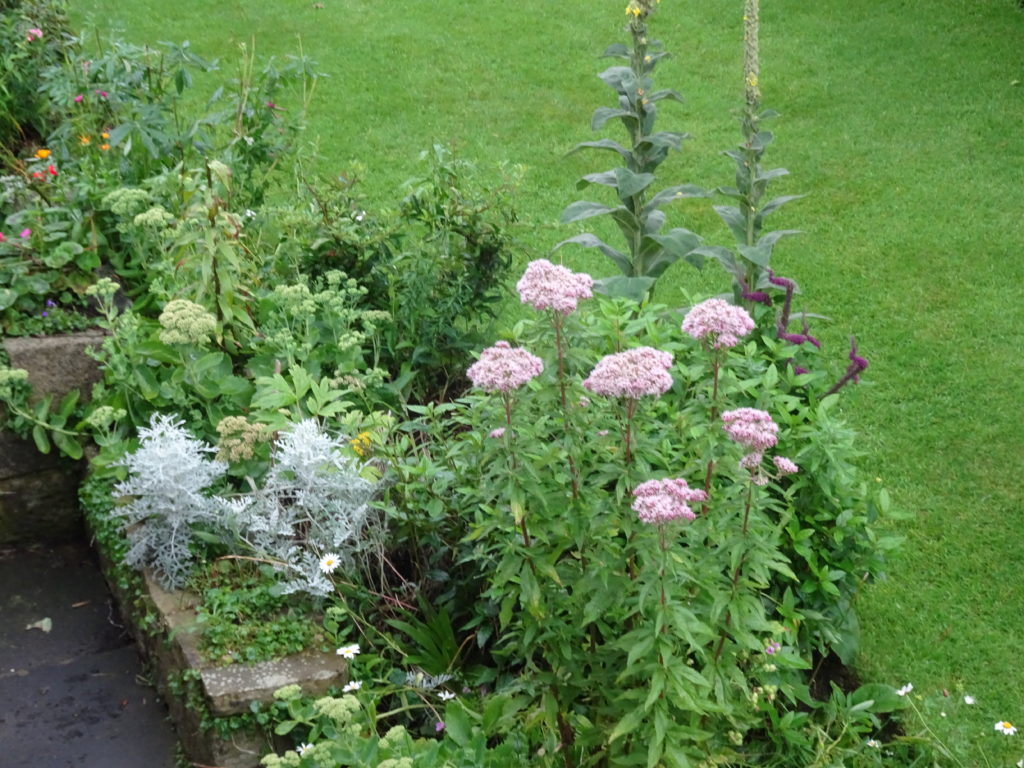
There is nothing wrong with green, it is what Chlorophyll is all about.

It is no surprise that many colours related to green have connections with natural items: –

Lawn green, sap green, chartreuse, sage, lime, olive, moss, mint, emerald, viridian, virdigris, avocado and British racing green.

Not real greens :-

Envy green, Lorne Green, Hughie Green, Ever Green, Green Gills, Thumb or finger green (enough ed.)


Gloxinia as Houseplant Gifts

Gloxinia as Houseplant Gifts

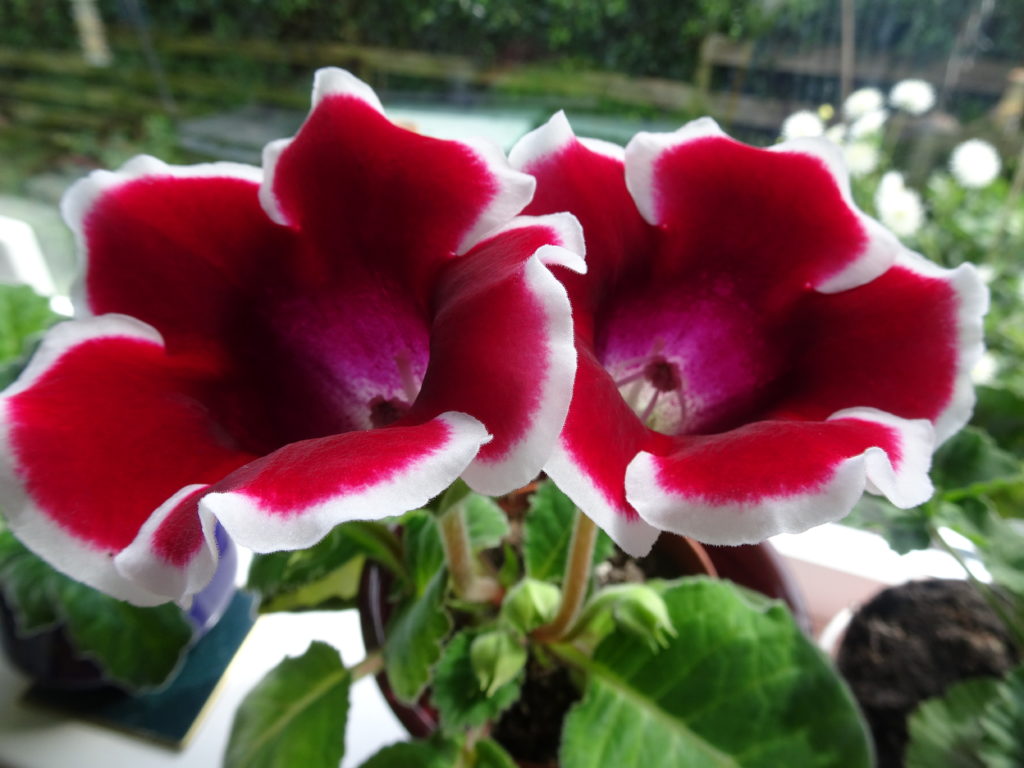
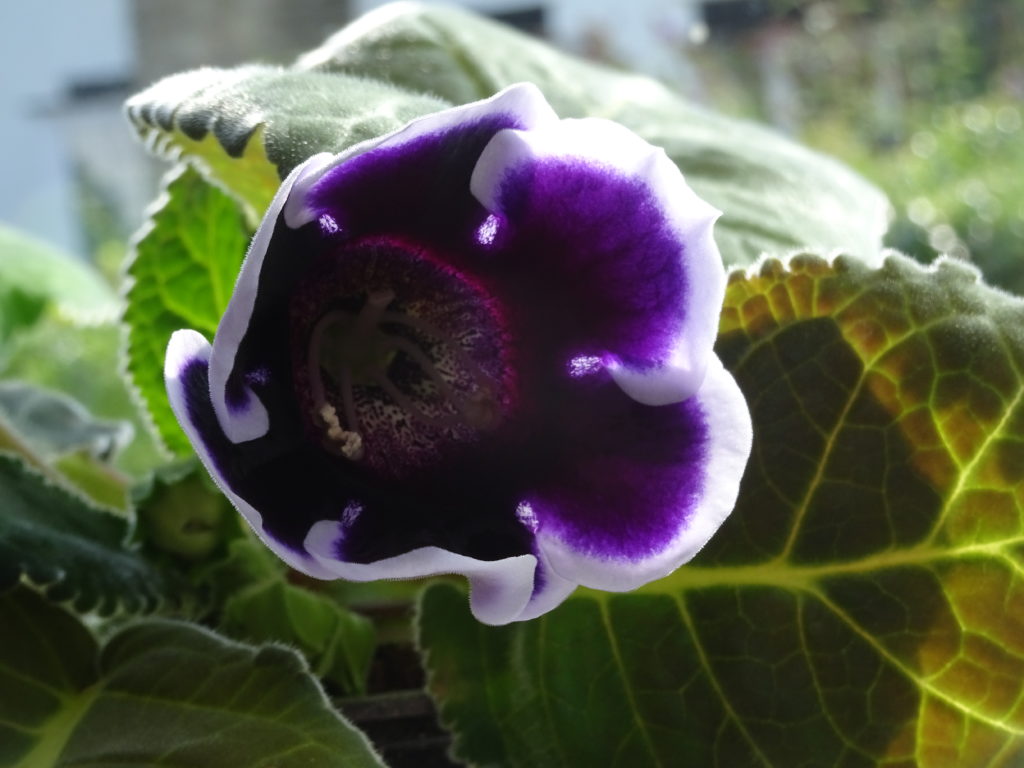
Can you grow too much of a good thing? Yes I think so. There are only so many plants you can accommodate in the garden, house or even through life. So as part of enjoying the growing aspect of gardening I have started to deliberately grow for giving plants away in this case Gloxinia.

Selecting the Gift

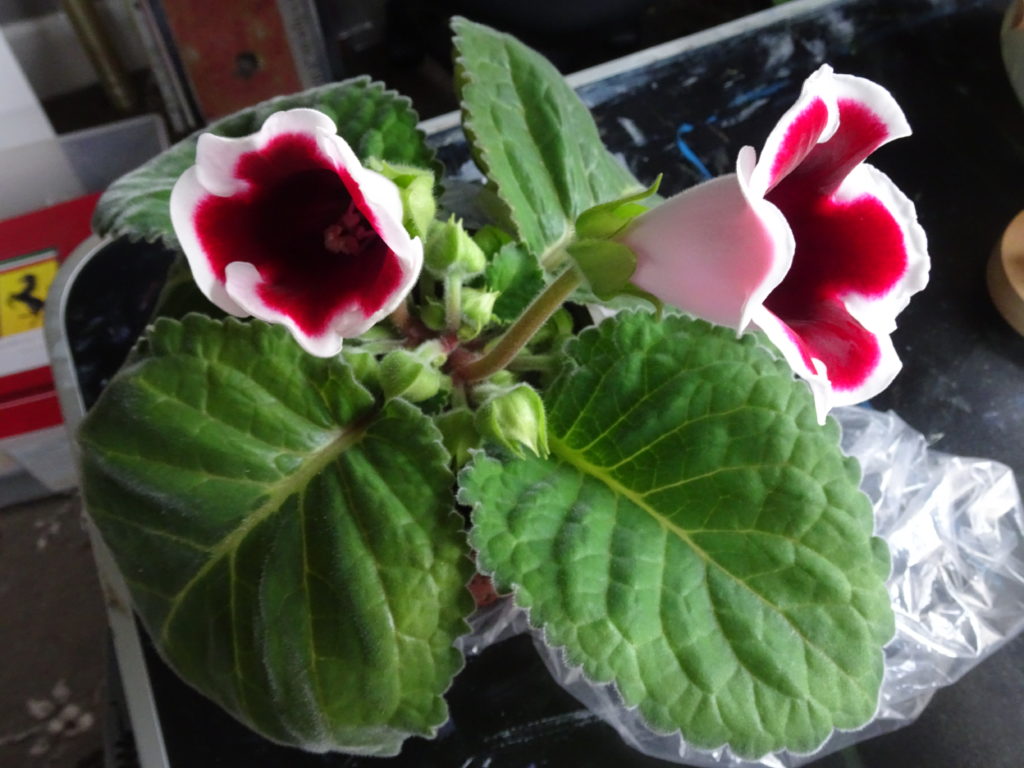
  • A plant in flower is far more attractive than one the recipient has to grow-on or wait to see how it looks.
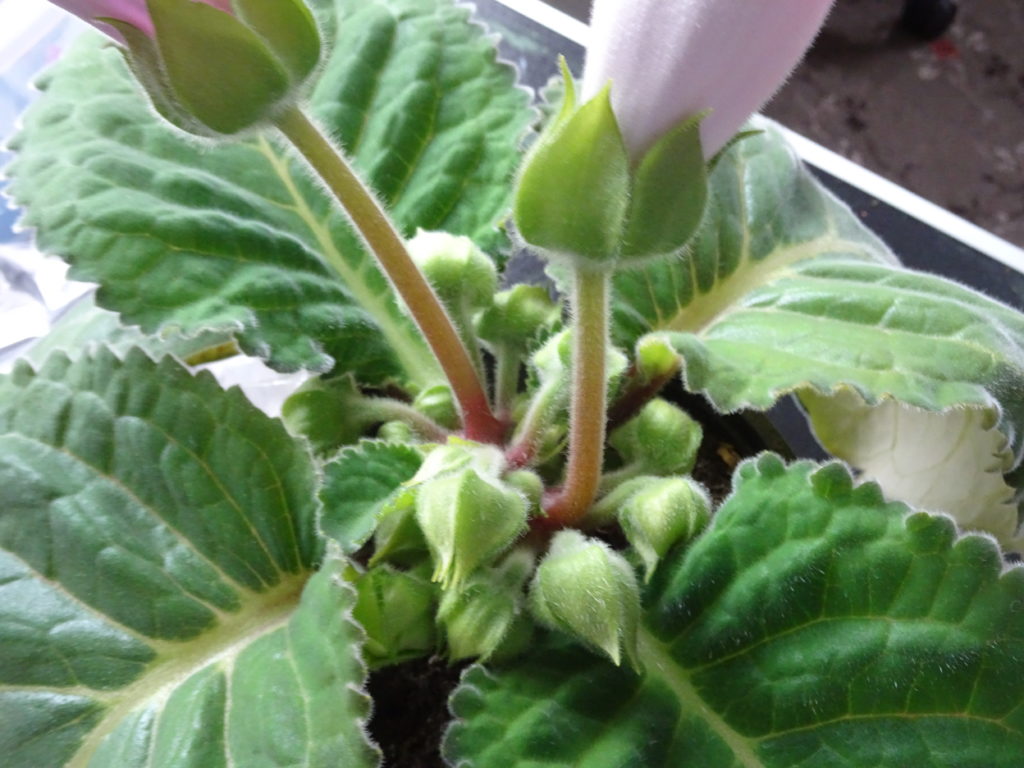
  • A plant that still has lots of buds to open or develop will extend the pleasure. (See the latent buds on the next photo).
  • Presenting the present in an appropriate way is worth a bit of effort. I have been buying a range of bowls and plant pot holders from charity shops to act as containers. In many cases I can colour co-ordinate to match container and plant. Artistically minded may want to add a label or bespoke wrapping.
  • Not everyone believes the Gloxinia I am giving are houseplants so I should consider providing a bit more information.

Simple Advice For Gifted Gloxinia

  • Gloxinia like plenty of bright light without direct burning sun.
  • Turn the pot round so the plant and flowers develop evenly. They love to bend towards the light.
  • Water from the bottom when the compost is dry and the leaves are floppy. Err on the side of too little rather than too much water.
  • After flowering which may last 6-8 weeks, allow the plant to rest and die back.
  • Keep the dry tuber until next spring if you want to try to regrow your gift.

Tips on Growing Gloxinia

Tubers or corms may be found under the name Sinningia speciosa or Gloxinia and are part of the Gesneriaceae family that includes African Violets. They have been grown as florists gloxinia since being discovered in Brazil in 1815.

    • Plant shallowly in good compost with the buds facing upwards, this is usually the concave side like begonias.
    • Water the compost with warm water from the bottom to stop the tuber rotting and keep the atmosphere humid without getting the leaves or flowers wet or they will be stained with brown blotches.
    •  If the furry leaves elongate it is a sign they need more light.
    • Do not expose to direct mid-day sun as the leaves are liable to become scorched.
    • Gloxinia  like a temperature above 60º when in growth.
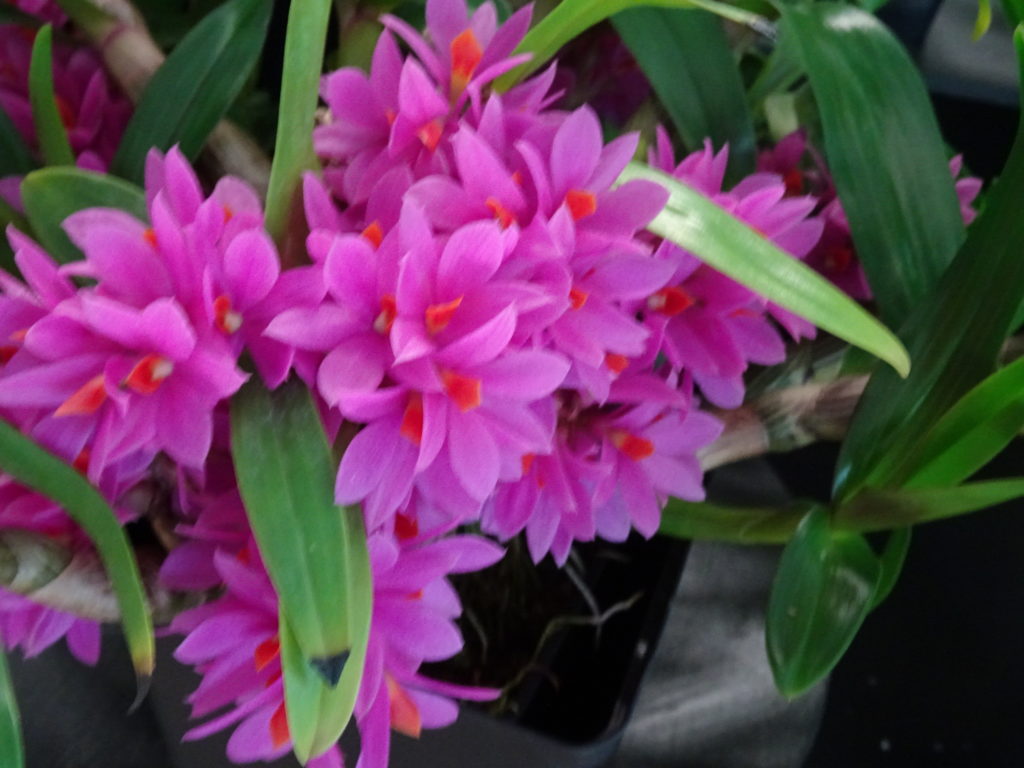
    • Plastic pots are fine but I add some grit or perlite to help avoid water logging.
    • Feed with half strength liquid fertiliser


Thank the Romans for Latin Names not Linnaeus

Thank the Romans for Latin Names not Linnaeus

Book Cover

‘What else did the Romans do for us’ asks Monty Python. ‘All right, but apart from the sanitation, the medicine, education, wine, public order, irrigation, roads, a fresh water system, and public health, what have the Romans ever done for us? ‘ Well if you include Latin as a language they gave us modern gardening nomenclature.

What can Latin Names Tell Gardeners

  • Latin names are full of information and can hide the secrets of where the plant is found or to which areas it is endemic. eg Cyclamen persicum, the Persian cyclamen.
  • The name can show the  colour,  albicans or albus flowers will be whitish, virdis or virens will be green.
  • A name prefixed with melano… caulon,  melano… cococus,  will be black, stemmed or berried respectively. Other plants with black features will follow this pattern.
  • Fragrans means propensity for scent often sweet-scented and the best fragrantisimus is likely to be very fragrant
  • Other horticultural information may include; flowering times,natural habitat or fruitfulness- fructifera.
  • Latin for a shady place sylvestris or woodland in the name ending will show where a plant will be happiest.
  • Plants that are named after the shape of their leaves like palmate.
  • The time of year that they flower as in vernalis of spring.
  • Melleus in the name pertains to honey and will likely attract bees and other insects.
  • There are numerous other identifiers and features in Latin based plant names but you just need a learn a few (and a book or PC) to enjoy the skills  of plant selection.

So Monty Python was on the right lines but ‘he is a very naughty boy’ of he doesn’t learn some gardeners Latin.

Public Green Spaces in Britain’s Floral Resort

Public Green Spaces in Britain’s Floral Resort

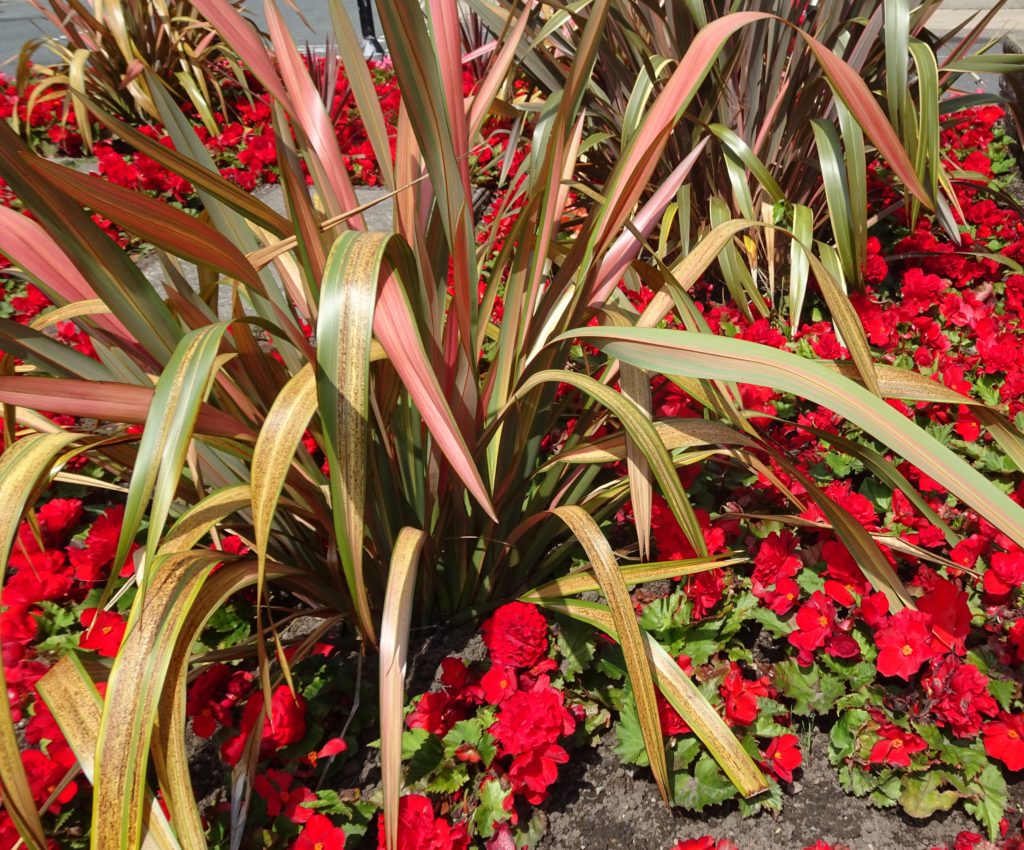
As befits a town with the sobriquet ‘Britain’s Floral Resort’ Harrogate is again a picture of vibrant colour in most of its green public spaces. Despite the crown (hotel and garden bed above ) it can not be called Royal Harrogate nor can it usurp Britain’s Floral Resort for it’s exclusive use.

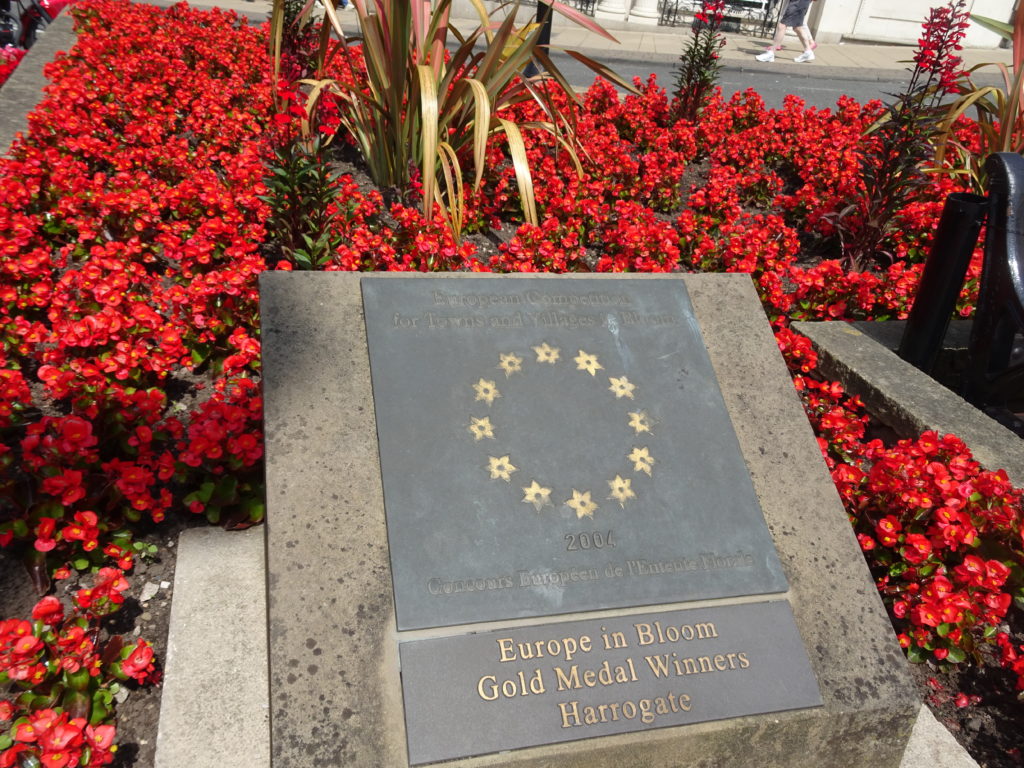
Blood red features strongly at the beginning of August in the Brexit era of 2019. Back in the day 2003/4 Harrogate won a gold medal in the Flowery Alliance of Europe horticultural competition  for excellence in horticultural display. I wonder if that was a bloodless coup?

Read More Read More

Good Gardeners Tips

Good Gardeners Tips

A tip for today

  1. Fertilise weekly weakly
  2. N for leaves
  3. P for roots
  4. K for fruit and flowers
  5. Fertilise when plants need to grow not as they go into a rest period
  6. Stand thirsty houseplants on damp clay granules to maintain humidity
  7. Houseplants can burn from strong sun through a window
  8. Houseplants will grow towards the light so turn the pot regularly.
  9. Houseplants can get pests like other plants so watch and treat when spotted.
  10. Do not sow seeds too early (they can get a growth shock in cold snap). They will catch up by up to 4 weeks no problem.
  11. Sow seeds thinly, smaller the seed thinner the sowing.
  12. Sow big seed individually
  13. If sowing in plastic cell trays chose an appropriate size 4’s, 12’s 15’s etc
  14. If sowing in plastic cell trays keep
  15. Mark or label what and where you have sown seeds.
  16. Practice gardening until you get it right – keep on gardening for the rest of your life hoping to never get it wrong.
  17. Keep conifers well watered or they will go brown.
  18. Golden conifers go greener in the shade, golden in the sunshine.
  19. It is bad luck to be superstitious about your plants.
  20. Mulch to keep soil moist.
  21. Mulch to keep down weeds.
  22. Mulch to make an area look tidy.
  23. Mulch to improve soil texture
  24. Deadhead flowers to try get another flush of youthful blooms.
  25. Deadhead to direct energy away from making seed.
  26. Deadhead to maintain a tidy appearance
  27. Prune to remove sick and damaged shoots
  28. Prune to keep plants tidy and in check
  29. Prune to encourage flowering and fruiting
  30. Prune to maintain a hedge’s shape
  31. Prune to encourage new growth
  32. Plant bulbs as deep as the bulbs size
  33. Daffodil bulbs need time in the ground plant early autum
  34. Tulips can be planted up until November/December
  35. Grit or gravel on top of pots deters moss and helps watering
  36. A saucer under a pot holds water – beware of water-logging which will rot roots
  37. A saucer under a pot holds water to help watering. Use some gravel to keep pot out of a permanent puddle.
  38. Clay pots dry out quicker than plastic or ceramic pots
  39. Black plastic pots get hot in the sun.
  40. Standing pots close together creates a useful micro climate
  41. In winter keep tender plants in pots frost free.
  42. Stand pots on feet so they do not freeze to the ground (a cause of damage to pots)
  43. Refurbish plants in pots by removing the surface soil/compost and replace with fresh compost
  44. Pots rely on you for care, there is no worms to aerate or feed the soil nor a water table.
  45. The bigger the pot the more water it can hold – small pots dry quicker
  46. Some plants like to have the roots constrained in a smaller pot to encourage flowering.
  47. Plants become pot bound when the roots fill the pot – repot with fresh compost in a bigger pot
  48. For a low maintenance garden try conifers of varying sizes.
  49. Dwarf conifer are available in different varieties, shapes, textures and forms.
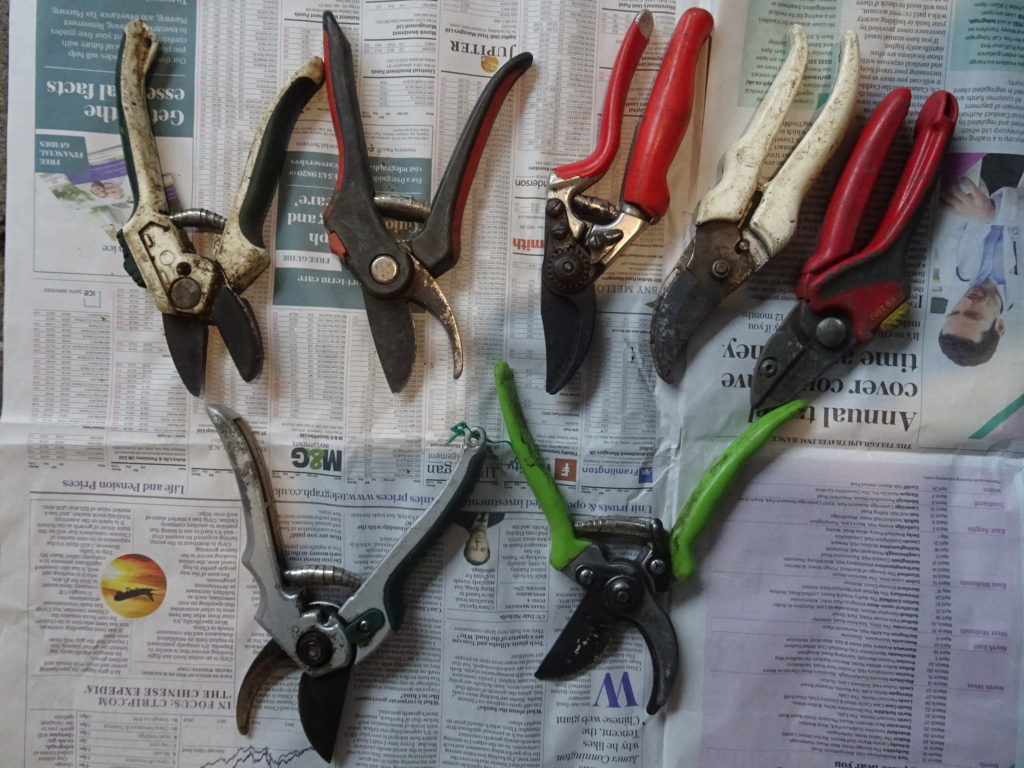
  50. Keep tools sharp
  51. Keep tools clean and disinfect to avoid transferring pathogens
  52. Keep tools where you can find them and where you want use them.
  53. Appropriate tools for the job make gardening and  life much easier
  54. If your orchid loses   its leaves and turns yellow, it’s dead.
  55. Wait until daffodils are in bloom before pruning roses.
  56. Cut the roses down to the same height as the daffodils – this requires some commonsense as there are small and tall daffs and a wide variety of roses but it provides a rule of thumb.
  57. You don’t need to cut down your fuchsias for winter but stuff Strulch, straw or pine needles between the branches.
  58. When new growth starts you can trim up your Fuchsiaskale
  59. When planting out leeks or onions dip the roots in water just prior to planting. The weight of the water keeps the roots extended.
  60. Make a homemade birdfeeder in an old hanging basket and add a perch by using a strong stick or cane.
  61. The soil on plants from garden centers is often too dry and hard to re-wet. With care you can shake off this compost and replace it with your own.
  62. Alternatively leave the pot in a dish to soak in water, with a drop of washing up liquid to break the waters meniscus and simultaneously water from the top.
  63. Pansies and to a lesser extent viola are prone to black root rot if over watered. Be sparing when watering.
  64. Create smaller beds they are easier to maintain in tight spaces.
  65. Take photographs of your garden regularly and at least every season.
  66. Take photos before and after a renovation project or new planting.
  67. Take photographs of plant labels at botanic or show gardens of those plants you like.
  68. Keep old plant labels (and seed packets) in date order as a reminder
  69. Use some sort of mulch to line the spaces between your vegetable beds.
  70. Birds adore the red, egg-shaped hips of the wild dog rose.
  71. Best rose hips are produced by species roses.
  72. Where there’s muck there’s brassicas – they love a lot of horsesh…
  73. When summer sets in with all it’s usual severity don’t walk on frozen grass.
  74. Visit New Zealands exotic Taranaki world-renowned rhododendron garden
  75. Keep reading Gardeners tips

Read More Read More

Gardeners Against Deforestation

Gardeners Against Deforestation

It is not only in the Amazon rainforest that excessive deforestation is taking place. Africa is suffering as well! According to an educational charity the ‘deforestation in the Gambia is dreadful, many of the largest trees have been sold to China! Lots of protests but nothing seems to be done about it.’
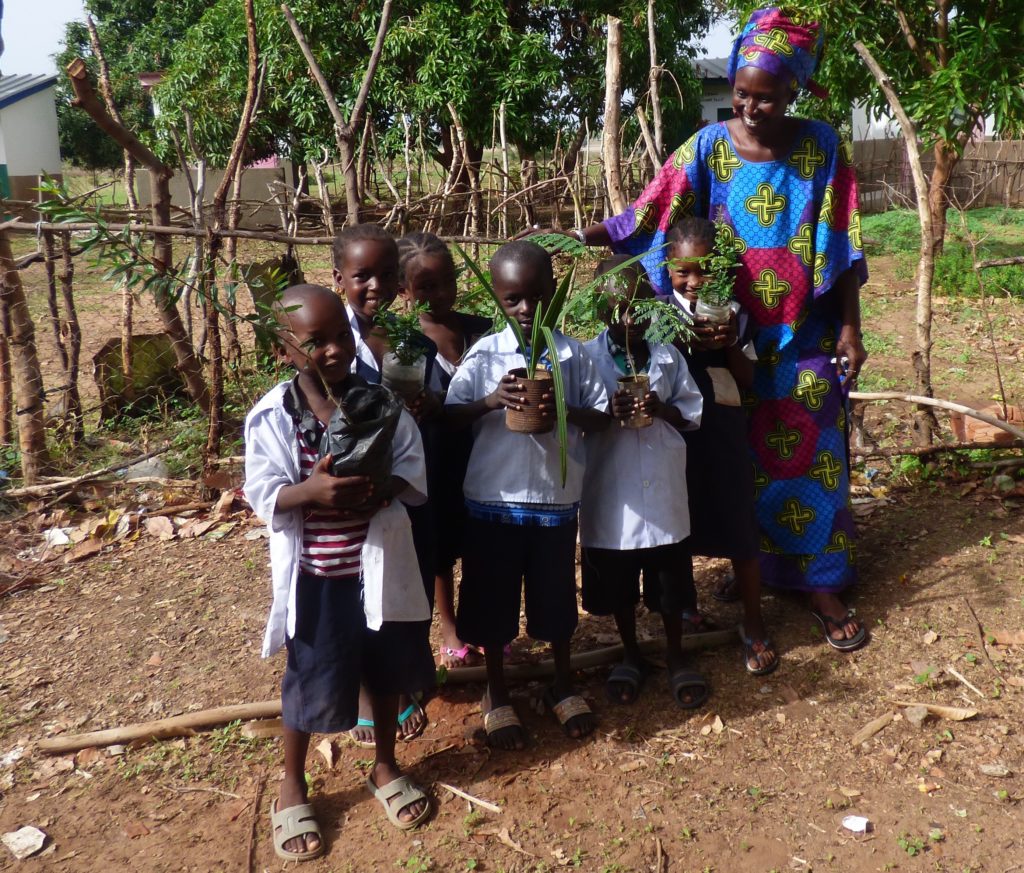
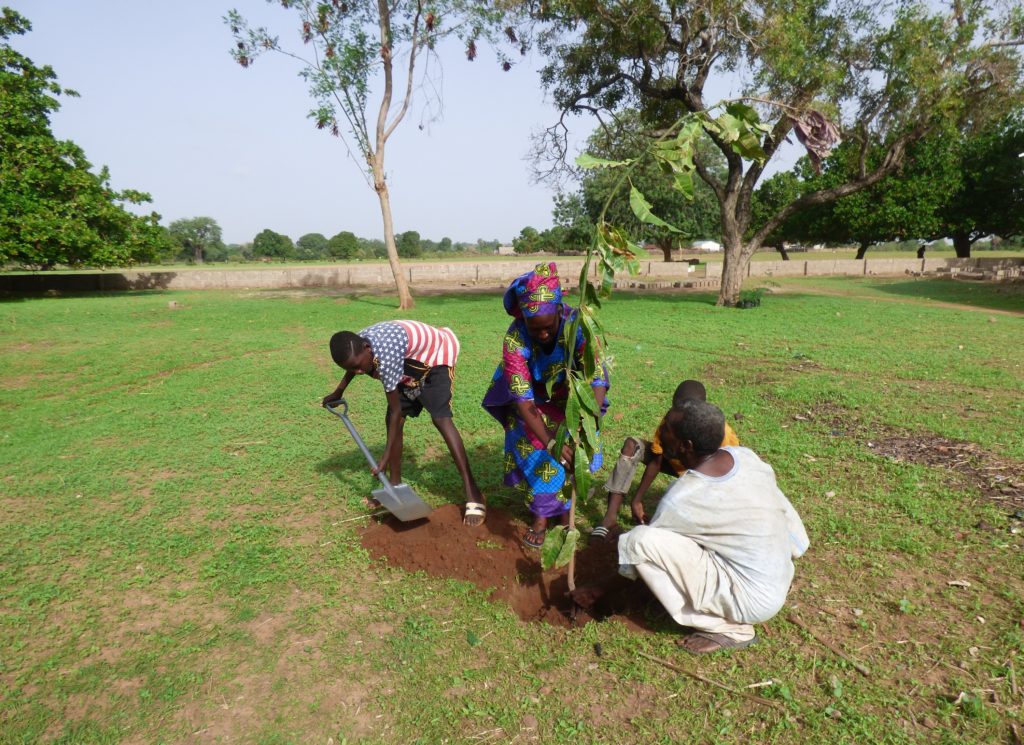
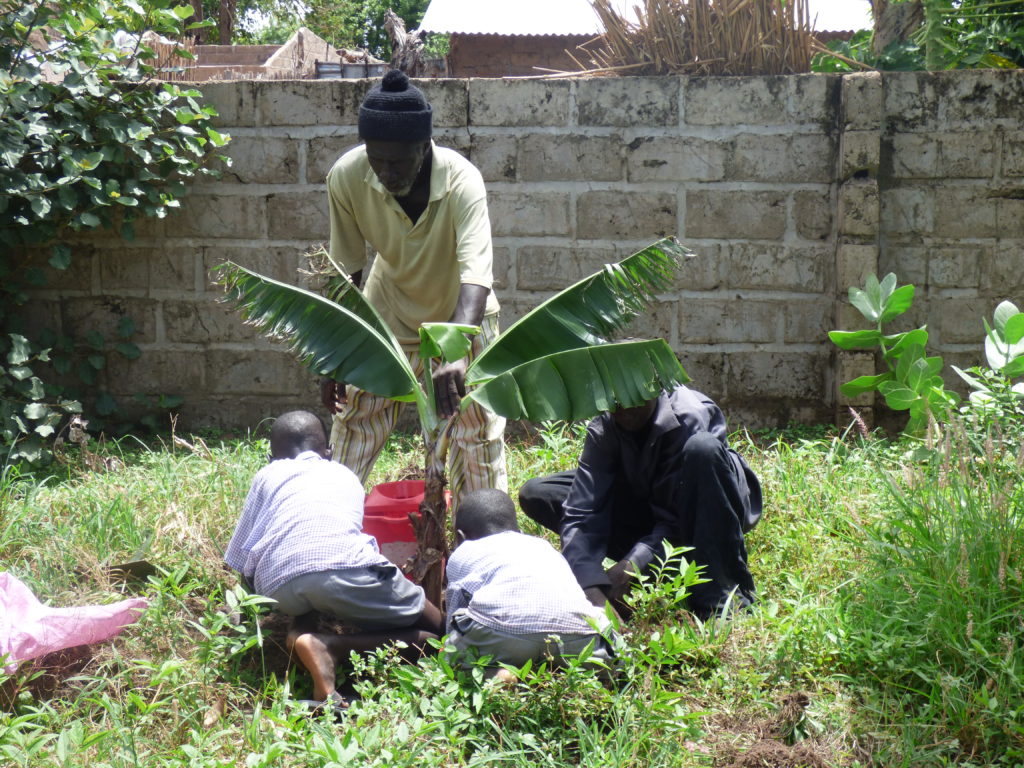
‘A British charity the Gambian Schools trust is helping schools in the Gambia to counter this deforestation and teaching an awareness of beneficial fruit trees. They have encouraged school children who have planted about 200 mango, mandarin orange, avocado, flame trees, tamarind, banana, palm,  and pomegranate. The largest number were Pomegranate which do not grow in the rural east of the country, they introduced them to our schools and together they have propagated about 120 from seeds. Hopefully they will fruit next year and any excess fruit can be sold at market to supplement school funds.’
The photographs are from the summer 2019 activities at the Gambian Schools trust locations.
Mango planting
A government minister  has said ‘the Gambia is endowed with a wide range of forest and woodland ecosystems which include gallery forest, closed and open woodlands, trees and shrub savanna, mangrove, riparian and fringing savanna ecosystems…… constituting 43% of her land area and that the country’s resources provide an important basis for economic and social development, directly affecting the livelihood of the majority of the populations.’
Banana planting
Back at home we gardeners should bear in mind the areas in the world where horticulture and related activities are crucial to survival. We can help via education and practical support.