Browsed by
Author: hortoris

Latex, Opium, Sap, Gum and Resin
Latex, Opium, Sap, Gum and Resin

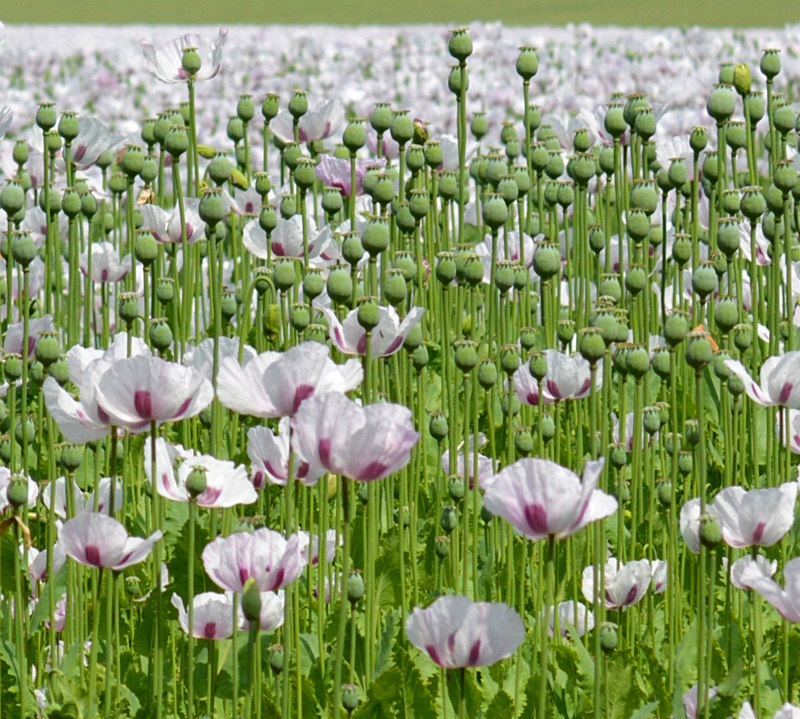
Opium Poppies – Geograph – Pods of the opium poppy at Woodcote, Oxfordshire

Latex

Dried latex is obtained from the seed capsules of  Papaver somniferum aka the opium poppy. Morphine, heroine and codeine are all derived from the alkalides in the latex. Latex is natural rubber.

Many  plants produce forms of latex rich in isoprene polymers including spurges, dandelions, ficus elastica, lettuce and chicle. Two most useful latex derived products are chicle for chewing gum and Hevea brasiliensis the rubber tree that is tapped to provide the latex for natural rubber production.

Latex can cause allergic reaction as gardeners with euphorbia may know from skin rashes

Sap

Tree Sap is obtained from maple, birch, or walnut trees and is a liquid less viscous than honey comprised mostly of water and sugars. Sap from a tree is made of sugar and water carried in the trunk cells.

Maple syrup comes from maple trees in the form of sap that is harvested in drips, from incisions in the bark, into a bucket hung from a tap hammered into the tree.

Sap has antiseptic qualities that can keep wounds from getting bacterial infections. Thus sap can  make wound dressings or when boiled down it becomes a sticky tar-like substance used for waterproofing (it’s believed by some that Noah used ‘pine pitch’ to waterproof the Ark)

Resin

Resin is a liquid found in the outer cells particularly of the Pinaceae family like pine, fir and cedar trees. Resin may be the trees way of removing waste products from the heartwood.

Resin is a sticky solid form of secretion that is highly valued for their chemical properties with various uses including the distillation of turpentine.

Amber is the fossilized resin from ancient forests.

Gums

Eucalyptus trees can produce a highly aromatic oil used  for cleaning, as an antiseptic and cough medicine.  Gum arabic is a natural gum made from the hardened sap of some varieties of Acacia trees. Its main uses are in the food industry.
Looking Good This Spring

Looking Good This Spring

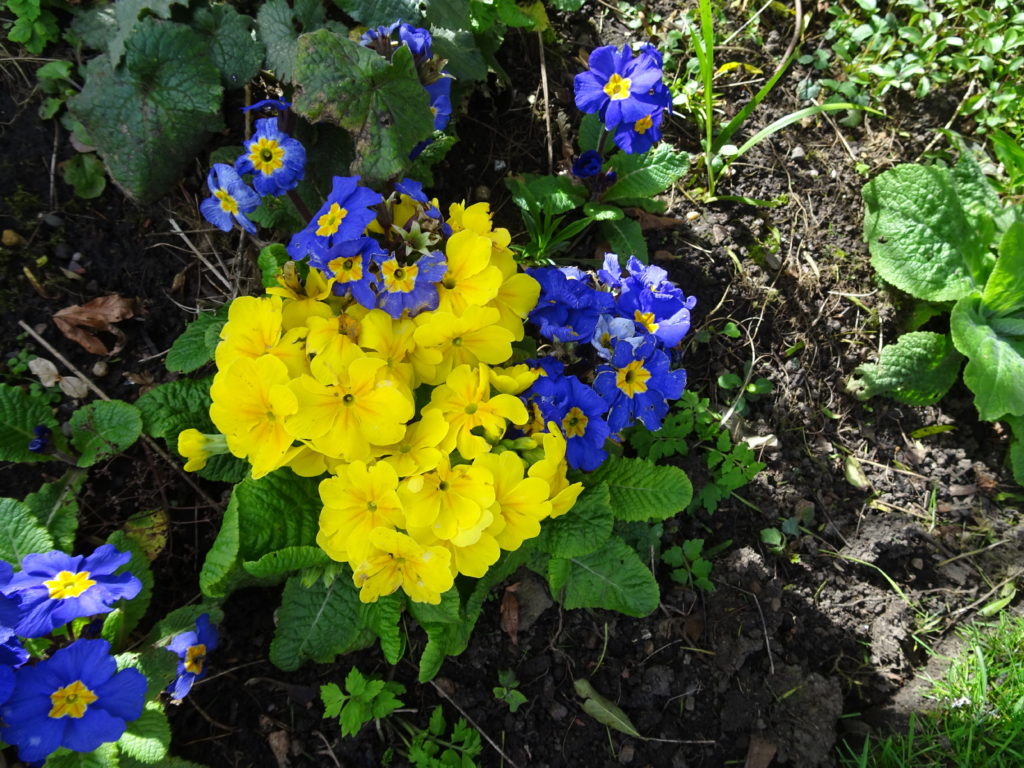
In some years different plants do better than others. In my garden this year is the spring for primulas and today’s crop shows off some of the strong colours that I have been enjoying. Notably the blues are deep and stand out  due to the contrasting yellow eyes. Yes to quote  our former speaker John Bercow  ‘the eyes have it, the eyes have it’.

Why better looking than in previous years?

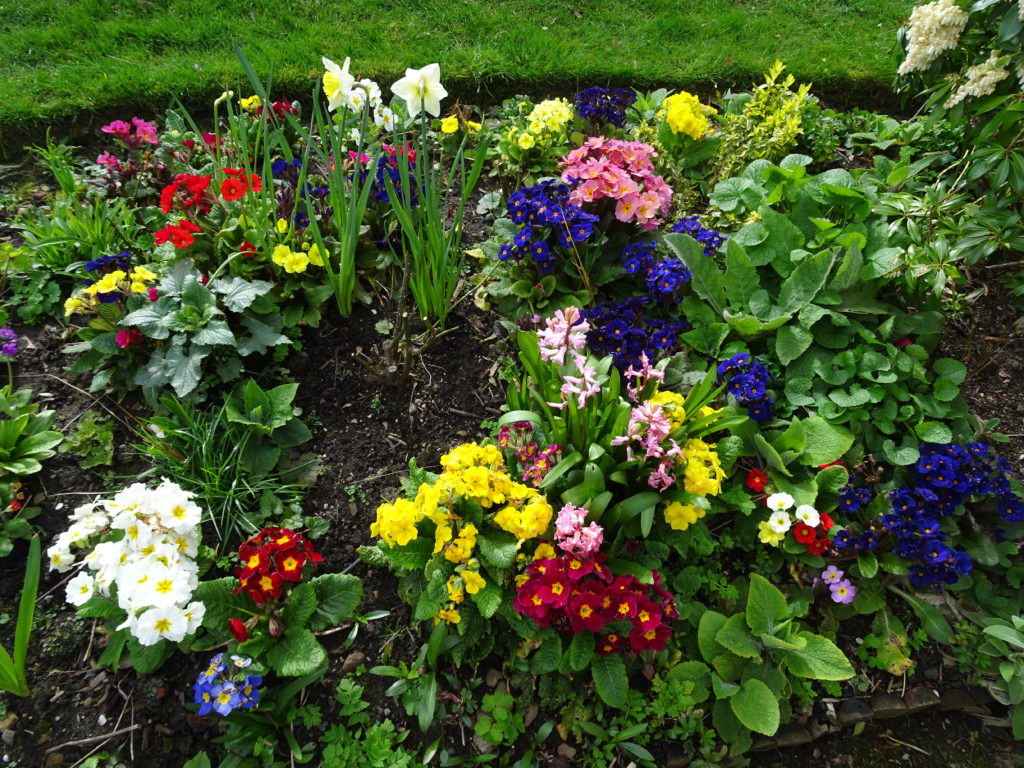
  1. A wet and mild winter has favoured the primulas and produced lush leaves and masses of bloom.
  2. The ground I have photographed is largely dedicated to these plants with a few interlopers and weeds.
  3. The original stock is a few years old and a process of selection must have been going on without me realising.
  4. From last year the soil was in good heart in terms of texture and fertility.
  5. I think I tried harder and provided more TLC as I also got good results of primulas in ornamental pots.

What to do after Spring

  1. I am not confident that next spring will look as good but I see that copious water has helped so if winter is dry I will augment with mulch or extra water.
  2. I will resist the temptation to split the clumps to get lots of new plants. I will mark out a couple of larger favourits and may split off some roots.
  3. I will look after the semi-dormant plants as they loose some robustness through summer and give a liquid fertiliser boost before autumn.

Read More Read More

Pelargonium Stock Plants

Pelargonium Stock Plants

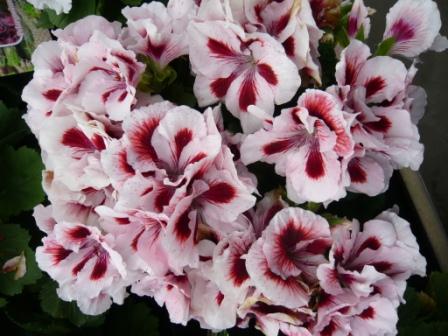
Mid March and I have just spent some enjoyable time and effort on my Pelargonium stock plants aka Geraniums.

 Spring Clean and Tidy

  1. Through winter I have kept the plants on windowsills in good sized 5 inch pots. I gave minimal water and no fertiliser since autumn but notice they are now beginning to revive and shoot up.
  2. I removed all brown or slightly damaged leaves and old detritus from the soil surface.
  3. I broke up the top soil where it had formed a thin crust that inhibited water penetration.
  4. Then it was time to water with a weak solution of a general fertilizer.
  5. I pruned out branches that were in awkward positions opening up space for new shoots to develop. This had the advantage of improving the shape of the plant and providing stock for cuttings (see below)

Spring Cuttings & Pinching Out

  1. This is the time of year to increase  your geranium stock by taking cuttings and my spring clean provided the opportunity.
  2. I am confident I will get more rooted cuttings than I will need but any trimmed shoots longer than one & half inches were placed around the edge of a plastic pot containing a gritty compost.
  3. For pelargoniums hormone or rooting powder is not effective and may encourage rotting.
  4. In 5 weeks or so (just as the frost is going) rooted plants will be ready to be replanted and by mid summer I hope they will be flowering strongly.
  5. Choice plants and varieties will be selected for growing on as houseplants.
  6. Pinching out the top of stems will force the geranium to grow two new stems making a bushier plant.  I did this  partially during the spring clean as even stock plants can put on a good show.

Read More Read More

Double Suckers and Tomato Plans

Double Suckers and Tomato Plans

Yesterday I effectively got suckered twice. It was all over 99 pence so in truth I have lost little and may yet gain but that is in the lap of Priapus the god of vegetable gardening.

Tomato Growing Plan for 2020

  • I start each year with clear plan and often good intentions and this year my aim is to harvest more tomatoes from 10 plants grown in my green house.
  • Gardeners Delight is intended as my main variety with Moneymaker as an auxiliary. I intended to buy plants, when the weather and I are ready, which will save time, space and reduce the chance of germination failure. But I have been suckered into buying and sowing a double dose of seedlings already.
  • I have several half packets of last years still viable seeds but am very determined not to sow and grow them. (San Marzano, Marmande and Tigerella)
  • The main success last year was growing cherry tomatoes in pots on the top of staging once other spring seedlings had been planted out. So I am looking for red and yellow types of suitable bush varieties. Thompson & Morgan had a trial price of 99p on a packet of Sweet Baby and I was suckered by the name and price but failed to read the back of the packet that informs me that cordon plants will grow to 2 meters high even with pinching out.
  • On the plus side with self isolation for us wrinklys I will have time to nurture some outdoor tomatoes this year after I have dug up more lawn to make the space. Add this to the fact that our local garden center is 99p better off I should worry.

Thompson & Morgan Redemption

  • 22nd March 2020 only 4 days after this original post T&M have partially redeemed themselves in my eyes. In today’s Daily Telegraph newspaper there is a plant offer for ‘six cherry tomato plants for £4.99; 3 ‘Bite Size and 3 ‘Tumbling Tom Red’. Whilst one is cordon the tumbler is determinate and just what I wanted. As I can’t go out during the corona virus restrictions  I will buy the mail order. It will cost more than a packet of seed but a lot of effort will be saved.
  • The only moan is now paying an additional £4.95 P&P. Still I can order online to save postage which increases tomorrow.
Gardening Jobs Not Done Before

Gardening Jobs Not Done Before

The year 2020 is set to be memorable for far too many reasons. At the moment I will only stick to comments about plant and garden viruses but note we ‘caught a cold’ on the wet winter.

Jobs New to My Garden

  • I have had  new roof felting and tiles on my bungalow that has some garden on all four sides of the house. The job yesterday was to go around the beds and edges to collect the bits left or blown on to the garden from the, mainly tidy, roofers. I was surprised at the amount of brash, jib and detritus that had collected under plants and all around the garden, not all the roofers doing. I will repeat the clear up exercise as part of an annual spring clean.
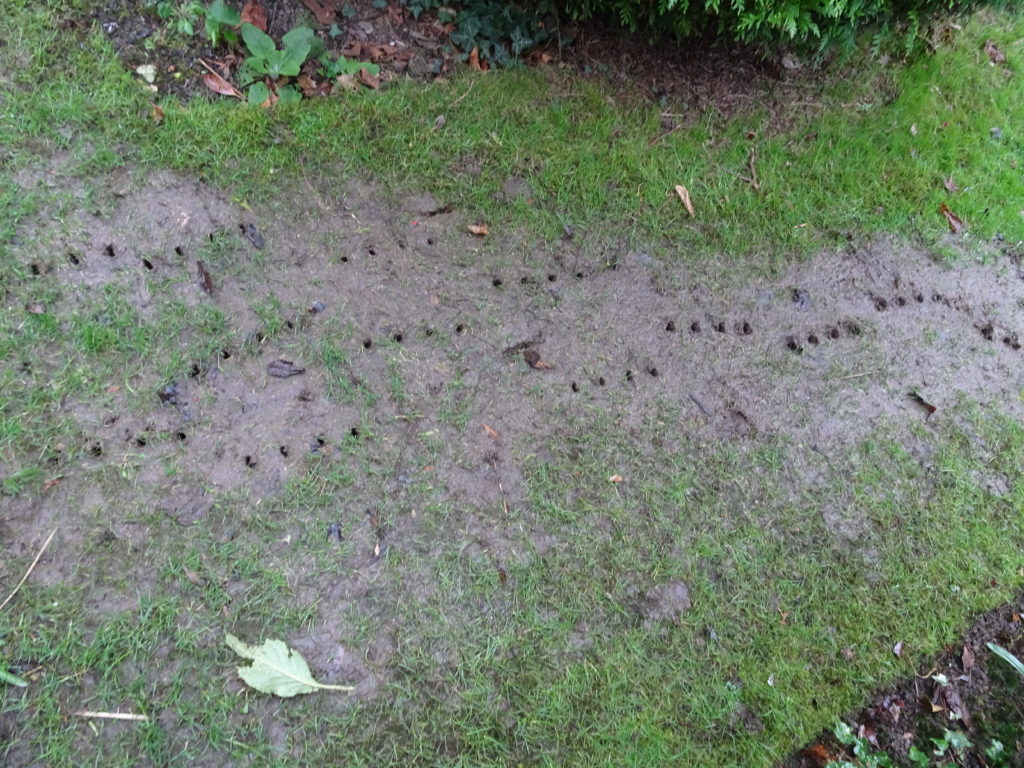
  • The second new garden job was also roofing related or more specifically scaffolding. Despite being a bungalow the house is built into a slope and the eaves are as high in places as a tall two story house. At pinch points around the house the scaffold poles had to be grounded on parts of the lawn ( a wet lawn as you can imagine). Where the grass was covered by a steel plate as support the yellowing of the grass returned to normal after a couple of weeks. The problem was where the exit from the scaffold was on to one patch of grass that became compacted and very muddy. I have spiked and forked the area and over-sown with some grass seed in the hope it will recover but muddyness is in the lap of the rainmakers.
  • Strulch was at the heart of my next new gardening job in what I now call ‘restrulching’. Last year I used a lot of Strulch to top off my ornamental plant pots particularly those that contained a new collection of patio roses. This was a success reducing maintenance and improving appearance. Now after pruning the roses I wanted to feed and top dress them. Where the old strulching was deep enough there was a mat of material that would survive at least another year but I broke it up to add blood fish and bone fertiliser then reapplied fresh Strulch.
National Oak Trees

National Oak Trees

The title of this post gives the game away but I will pose  the question anyway. ‘What do Croatia, USA, Germany, UK, Cyprus, Portugal, Ireland, Poland any several other central European countries have in common?’

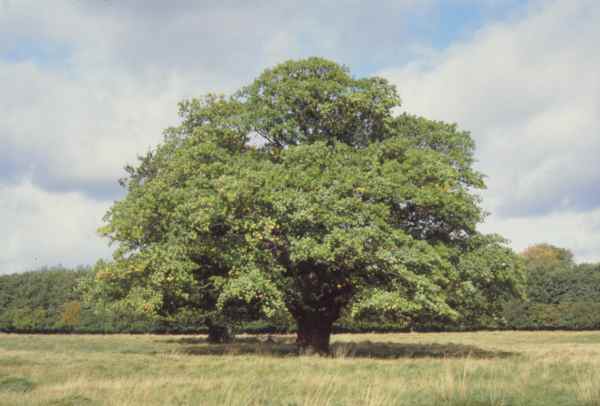
You got the answer ‘Oak trees as their national tree’ predominantly Pedunculate oak (Quercus robur). Portugal are slightly different having the Cork Oak (Quercus suber) as their national tree. Ireland and Wales vary the selection and opt for Sissile Oak (Quercus petraea) and  Cyprus choose the Golden oak (Quercus alnifolia). Yesterday I retuned from Portugal having seen the cork oaks with the bark stripped to the pholem or inner bark layer to harvest the cork.

In this age of virus I have added a comment on a problem for Oak trees. Ramorum blight or ‘sudden oak death’ is one of the Phytophthora pathogens causing concern in UK woods and forests where it infects English oak, sessile oak, Rhododendrons and some other species of tree. It is evidenced by blackened spots on the leaf near the petiole and along the midrib of the leaf with areas of black “bleeding” on the trunk. This can lead to sudden oak death or a depletion of leaves and branches.

Xylella is a bacterium that causes leaf scorch on oak trees. Xylella fastidiosa is a range of sub species that infect a range of broadleaf plants. This pathogen prevalent in Europe and USA is transmitted by insects and is a concern for some British trees.

Do not let this stop you from growing and cherishing an Oak it will probably outlive you and several more generations. Not for nothing are Oaks venerated as National Trees by so many nations.

may12 002


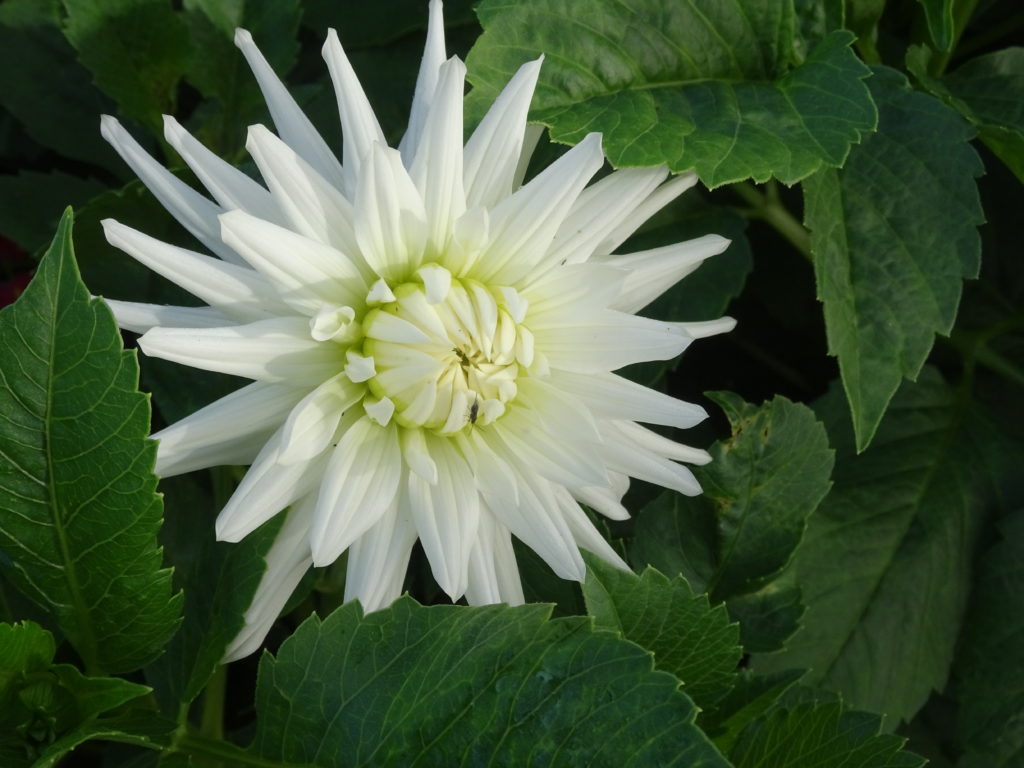
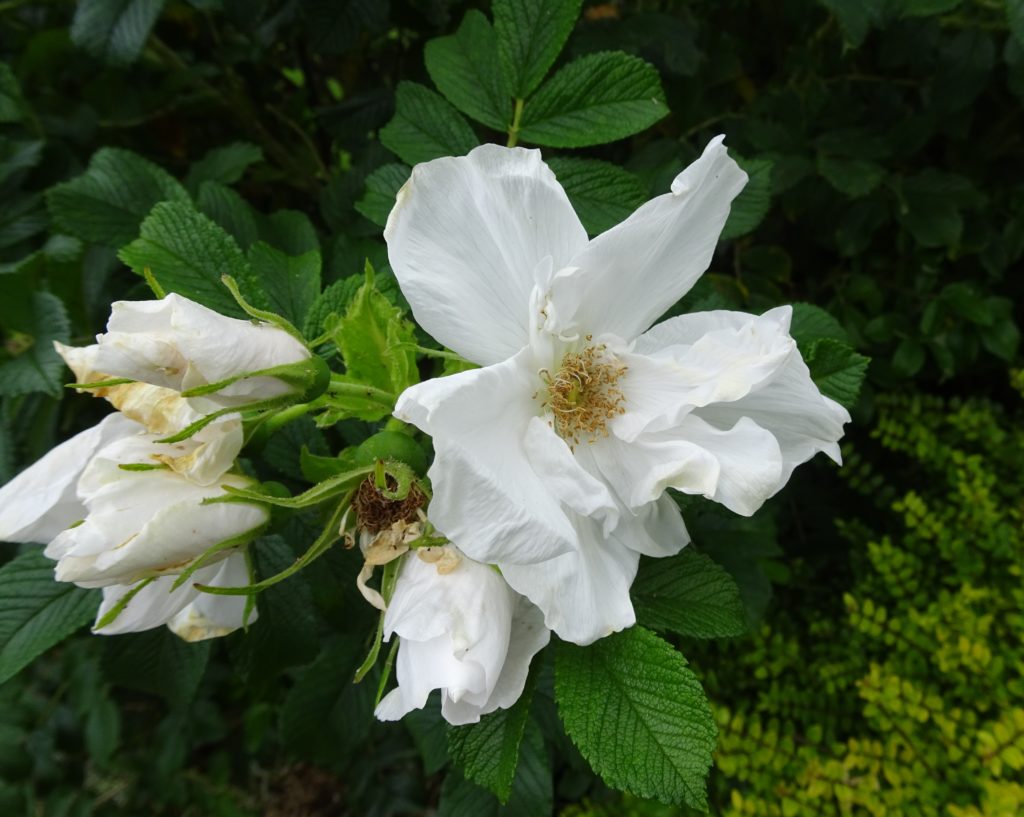
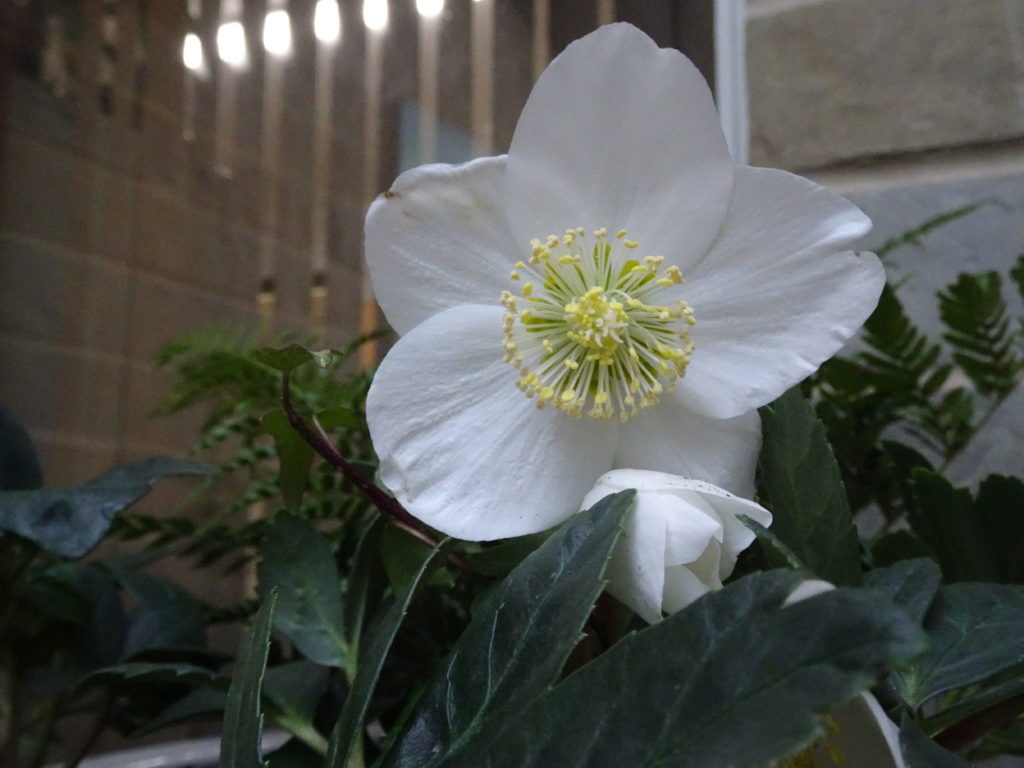
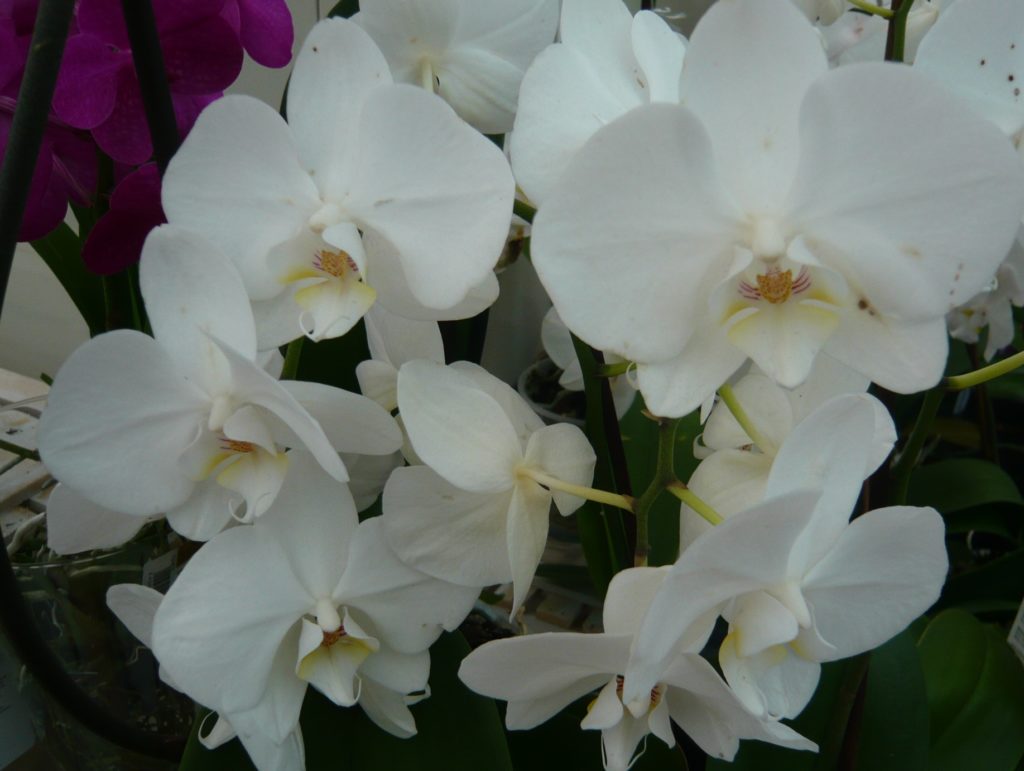
How a dark background can show white flowers at their best

How a dark background can show white flowers at their best

The cast in order of appearance: Cactus Dahlia; Rosa Rugosa; Lenten Rose Helleborus orientalis; Moth Orchid Phalaenopsis; Water Lily Nymphaea alba; etc.

Organic forms have been popular art subjects not least those inspired during the Art Nouveau period. This selection of flowers will not be easy to replicate in drawings or paintings as the contrast between dark greens and bright whites does not leave many half tones to balance the picture. Probably your efforts will prove me wrong.

Black Arts of Painting White Flowers

  • It is all in the shadows hence the phrase ‘black arts’ or should that be grey?
  • A grey for shadows can be made with Prussian blue, Alizarin crimson and cadmium pale yellow but I use dilute versions of manufactured grey.
  • Take care with the colour, depth and tone of your grey for shadows.
  • Do not be tempted to surround flowers with leaves as an easy way out.
  • Focus generally falls on the area of greatest tonal contrast.
  • Shadows on a vase look better if composed in a way that it can be placed on the side nearest the edge of the canvas. It avoids halving the picture.
  • Try painting on coloured paper or paint a dark background.

Read More Read More

Litchen or Lichen and Some Interesting Facts

Litchen or Lichen and Some Interesting Facts

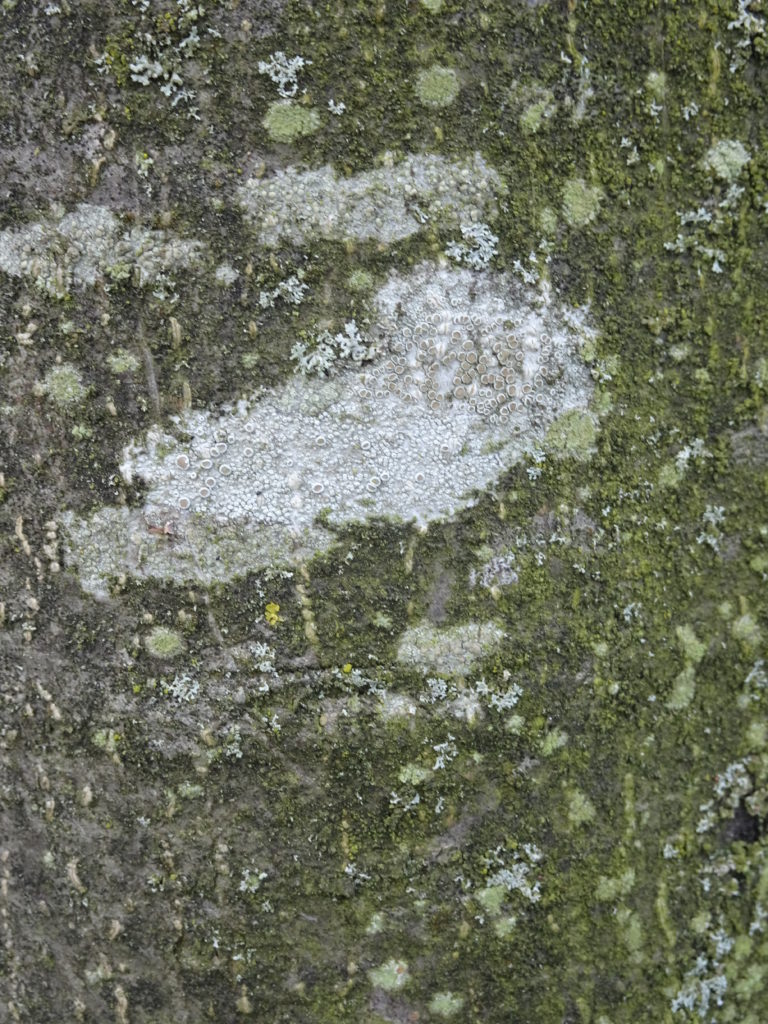
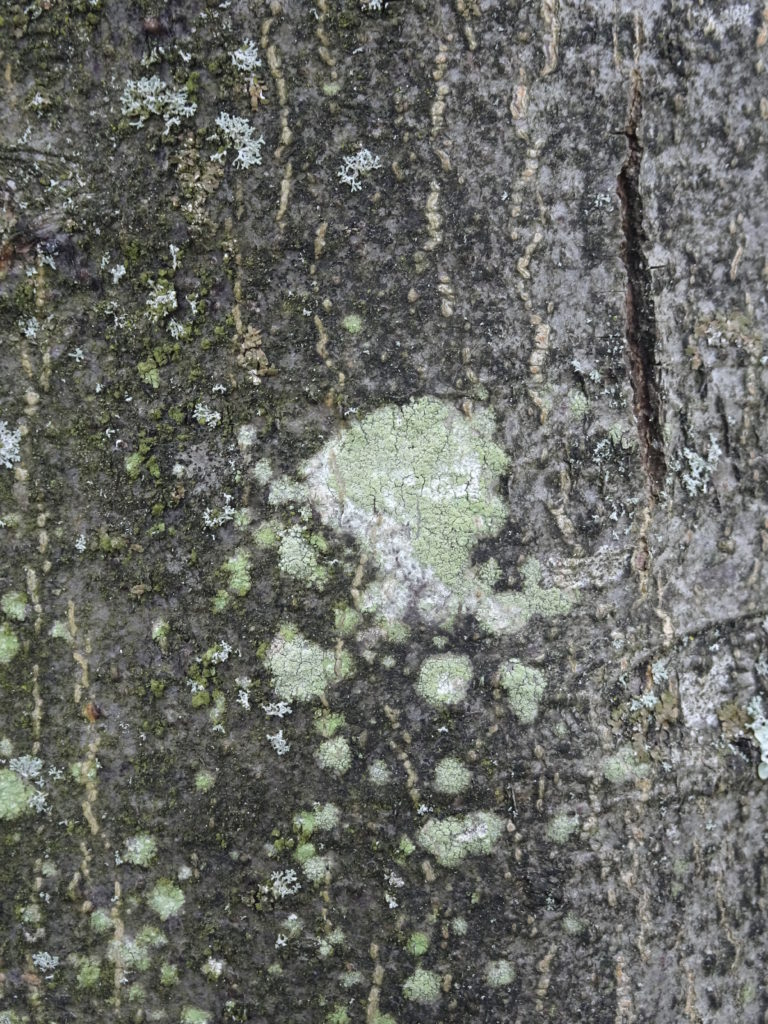
Lichen on tree bark

It is appropriate for there to be two spellings (and two pronunciations) for Lichen. That is because there needs to be a fungus and an algae or cyanobacteria for a lichen to exist. Lichen is an organism that acts in a mutual relationship with  algae converting sunlight into vital nutrients and sugar whilst the partner fungus acts as the host to the new organism.  Thus a lichen is a composite organism that arises from living among   multiple fungi species and algae. Lichens have different properties from those of its component organisms.

Fascinating facts about Lichen

  • There are  20- 30,000 varieties of lichen with more being discovered every year
  • Lichen takes a vital role in the formation of soil.
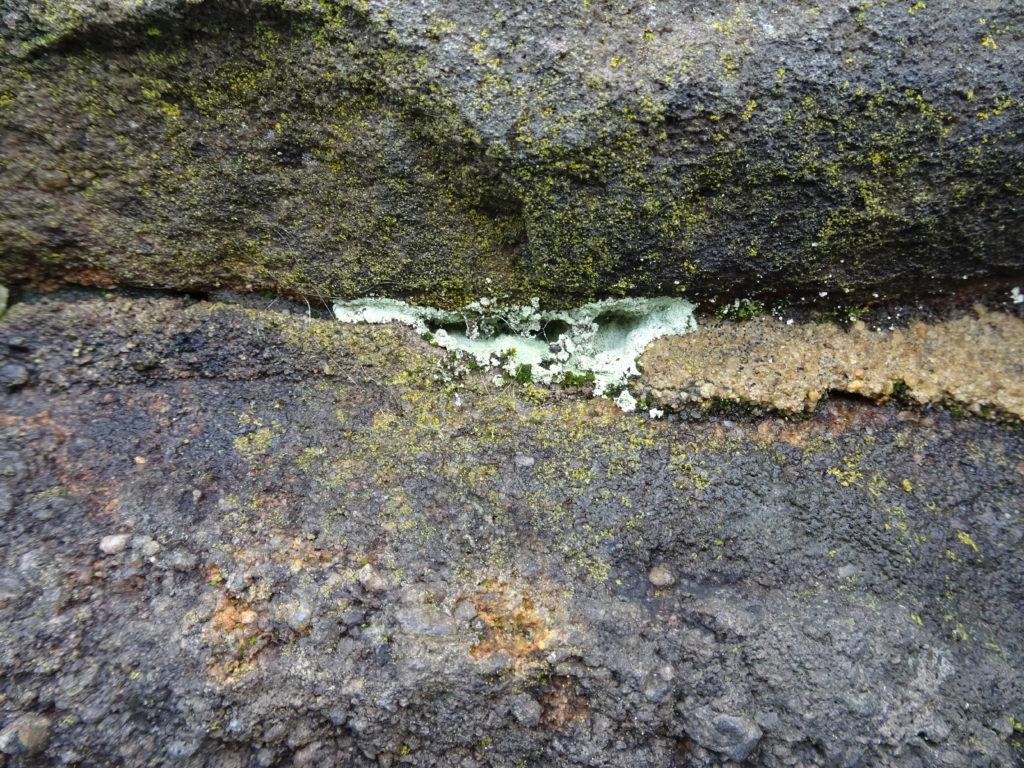
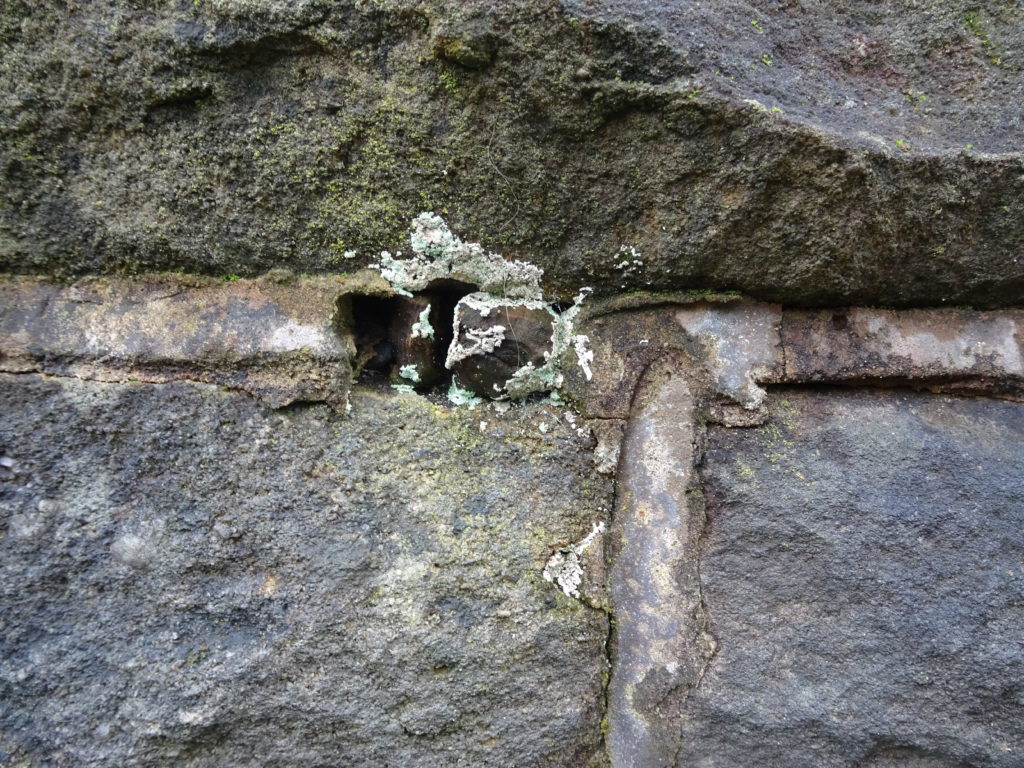
  • Lichen grows on rocks, walls, buildings, trees and other hospitable surfaces.
  • With careful study Lichen can help with navigation when walking in the countryside. It predominantly grows on the north side of trees where the wind comes from the west
  • Sunshine can colour  lichen in greens, greys, yellows or even reds dependent on variety and conditions.
  • Lichen is a source of food for microbes insects and even reindeer. Some varieties are poisonous to humans.

  • There are three  distinct types of lichen: foliose, crustose, and fruticose. Foliose  are leaflike in both appearance and structure, crustose have a crusty appearance.
  • There are leafy lichen that thrive on rocks at he seaside called Xanthoria parietina with many common names like yellow scale, maritime sunburst lichen and shore lichen.
  • Lichens of the species Ochrolechia and Umbilicaria can produce dyes of beautiful brilliant purple and red shades extracted by urine  Orcein produces a reddish-brown dye
  • Letharia vulpina or Wolf Lichen is a fruitose of fluorescent yellow color making a dye of a bright yellow color.
  • The map lichen rhizocarpon geographicum is luminous green on the southern side where it can harvest more light and a black lines of spores with normal green due to less light on the north.

Lichen no a wall

  • Lichen do not harm living trees nor take any food from the bark. They do appear on trees that are older or in decline for other reasons
  • Lichen are long lived and slow growing
You Don’t Need a Weatherman

You Don’t Need a Weatherman

Bob Dylan knew ‘You don’t need a weatherman. To know which way the wind blows……”

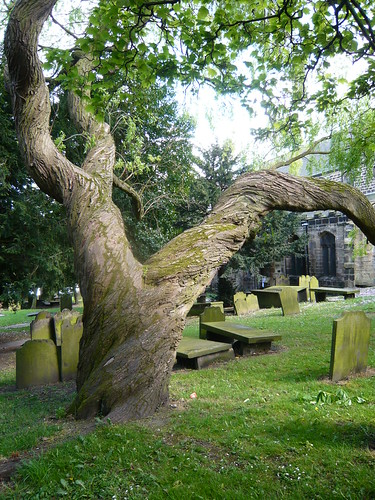
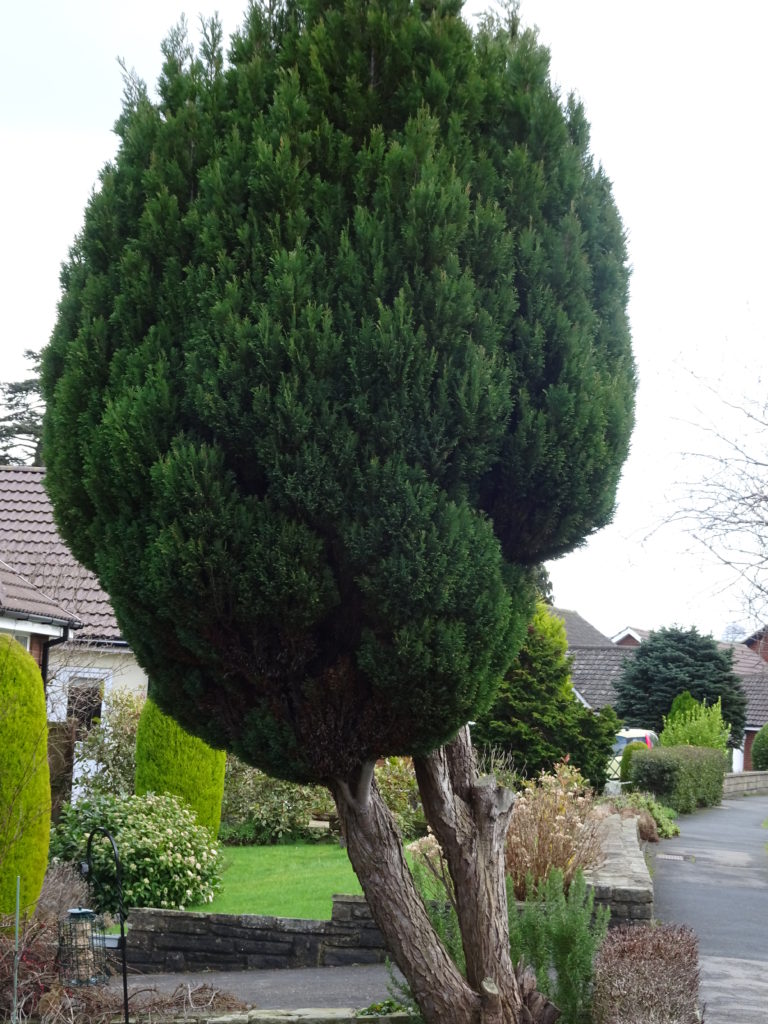
‘Westering home with a song in the air’ I blame the west wind for this lopsided conifer. The bad pruning and poor early staking added contributed to the trees woes.

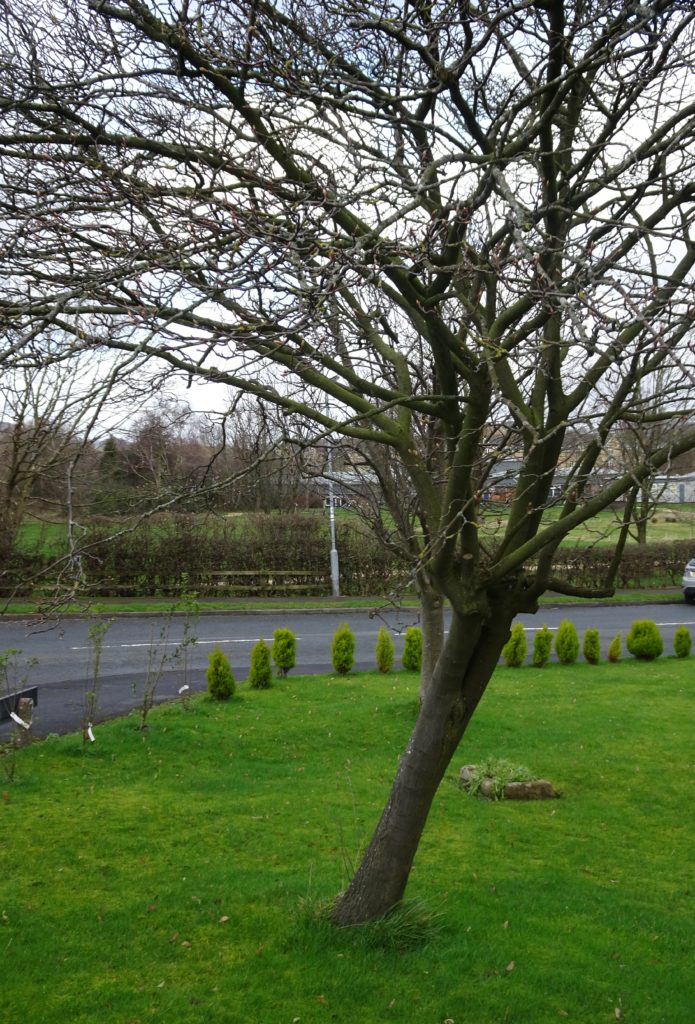
Doris Day in the windy city wondered ‘Will the new hedge provide enough shelter from the wind before it reaches the deadwood stage?’.  Noway! it is too late for this slanted ornamental tree in an open plan garden. Well ‘que sera sera’ as Doris would say.

Fascinating Facts about Horse Chestnut

Fascinating Facts about Horse Chestnut

Interesting Facts

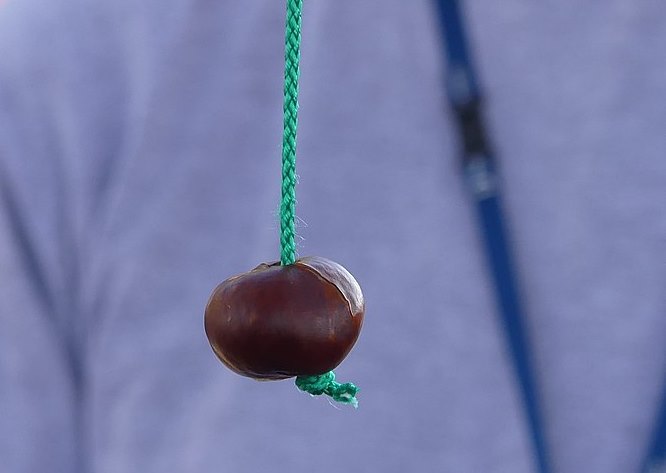
  • Best known for the production of ‘conkers’. The spiky seed shell contains a shiny nut. The nut is threaded on to a string and the opponents conker is flicked until one breaks leaving a winner. Some conkers are treated with vinegar of other tricks to harden them for competition.

  • Due to chemical saponin in the nut they have historically been used for washing clothes.
  • Spiders and other creatures are frightened off by the saponins
  • The flowers are quite striking and form  attractive pyramid shapes, referred to as  ‘candles’, up in the branches.

Botanic Facts

  • Trees can be over 100 feet tall and long lived up to 250 years.
  • The palmate leaves can be disfigured  by leaf miner moths.
  • They provide heavy shade and little will grow directly beneath them.
  • Germination and initial growth can be quite rapid.
  • Aesculus hippocastanum or Horse-Chestnut flowers are white but there is a red hybrid Aesculus carnea