Browsed by
Author: hortoris

Growing Bellis perennis Pom Pom Daisies

Growing Bellis perennis Pom Pom Daisies

Bellis perennis

Cultivation and Growing Tips for Pompom Daisies

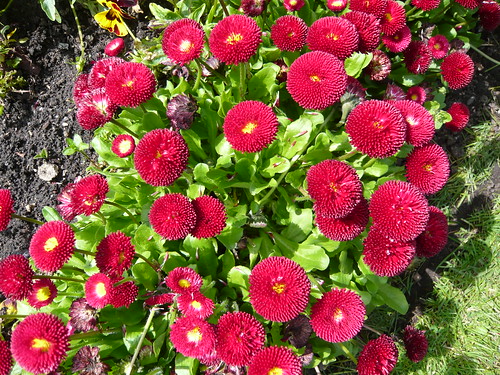
  • Bellis perennis is the name of the small common daisy found in great profusion growing in lawns. Pom Pom Daisy is the cultivated double daisy that makes a good spring flowering ornamental plant.
  • Grow from seed sown in late spring/early summer outdoors in a sheltered, shady site in a well prepared seed bed about ¼in deep.
  • Germination usually takes 14-21 days.
  • Thin seedlings out to 4-6in apart when they are large enough to handle and finally transplant to flowering site in autumn in sun or part shade for flowering the following spring.
  • Bellis perenis Pom Poms are great for small beds, edging, windowboxes etc.
  • Greenfly love to eat the tender leaves so keep an eye open in case you need to treat the plants

Bellis perennis

Common Names and Varieties of Pom Poms to Consider

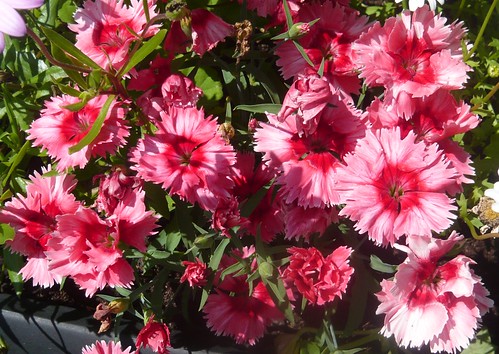
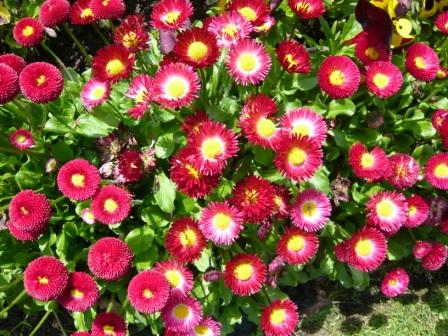
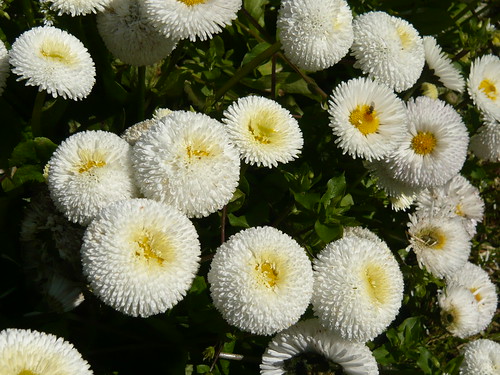
  • Pompom daisies are available in red, pink and white. You can buy them as self colours or in mixed packets of seed
  • ‘Tasso Mixed’ is one of the best pomponette bellis ever introduced! Flowers are larger than normal pom – pom types, on compact, short, strong flower stems. The bright colours of rose, deep rose, red and white, will all give excellent results
  • ‘Petite Pom Pom’ and ‘Pomponette’ have rosettes of mid-green leaves with narrow stems topped with pink, dark pink and white pompons from early spring to autumn.

Old & Odd Tips From Gardeners Tips

  • Pom Pom daisies look good in containers, rockeries and paired with Tulips.
  • Deadheading will prolong flowering or leave to seed and collect for next season.
  • Will grow in some shade and withstand an open windy position
  • You can often obtain seeds or plants from our mail order company of choice Thompson & Morgan
  • Lincoln 119
    Credits

    Buy more varieties of Daisies at Thompson & Morgan

    Tips for Growing Forget-Me-Nots

    Tips for Growing Forget-Me-Nots

    Lincoln 120

    Forget-me-not Cultivation and Growing Tips

    • These plants are very easy to grow from seed. Sow one year and they flower the next because most varieties are biennials.
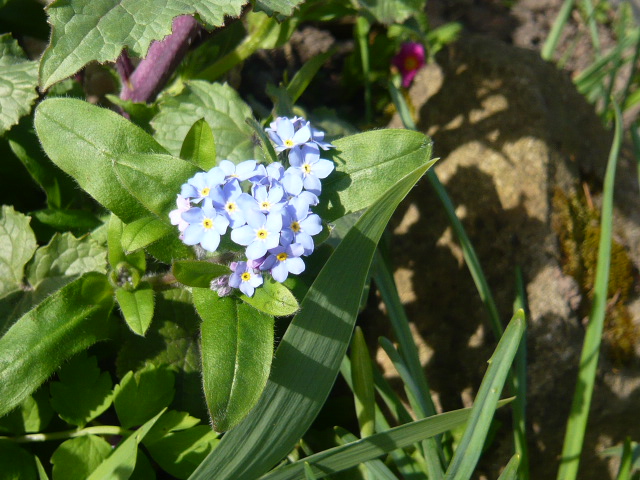
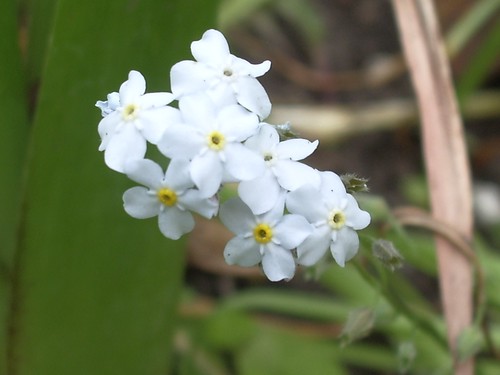
    • Forget-me-nots are usually blue but are also found in pink and white and shades of blue.
    • Forget-me-nots are dwarf, compact plants upto a foot tall! A fantastic addition to spring beds and borders.
    • The plants complement golden Daffodils yellow Wallflowers and Primulas.
    • Sow May -June and thin out. Plants self sow all over my garden so clear out any invaders.
    • Plants can also be purchase to avoid the problems of sowing your own.
    • Naturalised flowers become less spectacular – renew with seed every few years. Try a stronger strain.

    forget-me-nots

    Forget-me-not Common Names and Varieties to Consider

    • Myosotis is the Latin name for Forget-me-nots. It is a family of 50 species. See main varieties at the foot of this page
    • Historically it got the name ‘mouse ears’ due to the shape of its leaves.
    • Varieties to look out for include Ultramarine and Blue ball or for Alpine Forget-me-nots ‘Ruth Fisher’.

    Unusual Facts about Forget-me-nots

    • Newfoundland in Canada used the Forget-me-not as a symbol of remembrance of that nation’s war dead.
    • Germans and Freemasons use forget-me-nots as a symbol not to forget the poor and desperate. (Germany may need a good crop with the economy in such a state.)

    Old & Odd Tips From Gardeners Tips on Forget-me-nots

    • Plant in drifts around the edge of ponds.
    • Pull up and compost plants as they finish flowering – you will still get lots of seedlings.
    • Use forget-me-nots as a cut flower when in bud to prolong vase life.

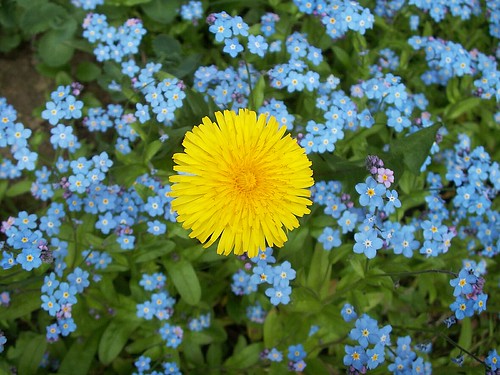
    Dandelion and Forget-me-nots (1)

    Horticultural Sources and Advice on Forget-me-not

    • You can often obtain seeds or plants from our mail order company of choice Thompson & Morgan
    • Powdery mildew can be a problem in dry soil. Pull up and destroy infected plants.
    • Species include; Myosotis alpestris – Alpine Forget-me-not
      Myosotis arvensis – Field Forget-me-not
      Myosotis asiatica – Asiatic Forget-me-not
      Myosotis azorica – Azores Forget-me-not
      Myosotis caespitosa – Tufted Forget-me-not
      Myosotis discolor – Changing Forget-me-not
      Myosotis latifolia – Broadleaf Forget-me-not
      Myosotis laxa – Tufted Forget-me-not, Bay Forget-me-not
      Myosotis scorpioides – True Forget-me-not
      Myosotis secunda – Creeping Forget-me-not
      Myosotis sicula – Jersey Forget-me-not
      Myosotis sylvatica – Wood Forget-me-not
      Myosotis verna – Spring Forget-me-not

    Flowers from my granny's garden
    Credits
    forget-me-nots by Mags CC BY-NC-SA 2.0
    Dandelion and Forget-me-nots (1) by Purrrpl_Haze CC BY-NC-ND 2.0
    Flowers from my granny’s garden by sermoa CC BY-SA 2.0

    Tips Growing Globeflower

    Tips Growing Globeflower

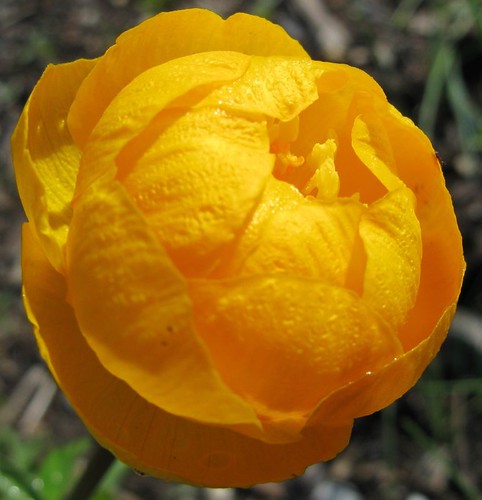
    Trollius europaeus 'Superbus' Globeflower

    Description, Cultivation and Growing Tips for Globeflower

    • Globeflower is a herbaceous perennial plant that generally flowers yellow in spring or early summer.
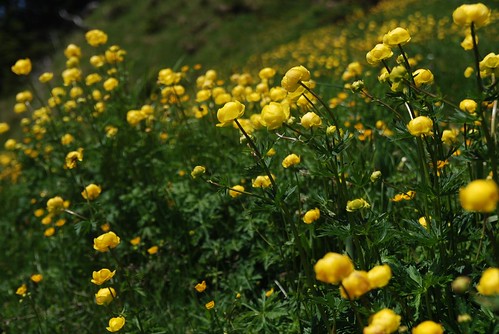
    • They are another meadowland plant closely related to the buttercup but flower 1-3 feet tall depending on variety.
    • Globeflowers are easy to grow, disease resistant and good for cutting.
    • Keep the soil moist, they like a boggy soil that isn’t too wet in winter.
    • Mulch with an organic compost in winter to protect the roots.
    • Plants will grow and flower in partial shade.

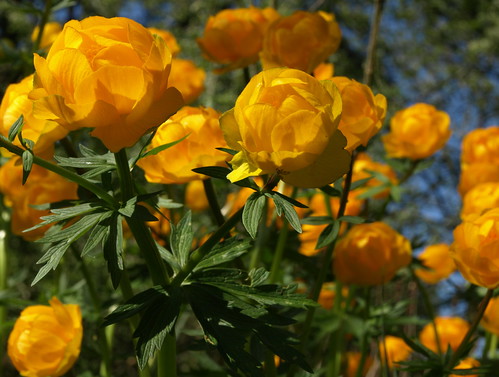
    Trollblumen

    Common Names and Varieties of Globeflower

    • Globeflower is the common name for Trollius which is a family of around 20 species and many hybrids and cultivars.
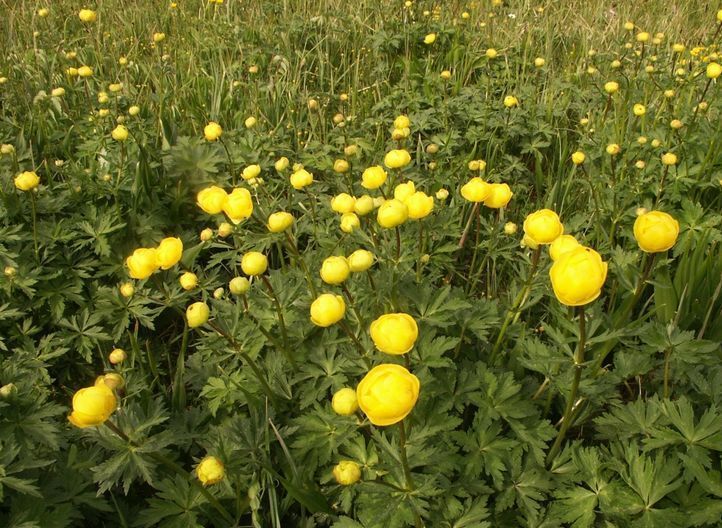
    • The petals of Trollius europaeus are curved over the top of the flower to appear like a ball or spherical globe giving the plant its common name.
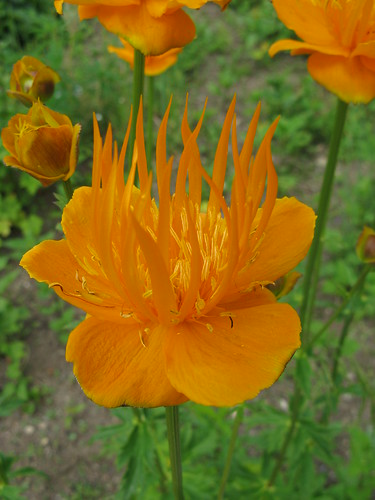
    • Many of the other species such as Trollius chinensis have more open, flatter flowers. Golden Queen is a variety with prominent stamens that form a crown on the head of each flower. It grows taller than most varieties and the flowers can be 2-3 inches across.
    • Trollius europeaeus ‘Superbus’ has an AGM and is readily available.
    • Lemon Queen, Fireglobe and Canary bird are descriptive varieties for growing.

    Trollius chinensis 'Golden Queen' Globeflower

    Unusual Facts about Globeflower

    • All Globeflowers and Trollius species are poisonous to cattle and other livestock but not butterflies which thrive on the leaves.
    • The globe is formed by the inward curve of the sepals and there are no true petals.
    • Pale yellow flowering Alabaster tones well with Lobelia cardinalis which also enjoys a wet soil

    Old & Odd Tips From Gardeners Tips – Globeflower

    • Collect the seed from your own plants and sow immediately whilst the seed is fresh.
    • In our experience the plants do not transplant easily. Sow seed where you want them to flower.

    Globe Flower, Die Trollblume, Trollius europaeus

    Horticultural Sources and Advice

    • Globeflower are slow clump formers with a mass of fibrous roots.
    • You can often obtain seeds or plants from our mail order company of choice Thompson & Morgan
    • Hybrids of Globeflowers are labeled Trollius x cultorum and are probably crosses between three species: Trollius europaeus, Trollius asiaticus and Trollius chinensis.

    Maj 2005
    Credits
    Trollius europaeus ‘Superbus’ Globeflower and Trollius chinensis ‘Golden Queen’ Globeflower by KingsbraeGarden CC BY-NC-SA 2.0
    Trollblumen by vasile23 CC BY 2.0
    Globe Flower, Die Trollblume, Trollius europaeus by Dandelion And Burdock CC BY-NC-SA 2.0
    Maj 2005 by Isfugl,CC BY-NC-SA 2.0

    Prevention and Cure for Caterpillar Damage

    Prevention and Cure for Caterpillar Damage

    If you want to see butterflys and moths be prepared for caterpillars.

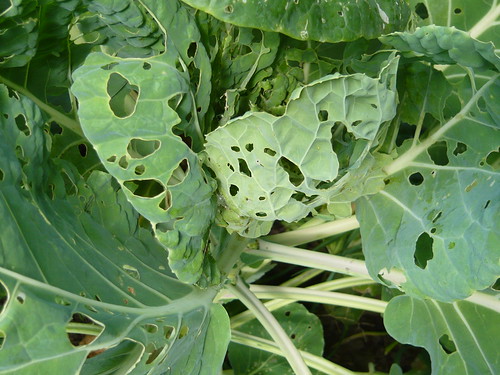
    Butterflies are nice in the garden but caterpillars can cause havoc. Brassicas like Cabbages, Brussel Sprouts, and Broccoli are particularly prone to attack from Cabbage White caterpillars as you can see from my veg plot above.
    Prevention and Cure for Caterpillar Damage

    • Encourage the caterpillar’s natural enemies, such as wasps and birds for an environmentally sound and least cost method of dealing with caterpillar problems.
    • Picking off caterpillars one by one together with any eggs is satisfying but a bit tedious if you have a lot of plants.
    • Spray with soft soapy water and drop any caterpillars you have picked into soap water.
    • I could have used a systemic insecticide if the EU allows and I wanted food with a residue of chemicals but that was not for me.
    • A contact insecticide relies on hitting the creatures before they have done the damage and is still chemically based.
    • Netting the brassicas would be a sensible prevention measure. I do that to prevent pigeons eating the young plants.
    • Buy a biological control like Trichogramma wasps.They will act as parasites on the caterpillars.
    • Accept that you will get some damage for the joy you get from buttterflies.

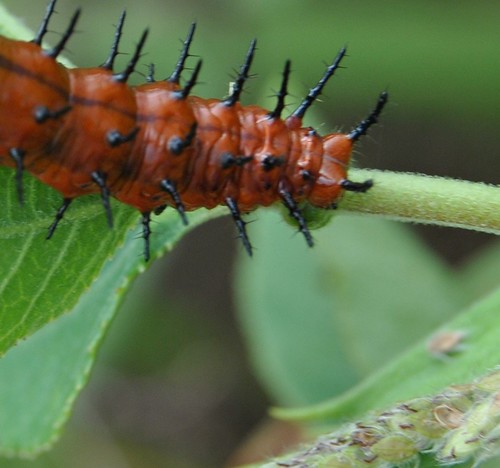
    Caterpillar 1 enlarged

    Reasons to Look After Caterpillars

    • Caterpillars are an important part of the ecological mix. When they mature they help pollination provide food for wild l;ife and play an important part in the natural life cycle.
    • Caterpillars turn into wild butterflies and moths.
    • Carterpillars provide loads and loads of food for small birds and other creatures further up the food chain.
    • Ask any small child who has been captivated by caterpillars.

    caterpillar

    Credits
    Caterpillar 1 enlarged by Loco Steve CC BY 2.0
    caterpillar by squeakychu CC BY-NC 2.0

    Autumn Annuals for Late Colour

    Autumn Annuals for Late Colour

    Mixed Annuals

    As summer turns towards autumn you may be looking forward to a bold splash of colour from your late flowering annuals. To blanket the ground you can use a mass planting of easy to grow annuals with long flowering characteristics. Below we offer a list of top ten annuals to consider but there are many varieties and species that fit the bill.

    Autumn Annual Bed

    • Plan where you are going to plant your annuals for autumn flowering. Consider height, colour and shape of the plants in your selection. Plan low at the front and contrasting colours in opposition
    • Improve the soil with compost dug in to improve water retention.
    • Rake the top soil smooth and mark out a plan of what you want to grow where.
    • Individual potted or plug plants can be set 3-4inches apart.
    • Some plants you can grow from scattered seed to fill the gaps. They may need thinning later.

    Marigold

    Plant Varieties for Autumn Annuals

    • Low growers to consider include the white Sweet Allysum ‘Little Dorrit’, Tagetes tennufoila ‘Tangerine Gem’ and Viola ‘Maxim Marina’ light blue with dark faces.
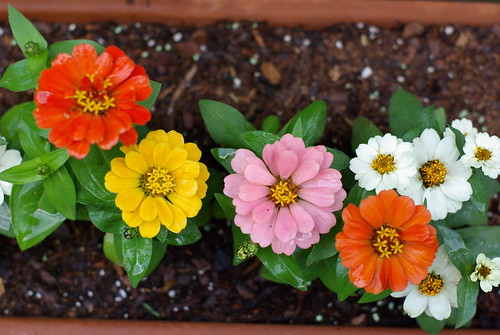
    • Zinnias can be free sown and a good mixed packet will flower in red, orange, yellow, pink and cream.
    • Wax begonias semperflorens is a popular low grower that will stand a bit of shade if necessary.
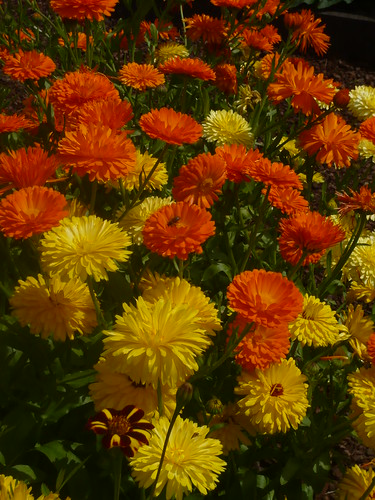
    • I like African Marigolds a big double flower in yellow or orange. French Marigolds are smaller but intensely coloured and will go on flowering until the first frost.
    • Cineraria senecio is a plant grown for it’s light grey- silver finely cut leaves.
    • For mid height and airy foliage try Cosmos ‘Sonata white’ or Mexican sunflowers.
    • If you have some form of support for climbers there are several annuals that work hard to give you a good display including; Ipomea alba or ‘Cardinal’, Mirablis jalapa, Lablab purpureus and the cup and saucer vine Cobaea scandens.
    • I am already over the ten plants and you probably only need 5 varieties repeating in a pattern. However the best value seeds are often from the annual Dahlias which flower for fun.

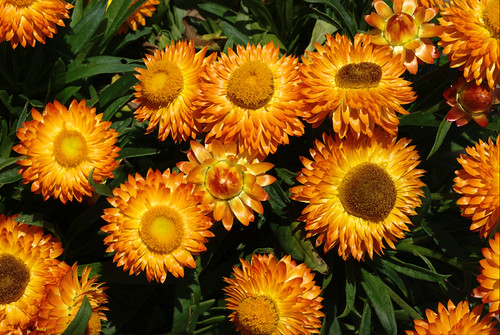
    2008-07-08 Mohave Autumn Bronze - Bracteantha

    Photo Credits
    Mixed Annuals by dbkfrog CC BY-NC-ND 2.0

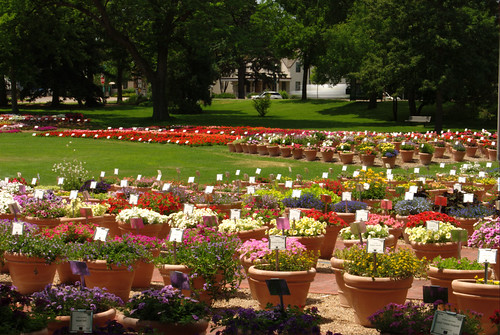
    “2008-07-08 Mohave Autumn Bronze – Bracteantha by rosepetal236 and 2008-07-08 Colorado State University Annual Flower Trial Garden by rosepetal236 CC BY-NC-SA 2.0

    2008-07-08 Colorado State University Annual Flower Trial Garden

    Footnotes for Autumn Annuals

    Some plants may last more than one season but I recommend treating all these plants as annuals.
    Collect the seed in autumn if you want to grow then again and compost the old plants.
    Deadhead and pick for indoor use to encourage even more flowers.
    In the UK plant in early June to give your annuals chance to develop good roots.

    How Old Are Your Plants in Geological Epochs

    How Old Are Your Plants in Geological Epochs

    A Yew tree in Somerset is said to be dying after 4000 years. The rumour may be overstated for tourism reasons as Taxus Yews can regenerate like Doctor Who.

    Lepidodendron fossil

    Geological Epochs and a view of Plant Age.

    • Some would argue that 3,100 million years have elapsed since the first bacteria (and cynobacteria) inhabited our planet but plants are not quite that old.
    • Algae started in the sea in the Pre-cambrian era when the first animal fossils can be dated. (1,500 million years)
    • Through the Cambrian period, more than 500 million years ago, marine life including sponges and algae were developing until the invasion of land plants in the Silurian times 440 million years ago.
    • Herbaceous ferns, horsetails and the first vascular plants developed on through the Devonian period.
    • Around 300 million years ago ferns were dominant but tall swamp forests, conifers and Cycads were joined by the other gymnosperms.
    • The Triassic and Jurasic periods (130-250 my ago) were still flower free as most angiosperms developed during the Cretaceous and Tertiary period only 65 million years ago! This was at the time when birds, bees, moths and early mammals were developing.

    Fossilised part of a giant clubmoss or lycopod tree, Stigmaria ficiodes, GL1239

    Focus on Angiosperms Old Flowering Plants

    • Fossil evidence is available for some ferns and the dinosaurs of the plant kingdom.
    • The study of ancient pollen has shown that 49 present day families of plants were represented in rocks 100-200 million years old.
    • Angiosperms represented 85% of the Earths vegetation as they supplanted the then dominance of the slower to adapt gymnosperms.
    • As humans and mammals have a range of life expectancy so do flowering plants. For simplicity gardeners classify these life cycles into perennials, annuals, biennials and ephemerals (several generations from seed in one year like groundsel).

    Fossil forest Lulworth Cove Dorset

    Some Old Plants

    • Russians have grown plants from fruit stored away in permafrost by squirrels over 30,000 years ago. This is the oldest plant material by far to have been brought to life read more on BBC 20.2.12
    • European Yews or Taxus baccata in Tisbury and Llangernyw Wales are believed to be over 4000 years old.
    • Great Basin Bristlecone pine Pinus longaeva in USA is circa 4800 years old and several Sequoia in California are over 3000 years old.
    • I wouldn’t want to count the rings on these trees but even with their great age they are just specs in the geological time frames we have been considering.

    Photo and Other Credits

    Lepidodendron fossil by Museum Girl ROM, CC BY 2.0 (Lepidodendron is an extinct genus of primitive tree-like plant. They were the first large land plants, and a major part of the coal forest tropical flora.)
    Fossilised part of a giant clubmoss or lycopod tree, Stigmaria ficiodes, GL1239 by Black Country Museums …Part of a fossil lycopod tree called Stigmaria ficoides which is approximatley 310 million years old.CC BY-NC-SA 2.0
    Fossil forest Lulworth Cove Dorset by lovestruck … The Fossil Forest at Lulworth Cove Dorset . The round large fossils are fossilised rings of algae that grew around tree trunks as the forest, that covered the whole area, was flooded nearly 150 million years ago by the rising sea levels. CC BY-NC-ND 2.0

    Growing Iris Confusa

    Growing Iris Confusa

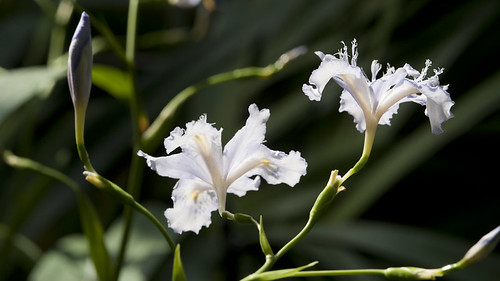
    Bamboo iris (Iris confusa)

    Iris confusa is a delicate iris from south-central or Western China. The photograph above shows Iris confusa in the temperate house at Kew where the flowers pay closer inspection.

    Description of Iris Confusa

    Iris confusa is an evergreen, upright perennial with fans of mid-green, sword-like leaves.
    The plant’s broad, shiny leaves are attached to the ends of bamboo-like stems up to 2 feet long.
    The bamboo-like stems will eventually lie flat and root, thus forming good clumps.

    Iris Confusa

    Iris confusa Flowers

    The Iris confusa flower in spring and early summer April – June.
    Each flower is lavender to pale blue or near white with yellow or purple spots.
    Iris confusa ‘Martyn Rix’ is a popular variety of Crested Iris with white flowers, yellow crests and purple dots on the falls.

    Bamboo iris (Iris confusa)

    Photo Credits

    Bamboo iris (Iris confusa) by Kew on Flickr CC BY-NC-SA 2.0
    Iris Confusa by Just chaos CC BY 2.0
    Google images for Iris confusa (and odd Iris)

    Get Butterflies in Your Garden

    Get Butterflies in Your Garden

    Butterfly

    16 million gardens adds up to two million acres of garden in the UK. A fantastic resource for food, pastimes, study and wild life.

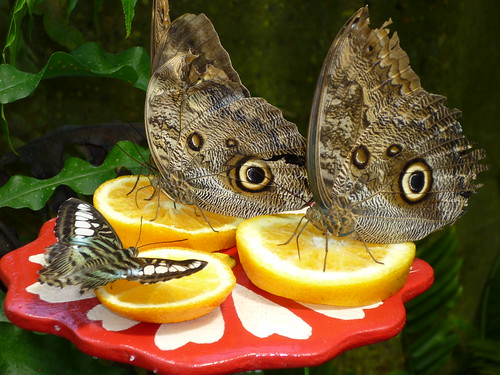
    Butterflies can benefit from the way we garden and provide extra colour and visual enjoyment. Here are some tips to help provide food and shelter whilst creating a good garden.

    Caterpillar Food Plants

    • Nettles are a good food for one of our largest butterflies the Red Admiral.
    • Grow nasturtiums near your veg patch to lure white butterfly and their caterpillars away.
    • Grass is a key food and safe haven for many species. Leave a long uncut patch where they can overwinter.
    • Wildflowers used to be available in hedgerows and meadows but so much habitat has been destroyed. You can plant wild flower seeds of local species in your own wildflower patch.
    • The small Holly Blue butterfly and some moths eat Holly and Ivy.
    • White flowers are popular with some species for the camouflage effect.
    • Bird’s-foot trefoil (Lotus corniculatus) is good food for larvae of the Common Blue and also provides nectar.
    • Sunflowers and thistles support Painted Ladies

    Feeding Time

    Butterfly Nectar Plants

    1. Lavender
    2. Origano
    3. Red Valerian
    4. Sedum Ice Plants
    5. Buddleia white or mauve
    6. Michaelmas Daisy
    7. Aubretia
    8. French Marigold
    9. Candytuft
    10. Hebe
    11. Verbena bonariensis
    12. Perennial Wallflower Bowles mauve

    Even a window box or container plants can provide energy giving nectar to hungry butterflies. Butterflies like sunshine and will feed more happily if the plants are in a warm sunny spot.

    Butterfly
    Resources

    Alain Picard photographs from Canada under creative commons license on flickr
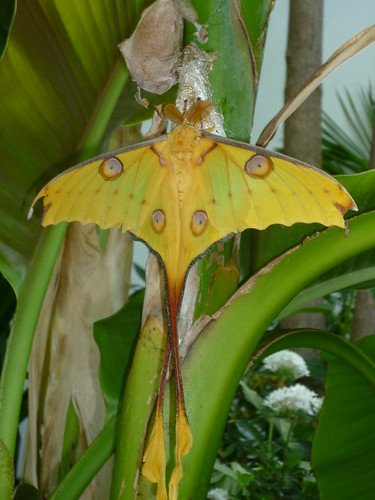
    Comet moth (Argema mittrei) emerging from cocoon

    Butterfly Conservation.org Said ‘Butterfly numbers in the UK have been declining for decades and in recent years this trend has been accelerating. Numbers of Small Tortoiseshell have declined by 68 per cent and the Peacock by 30 per cent during the 2000s.
    Five species of butterfly have already become extinct in the UK and more than half of the 56 remaining species are threatened with extinction. Planting for Butterflies is a chance to reverse this decline. Just put some Lavender in a pot or a bit of Buddleia in your flower bed and you can help make a difference.’

    A-Z of British Butterflies

    Butterfly seed mixture from Thompson & Morgan
    How to attract butterflies in your garden
    Create a butterfly Garden

    The Butterfly Isles: A Summer in Search of Our Emperors and Admirals by Patrick Barkham from Amazon

    Book Cover

    Other Photo credits
    Butterfly by Alain Picard
    Comet moth (Argema mittrei) emerging from cocoon by Kew CC BY-NC-SA 2.0
    Feeding Time by Kew CC BY-NC-SA 2.0

    Heuchera for Interesting Foliage

    Heuchera for Interesting Foliage

    Heuchera

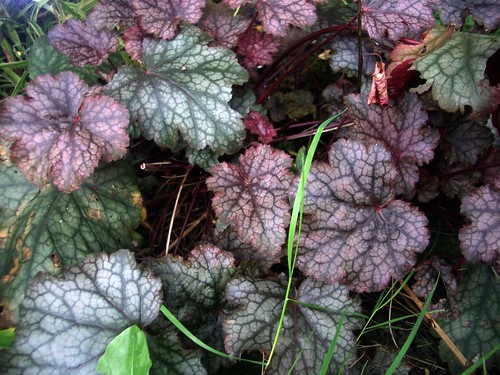
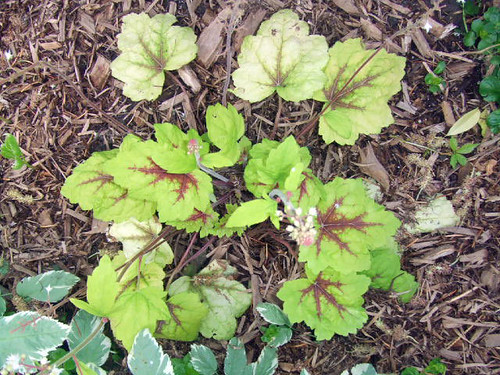
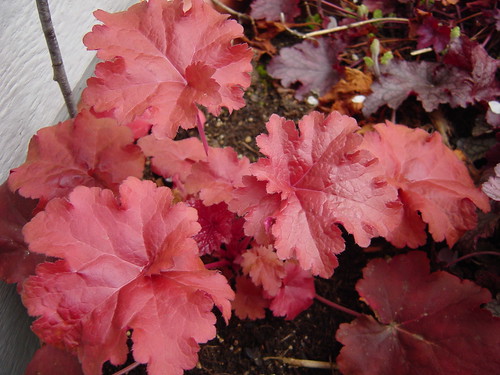
    Heuchera offer foliage interest in your garden. The colour range is continually extended by specialist growers but the plant is best known for maroon, brown and coppery coloured leaves with some interesting veining. Bi-colour, yellow and interesting foliage tints are now on show in our local nursery so have a look around.

    Flowers tend to be held on spiky fronds and can be used for cutting. As the main reason for the plants is the leaf colouring I have not grown them for flowers but the varieties of Heuchera miracanths produce some prolific plants.
    Heuchera 'Dolce Creme Brulee'

    Heuchera Foliage Tips

    • Heuchera are generally low growing foliage plants up to one foot tall.
    • Heuchera need well drained but fertile soil
    • Mulch the plants in spring
    • Propagate by division and divide large clumps to stop them becoming woody.
    • Specimen plants can be grow in pots but keep them well watered
    • Colour of the leaves can be enhance by planting in full sun but the purple bronzes prefer to grow in the shade
    • Plant several interesting varieties together for an impact.

    Plants and monograph books are available from Amazon Heuchera are outstanding plants that are becoming fully appreciated especially with new cultivars and hybrids with wavy and coloured leaves.
    You can acquire or just admire plants as part of a collection

    Heuchera

    Credits
    Heuchera by bill barber CC BY-NC 2.0
    Heuchera ‘Dolce Creme Brulee’ by Satrina0 CC BY-NC-ND 2.0
    Heuchera by Howard Dickins CC BY 2.0 ‘These things have such great foliage. This might be “Palace Purple” (or it might not.)’
    Heuchera Facts Uses and Interesting Varieties

    Grow Canna – Ginger Relatives

    Grow Canna – Ginger Relatives

    Canna ‘lilies’ are part of the ginger family and not true lilies. This orange flower with distinctive red leaves that are like small banana leaves is very striking in the Autumn bed.

    How to Grow Canna

    • Grow Cannas from rhizomes that are firm and hard not soft. Plant out in spring.
    • Cannas perform best if given some protection particularly through early summer.
    • Whilst they are up to 3 feet tall they can manage without staking although it may be better to be safe than sorry.
    • The flowers are typically fiery red, orange, or golden yellow or any combination of those colours, and grow on distinctive spikes.
    • Canna will grow best in full sun in well-drained rich or sandy soil.
    • Cannas can manage with little moisture so should be OK in summer droughts.

    Canna x generalis

    Selected Canna Species & Varieties

    • Canna ‘Bandana of the Everglades, ‘Dwarf Texas Canna’ and ‘Louisiana Canna’
    • Broad-leaved Canna’, ‘Iris Canna’
    • ‘Chinese Canna’, or ‘Cinnabar Canna’
    • Canna ‘Golden Canna’, Scarlet Canna’, ‘Yellow Canna’

    In the UK Cannas should be lifted and stored in a frost free place over winter then planted out again in spring. They may survive outside in winter provided they are mulched thickly and planted in free draining soil.
    Canna flower
    Credits
    Canna x generalis by dinesh_valke CC BY-NC-ND 2.0
    Canna flower by Mr.Mac2009 CC BY-NC 2.0