Orchid House Boa Vista

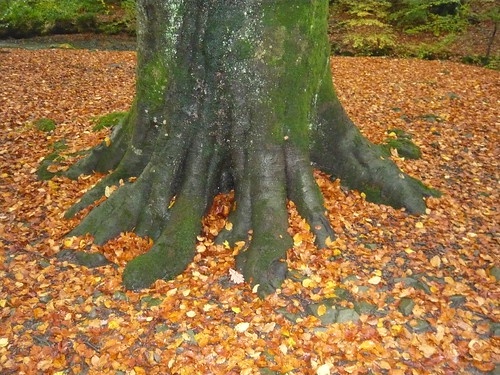
If you don’t want to wait 2 years to decompose leaves, you can simply add them at the bottom of a trench and then add soil, they will naturally disintegrate over time.
Worms are crucial to the decomposition and are also good for your soil conditioning.
It is far better to collect the leaves than leave them on your lawn.
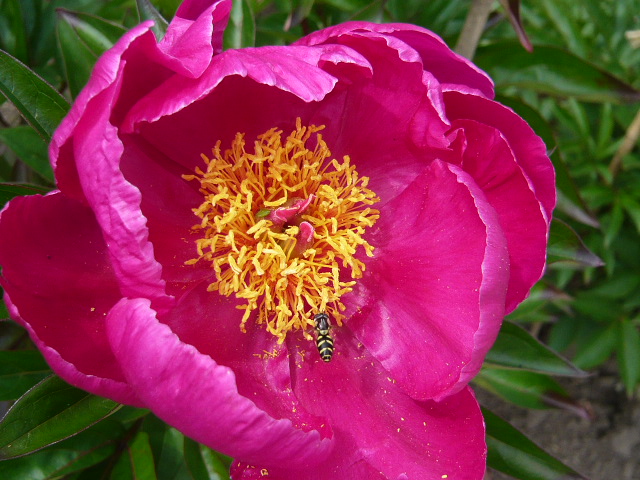
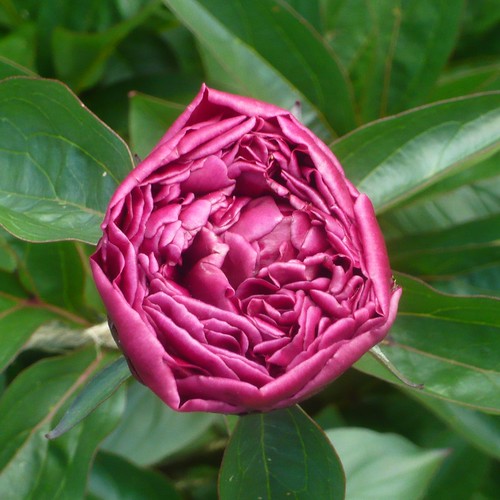
However you spell Peony you will still be captivated by this family of Northern Hemisphere perennials. Lush flowers and foliage are a major attraction but there is also the opportunity to study and become involved in more detail with a concise family of interesting and often endangered species.
Peony Society is the place to start an academic study of the subject but getting your hands in the soil with a couple of good plants is even better.
Aims of the Peony Society
1. To promote peonies as garden flowers.
2. To publish a quarterly newsletter and annual journal.
3. To stimulate scientific research on peonies.
4. To encourage the conservation of wild peonies and old cultivars.
5. To organise visits to gardens and to see wild peonies in their natural habitat.
There is a german data base of Paeonia, the only genus in the flowering plant family Paeoniaceae with a vast number of hybrids and photographs.
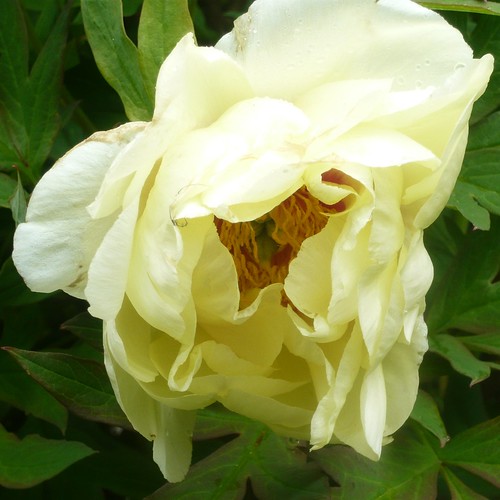
Peonies and special fertilizer from Thompson & Morgan
Clair Austin supplies Peonies and has some good tips on Tree Peonies which are my current favourite plant.
Here is a list of some Tree Peony varieties they have available.
Floral Rivalry’ (‘Hana Kisoi’) Gorgeous scented, deeply cupped flowers of light cherry pink. Each petal is darker at the base and curls around a centre of loose stamens.
‘Host of the Cherry Blossom’ (Yae zakura) Attractive double to semi-double soft pink flowers. The petal edges pale with time.
‘King of White Lion’ (‘Hakuojisi’) Magnificent semi-double pure white flowers of great size that are produced with great freedom. The base of each petal is smeared with purple. An easy variety to grow.
‘Shimi cho jamata’ (Long Life) A very beautiful variety with satiny lavender semi-double flowers. Almost black flares at the base. The flower forms an elegant cup and are are borne upright on the shrub.
‘Alice Harding’ (‘Kinko) A short variety with very large, lemon yellow flowers that hang downwards. These are heavily scented and the bush spreads outwards. Good for the front of a border. 60cm (2ft
‘Age of Gold’ A vigorous semi-double creamy yellow variety with red flares at the base of each petal. 90cm (3ft
‘Anglet’ Single yellow flowers, tinged around the edges with red, and around the stamens. Lots of flowers carried on a broad shrub. 90cm (3ft
‘Arcadia’ Single, clear yellow with small, almost ‘not there’ flares and deeply divided, ferny foliage. 90cm (3ft
‘Argosy’ The first lutea hybrid to be introduced. The single flowers are soft yellow , cupped and flushed with crimson at the base. 90cm (3ft).
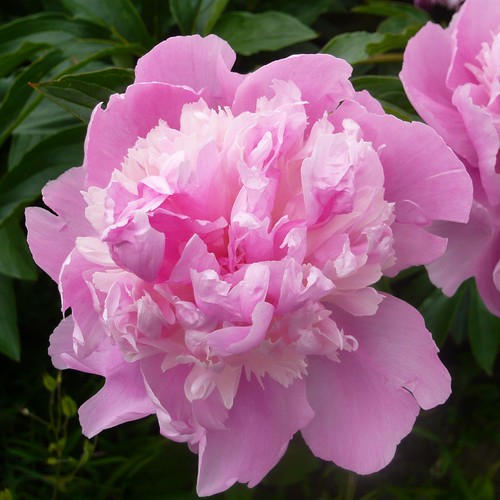
For centuries Peonies have been great favourites of the Chinese and are one of their national flowers. Peonies are easy to care for once established.
Peonies are shrubby herbaceous plants that will come back perennially (year after year). They can live 75 years and still produce a brilliant profusion of flowers. Herbaceous means the leaves and stems die back at the end of the season and new growth will start again in Spring.
Tree Peonies are harder to grow successfully and cost more to buy but can have show stopping displays of flowers once they mature.
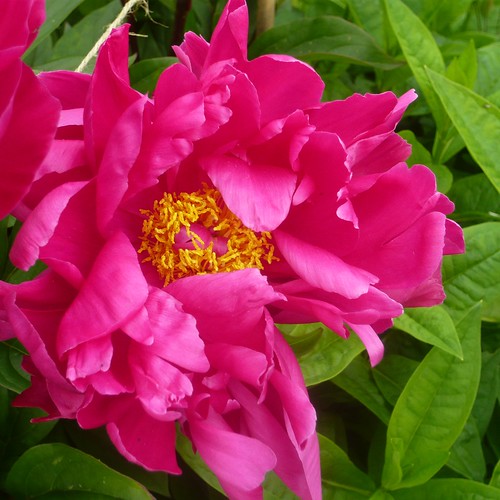

Peonies make a great herbaceous perennial which can be relatively low maintenance and provide great blousy blooms – excellent for cut flowers during the summer months.

Pink Peony

Purple Peony – one of the most common colours

If peonies fall over they can always be cut for inside
Caring for Peonies at BBC
I must start using the current name for my Peonies.
Whilst this and the next picture are correctly named I should record the variety names on all my photos.
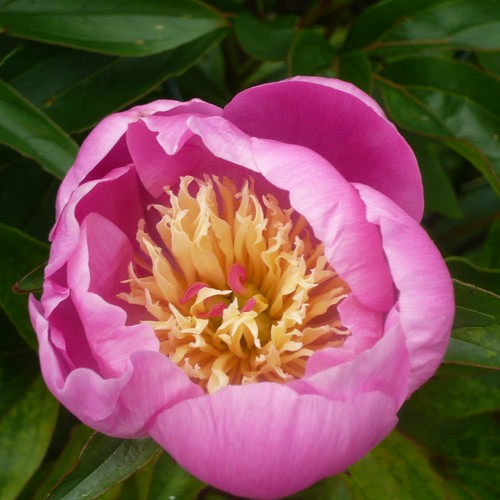
Peonies look good when photographed as square pictures.
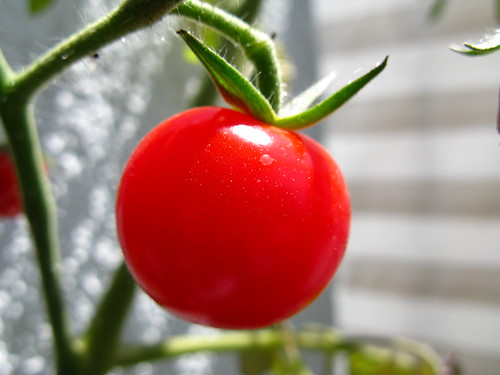
Suttons and Dobies
See our Tips for growing tasty Tomatoes
You can learn to graft your own tomatoes from watching this you tube video (but why would you want too?)
MAIN PHOTOGRAPH Tomato by photon_de, on Flickr under creative commons license 2.0
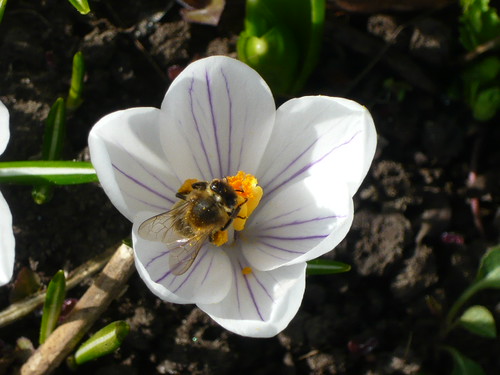
Insects play a key role in pollination and plants reward them with pollen and nectar in a symbiotic process.
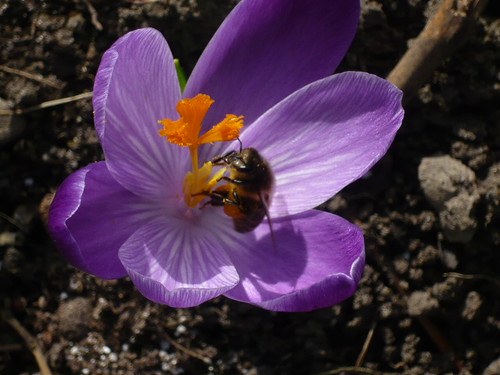
Children can learn from watching bees buzz around the open flowers on a warm spring day.
The sun encourages the crocus flowers to open. This releases a scent that attracts the bees. The bees drink the nectar and get pollen on their legs and backs. When they fly off to the next flower they transfer some pollen from the first flower to the second flower and this causes pollination.
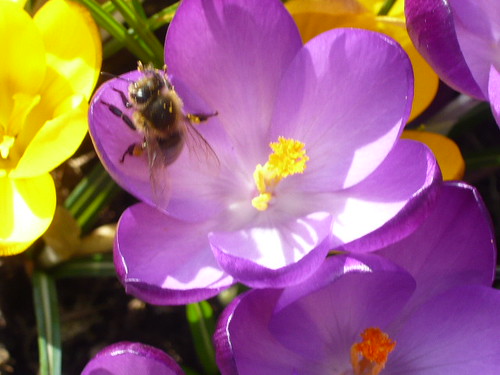
Some flowers are pollinated by beetles rather than bees and flies.

How Pollination Works and Why Insects are So Important The First Flowers A book explaining how pollination works as a light and funny children’s story available from Amazon at £9.99
At the other end of the educational spectrum is Pollination and Floral Ecology by Pat Willmer costing around £61.75

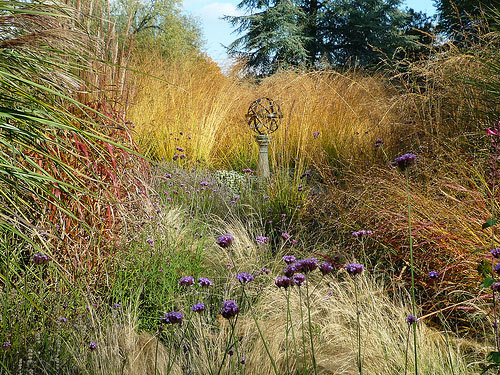

Grasses give a rich combination of autumnal colours

The purple Cosmos also add a dash of colour to this autumnal scene.
