Browsed by
Month: January 2016

Yorkshire Gardens & Special Interests to Visit

Yorkshire Gardens & Special Interests to Visit

Newby Hall & Garden

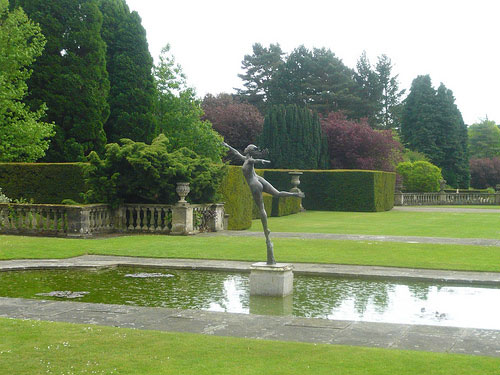
Newby Hall and Garden is well known in the gardening fraternity as an impressive example of well designed and extensive range of garden features, expertly decorated with a diverse range of plants. The truly magnificent herbaceous borders are the central feature of the gardens but are by no means the only feature of quality. Garden rooms and themed planting provide a range of style’s that can easily be incorporated into most gardens large or small. Of particular value is the work on plant conservation and Newby boasts the best collection of the genus Cornus in the Country.” I would also add the acid lovers Azaleas, Camellias, Rhododendrons and Magnolias so recommend visiting in April or May.


Harewood House
Harewood Himalayan Garden

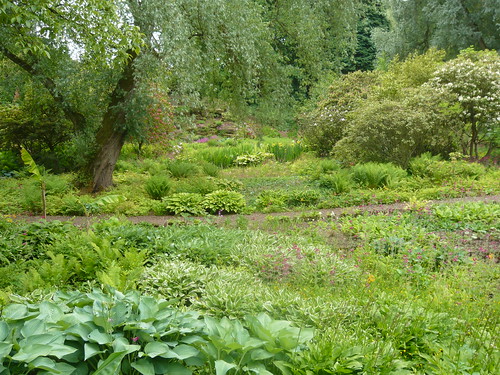
Known for the imposing House and sweeping terrace there is much to satisfy the gardener. The Himalayan garden is a feature I most appreciate. Designed by Capability Brown there are 1000 acres of parkland and even a bird garden with many species.

Read More Read More

Blue Poppies of the Himalayas

Blue Poppies of the Himalayas

Mecanopsis

Book Cover

Blue Heaven: Encounters with the Blue Poppy by Bill Terry from amazon
Bill Terry is a leading North American authority on Asiatic poppies relates his own encounters with the blue poppy and shows how, given a suitable climate, a patient and persistent gardener can raise this most alluring of perennial plants.
The origins of Meconopsis are expounded along with comments about those who first discovered and grew the plants. A personal account, fun to read and adds to the collective knowledge.

Mecanopsis Crewdson hybrid

Meconopsis the ‘hardy plant series’ is also still available via amazon

Read More Read More

Lime Tolerant Rhododendrons

Lime Tolerant Rhododendrons

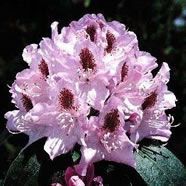
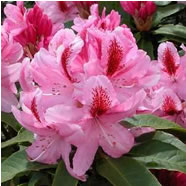
Inkarho Rhododendron


Whilst Rhododendrons have been regarded as ericaceous  plants unsuitable for alkaline or limey soils the newly bred Inkarho plants may be an exception.  It is also believed that some species and root stocks are tolerance of more alkaline conditions.

These German branded Rhododendrons have been developed to survive in soil which is less than perfect  for Rhododendrons. They are all grafted onto a stock that is lime tolerant like the old variety Cunningham’s White or R. hirsutum or R. ferrugineum. The root ball tends to be quite large and robust on these varieties and that may account in part for the ability to withstand alkaline soils. Not everyone is impressed with the results attributed to this breeding programme and particularly the reasons for lime intolerance see Non Conformist Rhododendrons by David Rankin  

His ‘suspicion is that there are in fact many more lime-tolerant species than we had been led to believe, or that at least there are tolerant strains. What we want to do next is to see whether these species growing on limestone are able to avoid absorption of calcium by their roots.’

I am happy to have the right soil for most Rhododendrons but here are a couple more pictures from Inkarho off spring.

Rhododendrons, which require a pH between 4.2 and 5.5but lime tolerant types  of root stock can thrive with a pH between 4.5 and 6.5. An added advantage of plants which have been bred on lime-tolerant root stock is that they are stronger on normal soils.


new-picture-22


RHS suggests other rhododendrons to try on alkaline soil:

R. augustinii (Electra Group) ‘Electra’ AGM
R. ciliatum
R. hippophaeoides
R.
‘Praecox’ AGM
R. triflorum


When & What Seeds To Sow

When & What Seeds To Sow

You can have success with successional sowing of seeds.

seeds

A wonderful variety of colour from a mixture of hardy annuals and hardy perennials.

Sowing seeds is great fun. The good news is that there are different types of seeds that can be grown at different periods of the year. Apart from October – December there is probably some seeds that you can be sown under protection of gentle heat. This could be a sample seed sowing season

January – February.

This is time for early season crops like lettuce and spinach. They will need heat and cloche protection to grow. But, vegetables like Spinach may do better in colder times because they are less likely to grow from seed. Later crops may bolt in the heat of summer. February is also a good time for slow growing annuals like Datura.

However, if you do sow in February, growth will invariably be slower because of the lower light levels. Seed grown early, will need more care and time, but, can reward the patient garden with early season flowers and vegetables.

March / April.

Read More Read More