Browsed by
Month: April 2014

Flower Arranging – Fatsia Japonica

Flower Arranging – Fatsia Japonica

Bold and glossy Fatsia Japonica is easy to grow and incorporate into your flower arrangements.
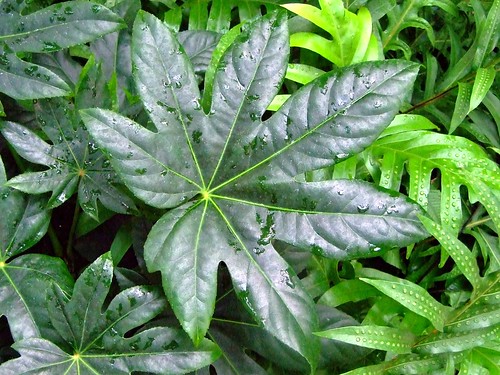
ARALIACEAE 五加科 - Japan Fatsia (Fatsia japonica) 八角金盤

Using Fatsia Japonica for Flower Arrangements

  • Fatsia Japonica or Aralia Japonica is also known as ‘Fig Leaf Palm’.
  • It is a useful evergreen shrub growing up to 15 feet tall.
  • It tolerates maritime conditions and temperatures down to minus 10 C.
  • Panicles of milky white, globular flowers are produced in Autumn followed by black berries.
  • Can be underplanted with Hostas to provide two sources of flower arranging material.

Book Cover
Church Flowers: The Essential Guide to Arranging Flowers in Church by Judith Blacklock

Special Tips for Flower Arranging with Fatsia

  • Fatsia has hand shaped, leathery leaves are apple-green in colour.
  • The bold shiny leaves work well in traditional flower arrangements.
  • The different sized leaves which the plant produces are useful for different types of arrangement.
  • The leaves should be cut a day before arranging and given a long deep drink.
  • The edge of the leaves or fingers can be clipped to a shape that suits your arrangment.
  • The leaves can be laid flat to form a green base of splayed finger shapes.
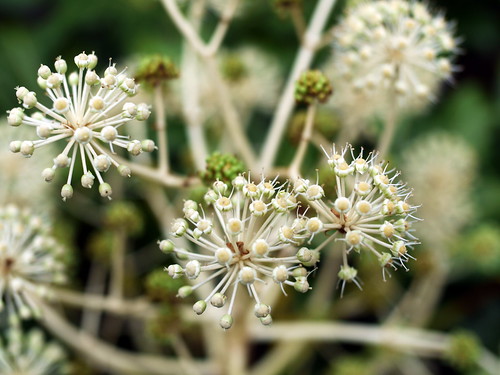
Fatsia japonica Flowers

A full array of books on Flower Arranging and related subjects is available from Amazon. You will find more advice and artistic inspiration amongst this selection.

I would also recommend the Harrogate spring flower show where I am always stunned by the floral arrangement amongst the plants on display.

To grow a generic mix of flowers for arrangements and bouquets check out Thompson & Morgan

Other plants discussed in this series
Dahlia
Euphorbia
Pittosporum
Alstroemeria
Corkscrew hazel
Phormium

Credits
ARALIACEAE 五加科 – Japan Fatsia (Fatsia japonica) 八角金盤 by kaiyanwong223 CC BY-NC-SA 2.0
Fatsia japonica Flowers by the justified sinner CC BY-NC-SA 2.0

Rose Pruning in Spring is a Snip

Rose Pruning in Spring is a Snip

Rose Pruning In Spring

  • Pruning in Spring will generate good growth and flowering later in the year.
  • To avoid weak stems prune hard leaving about 12″ on tall Old Fashioned or HT roses and 6″ in short roses. Cut out all spindly growth and very thin stems.
  • Prune in spring to encourage strong stems in an open cup shape of branches.
  • Prune at 45° slopping away from an outward-facing bud.
  • Use good sharp tools it makes rose pruning easier
  • Feel free to reshape your roses at anytime as you would other plants. Roses want to grow and produce seeds via flowers and they will benefit from deadheading and judicious trimming.
  • Water, feed and mulch after pruning.
  • See how the experts prune:

    Rose Snip Tips in Spring

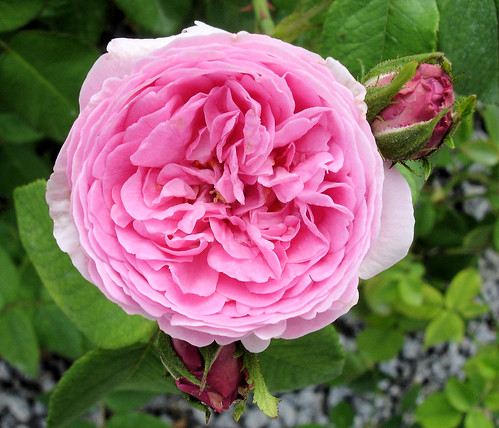
    • The Bourbon type rose De la Maitre-Ecole above will have a fantastic scent when in bloom during mid-summer if you care for it from spring.
    • Fertilize with rose fertilizer that has equal amounts of NPK plus trace elements.
    • Mulch new and young plants with well rotted compost or bark not grass clippings.
    • If planting new roses some people put a banana skin at the bottom of the hole for extra potassium but I would be happy with bone meal.
    • New trees need watering particularly if there is a dry spring.
    • Spray with a fungicide in March or April
    • Give roses space to develop but you can under plant with small bulbs or violets

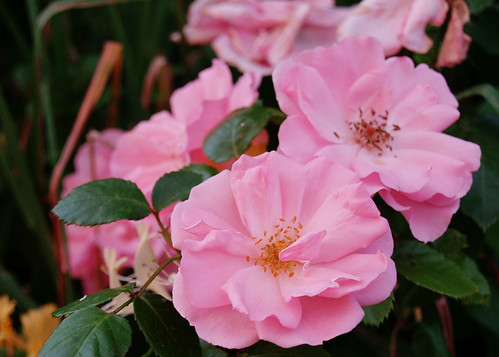
    our roses
    Other Resources
    25 Types of Rose

    Photo Credits
    from Getrud K CC BY-NC-SA 2.0 source
    our roses by EssjayNZ CC BY-NC-SA 2.0

    Snip away at your roses in spring before Easter and the new stems and leaves will help produce some great summer flowers. For big flowers on HT roses dis-bud so just one good one is allowed to flower per stem and you will be rewarded by potentially growing the ‘best in show’.

Top Spring Garden Shrubs

Top Spring Garden Shrubs

It is only just April and the colour is showing in the early shrubs. These are some of my favourites.

Ribes

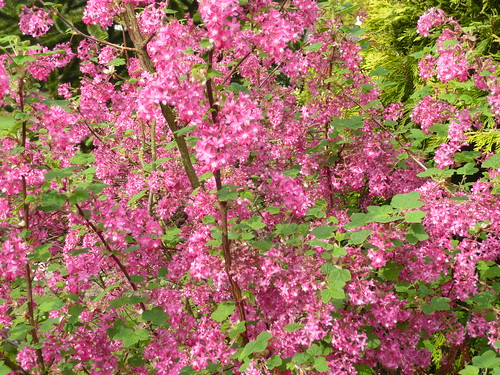
Flowering Currant ( Ribes Sanguineum)

The small currant leaves can’t hide the large amount of red or pink flowers hanging from all the leaf joints in tassel like profusion. On one tassel I have just picked there are 11 star like flowers open and at least as many buds to still open. A great show of pink and red at this early stage of the season when these colours are harder to find. They don’t last very long but are a worthwhile plant to grow. The leaves have a strong and pleasant currant smell

  • Cuttings are easy to root and I just cut a 10″ length and push it into a patch of garden where I want a new plant.
  • They often grow wild on patches of land or a friendly neighbour would give you several cuttings. Look for a colour that you like and ask after it has finished flowering or at the backend of the season.
  • Plants can grow to 5 feet and more so keep pruning out some of the old wood and trim the plant to a manageable size.
  • Pruning should be done shortly after flowering – cutting back to a new bud.
  • I grow them in sun and shade at they both perform.
  • You often see them at coastal areas so they do OK by the sea

Pieris Japonica

Pieris japoninca

Pieris japoninca

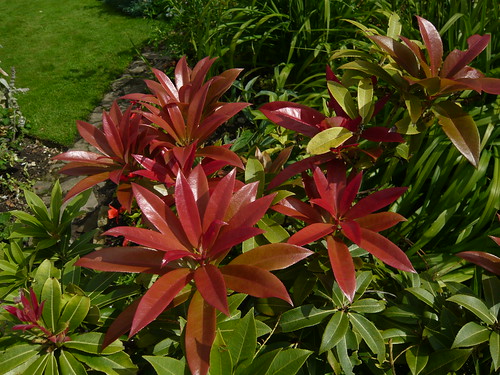
These shrubs are usually grown for the new bright red leaves that start emerging during April. This does them a disservice as the mature bushes are now covered in clusters of white flowers shaped like lily of the valley. This shape of flower gives the plant a common nick name of ‘Lily of the Valley Bush’.

  • Pieris Forest Flame has red leaves that eventually turn pink then green. They grow slowly but robustly.
  • Pieris Mountain Fire is another variety whose name implies where it came from and what to expect. Whilst ‘Flaming Silver’s new leaves are pinkish and the remaining foliage is variegated with white edges
  • The new Katsura range have darker leaves, red or pinkish flower tassels but I have found it less vigourous.
  • Pieris like a moist acidic soil
  • Cuttings can be taken in June or July when flowering has finished. They are more difficult to root than Ribes but the plants are worth the effort

Pieris Katsura hybrid

Mid April and the Flowering currants are giving way to the Pieris japonica exchanging pink for red in floral terms and berries for small clusters of bell shaped flowers.

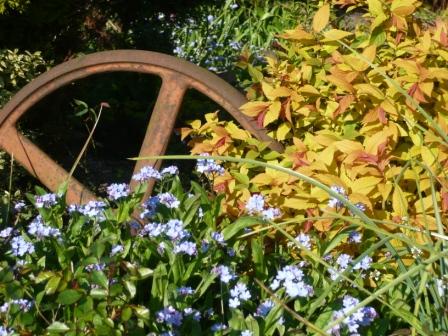
Spirea Magic Carpet.

Spirea leaf just bursting on this orange leafed variety. The white blossoming Spireas flower at the end of the month

Growing Vanda Orchids

Growing Vanda Orchids

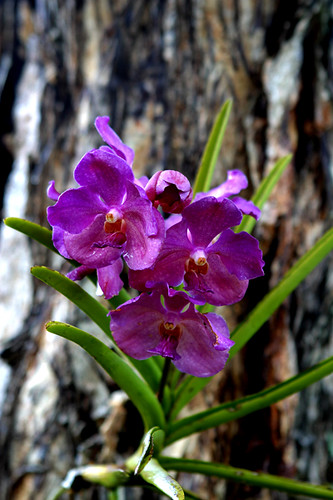
vanda-paperbark

For growing Vanda orchids all you need is warmth and humidity although a foliar feed is often beneficial. Vandas are tropical orchids that live on trees with the aerial roots hanging free.

Simple Growing Method

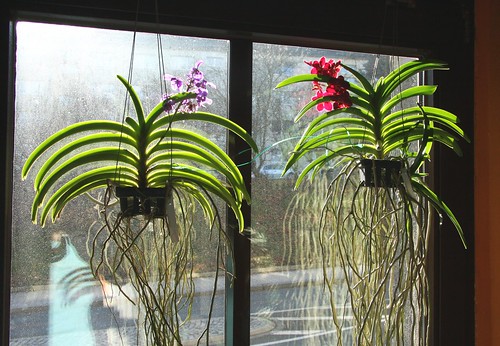
  • Grow Vandas in a tall cylindrical vase with the roots trailing to the bottom. Wedge the shallow pot holding the crown in the top.
  • In summer fill the vase with tepid water and leave for 25 minutes then pour it all out.
  • Every fortnight add some Orchid food to the water.
  • Grow the Vanda at 60 degrees Fahrenheit or above
  • Vandas grown in baskets or high temperatures require watering more often.

Vanda Orchideen

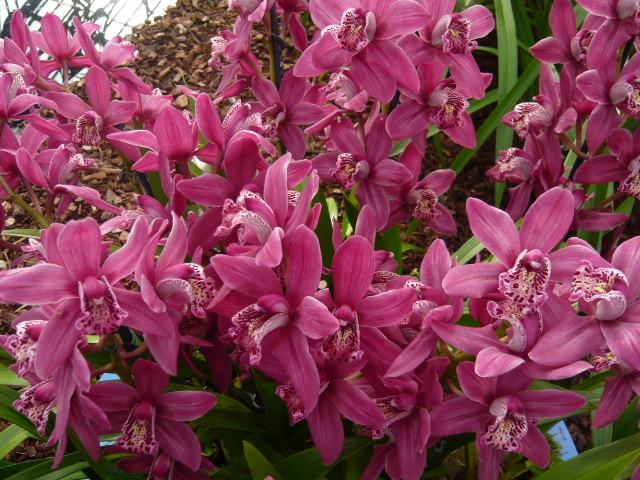
What is a Vanda Orchid

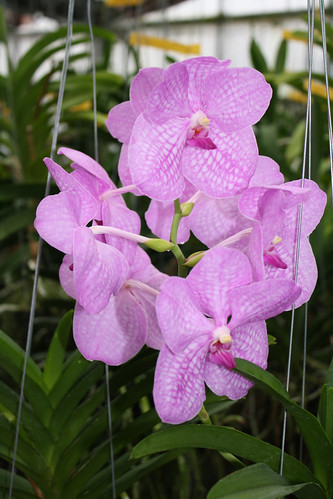
  • Vandas flower in rich colors, including blue, purple, red, orange and yellow.
  • The flower spikes usually carry 8 to 10 blooms and last for several weeks.
  • These Dutch grow Vandas are displayed in a light window situation.
  • The distinctive strap like leaves form a stem as they develop and grow. The flower spike rises from the base of the leaves.
  • The shallow pot is their to add stability.

Vanda

What are Ascocendas

  • Ascocendas are a cross between Vandas and Ascocentrum
  • Most find their origin in Thailand, Myanmar, India, Java and the Philippines.
  • They are also evergreen epiphytes with an upright leaves.
  • They can bloom twice or three times a year with long lasting flowers.

  • Credits
    vanda-paperbark by maxful CC BY-NC-SA 2.0
    Vanda Orchideen by blumenbiene CC BY 2.0
    Vanda by NjuTIKA, CC BY-NC-SA 2.0