Browsed by
Year: 2012

Sarcococca Growing Tips

Sarcococca Growing Tips

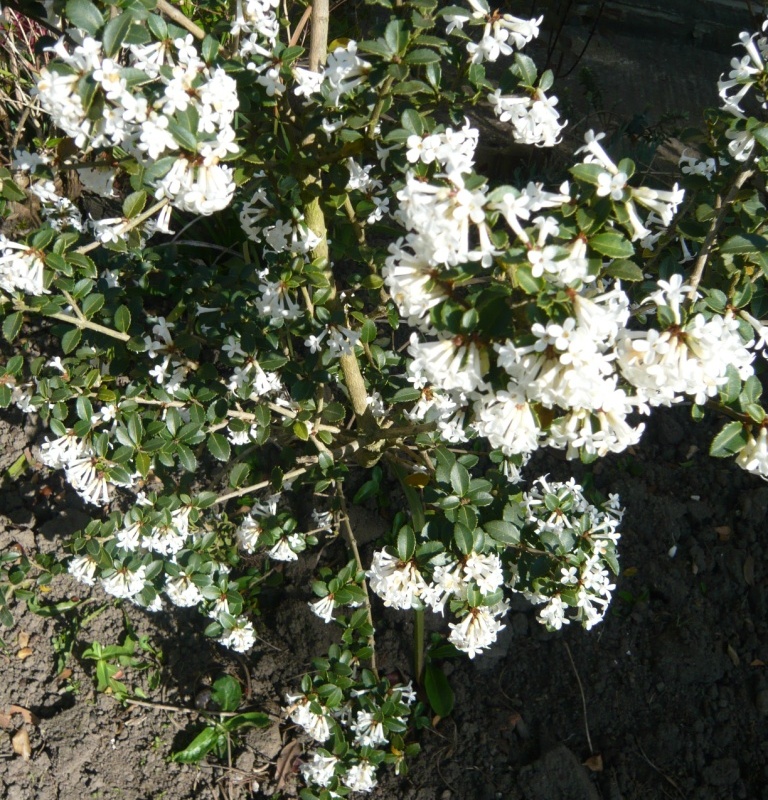
I have grown this sweet smelling plant for several years thinking it was a Sarcococca but comparing this photo to others on Google images I am now having doubts.

saroccoa

Sarcococca Hookeriana aka “Himalayan Sweet Box” is evergreen growing and flowering in light shade.
Sarcococca confusa

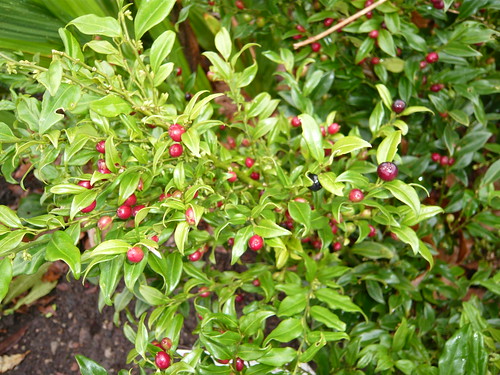
Sarcococca Confusa aka Christmas Box or Sweet Box are evergreen shrubs with simple, leathery leaves and tiny, fragrant creamy-white flowers in winter or spring, followed by red, purple or black berries.

According to Thompson & Morgan ‘The winter blooms of Sarcococca hookeriana humilis emerge against a backdrop of lustrous, dark green leaves, with a powerful honey scent that will stop you in your tracks. The white, spidery flowers are followed by spherical, glossy black berries. Once established, this versatile, evergreen shrub needs little maintenance and tolerates a wide range of conditions – even difficult spots in dry, shade. A useful plant for borders, shady woodlands, and containers, or grown as a low, informal hedge. Height: 60cm (24”). Spread: 100cm (40”).’

Growing Cotoneaster as Small Trees

Growing Cotoneaster as Small Trees

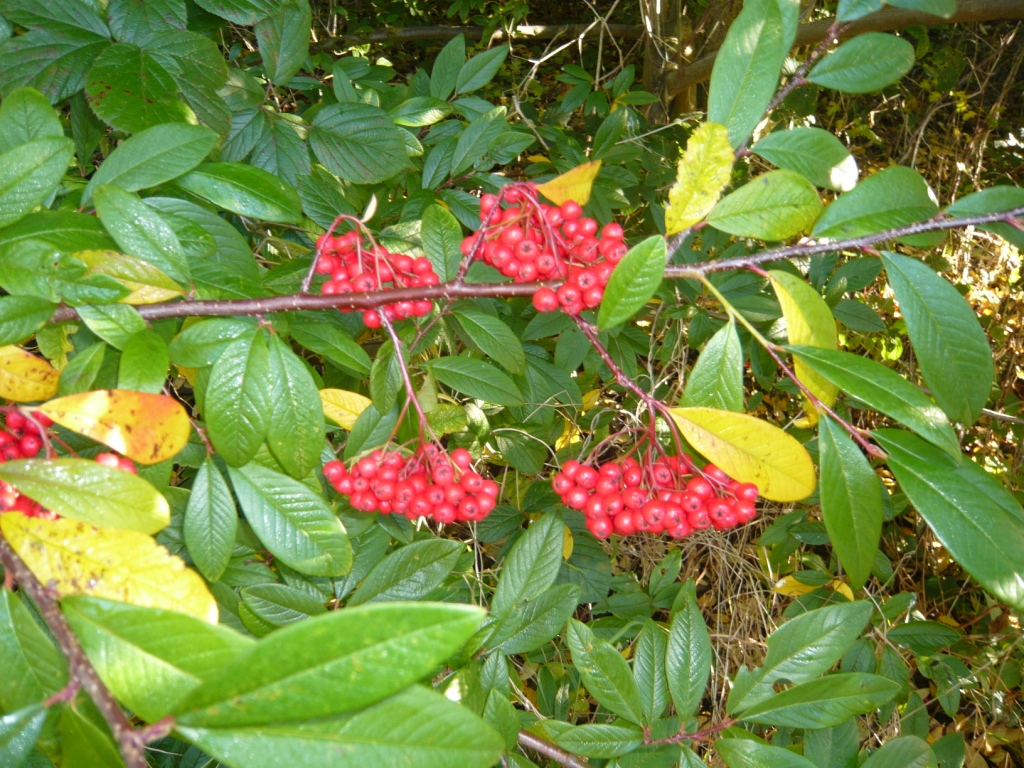
We are familiar with Cotoneaster horizontalis in urban gardens producing masses of berries to feed the birds in late winter.
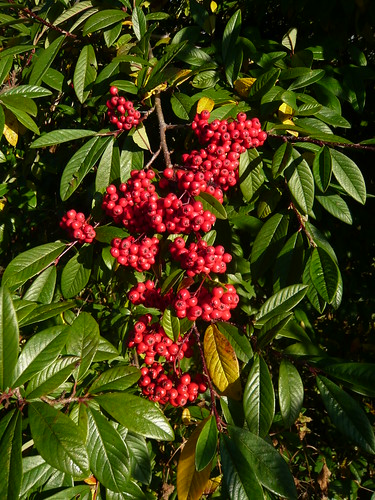
The larger shrubs and trees also provide a similar avian food supply and look very good in a larger garden.

Cotonester

Cotoneaster species number over 250 and the section devoted to larger trees and shrubs is called Chaenopetalum.
The flowers are produced in corymbs (flower clusters whose lower stalks are proportionally longer so that the flowers form a flat or slightly convex head.) The blossom has more than 20 floweras together. The creamy white petals open flat.
Many species are evergreen and generally larger shrubs but Cotoneaster frigidus are small trees up to 50 ft tall.

Small Tree Species
Cotoneaster Cornubia watereri group has red fruit that can weigh down the branches
Cotoneaster hybridius pendulus with glossy leaves
Cotoneaster watereri are a group of strong growing plants with orange – red berries loved by birds.
Cotoneaster ‘Exburiensis’ like many other species have leaves that turn red in winter.

Long Harvest Times

Long Harvest Times

You do not only want home grown vegetables when they are in mid season with all that a glut implies.
With some planning there are some vegetables that can be available most if not every month of the year.
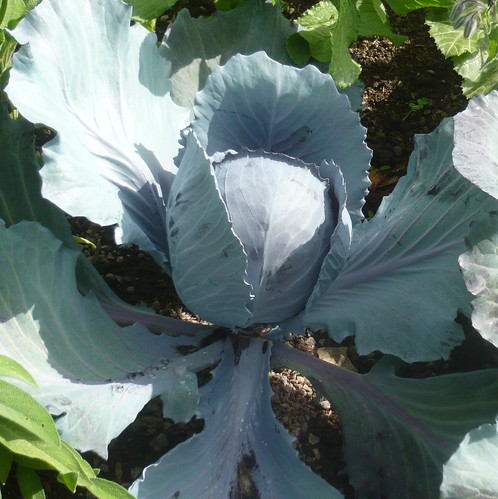
Blue Cabbage

There is a cabbage for harvesting at all times. Sow indoors or outdoors depending on the variety. Plant out 6″ apart and get 10 good heads in a 10 foot row.

Radishes are another ’12 monther’. Sow under cloches for late autumn and winter pickings.

Swiss Chard Traffic Lights
Swiss Chard is a plant that will stand outside all year. Sow in May and pick on through.

Salad leaves are also good Jan-Dec but homegrown lettuce tend to be in short supply in January and February.

Spinach, Broccoli and Leeks miss out in January and February. Parsnips let you down in early summer but Cauliflower just about cover the full year.

Storing Garden Tools

Storing Garden Tools

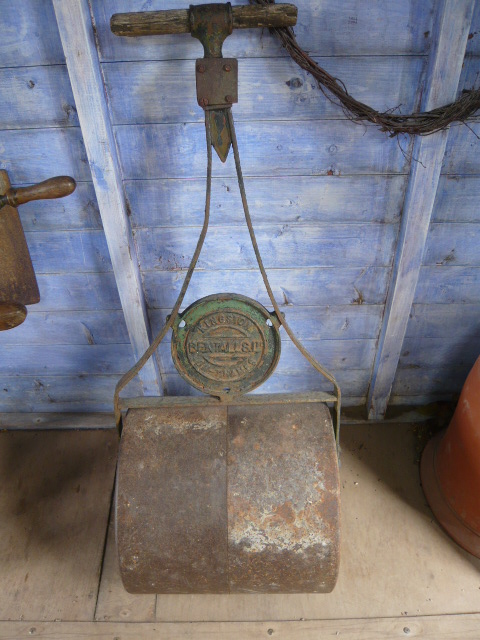
Old tools need venerating and some have become real collectors pieces. Some of these older spades have had new shafts fitted and I know of some really old tools that have had several new handles and 3 new blades!

It is  a sharp idea to look after good quality tools.

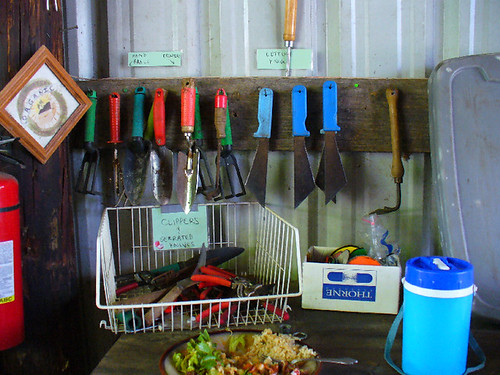
tool rack

When I say hang up your garden tools I do not mean you should stop gardening, quite the opposite. You will get more gardening completed if you can find the right tool, in the right place, at the right time. Hence my quick selection of ways to hang up your garden tools from a range of photographer-gardeners.

Tools Of The Trade

When I say hang up your garden tools I do not mean you should stop gardening, quite the opposite.
You will get more gardening jobs done if you can find the right tool, in the right place, at the right time. Hence my quick selection of ways to hang up your garden tools from a range of photographer-gardeners.

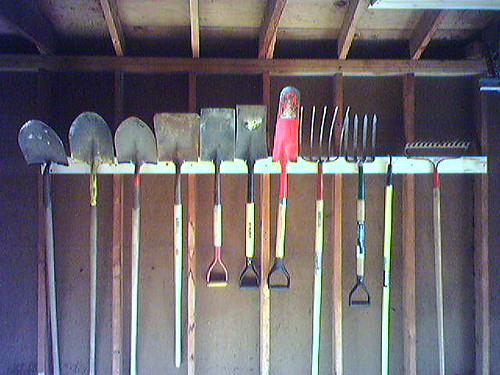
The DIY model has much to commend it. You can tailor to fit your shed, garage or work space. You can vary height and inter tool spacing and use your own design flair.
I like the string through the handle method rather than the nail in the wall style.

Gardening Tools, Chandos Lake, 2009-07-19

Well stored tools should not be damaged as easily as those thrown into a box or drawer at random.
It is easier to see which tools need oiling, cleaning, sharpening or repairing.
Unfortunately it looks like someone has hung up their garden tools and left them to the spiders and their webs.


Credits
Tools Of The Trade by Barefoot In Florida CC BY 2.0
Gardening Tools, Chandos Lake, 2009-07-19 by Open Texture CC BY-NC-SA 2.0
tool rack by robotson CC BY-NC 2.0

Five a Day Strawberry Growing

Five a Day Strawberry Growing

There are many reasons to grow one of the nations favourite fruit & here are our five with a bonus five health benefits.
There are many ways to grow Strawberries and here again we offer five tried and tested tips.

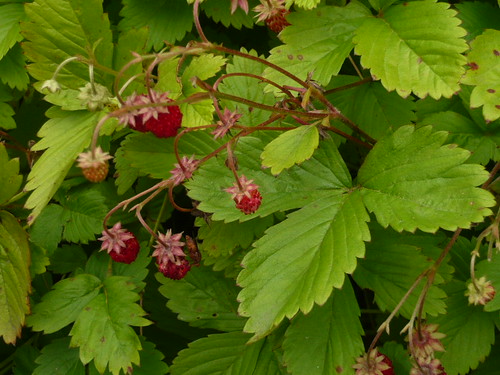
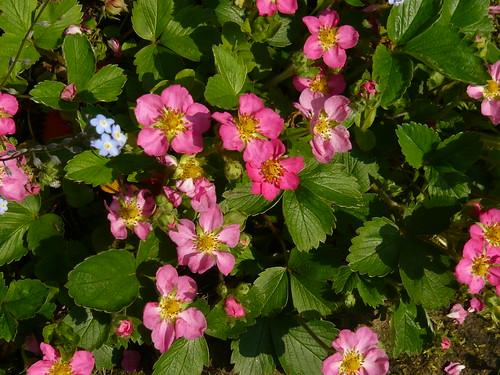
alpine strawberry

Reasons to grow Strawberries

  1. They taste better when picked fresh as a result of your own efforts.
  2. Strawberries have many healthy properties.
  3. Jam made from strawberries and particularly wild strawberries is a top conserve.
  4. Plants can look ornamental and still produce a good crop.
  5. By selecting a range of varieties you can eat strawberries from May to September.

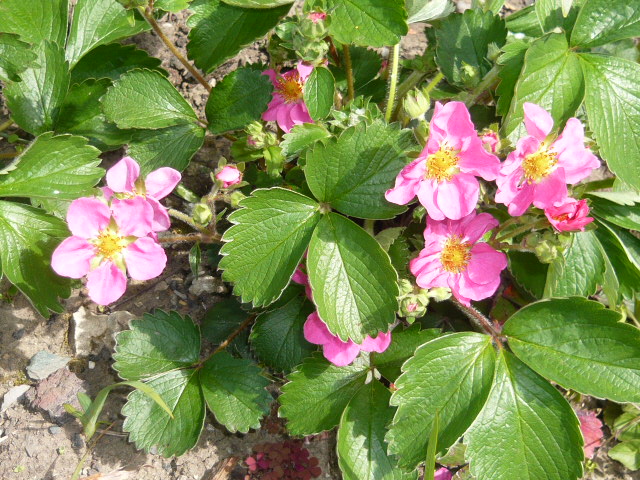
Newby Hall gardens Strawberry
Health Benefits

  1. Your daily need for vitamin C is covered with only 25 calories of sweet juicy fruit.
  2. Strawberries have health benefits that include cholesterol lowering properties and contain elligic acid reputed but not yet proven to fight cancer.
  3. Ignoring cream (if you must) then strawberries have half the calories of an apple and a quarter of a banana weight for weight.
  4. Strawberries are rich in manganese essential for controlling blood sugar levels and enhancing memory.
  5. Eating strawberries is a comforting peace enhancing activity.

The Best Tips for Growing Strawberries

  1. Select the best varieties from a good nursery.
  2. Remove runners to channel energy into fruit not new plants.
  3. Mulch with straw or strawberry mats to conserve moisture and keep fruit clean.
  4. Feed with high potash feed when the first flowers appear. Check for cultivation tips.
  5. Force strawberries to produce fruit early and beat the imports. Lift crowns at the end of January and pot up in John Innes No 2. Water well and keep in a cool well lit greenhouse or cold frame.

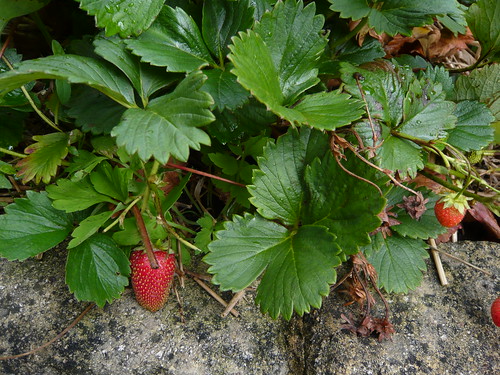
Strawberry

Best UK Varieties

  1. Royal Sovereign is a mid season variety that can be forced in 5” pots in a cold greenhouse for an early crop
  2. Cambridge Vigour is a very good cropper of sweet aromatic fruit.
  3. Ellana is used by jam makers and on some pick your own farms.
  4. New varieties have been bred for the patio and hanging baskets like ‘Sweet Success’
  5. Honeoye is an early fruiter with shiny deep red fruit. There are many more varieties to select from Thompson Morgan
What’s What With Our Weather

What’s What With Our Weather

We have got some ‘right weather’ again so the garden is on the windy & muddy side. Therefore I have taken time out for a quick drink and think about climate.
Last year we were being told that the plight of the bumble bee was in our hands and that they were an endangered species. Blame global warming and loss of habitat we were told.
Gardeners were planning for another dry summer in the UK and we even started the year with drought restrictions.

All ‘ain’t what it is cracked up to be’ and our clay soil was never cracked up to be much especially this year.
As a ‘global warming denier’ I was more than content to whinge on about a poor summer for a change and only regret the low yield on fruit crops.
We have had floods, freeze ups and climate change before and doubtless we will experience more change in the future.

UK Gardeners Tips Views
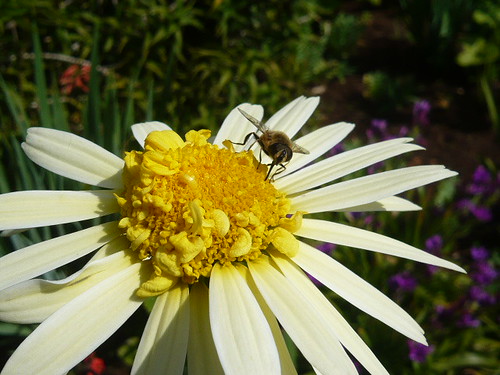
Bees have had a better year and I will continue to support them in my garden and whenever I get an opportunity.
Mediterranean gardens are for the Mediterranean area and unless I want to fight the natural order of things I will be very careful with any plants from hot dry climes.
Rain, wind, sun or shine the weather is great – enjoy it when you garden.

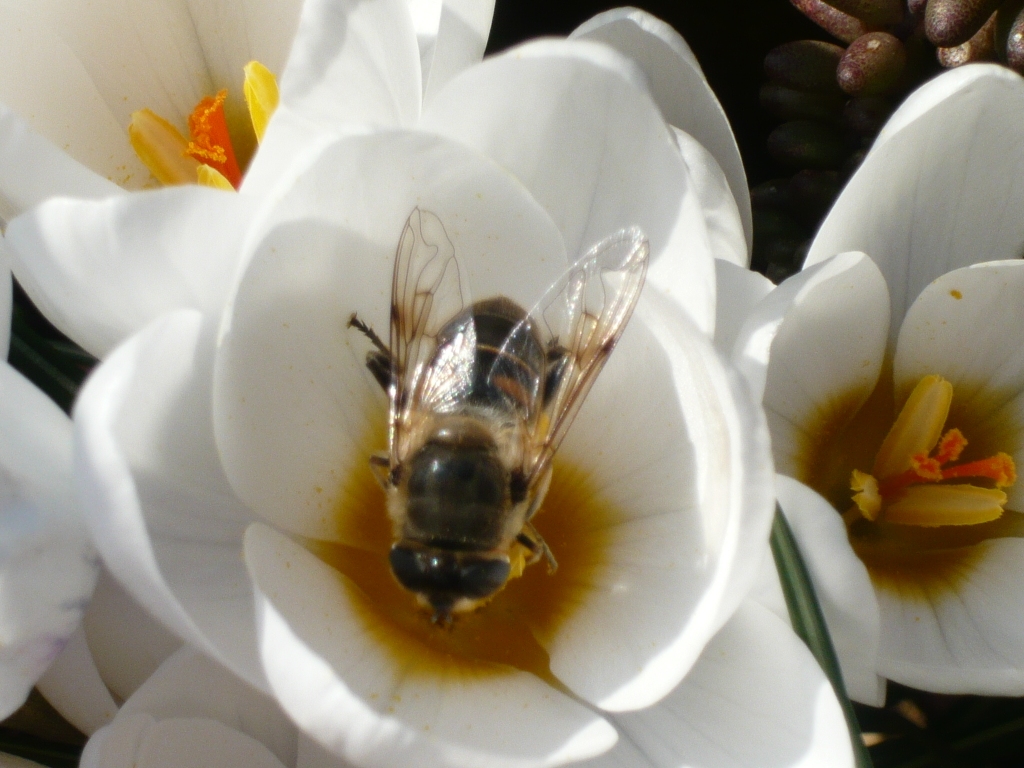
Madiera insect

Growing Chilli, Sweet and Hot Peppers

Growing Chilli, Sweet and Hot Peppers

Help Growing Peppers

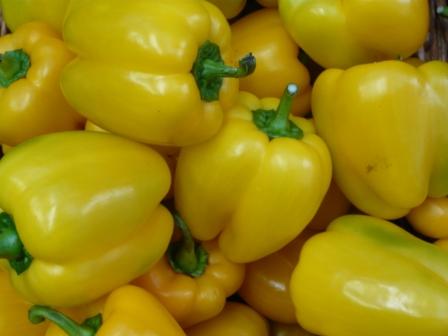
    • Sweet Bell peppers ripen from Green to Yellow, Orange, Red or Chocolate colour.
    • Average plant height is 30 inches and most varieties can be grown in 8 inch pots from seed which takes 1-3 weeks to germinate. Hotter varieties may take a bit longer.
    • Pinch out the growing tip to get laterals and give plants plenty of support
    • A nitrogen feed helps young plants followed by tomato food once flowering starts.
    • Peppers need a long growing season
    • Orange Bell is a productive plant producing typical ‘blocky’, thick walled fruits with delicious sweetness. The fruits start green, ripening to a gorgeous orange.

Hot Chilli Peppers

  • None Bell peppers have conical, curved or long tapered fruit. Arousa is used in Spanish Tapas and Conquistador can be dried then ground to make Paprika
  • Extreme heat is found in the seed oil. Flesh is hotter at the shoulder than the blossom end.
  • Capsicums Chinese are some of the hottest Chilli Peppers around. Seeds from 10 Habanero vaieties and  Scotch Bonnet are able to compete with C. annuum ‘Tepin’ and C. frutescens ‘Zimbabwe Bird Pepper’ for the hottest seeds around.
    Available from Thompson Morgan a seed, Chilli and vegetable specialist.
  • Jalapeno are a traditional early strain popular in tex-mex cooking. They are a mid range heat.
  • Georgia Flame sounds like a good variety for a salsa with thick crunchy flesh.
  • Heat can vary even on the same plant so test several to find a varieties you like.

Gardeners Tips
Naga types need heat to germinate
Cayenne types are generally quite prolific.
Bell peppers have no heat and are ideal for salads, stir fries and stews

Book Cover
The Complete Chilli Pepper Book: A Gardener’s Guide to Choosing, Growing, Preserving, and Cooking

Christmas Poinsettia

Christmas Poinsettia

A favourite indoor plant at Christmas is the seasonally coloured Poinsettia. These potted plants can be better value than a bunch of flowers in December.

  • The picture shows thousands of Poinsettia in a propagating glasshouse.
  • I wouldn’t bother with the pinks and white plants as it is the red and green that reminds me so vividly of Christmas.
  • Poinsettias need special light conditions to get the colourful bracts so I would recommend buying not growing your plants. With care they can be kept but seldom excel twice.
  • Poinsettias are part of the Euphorbia family and originate from Mexico.
  • The flowers are the small yellow centres the coloured section are ‘bracts’ a modified leaf.

 Care Tips

  • When you buy a Poinsettia make sure it is wrapped as exposure to cold will damage it and make leaves drop.
  • Plants showing yellow pollen are mature and will drop leaves quicker than those with closed yellow buds.
  • Place in indirect light, out of a drafts and without leaves touching cold windows.
  • High temperatures above 70°F shorten the plants life.
  • Water when dry to stop the Poinsettia from wilting and dropping leaves plant .
  • Do not fertilise when in bloom.

Poinsettia

Selecting your Poinsettia

  • Do not buy drooping, wilting or yellow leaved plants.
  • Poinsettia should be about 2-3 times the size of the pot.
  • Plants should look full, balanced and attractive from all sides.
  • Chose plants with dark green leaves down to soil level.
  • Select plants where the true flowers are tight and green or tipped red for a longer lasting show.
  • There are over 100 varieties so you may wish to try several.

Growing your Own

  • Our local nursery dedicates two glasshouse to this December crop.
  • Poinsettia need 14 hours a day complete dark for ten weeks before sale to form good bracts.
  • Commercial information can be found in the Poinsettia Growers Guide
  • For more information such as reflowering tips try  ask.com  ….. Poinsettias (Euphorbia pulcherrima) remain one of the most popular holiday flowers.
  • Hybridizers have expanded the range of colors from the familiar red to pastel yellow and vibrant bi-colors. One of the most common questions after Christmas is “How can I care for my poinsettia so that it will bloom again next Christmas?”. While this can be done, it’s a very fussy, exacting process and since the plants are not that expensive, you might just choose to start fresh next year. For those of you who are undaunted, the process for saving your poinsettia and getting it to rebloom begins with the care you give it the first season.

Thompson & Morgan for gift plants including Poinsettia

Uses of Garden Compost

Uses of Garden Compost

compost heap

How do you Use Organic Compost

  1. Good compost mixed in with soil improves the condition, texture and water retention .
  2. Put compost in a planting hole for new trees and shrubs it helps to give them a good start.
  3. Compost around plants and trees acts as a mulch to conserve moisture and protect from frost.
  4. Feeding nutrients back into the soil particularly for heavy feeders like Dahlias, Onions or Runner Beans is one of the main uses of garden compost.
  5. Suppressing weeds can be achieved by mulching with compost.

Preparation with Compost

  1. Replace the soil in the greenhouse where tomatoes have been grown.
  2. I have just made a new bed for next years Sweet peas from lots of home made compost.
  3. Mix garden compost with leaf mould and grit for a container of cuttings mix.
  4. Make your own seed compost mix with loam, compost, leaf mould and vermiculite
  5. Compost recycles waste, reduces landfill and carbon dioxide emissions whilst saving you money.
November’s Backend Bonanza

November’s Backend Bonanza

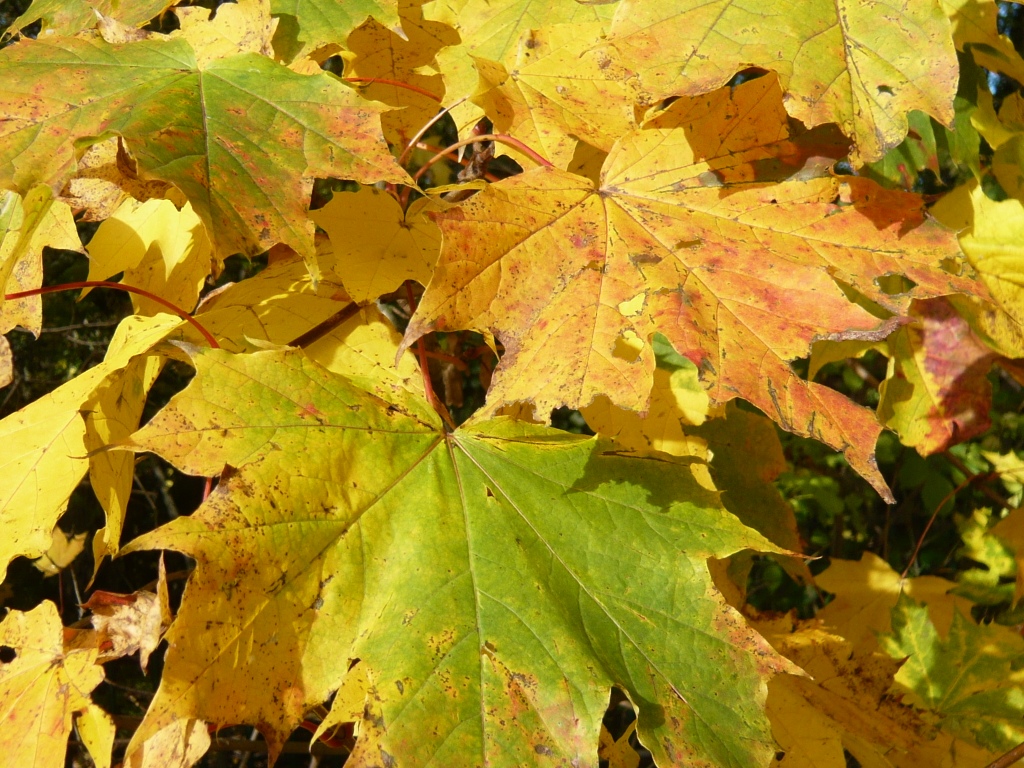
Americans call it ‘Fall’ and the Brits call it ‘Autumn’ but November’s ‘Backend’ can produce a garden Bonanza.
These flowers are still showing their true colours despite all that our English weather has been able to throw at them.

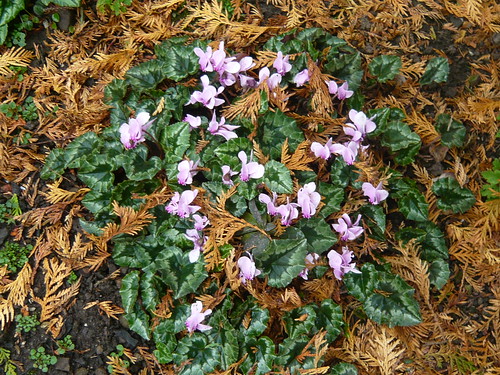
November Cyclamen

You can tell the leaves know it is fall and the Cyclamen hederifolium know it is autumn and time to flower.

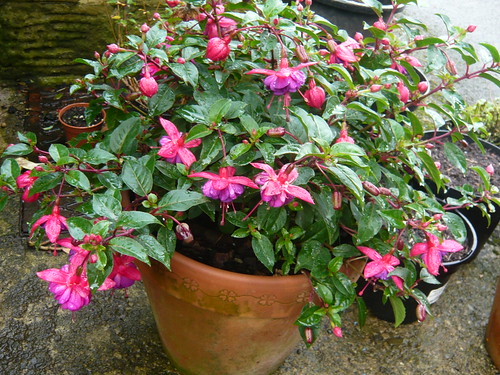
November Fucshia

Dollar Princess was a group of Fucshias I received as cuttings. It took awhile for the flowers to arrive but the late profusion is very welcome.

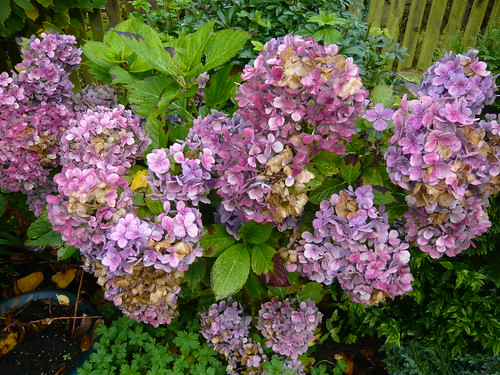
November Hydrangea

A bit over blown and beginning to loose their colour the Hydrangeas have enjoyed our wet season this year. The reward is going to be a winter windfall of flower.

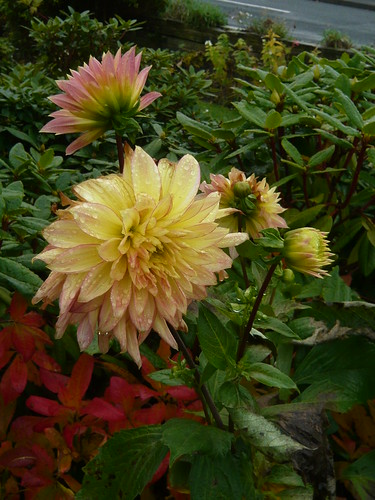
November Dahlia

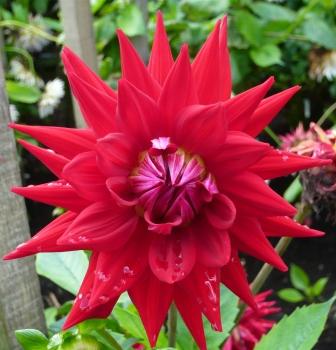
The Dahlias have also been a stroke of luck, lasting very well without as much deadheading as they should have received.

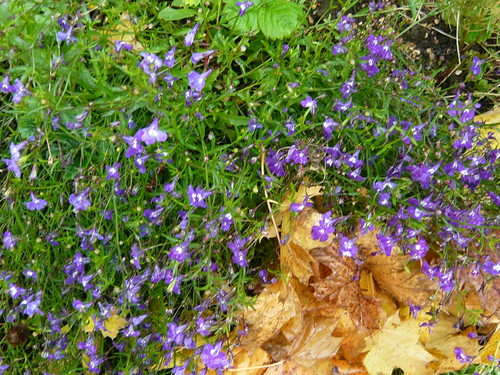
November Lobelia

The annual Lobelia has surprised my with its deep blue colouring that has lasted all through summer. It may be the autumn light but the intensified colouring seems to have strengthened as the seasons moved on.

For next year I will try some more Lobelia seeds from Thompson & Morgan