Browsed by
Month: August 2012

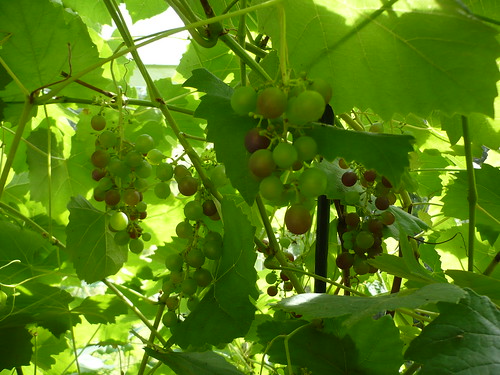
Getting Grapesvines to Grow Fruit in the UK
Getting Grapesvines to Grow Fruit in the UK

Grapes

Tips to Grow More Grapes

  • Grape vines produce fruit on “this year’s growth” coming from “last year’s side branches” (canes). Grapes produce the most fruit on shoots growing off of one-year-old canes. New growth coming from older branches does not produce fruit.
  • If you prune back your vines completely each year, then you get lots of new growth but few grapes
  • New grape vines can take 2 to 5 years to produce fruit
  • Insufficient drainage and too much water will cause very few grapes or no grapes at all
  • Stop watering grape vines in Autumn so that the vine will harden itself up for winter
  • Trim shoots to encourage energy to be channeled into fruit production.
  • Grapes like dry poor soil so if you over feed you will get tons of leaves and no grapes.
  • For older vines with thick stems apply Epsom Salts every other autumn but feed them March, May and July with balanced fertiliser. This provides them with food at bud-break, fruit set and mid-way of the fruit development.

Pruning to Get Grapes to Fruit

  • Prune the laterals to 2 or 3 buds, but do not remove the laterals that will shape your plant.
  • Prune the side branches, leaving two or three buds each.
  • Prune out any dead or unwanted growth and vines will produce fruit on one year old growth.
  • Pruning grapes in late November -January. Later pruning will encourage excessive bleeding from the cuts as the sap rises.
  • Prune all the way back to the main stems will cause new growth and many more flowers.
  • Training and pinching out of new shoots and thinning of fruits is carried out in spring and summer.
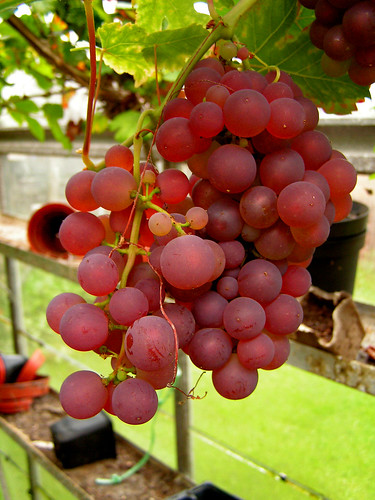
 Black Hamburg

Advice from RHS

‘The cordon or ‘rod and spur’ pruning system is usually used for indoor grapes in greenhouses or conservatories,

Young Vines
Let two of the side branches produce a bunch of grapes, then pinch back their tips to two leaves beyond the bunch of grapes
Pinch back side branches not bearing fruit to five leaves.
In December reduce the main stem by half, cutting to a bud on mature brown wood. Cut back side shoots to 2.5cm (1in) or to two strong buds.

Year three onwards

In January untie the main stem to one third of its length above ground.
Allow the top two thirds to bend down and almost touch the ground. This encourages side branches to break along the full length of the stem
In the growing season as soon as the buds on the spurs (knobbly bits where the main side branches were cut back to a single bud) begin to grow, tie the main stem back into position against its supports.
Pinch out the growing tips of flowering side branches two leaves beyond the flower cluster, allowing only one flower cluster to develop per side branch for dessert grapes. More clusters can be allowed for wine grapes
Tie in each flowering side branch to a wire
Pinch out non-flowering side branches to five leaves
Pinch out any side shoots growing from the side branches to one leaf
For wine grapes, allow all bunches of grapes to develop. For dessert grapes, allow only one bunch per side branch
Cut back the side branches to one or two plump buds from the main stem.’

More UK based grape growing advice from the RHS.

Quaffable Quotes

The wrath of grapes comes from a lack of fruit.
Have you heard any more on the grape vine?
Did the green grape tell the purple grape to Breathe!
Did the grape that got stepped on let out a little wine?
Vini Vidi Vino


Photo Credits
Grapes by dichohecho CC BY 2.0
Black Hamburg by keaw_yead_3 CC BY-NC 2.0
Grapes by freefotouk CC BY-NC 2.0

Grapes

Spring Onion Gardeners Tips

Spring Onion Gardeners Tips

Tips from Gardeners on Spring Onions  (Allium Cepa)

Do you like a crisp spring onion. White Lisbon is a variety grown from seed that will grow quickly and produce some nice strongly flavoured salad onions.
If you can find a variety White Spanish try that for a milder flavour.

  • Sow seed from early March if you can give them some protection.  ( Thompson & Morgan sell various varities of Spring Onion and other vegetable seeds)
  • Alternatively over winter an October sowing for onions from April.
  • Try sowing direct into a grow bag. Warm the bag in the house for a couple of days or in a heated greenhouse.
  • Pull young onions alternately to leave space for others to grow
  • All early onions pulled this way can be used as salad onions
  • Fertilise with a light sprinkling of sodium nitrate in wet weather to help them bulk up
  • Spring onions grown from seed are possible throughout the year  by sowing every 4 weeks from early spring to autumn.
  • Keep the ground free from weeds. All onions dislike the competition from weeds and other plants.

Know your onions

Bunching Onions are a trendy name for Spring onions. Varieties include Ciboule, Performer and Ishikura.

Spring onions (Allium Cepa) are part of the Allium family that includes:

Garlic

Chives

LeeksPot Leeks & Blanching Leeks

Shallots and Pickling Onions

Welsh onions and Japanese Onions

Ornamental Alliums

Special and Extraordinary Leaves

Special and Extraordinary Leaves

Some plants are worth growing just for their special and extraordinary leaves. This is particularly true of houseplants and tropical species which we are less accustomed to seeing in our gardens.
Leaves can create a shock and awe feature in the garden or contribute to the overall peace and tranquility in a lush setting.

Book Cover
‘Leaves are everywhere, appearing in an astonishing variety of shapes, colors and textures. They are the unappreciated gifts of nature, worthy of far more extensive study by all’ according to Dennis Sharader author of Extraordinary Leaves.

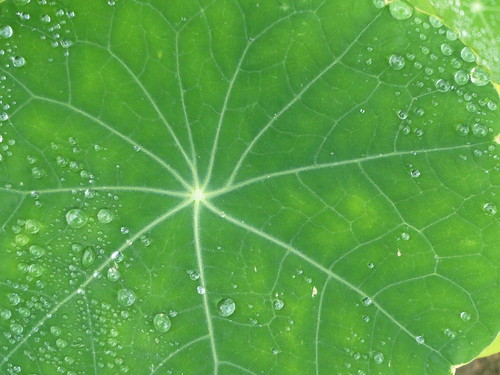
Leaf radials

Special and Extraordinary Edible Leaves

  • Aromatic herbs and salad leaves vary from the small Thyme & Rosemary to the giant Banana leaves used to wrap food
  • Salad crops provide essential vitamins and tasty leaves.
  • Vine leaves are used in some Mediterranean cooking to wrap food and the Chinese send their leaves off to the wok

Leaves Autumn 065

Special and Extraordinary Seasonal Leaves

  • Some leaves can tell the time. Calathea open in the morning and close as it gets dark
  • Most leaves can tell the season and the colour produced in autumn by the Maple family can bring out the crowds in arboretum around the globe.
  • The first leaves of spring are often lime green and fresh but you also get the Pieris with red leaves that gradually turn green

Leaves

Special and Extraordinary Shaped Leaves

  • Spiked and spiny leaves even bamboo leaves can deter invaders in your garden
  • Dissected and crinkle cut leaves can provide architectural features in your garden
  • Tree Leaf Design, Shape and Function is discussed in more detail here

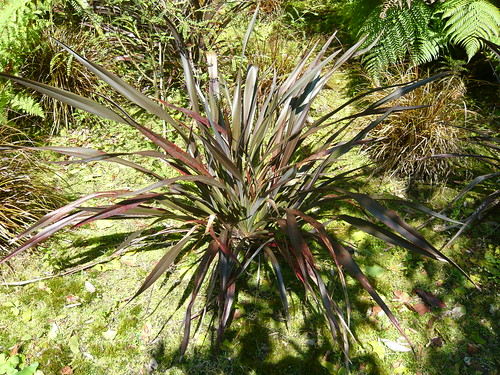
Lost Gardens of Heligan leaves

Special and Extraordinary Coloured Leaves

  • We have mentioned autumn colour but grey leaves combined with purple leaved plants can look spectacular.
  • Colueus and Begonia can produce Fancy Leaves for Colour, Shape and Texture in one plant. See pictures
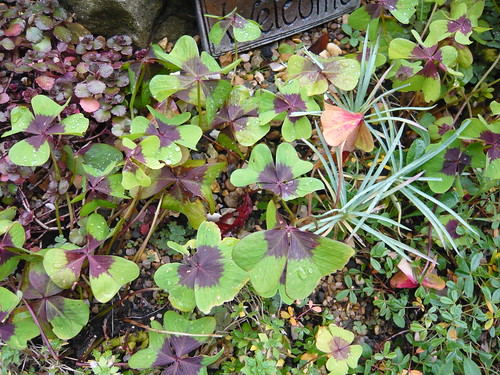
  • Four leaved clover is said to be lucky but do not rely on the two tone Oxalis leaves below

Oxalis

Alan J. Coombes is a Coordinator of Scientific Collections at the Herbarium and Botanic Garden of the University of Puebla, Mexico, and the author of many books about plants and trees. Zsolt Debreczy is Research Director of the International Dendrological Research Institute in Boston. They have combined to produce The Book of Leaves available now from Amazon. It is very strong on tree leaves.
Book Cover

Growing Calathea ‘Wavestar’

Growing Calathea ‘Wavestar’

Calatheas are a group of plants native to the tropical Americas. They are popular as pot plants for the house or conservatory due to their decorative leaves that often react to touch or light.

Calathea 'Wavestar'

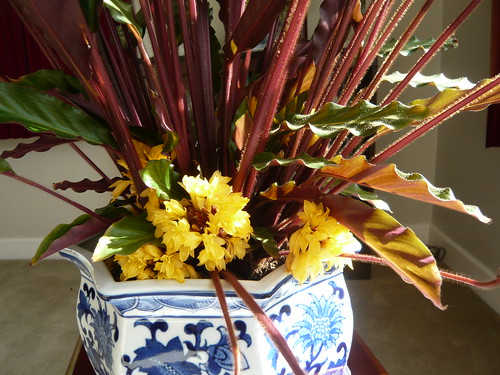
Calathea Wavestar

  • Calatheas are now being cross bred amongst their 50 or so species and Wavestar is one of the results.
  • The leaves are soft,ridged, purple underneath and green when open in full light. The leaves close up in the evening.
  • I was surprised to see the yellow flowers at the soil level last time I watered this plant see above.
  • This variety is said to originate from Bahia in Brazil but if so why has it been granted PBR status?
  • The plant breeders rights are owned by Decorum a Dutch company

Korbmaranthe, Calathea bachemiana

Decorum Plants Calathea Wavestar

  • ‘Decorum Plants’ are a brand name that claims to be a leading specialist in the trade sector for more than 10 years.
  • Decorum Plants represents a selection of 1200 decorative and flowering potted plants under the well-known (to some)‘Decorum flag’.
  • Supplies to the trade via a web link may provide more information

Calathea majestica 'Albolineata'

Growing Calathea

  • Calathea need good light but avoid direct sun as it will scorch or fade the leaf
  • Keep soil moist and humid throughout spring and summer with less watering in winter.
  • Keep your Calathea warm preferably 15-23ºC.
  • Feed with a dilute fertiliser weekly during summer.
  • Soil should be light and free draining.
  • Repot annually and propagate at that time by division. Repoting tips

Calathea makoyana

Calathea varieties for Growing Indoors

  • Calathea makoyana the Peacock plant, features purplish coloring on the undersides of leaves, with white and green on top. Known as the peacock plant.
  • Calathea zebrina the zebra plant, has green markings on the leaf top and purple leaf undersides.
  • Calathea insignis also called Rattlesnake plant, is a bushy species with narrow, tapering erect foliage.
  • Calathea crocata has plain leaves but displays of upright orange-red flowers.
  • Calathea ornata. Reddish marking on leaf tops with purple undersides.
  • Calathea louisae has leaves broadly ovate, dark green with light green splotches along the midrib.

Other Facts about Calathea

  • Calatheas are closely related to Maranta, and often confused with their species Ctenanthe and Stromanthe.
  • Calathea can thrive in bottle gardens and terrariums due to their liking of high humidity.
  • Calatheas are propagated by divisions or tip cuttings, with nodes to form the roots.
  • Mist and reduced light are important during the early stages of propagation.

Calathea zebrina (Sims) Lindl

Calathea Photo Credits
Korbmaranthe, Calathea bachemiana by Dandelion And Burdock, CC BY-NC-SA 2.0
Calathea majestica ‘Albolineata’ by tuis CC BY-NC-ND 2.0
Calathea makoyana by Bárbol,CC BY-NC-SA 2.0
Calathea zebrina (Sims) Lindl by adaduitokla CC BY-NC-SA 2.0 ‘Calathea zebrina (Sims) Lindl. Marantaceae. CN: Zebraplant. Native of southeastern Brazil. Ornamental. Low rosette herb with striped pattern on leaves; leaf texture velvety. Growth habit clumping up to 90 cm tall.’

Vegetable Families their Importance and Types

Vegetable Families their Importance and Types

The importance of rotating vegetable crops to keep soil in good heart and avoids disease build up has been know for millennia. Gardeners should rotate families of similar vegetable using the lists below, not just switching for cabbages to cauliflowers.
Vegetables from the same family often need similar culture or treatment and suffer from similar pests. Fresh soil helps.

Families of like vegetables need similar nutrient levels and attach importance to different fertilizers.

Aubegine

Cucurbitacea – the marrow family

Leguminosae – Fabacea

Compositae – Daisy Family

  • Chicory – Endive
  • Jerusalem Artichoke
  • Lettuce
  • Salsify and scorzonera

Read More Read More

Benefits of a Compost Heap

Benefits of a Compost Heap

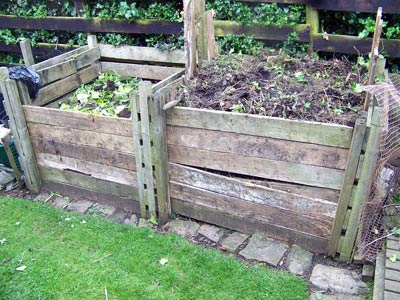
compost

A well made compost heap has various benefits for both the environment and your own garden. Compost heaps are relatively easy to make and a well made heap gives a personal sense of satisfaction.

Main benefits of a compost heap.

Saves Taking Garden and Kitchen Refuse to Landfill. This will save you time, but also help the environment by reducing strain on landfill sites. You also save petrol and time of taking garden rubbish to local tip.

Provides Excellent Organic Soil Improver
. Garden composts is high in trace elements and so helps fertilizes the soil. It is also an excellent soil improver adding much valued humus to the soil. Well rotted garden compost will help any soil, but especially if you have a sandy or clay soil.

Natural Cycle. Composting dead material to put back into the soil, is a natural process of Mother Earth. By composting material, we make our garden more of a living organic entity and can rely less on artificial fertilisers.

Attractive soil conditioner. Some people feel a compost heap is to be kept well hidden, but a well made compost heap needn’t be a source of embarrassment, plus the rotted compost has an attractive and sweet smell to it.

Healthy outdoor exercise is provided when you spread your eco-friendly compost

Provides a home for numerous insects, worms and creatures involved in the environmental cycle.

Get More Benefits from Your Heap of Compost

Greedy boards can be used in summer to increase the height of your compost heap. Leafy matter reduces in volume quickly and the extra space can be useful.

Adding a sprinkling of garden soil will improve the rotting process by adding bacteria, worms and trace elements. I do this when there is a lot of green matter and not much brown to compost.

Shred and chop your waste into smaller parts. The rot sets in to all the damaged and cut areas quicker than undamaged stems and stalks. A chipper or shredder may be used for branches and trees.

A compost heap provides a place to collect all rotting plant matter and helps to keep the garden tidy

Potential Problems of Compost Heaps.

Rats and other vermin – attracted by cooked food. – Don’t put meat or cooked food on a compost heap, but do put vegetable peelings and other uncooked organic waste.

Odour. A badly made compost heap made start to smell of methane. But, this tends to be compost heaps that become sodden and waterlogged. Solution – put a mix of green material with more woody stems. Provide aeration and cover in excessive rain.

Doesn’t Rot Down. This occurs if the compost heap is badly made. – too wet or too dry, or not enough sources of nitrogen such as grass clippings.

Disease. Don’t compost plants if they are infected with disease as these could be recycled, better to burn or dispose of diseased plants.

See:

compost heap