New Guinea Impatiens Failure
Back in 2009 I reported on my failure with impatiens. now I am tempted to try again. So far so good no of them have died but nor are they a run away success.
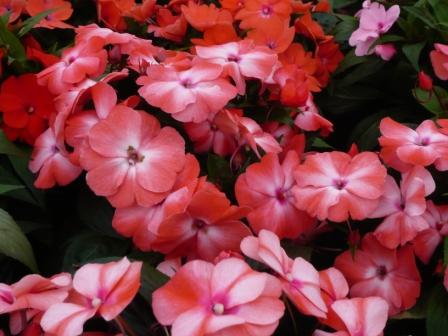
I had a disaster with New Guinea Impatiens 4 years ago. Rather than grow from seed I bought a pack of half a dozen plants to grow on. The only trouble is they haven’t grown on but got sickly and hardly survived.
Errors and correct treatment
- I used a peat based compost to pot them into. I should have used a faster draining soil based John Innes No 2.
- The leaves have gone brown and limp because they were on a windowsill getting too much hot sun before they were strong enough. I should have given them less direct sun whilst young.
- Once or twice I must have let the soil dry out. New Guinea Impatiens must have moist soil at all times and I regret not standing them on some gravel to help humidity.
- I have not fertilized the plants but as they have barely grown in 6 weeks it is due to other health problems. Feed when growing.
- I have not got red spider mite – at least I have saved them from that problem.
I gave some of the lilac flowered plants away so am interested to see if they have done any better. I also put some of my sickly plants in a plastic zip up greenhouse outside so I am now off to see how they have done.
New Treatments
I corrected the above issues but watering still gives me nightmares.
I potted the plug plants on into 3″ pots and they are more robust.
I like the plants when well grown as a summer houseplant.
4 thoughts on “New Guinea Impatiens Failure”
I too bought lovely red new guines impatiens from a well know shop. I spent £25 on ten plants for my very sunny balcony pots and the flowers are shriveled and the leaves are brown…sounds like a cue for a song!
I’m really disappointed. I usually spend less on my plants and they fare a lot better….
Should i ask for my money back?!
I have not had any success with my new guinea impatiens I transfered them into a general purpose compost! I may have over watered them or they do not like too much sunshine!!
Any sugestions to solve my problem??
Ken
See reply to Gill
We are all in the same boat I think. In the wild they live in gravel near streams so the roots get water and the leaves are well drained. A breeder tells me to try 12″ containers and stand the pot in some water regularly and do not let the plant dry out. I guess we will have to try again.
Comments are closed.