Archive for Fruit, Vegetables & Herbs

Sweet Potato Trial

 	Sweet-potato-rhs-trial at Harlow Carr

The RHS is trialling several varieties of Sweet Potato. They have picked a wet, sunless season so far but as the plants will be harvested during October there is time for a good spurt of hot weather (I am an ever hopeful optimistic gardener).

Normally these plants are difficult to grow successfully in Britain but for those who are a bit adventurous you may want to try this crop next year. If so follow the results of the RHS trials.

  • Grow from cuttings or slips (young shoots) forced into growth be heat in a damp sandy compost
  • Plant out in June they are spreading vine like plants related to Morning Glory and root along the nodes
  • The black polythene acts as a heat absorber and offers protection
  • The mounds can be filled with straw and soil mixed
  • Avoid frost but allow the longest growing time possible.
  • Harvest in early October or wait for half the crop until the end of the month
  • Sweet potato, Ipomoea batatas, is a tender, warm-weather vegetable that requires a long frost-free growing season to mature large, useful roots.

Comments

Herbs in the Border

Traditionally herbs are grouped together in a special area of the garden but you can try mixing ornamental herbs amongst perennials.

Focal Points

Angelica is happy in semi-shade and reaches over six feet tall. The green candied stems of Angelica archangelica, with huge fine cut leaves are used to decorate cakes. Alternatively try bronze coloured Angelica silvestris Vicar’s Mead.

Fennel is another tall focal point plant with green or bronze foliage. This perennial likes sun and flowers yellow with edible seeds.

A Bay tree Laurus nobilis f. augustifolia will create a more formal setting responding well to trimming, shaping and pruning

Edible Edging

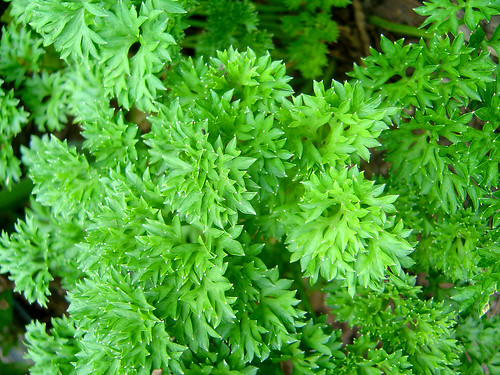
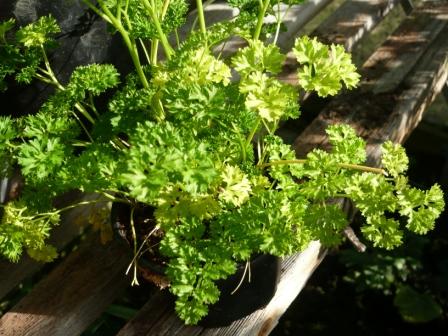
Curly leaved Parsely with bright green leaves can set off the bright colours of bedding. Flat leaved parsley works less successfully.

Chives are fine leaved clumpy alliums with purple blue flowers and look very good with purple leaved plants and shrubs.

Thyme has many varieties both upright (above) and creeping, variegated or lemon scented. They are useful for hot, dry, poor soil conditions.

Marjorams or Oreganum vulgare can also fill a niche at the front of a garden

Herb Tips

  • Keep picking or trimming herbs to keep tidy and encourage new growth
  • Mid range border filler plants include Rosemary, Lavender, and Hyssop
  • Mint likes semi-shade and a fertile soil try spearmint mentha spitica, apple suaveolens, ginger gracilis as other flavours.
  • Try mint in flower arrangements.
  • Caraway, Chervil, Lovage and Coriander look tatty as they begin to flower so leave them in the vegetable or herb garden

Comments (1)

Sunflowers as Food

Sunflower  var Pastiche

Sunflower Food Crops

  • Plants are grown commercially to produce sunflower oil and sunflower margarine.
  • Do not eat the petals but you can grow sunflowers for their seeds to bake in to bread, use about a quarter of sunflower seeds to the amount flour you use.
  • Sprouted sunflower seeds are full of goodness and easy to grow. Rinse your crop of seeds throwing away any floaters and leave in a jar of cold water. The following day pour away the water and leave he jar on its side until the seeds sprout. Check regularly throwing away any bad ones and rinse away the husks. In less than a fortnight you will have sprouts for a stir fry or sandwich.
  • Seeds can be used as a garnish for salads or eaten as they are.
  • Use seeds as a crumble topping with oats or add to root vegetable soups.
  • Grow Jerusalem artichoke part of the sunflower family and eat like potatoes
  • Birds love the rich sunflower seed

Comments

Swiss Chard as Coloured Spinach

swiss Chard HC

Similar to spinach with a slightly bitter flavour Swiss Chard is pungent and slightly salty. It contains an exceptionally impressive list of health promoting nutrients. Although Swiss Chard is available throughout the year, its season runs from June through August when it is at its best.

  • Swiss Chard is a tall leafy green vegetable with a thick, crunchy stalk that comes in white, red or yellow with wide fan-like green leaves.
  • It is ornamental enough to grow in the border.
  • Chard is easy to grow from seed and grows upto 18 inches tall and spread.
  • Eat and cook Chards like spinach. Both the leaves and stalk of chard are edible, although the stems vary in texture with the white ones being the most tender.
  • ‘Ruby Red’ has stunning deep veins and can be picked young.
  • ‘Bright Lights’ is a seed mixture ready within a month
  • Organic seed is available and if growing it organically watch out for slugs

Comments (1)

Herbs for Drinks, Pillows and Baths

Herbal Teas, Tisanes and Infusions

Herb tea made from dried or fresh leaves can be drunk hot or iced. Chamomile tea is popular and can be bought in tea bags but growing your own is more satisfying. Use one or two tea spoonful of leaves, dry or fresh, to a cup of boiling water and steep for five to ten minutes then strain if you wish.

  • Mint, Fennel and Sage can be used to create teas in the same way.
  • Tinctures are make by soaking in alcohol like cider vinegar and raspberries to make raspberry vinegar

Herb Pillows

Herbs were added to straw to deter insects in less sanitary times. Today it would be enough to collect flowers and put them in a small packet or muslin bag and hang it close to the bedhead.

  • Lavenda, Mignonette, Rosemary and Lemon verbena (Aloysia) make suitably restful pillows
  • Eucalyptus leaves are good for congestion with a strong scent when crushed

Herb Baths

Aromatic herbal baths can be theraputic and pleasurable. Hang a muslin bag filled with a handful of leaves under a running hot tap as the bath fills.

  • For stimulation try Basil, Bay, Lemon balm and Verbena, Mint or Rosemary.
  • For relaxation try Chamomile Valerian, Lavender or available scented flowers.
  • Healing herbs can be used such as Calendula, Acillea and Mints

Herbal Remedies

Herbs work as both preventative and curative medicines and the Greeks and Chinese have long been exponents of the craft. Remedies can be very powerful and be treated with respect. Do not ingest with prescription medicines without consulting a doctor.

  • Sage can be used to make a gargle for infected throats
  • Feverfew leaves or Meadowsweet can be chewed to relieve a headache
  • Yarrow tea is said to be good for colds
  • Dock and plantain leaves have long been used to relieve stings
  • Buy a good herbal medicine book

Comments

Young Broad Beans Make a Salad

Add fresh broad beans to a mixed salad for a special crunchy treat. It is a saying in our family that ‘broad beans make a salad’. They also make a fine vegetable or addition to a soup (Brown Windsor).

  • The trick with broad beans is to pick them and eat them young. By the time the part of the bean attaching it to the pod goes black the bean is old, the sugar has gone starchy and the bean is chewy and the kids won’t want to eat them.
  • Pick them whilst the bean is still growing and they will be sweet and tender with soft skins.
  • Sow varieties like Green Windsor or the short podded organic Witkiem Manita (new to me) for flavour
  • Eat ‘pods and all’ from varieties The Sutton and Stereo as you would mangetout
  • White and green seeded varieties differ little in flavour but I have a preference for the green ones as the others remind me of school butterbeans (which were really lima beans).
  • Heirloom varieties include Bunyards Exhibition, Masterpiece Green Longpod, The Sutton and Aquadulce Claudia.
  • Black fly can be a problem at the tip of the plant so if you are organic pinch it out tops at the first sign.
  • Tall varieties will need some string support between canes at the end of rows
  • Late sowings in August can produce tender green tops for a stir fry

Longpod beans were fed to horses and were the origin of frisky horses being ‘full of beans”

Comments (1)

Broccoli all Year


There are many vegetables that have long seasons but you can be eating home grown broccoli every month of the year. There are the range of sprouting types and the heading Romanesco and Calabrese types. Most varieties take 5-6 weeks to reach maturity. If you have an allotment then you could try some of these varieties from seed:

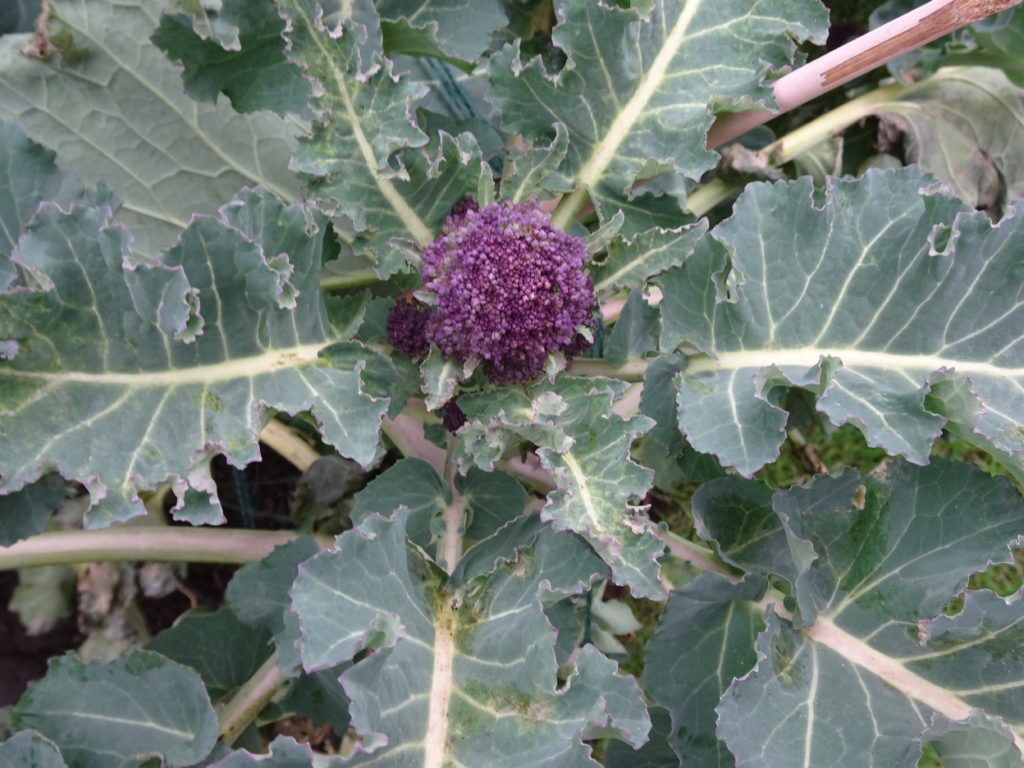
  • Summer purple sprouting matures between June and October
  • Rudolph is an early sprouting ready to pick in January-February
  • Red Admiral is a vigorous F1 for February March and Red arrow lasts until April
  • The heirloom Late Sprouting produces small sweet heads through until July. Keep picking
  • Tendergreen is worth a mention purely for the high level of vitamin C
  • There is a perennial ‘Nine Star’ that can be picked regularly for years but do not let it set seed.

Broccoli has vitamin A, C and D in varying proportions and is currently thought to help protect against the onset of some cancers

Comments

Growing and Eating Ornamental Kale

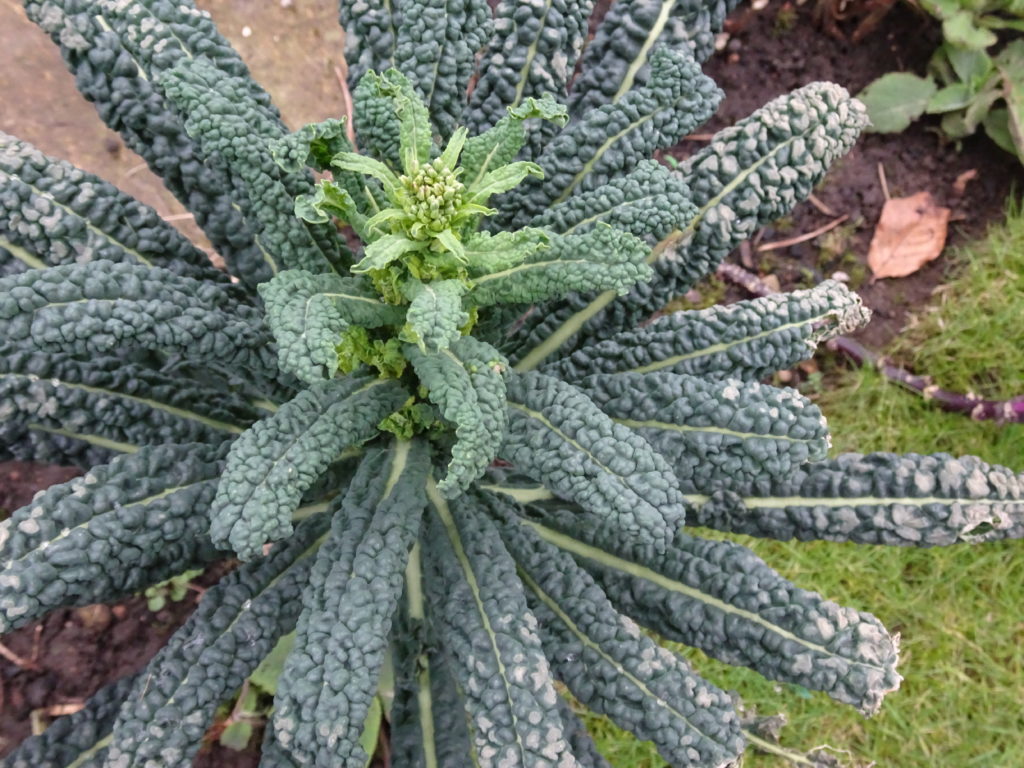
Many plants sold as “ornamental cabbage” are in fact kales. They are grown for the coloured and ornamental leaves which are brilliant white, red, pink, blue or violet in the interior or the rosette. Because they supply colour in winter Ornamental Kale is popular with some designers. The green kales (Borecole) can also be very ornamental. Keep tidy by pulling old outer leaves off


Ornamental kale is every bit as edible as any other variety, provided it has not been treated with pesticides. Special recipes

    For more Tips and other Kales

    Read the rest of this entry »

    Comments

    Runner Bean Scarlet Emperor

    Tips for good Runner Bean crops

    • Prepare the soil to retain moisture by incorporating good compost and/or wet newspaper at the bottom of a trench in winter.
    • Rotate crops to a new patch every year on a three year cycle.
    • Do not feed with heavy nitrogen fertilisers or you will get leaf and less flower.
    • Flowers pollinate best if the air is humid so mist over if there is a dry spell.
    • Water plants well and regularly or stunted ‘C’ curved beans will disappoint
    • Support with a cane each or on a wigwam. I am trying an X shape this year so that the top half of the X encourages beans to hang down outside the plant and be easy to pick.
    • Harvest when beans are still young and have a snap in them
    • Try a variety know for its flavour like Kelvedon Marvel or Red Knight
    • Ruby moon has maroon pods that turn green when cooked and Painted lady has red and white bi-coloured flowers
    • Runner Beans can be grown for the bean inside or for the whole pod to be eaten

    Tips for entering Runner Beans for a local show

    • Stick to the schedule for the show - if it says three runner beans submit three runner beans and label the variety correctly
    • Chose straight beans of equal length and form - size isn’t everything
    • If beans need a bit of straightening keep them in a wet towel overnight pressed straight.
    • Grow and take some spares to the show
    • Display as instructed or on black velvet to show off your specimen
    • Collect the seed of good plants for next year and develop your own strain or get good seed from a specialist
    • If you want a giant bean to become a world record you will be looking for bean in excess of 48 inches and it will be too woody to eat.

    Comments

    F1 Seeds and Hybrids

    What is F 1 Seed

    F1 hybrid is the result of crossing two pure lines to create the desired result. If one plant has good habit and poor flower and another has good flower and poor habit they can be cross fertilised so that resulting seed can produce plants with good habit and good flowers. A pure strain of each parent is first selected by pollinating the best examples with themselves. When a good pure strain is achieved the resulting plants will be cross fertilized by hand to produce F1 seed.

    Benefits of F1

    • Breeding programs have made it possible to bring out the outstanding qualities of the parent plants
    • Qualities have been enhanced and new desirable characteristics added to the resultant hybrid plants
    • Vigor, trueness to type, heavy yields, selected fragrance and colour are all potential benefits of F1
    • Uniformity are other characteristics of hybrid plants
    • Good disease resistance can be built in by appropriate selection

    Other F1 Issues

    • Seed is expensive and a packet probably contains a lower number of seeds as they are expensive and time consuming to create and grow
    • Saving seed from F1 will not produce the same plants the following year. Only seed from the cross of pure lines will be F1.
    • Vegetables are a good use of F1 as crops are larger and the extra cost is probably worth the effort
    • I have just sown F1 Wallflower Treasure Mix to test it against other wallflowers

    F1 Vegetables to try

    http://www.unwins.co.uk/cabbage-spring-hero-seeds-spring-pid1149.html

    http://www.dobies.co.uk/pd_431969_Beetroot_Kestrel_F1_Seeds.htm

    Comments

    « Previous entries