August 15, 2010 at 3:19 am
· Filed under Trees and Shrubs

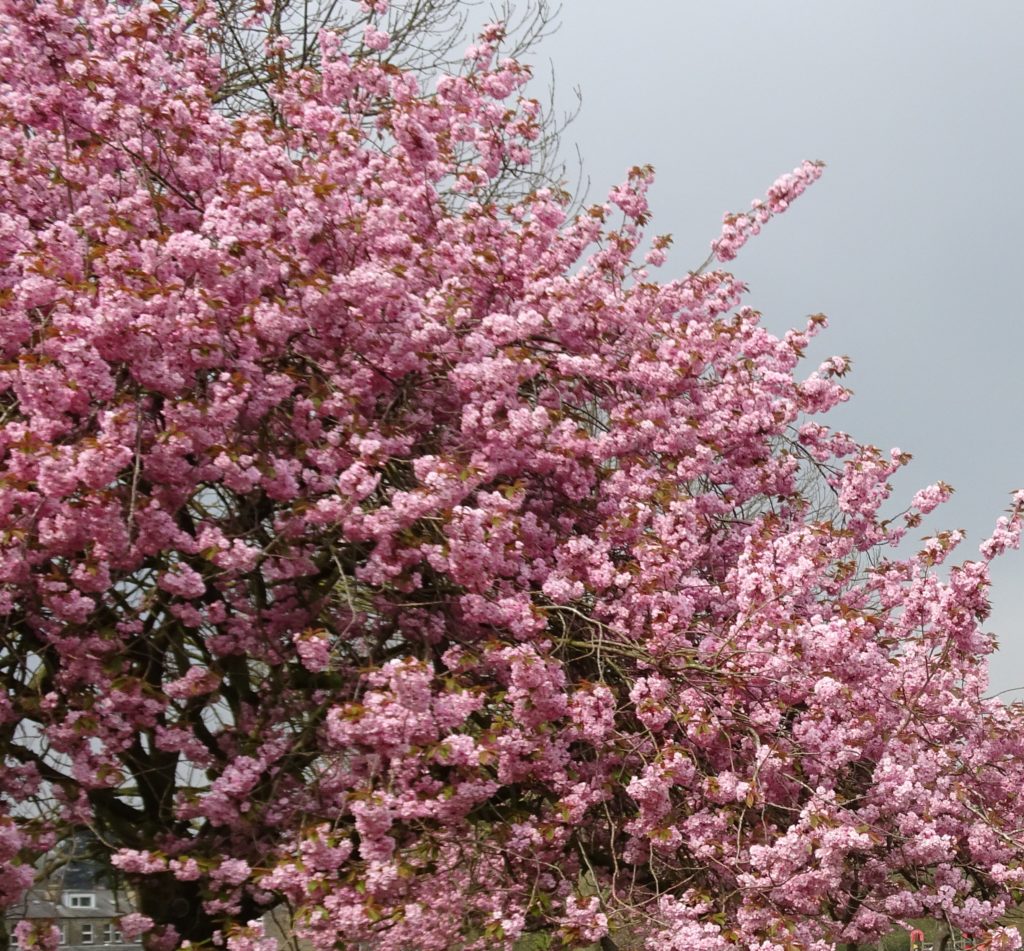
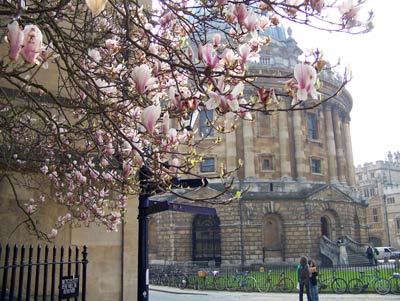
The Japanese have a long and detailed affair with fruit tree blossom. Apricots, Prunus armenaica and Plums, Prunus salicina are well known to western gardeners but what of Mumes.
What are Prunus Mume or Mumes
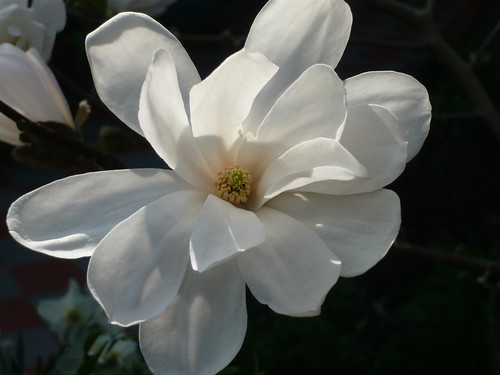
- The wild Mume has single white or pink flowers in February-March which cluster densely on dark brown branches.
- The flowers are intensely fragrant that has encouraged the breeding of many 100′s of cultivars throughout Asia.
- The blossom opens before the Cherry blossom season and is the harbinger of spring.
- A ‘Mume’ is a green to yellow, downy fruit with a groove running the length of the fruit from the stalk.
- Prunus mume, commonly known as ‘ume’ is also confusingly called Japanese apricot, or Chinese plum.
Uses of a Mume
- The tree is cultivated for both fruit and flowers.
- Old decorative trees are venerated and used near temples.
- Mume are grown as Bonsai to flower at the new year. Wild varieties perform best.
- The flowers are the subject of many traditional painting in Japan and Vietnam.
- The fruit is grown as a crop although it is very sour.
- In Japan the fruit is dried in the sun and preserved in salt to make a pickle.
- They can be put with sugar into strong alcohol to make a drink like cherry brandy.

Permalink
July 8, 2010 at 1:22 am
· Filed under Trees and Shrubs

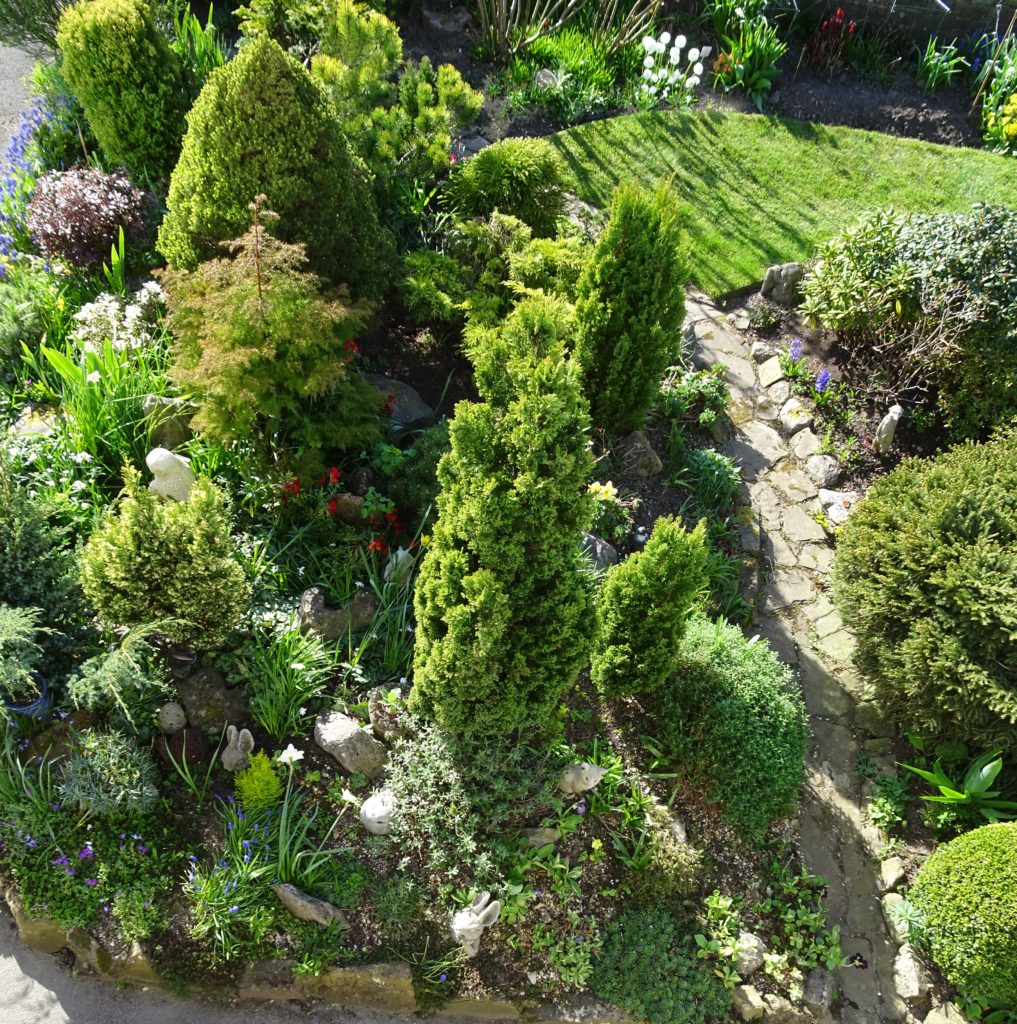
Conifer trees and plants are available in a range of colours, shapes and sizes. Sequoia conifers are the largest living thing on the planet. Mature trees reach for the skies but rockery or horizontalis varieties are ground hugging by comparison.
What is a Conifer
- A conifer is a tree that produces seed but has no true flowers.
- Many conifers have seeds borne on scales that clump together to form cones which are woody when ripe.
- Junipers and Yews are conifers without cones, using small berries for seed capsules.
- The foliage is usually narrow and sharp-pointed or small and scale-like.
- Most conifers are evergreen though Larches loose there their needles annually
Conifer Families
- The Pine family includes several popular species of conifer including, Firs (Abies), Spruce (Picea abies), Larch (Larix), and Cedars (Cedrus).
- The big trees like the giant redwood sequoia are from the Taxiadacea family.
- Monkey Puzzle trees have very large cones.
- Cypress family includes the Chamaecyparis, Juniperus, Thuja and Cupressus families most often found in gardens.
Colourful Conifers
There are a range of different greens, blues, gold’s, greys and even bronzes. Have a look around your local garden centre. Five varieties to look out for are: Read the rest of this entry »
Permalink
June 13, 2010 at 9:00 am
· Filed under Trees and Shrubs
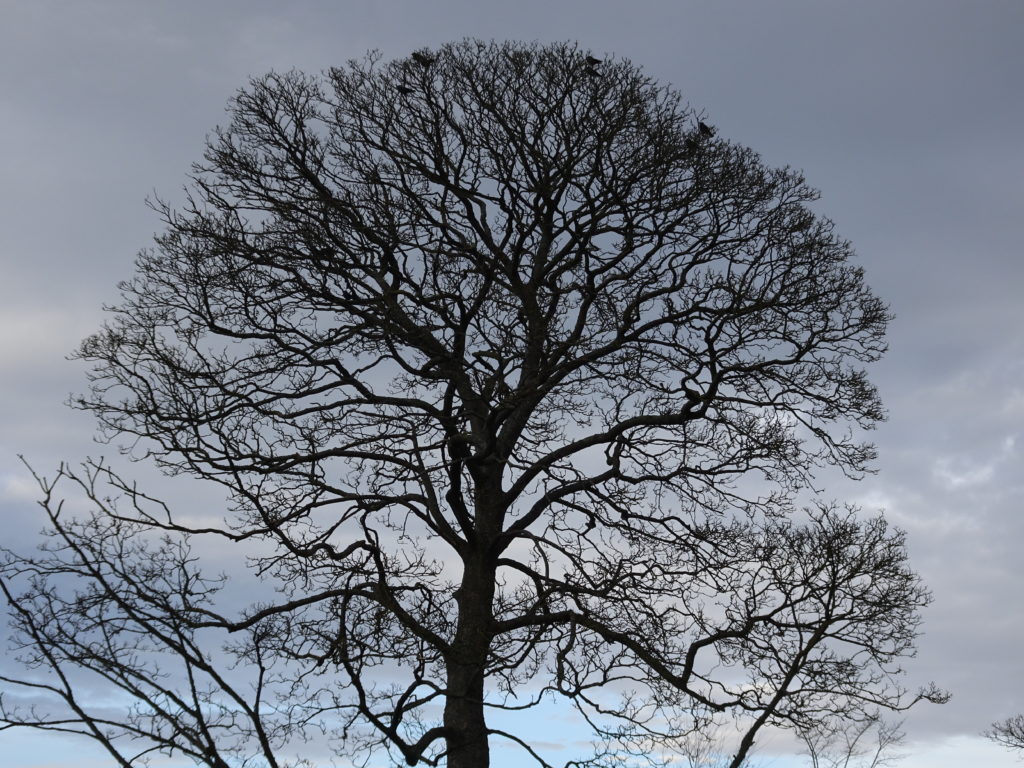
A common site in many town gardens are trees that have outgrown their space. Large native trees like Oaks, Copper Beach, Planes, Weeping Willow and horse chestnuts are wonderful, but to be really enjoyed they need suitable space, like in a park. If they are planted in the garden they will
- Create too much shade
- Create too much ‘water shade’ – their canopy can make a garden quite dry.
- Planted too near the house, they can also undermine the foundations of a house as their roots spread deeply into the structure.
To remove these trees is a big job. But, it’s better to do now, rather than leaving until it is even higher. (Though you may have to be careful and check planning regulations before cutting old trees down – some may be protected)
However, though some trees are too big to enjoy, there are many excellent varieties which will be good for the small garden.
Best Trees For Small Gardens
Acers – There are a huge varieties of acers. They can be very attractive in the small garden. They are also ideally suited for the small garden. The Acer Palmatum. I’ve found they can be a bit tender in a cold windy winter. More on Acers

Birch – Betula Pendula. Birches make excellent garden trees, there canopy is not too dense, providing a lovely dappled shade. There small delicate leaves and bark can also be quite attractive, especially the white barked silver birch.
Hawthorn Tree. Can be used in hedges or used as a specimen tree. Will not grow too tall and provides good blooms in May or June.

Laburnum
The Laburnum provides a wonderful display of yellow flowers in May / June. It shouldn’t grow too tall (though this tree from Italy has grown as tall as house. One important point is that its leaves and flowers and bark are all poisonous. If you have young children, it may not be suitable unless closely supervised.
The best variety is Laburnum wateri vossii’ which produces long blooms of flowers.
Read the rest of this entry »
Permalink
June 12, 2010 at 3:12 am
· Filed under Gardening, Trees and Shrubs

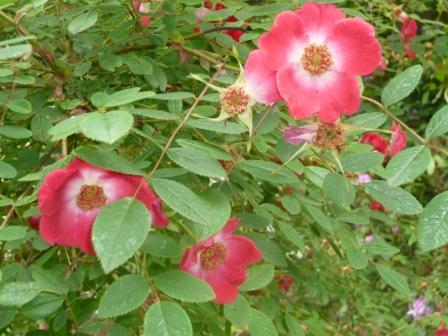
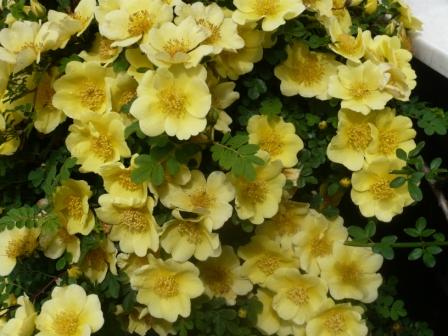
This year my roses are a good bit later to come into full bloom. The cold snap in May undoubtedly caused problems.
A white rugarosa type had all the buds ‘browned off’ by a late frost and guess what colour that left me - ‘browned off too’!
Tips for June
- Deadhead repeat flowering roses to get a second flush. Flowering may stop when seed is set.
- Cut above the first leaf node and angled away from the leaf.
- Do not deadhead roses you grow for the hips such as Rugarosa types.
- If you have any blackspot wash your secateurs between each plant to avoid spreading the disease.
- Check for suckers, track them back to the roots and pull them off neatly. Cutting them may leave a bit of sucker and you will get two suckers from that one spot.
- If you are troubled by Aphids, and who isn’t, then use your favourite treatment. I have just organically squashed quite a large crop on the buds of my climber roses.
Getting Bigger Blossoms
Permalink
June 7, 2010 at 12:31 am
· Filed under Garden Design, Trees and Shrubs

One of the toughest spots to grow plants is in dry shade. Here is my pick of those shrubs that will be ‘good doers’ in these conditions.
Box or Boxus sempervirens will grow up to 12 feet high and wide in dry shady conditions. The variety Latifolia maculata, with it’s agm, has bright yellow, young leaves becoming dark-green, blotched with yellow when mature (this gives it the common name Sunshine box). It is good a good evergreen for topiary and hedges.
Hypericum calycinum, Great St Johns Wort or Rose of Sharron is a low growing shrub with yellow flowers followed by black seed bearing berries. It grows up to 2′ tall but can spread 10′ or more.
Lonicera pileata is a species of honeysuckle used for hedging. It is called the Privet honeysuckle and can grow up to 8 feetwide and a couple of feet tall.
Euonymus fortunei is an ideal evergreen shrub available in several leaf colours. I find the yellow leaves perform well in the cool shade.
The following selection may also be fine but the above plants were recommended by the RHS
Daphne laureola and Laurel Read the rest of this entry »
Permalink
June 2, 2010 at 11:38 am
· Filed under Trees and Shrubs

I think lilac trees are boring for 11 months of the year but for a powerful scent they are hard to beat in late May.
The White Lilac is every bit as scented as the ‘lilac’ Lilac.
For tips growing Lilac see this post
For cut flowers
- Pick stems early in the morning when full of sap.
- Put immediately into warm water,
- Split the stem for 1″ with a sharp knife do not crush.
- In this way they should last more than 4 days but otherwise Lilac will disappoint.

Read the rest of this entry »
Permalink
May 27, 2010 at 5:06 pm
· Filed under Flowers and Plants, Trees and Shrubs

Fantastic, traffic stopping flowers at least 12 ” across are a wonderful feature of some Tree Peonies.
Tree Peonies
- These slow growing shrubs reach around 4 foot high and wide.
- They are drought tolerant but should not be made to compete with larger trees for water.
- They are reasonably easy to grow in deep loamy soil.
- In China they are mountain plants so survive our winters quite well.
- Grafted shrubs are available in garden centres. They may send up suckers of herbaceous peonies that need cutting out (the leaves are greener and are not as finely cut as tree peony leaves).
Varieties of Tree Peonie
- I bought some varieties 2 years ago ‘Yu Lou Dian Cui’, above, looks white with pink overtones and ‘Shan Hu Tai’ is a strong pink really a red.
- P Delavayi bears scented crimson flowers on 5′ stems whilst P lutea ludlowii has yellow flowers.
- A good selection of Tree Peonie is available from Thompson Morgan

Permalink
May 26, 2010 at 1:28 am
· Filed under Trees and Shrubs

Deciduous Azaleas have trumpet shaped flowers in a range of bright colours. The flowers appear before or at the same time as the leaves.
Types of Deciduous Azalea
- The Ghent hybrids are generally fragrant plants growing 4-6′ tall.
- Knapp Hill hybrids, Exbury and Mollis Azaleas do not have much scent but are available in vivid colours.
- Occidentale hybrids have fragrant pastle coloured flowers in May.

Read about growing Azaleas on Gardeners tips
Some Occidentale or Western Azaleas are generally white tinged with pink and flower a bit later June-July.

Read the rest of this entry »
Permalink
May 23, 2010 at 12:17 am
· Filed under Trees and Shrubs

Not the the traditonal blousy Japanese cherry but the purple-leaved bird cherry is a more unusual choice for the large garden.
Bird Cherry Description
- Smaller than the wild cherry it will still grow to circa 20-30 feet with a similar spread.
- Dark purple shoots appear in spring followed by coppery-purple foliage that gradually fades to green.
- The dark foliage is the perfect foil for the delicate pale-pink flowers, which are held on elongated clusters.
- The flowers have a delicate almond scent
- These are followed later in the year by astringent black fruits which birds adore.
- The bird cherry will grow on most neutral to alkaline soils and is particularly good for chalky soils.
- Often seen in mixed hedges that support wild life.
Bird Cherry Varieties
- Albertii is a vigorous free growing fome of Prunus Padus
- Clorata has an AGM for young coppery leaves and pale pink flowers.
- Waterii grandiflora long racemes of flowers and also has an AGM
- Prunus padus commutata The Mayday Tree is of medium height (30′), low-branched and has a compact, rounded canopy that may reach 20′
Permalink
May 21, 2010 at 5:32 am
· Filed under Tips for Growing Series, Trees and Shrubs

Acer are renown for the colour of their leaves in Autumn. Careful selection of varieties will produce great spring colour in addition to your Autumn blaze of glory.

Select the varieties that are classified as shrubs. ‘Japanese Maple’ Acer japonicum and palmatum will give you the desired results.
Other Acers like Field maple, Sycamore, Red or Silver Maple are all medium to large trees 50′ plus.
Paper bark maple and Snake bark maple have interesting bark and grow to be small trees 15-25 feet tall.

Acer japonicum Vitifolium is one of my favourites not shown here. It has salmon coloured fan shaped leaves that turn red in Autumn. Read the rest of this entry »
Permalink